1467–1603
Sengoku
The Warring States period (1467-1603) — daimyō, mass armies, sword saints, and the unification under Nobunaga, Hideyoshi, and Ieyasu.
-- 32 SUBJECTS ON FILE
SUBJECTS IN THIS ERA
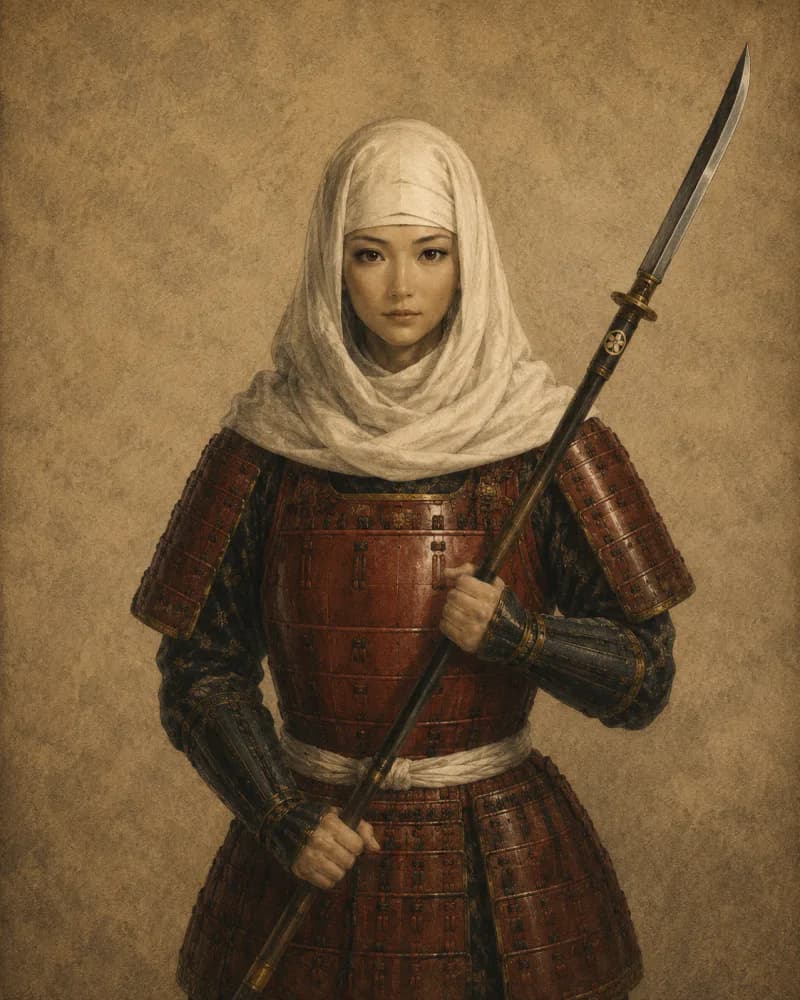
SA-0054 / unknown
Ii Naotora
The female lord who kept the Ii house alive at Ii-no-ya and raised the young Naomasa
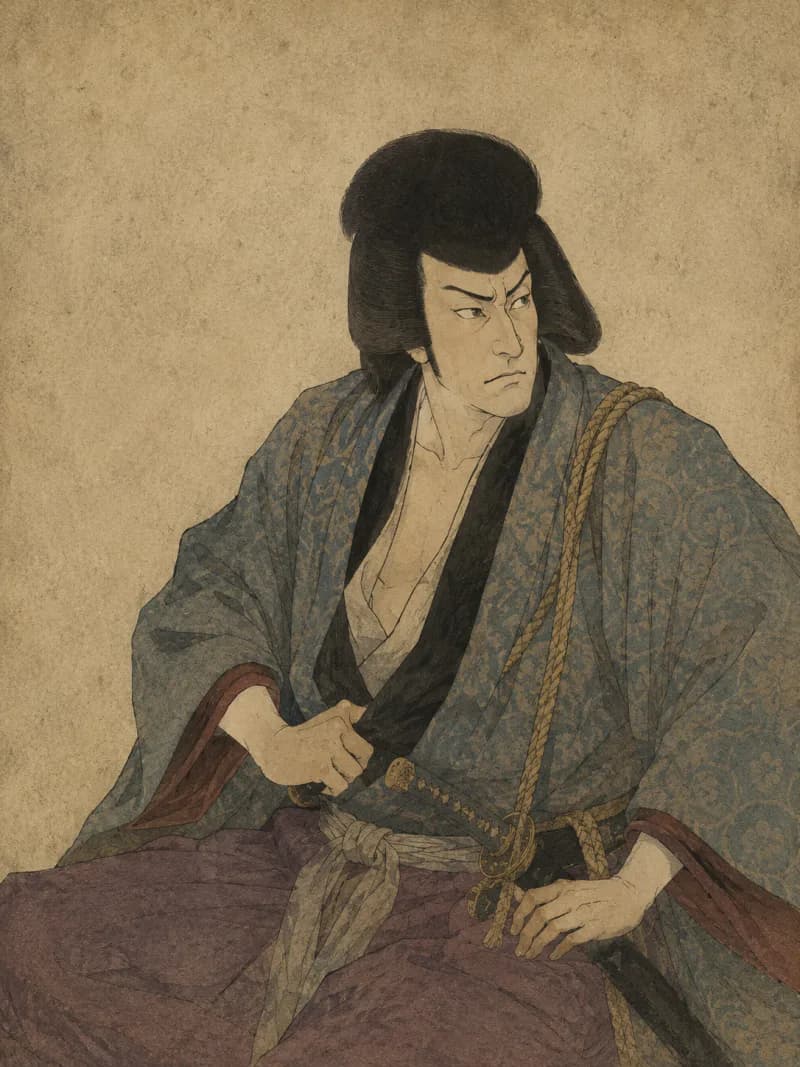
SA-0062 / ?
Ishikawa Goemon
The semi-legendary figure whose attempted assassination of Hideyoshi and cauldron-boiling execution shaped the ninja-thief image of Japanese popular culture
- H
SA-0080 / 1440
Hino Tomiko
The woman of power in the Muromachi who moved the Ōnin War and sought to make her son shōgun — the shōgunal consort who bore the disgrace of a wicked woman
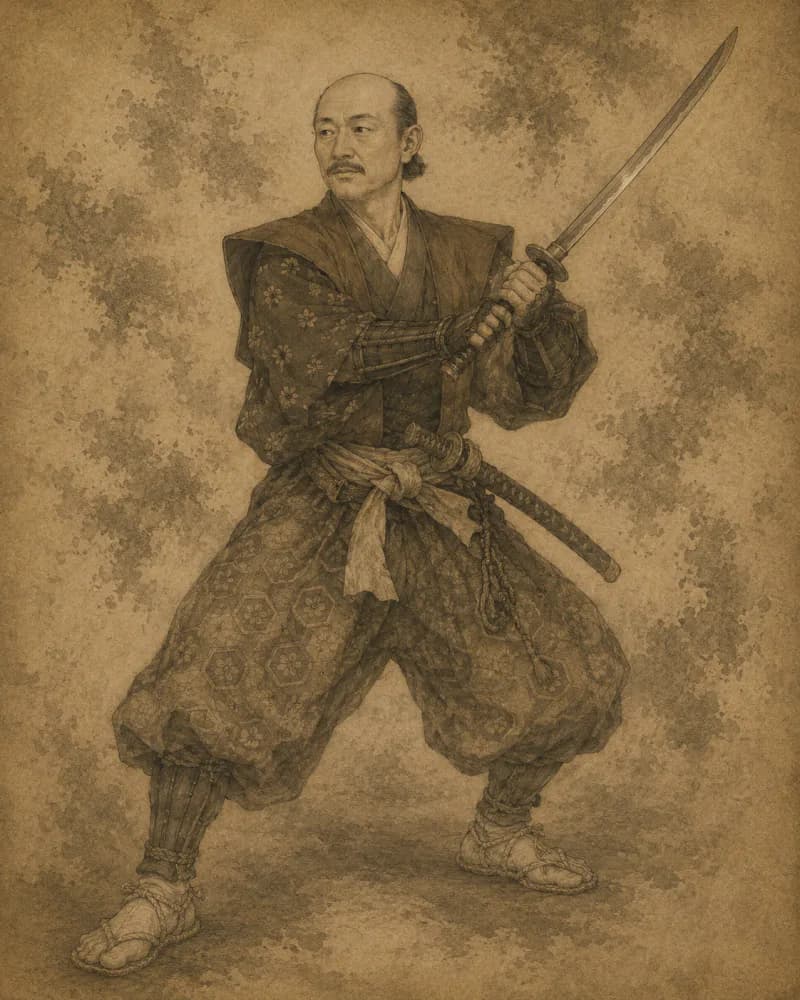
SA-0042 / 1489
Tsukahara Bokuden
The Sengoku sword saint who is said to have never lost a serious match
- S
SA-0078 / 1494
Saitō Dōsan
The gekokujō schemer who seized Mino in a single generation, saw through the greatness of his son-in-law Nobunaga, and was killed by his own son — 'the Viper of Mino'
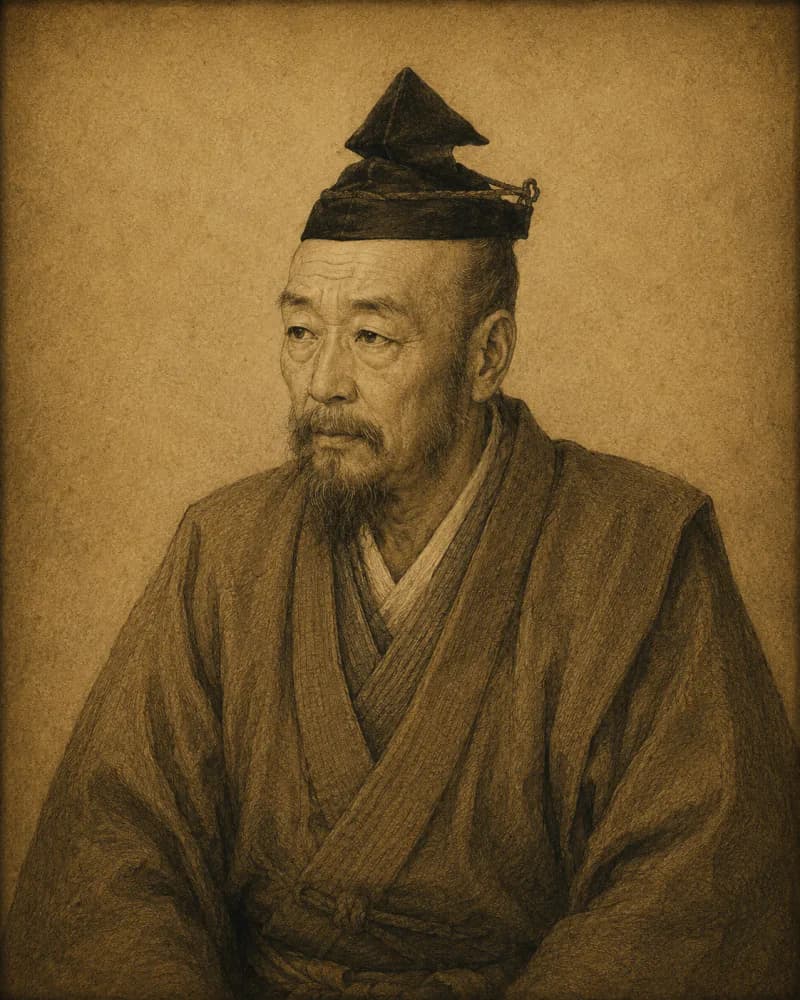
SA-0050 / 1497
Mōri Motonari
The minor lord who became, in a single generation, the master of ten provinces — the supreme strategist of the Sengoku
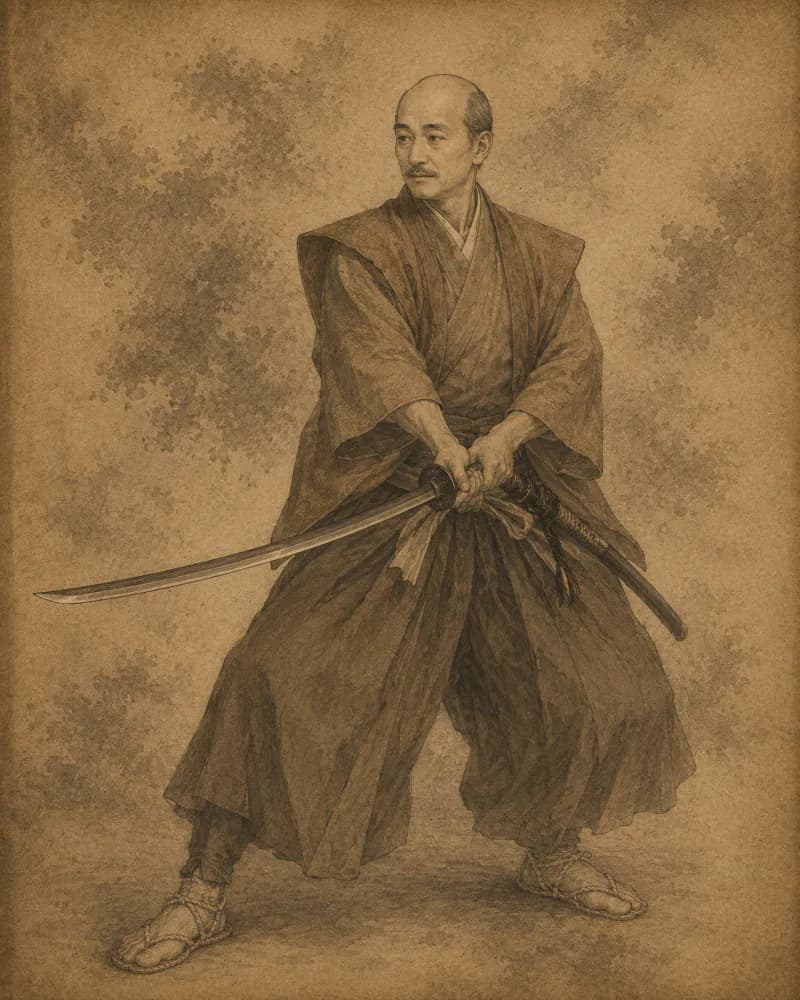
SA-0043 / 1508?
Kamiizumi Nobutsuna
Founder of the Shinkage-ryū and teacher of the Sengoku 'sword-saint shogun'

SA-0072 / 1519
Imagawa Yoshimoto
The Tōkai daimyō called 'the finest bowman of the coastal road,' who ruled Suruga, Tōtōmi, and Mikawa and fell at Okehazama
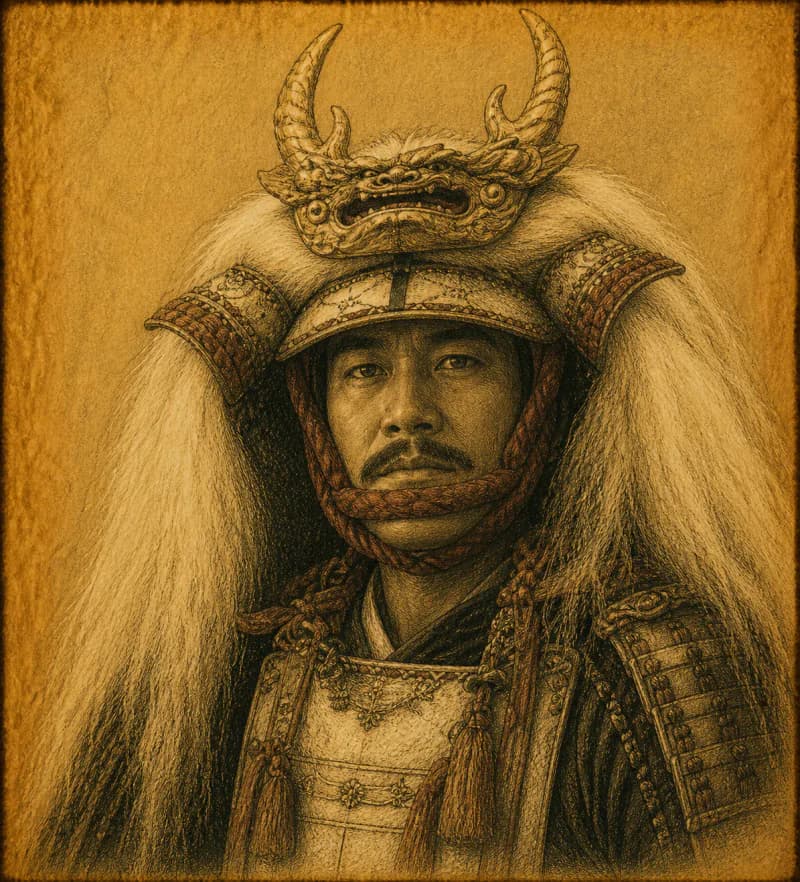
SA-0005 / 1521
Takeda Shingen
The Tiger of Kai whose cavalry shook the realm
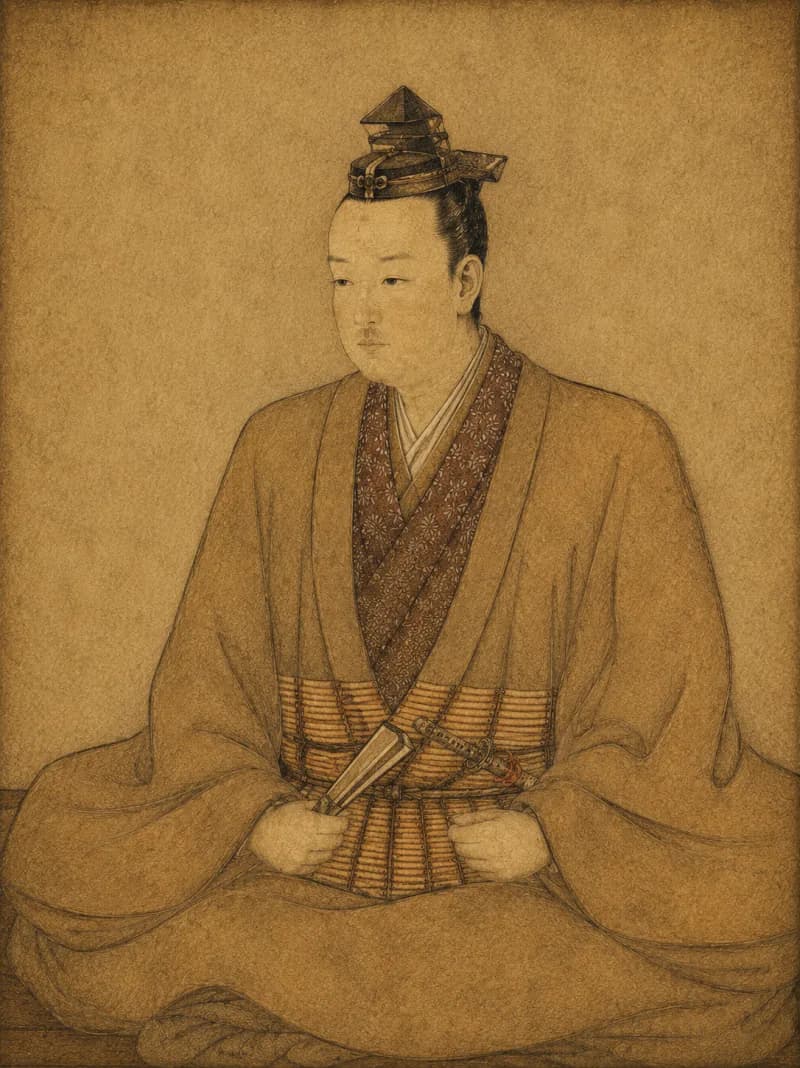
SA-0030 / 1528?
Akechi Mitsuhide
The general whose betrayal at Honnō-ji rerouted Japanese history
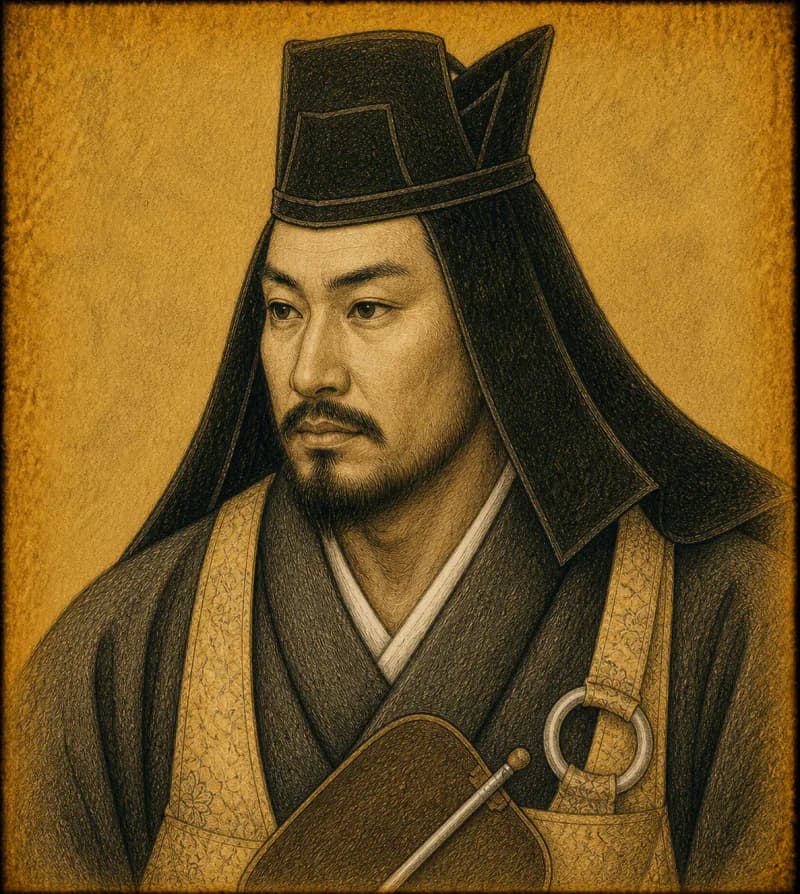
SA-0006 / 1530
Uesugi Kenshin
The Dragon of Echigo, sword-saint of the north
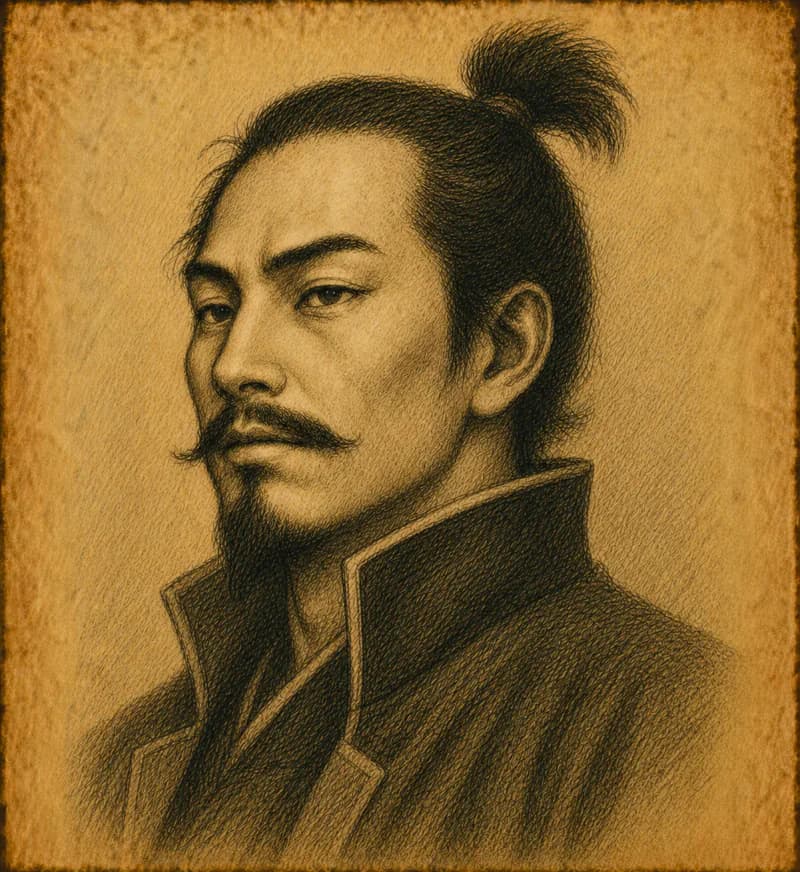
SA-0001 / 1534
Oda Nobunaga
The revolutionary who paved the path to a unified Japan
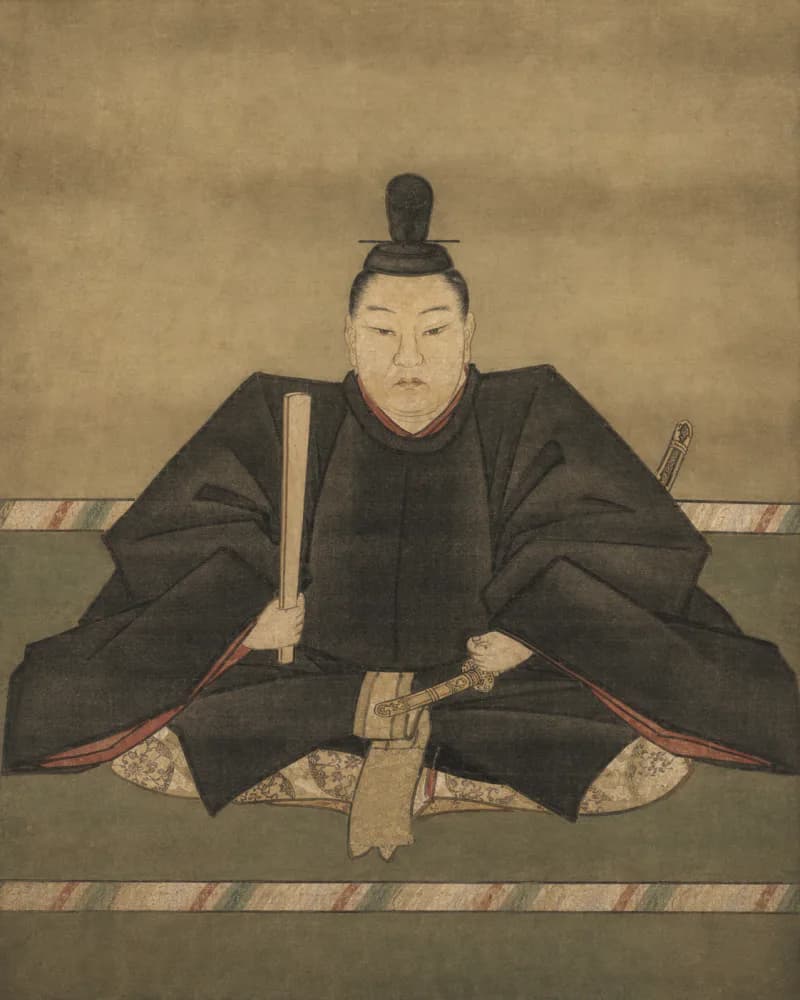
SA-0066 / 1535
Shimazu Yoshihiro
The Satsuma general feared by the Ming army as the 'Devil Shimazu' in Korea, who broke through the enemy center at Sekigahara in the 'Sutegamari' retreat
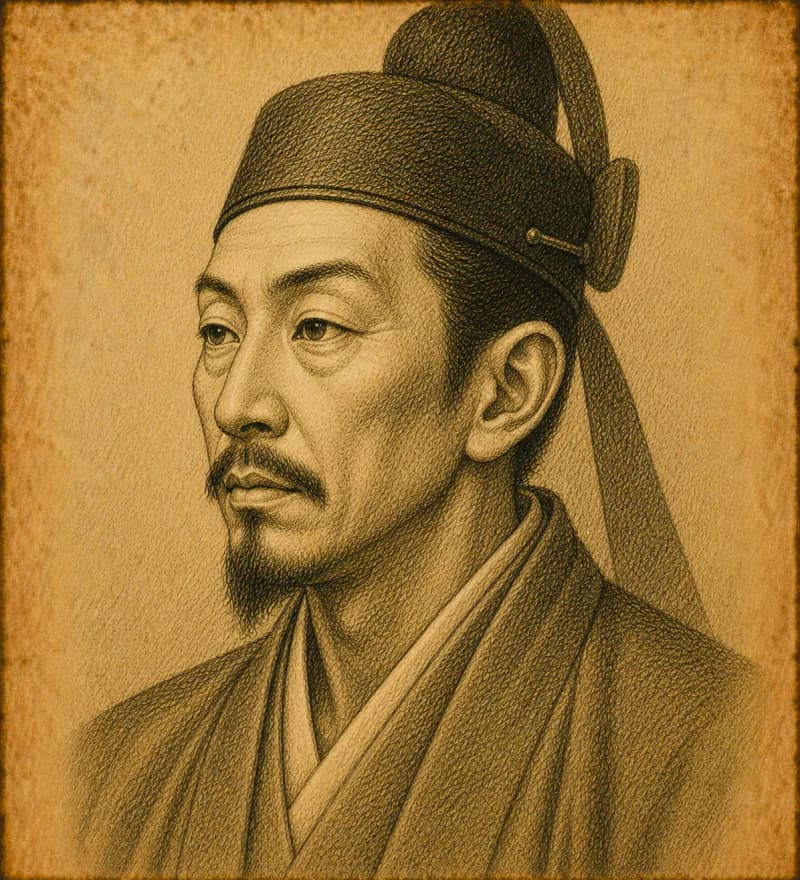
SA-0002 / 1537
Toyotomi Hideyoshi
The peasant who rose to rule all Japan

SA-0076 / 1538
Maeda Toshiie
The kabukimono called 'Mataza of the spear' who built the foundation of the million-koku Kaga domain and supported the Toyotomi government as one of the Five Elders
- C
SA-0079 / 1539
Chōsokabe Motochika
The hero of Tosa who rose from a youth mocked as 'the little princess-boy' to unify Shikoku, and was cast into darkness by the death of his beloved son
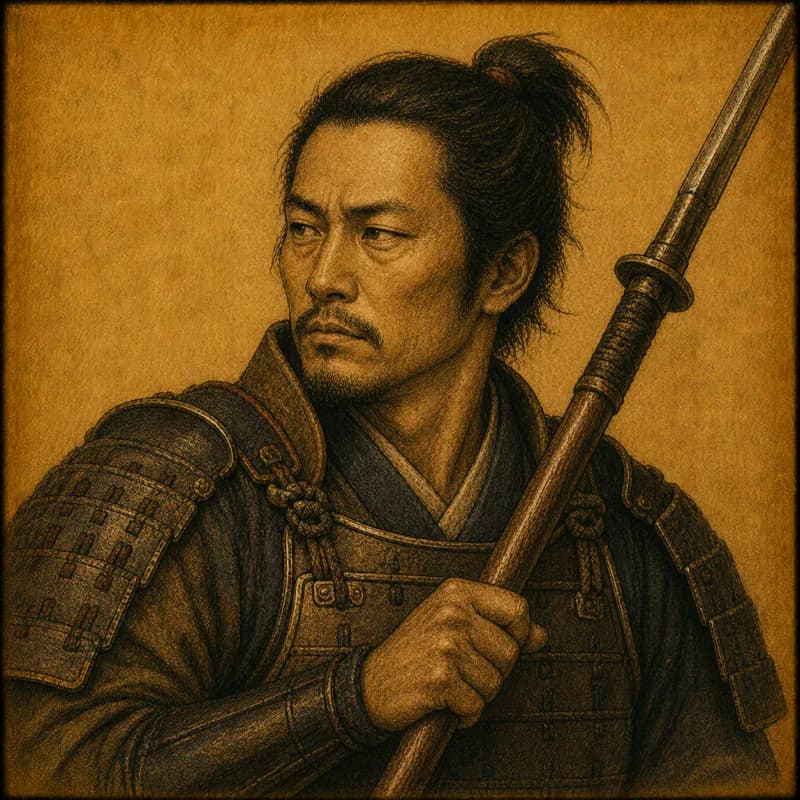
SA-0010 / 1542
Hattori Hanzō
The Iga master who guarded the founder of the Tokugawa peace
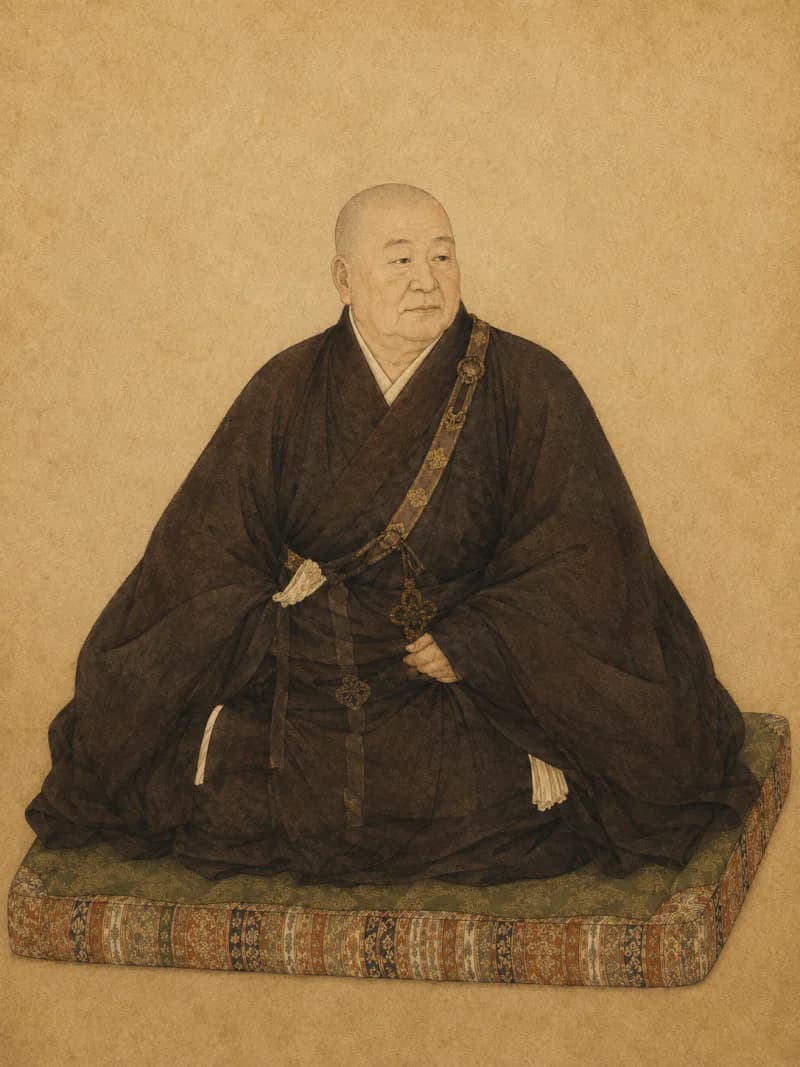
SA-0059 / 1543
Hongan-ji Kennyo
The supreme leader of the Hongan-ji organization who fought Nobunaga for ten years at Ishiyama
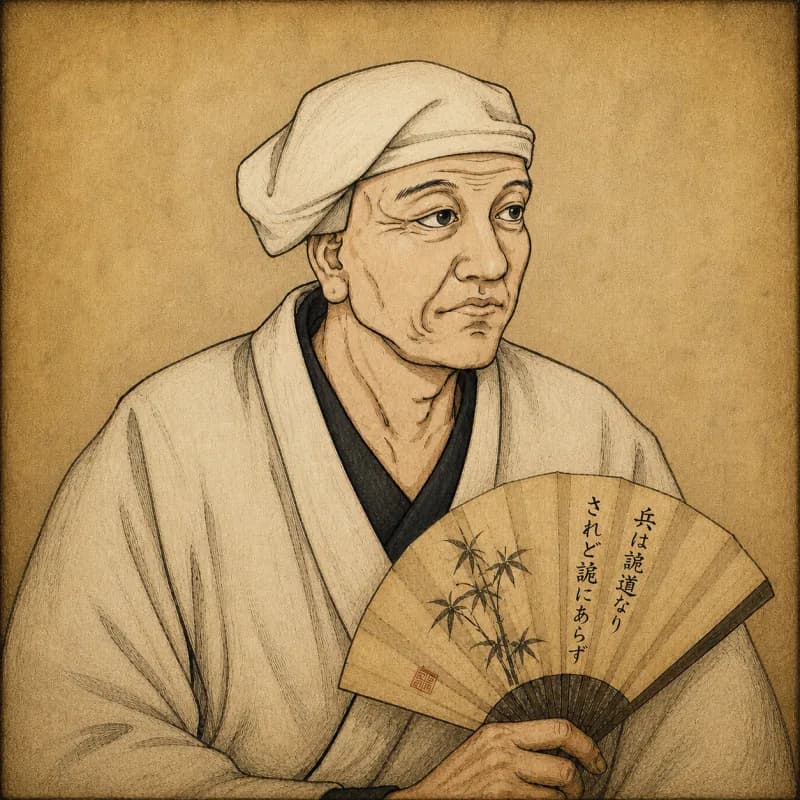
SA-0011 / 1546
Kuroda Kanbei
The strategist Hideyoshi feared more than any enemy
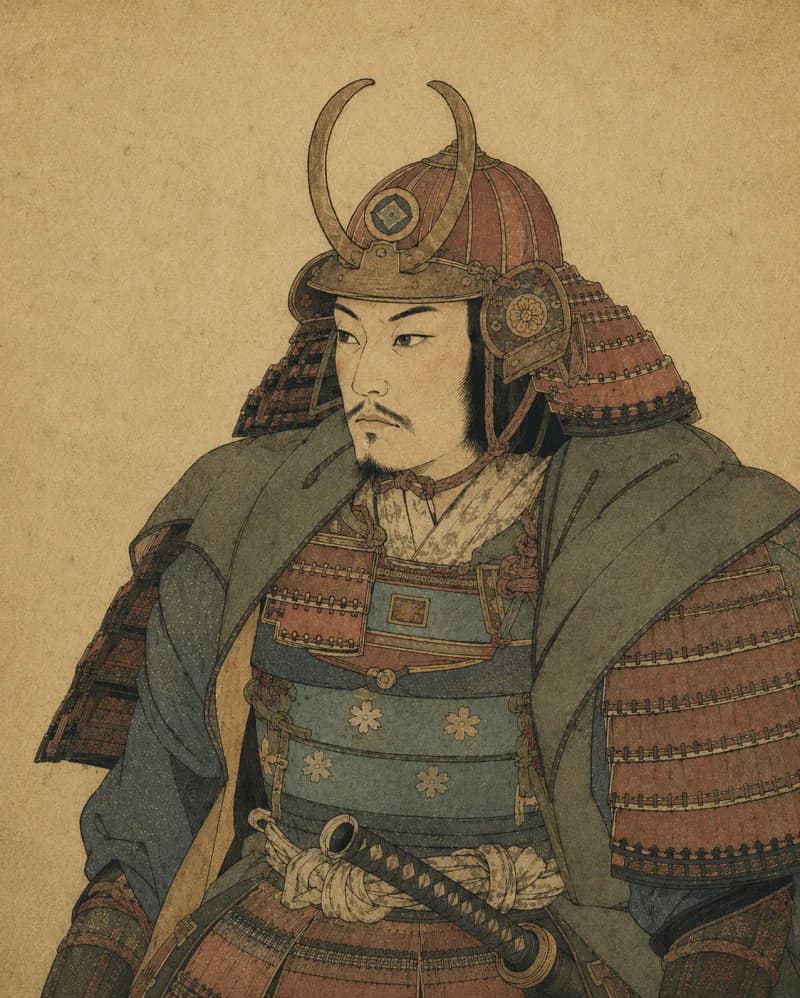
SA-0033 / 1546
Takeda Katsuyori
The last lord of Takeda — and the man who lost the cavalry at Nagashino
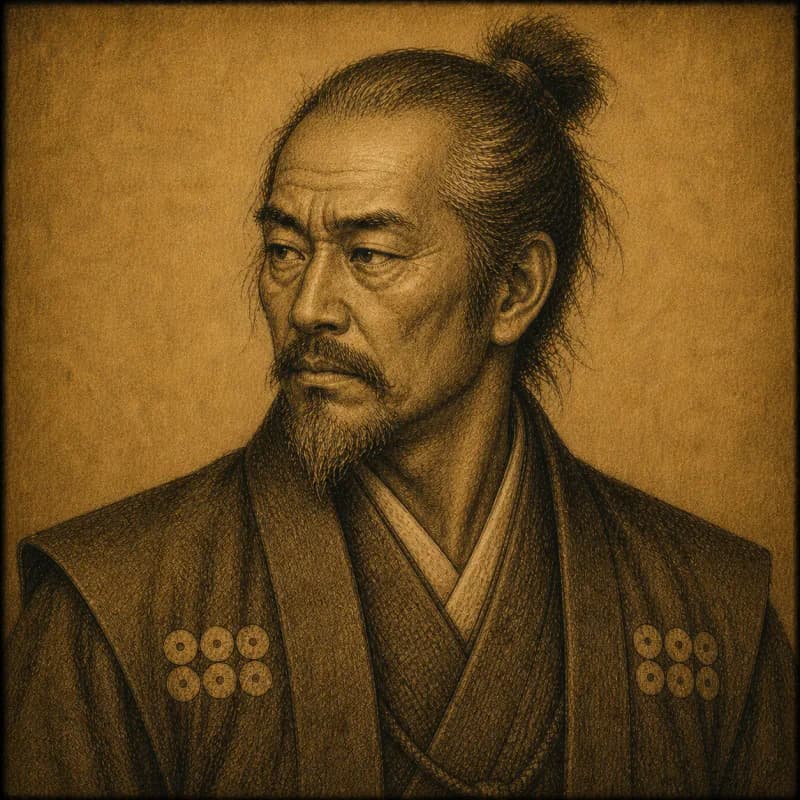
SA-0013 / 1547
Sanada Masayuki
The mountain strategist who defeated the Tokugawa twice from a single small castle
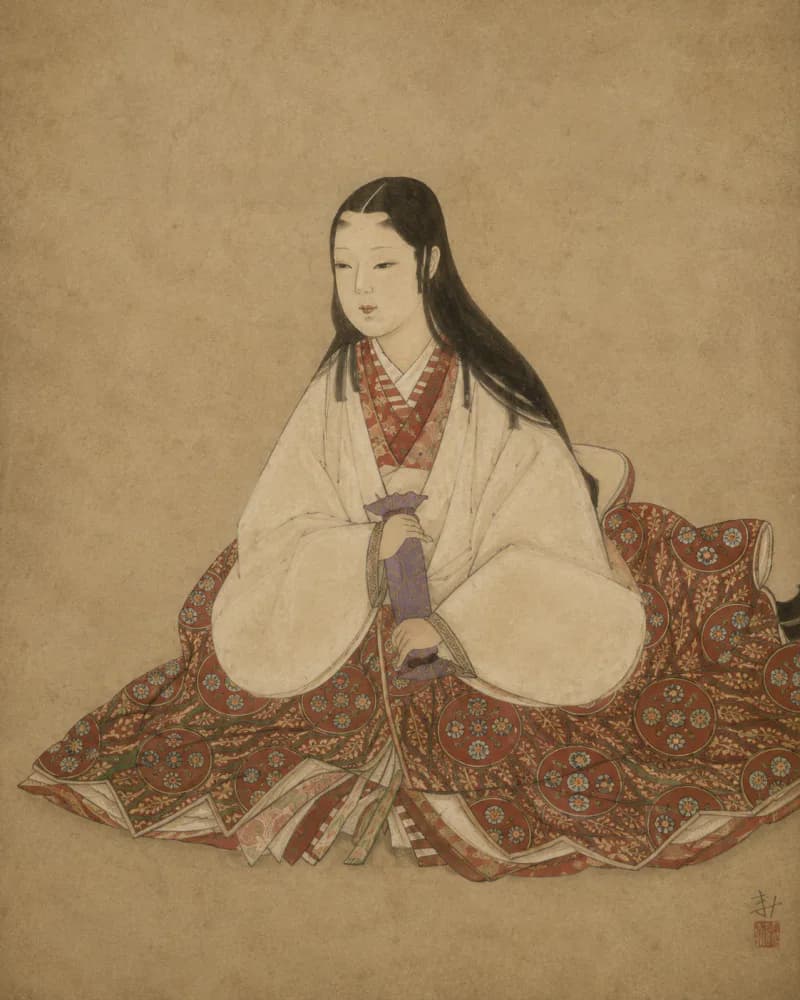
SA-0063 / 1547?
Oichi
Sister of Oda Nobunaga, wife of Azai Nagamasa, then of Shibata Katsuie — the emblem of tragedy for women of the Sengoku period
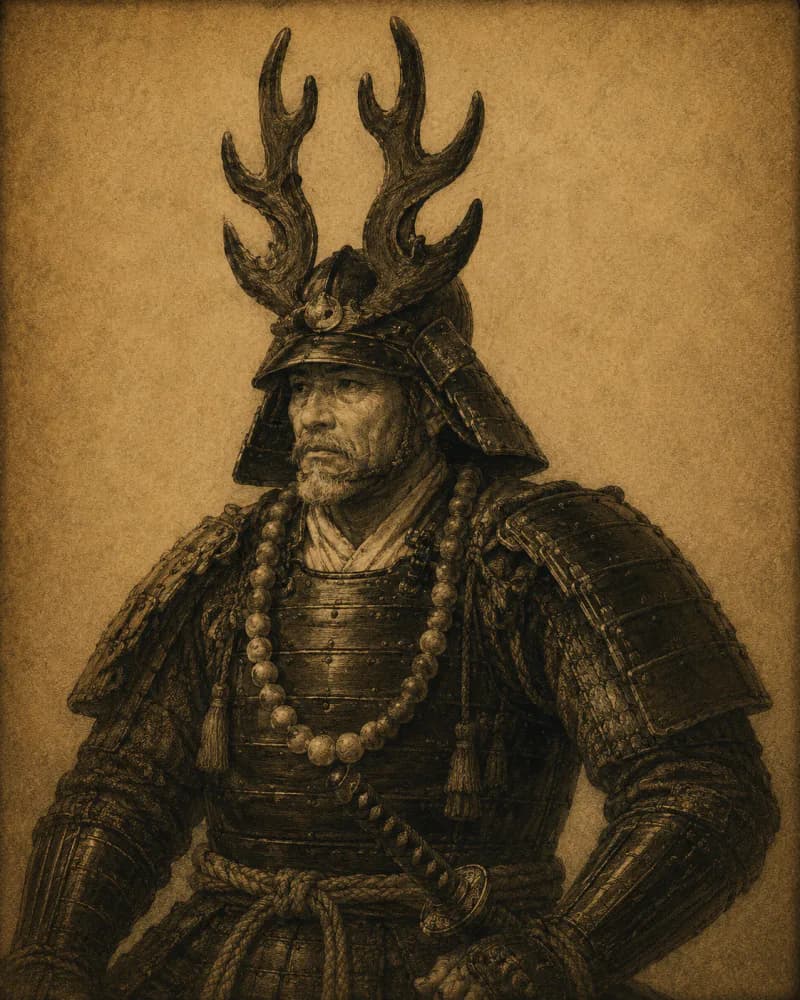
SA-0049 / 1548
Honda Tadakatsu
The spear master of the Tokugawa Four Heavenly Kings, said to have come through fifty-seven battles without a wound
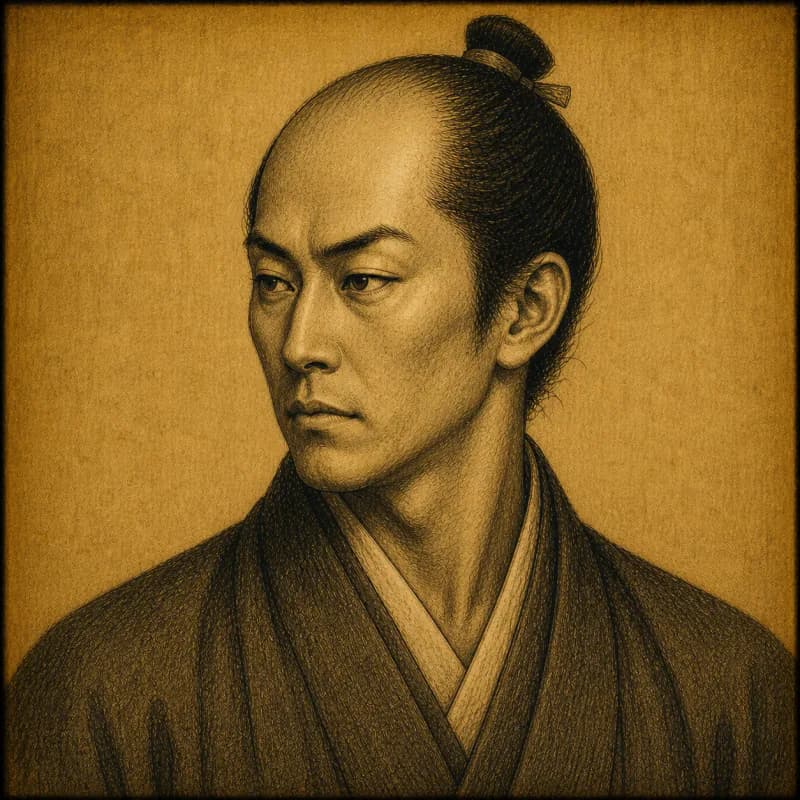
SA-0012 / 1559
Ishida Mitsunari
The administrator who fought Tokugawa for the Toyotomi succession — and lost
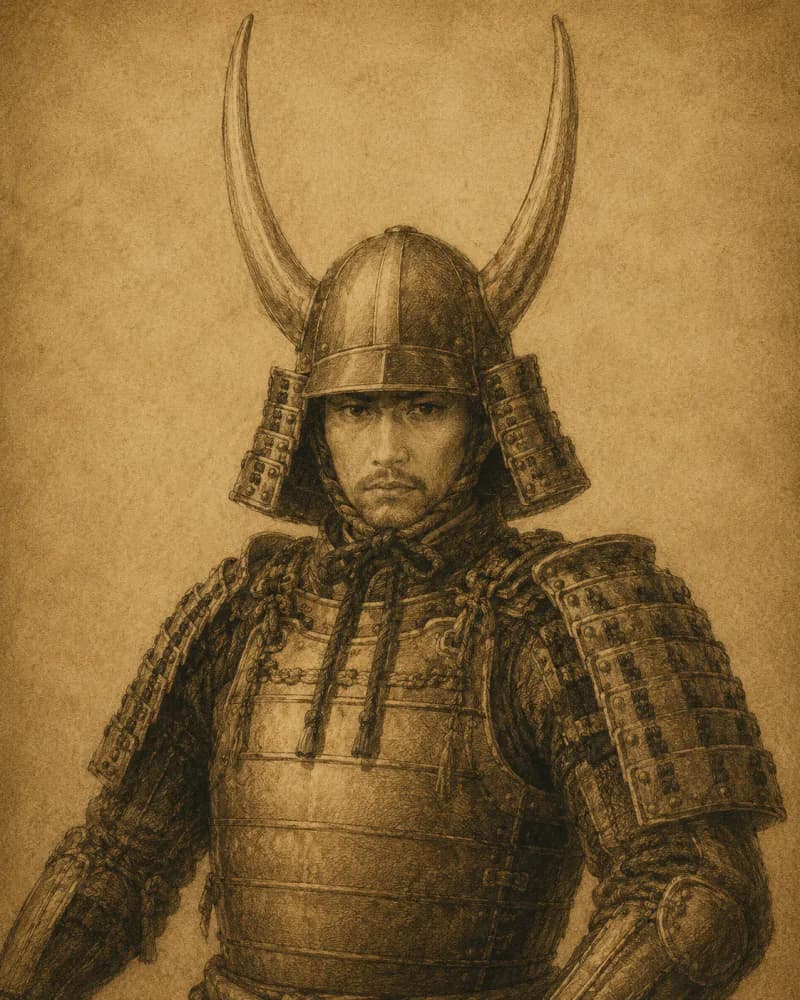
SA-0048 / 1561
Ii Naomasa
The youngest of the Tokugawa Four Heavenly Kings, commander of the 'Ii Red Devils' and founder of the Hikone domain
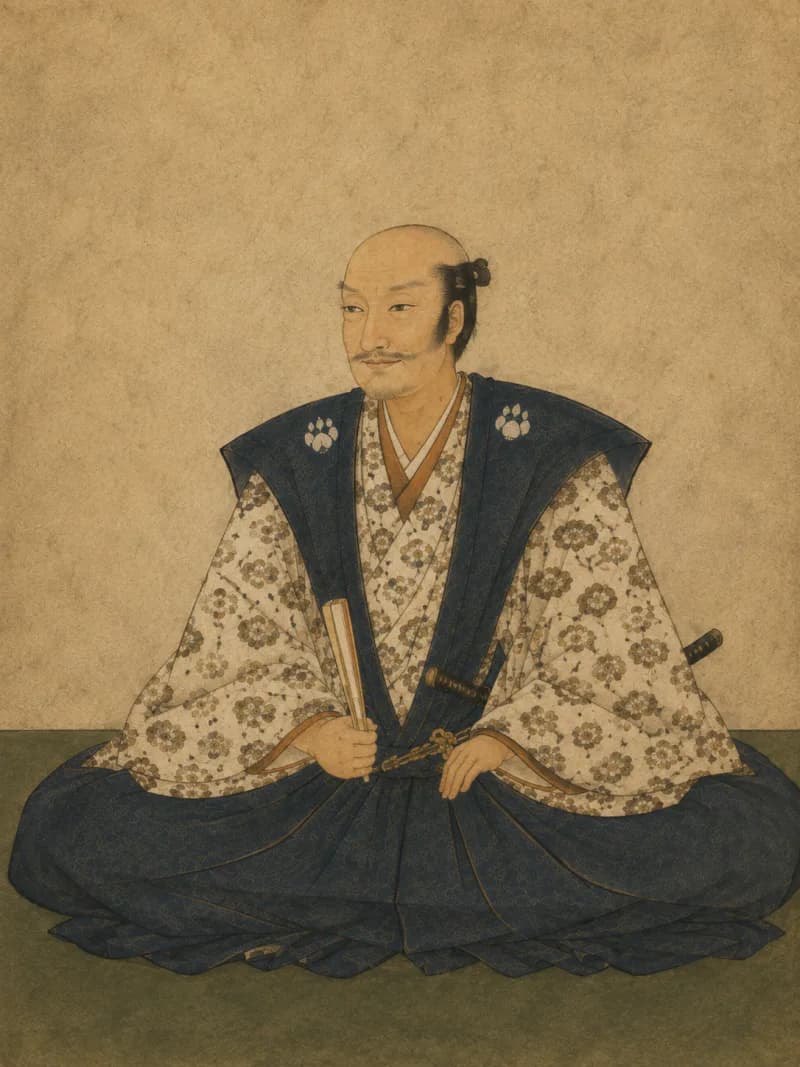
SA-0064 / 1561
Fukushima Masanori
The foremost of the 'Seven Spears of Shizugatake,' vanguard of the Eastern Army at Sekigahara, and the Hideyoshi-raised general who was stripped of his fief for repairing a castle without permission
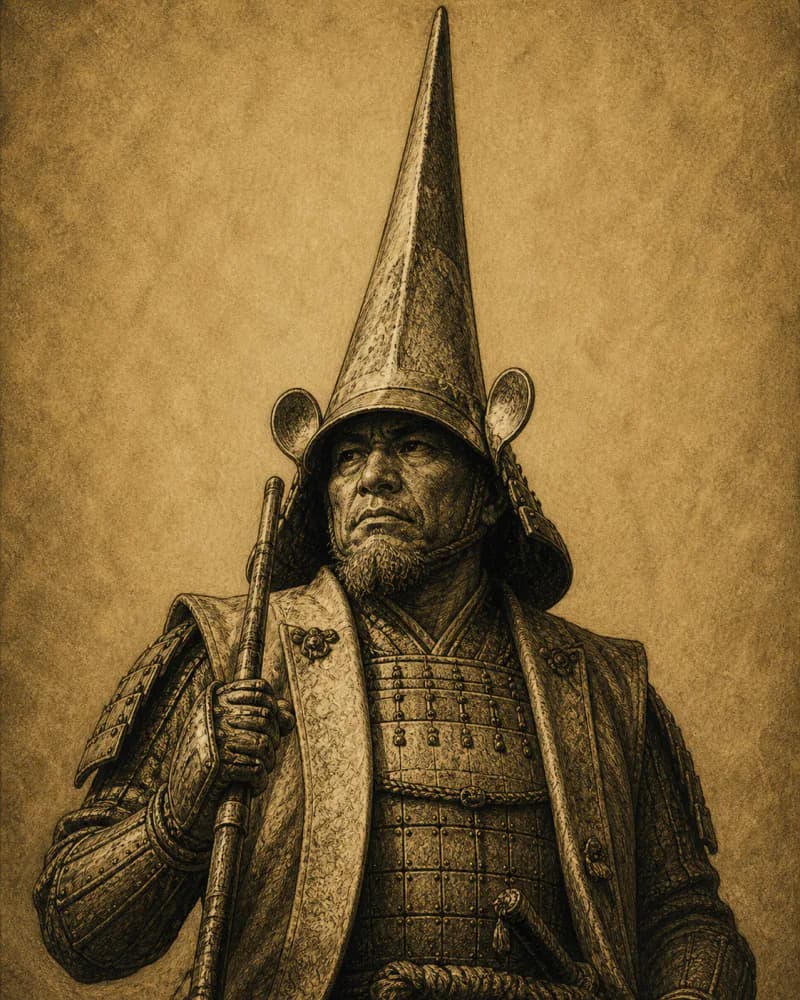
SA-0018 / 1562
Katō Kiyomasa
The seven-spears warrior who built the castle that survived four hundred years

SA-0017 / 1563
Hosokawa Gracia
The Christian noblewoman whose death preserved her husband's place in the new order
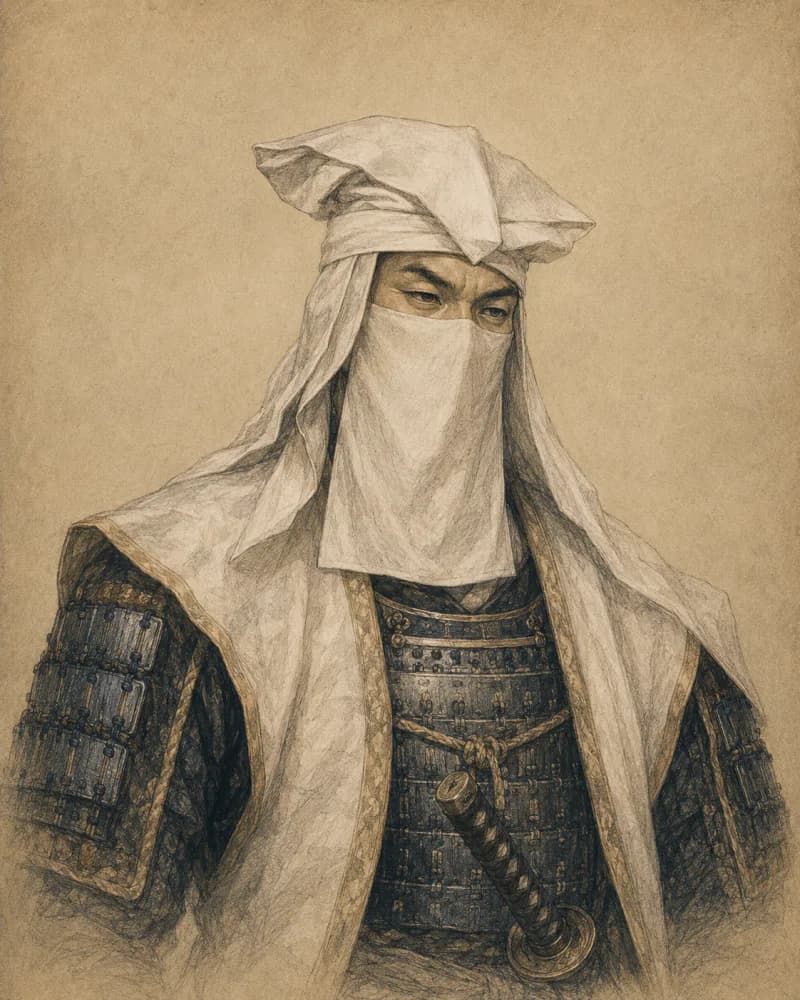
SA-0039 / 1565?
Ōtani Yoshitsugu
The strategist who joined his friend Mitsunari at Sekigahara knowing they would probably lose
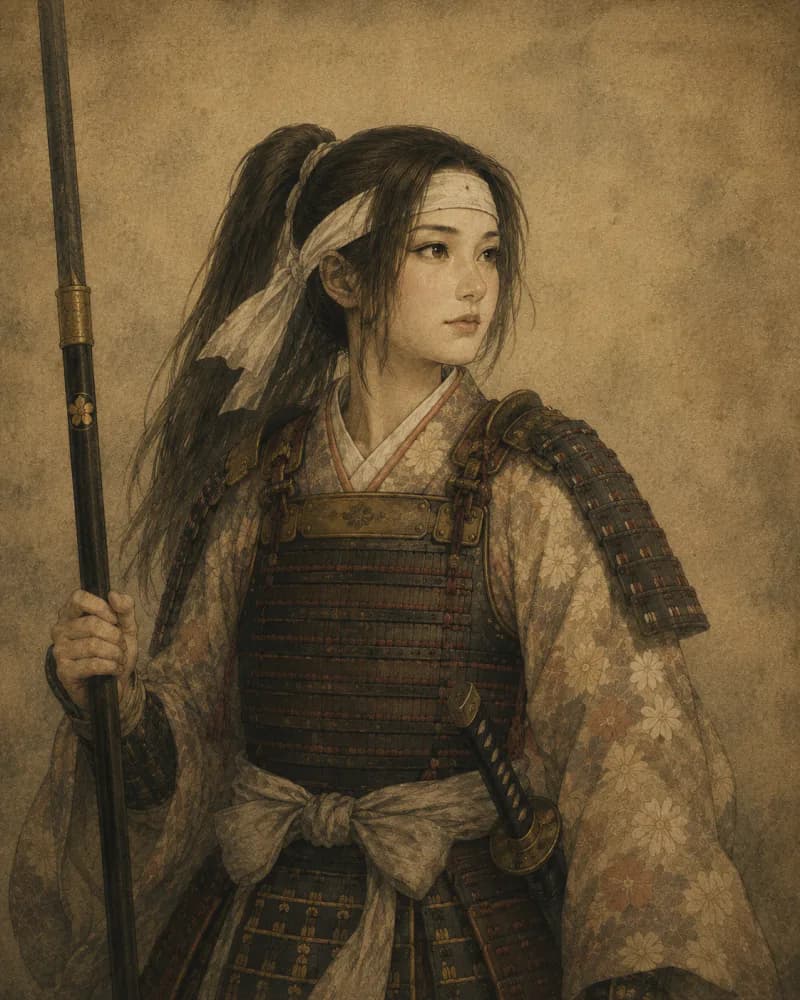
SA-0055 / 1569
Tachibana Ginchiyo
The Sengoku-era female lord who inherited the Tachibana house at seven; wife of Tachibana Muneshige
- Y
SA-0082 / 1569
Yodo-dono
The tragic woman who lost her kin in three castle-falls, bore the Toyotomi as Hideyoshi's concubine, and perished with her son in the Siege of Ōsaka
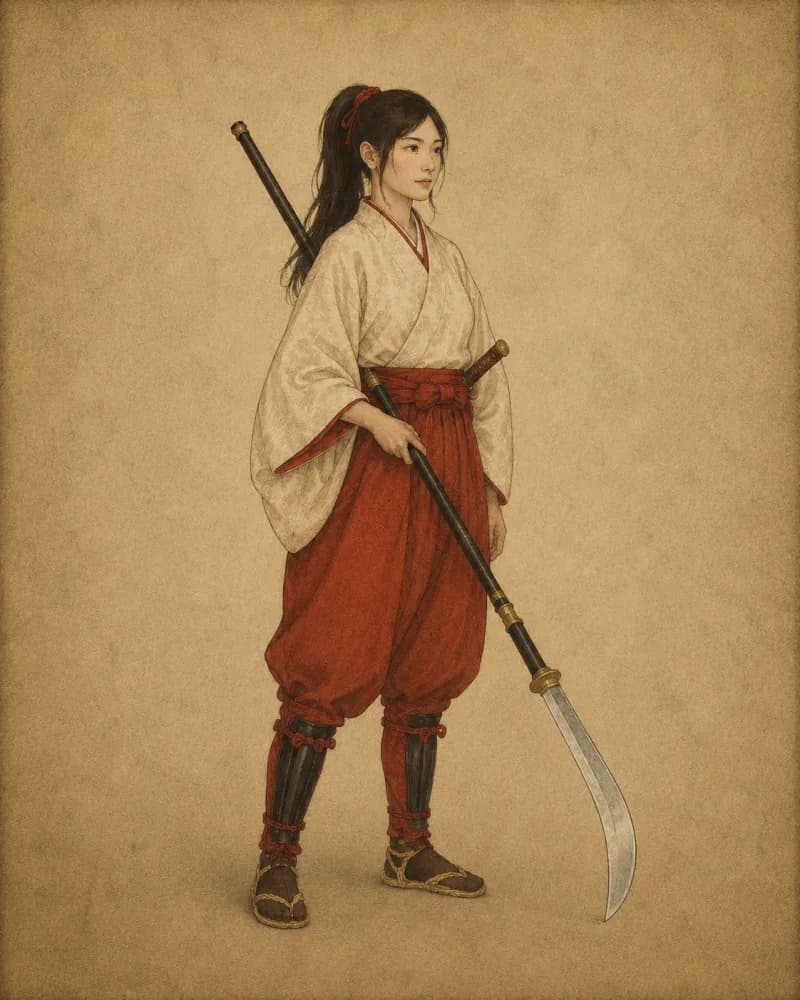
SA-0056 / 1572?
Kaihime
The twenty-year-old female warrior who held out against Hideyoshi's water attack at Oshi Castle; later Hideyoshi's consort
REPORTS FROM THIS ERA
The Honnō-ji Incident: Why Did Akechi Mitsuhide Betray Nobunaga?
On a single dawn in June 1582, Akechi Mitsuhide turned his army around and burned his lord alive. Four centuries of historians still cannot agree why.
Sekigahara: How Tokugawa Won Japan in a Single Afternoon
On October 21, 1600, two armies of roughly 80,000 men each met in fog on a Mino plain. By sunset, the battle that decided 250 years of Japanese history was over.
Hattori Hanzō and the Truth About the Ninja
The most famous ninja in history was almost certainly not a ninja at all. He was a regular samurai officer who happened to lead specialists from a village called Iga — and that fact changes everything about how we should read the legend.
The Betrayers of Sekigahara: What Happened to the Men Who Switched Sides
Four Western Army commanders defected during the battle that decided 250 years of Japanese history. Three of them died ruined men within ten years. The fourth lived to be a punchline.
Kawanakajima: The Greatest Personal Rivalry of the Sengoku
Five battles, twelve years, no decisive winner. The story of Takeda Shingen and Uesugi Kenshin's repeated meetings on a single Shinano river plain became, for the Japanese, the archetype of a rivalry between equals.
Salt for an Enemy: The Single Gesture That Defined Samurai Honor
In the winter of 1567, Uesugi Kenshin sent salt to Takeda Shingen — the man he had fought five battles against. Four hundred years later, the gesture is still taught in Japanese ethics classes as the highest example of just war.
Strategy as Theater: Why Hideyoshi Kept His Best Strategist Far from the Capital
Kuroda Kanbei could read battles before they happened. Hideyoshi was so afraid of him that he reduced him to a small Kyūshū domain, well below his merit. The decision shaped the career of one of the strangest figures of the Sengoku.
Ueda Castle: How Three Thousand Stopped Thirty-Eight Thousand
Twice — in 1585 and again in 1600 — Sanada Masayuki defended a small Shinano castle against Tokugawa armies many times his size. The second defense changed Japanese history. The first showed how he did it.
The Sword Through the Door: Hosokawa Gracia and the Last Day Before Sekigahara
On July 17th, 1600, three months before Sekigahara, a Christian noblewoman who had been forbidden by her faith from suicide ordered her chief retainer to kill her with a long sword through a closed shōji. Her death changed the course of the battle she did not live to see.
Kumamoto Castle: The Castle That Outlived the Last War
Built between 1601 and 1607 by Katō Kiyomasa, Kumamoto Castle was so well engineered that 270 years later, when Saigō Takamori besieged it for fifty-five days during the 1877 Satsuma Rebellion, he could not take it. Its architecture is one of the few practical samurai legacies still readable in stone.
The Brother Who Outlived the Legend: Why Sanada Nobuyuki Lived to Ninety-Two
Sanada Yukimura died at Osaka in 1615, a hero. His older brother Nobuyuki — who had sided with the Tokugawa at Sekigahara — outlived him by forty-three years and built a domain that lasted to the Meiji Restoration. The contrast tells you what samurai loyalty actually required.
Yamazaki: The Thirteen-Day Empire That Hideyoshi Stole Back
Eleven days after burning Nobunaga at Honnō-ji, Akechi Mitsuhide stood at the Yamazaki ridges facing an army that should not have arrived for weeks. Toyotomi Hideyoshi had marched 230 kilometres in nine days. By sunset Mitsuhide was finished.
Tanba: The Ten-Year Pacification That Forged Nobunaga's Most Dangerous General
Seven years before Honnō-ji, Akechi Mitsuhide was bogged down in the mountain valleys of Tanba. The 1575–1579 pacification was the Oda army's hardest provincial campaign, and by the end of it Mitsuhide had become Nobunaga's most powerful corps commander.
The Bamboo Grove at Ogurusu: How a Three-Day Emperor Died at Peasants' Hands
After defeat at Yamazaki, Mitsuhide rode the twenty kilometres back toward Sakamoto Castle in the dark. He was killed in a bamboo grove south of Kyoto by armed villagers — or so the sources say. They are oddly silent on the details.
Nagashino: The Day the Cavalry Died
On the morning of May 21, 1575, Takeda Katsuyori's elite cavalry charged into a three-tier line of three thousand Oda matchlocks. By sunset half of the Takeda's senior generals were dead and the army once called the fiercest of the Sengoku was finished.
Tenmokuzan: How the Takeda Vanished
Seven years after Nagashino, with Nobunaga's invasion army closing in, Takeda Katsuyori was cornered at the foot of Mount Tenmoku. On March 11, 1582, nine years after Shingen's death, the Takeda clan was finished.
Why Katsuyori Lost What Shingen Had Won
Compare the Takeda of Shingen with the Takeda of Katsuyori, and the largest difference is neither manpower nor talent but the diplomatic environment. Katsuyori inherited none of the alliance structure his father had built, and had to fight inside Nobunaga's encirclement.
The Naoe Letter: How One Letter Called Sekigahara Into Being
In April 1600, Uesugi Kagekatsu's chief retainer Naoe Kanetsugu sent Tokugawa Ieyasu a sixteen-article letter of defiance. Within months the response had brought a 720,000-koku coalition to the field at Sekigahara, the largest battle in Japanese history.
The Friendship That Doomed a Daimyō: Why Ōtani Joined Mitsunari Knowing They Would Lose
In August 1600, Ōtani Yoshitsugu was preparing to follow Tokugawa Ieyasu. When his close friend Ishida Mitsunari told him about the planned Western Army uprising, Ōtani coldly pointed out the unfavorable odds — and then joined the Western Army anyway. A rare case of a strategic decision made for friendship rather than against it.
The White Veil: The Ten Years Ōtani Fought His Own Body
From around 1598, Ōtani Yoshitsugu was struck by a severe skin disease — modern scholarship from the contemporary symptom records identifies it as leprosy. He kept conducting his official business with his face covered by a white veil. The decade in which an incurable disease and a battlefield career proceeded in parallel.
The White-Veiled General's Last Stand: How Ōtani Died at Sekigahara
On the afternoon of September 15, 1600, in the third hour of the main battle, Kobayakawa Hideaki's force descended from Matsuo Mountain and struck Ōtani's flank. The simultaneous defection of four more allied commanders broke the line. Ōtani committed suicide with his retainer Yuasa Gosuke as second.
The Adoption Chain: How a Boy Born Kinoshita Almost Became a Hashiba
Born to the Kinoshita house in Ōmi in 1582, one boy in ten years changed names and clans twice — first adopted as Toyotomi Hideyoshi's heir at three, then re-adopted into the Kobayakawa house at twelve. The remote cause of the Sekigahara defection lay in that chain of adoptions.
The Two Hours at Matsuo Mountain: Why Hideaki Moved Only After Noon
On the morning of September 15, 1600, Kobayakawa Hideaki's fifteen-thousand-strong force on Matsuo Mountain south of Sekigahara did not move. Tokugawa Ieyasu fired musket volleys at the foot of the mountain to prompt a decision, and just past noon Hideaki defected and descended. The two hours of silence that decided the end of the Sengoku era.
From the Kuroda to Ōsaka: Why Matabei Became a Rōnin
In 1611, Gotō Matabei left the Kuroda clan of Chikuzen-Fukuoka and became a rōnin. The proximate cause was a long-deteriorating relationship with the lord Kuroda Nagamasa, but the cost of breaking with the conventions of the warrior society was the hōkō-gamae blocking notice — and nearly a decade of wandering across Japan.
A Hundred Duels Without a Loss: Why Bokuden Never Lost in His Lifetime
Across sixty-six years from seventeen to eighty-three, the Sengoku sword saint Tsukahara Bokuden is said to have fought nineteen serious duels and several hundred school matches without a single loss. Is the unbeaten legend history, exaggeration, or both?
Mutekatsu-ryū: The Day Bokuden Won Without Drawing His Sword
In old age Tsukahara Bokuden was challenged on a lakeboat by a young swordsman of another school. He proposed they fight on a sandbar. The young man jumped from the boat — and Bokuden ordered the boatman to push off from the shore. 'This is my Mutekatsu-ryū,' he called back. What was the famous anecdote actually saying?
From Kashima to Everywhere: How Bokuden Created the Itinerant-Training Tradition
Tsukahara Bokuden spent most of his life at Kashima Shrine, but in his later years he traveled the provinces training students. The itinerant-training tradition he established laid down the route the later swordsmen — Kamiizumi Nobutsuna, Miyamoto Musashi — would all follow, and became the standard form of Japanese martial-arts training.
Teacher to the Sword-Saint Shogun: How Kamiizumi Trained Ashikaga Yoshiteru
The thirteenth Ashikaga shogun, Yoshiteru, is the figure known as the 'sword-saint shogun.' His sword talent is said to have been transmitted from both Tsukahara Bokuden and Kamiizumi Nobutsuna. When Yoshiteru was killed in the 1565 Matsunaga Hisahide raid, his sword resistance to the end was the embodiment of what Kamiizumi had taught him.
The Shinkage-ryū: How Kamiizumi Developed the Kage-ryū
Around 1560, Kamiizumi Nobutsuna developed the Kage-ryū he had learned from his teacher Aisu Ikōsai into the new Shinkage-ryū. The transformation from Kage to Shinkage is regarded as the largest theoretical leap in Sengoku sword theory. What changed?
Mutōdori: The Day Kamiizumi Took a Sword With Empty Hands
When Kamiizumi Nobutsuna fought Yagyū Munetoshi in Yamato Yagyū, in their third and final match Kamiizumi is said to have taken Munetoshi's blade away with his bare hand. The mutōdori technique is one of the inner teachings of the Shinkage-ryū, transmitted from Kamiizumi forward.
Sword Instructor to the Shogun: How the Yagyū Shinkage-ryū Became State Doctrine
In 1605, Yagyū Munenori became sword instructor to the second Tokugawa shogun Hidetada. The Yagyū Shinkage-ryū inherited from his father Munetoshi became the official sword of the Tokugawa government. The reading of a rare case in which a single school became the official way of a state.
Mutō-ryū: The Day Yamaoka Tesshū Integrated the Sword and Zen
In 1880, Yamaoka Tesshū founded the Ittō Shōden Mutō-ryū, a school integrating sword, Zen, and calligraphy. On the lineage of Tsukahara Bokuden's Mutekatsu-ryū and Kamiizumi Nobutsuna's Shinkage-ryū, it was an attempt to reconstruct the thought of swordsmanship for the Meiji era.
Fifty-Seven Battles Unwounded: How Much of the Honda Tadakatsu Legend Is Fact?
The career of Honda Tadakatsu, said to span 'fifty-seven battles without a wound.' The specific figure rests on Edo-period compiled sources, but the absence of a record of serious wounding in contemporary materials is itself broadly recognized among scholars. Tracing the relation between legend and source, reading the historical reality of the warrior who served Tokugawa Ieyasu for half a century.
The Tokugawa Four Heavenly Kings: Why Sakai, Honda, Sakakibara, and Ii Were Named Together
Sakai Tadatsugu, Honda Tadakatsu, Sakakibara Yasumasa, Ii Naomasa. The four warriors who bore the military core of Tokugawa Ieyasu are called the 'Tokugawa Four Heavenly Kings,' but when did the term form and what was the basis for the selection? Sorting out the outline of the Four Heavenly Kings from Edo-period house-tradition compilation and modern scholarship.
Tonbogiri: Honda Tadakatsu's Prized Spear and the Lineage of the Three Great Spears
Honda Tadakatsu's prized spear 'Tonbogiri' (Dragonfly-Cutter) was praised, alongside Otegine and Nihongō, as one of the 'Three Great Spears of the Realm' — famous-name long-shafted spears. Reading the transmission of this spear, named from a tradition that a dragonfly alighting on the blade was cut in two, and Tadakatsu's wielding of it on the field, from the sources.
Three Arrows: The Origin of the Tradition and the 1557 Letter to Three Sons
The 'three arrows' story in which Mōri Motonari taught his three sons that 'a single arrow can be broken but three bound together cannot.' But his eldest son Takamoto died eight years before Motonari, so the scene of the tradition cannot stand as historical fact. Reading Motonari's real words from the 1557 Sanshi Kyōkunjō, the original of which still survives.
The Battle of Itsukushima: How Motonari Broke Sue Harukata's Great Army
On September 30, 1555, Mōri Motonari mounted a surprise attack on Sue Harukata's great army at Itsukushima (the modern Miyajima) and drove him to take his own life. The come-from-behind victory from overwhelming inferiority became the largest turning point of Motonari's life and laid the foundation for the subsequent Mōri conquest of the Chūgoku region. The tradition and reality of the troop numbers, the cleverness of the tactic, and the elements of victory, organized on the basis of sources.
The Two-River Structure: How Motonari Came to Rule Ten Provinces
Mōri Motonari's true achievement is the construction of the 'Two-River structure,' sending his second son Motoharu in adoption to the Kikkawa house and his third son Takakage to the Kobayakawa house, and absorbing both houses. Reading the core of the political strategy by which a single kokujin lord of Aki rose, in one generation, to mastery of ten provinces of the Chūgoku region.
The Ii Red Devils: How the Takeda Elite Became the Tokugawa's Strongest Unit
In 1582, after the destruction of the Takeda house, Ieyasu gave the Takeda elite 'Red Devils' to the twenty-two-year-old Ii Naomasa. Inheriting the vermilion equipment of Yamagata Masakage, the Ii Red Devils became the symbolic elite force of the Tokugawa army, combining visibility and combat power across every engagement up to Sekigahara. From the inheritance of equipment to the transmission of tactics, traced from the sources.
The Wound from Pursuing Shimazu: The Sekigahara Wound That Delayed Naomasa's Death by Two Years
On September 15, 1600, in the closing phase of Sekigahara, Ii Naomasa pursued the retreat of Shimazu Yoshihiro's force, which had attempted to break through the eastern center. The thigh gunshot wound he took in the pursuit was not seen as fatal, but brought his death about a year and a half later in February 1602. A single bullet on the battlefield that closed the life of a forty-two-year-old warrior.
From Sawayama to Hikone: How the Foundation for the Ii Family's 250 Years Was Built
After Ii Naomasa died in 1602, in the generations of his sons Naokatsu and Naotaka the base was moved from Sawayama to a new castle at Hikone, and the Hikone domain of 300,000 koku was established. The course by which the foundation Naomasa built became the starting point of the Ii family — continuing through the Edo period as the foremost of the fudai daimyō and producing great elders.
Did Naotora Exist? The Name Jirō-hōshi and Recent Source Research
The 'female castellan Naotora' transmitted by the Ii Family Records has come under reexamination since around 2016. A document discovered in Kyoto suggested that the 'Jirō-hōshi' who ruled Ii-no-ya may have been a man. Tracing the tension between the traditional image and the primary sources.
Losing Father and Cousin: The Crisis of the Ii House and the Succession
Okehazama 1560; the killing of Naochika by the Imagawa in 1562. The Ii house lost two heads in three years. Tracing the course, transmitted by the Ii Family Records, in which the Jirō-hōshi (Naotora), called back from the temple, succeeded to the house.
From Toramatsu to Naomasa: The Ii-House Future That Naotora Protected
Ii Toramatsu, born in 1561, was orphaned by his father Naochika's death. Tracing the growth of Toramatsu under Naotora's protection, and up to his 1575 service with Tokugawa Ieyasu, as transmitted by the Ii Family Records.
The Headship at Seven: The Day Tachibana Dōsetsu Passed the House to His Daughter
In 1575, the Bungo senior retainer Tachibana Dōsetsu passed the headship of the Tachibana house to his seven-year-old daughter Ginchiyo. Tracing the background to this extraordinary decision — a female inheritance in the Sengoku period.
Separate Households: Why Ginchiyo and Muneshige Did Not Live Together
The couple Tachibana Ginchiyo and Tachibana Muneshige, even after marriage, did not live together; each held a separate residence. Tracing the reality of the 'separate-households marriage' transmitted by Tachibana tradition, and its political meaning.
Post-Sekigahara Withdrawal: Ginchiyo's Last Three Years
Sekigahara 1600: Tachibana Muneshige sides with the Western Army and is stripped of holdings. Ginchiyo took a course separate from Muneshige, withdrew to Haraka in Higo, and died there in 1602 at thirty-four. Tracing the end of the spouses' separation.
The Battle of Oshi Castle: The Day a Twenty-Year-Old Female Warrior Held Out Against the Water Attack
In 1590, the Hideyoshi force of over 20,000 under Ishida Mitsunari besieged Oshi Castle and attempted a water attack. The castellan Narita Ujinaga was shut up in Odawara; among the defenders was the twenty-year-old Kaihime.
As Hideyoshi's Consort: Kaihime Exchanged for the Preservation of the Narita House
In 1590, after the fall of Oshi Castle, Kaihime was taken by Hideyoshi as consort. Tracing the course of her entry as consort, in exchange for the sparing of her father Ujinaga and the Narita house.
Attendant to Hideyori: Kaihime's Later Life and the Ōsaka Campaigns
In 1593, Toyotomi Hideyori was born. The Taikōki transmits that Kaihime served as his attendant guardian. After the destruction of the Toyotomi at the Ōsaka Summer Campaign of 1615, Kaihime's whereabouts pass out of record.
'Nobunaga Is an Enemy of the Buddha': Why Kennyo Started a Ten-Year War
In September 1570, the twenty-seven-year-old Hongan-ji head Kennyo issued a call to the adherents of the provinces to overthrow Nobunaga. Tracing the opening of the longest war in Japanese history in which religion and force were interwoven — the Ishiyama War of the late Sengoku.
A Ten-Year Siege: How Ishiyama Hongan-ji Held Out Against Nobunaga
From 1570 to 1580, Ishiyama Hongan-ji withstood Nobunaga's siege for ten years. The water-castle terrain, supply from the Inland Sea navy, coordination with adherents of the provinces. Tracing the reality of the siege defense in which a religious force troubled a secular daimyō longest.
West and East: After Kennyo's Death, Why Did Hongan-ji Split in Two?
After Kennyo's death in 1592, Hongan-ji divided between the line of the eldest son Kyōnyo and the third son Junnyo. In 1602, with the support of Tokugawa Ieyasu, Kyōnyo established Higashi (East) Hongan-ji separately, and two Hongan-ji — West and East — came to stand in parallel in Kyoto.
Did He Exist? Verifying Goemon's Historical Reality from the Sources
There is no doubt that contemporary Japanese share the image of 'Ishikawa Goemon.' But how far can the historical Goemon be confirmed? Distinguishing between fragments of contemporary sources and Edo-period narrative-making.
'What a Splendid View, What a Splendid View': The Sanmon of Nanzen-ji and Goemon's Famous Line
A thief stands atop the Sanmon of Nanzen-ji in Kyoto and declaims 'What a splendid view, what a splendid view. The view of spring is worth a thousand pieces of gold.' The famous scene of the 1778 kabuki 'Sanmon Gosan no Kiri' is still used today as the standard tourist explanation of Nanzen-ji.
Ishikawa Goemon XIII and Lupin: How Goemon Was Revived in the Twentieth Century
In 1967, Monkey Punch's manga 'Lupin III' began serialization. The character 'Ishikawa Goemon XIII' was set up as a descendant of Goemon. Tracing how the Goemon image was reconstructed in twentieth-century Japanese popular culture.
Anegawa: The Day Oichi's Brother and Husband Became Enemies
On June 28, 1570, at the Ane River in Ōmi Province. Oda Nobunaga and Azai Nagamasa met head-on. To Nobunaga, Nagamasa was his sister's husband; to Nagamasa, Nobunaga was his brother-in-law. Tracing the collapse of Sengoku-period political marriage from Oichi's position.
The Fall of Odani: In 1573, Oichi Left the Castle with Three Daughters
In August 1573, Odani Castle was surrounded by Nobunaga's army. Her husband Azai Nagamasa took his own life, the eldest son Manpukumaru was killed, Oichi left the castle with three daughters and returned to her brother Nobunaga. Tracing the fork in the fate of a Sengoku-period woman.
Kitanoshō: The Night Shizugatake Was Decided as a Loss, Oichi Chose Suicide
On the night of April 24, 1583, at Kitanoshō Castle in Echizen Province. Shibata Katsuie, defeated by Hashiba Hideyoshi at the Battle of Shizugatake, and his wife Oichi took their own lives together as the castle burned. The three sisters were spared by Hideyoshi. The end of Oichi at around thirty-seven.
The Seven Spears of Shizugatake: In 1583, the Twenty-Two-Year-Old Masanori Made His Name
On April 21, 1583, at Shizugatake. The young Fukushima Masanori, together with Katō Kiyomasa, Wakisaka Yasuharu, and five others, achieved the feat of first-spear and established his position as a Hideyoshi-raised warrior. Tracing the birth of the 'Seven Spears.'
The Eastern Army Vanguard at Sekigahara: Why Masanori, a Toyotomi-Loyal Warrior, Sided with Ieyasu
On October 21, 1600, at Sekigahara. The Toyotomi-loyal warrior Fukushima Masanori, as the vanguard of the Eastern Army under Tokugawa Ieyasu, attacked the Toyotomi's senior retainer Ishida Mitsunari first of all. Within this structure, the end of the Toyotomi regime was already embedded.
The Hiroshima Castle Forfeit: In 1619, Why Was the Greatest Toyotomi-Loyal Daimyō Struck Down?
In June 1619, the bakufu forfeited Fukushima Masanori from Hiroshima at 490,000 koku to Shinano Takaino at 45,000 koku. The reason was the unauthorized repair of Hiroshima Castle. But the essence was the culling of Toyotomi-loyal daimyō in the peacetime after the Ōsaka Campaigns.
The Battle of Sacheon: In 1598, 7,000 Satsuma Troops Repelled a Ming Army of Tens of Thousands
On October 1, 1598, at Sacheon in southern Korea. Shimazu Yoshihiro's roughly 7,000 Satsuma troops received the attack of a Ming-Korean allied army of tens of thousands. After half a day of combat, the allied army withdrew with thousands of dead. Tracing one of the greatest victories in the whole Korean campaign.
'Sutegamari': At Sekigahara 1600, How Did Yoshihiro Break Through the Enemy Center?
On the afternoon of October 21, 1600, at Sekigahara. When the defeat of the Western Army became decisive, Shimazu Yoshihiro chose a break-through of the enemy center with a small force. Tracing the rare retreat combat that achieved return to Satsuma by the 'Sutegamari' tactic — the rear-guard sacrifices itself to buy time.
After Sekigahara, Why Did Only the Shimazu House Escape Reduction of Fief?
After Sekigahara in 1600, Western-side daimyō were forfeited or reduced one after another. But only the Shimazu house's 770,000 koku escaped reduction. Verifying the role Yoshihiro's break-through of the center played in the two-and-a-half-year negotiation with Tokugawa Ieyasu.
The Hanakura Rebellion: The 1536 Succession That Turned a Monk into a Sengoku Daimyō
In 1536, the sudden death of Imagawa Ujiteru brought a succession dispute to the Imagawa house. Sengaku Shōhō, who was in Buddhist orders, defeated his half-brother Genkō Etan, returned to lay life, and took the name Imagawa Yoshimoto. It was a transformation from Zen monk to daimyō of the Tōkai.
The Kō-Sō-Sun Three-Province Alliance: The 1554 Balance of Power Yoshimoto Built in the Tōkai
In 1554, Imagawa Yoshimoto concluded the Kō-Sō-Sun three-province alliance with Takeda Shingen and Hōjō Ujiyasu. The mutual non-aggression through marriage among the three houses gave Yoshimoto the margin to advance west into Mikawa and Owari without worry to his rear. It was the completion of hegemony over the Tōkai.
Okehazama: The Day the Tōkai Overlord Fell in the Fields of Owari, 1560
On the nineteenth day of the fifth month of 1560, Imagawa Yoshimoto, who had invaded Owari at the head of a great army, was struck down by Oda Nobunaga's surprise attack at Okehazama. He was forty-two. The sudden death of the Tōkai overlord brought about Nobunaga's rise and Ieyasu's independence, and transformed the power map of the Sengoku period.
Mataza of the Spear: The Day a Kabukimono Was Pardoned by Nobunaga
The young Maeda Toshiie was a kabukimono called 'Mataza of the spear.' He cut down a favorite of Nobunaga and fled, joined the battles of Okehazama and Moribe without leave, took heads, and was at last pardoned back into service. It was a second term of service, won by a feat of arms staked on his life.
The Withdrawal at Shizugatake: In 1583, Toshiie Chose Between Old Lord and Sworn Friend
In 1583, at Shizugatake. Deployed as part of Shibata Katsuie's force, Maeda Toshiie withdrew his soldiers in the midst of battle. This withdrawal decided Katsuie's defeat. Katsuie, whom he had long served, or Hideyoshi, his old acquaintance. Toshiie made the heaviest choice of his life in the very midst of the battlefield.
The Counterweight of Million-Koku Kaga: In 1599, Toshiie's Death Broke the Balance
In 1599, on his sickbed, Maeda Toshiie was entrusted with the guardianship of Toyotomi Hideyori and departed the world. He was sixty-two. The death of Toshiie, the one great figure who could restrain Ieyasu's arrogation, broke that balance. The day after his death, the gears toward a great war began to turn.
The Seizure of Mino: By Gekokujō, a Schemer Became Master of a Province
In the age of the Sengoku, Saitō Dōsan overcame his lord's house one step at a time and seized the whole province of Mino, feared as 'the Viper of Mino.' No one embodied more vividly than Dōsan the age of gekokujō, in which strength overturned birth.
The Meeting at Shōtoku-ji: In 1553, Dōsan Saw Through the Greatness of 'the Fool'
In 1553, Saitō Dōsan came face to face for the first time with his son-in-law Oda Nobunaga. The youth whom the world mocked as 'the fool of Owari,' Dōsan saw at a glance to be a vessel for the realm. The father-in-law's discernment pushed the future ruler of the realm onto the front stage of history.
The Nagara River: In 1556, the Schemer Was Killed by His Own Son
In 1556, Saitō Dōsan fought his own son Yoshitatsu, to whom he had ceded the headship, at the Nagara River, and died in battle. The gekokujō schemer who had seized a province fell to his son's gekokujō. The blood of father-and-son strife closed Dōsan's life.
The Princess-Boy's First Battle: In 1560, a Mocked Youth Bared His Fangs
Fair-skinned and quiet, Chōsokabe Motochika was mocked as 'the little princess-boy.' But in 1560, at his first battle at the age of twenty-two, he wielded a spear himself and showed valor, overturning the mockery of those around him in a single day. It was the too-late flowering of a youth stepping toward the overlordship of Shikoku.
The Unification of Shikoku: In 1585, the Dream the Ichiryō-Gusoku Built, and Its End
Leading the half-farmer, half-soldier ichiryō-gusoku, Chōsokabe Motochika took most of Shikoku from Tosa. But on the eve of unification, the great army of the realm's ruler Hideyoshi crossed the sea. The Shikoku dream built in a single generation was shrunk, before the power of the center, to the single province of Tosa.
The Hetsugi River: In 1586, Motochika Lost His Beloved Son and Was Changed Beyond Recognition
In 1586, at the Hetsugi River in Kyushu, Chōsokabe Motochika lost his eldest son Nobuchika in the fighting against the Shimazu army. The death of his beloved son at twenty-two changed the hero of Shikoku into a man of suspicion. The disorder over the succession within his house became a remote cause of the fall of the Chōsokabe house.
The Ōnin War: In 1467, a Mother's Obsession to Make Her Son Shōgun Burned Kyoto
Hino Tomiko, who wished to make her natural son Yoshihisa shōgun, and Yoshimi, already set as heir. This succession dispute of the Ashikaga shogunal house set fire to the power struggle of the daimyō. In the Ōnin War lasting eleven years, Kyoto was reduced to scorched earth.
Wicked Woman, or Savior? The Reality of the Wealth Tomiko Amassed
Hino Tomiko amassed enormous wealth through barriers, rice, and lending, and was cursed in later ages as a 'miserly wicked woman.' But that wealth was also the revenue that supported a shogunate and court bankrupted by war. The other face behind the disgrace of the wicked woman.
The Death of Yoshihisa: In 1489, the Child the Mother Made Shōgun Perished on Campaign
Ashikaga Yoshihisa, whom his mother Tomiko had placed in the shōgun's seat by her obsession, died of illness at twenty-five while on campaign to Ōmi. To Tomiko, who had not shrunk even from the disgrace of a wicked woman for her child's sake, what was left was only the grief of a mother outliving her son.
Three Castle-Falls: Yodo-dono Had Her Father and Mother Torn Away by the Flames of War
Chacha, daughter of Azai Nagamasa and Oichi, lost her father's Odani Castle at four and her mother's Kita-no-shō Castle at fifteen, in the flames of war. The girl who lost her kin in two castle-falls would in time perish herself in a third. It was the beginning of a life run through by loss.
Hideyori's Mother: In 1593, Yodo-dono Bore the Heir of the Toyotomi
Chacha, who had become the concubine of Hideyoshi, the enemy of her father and mother, bore Hideyori in 1593. As the mother of the heir the ruler of the realm had longed for, Yodo-dono gained a position without peer at Ōsaka Castle. But that very child was fated to bear the destiny of the Toyotomi.
The Fall of Ōsaka: In 1615, Yodo-dono Vanished into the Flames with Her Son
In the summer of 1615, the great Tokugawa army besieged Ōsaka Castle. Yodo-dono, who had once lost her father and mother to castle-falls, was this time in the flames together with her child Hideyori. The fall of the Toyotomi house, and a third castle-fall. A life begun in loss closed in loss.