SUBJECT FILE NO. SA-0039
BUSHI ARCHIVE
Ōtani Yoshitsugu
Ōtani Yoshitsugu
Lord of Tsuruga Castle in Echizen
SECTION I -- SUBJECT PROFILE
| Name | Ōtani Yoshitsugu |
|---|---|
| English | Ōtani Yoshitsugu |
| Origin | Japan |
| Lifespan | 1565?–1600 |
| Gender | Male |
| Century | 16th C. |
| Clan / Role | Daimyo |
| Title | Lord of Tsuruga Castle in Echizen |
SECTION II -- OVERVIEW
Born around 1565, traditionally said to be of Ōmi origin (the genealogy is disputed). Ōtani entered Toyotomi Hideyoshi's service as a page and made his mark as an administrator, handling logistics and finance at Shizugatake (1583), the Kyūshū pacification (1587), and the Korean campaigns (1592–1597).
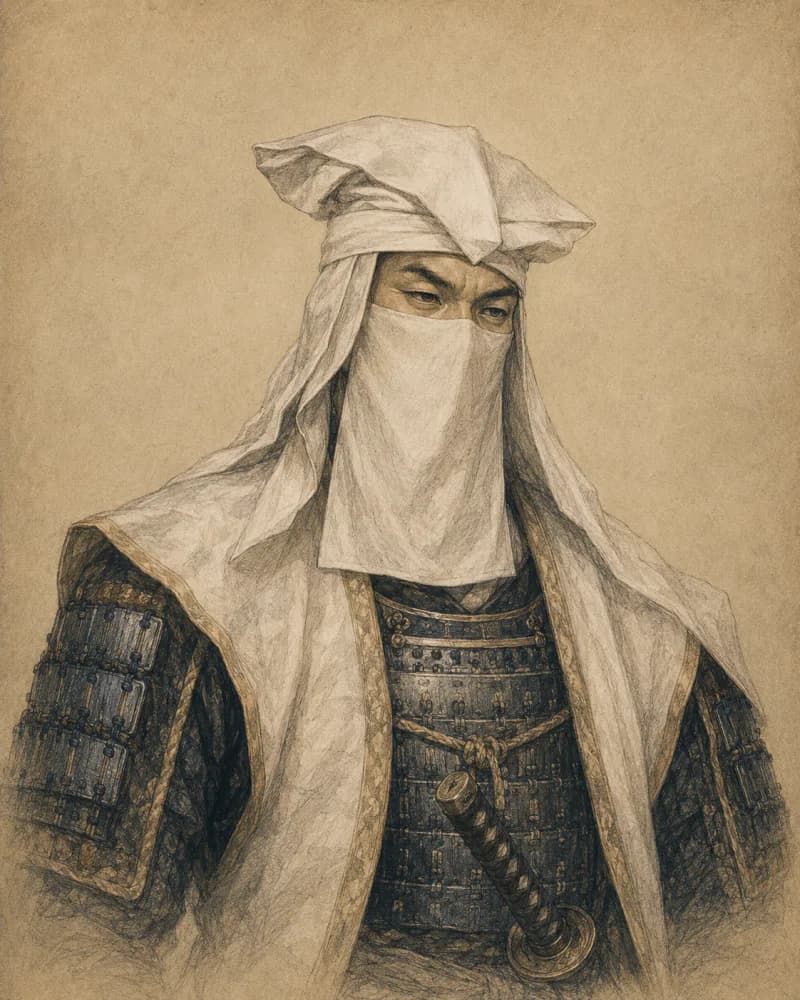
From around 1598 he was struck by a severe skin disease — modern scholarship from the contemporary records identifies it as leprosy — and conducted his official business with his face covered by a white veil.
In the run-up to Sekigahara in 1600, Ōtani initially intended to side with Tokugawa Ieyasu, but when his close friend Ishida Mitsunari informed him of the planned Western Army uprising, Ōtani pointed out the unfavorable odds and then joined the Western Army anyway — out of friendship and a sense of righteousness.
On the day of battle (September 15), he had prepared dispositions against the expected defection of Kobayakawa Hideaki at Matsuo Mountain, but the simultaneous defection of Wakizaka Yasuharu and other allied commanders broke his formation.
He committed suicide on the field. He was about thirty-five or thirty-six.
SECTION III -- CHRONOLOGY
SECTION IV -- NOTABLE STATEMENTS
“I came here for righteousness; I die here for righteousness.”
SECTION V -- FIELD NOTES
[A]The White Veil and the Tea Ceremony
A famous anecdote has Ōtani, with his disease advanced, attending a tea gathering hosted by Hideyoshi.
Pus from his face fell into the shared tea bowl as it was passed around. The other daimyō only pretended to drink and passed the bowl on; Ishida Mitsunari drained it without hesitation.
The episode is traditionally cited as the origin of the friendship that later brought Ōtani to Sekigahara.
The contemporary documentary basis is thin, but the story has been preserved as the emblematic statement of the two men's relationship.
SECTION VI -- LEGACY & IMPACT
Ōtani became one of the symbolic figures of the Western Army defeat at Sekigahara. His choice to fight for a cause he knew was unlikely to win — out of personal loyalty to Mitsunari — has been used in Edo-period literature and theater, and in modern historical fiction, as the extreme case of friendship and rectitude in the Sengoku period.
The image of a sick general directing combat from beneath a white veil has been one of the standing motifs of samurai ethics ever since.
His mortuary temple is Eishō-ji in Tsuruga, Fukui Prefecture; his command position at Sekigahara is preserved as a historic site.
SECTION VII -- MAJOR DEEDS
- [01]Combat at Shizugatake (1583)
- [02]Logistics in the Korean campaign (1592–1597)
- [03]Tsuruga castle-town reorganization
- [04]Decision to join the Western Army at Sekigahara (1600)
- [05]Command of the Western Army left wing
SECTION VIII -- REFERENCE MATERIALS
PRIMARY SOURCES & ARCHIVES
- PRIMARY
Sekigahara Gunki Taisei
Principal compendium for the Battle of Sekigahara, including the Ōtani position
- SCHOLARSHIP
Sekigahara Kassen to Ōsaka no Jin
Kasaya Kazuhiko / Yoshikawa Kōbunkan
Definitive study of Sekigahara including Ōtani's decision to join the Western Army
- ARCHIVE
Eishō-ji
Tsuruga, Fukui Prefecture
Ōtani's mortuary temple, holds related materials
RECOMMENDED READING
SECTION X -- RELATED REPORTS
SA-RPT
Sekigahara: How Tokugawa Won Japan in a Single Afternoon
On October 21, 1600, two armies of roughly 80,000 men each met in fog on a Mino plain. By sunset, the battle that decided 250 years of Japanese history was over.
SA-RPT
The Friendship That Doomed a Daimyō: Why Ōtani Joined Mitsunari Knowing They Would Lose
In August 1600, Ōtani Yoshitsugu was preparing to follow Tokugawa Ieyasu. When his close friend Ishida Mitsunari told him about the planned Western Army uprising, Ōtani coldly pointed out the unfavorable odds — and then joined the Western Army anyway. A rare case of a strategic decision made for friendship rather than against it.
SA-RPT
The White Veil: The Ten Years Ōtani Fought His Own Body
From around 1598, Ōtani Yoshitsugu was struck by a severe skin disease — modern scholarship from the contemporary symptom records identifies it as leprosy. He kept conducting his official business with his face covered by a white veil. The decade in which an incurable disease and a battlefield career proceeded in parallel.
SA-RPT
The White-Veiled General's Last Stand: How Ōtani Died at Sekigahara
On the afternoon of September 15, 1600, in the third hour of the main battle, Kobayakawa Hideaki's force descended from Matsuo Mountain and struck Ōtani's flank. The simultaneous defection of four more allied commanders broke the line. Ōtani committed suicide with his retainer Yuasa Gosuke as second.
SA-RPT
The Two Hours at Matsuo Mountain: Why Hideaki Moved Only After Noon
On the morning of September 15, 1600, Kobayakawa Hideaki's fifteen-thousand-strong force on Matsuo Mountain south of Sekigahara did not move. Tokugawa Ieyasu fired musket volleys at the foot of the mountain to prompt a decision, and just past noon Hideaki defected and descended. The two hours of silence that decided the end of the Sengoku era.
SECTION IX -- LINKED SUBJECTS
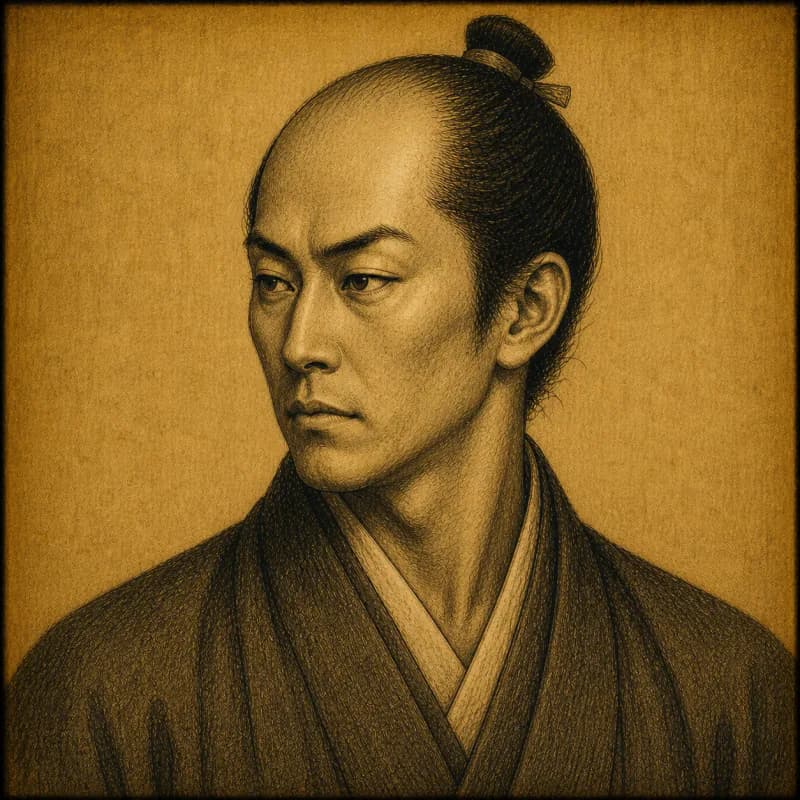
SA-0012 / JPN
Ishida Mitsunari
The administrator who fought Tokugawa for the Toyotomi succession — and lost
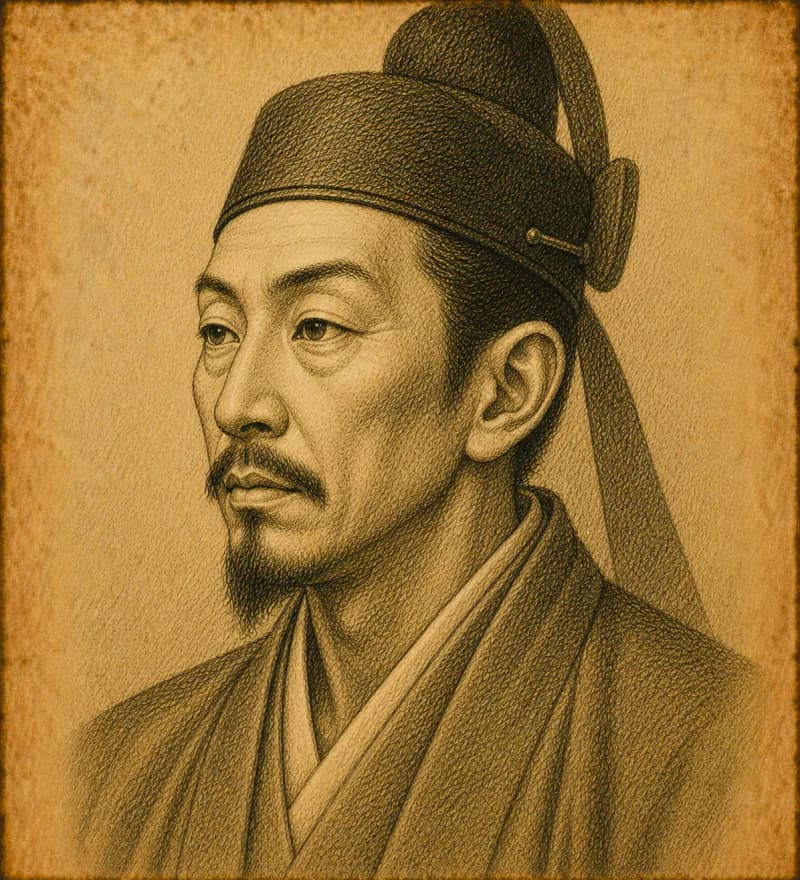
SA-0002 / JPN
Toyotomi Hideyoshi
The peasant who rose to rule all Japan
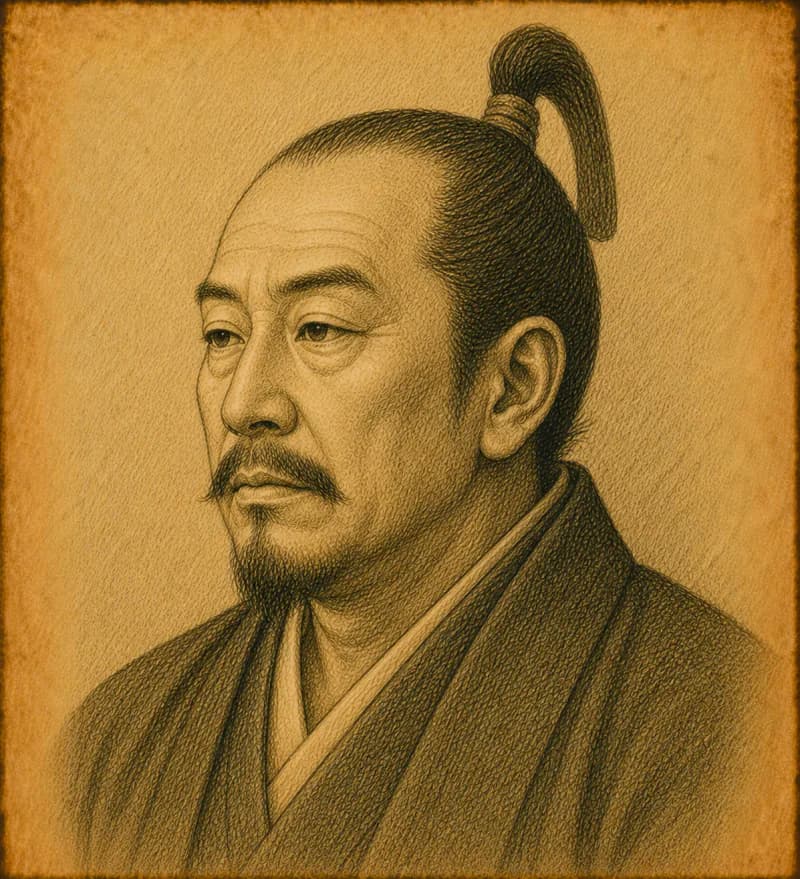
SA-0003 / JPN
Tokugawa Ieyasu
The patient warlord whose dynasty ruled Japan for 250 years
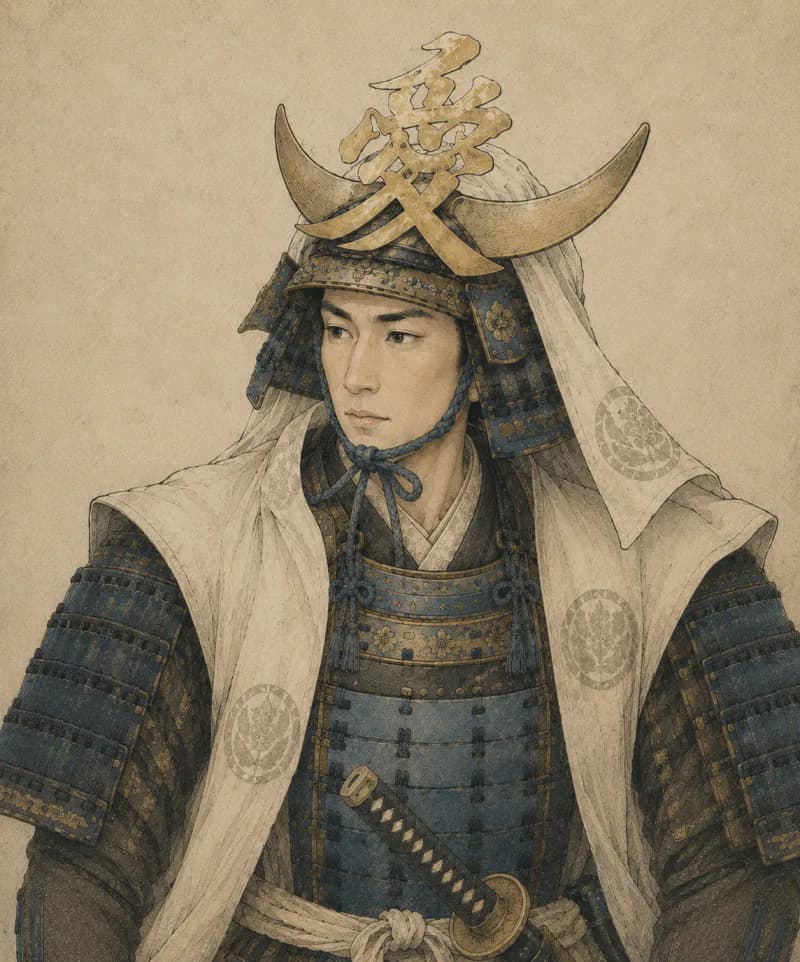
SA-0034 / JPN
Naoe Kanetsugu
The Uesugi strategist who wore the character for 'love' on his helmet
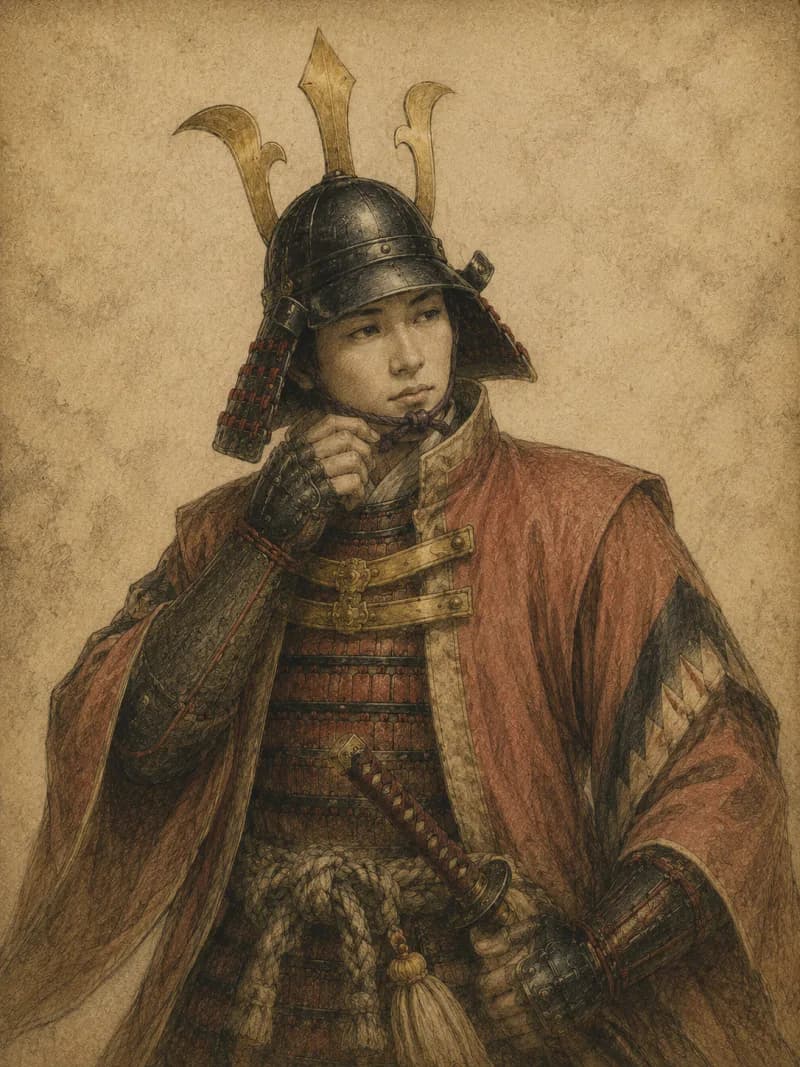
SA-0040 / JPN
Kobayakawa Hideaki
The young defector at Matsuo Mountain whose decision ended the Sengoku era
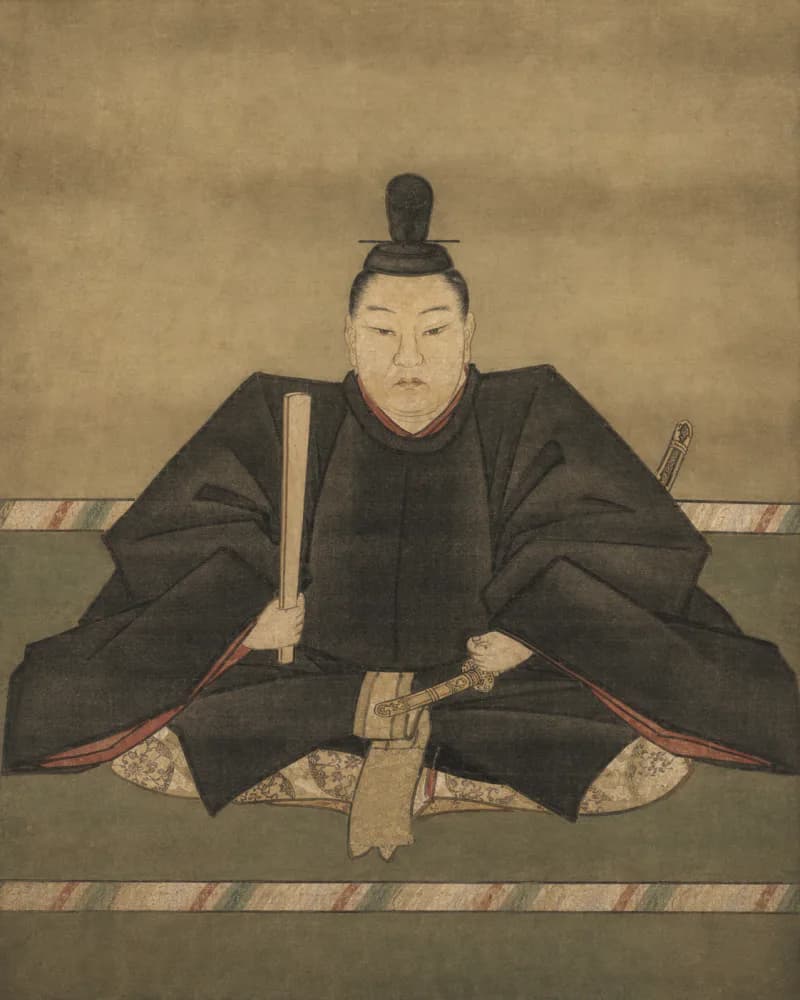
SA-0066 / JPN
Shimazu Yoshihiro
The Satsuma general feared by the Ming army as the 'Devil Shimazu' in Korea, who broke through the enemy center at Sekigahara in the 'Sutegamari' retreat