SUBJECT FILE NO. SA-0012
BUSHI ARCHIVE
Ishida Mitsunari
Ishida Mitsunari
Lord of Sawayama, Commander of the Western Army
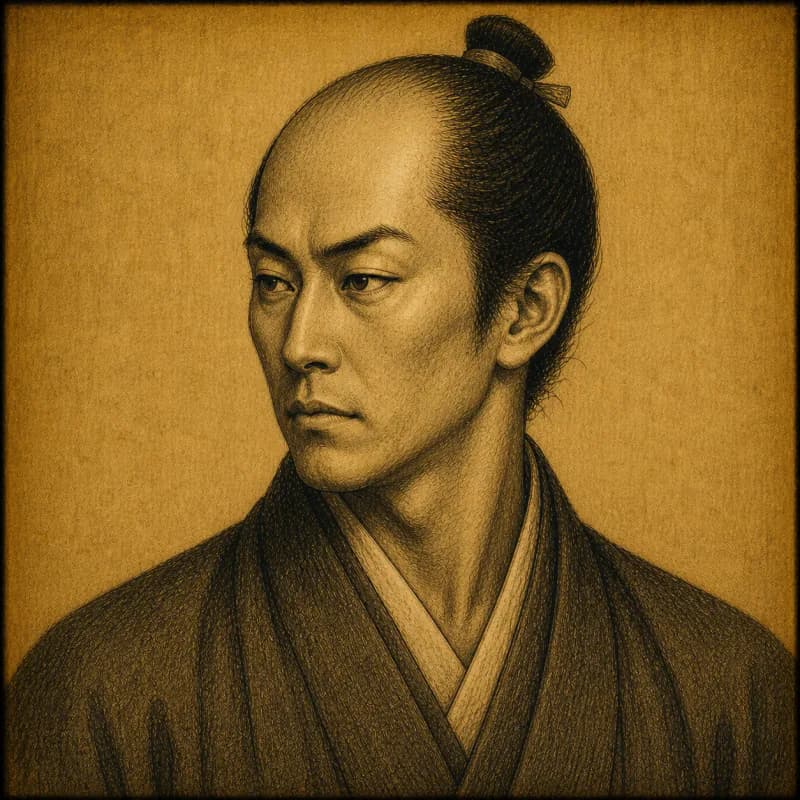
SECTION I -- SUBJECT PROFILE
| Name | Ishida Mitsunari |
|---|---|
| English | Ishida Mitsunari |
| Origin | Japan |
| Lifespan | 1559–1600 |
| Gender | Male |
| Century | 16th C. |
| Clan / Role | Daimyo |
| Title | Lord of Sawayama, Commander of the Western Army |
SECTION II -- OVERVIEW
Born in 1559 in Ōmi Province, Mitsunari rose through Hideyoshi's bureaucracy as a master of accounts, surveys, and supply — the unglamorous work that held the Toyotomi state together.
He was Hideyoshi's most trusted civilian official by his thirties, a chief organizer of the Korean invasions, and an advocate of strict centralized administration.
After Hideyoshi's death in 1598 he became the natural rallying point for daimyō who feared Tokugawa Ieyasu's drift toward the shogunate.
His coalition lost catastrophically at Sekigahara in October 1600 — undone less by Ieyasu's tactics than by the secret betrayals Ieyasu had spent months engineering.
Captured days later in the hills, paraded through Kyoto, and beheaded in November, he refused water laced with persimmon (then thought medicinal for prisoners) on the way to the execution ground, telling his guards: 'A great cause is not abandoned for the sake of one's stomach.
SECTION III -- CHRONOLOGY
SECTION IV -- NOTABLE STATEMENTS
“A great cause is not abandoned for the sake of one's stomach.”
SECTION V -- FIELD NOTES
[A]The Persimmon Refusal
Marched in shackles toward execution, Mitsunari was offered water mixed with crushed persimmon — a folk medicine for digestion.
He refused, saying persimmons were bad for the stomach. The guards laughed: 'You're about to die, what does your stomach matter?
' He answered: 'A great man cherishes his life until the very last breath, because while life remains so does the cause.
' The line passed into Japanese moral education.
SECTION VI -- LEGACY & IMPACT
Edo-period historiography demonized Mitsunari as a small-minded bureaucrat who started a needless war. Modern scholarship, especially since the 1990s, has rehabilitated him as a principled defender of legitimate succession against a usurper — a reading reinforced by the 2016 NHK epic Sanada Maru.
His Sawayama Castle, razed in 1601, still draws pilgrims who climb the hill to see where he held court.
SECTION VII -- MAJOR DEEDS
- [01]Reorganization of Toyotomi finance
- [02]Korean invasion logistics (1592–1597)
- [03]Anti-Tokugawa coalition assembly (1600)
- [04]Patronage of Sawayama-jō and Ishida Sanseki tax reforms
SECTION VIII -- REFERENCE MATERIALS
PRIMARY SOURCES & ARCHIVES
- PRIMARY
Sekigahara Gunki Taisei
Edo-period compendium and principal narrative source for the Battle of Sekigahara
- SCHOLARSHIP
Biography of Ishida Mitsunari
Nakano Hitoshi / Yoshikawa Kōbunkan (2017)
Latest scholarly synthesis on Mitsunari (in Japanese)
- ARCHIVE
Shiga Prefectural Azuchi Castle Archaeological Museum
Shiga Prefecture
Holds materials related to Mitsunari's seat at Sawayama Castle
Visit archive →
RECOMMENDED READING
SECTION X -- RELATED REPORTS
SA-RPT
Sekigahara: How Tokugawa Won Japan in a Single Afternoon
On October 21, 1600, two armies of roughly 80,000 men each met in fog on a Mino plain. By sunset, the battle that decided 250 years of Japanese history was over.
SA-RPT
The Betrayers of Sekigahara: What Happened to the Men Who Switched Sides
Four Western Army commanders defected during the battle that decided 250 years of Japanese history. Three of them died ruined men within ten years. The fourth lived to be a punchline.
SA-RPT
The Sword Through the Door: Hosokawa Gracia and the Last Day Before Sekigahara
On July 17th, 1600, three months before Sekigahara, a Christian noblewoman who had been forbidden by her faith from suicide ordered her chief retainer to kill her with a long sword through a closed shōji. Her death changed the course of the battle she did not live to see.
SA-RPT
The Naoe Letter: How One Letter Called Sekigahara Into Being
In April 1600, Uesugi Kagekatsu's chief retainer Naoe Kanetsugu sent Tokugawa Ieyasu a sixteen-article letter of defiance. Within months the response had brought a 720,000-koku coalition to the field at Sekigahara, the largest battle in Japanese history.
SA-RPT
The Friendship That Doomed a Daimyō: Why Ōtani Joined Mitsunari Knowing They Would Lose
In August 1600, Ōtani Yoshitsugu was preparing to follow Tokugawa Ieyasu. When his close friend Ishida Mitsunari told him about the planned Western Army uprising, Ōtani coldly pointed out the unfavorable odds — and then joined the Western Army anyway. A rare case of a strategic decision made for friendship rather than against it.
SA-RPT
The Two Hours at Matsuo Mountain: Why Hideaki Moved Only After Noon
On the morning of September 15, 1600, Kobayakawa Hideaki's fifteen-thousand-strong force on Matsuo Mountain south of Sekigahara did not move. Tokugawa Ieyasu fired musket volleys at the foot of the mountain to prompt a decision, and just past noon Hideaki defected and descended. The two hours of silence that decided the end of the Sengoku era.
SECTION IX -- LINKED SUBJECTS
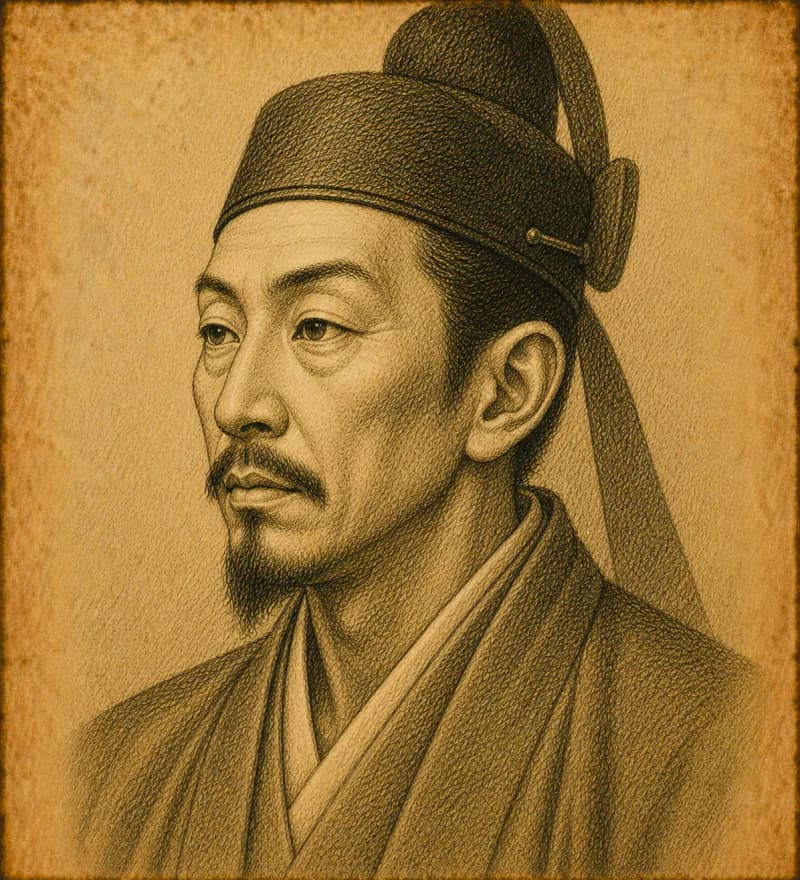
SA-0002 / JPN
Toyotomi Hideyoshi
The peasant who rose to rule all Japan
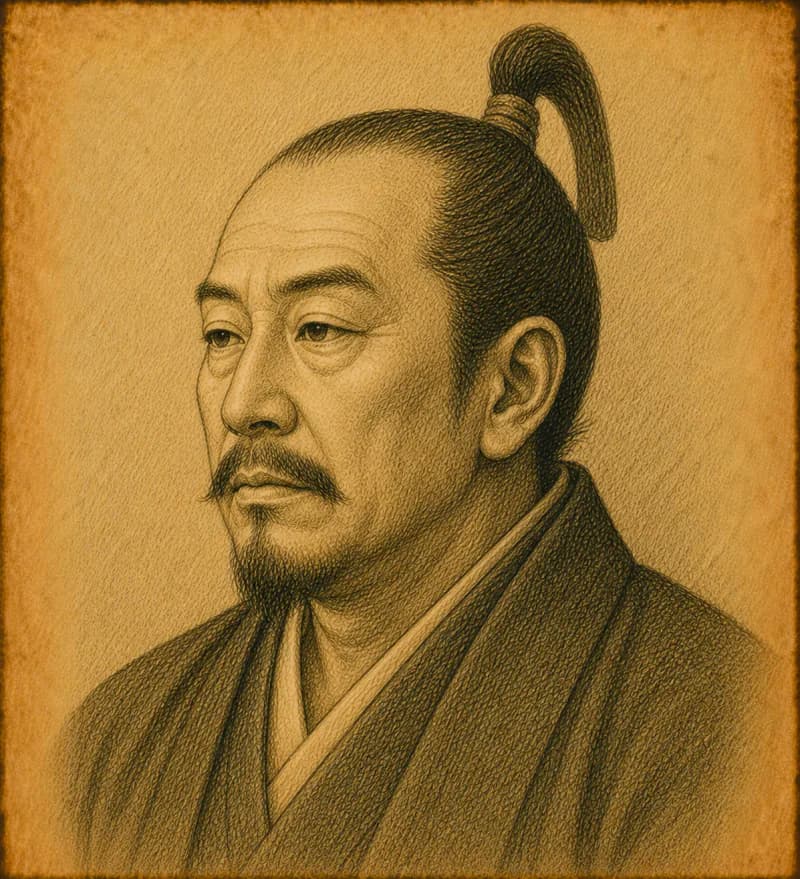
SA-0003 / JPN
Tokugawa Ieyasu
The patient warlord whose dynasty ruled Japan for 250 years
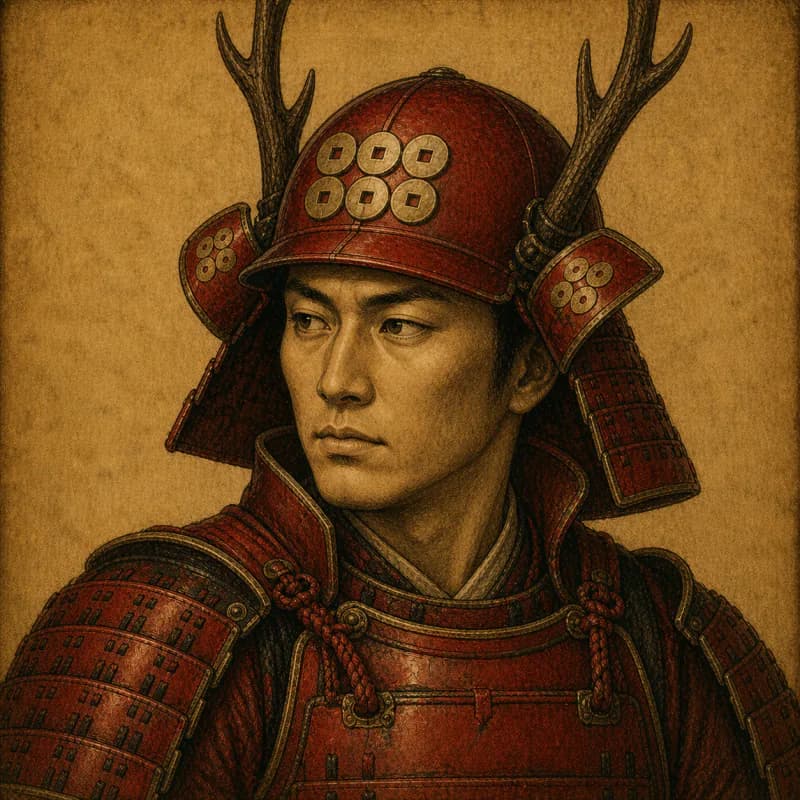
SA-0009 / JPN
Sanada Yukimura
The greatest warrior of the Sengoku, dying a legend at Osaka
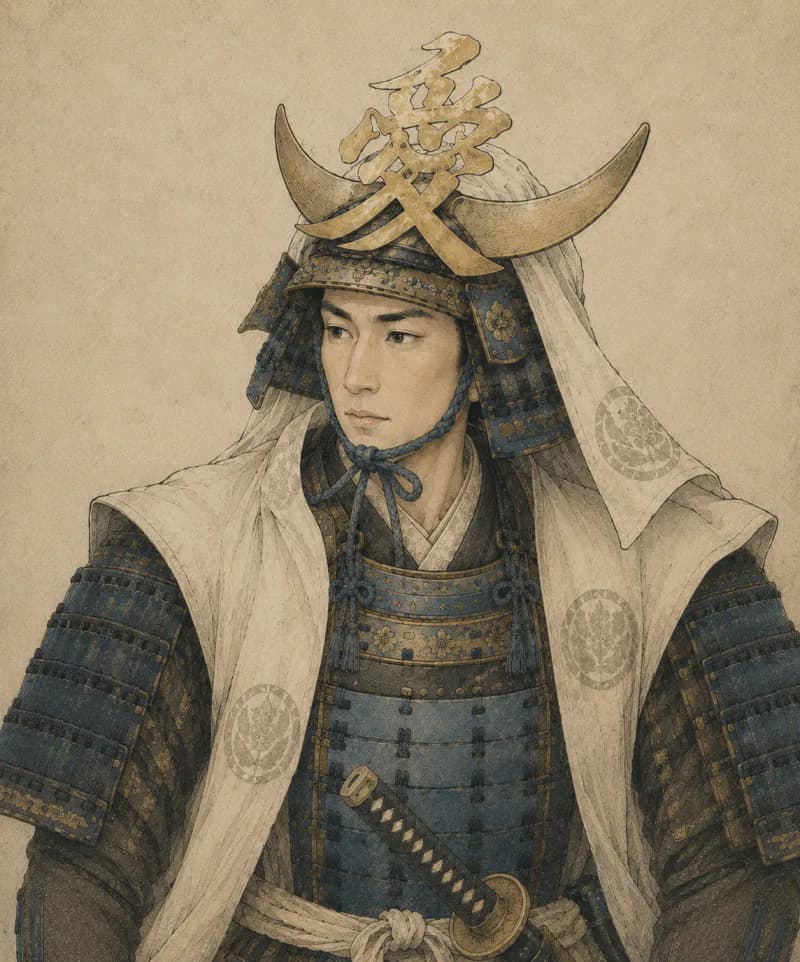
SA-0034 / JPN
Naoe Kanetsugu
The Uesugi strategist who wore the character for 'love' on his helmet
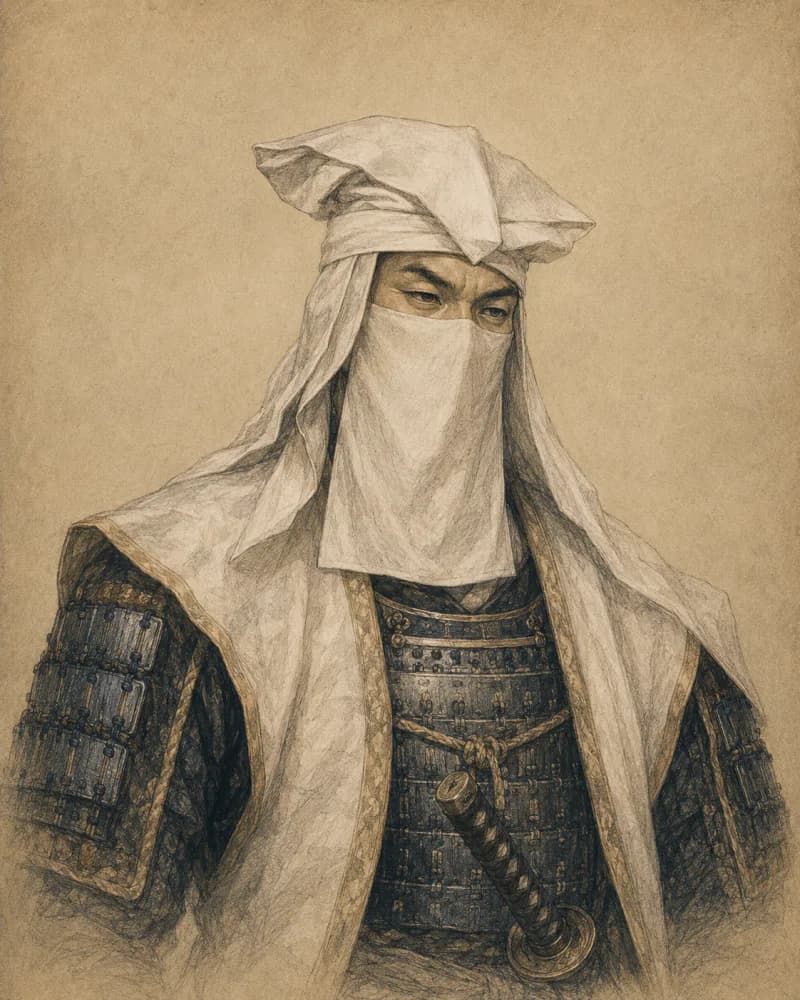
SA-0039 / JPN
Ōtani Yoshitsugu
The strategist who joined his friend Mitsunari at Sekigahara knowing they would probably lose
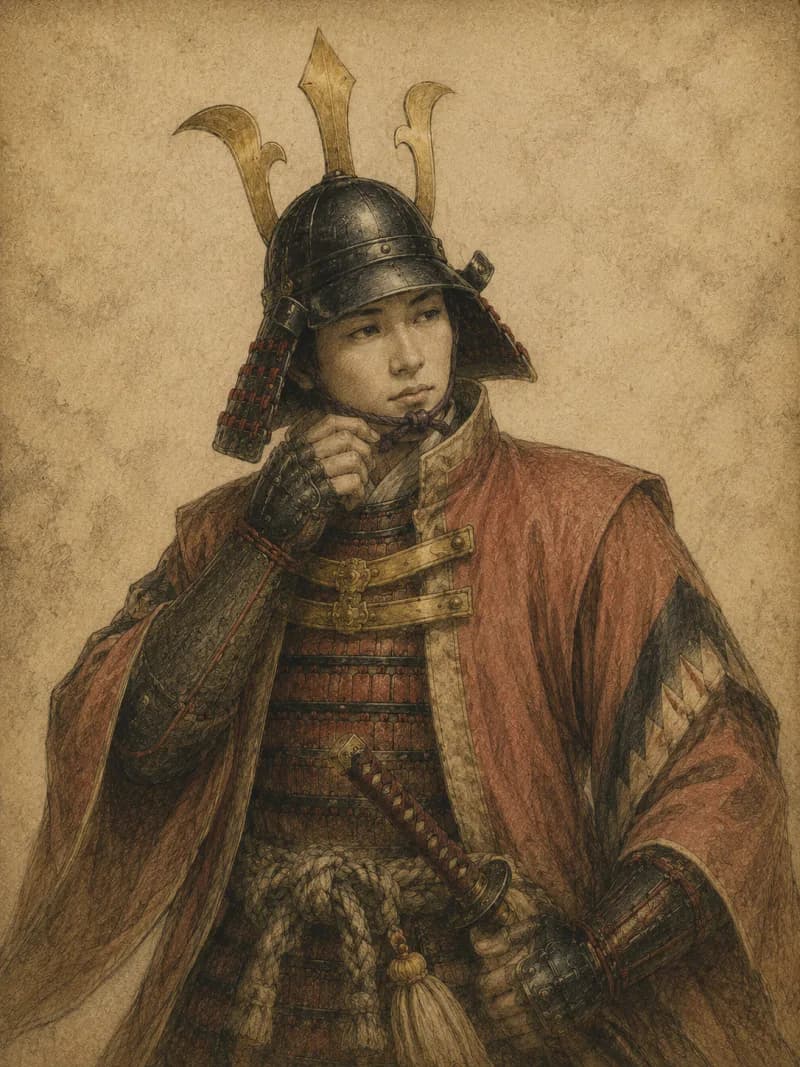
SA-0040 / JPN
Kobayakawa Hideaki
The young defector at Matsuo Mountain whose decision ended the Sengoku era
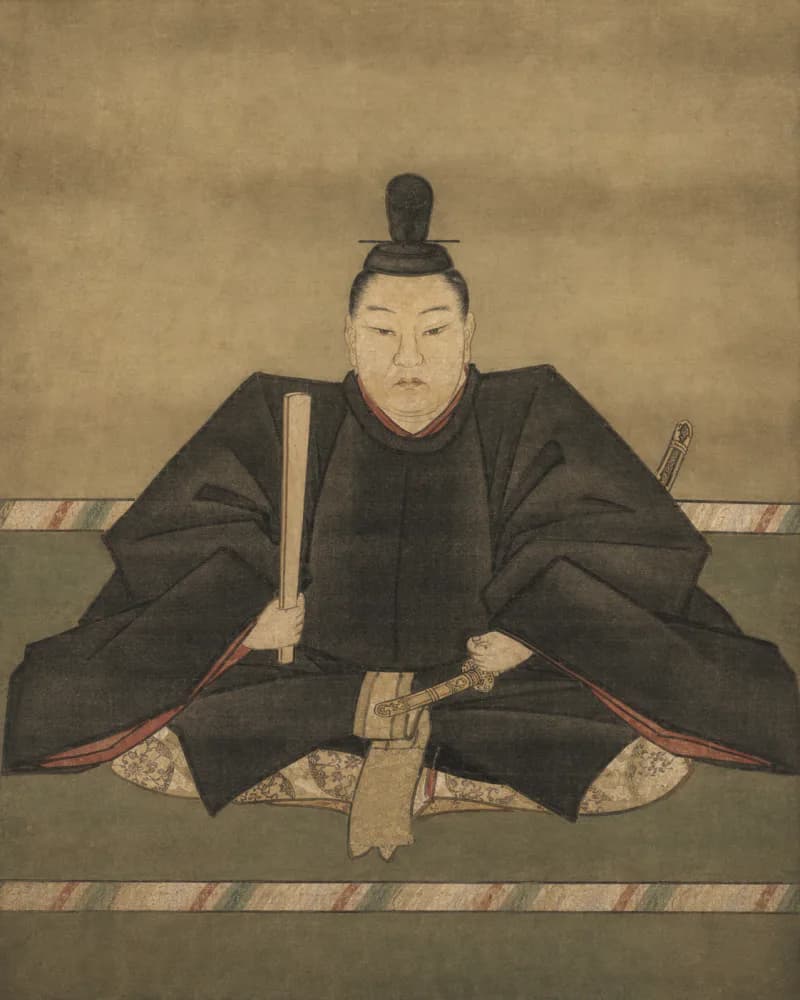
SA-0066 / JPN
Shimazu Yoshihiro
The Satsuma general feared by the Ming army as the 'Devil Shimazu' in Korea, who broke through the enemy center at Sekigahara in the 'Sutegamari' retreat