SUBJECT FILE NO. SA-0002
BUSHI ARCHIVE
Toyotomi Hideyoshi
Toyotomi Hideyoshi
Imperial Regent & Unifier of Japan
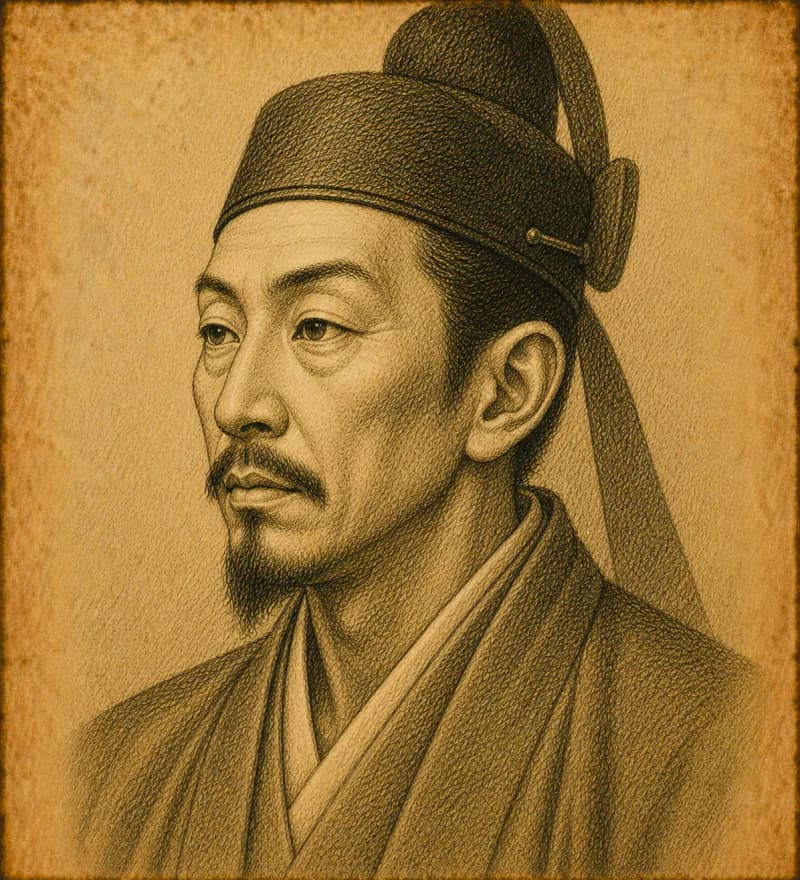
SECTION I -- SUBJECT PROFILE
| Name | Toyotomi Hideyoshi |
|---|---|
| English | Toyotomi Hideyoshi |
| Origin | Japan |
| Lifespan | 1537–1598 |
| Gender | Male |
| Century | 16th C. |
| Clan / Role | Daimyo |
| Title | Imperial Regent & Unifier of Japan |
SECTION II -- OVERVIEW
Born a peasant in Owari in 1537, Hideyoshi rose through Nobunaga's ranks by sheer cunning and charisma — the only man of common birth to become de facto ruler of Japan.
After Nobunaga's death at Honnō-ji, he avenged his lord by destroying Akechi Mitsuhide at Yamazaki within thirteen days.
He completed the unification of Japan through campaigns at Shizugatake (1583), the siege of Odawara (1590), and the absorption of the Hōjō and northern lords.
Granted the title Kampaku (Imperial Regent), he conducted nationwide land surveys (taikō kenchi) and the great sword hunt (katanagari) that disarmed the peasantry, freezing the four-class social order.
His twin invasions of Korea (1592, 1597) ended in disaster and exhausted his treasury before his death in 1598 left a power vacuum his five regents could not fill.
SECTION III -- CHRONOLOGY
SECTION IV -- NOTABLE STATEMENTS
“If a bird does not sing, make it sing.”
SECTION V -- FIELD NOTES
[A]The Sword Hunt
In 1588 Hideyoshi confiscated all weapons from peasants and monks under the pretext of casting a giant Buddha — disarming a class he himself had been born into and locking Japan's social hierarchy for centuries.
SECTION VI -- LEGACY & IMPACT
Hideyoshi completed the unification Nobunaga began, instituted the land surveys and class-freezing edicts that defined early modern Japanese society, and his catastrophic Korean invasions reshaped East Asian politics for a generation.
SECTION VII -- MAJOR DEEDS
- [01]Yamazaki campaign (1582)
- [02]Taikō kenchi land survey
- [03]Sword Hunt edict (1588)
- [04]Siege of Odawara (1590)
- [05]Korean invasions (1592, 1597)
SECTION VIII -- REFERENCE MATERIALS
PRIMARY SOURCES & ARCHIVES
- PRIMARY
Toyokagami
Takenaka Shigekado
Account by the son of Hideyoshi's strategist Takenaka Hanbei
- SCHOLARSHIP
Taikōki
Oze Hoan
Early Edo-period biography that shaped the popular image of Hideyoshi
- ARCHIVE
National Archives of Japan Digital Archive
National Archives of Japan
Original taikō kenchi land-survey ledgers and Toyotomi-era documents
Visit archive →
RECOMMENDED READING
SECTION X -- RELATED REPORTS
SA-RPT
The Honnō-ji Incident: Why Did Akechi Mitsuhide Betray Nobunaga?
On a single dawn in June 1582, Akechi Mitsuhide turned his army around and burned his lord alive. Four centuries of historians still cannot agree why.
SA-RPT
Strategy as Theater: Why Hideyoshi Kept His Best Strategist Far from the Capital
Kuroda Kanbei could read battles before they happened. Hideyoshi was so afraid of him that he reduced him to a small Kyūshū domain, well below his merit. The decision shaped the career of one of the strangest figures of the Sengoku.
SA-RPT
Yamazaki: The Thirteen-Day Empire That Hideyoshi Stole Back
Eleven days after burning Nobunaga at Honnō-ji, Akechi Mitsuhide stood at the Yamazaki ridges facing an army that should not have arrived for weeks. Toyotomi Hideyoshi had marched 230 kilometres in nine days. By sunset Mitsuhide was finished.
SA-RPT
The Adoption Chain: How a Boy Born Kinoshita Almost Became a Hashiba
Born to the Kinoshita house in Ōmi in 1582, one boy in ten years changed names and clans twice — first adopted as Toyotomi Hideyoshi's heir at three, then re-adopted into the Kobayakawa house at twelve. The remote cause of the Sekigahara defection lay in that chain of adoptions.
SA-RPT
As Hideyoshi's Consort: Kaihime Exchanged for the Preservation of the Narita House
In 1590, after the fall of Oshi Castle, Kaihime was taken by Hideyoshi as consort. Tracing the course of her entry as consort, in exchange for the sparing of her father Ujinaga and the Narita house.
SA-RPT
Attendant to Hideyori: Kaihime's Later Life and the Ōsaka Campaigns
In 1593, Toyotomi Hideyori was born. The Taikōki transmits that Kaihime served as his attendant guardian. After the destruction of the Toyotomi at the Ōsaka Summer Campaign of 1615, Kaihime's whereabouts pass out of record.
SA-RPT
Kitanoshō: The Night Shizugatake Was Decided as a Loss, Oichi Chose Suicide
On the night of April 24, 1583, at Kitanoshō Castle in Echizen Province. Shibata Katsuie, defeated by Hashiba Hideyoshi at the Battle of Shizugatake, and his wife Oichi took their own lives together as the castle burned. The three sisters were spared by Hideyoshi. The end of Oichi at around thirty-seven.
SA-RPT
The Seven Spears of Shizugatake: In 1583, the Twenty-Two-Year-Old Masanori Made His Name
On April 21, 1583, at Shizugatake. The young Fukushima Masanori, together with Katō Kiyomasa, Wakisaka Yasuharu, and five others, achieved the feat of first-spear and established his position as a Hideyoshi-raised warrior. Tracing the birth of the 'Seven Spears.'
SA-RPT
The Eastern Army Vanguard at Sekigahara: Why Masanori, a Toyotomi-Loyal Warrior, Sided with Ieyasu
On October 21, 1600, at Sekigahara. The Toyotomi-loyal warrior Fukushima Masanori, as the vanguard of the Eastern Army under Tokugawa Ieyasu, attacked the Toyotomi's senior retainer Ishida Mitsunari first of all. Within this structure, the end of the Toyotomi regime was already embedded.
SA-RPT
The Withdrawal at Shizugatake: In 1583, Toshiie Chose Between Old Lord and Sworn Friend
In 1583, at Shizugatake. Deployed as part of Shibata Katsuie's force, Maeda Toshiie withdrew his soldiers in the midst of battle. This withdrawal decided Katsuie's defeat. Katsuie, whom he had long served, or Hideyoshi, his old acquaintance. Toshiie made the heaviest choice of his life in the very midst of the battlefield.
SA-RPT
The Counterweight of Million-Koku Kaga: In 1599, Toshiie's Death Broke the Balance
In 1599, on his sickbed, Maeda Toshiie was entrusted with the guardianship of Toyotomi Hideyori and departed the world. He was sixty-two. The death of Toshiie, the one great figure who could restrain Ieyasu's arrogation, broke that balance. The day after his death, the gears toward a great war began to turn.
SA-RPT
The Unification of Shikoku: In 1585, the Dream the Ichiryō-Gusoku Built, and Its End
Leading the half-farmer, half-soldier ichiryō-gusoku, Chōsokabe Motochika took most of Shikoku from Tosa. But on the eve of unification, the great army of the realm's ruler Hideyoshi crossed the sea. The Shikoku dream built in a single generation was shrunk, before the power of the center, to the single province of Tosa.
SA-RPT
The Hetsugi River: In 1586, Motochika Lost His Beloved Son and Was Changed Beyond Recognition
In 1586, at the Hetsugi River in Kyushu, Chōsokabe Motochika lost his eldest son Nobuchika in the fighting against the Shimazu army. The death of his beloved son at twenty-two changed the hero of Shikoku into a man of suspicion. The disorder over the succession within his house became a remote cause of the fall of the Chōsokabe house.
SA-RPT
Hideyori's Mother: In 1593, Yodo-dono Bore the Heir of the Toyotomi
Chacha, who had become the concubine of Hideyoshi, the enemy of her father and mother, bore Hideyori in 1593. As the mother of the heir the ruler of the realm had longed for, Yodo-dono gained a position without peer at Ōsaka Castle. But that very child was fated to bear the destiny of the Toyotomi.
SECTION IX -- LINKED SUBJECTS
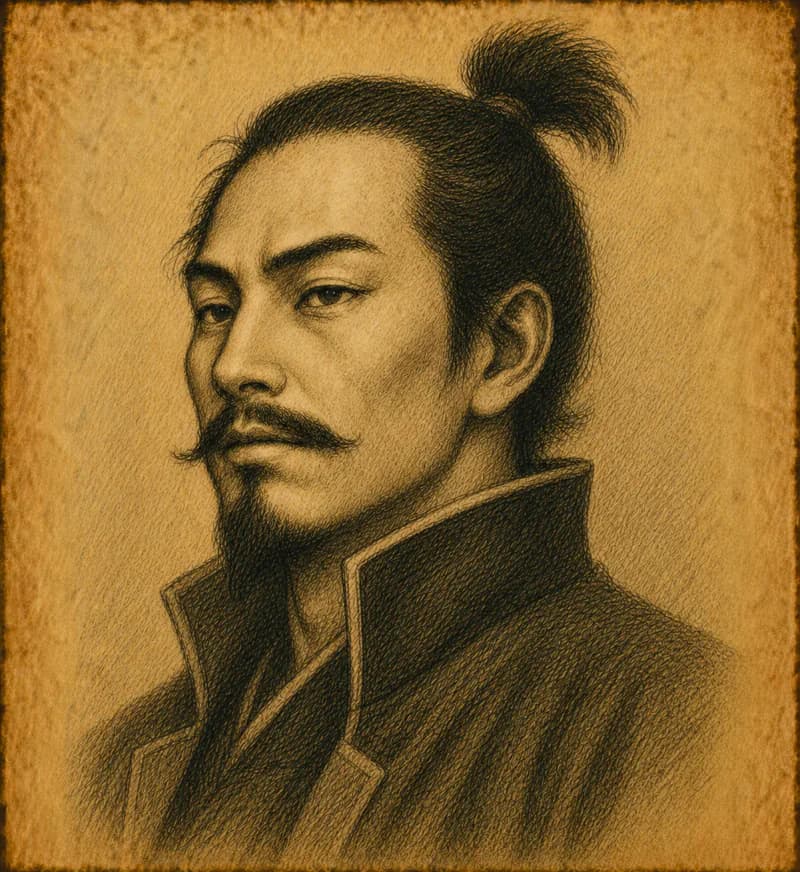
SA-0001 / JPN
Oda Nobunaga
The revolutionary who paved the path to a unified Japan
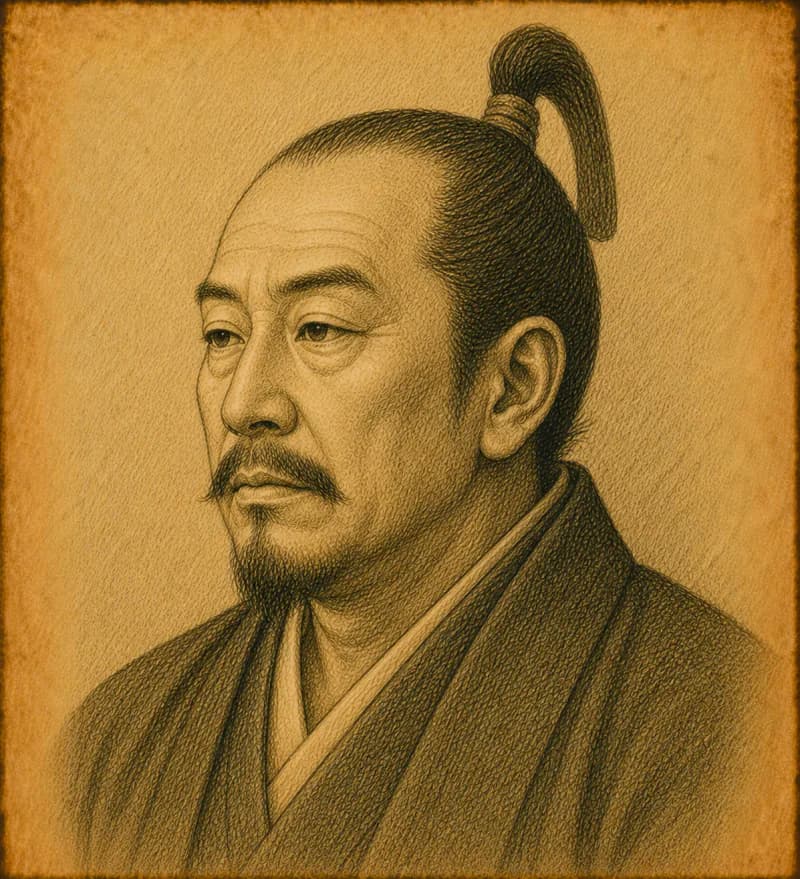
SA-0003 / JPN
Tokugawa Ieyasu
The patient warlord whose dynasty ruled Japan for 250 years
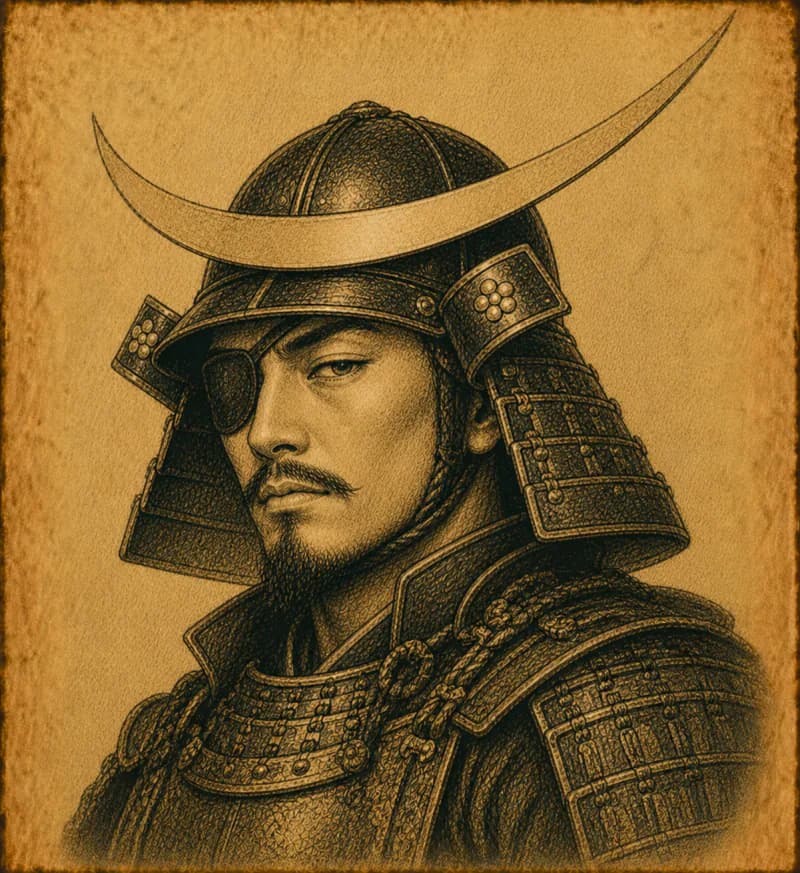
SA-0004 / JPN
Date Masamune
The One-Eyed Dragon who built Sendai
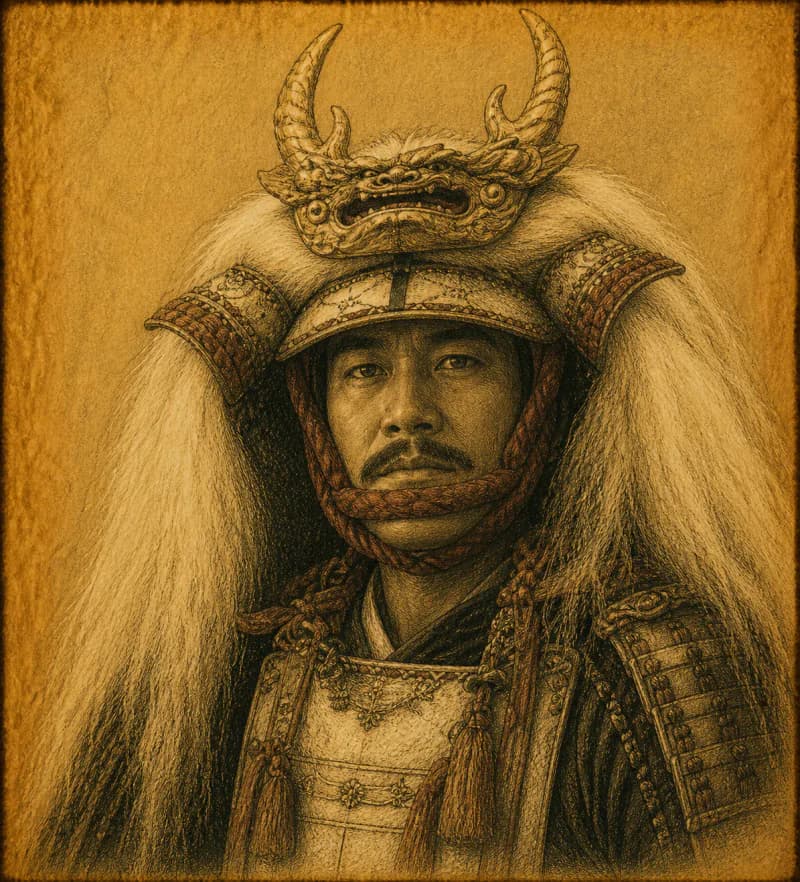
SA-0005 / JPN
Takeda Shingen
The Tiger of Kai whose cavalry shook the realm
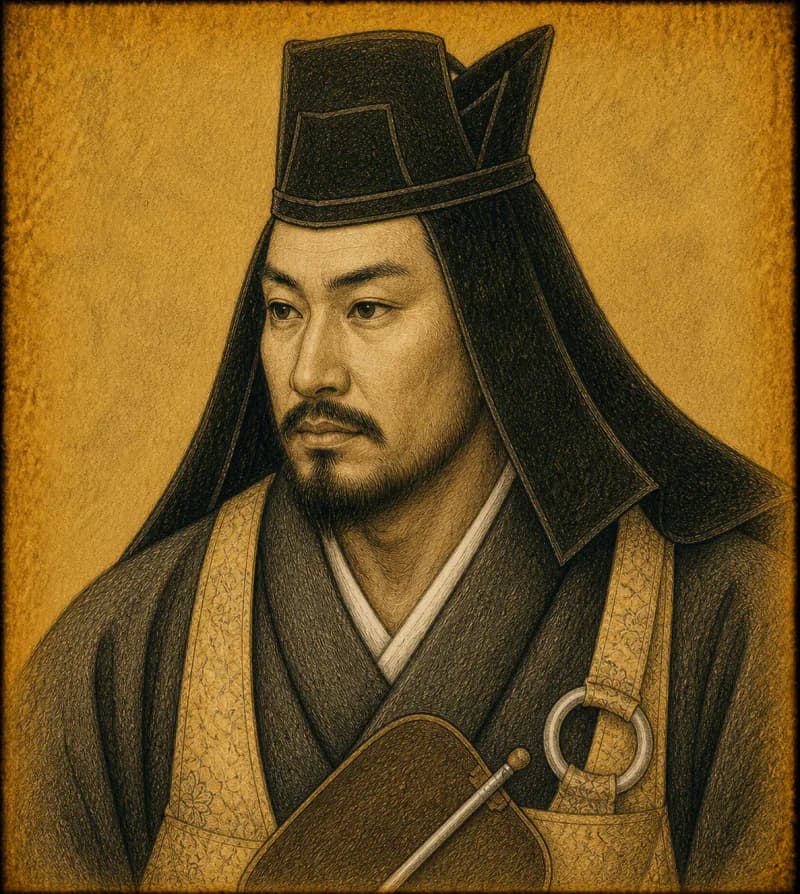
SA-0006 / JPN
Uesugi Kenshin
The Dragon of Echigo, sword-saint of the north
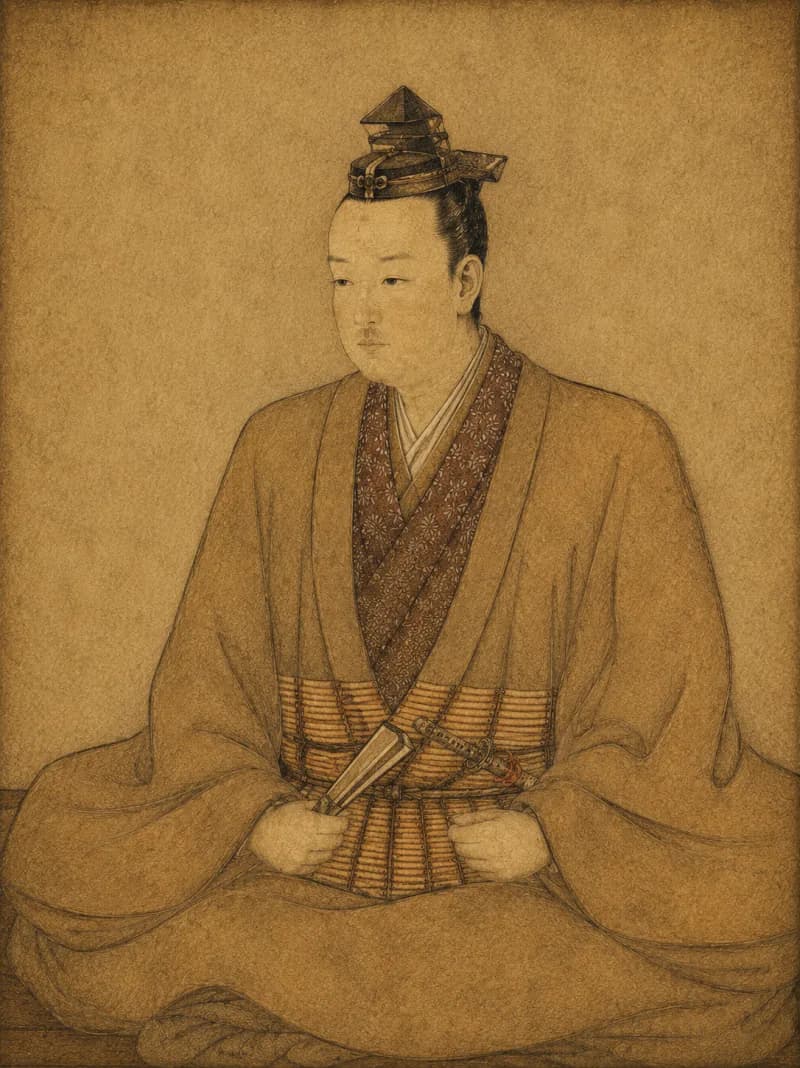
SA-0030 / JPN
Akechi Mitsuhide
The general whose betrayal at Honnō-ji rerouted Japanese history
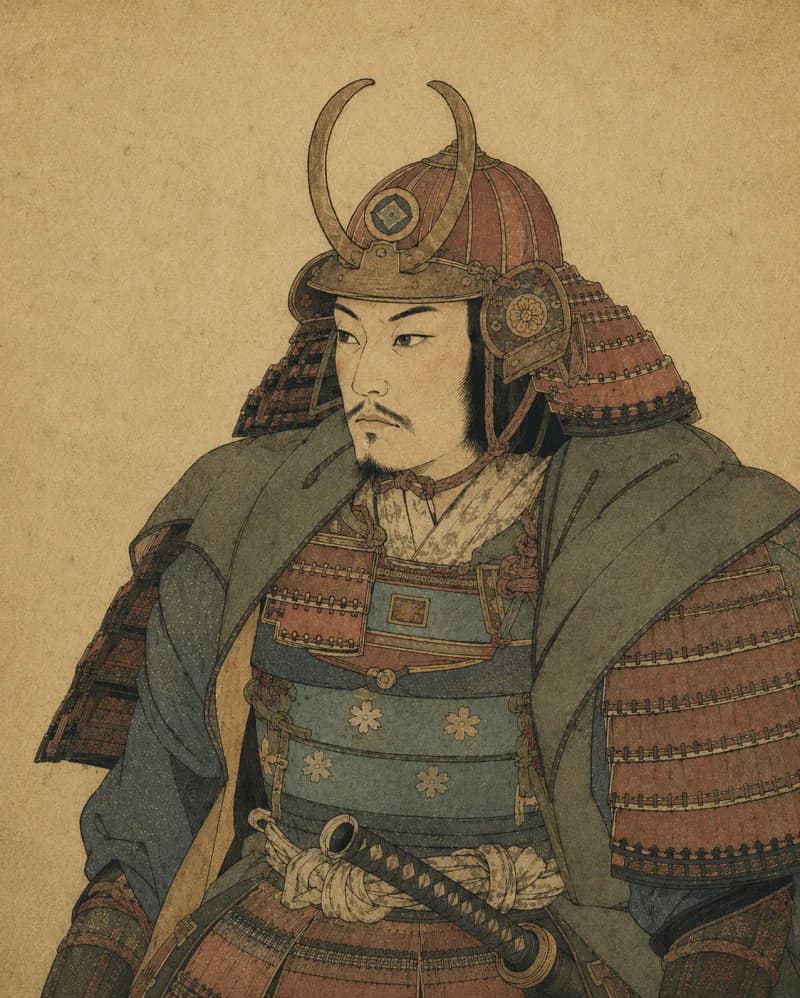
SA-0033 / JPN
Takeda Katsuyori
The last lord of Takeda — and the man who lost the cavalry at Nagashino
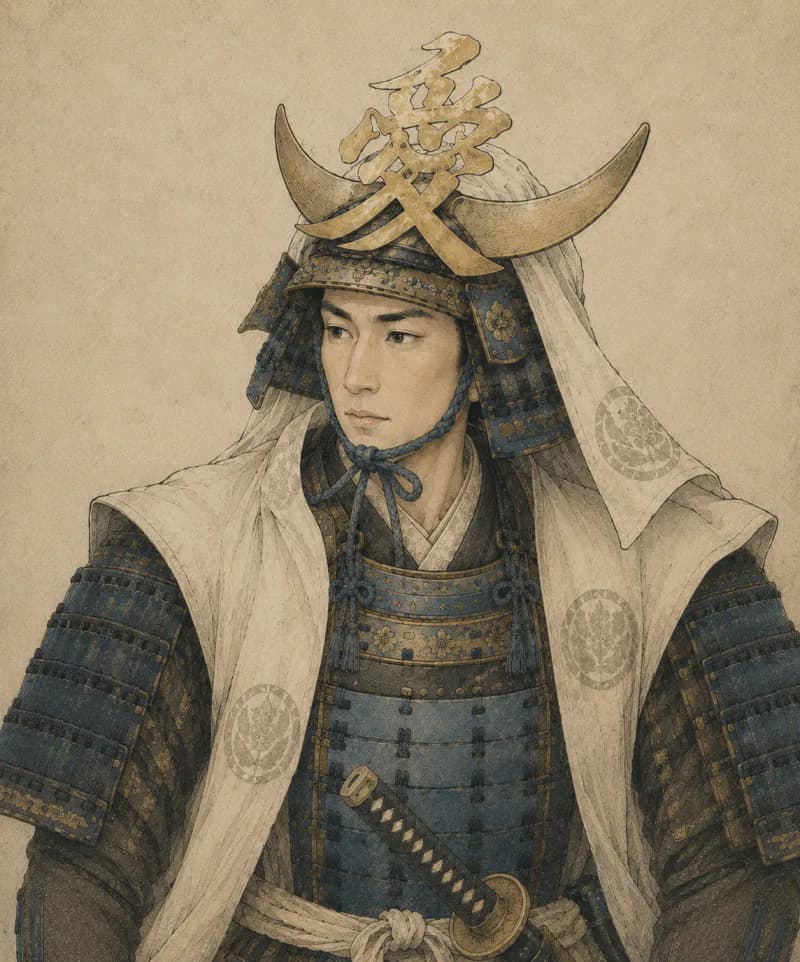
SA-0034 / JPN
Naoe Kanetsugu
The Uesugi strategist who wore the character for 'love' on his helmet