SUBJECT FILE NO. SA-0005
BUSHI ARCHIVE
Takeda Shingen
Takeda Shingen
Lord of Kai Province
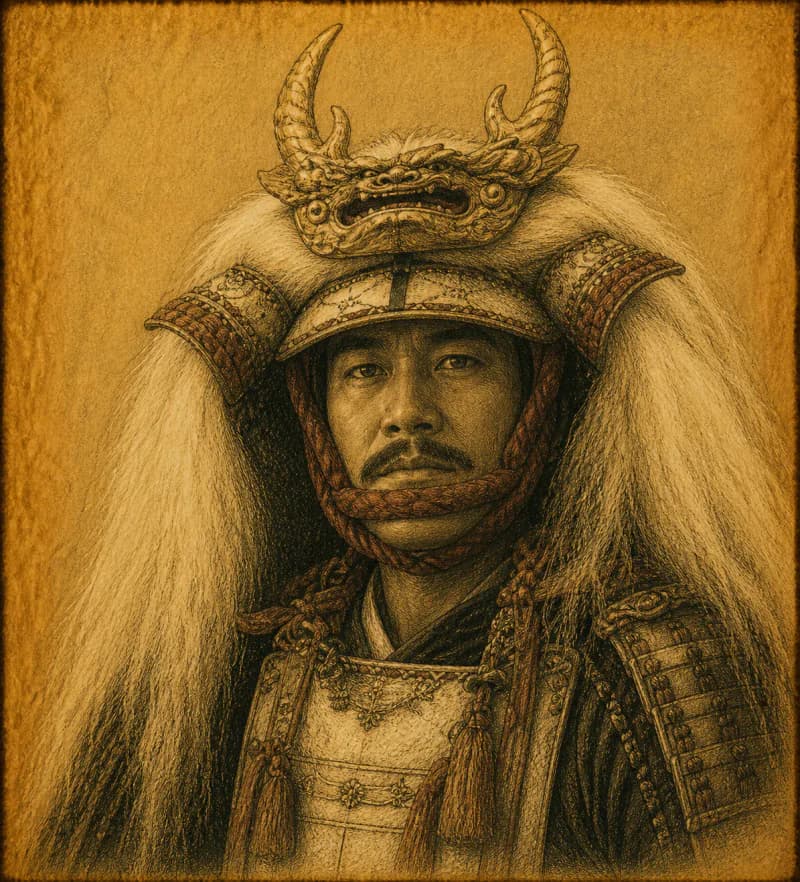
SECTION I -- SUBJECT PROFILE
| Name | Takeda Shingen |
|---|---|
| English | Takeda Shingen |
| Origin | Japan |
| Lifespan | 1521–1573 |
| Gender | Male |
| Century | 16th C. |
| Clan / Role | Daimyo |
| Title | Lord of Kai Province |
SECTION II -- OVERVIEW
Born Takeda Harunobu in 1521 in Kai Province, he deposed his own father Nobutora at age 21 to take the clan and forge it into the most feared military machine of the early Sengoku.
His rivalry with Uesugi Kenshin produced the legendary Battles of Kawanakajima (1553–1564), five engagements over a single river plain that became the defining samurai duel of the era.
His cavalry doctrine and fūrinkazan banner — 'Swift as the wind, silent as a forest, fierce as fire, immovable as a mountain' — shaped a generation of warlords.
By 1572 he was driving on Kyoto with realistic ambitions of national power, having shattered Tokugawa Ieyasu at Mikatagahara, but died of illness mid-campaign in 1573, sparing Nobunaga what might have been his most dangerous foe.
SECTION III -- CHRONOLOGY
SECTION IV -- NOTABLE STATEMENTS
“Swift as the wind, silent as a forest, fierce as fire, immovable as a mountain.”
SECTION V -- FIELD NOTES
[A]Kawanakajima Duel
At the fourth Kawanakajima in 1561, Uesugi Kenshin reportedly broke through the Takeda lines on horseback and struck at Shingen himself, who deflected the blow with his war fan — the most famous single combat of the Sengoku.
SECTION VI -- LEGACY & IMPACT
Shingen's cavalry tactics and clan administration set the gold standard of Sengoku-era warfare. His untimely death in 1573 reshaped the unification race, and the fūrinkazan banner remains an enduring emblem of samurai virtue.
SECTION VII -- MAJOR DEEDS
- [01]Five Battles of Kawanakajima (1553–1564)
- [02]Mikatagahara campaign (1572)
- [03]Kōshū Hatto no Shidai legal code
- [04]Shingen Tsutsumi flood-control levees
SECTION VIII -- REFERENCE MATERIALS
PRIMARY SOURCES & ARCHIVES
- PRIMARY
Kōyō Gunkan
Dictated by Kōsaka Masanobu, edited by Obata Kagenori
War chronicle by a Takeda retainer — foundational text of Kai military doctrine
- ARCHIVE
Yamanashi Prefectural Museum — Takeda Clan Collection
Yamanashi Prefectural Museum
Holds Shingen's red-seal letters and the Kōshū legal code
Visit archive → - SCHOLARSHIP
Takeda Shingen
Sasamoto Shōji / Minerva Shobō
Modern academic biography reflecting current scholarship (in Japanese)
RECOMMENDED READING
SECTION X -- RELATED REPORTS
SA-RPT
Kawanakajima: The Greatest Personal Rivalry of the Sengoku
Five battles, twelve years, no decisive winner. The story of Takeda Shingen and Uesugi Kenshin's repeated meetings on a single Shinano river plain became, for the Japanese, the archetype of a rivalry between equals.
SA-RPT
Salt for an Enemy: The Single Gesture That Defined Samurai Honor
In the winter of 1567, Uesugi Kenshin sent salt to Takeda Shingen — the man he had fought five battles against. Four hundred years later, the gesture is still taught in Japanese ethics classes as the highest example of just war.
SA-RPT
Nagashino: The Day the Cavalry Died
On the morning of May 21, 1575, Takeda Katsuyori's elite cavalry charged into a three-tier line of three thousand Oda matchlocks. By sunset half of the Takeda's senior generals were dead and the army once called the fiercest of the Sengoku was finished.
SA-RPT
Why Katsuyori Lost What Shingen Had Won
Compare the Takeda of Shingen with the Takeda of Katsuyori, and the largest difference is neither manpower nor talent but the diplomatic environment. Katsuyori inherited none of the alliance structure his father had built, and had to fight inside Nobunaga's encirclement.
SA-RPT
The Ii Red Devils: How the Takeda Elite Became the Tokugawa's Strongest Unit
In 1582, after the destruction of the Takeda house, Ieyasu gave the Takeda elite 'Red Devils' to the twenty-two-year-old Ii Naomasa. Inheriting the vermilion equipment of Yamagata Masakage, the Ii Red Devils became the symbolic elite force of the Tokugawa army, combining visibility and combat power across every engagement up to Sekigahara. From the inheritance of equipment to the transmission of tactics, traced from the sources.
SA-RPT
The Kō-Sō-Sun Three-Province Alliance: The 1554 Balance of Power Yoshimoto Built in the Tōkai
In 1554, Imagawa Yoshimoto concluded the Kō-Sō-Sun three-province alliance with Takeda Shingen and Hōjō Ujiyasu. The mutual non-aggression through marriage among the three houses gave Yoshimoto the margin to advance west into Mikawa and Owari without worry to his rear. It was the completion of hegemony over the Tōkai.
SECTION IX -- LINKED SUBJECTS
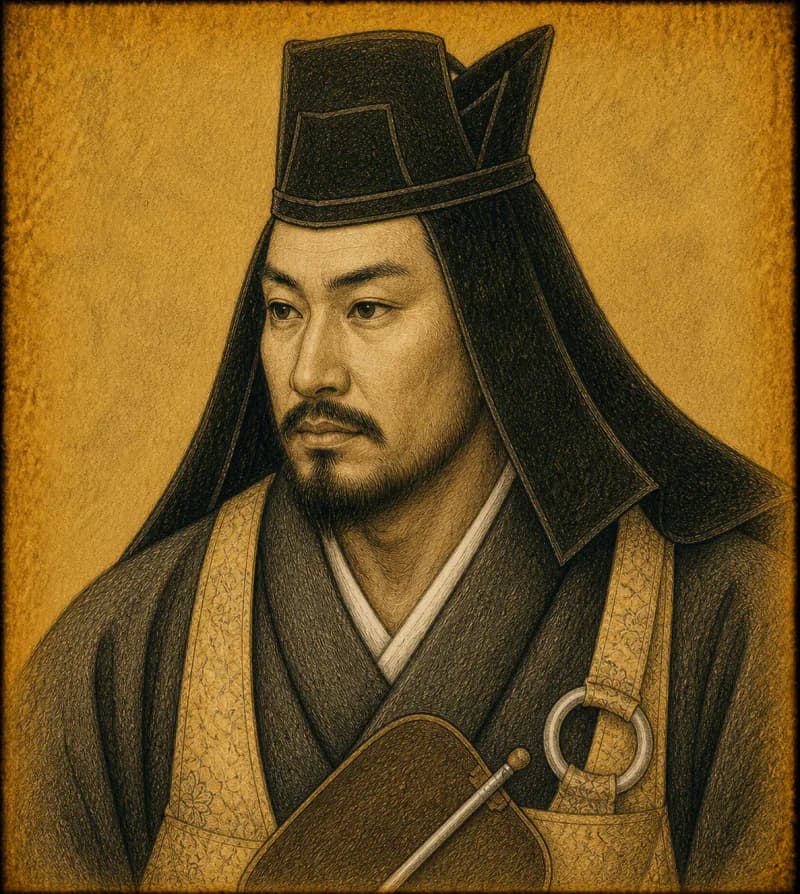
SA-0006 / JPN
Uesugi Kenshin
The Dragon of Echigo, sword-saint of the north
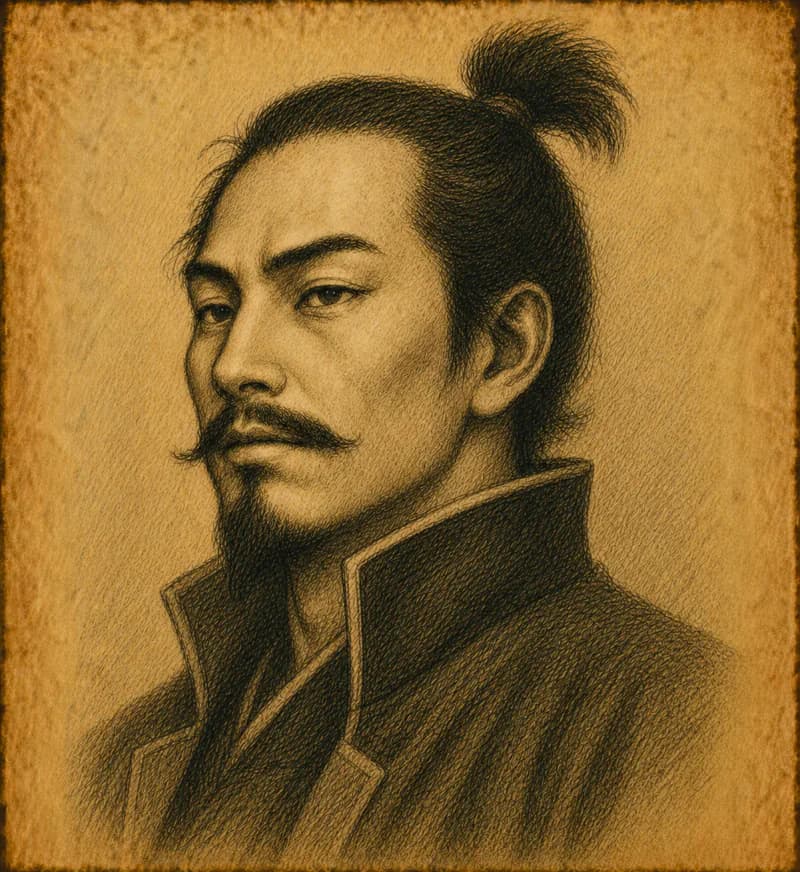
SA-0001 / JPN
Oda Nobunaga
The revolutionary who paved the path to a unified Japan
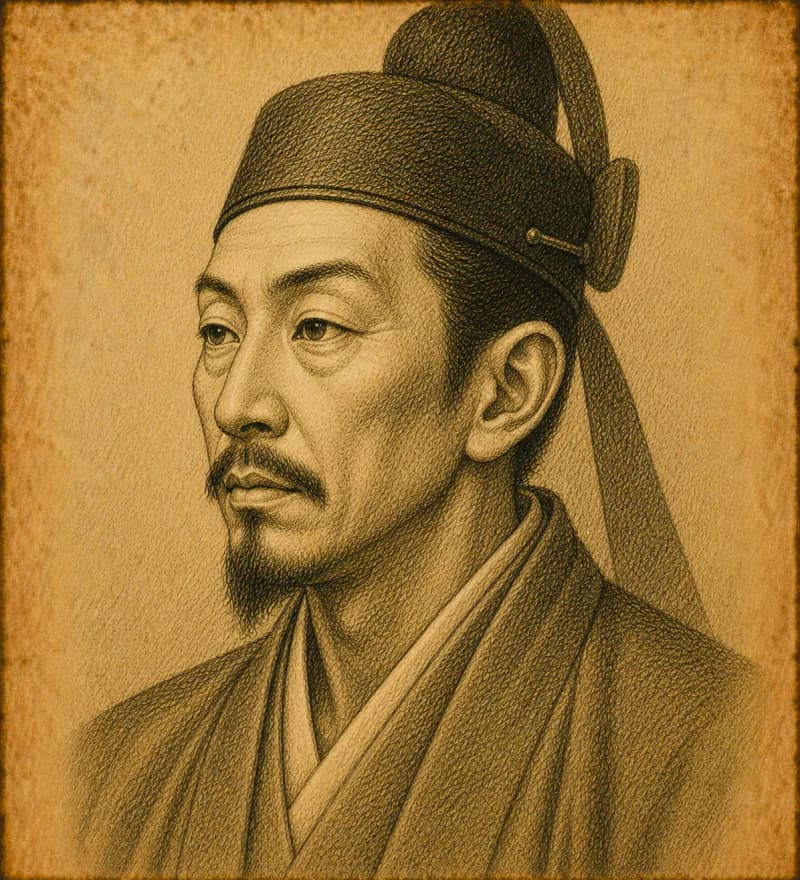
SA-0002 / JPN
Toyotomi Hideyoshi
The peasant who rose to rule all Japan
SA-0003 / JPN
Tokugawa Ieyasu
The patient warlord whose dynasty ruled Japan for 250 years
SA-0004 / JPN
Date Masamune
The One-Eyed Dragon who built Sendai
SA-0030 / JPN
Akechi Mitsuhide
The general whose betrayal at Honnō-ji rerouted Japanese history
SA-0033 / JPN
Takeda Katsuyori
The last lord of Takeda — and the man who lost the cavalry at Nagashino
SA-0034 / JPN
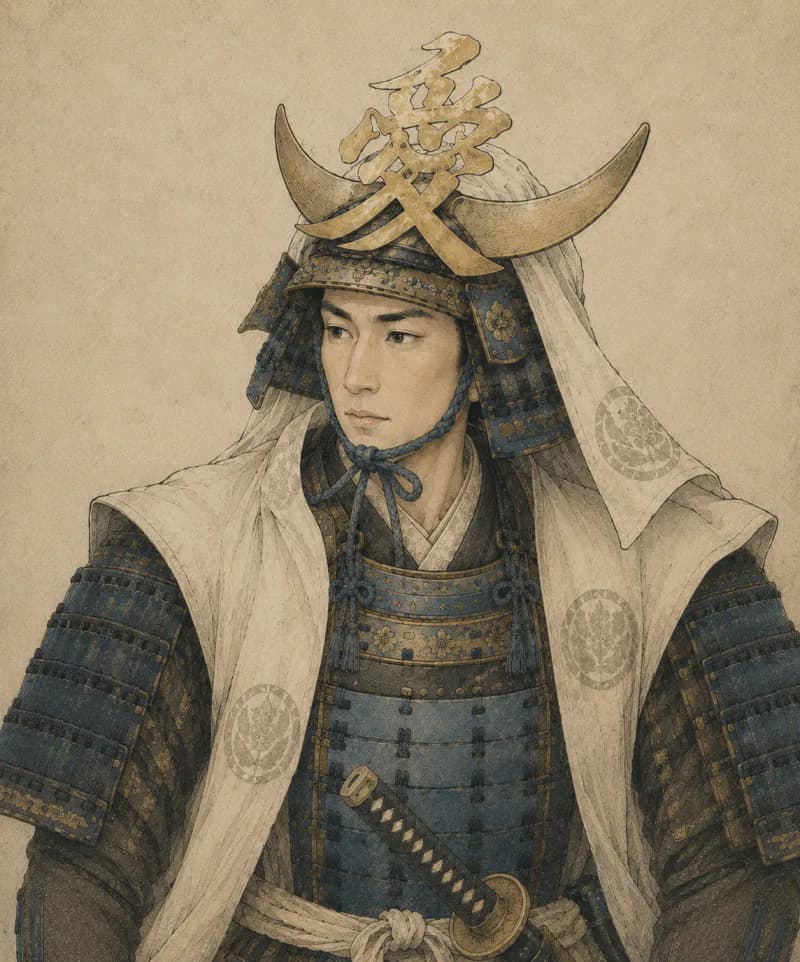
Naoe Kanetsugu
The Uesugi strategist who wore the character for 'love' on his helmet