SUBJECT FILE NO. SA-0006
BUSHI ARCHIVE
Uesugi Kenshin
Uesugi Kenshin
Lord of Echigo Province
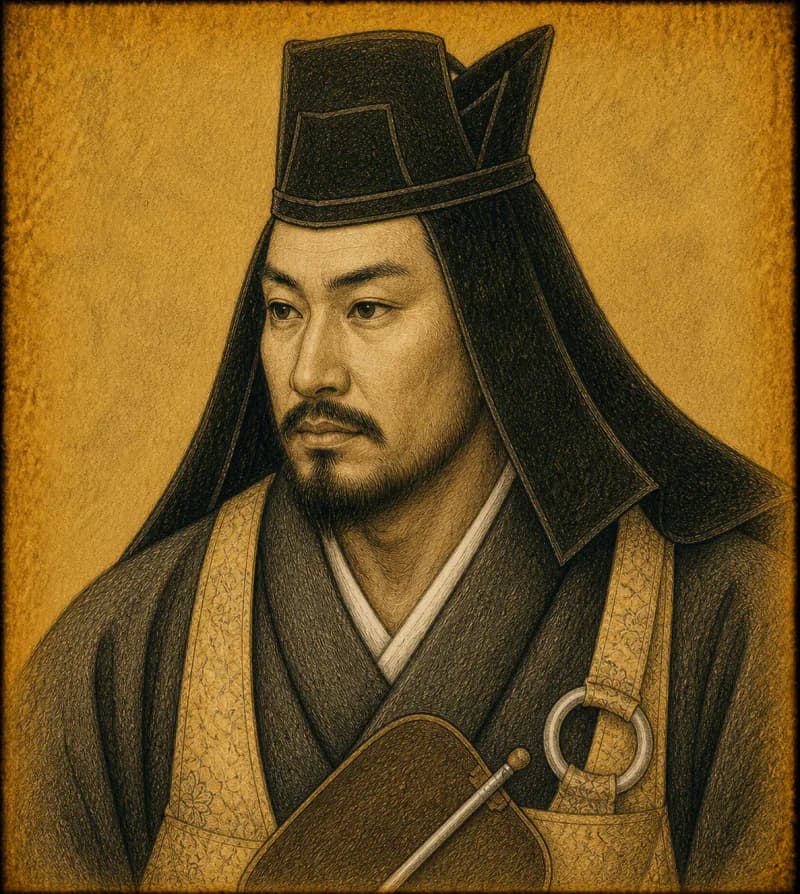
SECTION I -- SUBJECT PROFILE
| Name | Uesugi Kenshin |
|---|---|
| English | Uesugi Kenshin |
| Origin | Japan |
| Lifespan | 1530–1578 |
| Gender | Male |
| Century | 16th C. |
| Clan / Role | Daimyo |
| Title | Lord of Echigo Province |
SECTION II -- OVERVIEW
Born Nagao Kagetora in 1530, Kenshin took the Uesugi name and the post of Kantō Kanrei from the dispossessed Uesugi Norimasa, becoming one of the most respected daimyo of the era.
A devout follower of the war-god Bishamonten, he fought what he called 'just wars,' famously sending salt to his rival Shingen when other warlords had embargoed the Takeda.
His five clashes with Shingen at Kawanakajima made the rivalry legendary. He defeated Oda Nobunaga's forces at Tedorigawa in 1577, the only general ever to do so, and was preparing a march on Kyoto when he died suddenly in 1578 — by some accounts of a stroke in his lavatory, by others poisoned — sparing Nobunaga a second mortal threat in the same decade.
SECTION III -- CHRONOLOGY
SECTION IV -- NOTABLE STATEMENTS
“Fate is in heaven, the armor is on the breast, success is in the feet.”
SECTION V -- FIELD NOTES
[A]Salt for an Enemy
When the Imagawa and Hōjō embargoed salt to the landlocked Takeda, Kenshin sent salt of his own, declaring that 'wars are to be won with swords, not with rice and salt' — a gesture remembered as the height of samurai chivalry.
SECTION VI -- LEGACY & IMPACT
Kenshin became the moral archetype of the samurai — the warrior-monk who fought for principle rather than gain. His defeat of Nobunaga at Tedorigawa stands alone in Sengoku history.
SECTION VII -- MAJOR DEEDS
- [01]Five Battles of Kawanakajima
- [02]Battle of Tedorigawa (1577)
- [03]Kantō Kanrei reforms
- [04]Patronage of Rinsen-ji and Bishamondō
SECTION VIII -- REFERENCE MATERIALS
PRIMARY SOURCES & ARCHIVES
- PRIMARY
Uesugi-ke Monjo
National Treasure — Yonezawa City Uesugi Museum
Hereditary Uesugi clan documents including Kenshin's autograph letters
- ARCHIVE
Yonezawa City Uesugi Museum
Yonezawa City
Comprehensive archive of Uesugi family documents and artifacts
Visit archive → - SCHOLARSHIP
Uesugi Kenshin
Yamada Kuniaki / Yoshikawa Kōbunkan, Jinbutsu Sōsho series
Definitive academic biography (in Japanese)
RECOMMENDED READING
SECTION X -- RELATED REPORTS
SA-RPT
Kawanakajima: The Greatest Personal Rivalry of the Sengoku
Five battles, twelve years, no decisive winner. The story of Takeda Shingen and Uesugi Kenshin's repeated meetings on a single Shinano river plain became, for the Japanese, the archetype of a rivalry between equals.
SA-RPT
Salt for an Enemy: The Single Gesture That Defined Samurai Honor
In the winter of 1567, Uesugi Kenshin sent salt to Takeda Shingen — the man he had fought five battles against. Four hundred years later, the gesture is still taught in Japanese ethics classes as the highest example of just war.
SECTION IX -- LINKED SUBJECTS
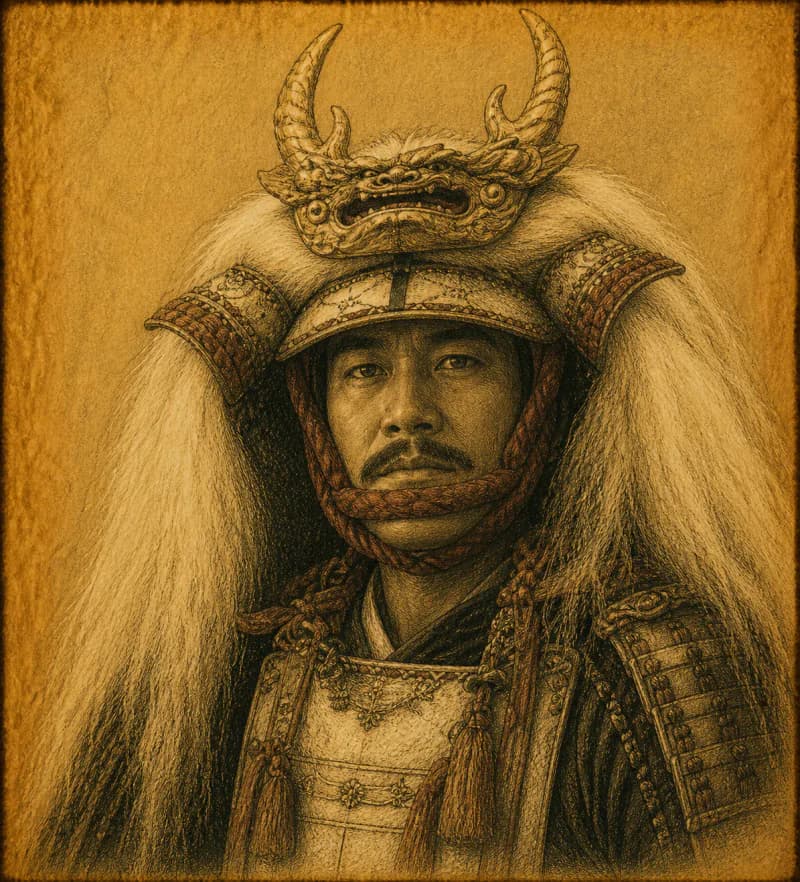
SA-0005 / JPN
Takeda Shingen
The Tiger of Kai whose cavalry shook the realm
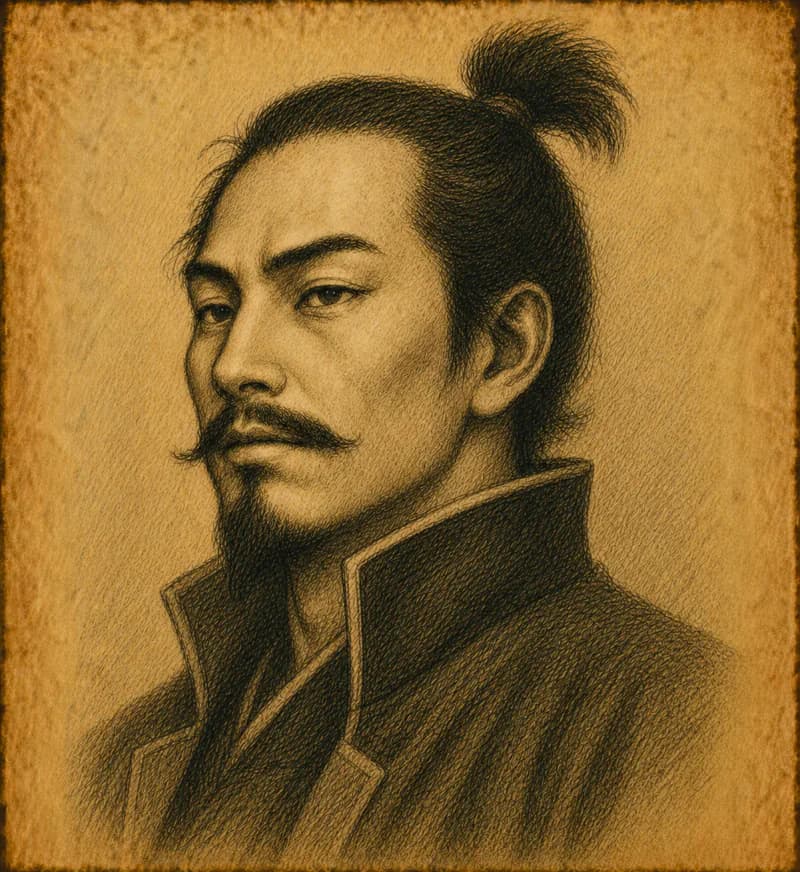
SA-0001 / JPN
Oda Nobunaga
The revolutionary who paved the path to a unified Japan
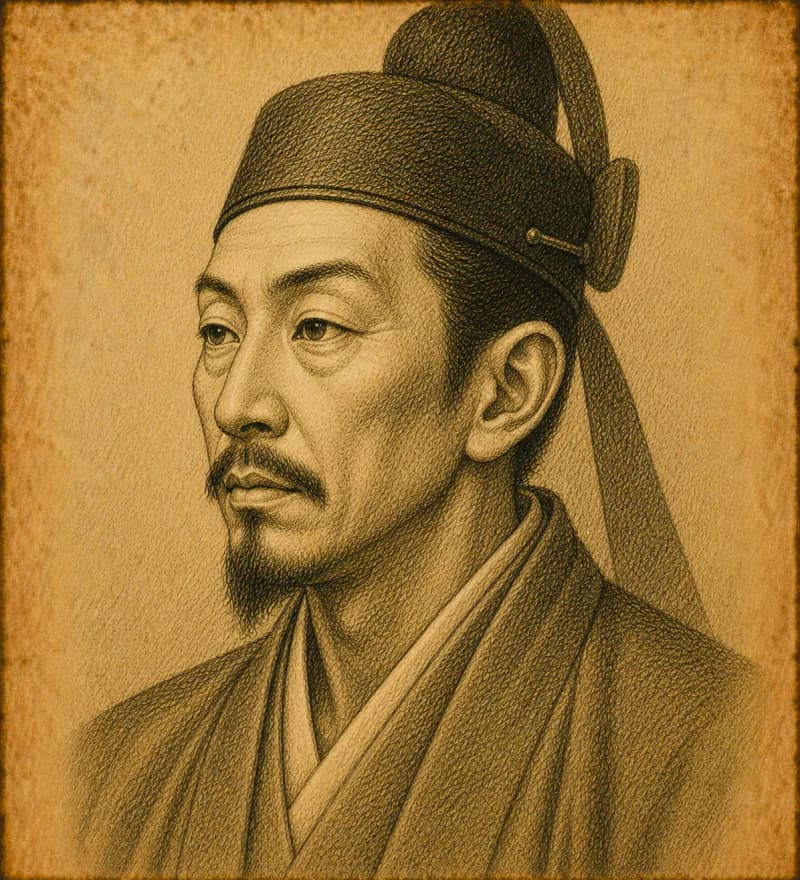
SA-0002 / JPN
Toyotomi Hideyoshi
The peasant who rose to rule all Japan
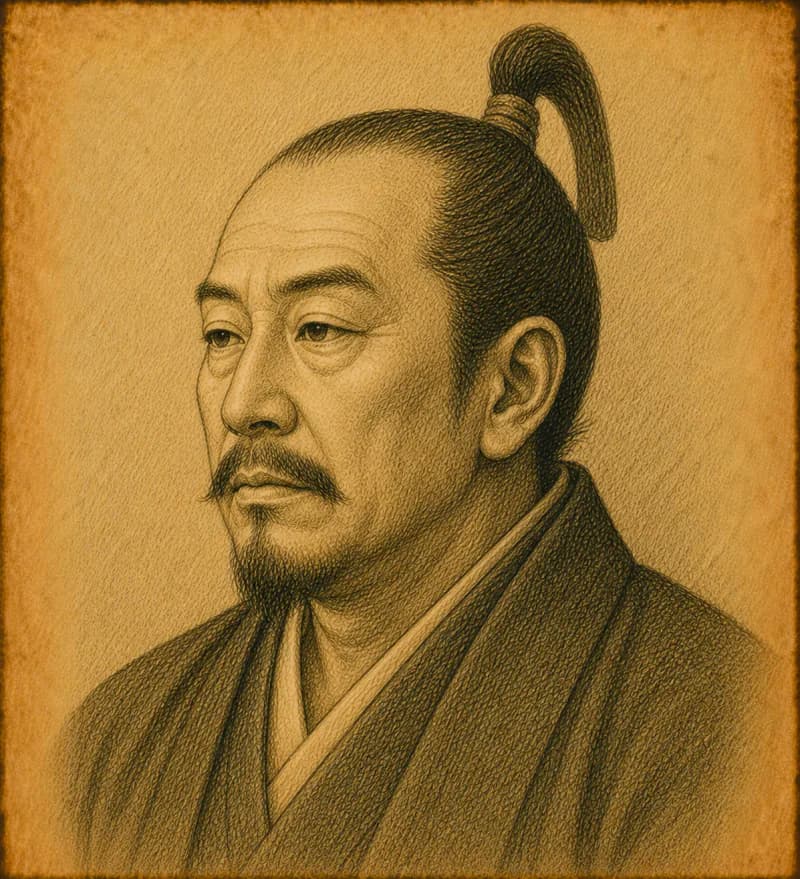
SA-0003 / JPN
Tokugawa Ieyasu
The patient warlord whose dynasty ruled Japan for 250 years
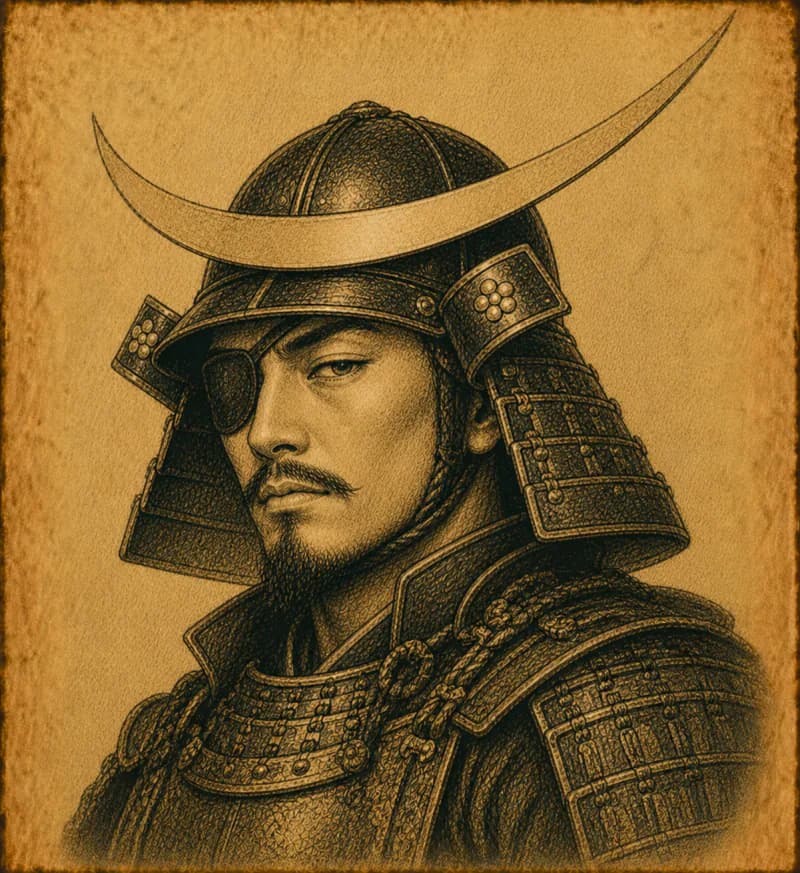
SA-0004 / JPN
Date Masamune
The One-Eyed Dragon who built Sendai
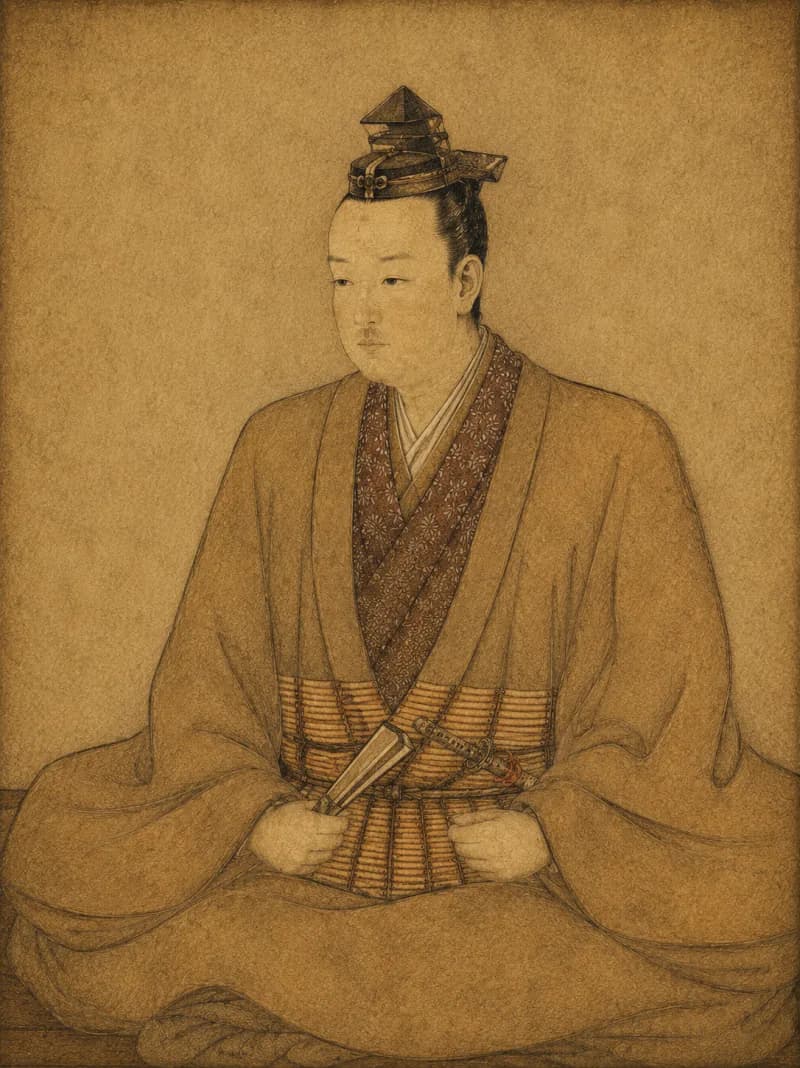
SA-0030 / JPN
Akechi Mitsuhide
The general whose betrayal at Honnō-ji rerouted Japanese history
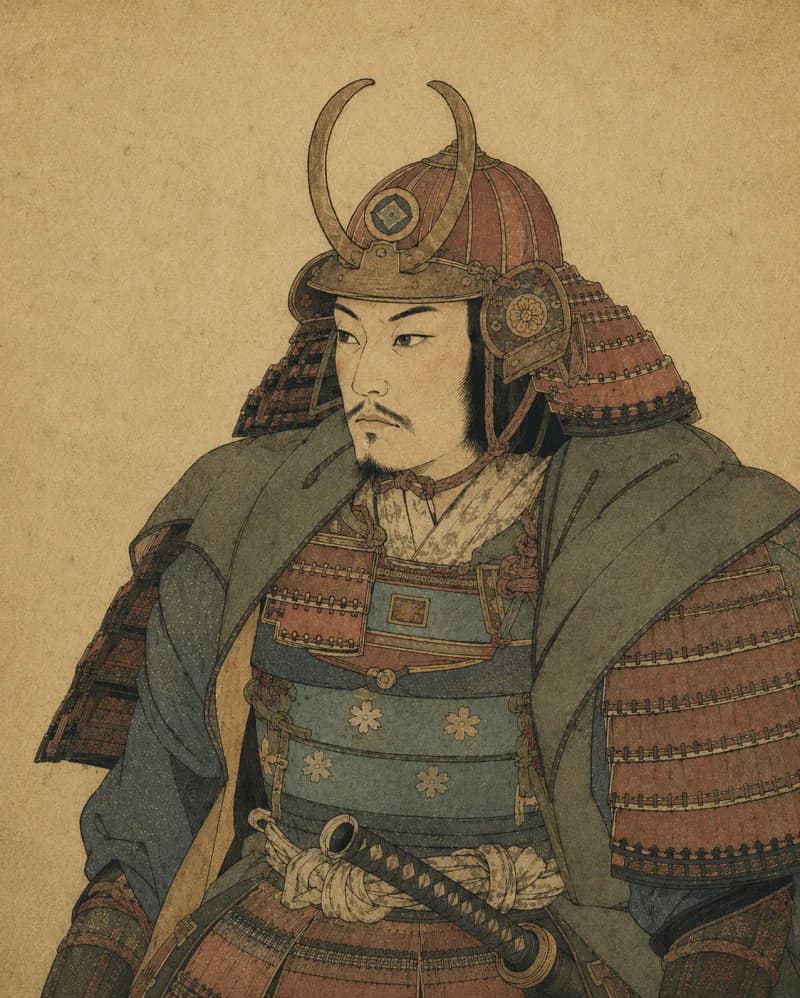
SA-0033 / JPN
Takeda Katsuyori
The last lord of Takeda — and the man who lost the cavalry at Nagashino
SA-0034 / JPN
Naoe Kanetsugu
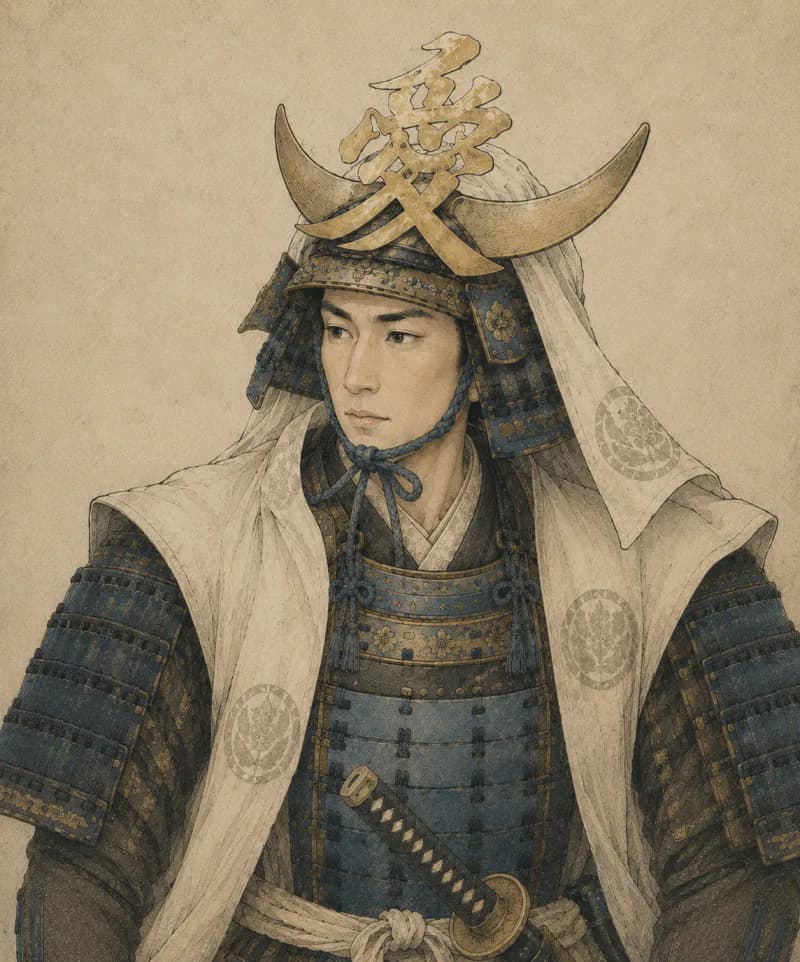
The Uesugi strategist who wore the character for 'love' on his helmet