SUBJECT FILE NO. SA-0001
BUSHI ARCHIVE
Oda Nobunaga
Oda Nobunaga
Warlord & Unifier of Japan
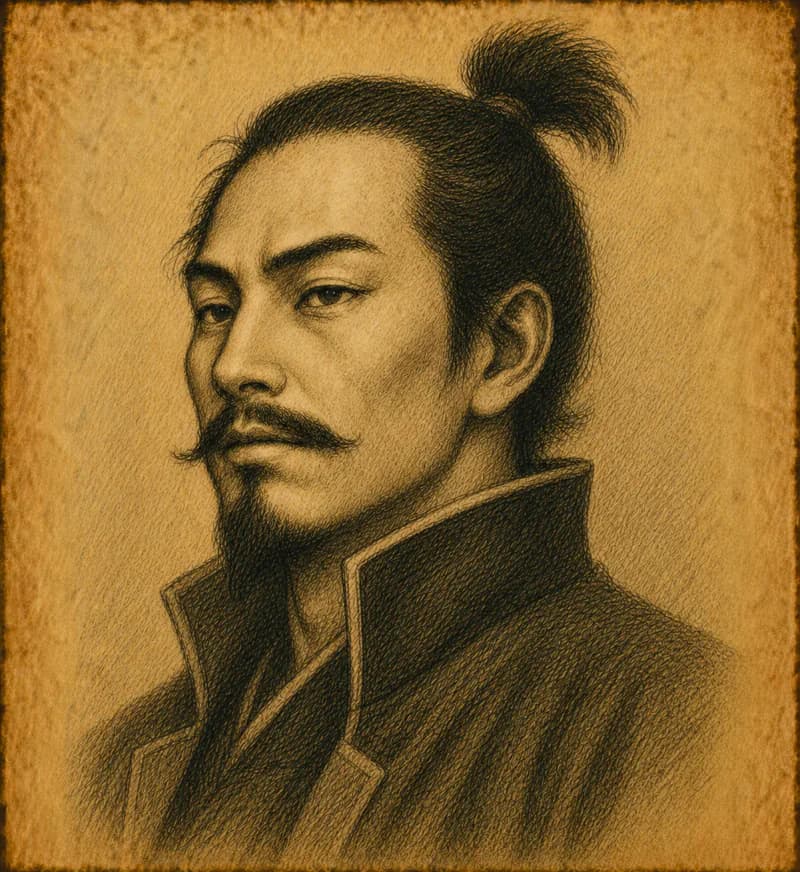
SECTION I -- SUBJECT PROFILE
| Name | Oda Nobunaga |
|---|---|
| English | Oda Nobunaga |
| Origin | Japan |
| Lifespan | 1534–1582 |
| Gender | Male |
| Century | 16th C. |
| Clan / Role | Daimyo |
| Title | Warlord & Unifier of Japan |
SECTION II -- OVERVIEW
Born in 1534 in Owari Province as the son of the modest warlord Oda Nobuhide, Nobunaga grew up as the so-called 'Fool of Owari' for his eccentric behavior.
In 1560 at the Battle of Okehazama he routed Imagawa Yoshimoto's vastly larger army during a thunderstorm, instantly becoming a feared name.
He marched on Kyoto in 1568, crushed the militant Buddhist stronghold of Mount Hiei, and at Nagashino in 1575 deployed three thousand matchlock arquebusiers behind palisades to shatter the legendary Takeda cavalry — revolutionizing Japanese warfare.
From his magnificent Azuchi Castle he welcomed Jesuit missionaries, abolished internal toll barriers, and proclaimed the rakuichi-rakuza free-market edicts.
In 1582, on the verge of national unification, he was betrayed by his general Akechi Mitsuhide and forced to commit suicide as Honnō-ji temple burned around him.
SECTION III -- CHRONOLOGY
SECTION IV -- NOTABLE STATEMENTS
“If a bird does not sing, kill it.”
SECTION V -- FIELD NOTES
[A]The Fool of Owari
Nicknamed 'the Fool of Owari' in his youth for his eccentric behavior, Nobunaga shocked the realm by defeating an army ten times his size at Okehazama.
SECTION VI -- LEGACY & IMPACT
Nobunaga ended a century of civil war by defeating rival warlords and centralizing power, paving the way for the unification completed by his successors Hideyoshi and Tokugawa Ieyasu.
His mass deployment of firearms, free-market policies, and meritocratic governance transformed Japanese society and laid the foundations of the early modern Japanese state.
SECTION VII -- MAJOR DEEDS
- [01]Victory at Okehazama (1560)
- [02]Mass firearms tactics at Nagashino (1575)
- [03]Construction of Azuchi Castle (1576)
- [04]Rakuichi-rakuza free-market policy
- [05]Abolition of road tolls
SECTION VIII -- REFERENCE MATERIALS
PRIMARY SOURCES & ARCHIVES
- PRIMARY
Shinchō Kōki (Chronicle of Lord Nobunaga)
Ōta Gyūichi
Contemporary record by Nobunaga's vassal — the foremost Azuchi-Momoyama era source
- ARCHIVE
National Diet Library Digital Collection
National Diet Library, Japan
Full-text access to primary Nobunaga-era manuscripts and woodblock editions
Visit archive → - SCHOLARSHIP
Oda Nobunaga
Ikegami Hiroko / Yoshikawa Kōbunkan, Jinbutsu Sōsho series
Definitive academic biography (in Japanese)
RECOMMENDED READING
SECTION X -- RELATED REPORTS
SA-RPT
The Honnō-ji Incident: Why Did Akechi Mitsuhide Betray Nobunaga?
On a single dawn in June 1582, Akechi Mitsuhide turned his army around and burned his lord alive. Four centuries of historians still cannot agree why.
SA-RPT
Yamazaki: The Thirteen-Day Empire That Hideyoshi Stole Back
Eleven days after burning Nobunaga at Honnō-ji, Akechi Mitsuhide stood at the Yamazaki ridges facing an army that should not have arrived for weeks. Toyotomi Hideyoshi had marched 230 kilometres in nine days. By sunset Mitsuhide was finished.
SA-RPT
Tanba: The Ten-Year Pacification That Forged Nobunaga's Most Dangerous General
Seven years before Honnō-ji, Akechi Mitsuhide was bogged down in the mountain valleys of Tanba. The 1575–1579 pacification was the Oda army's hardest provincial campaign, and by the end of it Mitsuhide had become Nobunaga's most powerful corps commander.
SA-RPT
Nagashino: The Day the Cavalry Died
On the morning of May 21, 1575, Takeda Katsuyori's elite cavalry charged into a three-tier line of three thousand Oda matchlocks. By sunset half of the Takeda's senior generals were dead and the army once called the fiercest of the Sengoku was finished.
SA-RPT
'Nobunaga Is an Enemy of the Buddha': Why Kennyo Started a Ten-Year War
In September 1570, the twenty-seven-year-old Hongan-ji head Kennyo issued a call to the adherents of the provinces to overthrow Nobunaga. Tracing the opening of the longest war in Japanese history in which religion and force were interwoven — the Ishiyama War of the late Sengoku.
SA-RPT
A Ten-Year Siege: How Ishiyama Hongan-ji Held Out Against Nobunaga
From 1570 to 1580, Ishiyama Hongan-ji withstood Nobunaga's siege for ten years. The water-castle terrain, supply from the Inland Sea navy, coordination with adherents of the provinces. Tracing the reality of the siege defense in which a religious force troubled a secular daimyō longest.
SA-RPT
Anegawa: The Day Oichi's Brother and Husband Became Enemies
On June 28, 1570, at the Ane River in Ōmi Province. Oda Nobunaga and Azai Nagamasa met head-on. To Nobunaga, Nagamasa was his sister's husband; to Nagamasa, Nobunaga was his brother-in-law. Tracing the collapse of Sengoku-period political marriage from Oichi's position.
SA-RPT
The Fall of Odani: In 1573, Oichi Left the Castle with Three Daughters
In August 1573, Odani Castle was surrounded by Nobunaga's army. Her husband Azai Nagamasa took his own life, the eldest son Manpukumaru was killed, Oichi left the castle with three daughters and returned to her brother Nobunaga. Tracing the fork in the fate of a Sengoku-period woman.
SA-RPT
Okehazama: The Day the Tōkai Overlord Fell in the Fields of Owari, 1560
On the nineteenth day of the fifth month of 1560, Imagawa Yoshimoto, who had invaded Owari at the head of a great army, was struck down by Oda Nobunaga's surprise attack at Okehazama. He was forty-two. The sudden death of the Tōkai overlord brought about Nobunaga's rise and Ieyasu's independence, and transformed the power map of the Sengoku period.
SA-RPT
Mataza of the Spear: The Day a Kabukimono Was Pardoned by Nobunaga
The young Maeda Toshiie was a kabukimono called 'Mataza of the spear.' He cut down a favorite of Nobunaga and fled, joined the battles of Okehazama and Moribe without leave, took heads, and was at last pardoned back into service. It was a second term of service, won by a feat of arms staked on his life.
SA-RPT
The Meeting at Shōtoku-ji: In 1553, Dōsan Saw Through the Greatness of 'the Fool'
In 1553, Saitō Dōsan came face to face for the first time with his son-in-law Oda Nobunaga. The youth whom the world mocked as 'the fool of Owari,' Dōsan saw at a glance to be a vessel for the realm. The father-in-law's discernment pushed the future ruler of the realm onto the front stage of history.
SA-RPT
The Nagara River: In 1556, the Schemer Was Killed by His Own Son
In 1556, Saitō Dōsan fought his own son Yoshitatsu, to whom he had ceded the headship, at the Nagara River, and died in battle. The gekokujō schemer who had seized a province fell to his son's gekokujō. The blood of father-and-son strife closed Dōsan's life.
SECTION IX -- LINKED SUBJECTS
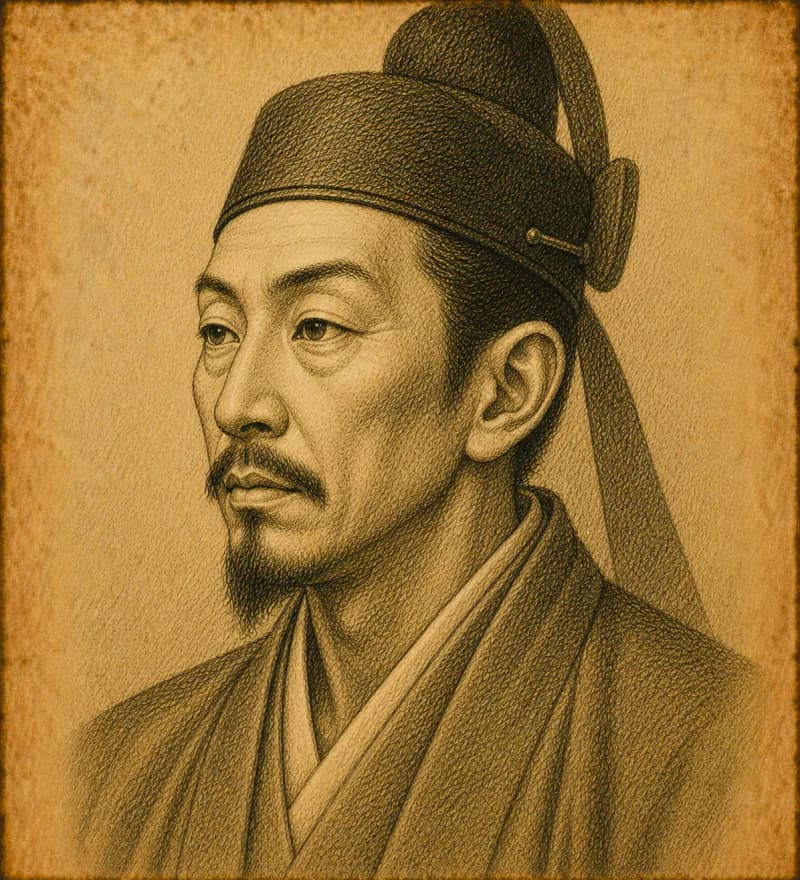
SA-0002 / JPN
Toyotomi Hideyoshi
The peasant who rose to rule all Japan
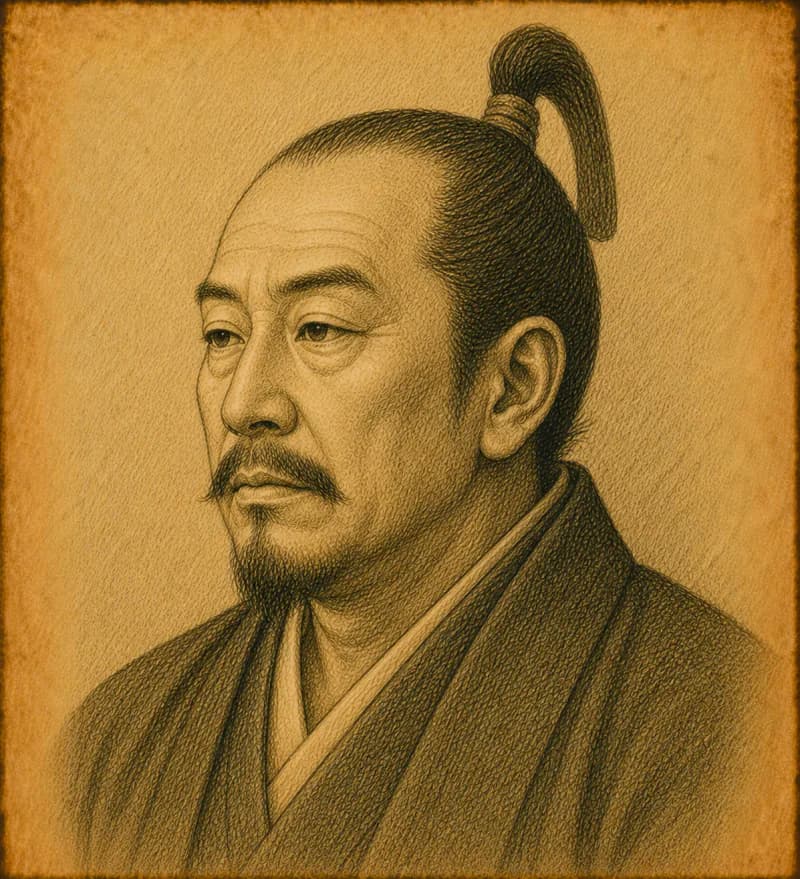
SA-0003 / JPN
Tokugawa Ieyasu
The patient warlord whose dynasty ruled Japan for 250 years
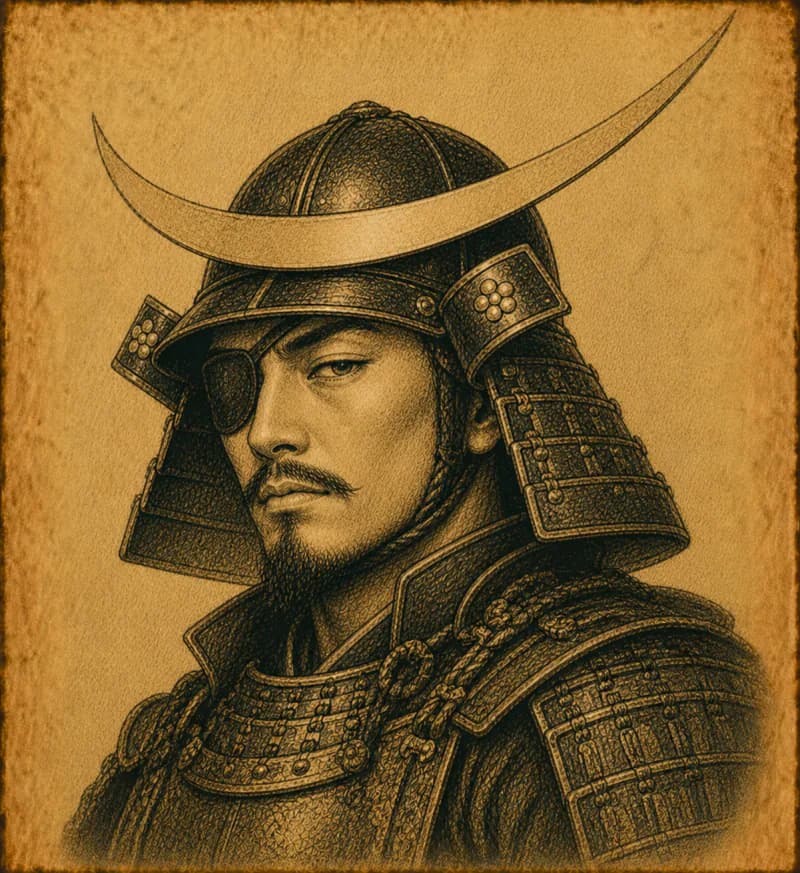
SA-0004 / JPN
Date Masamune
The One-Eyed Dragon who built Sendai
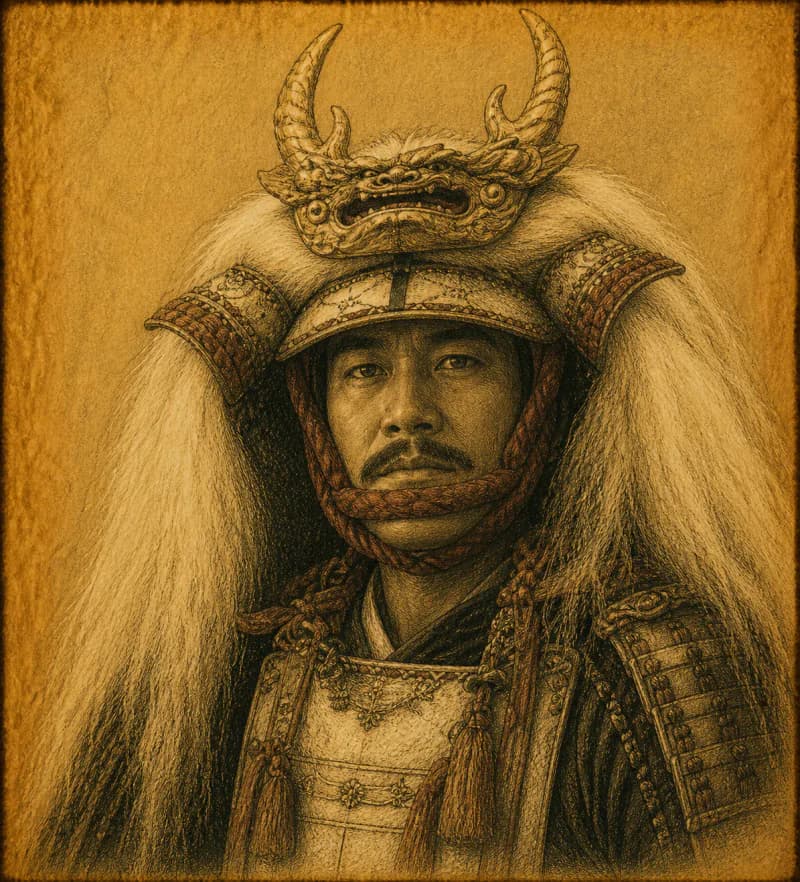
SA-0005 / JPN
Takeda Shingen
The Tiger of Kai whose cavalry shook the realm
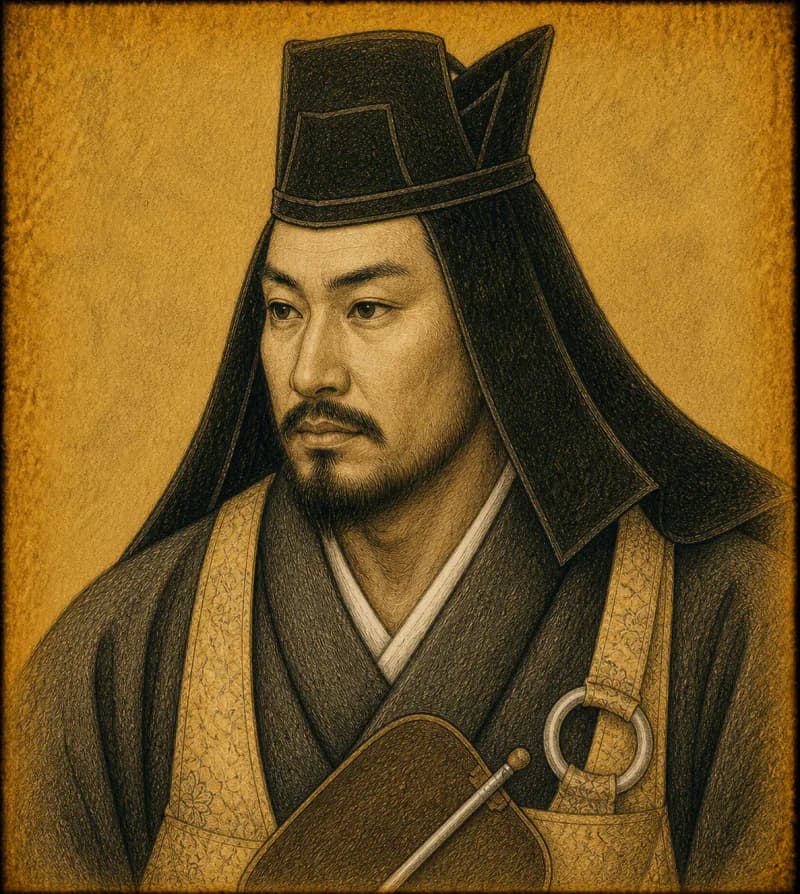
SA-0006 / JPN
Uesugi Kenshin
The Dragon of Echigo, sword-saint of the north
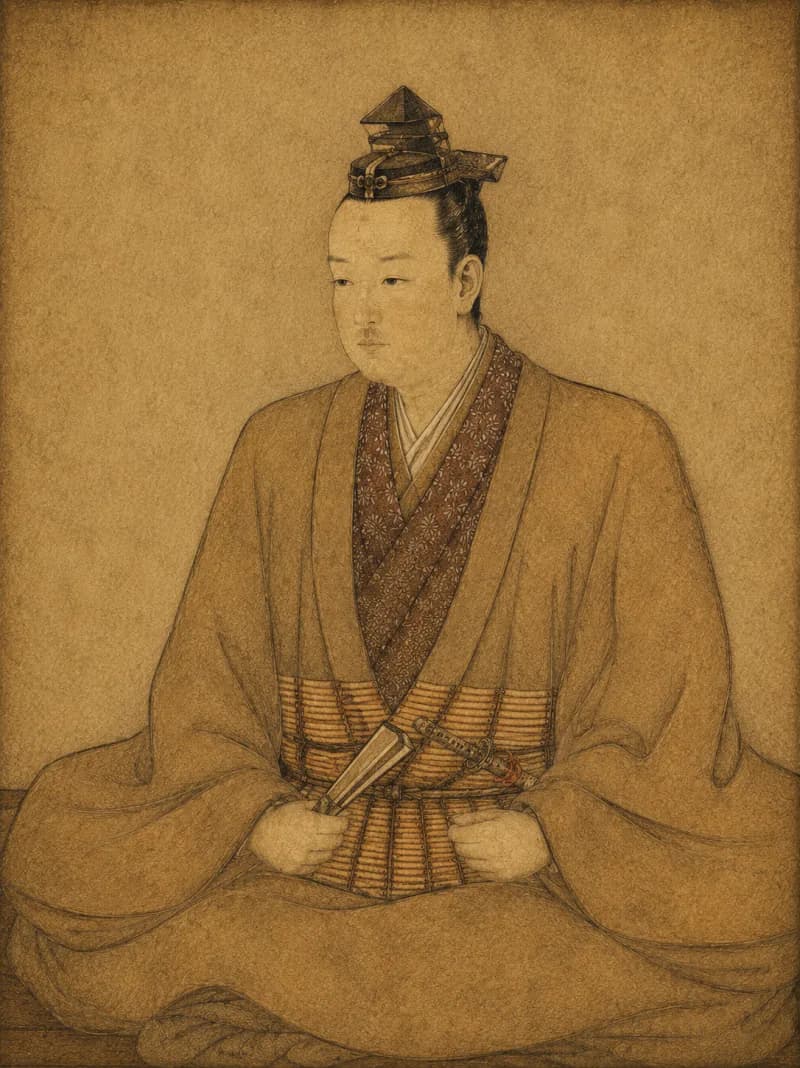
SA-0030 / JPN
Akechi Mitsuhide
The general whose betrayal at Honnō-ji rerouted Japanese history
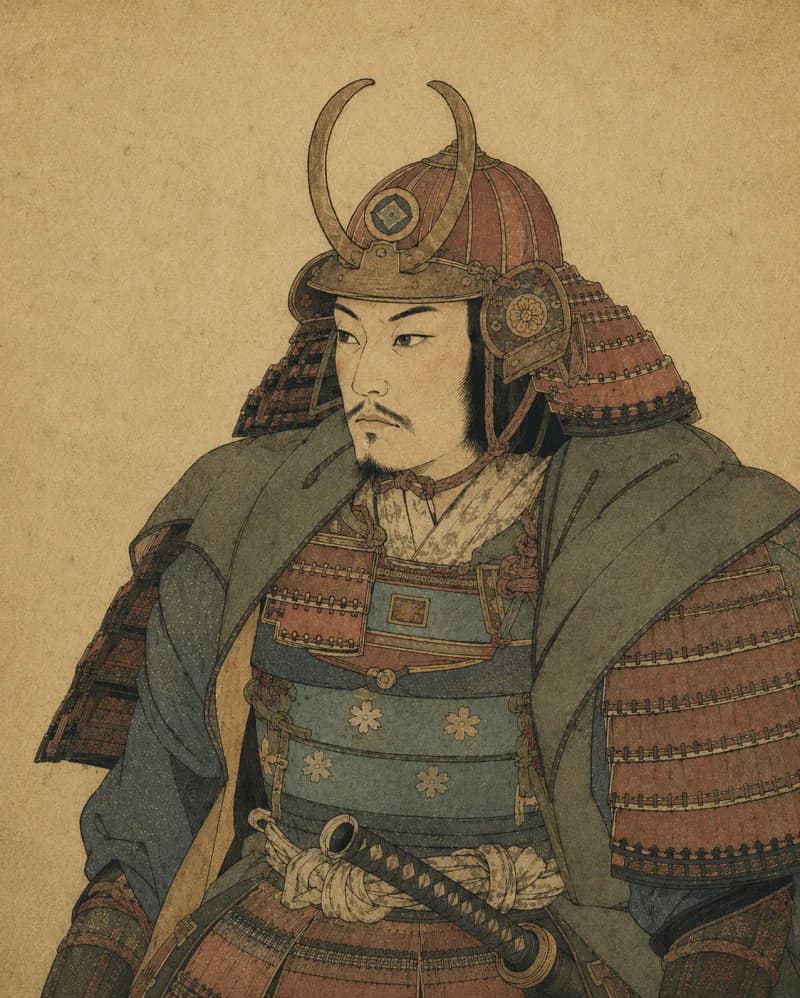
SA-0033 / JPN
Takeda Katsuyori
The last lord of Takeda — and the man who lost the cavalry at Nagashino
SA-0034 / JPN
Naoe Kanetsugu
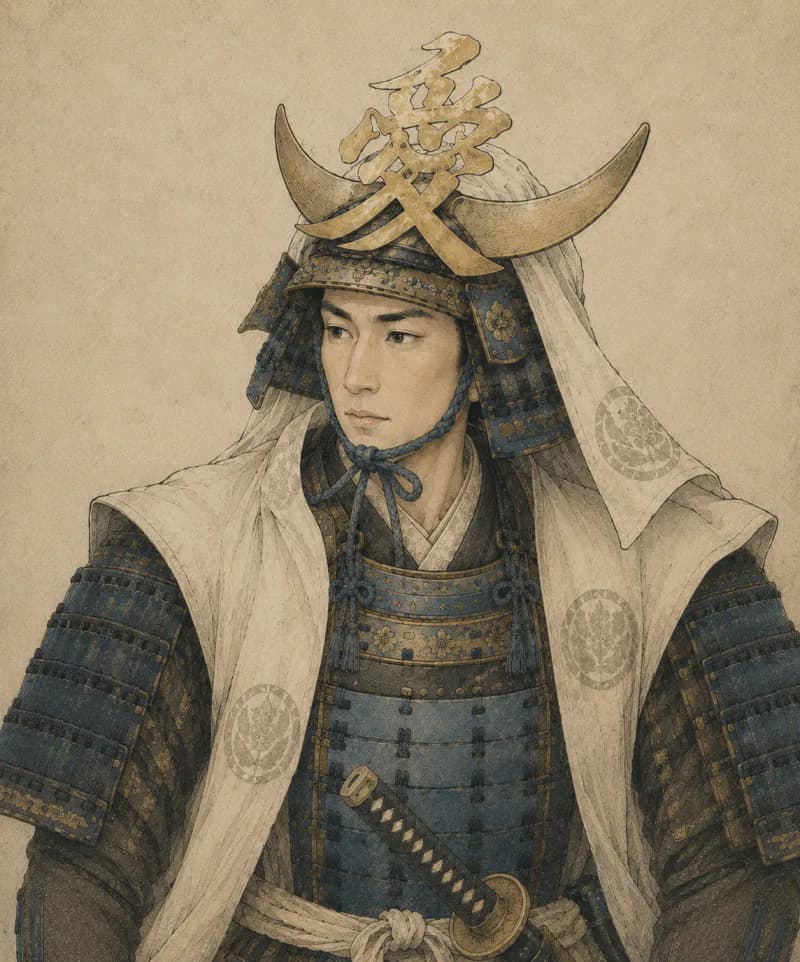
The Uesugi strategist who wore the character for 'love' on his helmet