SUBJECT FILE NO. SA-0030
BUSHI ARCHIVE
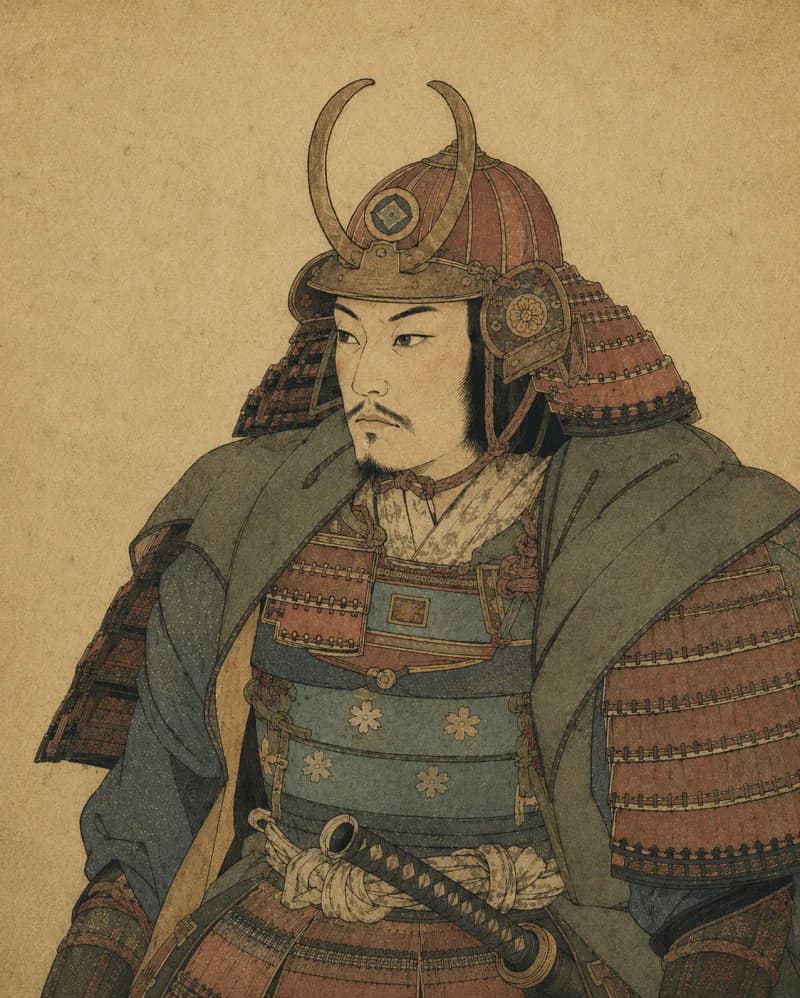
Akechi Mitsuhide
Akechi Mitsuhide
Lord of Tanba-Kameyama Castle
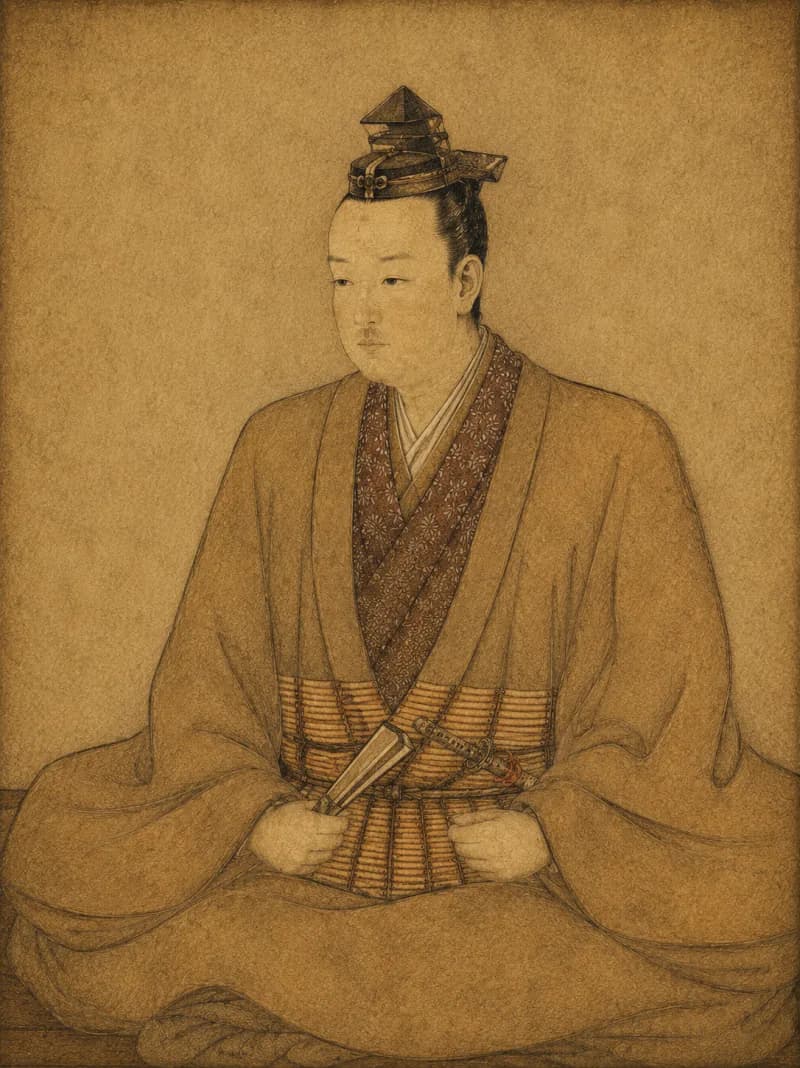
SECTION I -- SUBJECT PROFILE
| Name | Akechi Mitsuhide |
|---|---|
| English | Akechi Mitsuhide |
| Origin | Japan |
| Lifespan | 1528?–1582 |
| Gender | Male |
| Century | 16th C. |
| Clan / Role | Daimyo |
| Title | Lord of Tanba-Kameyama Castle |
SECTION II -- OVERVIEW
Born around 1528 into the Toki-Akechi line of Mino, Mitsuhide spent years as a wandering retainer before serving the Asakura of Echizen and then Ashikaga Yoshiaki, who introduced him to Oda Nobunaga.
Inside Nobunaga's army he rose rapidly, taking part in the burning of Mount Hiei (1571) and conducting the long pacification of Tanba (1575–1579) — by 1581 he was one of Nobunaga's most senior corps commanders.
On the night of June 2, 1582, en route to reinforce Hideyoshi at Takamatsu, he turned his thirteen-thousand-strong army around, marched on Honnō-ji in Kyōto, and forced Nobunaga to commit suicide as the temple burned around him.
His motive remains historically unsettled — grudge, ambition, court conspiracy, or fear of a Shikoku reassignment have all been seriously argued.
Eleven days later he was crushed at Yamazaki by Hideyoshi, who had executed an impossible forced march back from Chūgoku, and was killed during his retreat by peasants in the bamboo groves of Ogurusu.
He is remembered as the man who held Japan for 'three days.
SECTION III -- CHRONOLOGY
SECTION IV -- NOTABLE STATEMENTS
“The enemy is at Honnō-ji.”
SECTION V -- FIELD NOTES
[A]Three Days as Master of the Realm
After Honnō-ji, Mitsuhide moved quickly to secure court legitimacy and the support of regional daimyō, but Hideyoshi's astonishing Chūgoku Ōgaeshi forced march brought a Toyotomi army back to the capital region within eleven days.
The phrase 'three-day rule' has stuck to him ever since as shorthand for the shortest-lived overlordship in Japanese history.
SECTION VI -- LEGACY & IMPACT
Mitsuhide's revolt is one of the most studied turning points in Japanese history — a single morning that diverted the unification project from Oda to Toyotomi to Tokugawa.
The phrase 'The enemy is at Honnō-ji' has entered the Japanese language as an idiom for the moment of decision and betrayal.
Empirical reassessments of his motives — by Taniguchi Katsuhiro, Kirino Sakujin, and others — continue into the present.
SECTION VII -- MAJOR DEEDS
- [01]Burning of Mount Hiei (1571)
- [02]Pacification of Tanba (1575–1579)
- [03]Construction of Kameyama Castle
- [04]Akechi house military code
- [05]Honnō-ji Incident (1582)
SECTION VIII -- REFERENCE MATERIALS
PRIMARY SOURCES & ARCHIVES
- PRIMARY
Shinchō Kōki (Chronicle of Lord Nobunaga)
Ōta Gyūichi
Contemporary record by Nobunaga's vassal that brackets the Honnō-ji Incident
- SCHOLARSHIP
Kenshō Honnō-ji no Hen
Taniguchi Katsuhiro / Yoshikawa Kōbunkan
Document-based reassessment of Mitsuhide's motives
- ARCHIVE
Fukuchiyama Mitsuhide Museum
Fukuchiyama, Kyoto Prefecture
Dedicated museum on Mitsuhide's tenure as lord of Tanba
Visit archive →
RECOMMENDED READING
SECTION X -- RELATED REPORTS
SA-RPT
The Honnō-ji Incident: Why Did Akechi Mitsuhide Betray Nobunaga?
On a single dawn in June 1582, Akechi Mitsuhide turned his army around and burned his lord alive. Four centuries of historians still cannot agree why.
SA-RPT
Yamazaki: The Thirteen-Day Empire That Hideyoshi Stole Back
Eleven days after burning Nobunaga at Honnō-ji, Akechi Mitsuhide stood at the Yamazaki ridges facing an army that should not have arrived for weeks. Toyotomi Hideyoshi had marched 230 kilometres in nine days. By sunset Mitsuhide was finished.
SA-RPT
Tanba: The Ten-Year Pacification That Forged Nobunaga's Most Dangerous General
Seven years before Honnō-ji, Akechi Mitsuhide was bogged down in the mountain valleys of Tanba. The 1575–1579 pacification was the Oda army's hardest provincial campaign, and by the end of it Mitsuhide had become Nobunaga's most powerful corps commander.
SA-RPT
The Bamboo Grove at Ogurusu: How a Three-Day Emperor Died at Peasants' Hands
After defeat at Yamazaki, Mitsuhide rode the twenty kilometres back toward Sakamoto Castle in the dark. He was killed in a bamboo grove south of Kyoto by armed villagers — or so the sources say. They are oddly silent on the details.
SECTION IX -- LINKED SUBJECTS
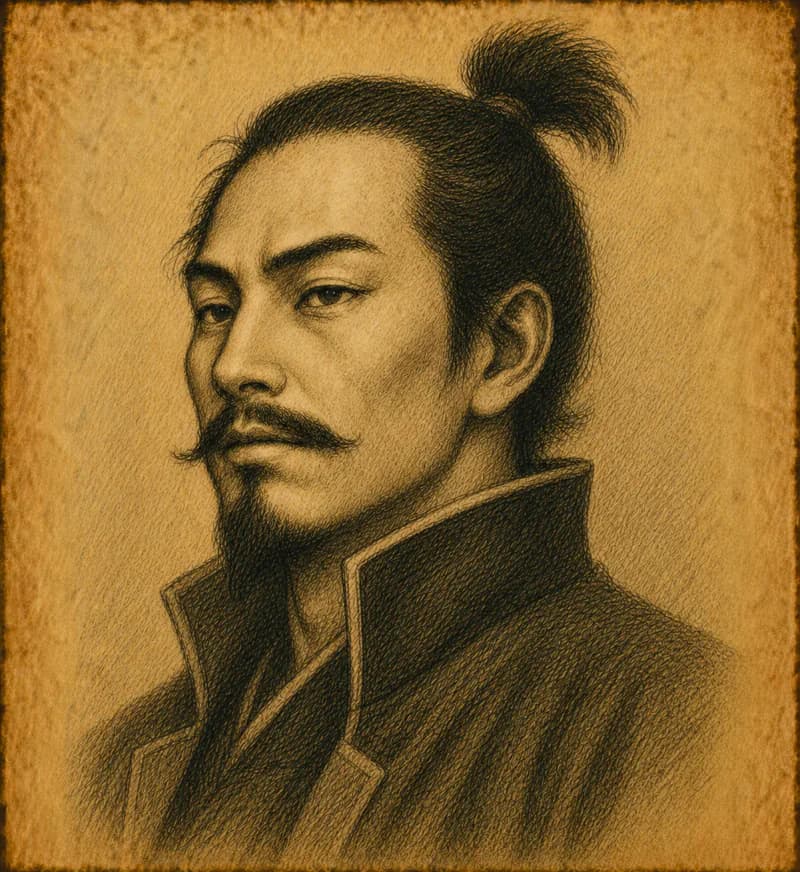
SA-0001 / JPN
Oda Nobunaga
The revolutionary who paved the path to a unified Japan
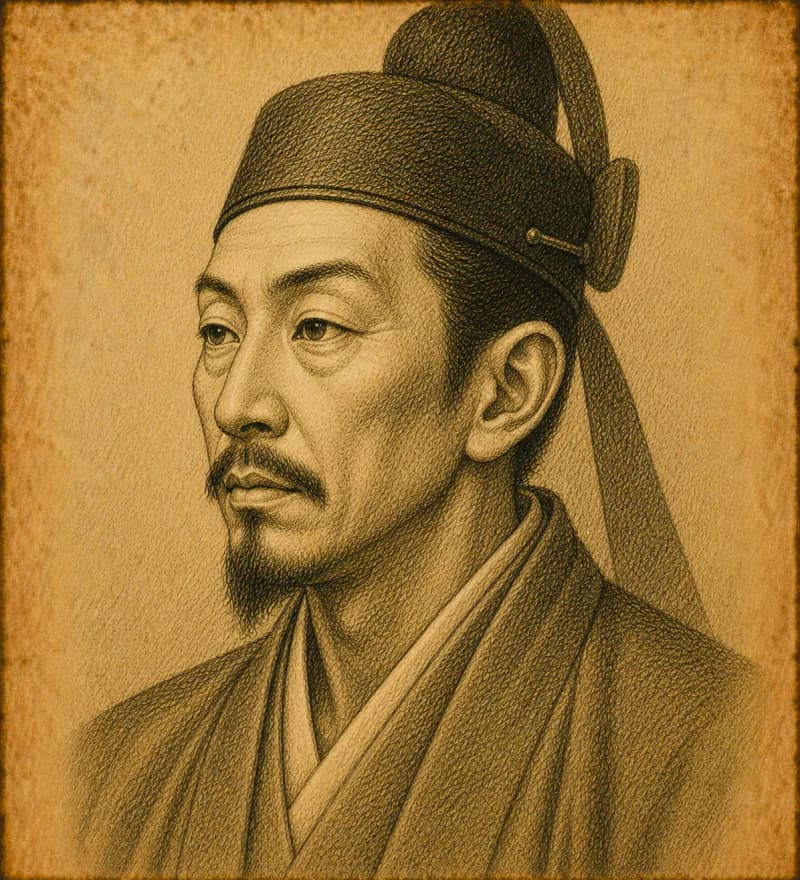
SA-0002 / JPN
Toyotomi Hideyoshi
The peasant who rose to rule all Japan
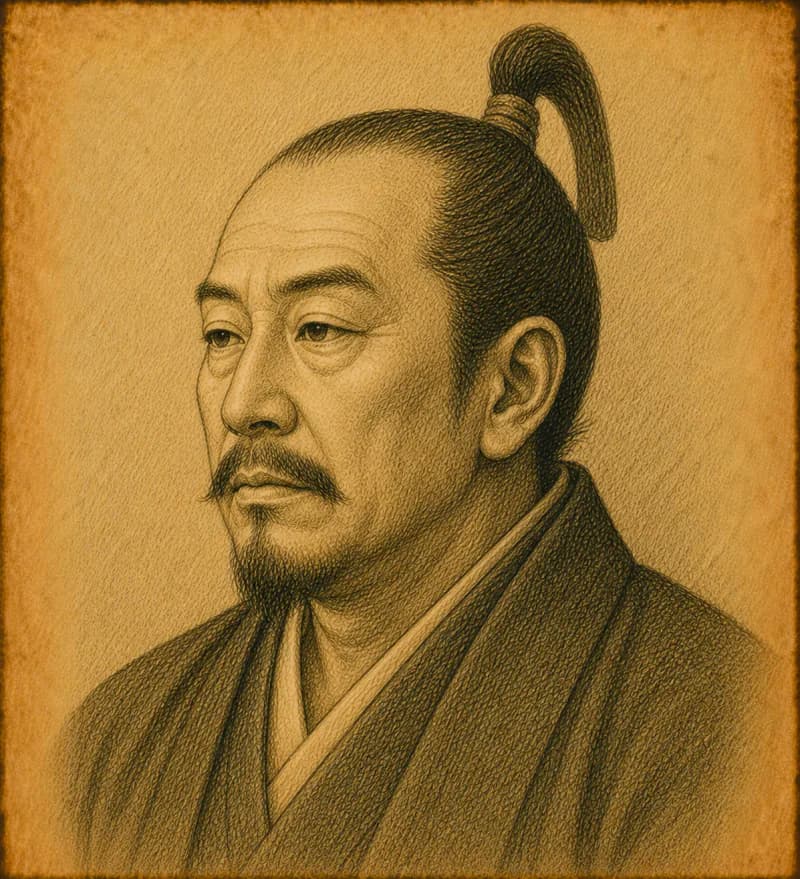
SA-0003 / JPN
Tokugawa Ieyasu
The patient warlord whose dynasty ruled Japan for 250 years
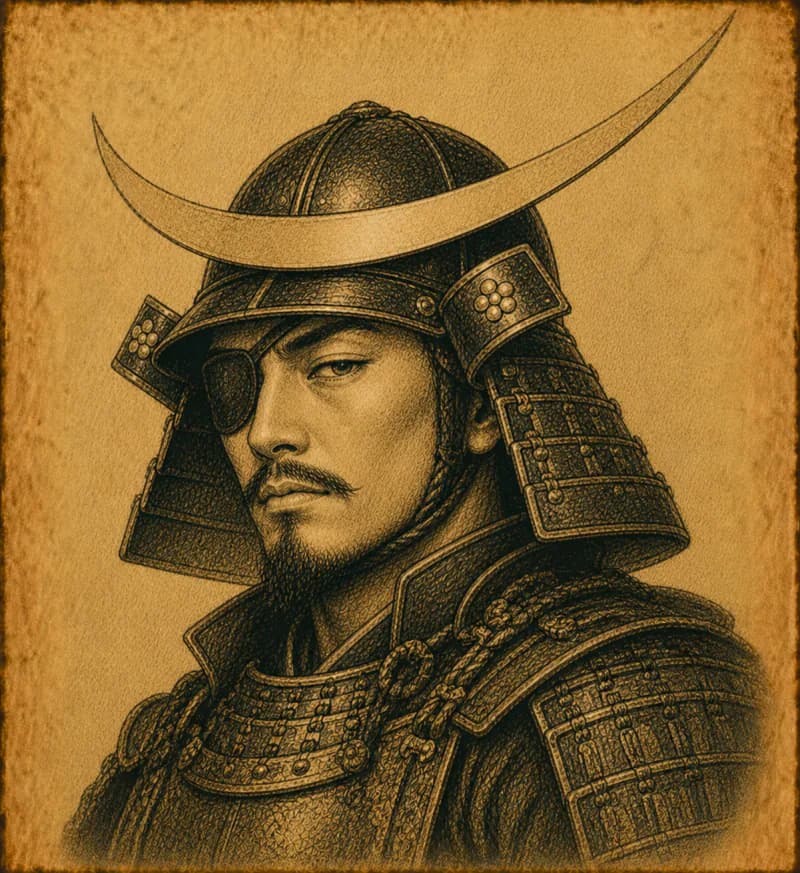
SA-0004 / JPN
Date Masamune
The One-Eyed Dragon who built Sendai
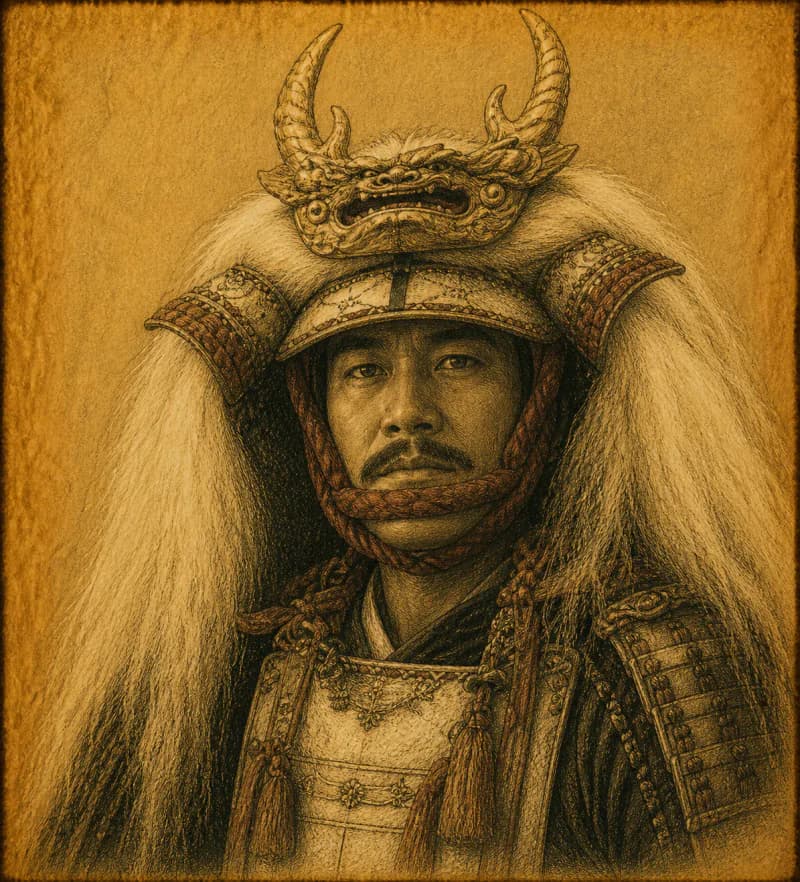
SA-0005 / JPN
Takeda Shingen
The Tiger of Kai whose cavalry shook the realm
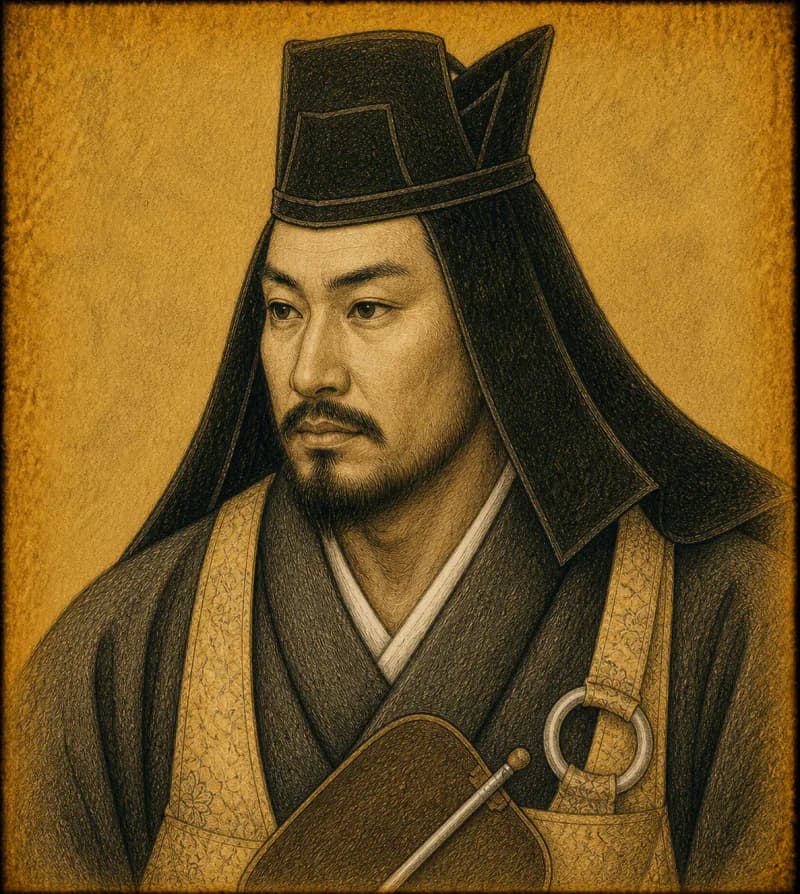
SA-0006 / JPN
Uesugi Kenshin
The Dragon of Echigo, sword-saint of the north
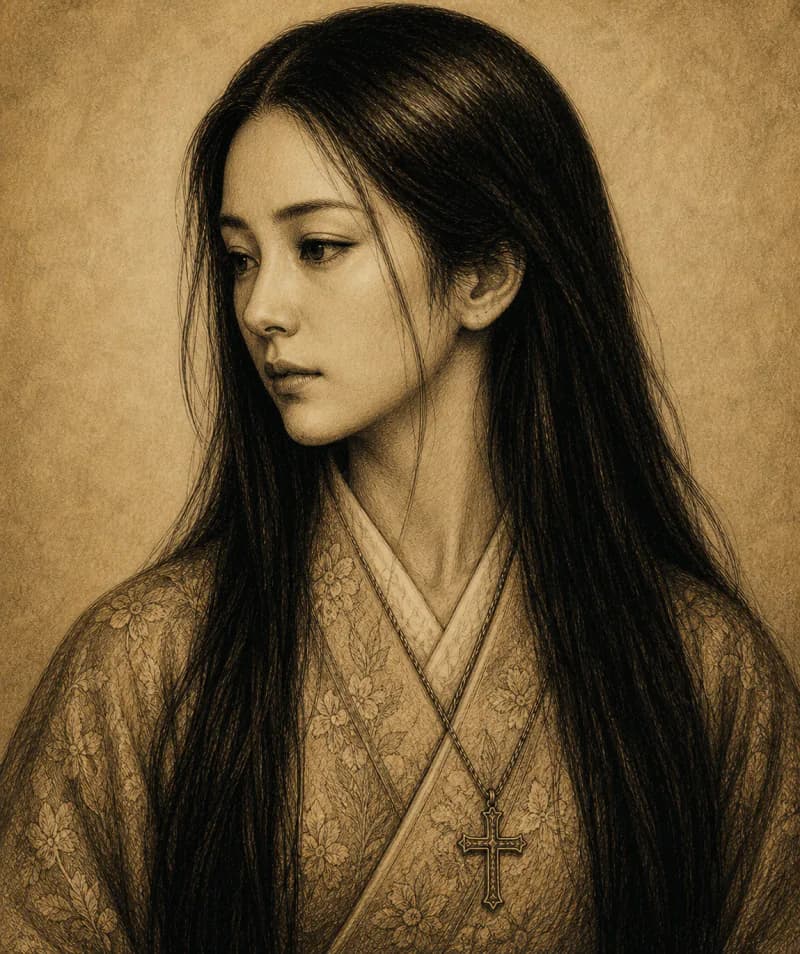
SA-0017 / JPN
Hosokawa Gracia
The Christian noblewoman whose death preserved her husband's place in the new order
SA-0033 / JPN
Takeda Katsuyori
The last lord of Takeda — and the man who lost the cavalry at Nagashino