SUBJECT FILE NO. SA-0033
BUSHI ARCHIVE
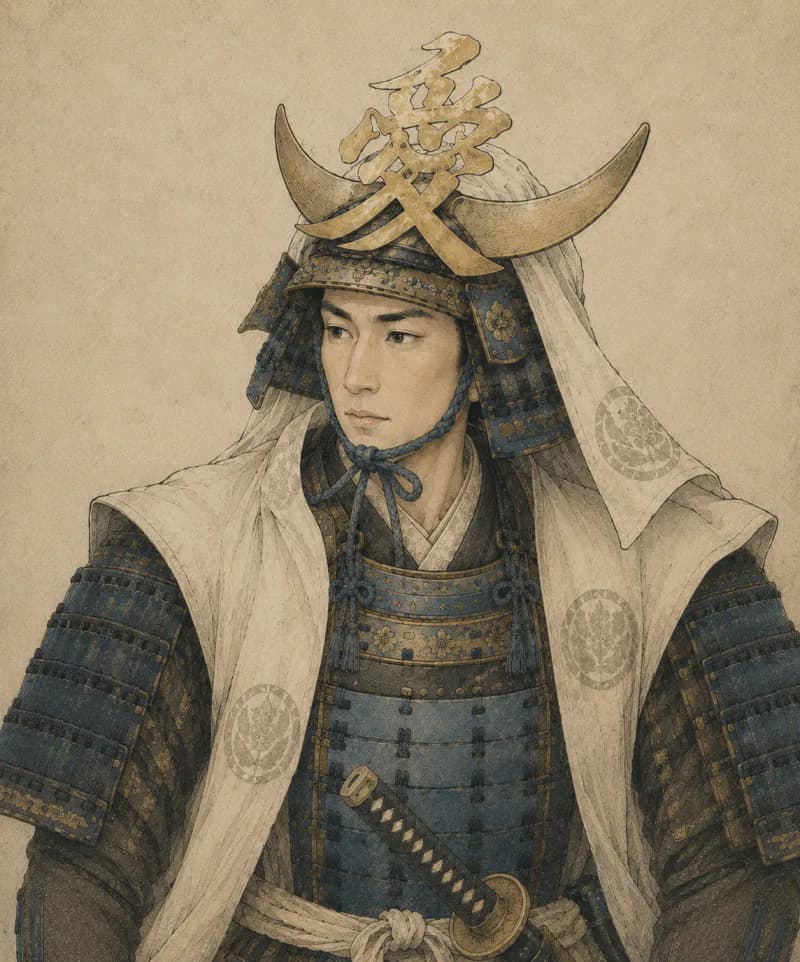
Takeda Katsuyori
Takeda Katsuyori
Twentieth head of the Kai-Takeda clan
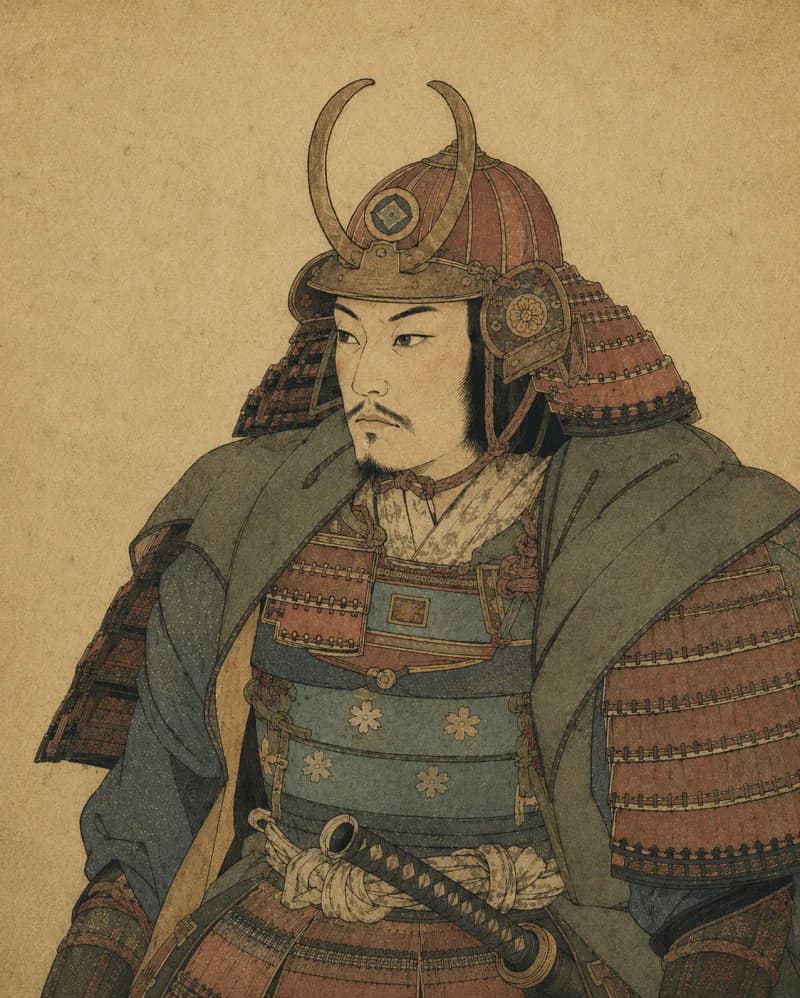
SECTION I -- SUBJECT PROFILE
| Name | Takeda Katsuyori |
|---|---|
| English | Takeda Katsuyori |
| Origin | Japan |
| Lifespan | 1546–1582 |
| Gender | Male |
| Century | 16th C. |
| Clan / Role | Daimyo |
| Title | Twentieth head of the Kai-Takeda clan |
SECTION II -- OVERVIEW
Born in 1546 as the fourth son of Takeda Shingen by a daughter of Suwa Yorishige, Katsuyori initially carried his maternal name as Suwa Shirō and was raised as heir to the Suwa house.
After the forced suicide of his elder brother Yoshinobu, he inherited the Takeda clan in 1573 on Shingen's death. In 1574 he took the Tōtōmi castle of Takatenjin, a fortress Shingen had failed twice to capture, briefly reviving morale at court.
In May 1575 he charged the Oda-Tokugawa coalition at Nagashino, where Nobunaga's mass deployment of three thousand matchlocks destroyed the Takeda cavalry and killed many of the clan's senior generals.
The Takeda never rebuilt the losses. In March 1582, pursued by Nobunaga's invasion of Kai, Katsuyori committed suicide at Mount Tenmoku with his wife and heir.
He was thirty-six. The clan once called the fiercest of the Sengoku ended with him.
SECTION III -- CHRONOLOGY
SECTION IV -- NOTABLE STATEMENTS
“Dim the moon, faint through the haze of cloud — and the edge of the western mountain clearing.”
SECTION V -- FIELD NOTES
[A]The Taking of Takatenjin
In 1574 Katsuyori captured the Tokugawa stronghold of Takatenjin in Tōtōmi — a castle Shingen had failed to take twice in his lifetime.
The victory briefly lifted morale across the Takeda house. Whether that victory also pushed Katsuyori toward the aggressive posture that brought him to Nagashino the following year is debated.
SECTION VI -- LEGACY & IMPACT
Katsuyori carried the weight of inheriting Shingen for the whole of his life — caught between contempt from his father's old retainers, who still called him 'Suwa Shirō,' and the obligation to keep the Takeda ascendant.
The spectacular form of his defeat at Nagashino has marked him in popular memory as an incompetent successor; recent scholarship from Kamogawa Tatsuo and others reads Nagashino instead as the moment when the structural problems already present in the Shingen-era Takeda finally surfaced.
SECTION VII -- MAJOR DEEDS
- [01]Inheritance of the Suwa house (1562)
- [02]Inheritance of the Takeda (1573)
- [03]Fall of Takatenjin (1574)
- [04]Battle of Nagashino (1575)
- [05]Destruction of the Kai-Takeda (1582)
SECTION VIII -- REFERENCE MATERIALS
PRIMARY SOURCES & ARCHIVES
- PRIMARY
Kōyō Gunkan
Dictated by Kōsaka Masanobu, edited by Obata Kagenori
War chronicle by Takeda retainers covering the Katsuyori period
- SCHOLARSHIP
Takeda-shi Metsubō (The Fall of the Takeda)
Hirayama Yū / KADOKAWA
Document-based study of the Katsuyori-era collapse
- ARCHIVE
Yamanashi Prefectural Museum — Takeda Clan Collection
Yamanashi Prefectural Museum
Holds Katsuyori-era documents within the broader Takeda archive
Visit archive →
RECOMMENDED READING
SECTION X -- RELATED REPORTS
SA-RPT
Nagashino: The Day the Cavalry Died
On the morning of May 21, 1575, Takeda Katsuyori's elite cavalry charged into a three-tier line of three thousand Oda matchlocks. By sunset half of the Takeda's senior generals were dead and the army once called the fiercest of the Sengoku was finished.
SA-RPT
Tenmokuzan: How the Takeda Vanished
Seven years after Nagashino, with Nobunaga's invasion army closing in, Takeda Katsuyori was cornered at the foot of Mount Tenmoku. On March 11, 1582, nine years after Shingen's death, the Takeda clan was finished.
SA-RPT
Why Katsuyori Lost What Shingen Had Won
Compare the Takeda of Shingen with the Takeda of Katsuyori, and the largest difference is neither manpower nor talent but the diplomatic environment. Katsuyori inherited none of the alliance structure his father had built, and had to fight inside Nobunaga's encirclement.
SECTION IX -- LINKED SUBJECTS
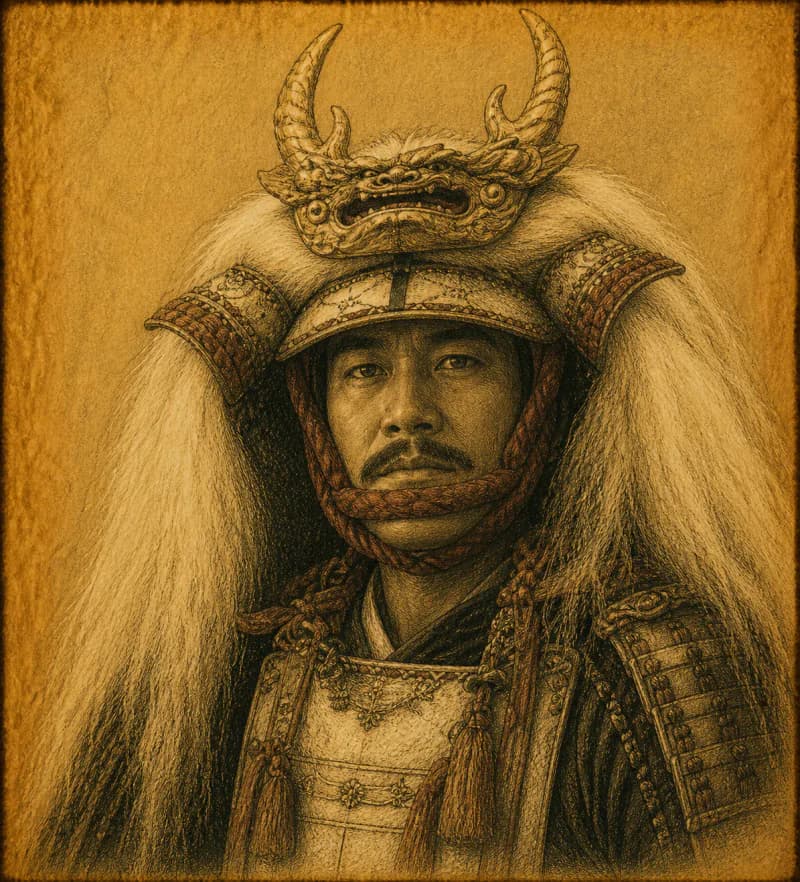
SA-0005 / JPN
Takeda Shingen
The Tiger of Kai whose cavalry shook the realm
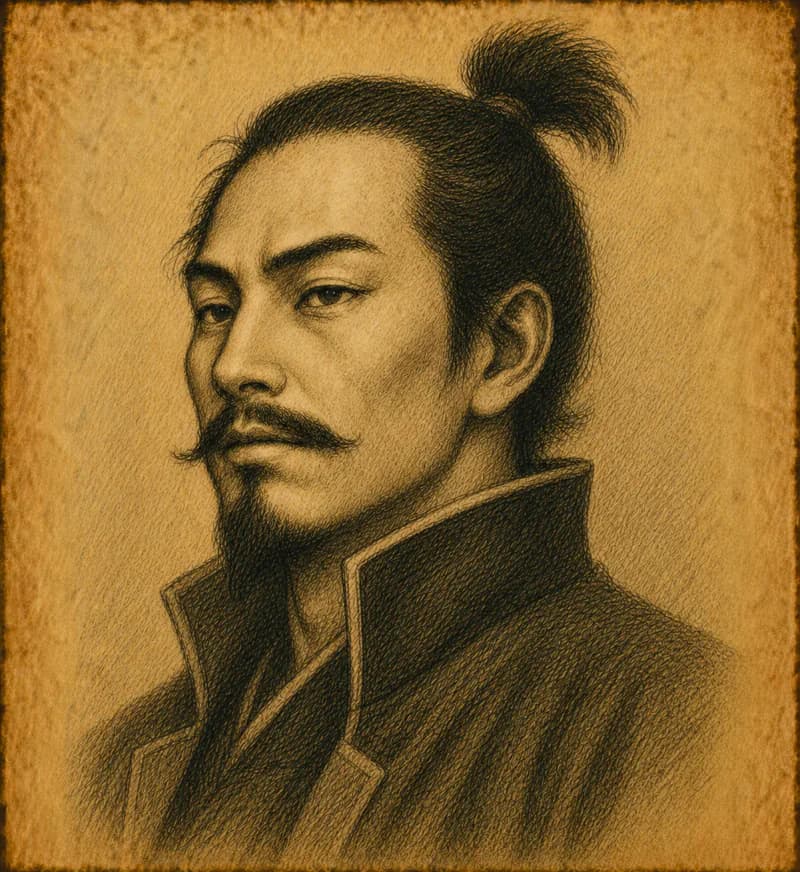
SA-0001 / JPN
Oda Nobunaga
The revolutionary who paved the path to a unified Japan
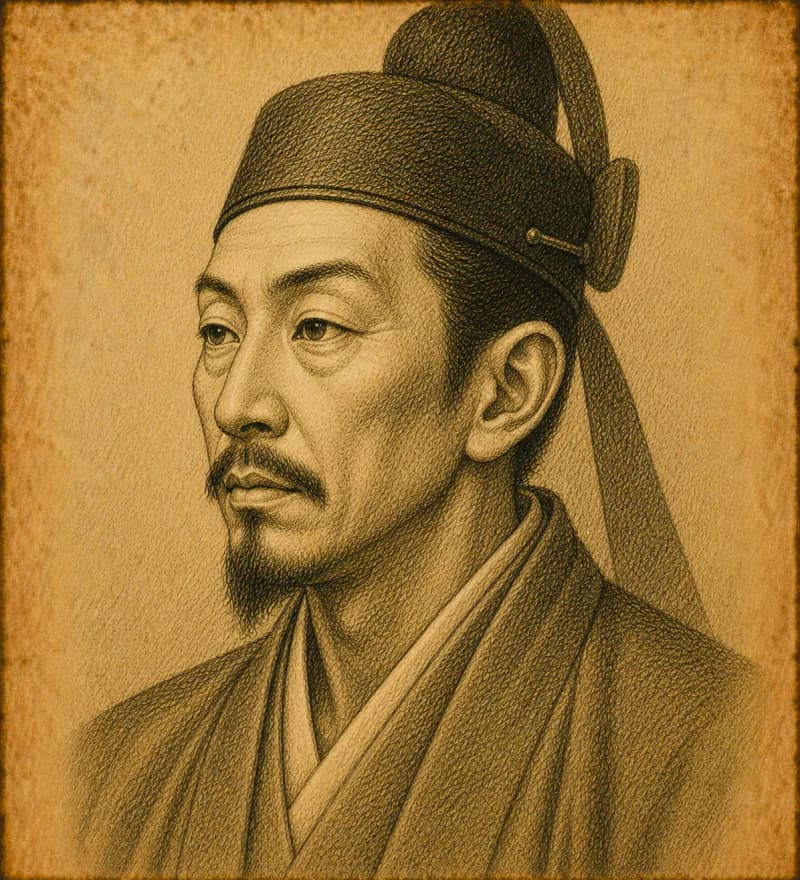
SA-0002 / JPN
Toyotomi Hideyoshi
The peasant who rose to rule all Japan
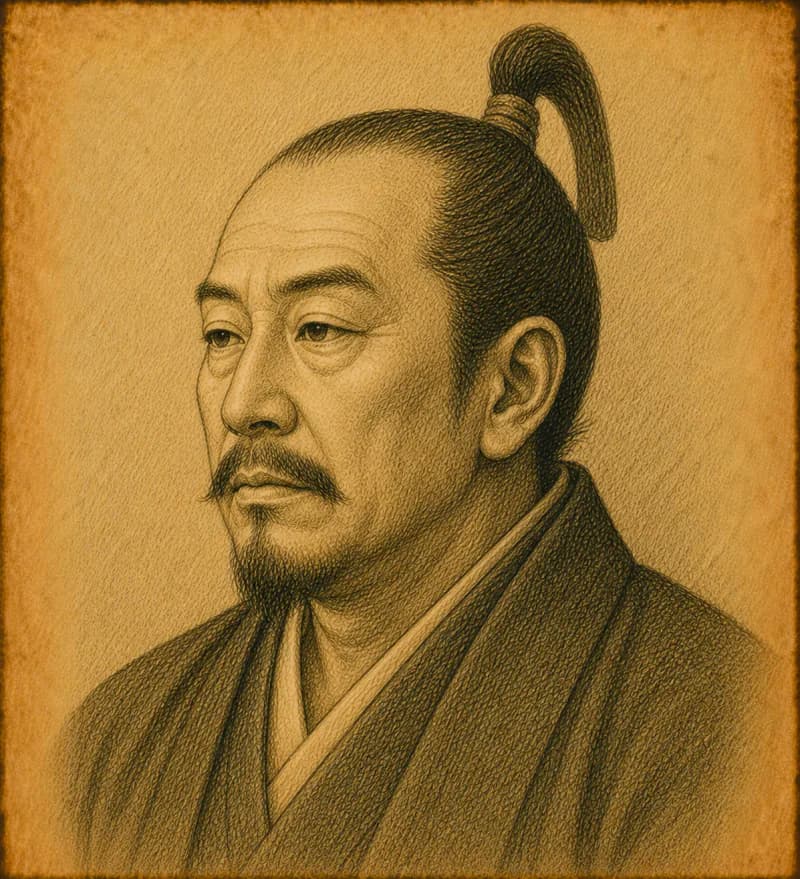
SA-0003 / JPN
Tokugawa Ieyasu
The patient warlord whose dynasty ruled Japan for 250 years
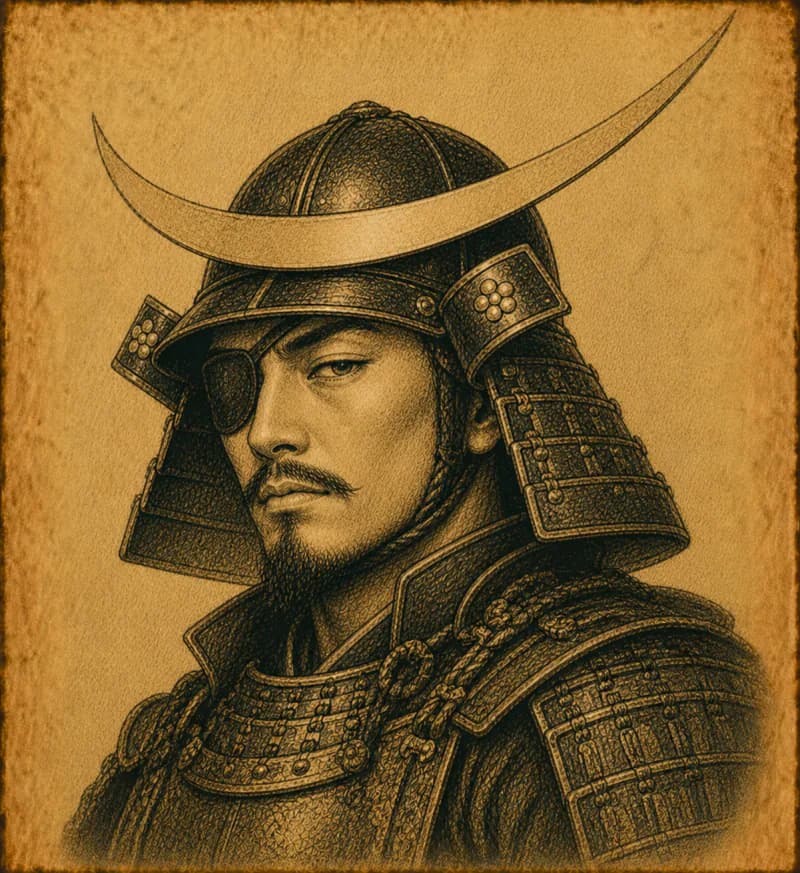
SA-0004 / JPN
Date Masamune
The One-Eyed Dragon who built Sendai
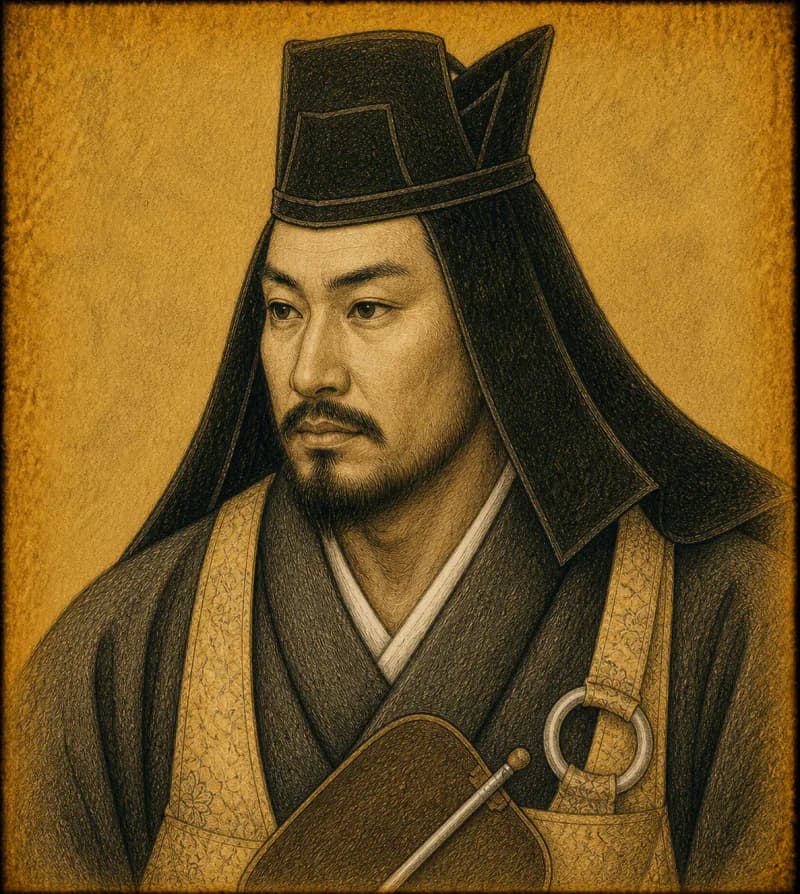
SA-0006 / JPN
Uesugi Kenshin
The Dragon of Echigo, sword-saint of the north
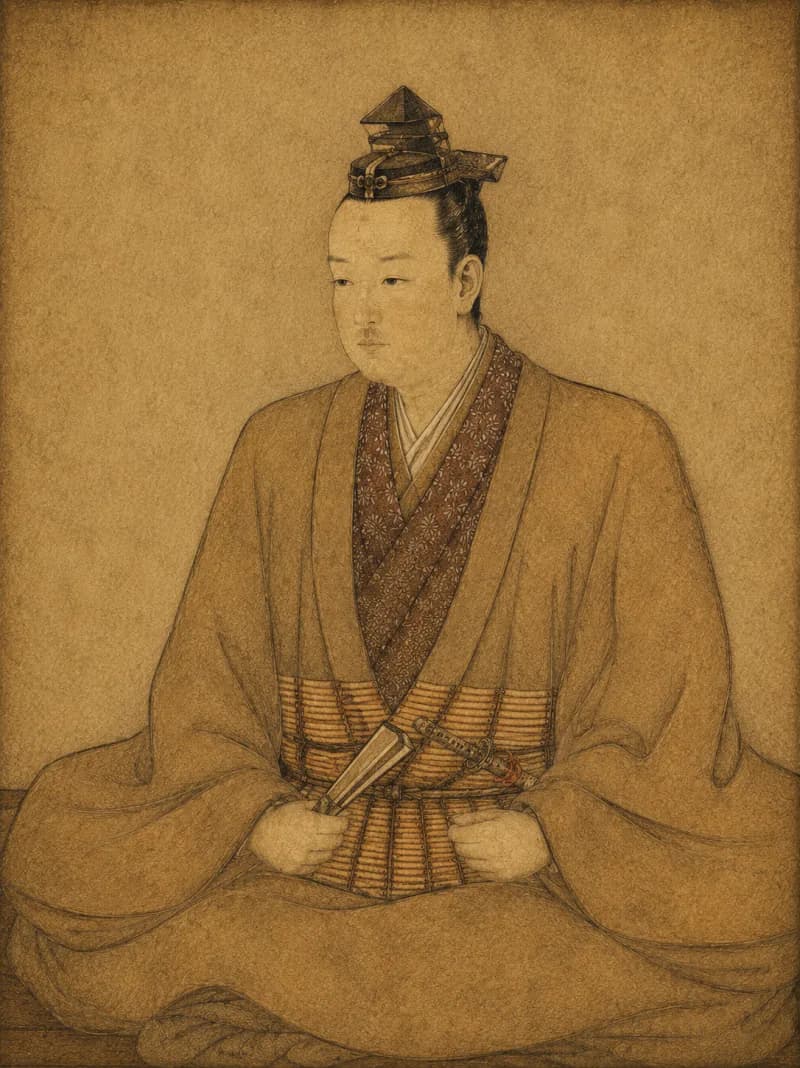
SA-0030 / JPN
Akechi Mitsuhide
The general whose betrayal at Honnō-ji rerouted Japanese history
SA-0034 / JPN
Naoe Kanetsugu
The Uesugi strategist who wore the character for 'love' on his helmet