1336–1467
Nanboku-chō
The Northern and Southern Courts (1336-1467) — two rival imperial lines split Japan and the warrior class consolidated regional power.
-- 4 SUBJECTS ON FILE
SUBJECTS IN THIS ERA

SA-0075 / 1301
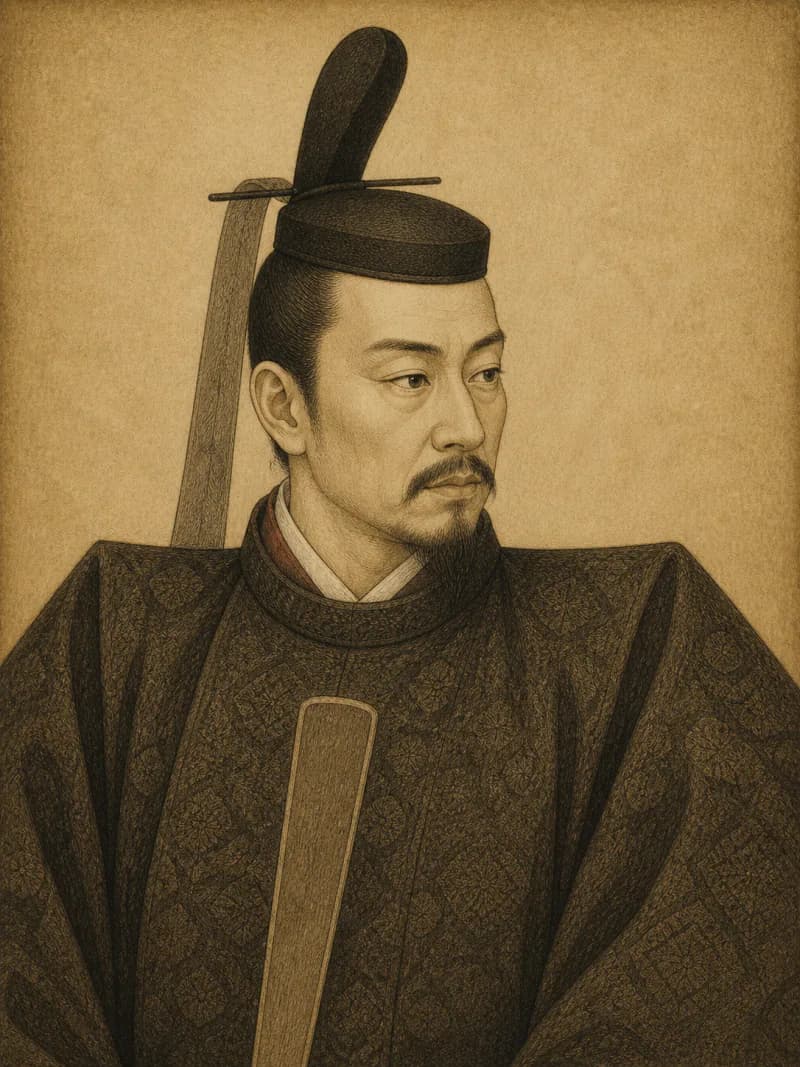
Nitta Yoshisada
The Southern Court general who toppled the Kamakura shogunate from Inamuragasaki and fell in the muddy fields of Fujishima in Echizen
SA-0025 / 1305
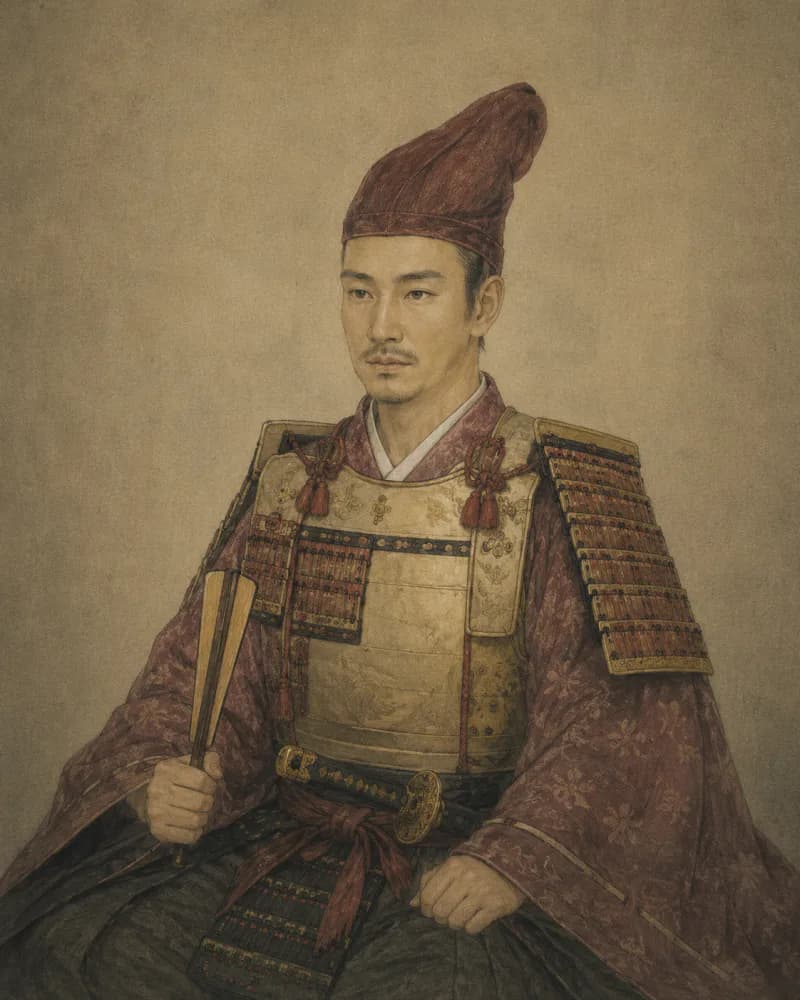
Ashikaga Takauji
The founding shogun who left Japan with two emperors and a sixty-year civil war
SA-0069 / 1330?
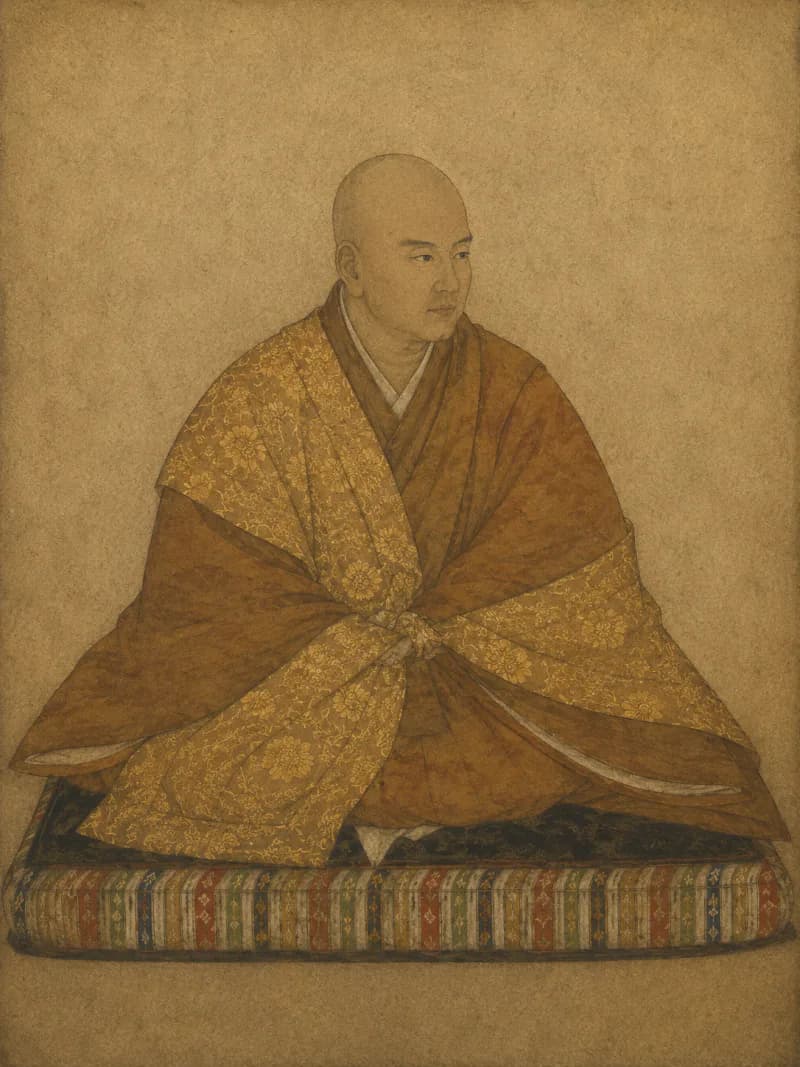
Kusunoki Masanori
The third son who inherited his father Kusunoki Masashige's ideal and staked his life on the Nanboku-chō reconciliation
SA-0057 / 1358
Ashikaga Yoshimitsu
The third Muromachi shōgun who unified the Northern and Southern Courts, built the Golden Pavilion, and was called 'King of Japan' by the Ming emperor
REPORTS FROM THIS ERA
Two Emperors at Once: How Ashikaga Takauji Split Japan for Sixty Years
In 1336, in his attempt to legitimize his own shogunate, Ashikaga Takauji installed a rival emperor in Kyoto while the original emperor fled to Yoshino. Japan had two parallel imperial lines for the next fifty-six years. The political architecture of that split shaped the country into the Sengoku.
The Meitoku Reconciliation: How Yoshimitsu Ended a Fifty-Year Division
On the fifth of the leap tenth month of 1392, in Kyoto. Emperor Go-Kameyama of the Southern Court handed the Three Sacred Treasures to Emperor Go-Komatsu, and the division of the Northern and Southern Courts that had lasted more than fifty years ended. Tracing the diplomatic settlement by the thirty-five-year-old Yoshimitsu at the peak of his power.
The Golden Pavilion: The Peak of Warrior Power That Yoshimitsu Built at Kitayama
In 1397, Yoshimitsu began construction of a massive estate called the Kitayama estate in the Kitayama district of Kyoto. The core three-story pavilion (later the Golden Pavilion) was a building that stacked three layers — kuge, warrior, Zen — atop one another. The architecture speaks the political conception of Yoshimitsu.
'King of Japan Minamoto no Dōgi': Why Yoshimitsu Accepted Ming Investiture
In 1402, the Yongle Emperor of Ming conferred on Ashikaga Yoshimitsu the title 'King of Japan Minamoto no Dōgi.' Tracing the background and controversy of the unprecedented event in which a warrior shōgun in Japan — a country under an emperor — was recognized as king by the Chinese emperor.
After Shijōnawate: In 1348, His Brother's Death Turned the Headship to Masanori
In the first month of 1348, at Shijōnawate in Kawachi. Kusunoki Masatsura clashed head-on with the great army of the Northern Court's Kō Moronao and fell in battle. Following his father Masashige, his elder brother also fell, and the headship of the Kusunoki turned to the third son, Masanori. The start of a forty-year life ahead.
The Defection of 1369: Why the Head of the Kusunoki Surrendered to the Northern Court
In 1369, Kusunoki Masanori, the core Southern Court warrior, surrendered to the Northern Court and the Muromachi shogunate. Behind the choice fiercely denounced by the Southern Court interior as 'traitor' was the ideal of ending the war through peace.
The 1381 Return to the Southern Court: Masanori Staked His Last Ten Years on His Father's Will
Kusunoki Masanori, who had surrendered to the Northern Court in 1369, returned again to the Southern Court in 1381. The second change of allegiance came when the road of direct negotiation between the Northern and Southern Courts opened. Eleven years' foreshadowing of the Nanboku-chō reconciliation of 1392.
Inamuragasaki: The Day Yoshisada Cast His Sword into the Sea and Took Kamakura, 1333
In the fifth month of 1333, Nitta Yoshisada cast a golden sword into the sea at Inamuragasaki on the edge of Kamakura, raced across the ebbed tidal flat, and attacked into Kamakura. The Kamakura shogunate, which had lasted 140 years, perished in little more than half a month from the uprising of one neglected gokenin.
The Retreat at Minatogawa: In 1336, Yoshisada Could Not Save His Sworn Friend Masashige
In the fifth month of 1336, at Minatogawa in Settsu. Before the great army of Ashikaga Takauji, who had rallied from Kyushu, Nitta Yoshisada and Kusunoki Masashige were defeated. Masashige died in battle; Yoshisada retreated and survived. It was a day that divided the fortunes of the two men who had together supported the Kenmu government.
Fujishima: In 1338, a Stray Arrow in a Muddy Field Broke the Pillar of the Southern Court
In the intercalary seventh month of 1338, at Fujishima in Echizen. Nitta Yoshisada, going to the aid of his allies with only a small force, met a great Ashikaga army, and as his horse was trapped in a muddy field he was pierced by a stray arrow and died in battle. He was thirty-eight. On this day the Southern Court lost its greatest military pillar.