1603–1853
Edo
The Tokugawa peace (1603-1853) — 250 years of stability under the bakufu, the rise of merchant culture, and the sealed country.
-- 17 SUBJECTS ON FILE
SUBJECTS IN THIS ERA

SA-0074 / 758
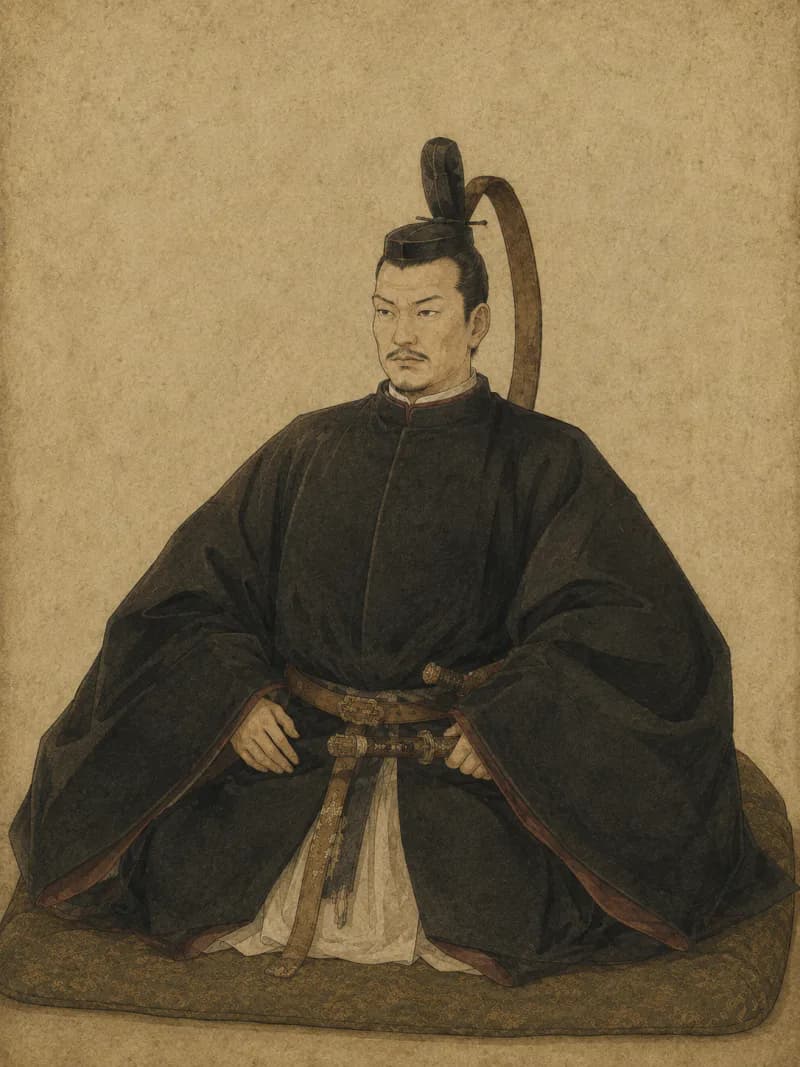
Sakanoue no Tamuramaro
The renowned early-Heian general who pacified the Emishi and embodied the title 'Sei-i Taishōgun' that later warrior governments took as their model
SA-0060 / 903?
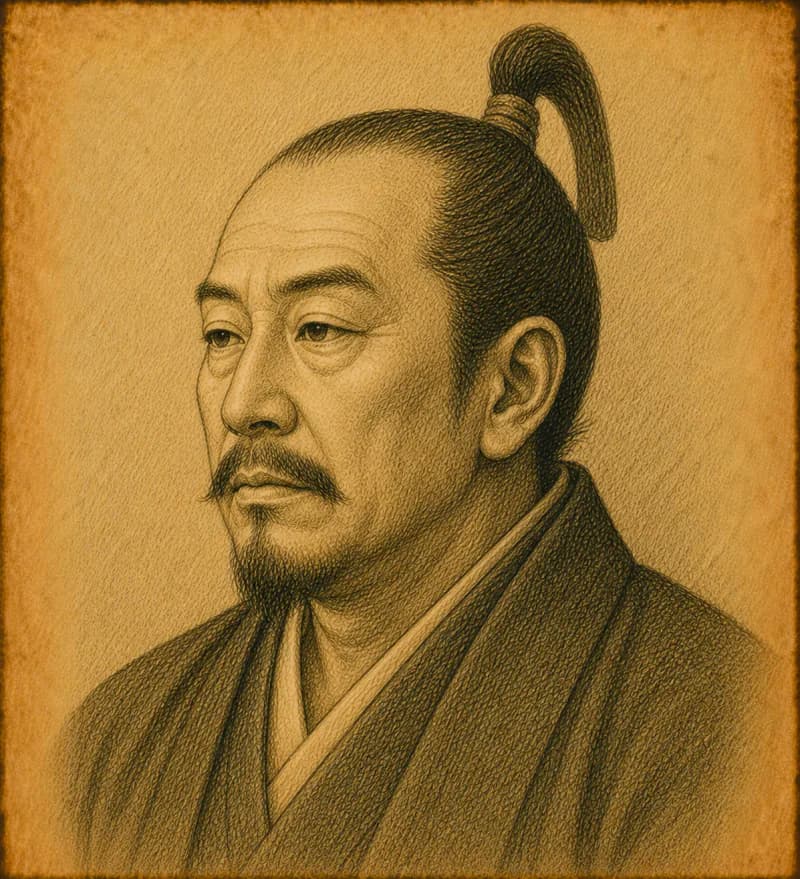
Taira no Masakado
The first samurai-style rebel in Japanese history, who declared himself 'New Emperor' and aimed at Kantō independence
SA-0003 / 1543
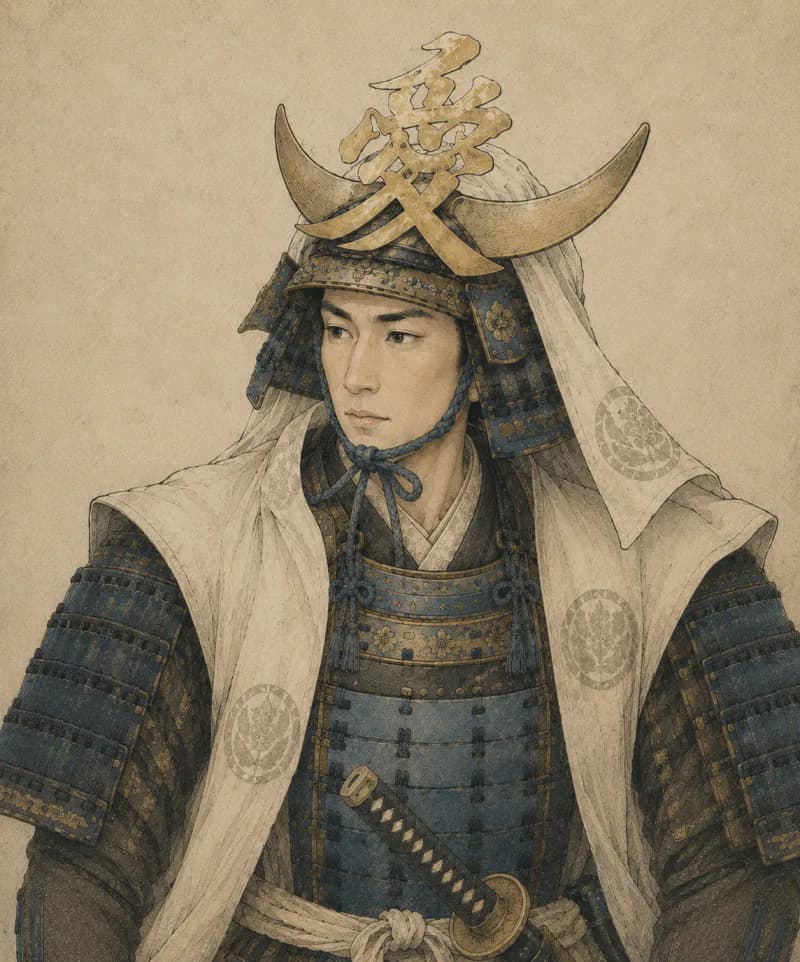
Tokugawa Ieyasu
The patient warlord whose dynasty ruled Japan for 250 years
SA-0034 / 1559
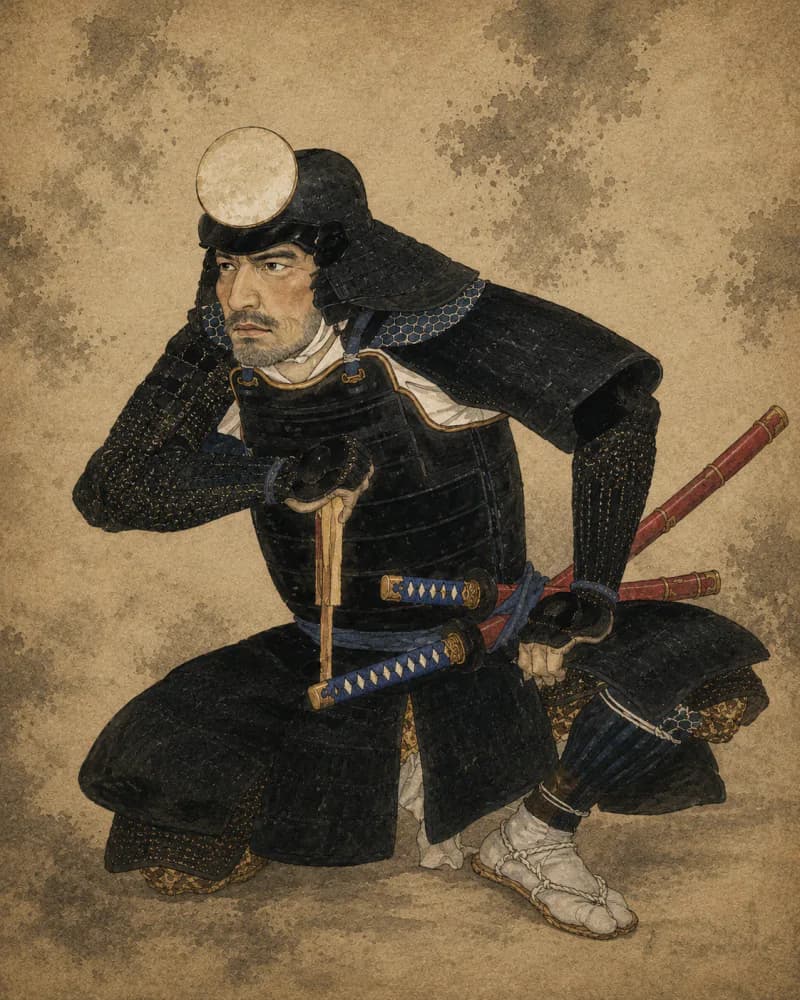
Naoe Kanetsugu
The Uesugi strategist who wore the character for 'love' on his helmet
SA-0041 / 1560?
Gotō Matabei
The Ōsaka rōnin who died at Dōmyōji one day before Yukimura died at Tennōji
SA-0061 / 1564
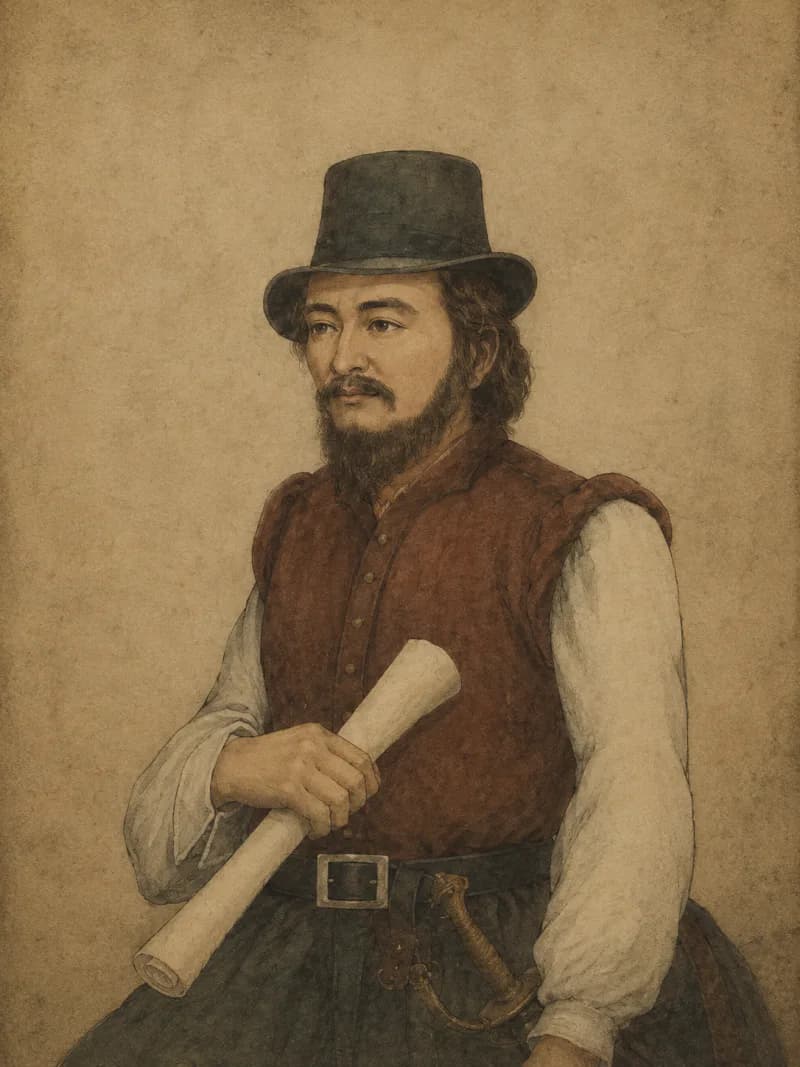
William Adams (Miura Anjin)
The English navigator who became Tokugawa Ieyasu's foreign policy adviser — the first foreign samurai in Japanese history
SA-0020 / 1566
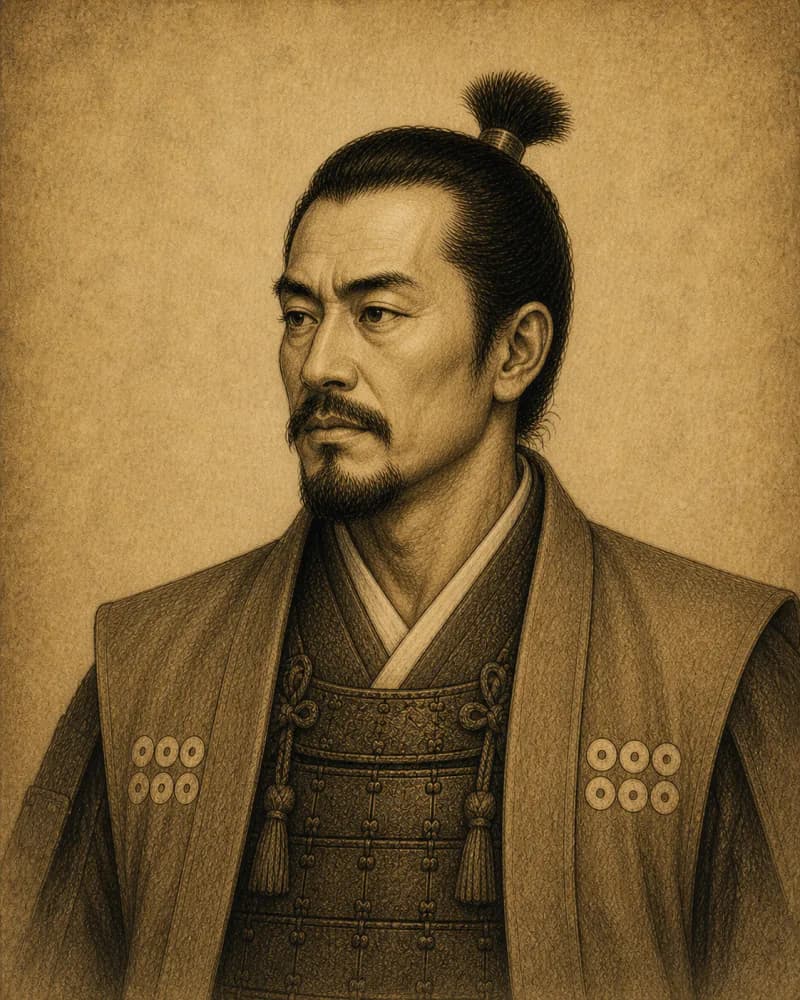
Sanada Nobuyuki
The eastern brother who outlived Yukimura by forty-three years and built a domain that lasted to Meiji
SA-0004 / 1567
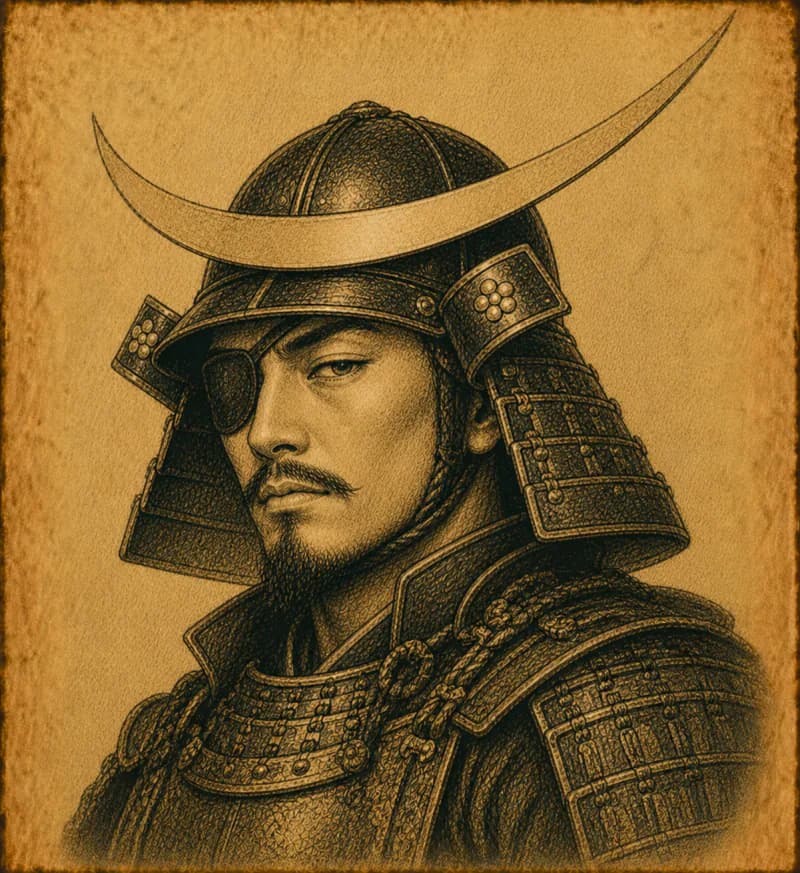
Date Masamune
The One-Eyed Dragon who built Sendai
SA-0009 / 1567
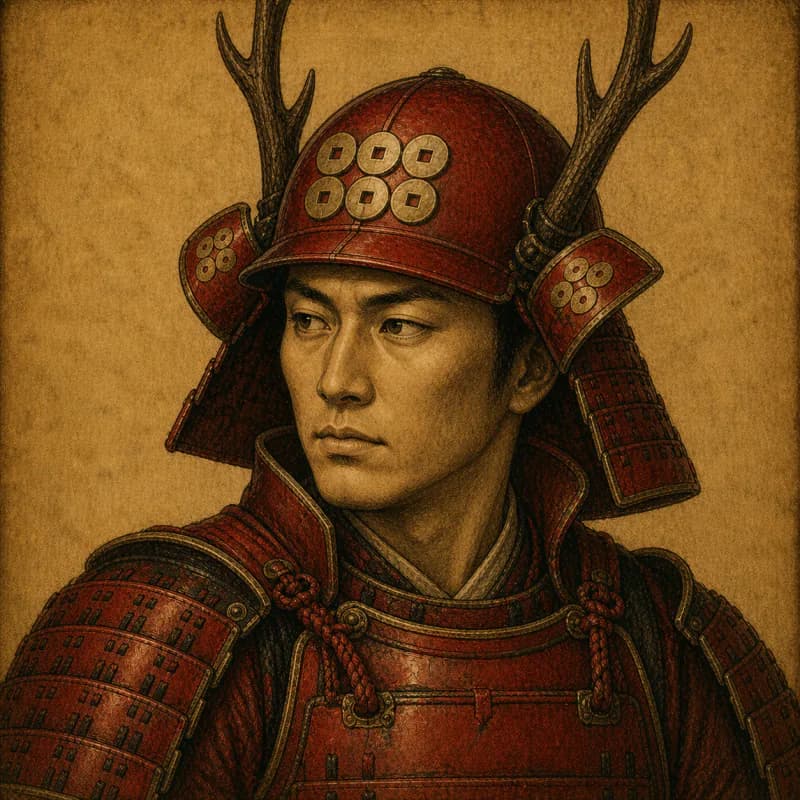
Sanada Yukimura
The greatest warrior of the Sengoku, dying a legend at Osaka
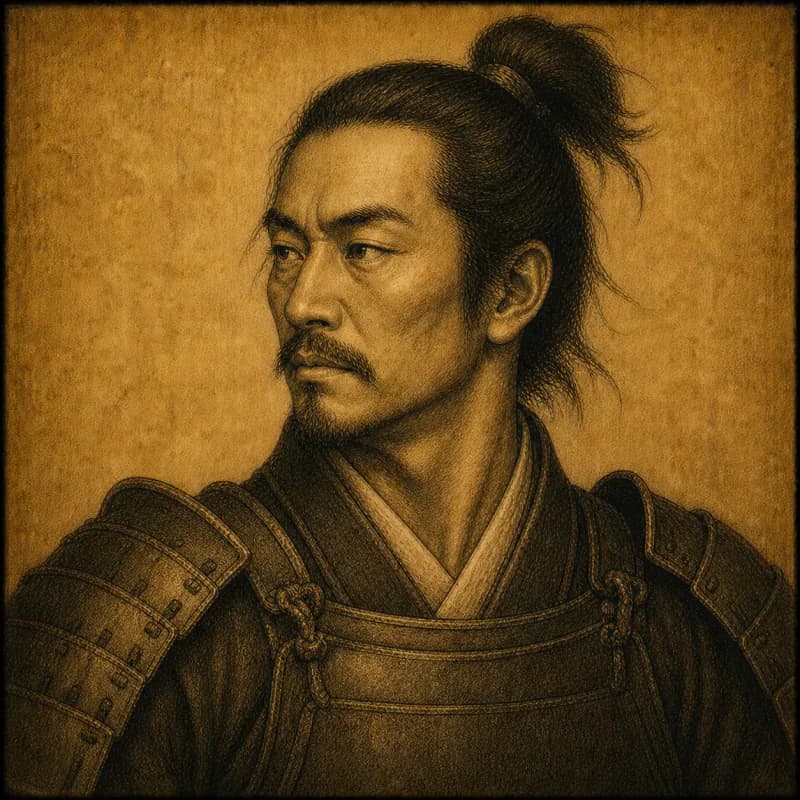
SA-0014 / 1567
Tachibana Muneshige
The Western Invincible — a daimyō who lost everything and won it back
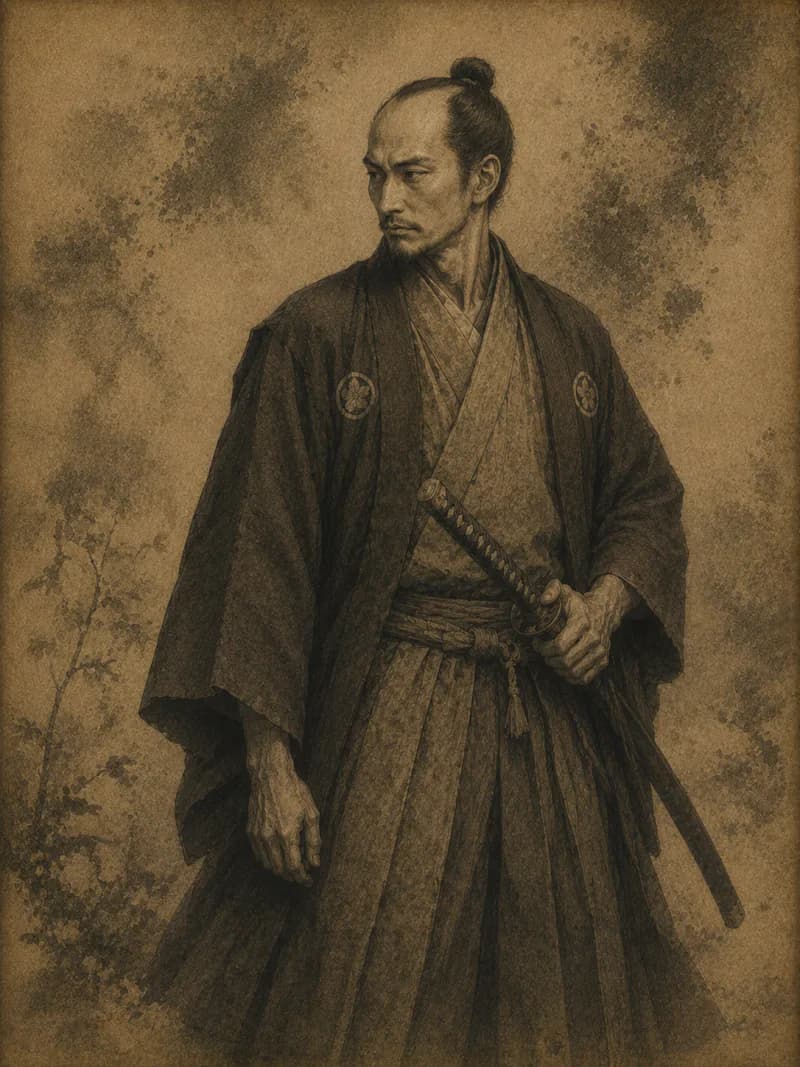
SA-0044 / 1571
Yagyū Munenori
The Yagyū Shinkage-ryū inheritor who turned the sword into the state's official way
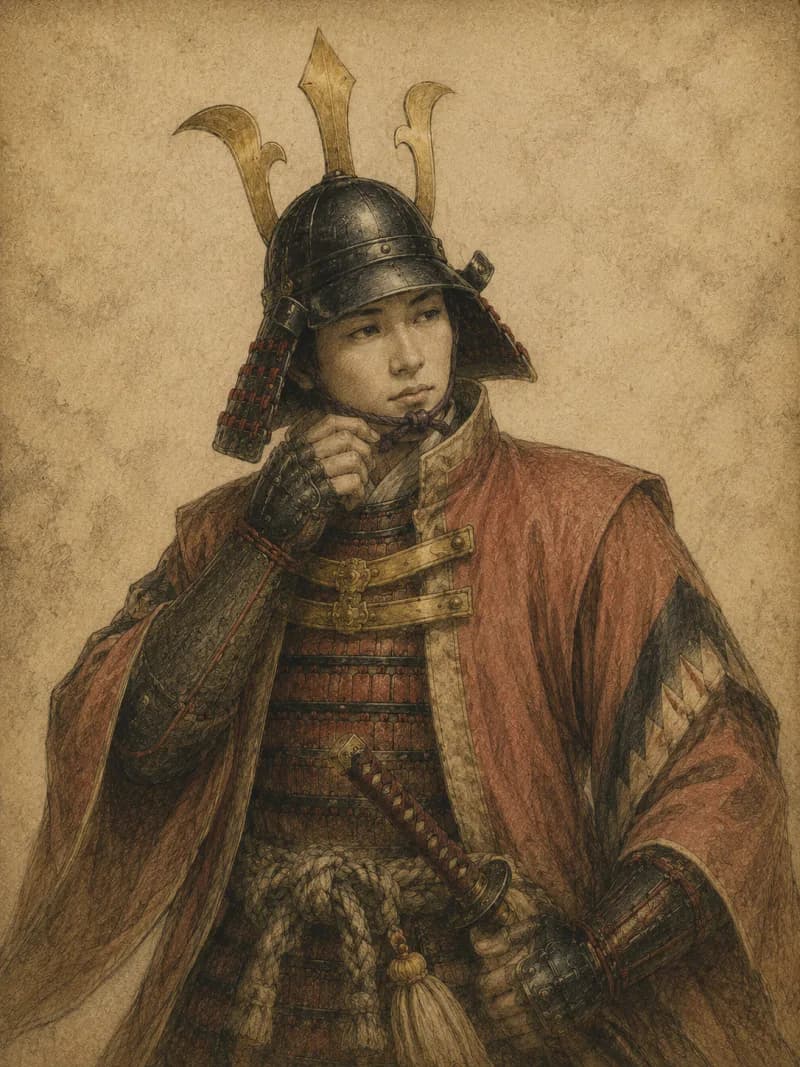
SA-0040 / 1582
Kobayakawa Hideaki
The young defector at Matsuo Mountain whose decision ended the Sengoku era
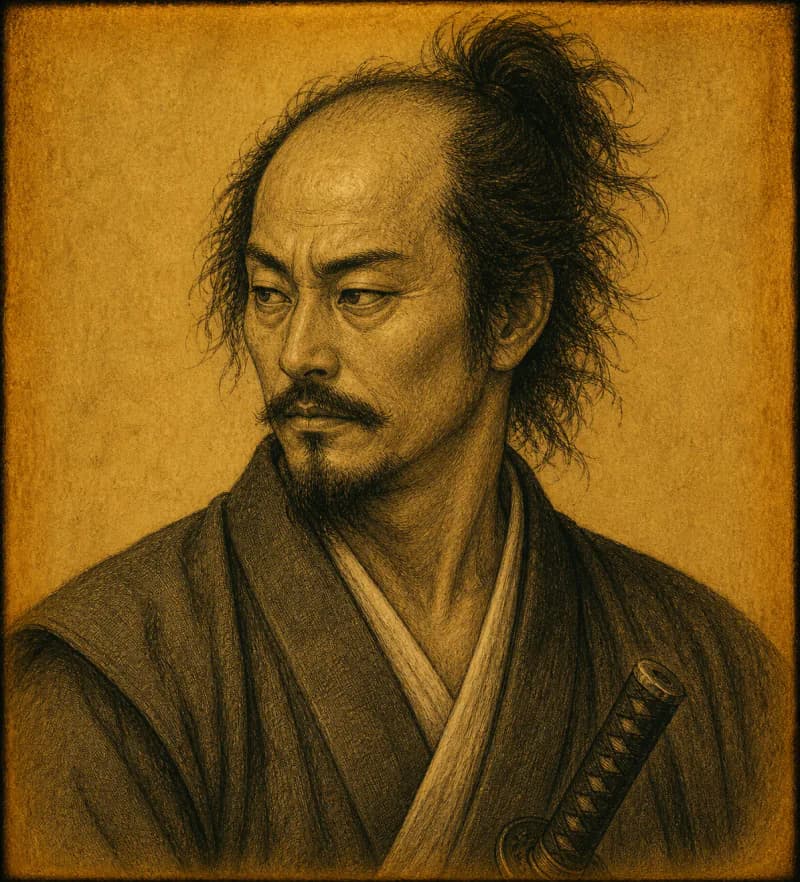
SA-0007 / 1584
Miyamoto Musashi
The undefeated swordsman who wrote The Book of Five Rings
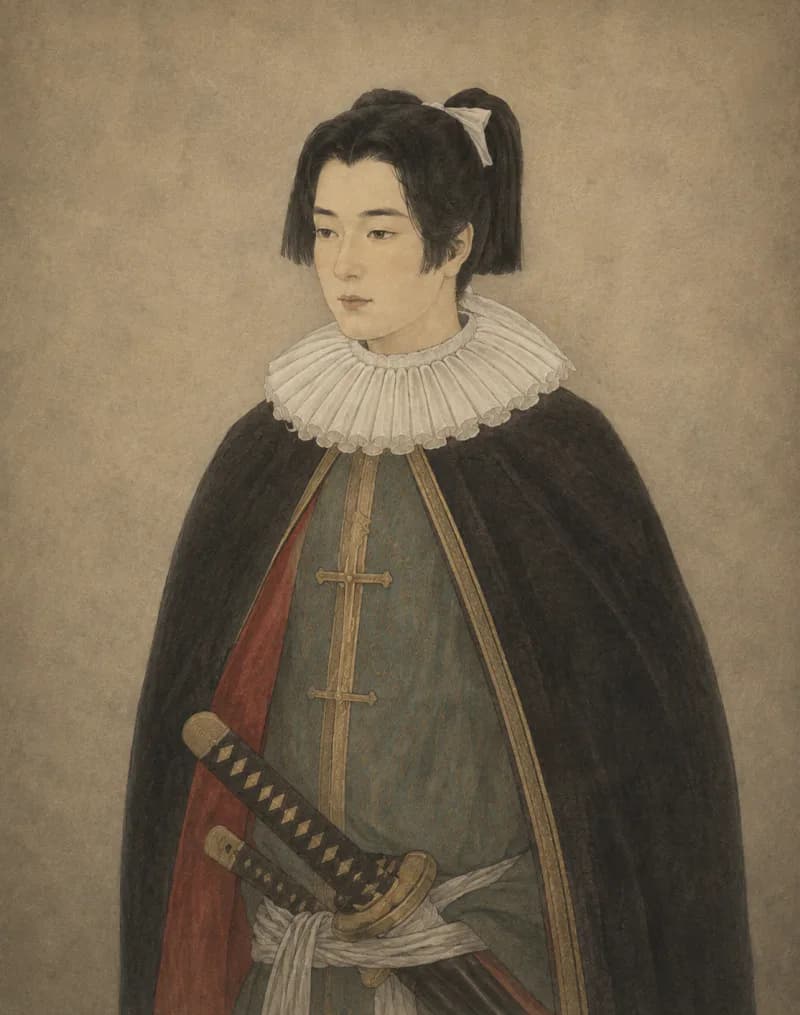
SA-0065 / 1621?
Amakusa Shirō
The young Christian who at sixteen became the commander-in-chief of the Shimabara Rebellion and the direct trigger for the completion of national seclusion
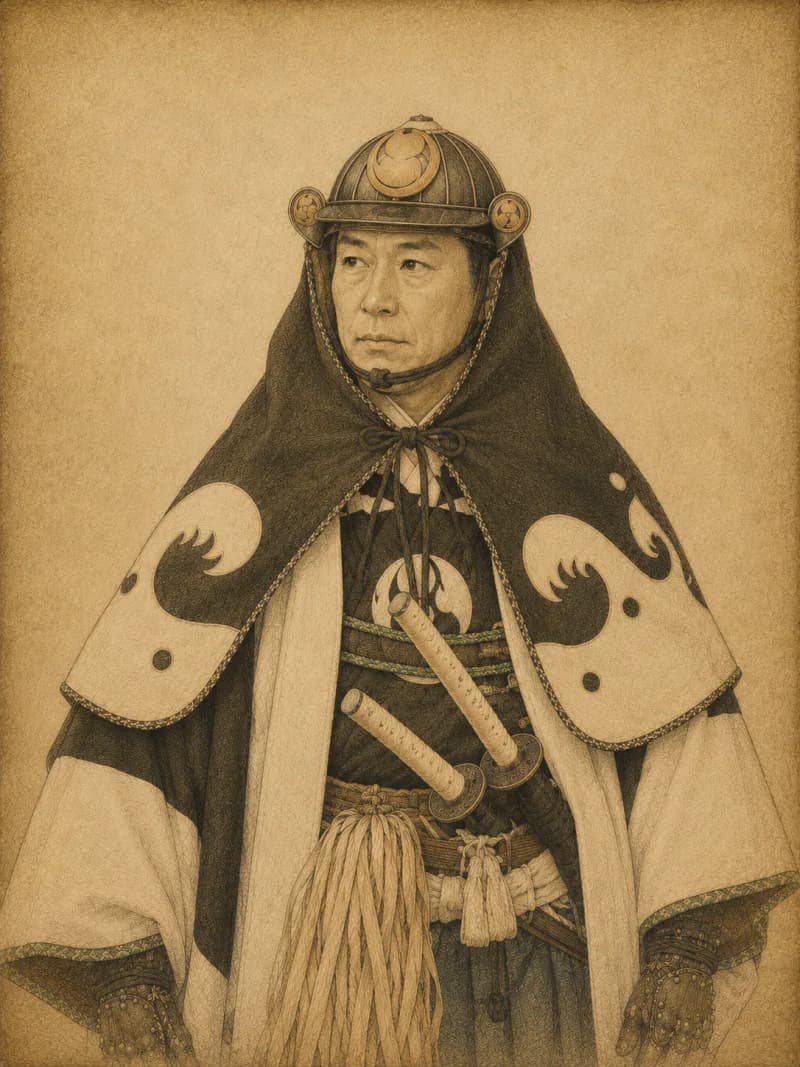
SA-0032 / 1659
Ōishi Yoshio
The chief retainer of the Forty-Seven Rōnin — Japan's archetype of loyalty
- T
SA-0081 / 1719
Tanuma Okitsugu
The mid-Edo rōjū who renewed shogunal government with mercantilist reform, yet was saddled with the disgrace of bribe-politics and fell from power
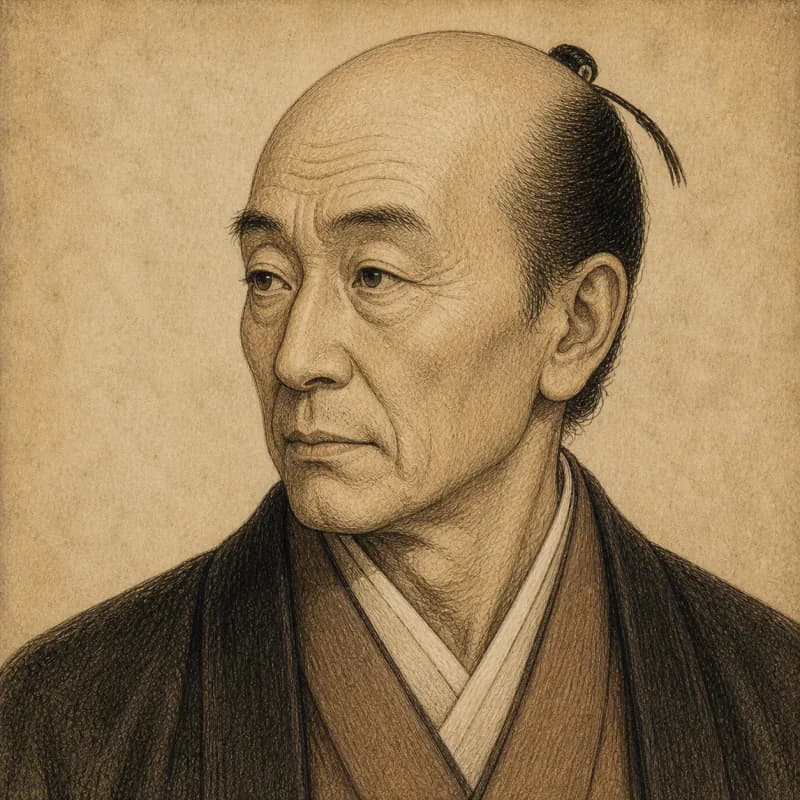
SA-0019 / 1751
Uesugi Yōzan
The young lord who saved a bankrupt domain through thirty years of austere reform
REPORTS FROM THIS ERA
Sekigahara: How Tokugawa Won Japan in a Single Afternoon
On October 21, 1600, two armies of roughly 80,000 men each met in fog on a Mino plain. By sunset, the battle that decided 250 years of Japanese history was over.
The Five Rings: Inside Miyamoto Musashi's Philosophy of the Sword
Written in a cave in 1645 by an undefeated swordsman dying at sixty-one, Go Rin no Sho is half manual, half meditation, and entirely strange.
The Last Charge at Osaka: Sanada Yukimura's Final Stand
On a single afternoon in May 1615, three thousand red-armored riders charged the largest army in Japan and nearly toppled it. The man who led them was already a legend; what he did next made him the model for every Japanese hero of doomed battle that followed.
Hattori Hanzō and the Truth About the Ninja
The most famous ninja in history was almost certainly not a ninja at all. He was a regular samurai officer who happened to lead specialists from a village called Iga — and that fact changes everything about how we should read the legend.
The Betrayers of Sekigahara: What Happened to the Men Who Switched Sides
Four Western Army commanders defected during the battle that decided 250 years of Japanese history. Three of them died ruined men within ten years. The fourth lived to be a punchline.
Bushidō in Three Texts: Hagakure, Five Rings, and Shoshinshū
There is no single book of bushidō. There are three books, written in three eras, by three very different men — and they disagree with each other on almost everything.
Kamakura vs Edo: Why Two Samurai Governments Failed and Lasted Differently
Japan had three shogunates. Two of them are important. They look superficially similar — warriors ruling in a hereditary military government — but the way they were structured determined how each one ended, and how their differences explain everything from the daimyō system to the Meiji Restoration.
The Twelve-Year Walk Back: The Only Daimyō to Recover His Lands After Sekigahara
Tachibana Muneshige lost everything at Sekigahara — the entire 132,000-koku domain his family had held for generations. Twelve years later, the Tokugawa quietly gave it back. He is the only Western Army commander to whom this happened.
Naseba Naru: How a Seventeen-Year-Old Lord Saved a Bankrupt Domain
When Uesugi Yōzan inherited the Yonezawa domain in 1767, the books were so bad that contemporaries advised him to surrender it to the bakufu. Thirty years later he had restored it. The methods are still taught in Japanese leadership courses today.
The Brother Who Outlived the Legend: Why Sanada Nobuyuki Lived to Ninety-Two
Sanada Yukimura died at Osaka in 1615, a hero. His older brother Nobuyuki — who had sided with the Tokugawa at Sekigahara — outlived him by forty-three years and built a domain that lasted to the Meiji Restoration. The contrast tells you what samurai loyalty actually required.
Twenty-Three Months of Silence: Why Ōishi Waited So Long Before the Akō Raid
Six hundred days passed between the death of Asano Naganori and the raid on Kira's mansion. While Ōishi Yoshio drank in Yamashina and was dismissed as a 'daytime lantern,' what was he actually doing?
The Pine Corridor: Why Asano Drew His Sword
On April 21, 1701, in the Pine Corridor of the inner keep of Edo Castle, the lord of Akō domain attacked the senior court official Kira Yoshinaka from behind. The motive remains a mystery to this day.
From Revenge to Loyalty: How the Akō Incident Became a National Myth
The Akō Incident of 1703 was, in fact, a private revenge by forty-seven masterless samurai. Two hundred and fifty years of staging turned it into the foundational story of loyalty in Japanese culture.
The Naoe Letter: How One Letter Called Sekigahara Into Being
In April 1600, Uesugi Kagekatsu's chief retainer Naoe Kanetsugu sent Tokugawa Ieyasu a sixteen-article letter of defiance. Within months the response had brought a 720,000-koku coalition to the field at Sekigahara, the largest battle in Japanese history.
From 1,200,000 to 300,000 Koku: How Naoe Kanetsugu Kept the Uesugi Alive
After Sekigahara the Uesugi were reduced from 1,200,000-koku Aizu to 300,000-koku Yonezawa — to one-fourth of their previous holdings. The standard early-Edo solution was to discharge half the retainer band. Kanetsugu refused.
The Helmet of Love: Why a Samurai Wore the Character for 'Love' on His Brow
Naoe Kanetsugu's helmet bears a single Chinese character at its brow — ai, love. What it meant for a Sengoku samurai to wear 'love' above his eyes is not what a modern reader hears.
The White-Veiled General's Last Stand: How Ōtani Died at Sekigahara
On the afternoon of September 15, 1600, in the third hour of the main battle, Kobayakawa Hideaki's force descended from Matsuo Mountain and struck Ōtani's flank. The simultaneous defection of four more allied commanders broke the line. Ōtani committed suicide with his retainer Yuasa Gosuke as second.
The Adoption Chain: How a Boy Born Kinoshita Almost Became a Hashiba
Born to the Kinoshita house in Ōmi in 1582, one boy in ten years changed names and clans twice — first adopted as Toyotomi Hideyoshi's heir at three, then re-adopted into the Kobayakawa house at twelve. The remote cause of the Sekigahara defection lay in that chain of adoptions.
The Two Hours at Matsuo Mountain: Why Hideaki Moved Only After Noon
On the morning of September 15, 1600, Kobayakawa Hideaki's fifteen-thousand-strong force on Matsuo Mountain south of Sekigahara did not move. Tokugawa Ieyasu fired musket volleys at the foot of the mountain to prompt a decision, and just past noon Hideaki defected and descended. The two hours of silence that decided the end of the Sengoku era.
Twenty-One: Why the Early Death of Kobayakawa Hideaki Became a Legend
In October 1602, Kobayakawa Hideaki died abruptly at Okayama. He was twenty-one — two years after Sekigahara. Later generations told the story as 'the remorse of the betrayal manifested as illness,' but recent medical-historical work points to a different cause.
From the Kuroda to Ōsaka: Why Matabei Became a Rōnin
In 1611, Gotō Matabei left the Kuroda clan of Chikuzen-Fukuoka and became a rōnin. The proximate cause was a long-deteriorating relationship with the lord Kuroda Nagamasa, but the cost of breaking with the conventions of the warrior society was the hōkō-gamae blocking notice — and nearly a decade of wandering across Japan.
The Battle of Dōmyōji: Matabei Died One Day Before Yukimura
On May 6, 1615, in the Battle of Dōmyōji during the Summer Siege of Osaka, Gotō Matabei was killed. Against thirty thousand Tokugawa troops, his two-thousand-strong force held the line for half a day. One day before Sanada Yukimura died at Tennōji.
The Five Senior Rōnin of Osaka Castle: Why Hideyori Recruited Veterans
On the eve of the 1614 Winter Siege, Toyotomi Hideyori issued a general call and assembled a large body of rōnin produced after Sekigahara into Osaka Castle. The five at the center — Gotō Matabei, Sanada Yukimura, Mōri Katsunaga, Akashi Takenori, and Chōsokabe Morichika — became the operational core of the castle's defense.
From Kashima to Everywhere: How Bokuden Created the Itinerant-Training Tradition
Tsukahara Bokuden spent most of his life at Kashima Shrine, but in his later years he traveled the provinces training students. The itinerant-training tradition he established laid down the route the later swordsmen — Kamiizumi Nobutsuna, Miyamoto Musashi — would all follow, and became the standard form of Japanese martial-arts training.
Mutōdori: The Day Kamiizumi Took a Sword With Empty Hands
When Kamiizumi Nobutsuna fought Yagyū Munetoshi in Yamato Yagyū, in their third and final match Kamiizumi is said to have taken Munetoshi's blade away with his bare hand. The mutōdori technique is one of the inner teachings of the Shinkage-ryū, transmitted from Kamiizumi forward.
Sword Instructor to the Shogun: How the Yagyū Shinkage-ryū Became State Doctrine
In 1605, Yagyū Munenori became sword instructor to the second Tokugawa shogun Hidetada. The Yagyū Shinkage-ryū inherited from his father Munetoshi became the official sword of the Tokugawa government. The reading of a rare case in which a single school became the official way of a state.
The Heihō Kadensho: How 'The Sword That Gives Life' Was Written
In 1632, Yagyū Munenori completed the family treatise on the sword, the Heihō Kadensho. He distinguished the technique of the sword into 'killing sword' and 'life-giving sword,' and argued that the ultimate sword is the one that gives life. The thought was deepened through exchanges with the Zen monk Takuan Sōhō.
Yagyū Domain and the Spy Network: What the Sword Instructor Was Watching
In 1632, Yagyū Munenori was promoted to ōmetsuke of the Tokugawa shogunate. Behind the official face of sword instructor, he also took on oversight of the bakufu intelligence organization. How does recent scholarship read the actual operation of the spy network anchored at Yagyū-no-shō?
Mutō-ryū: The Day Yamaoka Tesshū Integrated the Sword and Zen
In 1880, Yamaoka Tesshū founded the Ittō Shōden Mutō-ryū, a school integrating sword, Zen, and calligraphy. On the lineage of Tsukahara Bokuden's Mutekatsu-ryū and Kamiizumi Nobutsuna's Shinkage-ryū, it was an attempt to reconstruct the thought of swordsmanship for the Meiji era.
Miyamoto Musashi in Modern Manga and Anime: From Yoshikawa to Baki Dou
From Yoshikawa Eiji's 1935 novel through Inoue Takehiko's Vagabond to Itagaki Keisuke's Baki Dou — how has the image of Musashi shifted across nine decades of Japanese fiction? A walk through the lineage in which a single historical figure has worn a different face in every generation.
The Real Musashi vs. The Manga Musashi: Five Points of Difference
Two-sword style, height, personality, the Kojirō duel, the Yoshioka clan battles. What are the differences between the Musashi depicted in manga and anime and the Musashi remembered in the historical record? Five points of comparison for readers who came to Musashi through Baki Dou or other modern works.
After Baki Dou: A History Reader's Guide to Miyamoto Musashi
An introduction to the historical Musashi for readers who came to him through Baki Dou. The highlights of his life, what the Niten Ichi-ryū actually is, the structure of the Book of Five Rings, the historical record on the Kojirō duel, and the current state of Musashi scholarship — a guide to understanding Musashi by the shortest route.
Fifty-Seven Battles Unwounded: How Much of the Honda Tadakatsu Legend Is Fact?
The career of Honda Tadakatsu, said to span 'fifty-seven battles without a wound.' The specific figure rests on Edo-period compiled sources, but the absence of a record of serious wounding in contemporary materials is itself broadly recognized among scholars. Tracing the relation between legend and source, reading the historical reality of the warrior who served Tokugawa Ieyasu for half a century.
The Tokugawa Four Heavenly Kings: Why Sakai, Honda, Sakakibara, and Ii Were Named Together
Sakai Tadatsugu, Honda Tadakatsu, Sakakibara Yasumasa, Ii Naomasa. The four warriors who bore the military core of Tokugawa Ieyasu are called the 'Tokugawa Four Heavenly Kings,' but when did the term form and what was the basis for the selection? Sorting out the outline of the Four Heavenly Kings from Edo-period house-tradition compilation and modern scholarship.
The Two-River Structure: How Motonari Came to Rule Ten Provinces
Mōri Motonari's true achievement is the construction of the 'Two-River structure,' sending his second son Motoharu in adoption to the Kikkawa house and his third son Takakage to the Kobayakawa house, and absorbing both houses. Reading the core of the political strategy by which a single kokujin lord of Aki rose, in one generation, to mastery of ten provinces of the Chūgoku region.
The Ii Red Devils: How the Takeda Elite Became the Tokugawa's Strongest Unit
In 1582, after the destruction of the Takeda house, Ieyasu gave the Takeda elite 'Red Devils' to the twenty-two-year-old Ii Naomasa. Inheriting the vermilion equipment of Yamagata Masakage, the Ii Red Devils became the symbolic elite force of the Tokugawa army, combining visibility and combat power across every engagement up to Sekigahara. From the inheritance of equipment to the transmission of tactics, traced from the sources.
The Wound from Pursuing Shimazu: The Sekigahara Wound That Delayed Naomasa's Death by Two Years
On September 15, 1600, in the closing phase of Sekigahara, Ii Naomasa pursued the retreat of Shimazu Yoshihiro's force, which had attempted to break through the eastern center. The thigh gunshot wound he took in the pursuit was not seen as fatal, but brought his death about a year and a half later in February 1602. A single bullet on the battlefield that closed the life of a forty-two-year-old warrior.
The Headship at Seven: The Day Tachibana Dōsetsu Passed the House to His Daughter
In 1575, the Bungo senior retainer Tachibana Dōsetsu passed the headship of the Tachibana house to his seven-year-old daughter Ginchiyo. Tracing the background to this extraordinary decision — a female inheritance in the Sengoku period.
Separate Households: Why Ginchiyo and Muneshige Did Not Live Together
The couple Tachibana Ginchiyo and Tachibana Muneshige, even after marriage, did not live together; each held a separate residence. Tracing the reality of the 'separate-households marriage' transmitted by Tachibana tradition, and its political meaning.
Post-Sekigahara Withdrawal: Ginchiyo's Last Three Years
Sekigahara 1600: Tachibana Muneshige sides with the Western Army and is stripped of holdings. Ginchiyo took a course separate from Muneshige, withdrew to Haraka in Higo, and died there in 1602 at thirty-four. Tracing the end of the spouses' separation.
The 'New Emperor' Declaration: Why Did Masakado Style Himself Emperor in 940?
In the first month of 940, Masakado of Shimōsa Province had subdued the eight Kantō provinces and styled himself 'New Emperor.' The declaration of an independent Kantō regime separate from the Kyoto court was the first attempt in Japanese history at state-establishment under a title other than 'emperor.'
The Kubizuka at Ōtemachi: Why Has the Head Mound of Masakado Remained in Front of Tokyo Station for a Thousand Years?
In the Ōtemachi high-rise office district in front of Tokyo Station, the head mound of a Heian-period rebel is preserved. Tracing the millennium of a story of historical fact and tradition, and of 'the cursing Head Mound' that kept halting urban development.
The Origin of the Samurai: Can Masakado Be Called the Founder of the Warrior Class?
In modern historical research, the birth of the class of 'samurai' in Japan is said to go back to the 10th-11th centuries. As the first large-scale case in that process, Masakado's name is often cited. Examining Masakado's position as the origin of the samurai.
The Landing of de Liefde: An English Navigator Washed Ashore at Usuki, Bungo, in 1600
On April 19, 1600, a strange foreign ship drifted ashore at Usuki Bay in Bungo Province. The crew had been reduced by illness and starvation from over a hundred to some twenty-odd. The navigator of this ship was the Englishman William Adams — the man who would later become Tokugawa Ieyasu's adviser.
A Foreign Hatamoto: How Adams Became 'Miura Anjin'
In 1605, Tokugawa Ieyasu granted the Englishman William Adams a 250-koku fief at Hemi in the Miura District of Sagami Province and treated him as hatamoto. Tracing the birth of the first foreign samurai in Japanese history and his distinctive role in Tokugawa foreign policy.
Who Is John Blackthorne of 'SHOGUN'? The Contemporary Revival of Adams
In 2024, Disney+'s 'SHOGUN' (starring Sanada Hiroyuki) took 18 Emmy Awards. The story's English navigator John Blackthorne is modeled on Miura Anjin. Tracing why a four-hundred-year-ago English navigator became a global topic of the twenty-first century.
The Eastern Army Vanguard at Sekigahara: Why Masanori, a Toyotomi-Loyal Warrior, Sided with Ieyasu
On October 21, 1600, at Sekigahara. The Toyotomi-loyal warrior Fukushima Masanori, as the vanguard of the Eastern Army under Tokugawa Ieyasu, attacked the Toyotomi's senior retainer Ishida Mitsunari first of all. Within this structure, the end of the Toyotomi regime was already embedded.
The Hiroshima Castle Forfeit: In 1619, Why Was the Greatest Toyotomi-Loyal Daimyō Struck Down?
In June 1619, the bakufu forfeited Fukushima Masanori from Hiroshima at 490,000 koku to Shinano Takaino at 45,000 koku. The reason was the unauthorized repair of Hiroshima Castle. But the essence was the culling of Toyotomi-loyal daimyō in the peacetime after the Ōsaka Campaigns.
The Shimabara-Amakusa Uprising: In 1637, Why Did a Sixteen-Year-Old Boy Become Commander-in-Chief?
In October 1637, a large-scale uprising of 37,000 peasants, rōnin, and Kirishitan broke out across the Shimabara Peninsula and the Amakusa Islands. Raised up as commander-in-chief was Masuda Shirō Tokisada, around sixteen. Two pressures — harsh land tax and Kirishitan suppression — sought a young 'Savior.'
The Hara Castle Siege: An Uprising of 37,000 That Endured a Bakufu Army of 120,000 for Three Months
In December 1637, the Shimabara-Amakusa uprising force shut themselves up in the abandoned Hara Castle. Against a total of 37,000, the bakufu mobilized 120,000. The siege war of over three months became the largest-scale confrontation in the history of Japanese religious war.
1639 National Seclusion: The Death of Shirō and How Japan Was Closed for the Next 230 Years
One year after the fall of Hara Castle in 1638, in July 1639, the bakufu banned the arrival of Portuguese ships. The direct trigger for the 'national seclusion' system that would continue for 230 years thereafter was the Shimabara Rebellion and the death of Amakusa Shirō.
After Sekigahara, Why Did Only the Shimazu House Escape Reduction of Fief?
After Sekigahara in 1600, Western-side daimyō were forfeited or reduced one after another. But only the Shimazu house's 770,000 koku escaped reduction. Verifying the role Yoshihiro's break-through of the center played in the two-and-a-half-year negotiation with Tokugawa Ieyasu.
Okehazama: The Day the Tōkai Overlord Fell in the Fields of Owari, 1560
On the nineteenth day of the fifth month of 1560, Imagawa Yoshimoto, who had invaded Owari at the head of a great army, was struck down by Oda Nobunaga's surprise attack at Okehazama. He was forty-two. The sudden death of the Tōkai overlord brought about Nobunaga's rise and Ieyasu's independence, and transformed the power map of the Sengoku period.
Sei-i Taishōgun: The First Hero Born of a Martial House, 797
In 797, Sakanoue no Tamuramaro was appointed Sei-i Taishōgun by Emperor Kanmu. Born into a family of warriors of immigrant descent, Tamuramaro became the first hero to embody the title 'Sei-i Taishōgun' that later warrior governments took as their model.
The Pacification of Isawa: Tamuramaro and Aterui Face to Face, 802
In 802, Sakanoue no Tamuramaro pacified the land of Isawa and brought the Emishi leader Aterui into surrender. Tamuramaro pleaded with the court to spare Aterui's life, but was not heeded, and the brave enemy general was executed. It was a tragedy for both the one who subdues and the one who is subdued.
The Kusuko Incident: The Order of Heian an Old General Protected, 810
In 810, the Kusuko Incident arose, in which the Retired Emperor Heizei and Emperor Saga were in conflict. The aged Sakanoue no Tamuramaro led the army of Emperor Saga's side, blocked the Retired Emperor Heizei's move to the eastern provinces, and quelled the coup. It was his last great task as a warrior.
The Counterweight of Million-Koku Kaga: In 1599, Toshiie's Death Broke the Balance
In 1599, on his sickbed, Maeda Toshiie was entrusted with the guardianship of Toyotomi Hideyori and departed the world. He was sixty-two. The death of Toshiie, the one great figure who could restrain Ieyasu's arrogation, broke that balance. The day after his death, the gears toward a great war began to turn.
A Foot Soldier's Son Rises: In 1772, Tanuma Okitsugu Stood at the Summit of Shogunal Government
Born the son of a foot soldier of the Kii domain, Tanuma Okitsugu piled up an exceptional rise from a shōgun's attendant and took the seat of rōjū in 1772. In a shogunate where birth spoke loudest, it was a rare ascent by sheer ability.
Commerce into National Wealth: The Mercantilist Reform of Tanuma Okitsugu
Tanuma Okitsugu sought to rebuild the rice-dependent shogunal finances with the power of commerce. Official recognition of merchant guilds, monopolies, expansion of Nagasaki trade, development of Ezo. His policies, in an age of agrarianism, held a quality that ran ahead to the modern.
The Fall: In 1788, the Reformer Was Buried Under Disgrace
His heir cut down within the castle, saddled with the confusion of the Tenmei famine, Tanuma Okitsugu fell from power with the death of the shōgun. His successor Matsudaira Sadanobu denied all his policies. The reformer ahead of his time was buried by the values of the old order.
The Fall of Ōsaka: In 1615, Yodo-dono Vanished into the Flames with Her Son
In the summer of 1615, the great Tokugawa army besieged Ōsaka Castle. Yodo-dono, who had once lost her father and mother to castle-falls, was this time in the flames together with her child Hideyori. The fall of the Toyotomi house, and a third castle-fall. A life begun in loss closed in loss.