SUBJECT FILE NO. SA-0014
BUSHI ARCHIVE
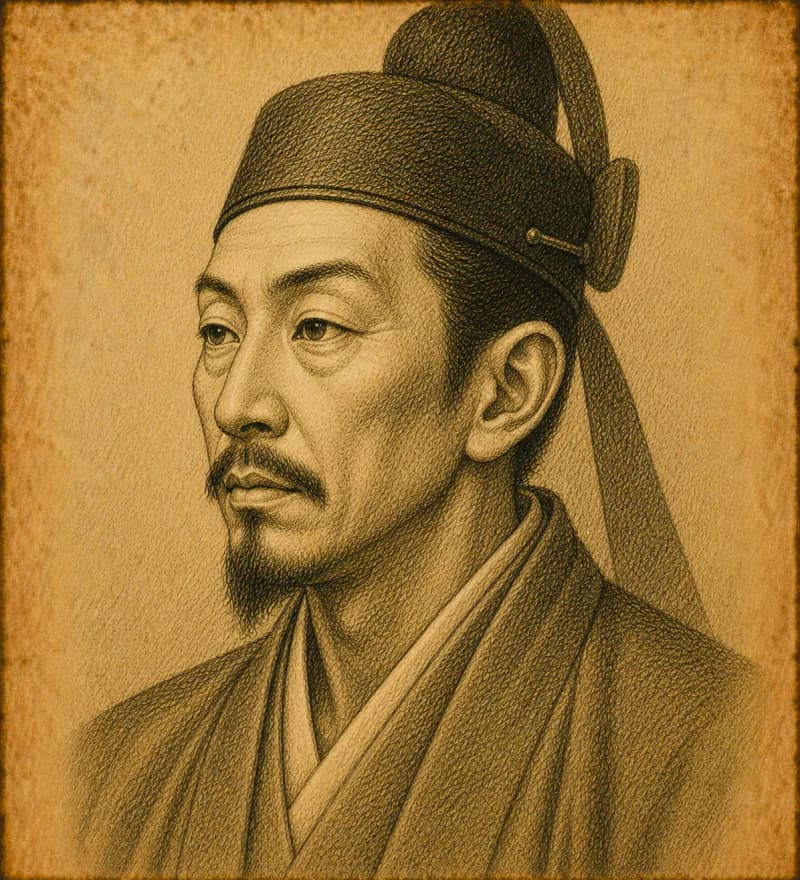
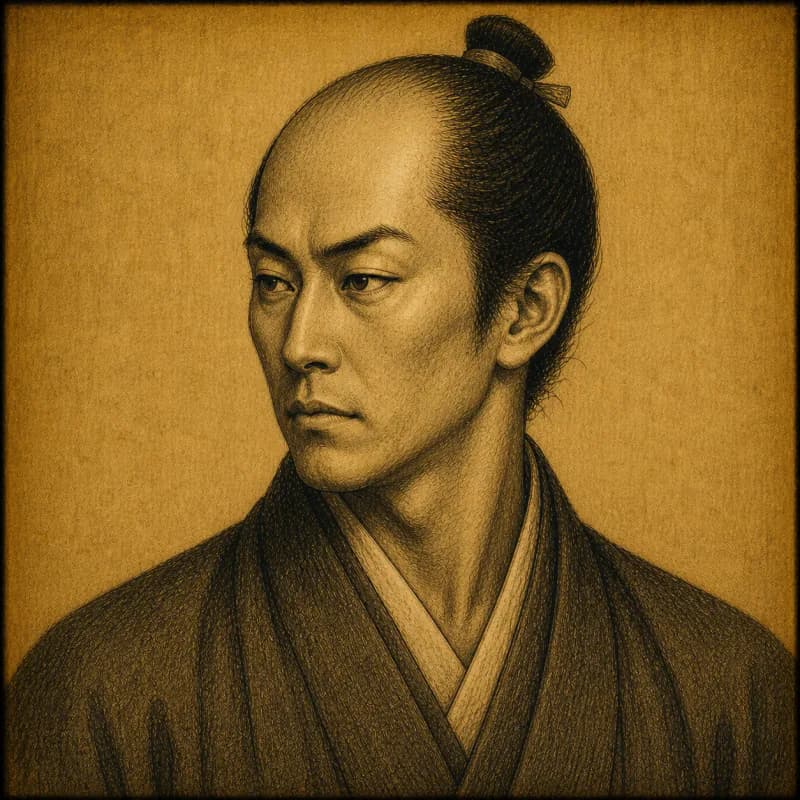
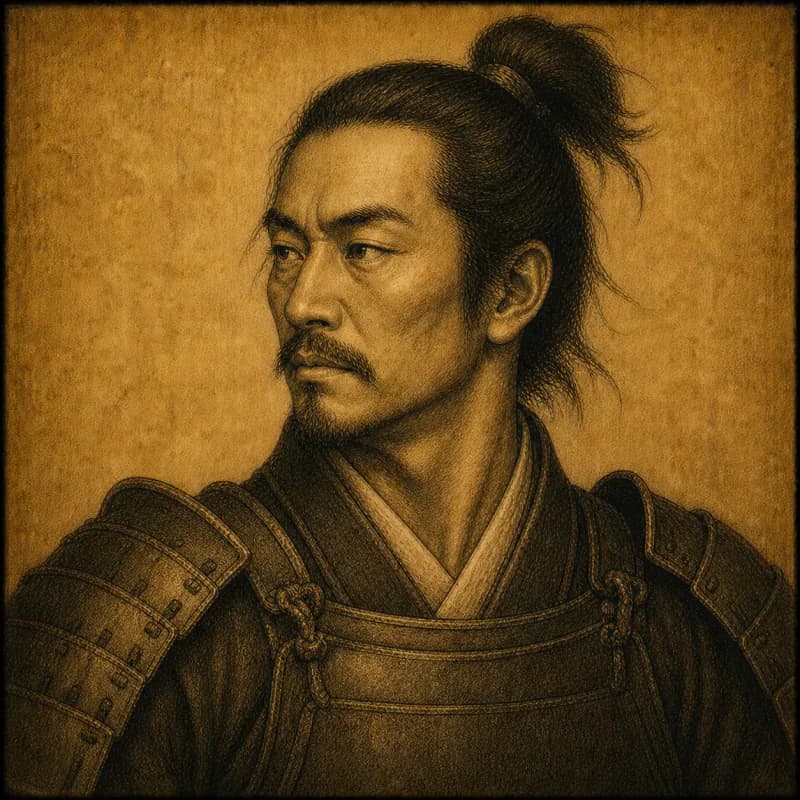
Tachibana Muneshige
Tachibana Muneshige
Lord of Yanagawa
SECTION I -- SUBJECT PROFILE
| Name | Tachibana Muneshige |
|---|---|
| English | Tachibana Muneshige |
| Origin | Japan |
| Lifespan | 1567–1643 |
| Gender | Male |
| Century | 17th C. |
| Clan / Role | Daimyo |
| Title | Lord of Yanagawa |
SECTION II -- OVERVIEW
Born in 1567 in Bungo Province as the son of the Ōtomo retainer Takahashi Shōun, Muneshige was adopted into the Tachibana family at sixteen and inherited the strategic mountain stronghold of Tachibana Castle, key to the Hakata plain.
As a young commander he distinguished himself in the Toyotomi pacification of Kyūshū (1587) and again in the Korean invasions, where his rear-guard action covered the Toyotomi withdrawal at the Battle of Pyŏkjegwan.
At Sekigahara he sided with Mitsunari and besieged Ōtsu Castle while the main battle was fought without him, and after the Western defeat he was stripped of his 132,000 koku Yanagawa domain.
He spent twelve years as a wandering ronin advisor — refusing offers from the Mōri, Hosokawa, and Date — and was finally restored to Yanagawa by Tokugawa Hidetada in 1620, the only daimyō to recover his ancestral domain after Sekigahara.
He served the Tokugawa loyally through the Osaka campaigns and the Shimabara Rebellion.
SECTION III -- CHRONOLOGY
SECTION IV -- NOTABLE STATEMENTS
“Loyalty does not change with one's lord. Loyalty changes with no one.”
SECTION V -- FIELD NOTES
[A]The Twelve-Year Walk Back
Stripped of every koku of land he had inherited, Muneshige walked Japan as a sword instructor and adviser.
He turned down recovery offers that would have placed him in lesser fiefs because, he said, the only domain that could be his was Yanagawa itself.
Twelve years later, the Tokugawa quietly agreed.
SECTION VI -- LEGACY & IMPACT
Muneshige became the Edo-period embodiment of bushidō integrity: a daimyō who did not switch sides for survival, but waited until the world rotated back to him.
The Tachibana retained Yanagawa through 250 years of Tokugawa rule, and the Tachibana mausoleum at Ryūshō-ji remains a major site for samurai-tradition pilgrimage.
SECTION VII -- MAJOR DEEDS
- [01]Defense at Pyŏkjegwan (1593)
- [02]Siege of Ōtsu (1600)
- [03]Restoration of Yanagawa domain (1620)
- [04]Tachibana family code (Tachibana-ke goshikimoku)
SECTION VIII -- REFERENCE MATERIALS
PRIMARY SOURCES & ARCHIVES
- PRIMARY
Yanagawa Hansei-shi
Compiled by Yanagawa domain
Official chronicle of the Tachibana clan and Yanagawa domain
- SCHOLARSHIP
Tachibana Muneshige
Nakano Hitoshi / Yoshikawa Kōbunkan, Jinbutsu Sōsho series
Definitive academic biography (in Japanese)
- ARCHIVE
Fukuoka Prefectural Yanagawa Historical Documents Archive
Fukuoka Prefecture
Holds extensive Tachibana-family documents
Visit archive →
RECOMMENDED READING
SECTION X -- RELATED REPORTS
SA-RPT
Sekigahara: How Tokugawa Won Japan in a Single Afternoon
On October 21, 1600, two armies of roughly 80,000 men each met in fog on a Mino plain. By sunset, the battle that decided 250 years of Japanese history was over.
SA-RPT
The Twelve-Year Walk Back: The Only Daimyō to Recover His Lands After Sekigahara
Tachibana Muneshige lost everything at Sekigahara — the entire 132,000-koku domain his family had held for generations. Twelve years later, the Tokugawa quietly gave it back. He is the only Western Army commander to whom this happened.
SA-RPT
The Headship at Seven: The Day Tachibana Dōsetsu Passed the House to His Daughter
In 1575, the Bungo senior retainer Tachibana Dōsetsu passed the headship of the Tachibana house to his seven-year-old daughter Ginchiyo. Tracing the background to this extraordinary decision — a female inheritance in the Sengoku period.
SA-RPT
Separate Households: Why Ginchiyo and Muneshige Did Not Live Together
The couple Tachibana Ginchiyo and Tachibana Muneshige, even after marriage, did not live together; each held a separate residence. Tracing the reality of the 'separate-households marriage' transmitted by Tachibana tradition, and its political meaning.
SA-RPT
Post-Sekigahara Withdrawal: Ginchiyo's Last Three Years
Sekigahara 1600: Tachibana Muneshige sides with the Western Army and is stripped of holdings. Ginchiyo took a course separate from Muneshige, withdrew to Haraka in Higo, and died there in 1602 at thirty-four. Tracing the end of the spouses' separation.