1185–1333
Kamakura
The Kamakura shogunate (1185-1333) — Japan's first warrior-led government, the Mongol invasions, and the rise of the Hōjō.
-- 3 SUBJECTS ON FILE
SUBJECTS IN THIS ERA
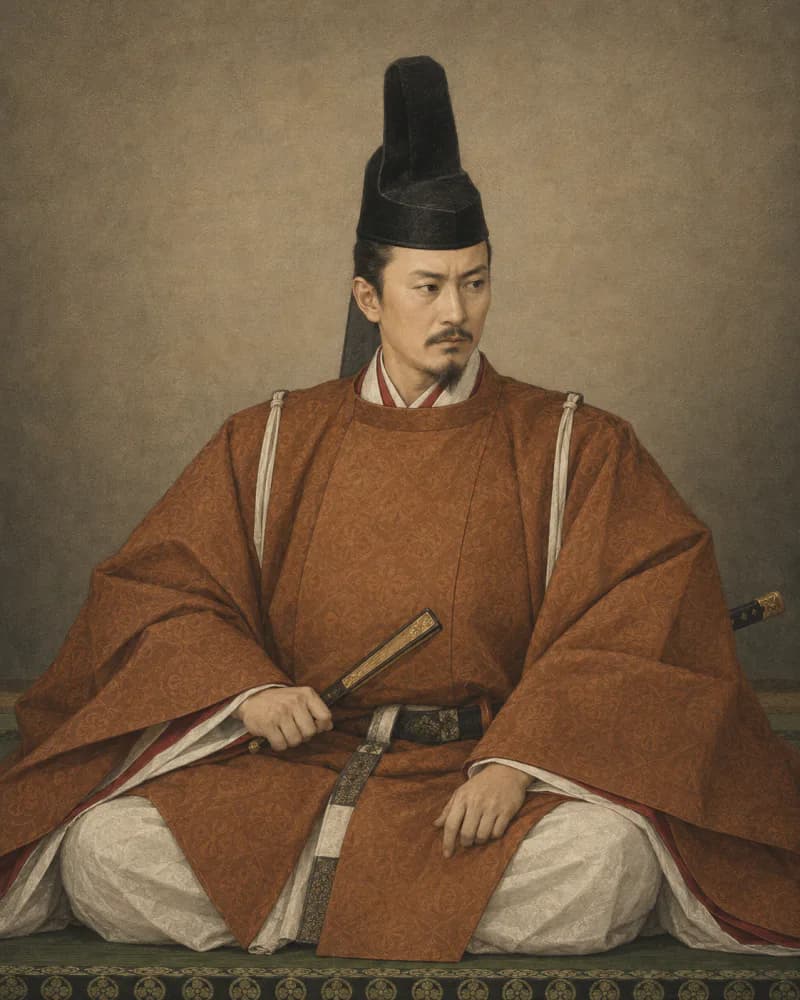
SA-0073 / 1163
Hōjō Yoshitoki
The second shikken of the Kamakura shogunate, who defeated the imperial court in the Jōkyū War and decided the supremacy of warrior government
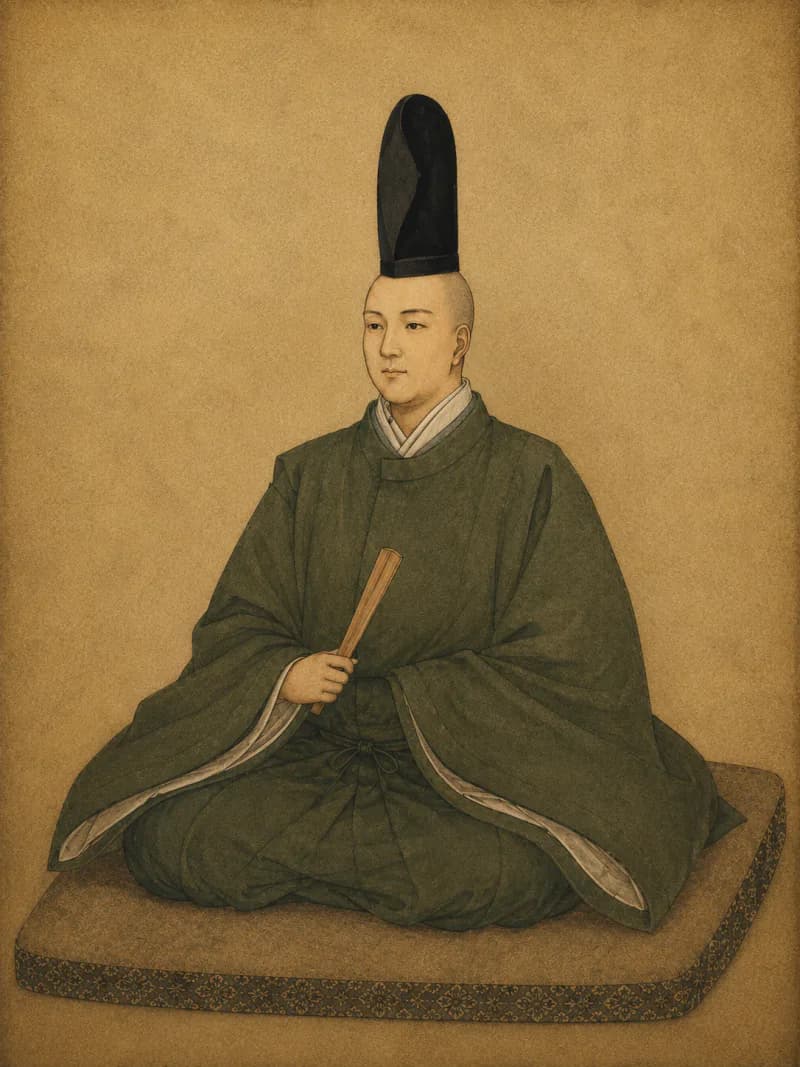
SA-0058 / 1227
Hōjō Tokiyori
The fifth shikken of the Kamakura shogunate, who established tokusō politics and planted Zen in Kamakura
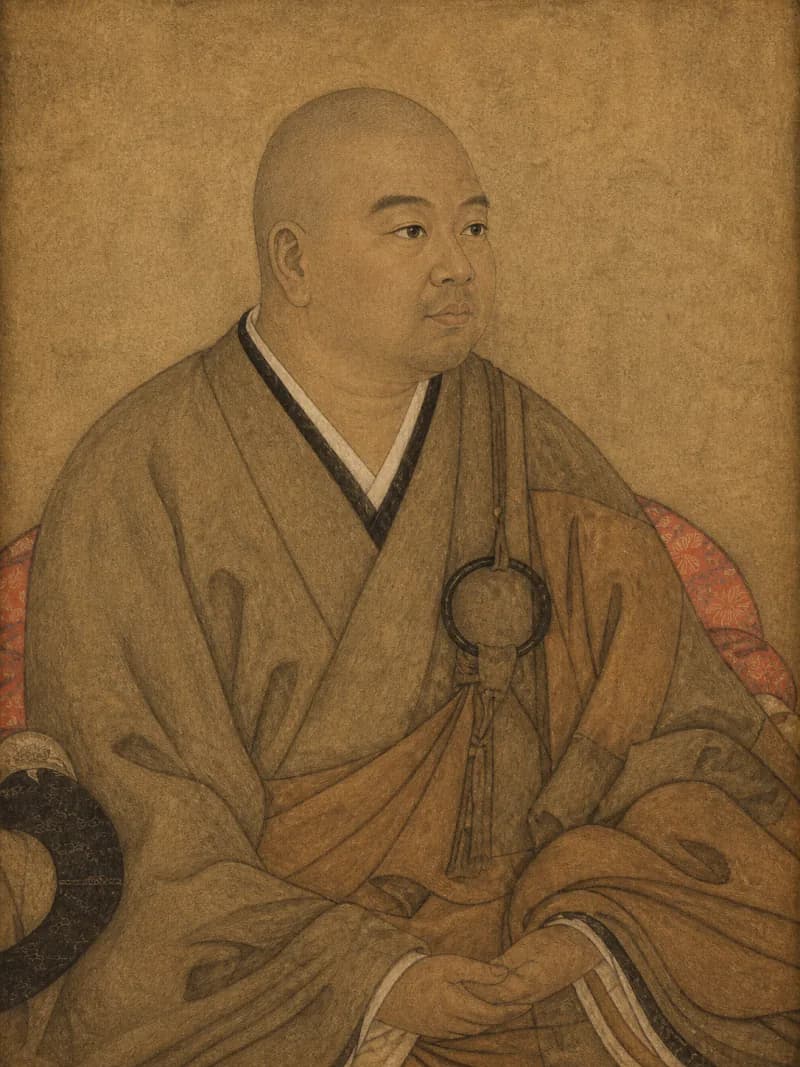
SA-0029 / 1251
Hōjō Tokimune
The young regent who held off the Mongols twice — and broke the Kamakura Bakufu doing it
REPORTS FROM THIS ERA
The Divine Wind: Why Hōjō Tokimune Could Not Pay His Soldiers After Defeating the Mongols
In 1274 and again in 1281, Hōjō Tokimune defended Japan against the largest seaborne invasion forces of the pre-modern world. The defenses worked. The typhoons came. Japan survived. The bakufu was broken anyway, because there were no spoils to give the warriors who had won.
The Hōji Battle: How Tokiyori Destroyed the Miura Clan
On June 5, 1247, at Kamakura. The clan of the powerful gokenin Miura Yasumura was surprised by Tokiyori, holed up in the Hōkke-dō, and five hundred took their own lives. Tracing the single day in which the twenty-one-year-old shikken completed the concentration of Hōjō power.
The Founding of Kenchō-ji: The Zen Tokiyori Planted in Kamakura
In 1253, Tokiyori opened Japan's first full-fledged Zen temple, Kenchō-ji, in Kamakura. Tracing the beginning of a temple with Rankei Dōryū of Song China as founding abbot, which would become the center of Japanese Zen from then on.
Hachi-no-ki: How the Tokiyori Provincial Circuit Legend Was Born
The Muromachi nō play 'Hachi-no-ki' transmits that Tokiyori in the guise of a traveling monk sought a night's lodging at Sano Tsuneyo's house in Sano in Kōzuke, and that Tsuneyo burned his prized potted trees as firewood. Tracing the relation between historical fact and legend, and why the ideal of 'a ruler who sees the people' was projected onto Tokiyori.
Succession as Shikken: How Hōjō Yoshitoki Took the Power of Kamakura by Banishing His Father, 1205
In 1205, having brought down his father Tokimasa in the Maki-shi Incident, Hōjō Yoshitoki succeeded, together with his sister Masako, to the substantive power of the Kamakura shogunate. The severe choice of seizing power by banishing his father opened the second stage of Hōjō regency politics.
The Battle of Wada: The 1213 War in Which Yoshitoki Concentrated Power in Kamakura
In 1213, Hōjō Yoshitoki provoked the powerful gokenin Wada Yoshimori into raising troops and destroyed him. Seizing the office of Samurai-dokoro Bettō and grasping both powers of the Mandokoro and the Samurai-dokoro, Yoshitoki concentrated the substantive power of the Kamakura shogunate in the Hōjō.
The Jōkyū War: The Day Yoshitoki Subdued the Imperial Court by Force, 1221
In 1221, the Retired Emperor Go-Toba issued an edict to hunt down Hōjō Yoshitoki. Under his sister Masako's exhortation, Yoshitoki sent a great army to Kyoto and defeated the court's forces. This war, in which the warrior houses subdued the imperial court by force, transformed the power structure of Japan at its root.