SUBJECT FILE NO. SA-0073
BUSHI ARCHIVE
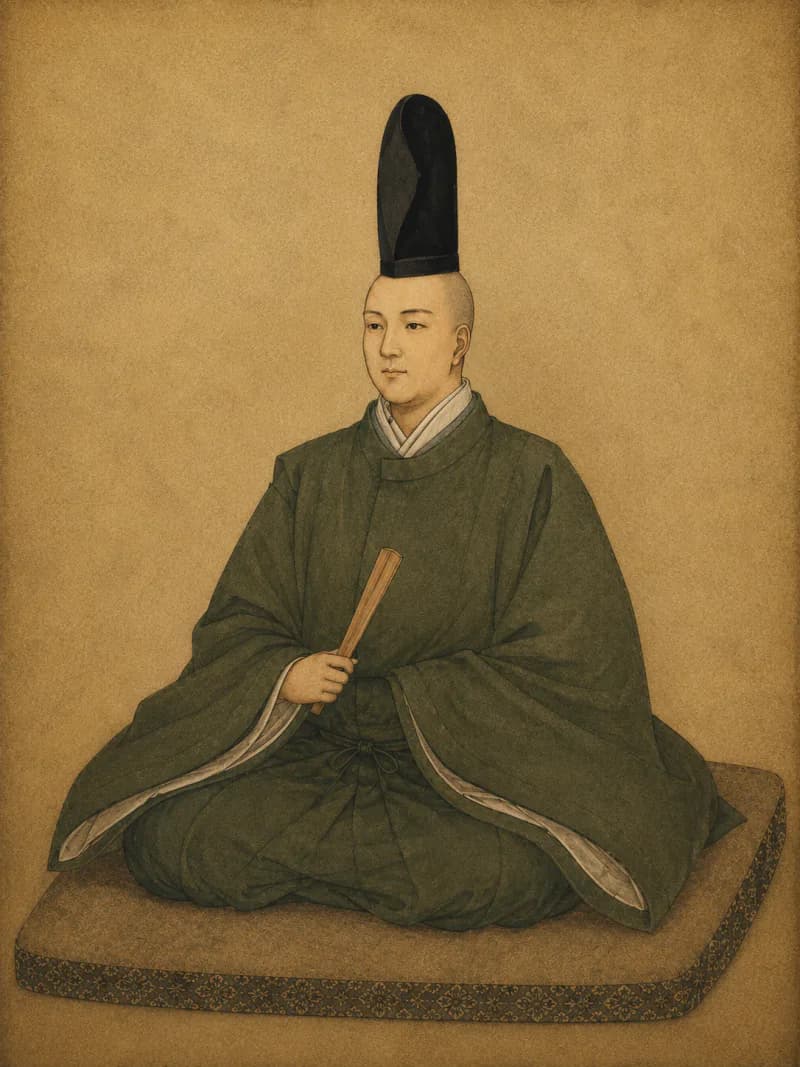
Hōjō Yoshitoki
Hōjō Yoshitoki
Second shikken of the Kamakura shogunate
SECTION I -- SUBJECT PROFILE
| Name | Hōjō Yoshitoki |
|---|---|
| English | Hōjō Yoshitoki |
| Origin | Japan |
| Lifespan | 1163–1224 |
| Gender | Male |
| Century | 13th C. |
| Clan / Role | Samurai |
| Title | Second shikken of the Kamakura shogunate |
SECTION II -- OVERVIEW
Born in 1163 (Chōkan 1) as a son of the Izu warrior Hōjō Tokimasa (this site's id 70). His elder sister was Masako (this site's id 24), the wife of Minamoto no Yoritomo (this site's id 23).
He joined Yoritomo's uprising of 1180 while young and supported the founding process of the Kamakura shogunate. After Yoritomo's death, the substantive power of the shogunate shifted from the shōgun to the council of powerful gokenin, and the Hōjō were positioned at its center.
In 1205 (Genkyū 2), when the Maki-shi Incident arose — in which his father Tokimasa plotted with his second wife Maki-no-kata to remove Sanetomo — Yoshitoki joined with his sister Masako to bring down his father and succeeded to the office of Mandokoro Bettō (shikken).
In 1213 (Kenryaku 3), he destroyed the powerful gokenin Wada Yoshimori in the Battle of Wada, and by also holding the office of Samurai-dokoro Bettō, he grasped both powers of the Mandokoro and the Samurai-dokoro.
After the third shōgun Sanetomo was assassinated in 1219 and the Minamoto shōgun line was cut off, in 1221 (Jōkyū 3) the Retired Emperor Go-Toba issued an edict to hunt down Yoshitoki (the Jōkyū War).
Together with his sister Masako, Yoshitoki sent a great army to Kyoto, defeated the court's forces, exiled the retired emperor, and set up the Rokuhara Tandai.
This victory, in which the warrior houses subdued the imperial court by force, transformed the power structure of Japan at its root.
In the sixth month of 1224 (Gennin 1), he died suddenly in Kamakura. He was sixty-two. His son Yasutoki succeeded to the system as third shikken and completed the regency politics by enacting the Goseibai Shikimoku.
SECTION III -- CHRONOLOGY
SECTION IV -- NOTABLE STATEMENTS
“It is not that I resent my sovereign. I turn my soldiers toward Kyoto only to protect the age of the warrior houses.”
SECTION V -- FIELD NOTES
[A]The Jōkyū War — The Moment the Warrior Houses Subdued the Court
In 1221, when the Retired Emperor Go-Toba issued an edict to hunt down Hōjō Yoshitoki, the gokenin of Kamakura were shaken by the fear of becoming enemies of the court.
At this moment his sister Masako appealed for the unity of the gokenin, expounding the debt of gratitude owed since Yoritomo's day, and Yoshitoki decided without hesitation to march on Kyoto.
Seeing that if he took the defensive he would be swallowed by the court's authority, Yoshitoki sent a great army toward Kyoto by the three roads of Tōkai, Tōsan, and Hokuriku, with his son Yasutoki and his brother Tokifusa as commanders.
The shogunate's army subdued Kyoto in only about a month, and the retired emperor's uprising collapsed with military ease.
After the war, Yoshitoki exiled Go-Toba to Oki, intervened even in the imperial succession, and placed the court under surveillance by setting up the Rokuhara Tandai in Kyoto.
This event, in which the imperial house yielded to the warrior houses by force, was the watershed that decided the supremacy of warrior government that would continue for more than six centuries thereafter.
SECTION VI -- LEGACY & IMPACT
Hōjō Yoshitoki was the effective completer of the Kamakura shogunate, who established the regency politics founded by his father Tokimasa and decided the supremacy of warrior government in the Jōkyū War.
In contrast to his father Tokimasa, who fell from power within a single generation, Yoshitoki stabilized the power of the Hōjō over the long term through a cautious rule that grasped substantive power while respecting the council of gokenin.
In the Battle of Wada of 1213 he seized both powers of the Mandokoro and the Samurai-dokoro, and in the Jōkyū War of 1221 he subdued the imperial court by force.
Through this victory, the substantive power of politics shifted clearly to the warrior houses, and Japan entered the age of full-fledged warrior government.
Yoshitoki's son Yasutoki enacted the Goseibai Shikimoku (1232), and thereafter nine generations of Hōjō regents operated the Kamakura shogunate.
Yoshitoki stands at the core of the lineage of the principal figures of the Hōjō — his father Tokimasa (this site's id 70), his sister Masako (this site's id 24), and his grandsons Tokiyori (this site's id 58) and Tokimune (this site's id 29).
Ganjōju-in in Izu is the clan temple of the Hōjō, known as a place connected to Yoshitoki.
SECTION VII -- MAJOR DEEDS
- [01]Succession as shikken in the Maki-shi Incident (1205)
- [02]Holding of both bettō offices through the Battle of Wada (1213)
- [03]Victory in the Jōkyū War (1221)
- [04]Establishment of the Rokuhara Tandai
- [05]Establishment of the Hōjō regency politics
SECTION VIII -- REFERENCE MATERIALS
PRIMARY SOURCES & ARCHIVES
- PRIMARY
Azuma Kagami
Compiled by the Kamakura shogunate
Basic primary source recording the political trends of Yoshitoki's era in chronological order
- SCHOLARSHIP
Hōjō Yoshitoki
Iwata Shinpei / Chūkō Shinsho
A critical biography grounded in modern Yoshitoki scholarship
- ARCHIVE
Ganjōju-in
Izunokuni City, Shizuoka Prefecture
Clan temple of the Hōjō; a place connected to Yoshitoki
Visit archive →
RECOMMENDED READING
SECTION X -- RELATED REPORTS
SA-RPT
Succession as Shikken: How Hōjō Yoshitoki Took the Power of Kamakura by Banishing His Father, 1205
In 1205, having brought down his father Tokimasa in the Maki-shi Incident, Hōjō Yoshitoki succeeded, together with his sister Masako, to the substantive power of the Kamakura shogunate. The severe choice of seizing power by banishing his father opened the second stage of Hōjō regency politics.
SA-RPT
The Battle of Wada: The 1213 War in Which Yoshitoki Concentrated Power in Kamakura
In 1213, Hōjō Yoshitoki provoked the powerful gokenin Wada Yoshimori into raising troops and destroyed him. Seizing the office of Samurai-dokoro Bettō and grasping both powers of the Mandokoro and the Samurai-dokoro, Yoshitoki concentrated the substantive power of the Kamakura shogunate in the Hōjō.
SA-RPT
The Jōkyū War: The Day Yoshitoki Subdued the Imperial Court by Force, 1221
In 1221, the Retired Emperor Go-Toba issued an edict to hunt down Hōjō Yoshitoki. Under his sister Masako's exhortation, Yoshitoki sent a great army to Kyoto and defeated the court's forces. This war, in which the warrior houses subdued the imperial court by force, transformed the power structure of Japan at its root.
SECTION IX -- LINKED SUBJECTS
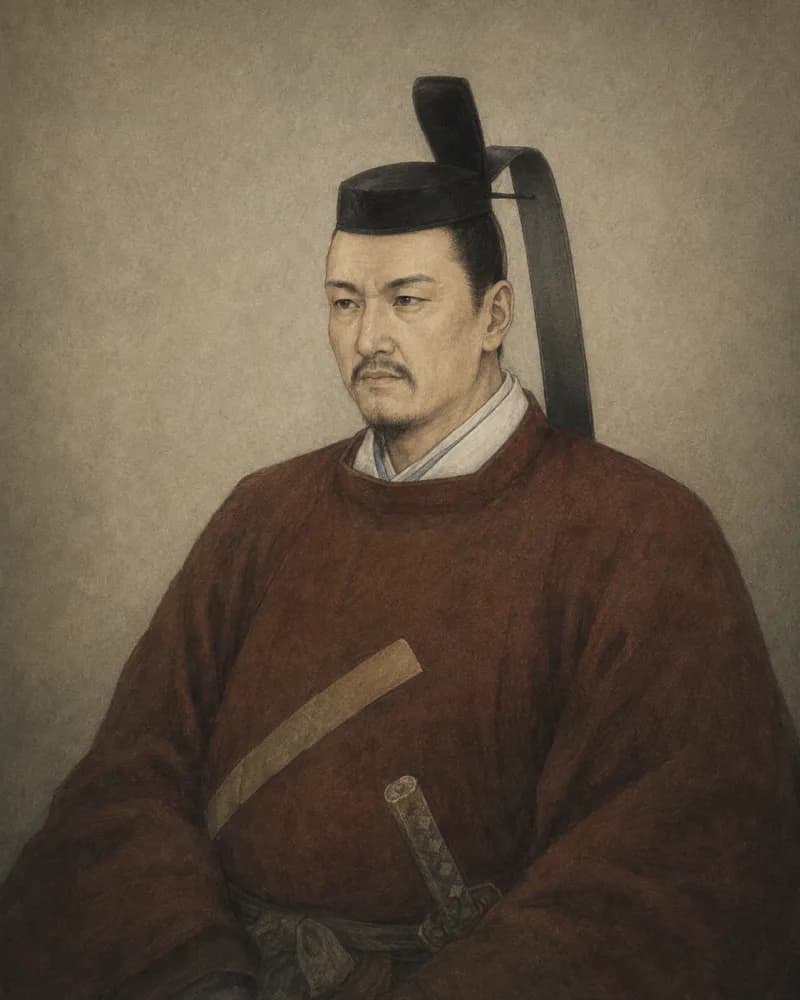
SA-0070 / JPN
Hōjō Tokimasa
Founder of the Hōjō, father-in-law of Yoritomo who supported the founding of the Kamakura shogunate and became the first shikken
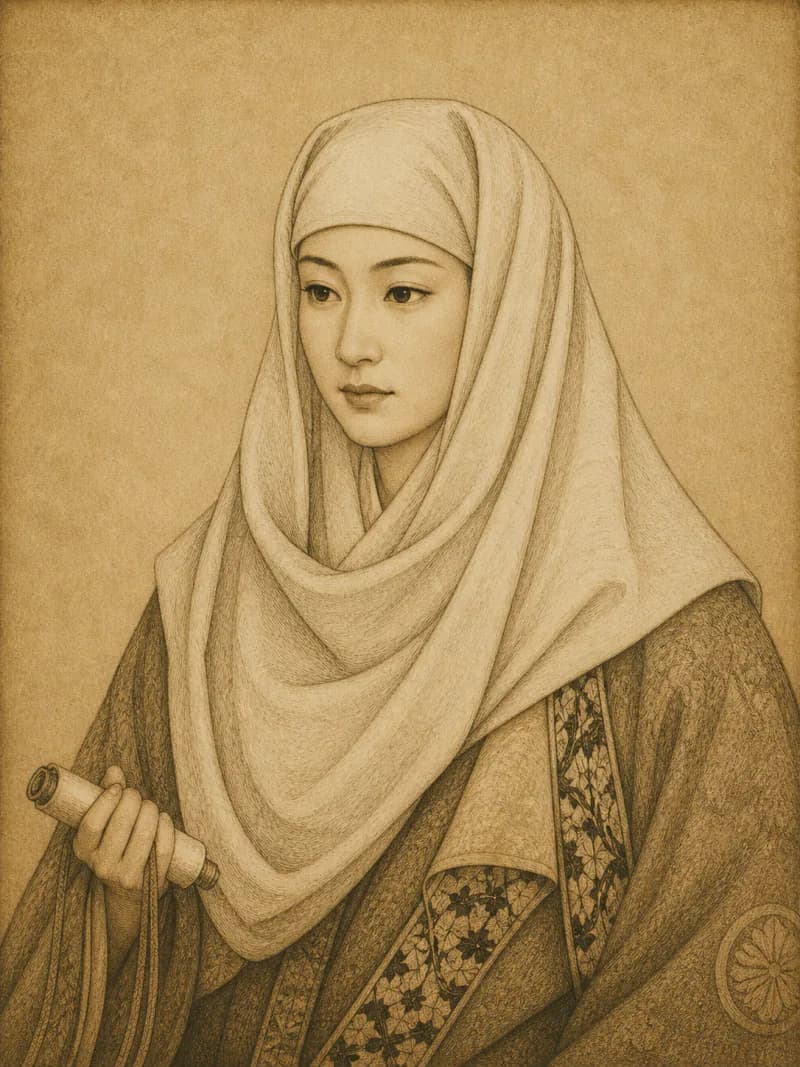
SA-0024 / JPN
Hōjō Masako
The widow who became the first real ruler of the Kamakura Bakufu
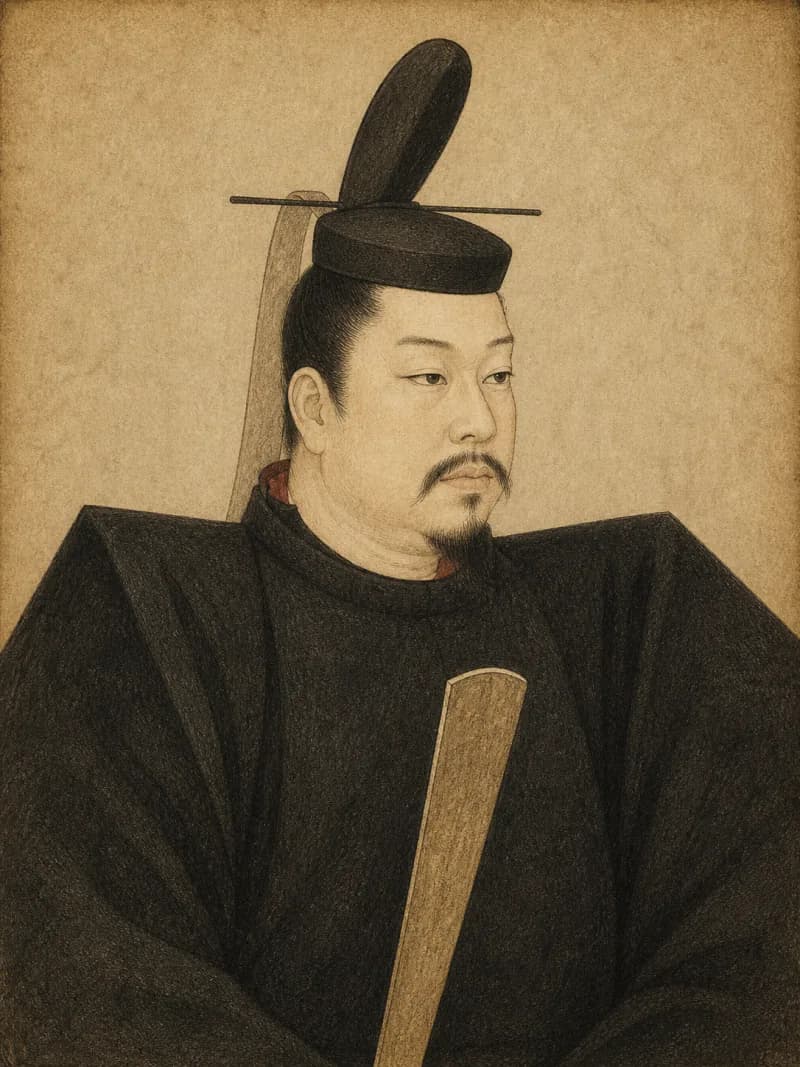
SA-0023 / JPN
Minamoto no Yoritomo
The founding shogun who built warrior government as a system that lasted six and a half centuries
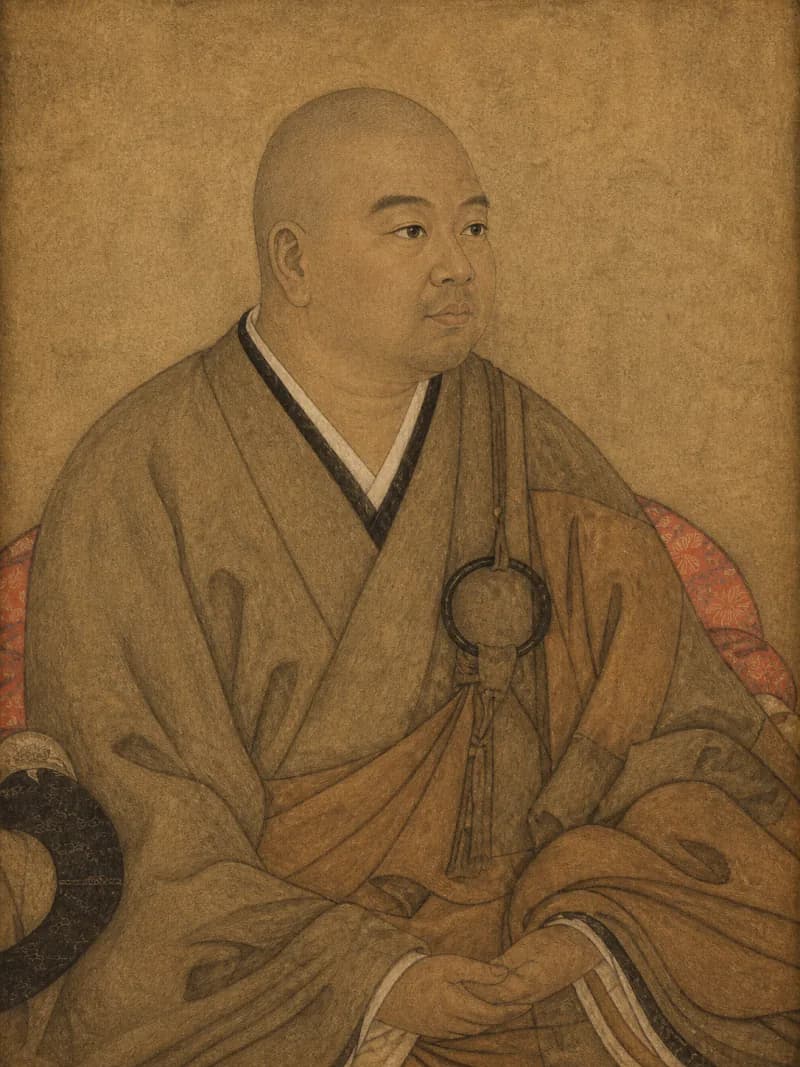
SA-0029 / JPN
Hōjō Tokimune
The young regent who held off the Mongols twice — and broke the Kamakura Bakufu doing it
SA-0058 / JPN
Hōjō Tokiyori
The fifth shikken of the Kamakura shogunate, who established tokusō politics and planted Zen in Kamakura