SUBJECT FILE NO. SA-0024
BUSHI ARCHIVE
Hōjō Masako
Hōjō Masako
Nun Shogun of Kamakura
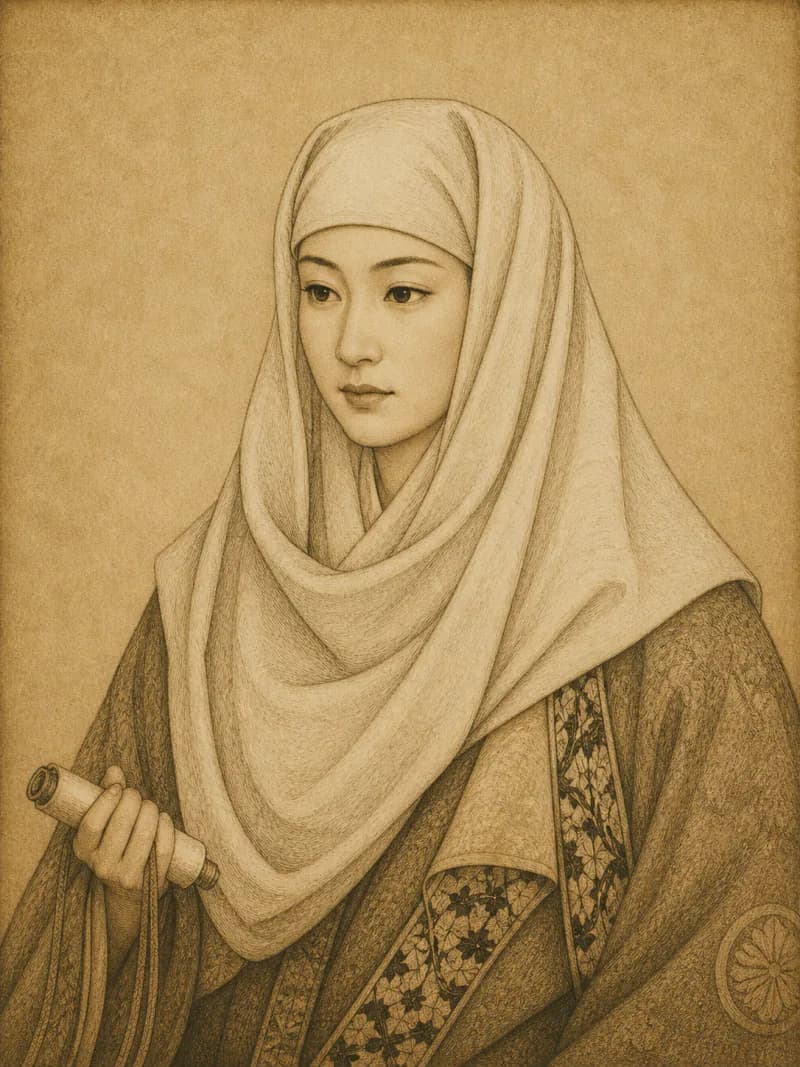
SECTION I -- SUBJECT PROFILE
| Name | Hōjō Masako |
|---|---|
| English | Hōjō Masako |
| Origin | Japan |
| Lifespan | 1157–1225 |
| Gender | Female |
| Century | 12th C. |
| Clan / Role | Daimyo |
| Title | Nun Shogun of Kamakura |
SECTION II -- OVERVIEW
Born in 1157 to the Hōjō clan of Izu Province, Masako met the exiled Minamoto no Yoritomo when he was placed under her family's supervision and married him in 1177 against her father's initial wishes.
When Yoritomo died in 1199 their son Yoriie became shogun in name, but Masako and her father Hōjō Tokimasa controlled the actual decisions through an emerging council of senior retainers.
After her son Yoriie was deposed and killed in 1204, and her younger son Sanetomo was assassinated by his own nephew in 1219, Masako adopted a young Fujiwara noble as the next shogun and ruled the bakufu in fact for the next six years.
She is conventionally called the Ama Shōgun — the Nun Shogun — for the period after her tonsure following Sanetomo's death.
In 1221 she rallied the Kamakura warrior class to defeat Emperor Go-Toba's revolt against bakufu power; the speech she gave to the gathered warriors before the campaign is one of the most-quoted political speeches of the Japanese middle ages.
She died in 1225, having effectively run the realm for twenty-six years.
SECTION III -- CHRONOLOGY
SECTION IV -- NOTABLE STATEMENTS
“Remember the favor your masters did for you, and do not betray them now for the easy reward of the Court.”
SECTION V -- FIELD NOTES
[A]The Speech Before Jōkyū
When Emperor Go-Toba called on samurai to revolt against Kamakura in 1221, Masako gathered the bakufu's senior retainers and reminded them, in a speech preserved by the Azuma Kagami, of every gift Yoritomo had given them and every favor that had built their houses.
By the end of the speech the bakufu cause was won. The Imperial revolt collapsed within a month.
SECTION VI -- LEGACY & IMPACT
Masako is the founding figure of female political power in Japanese samurai history. Her position as widow, mother, and de facto ruler set the precedent for the prominent role women would play behind the scenes throughout subsequent samurai politics — the Hōjō female regents, the Tokugawa Ōoku, the modern Imperial household consorts.
The phrase Ama Shōgun is still in modern Japanese, used to describe powerful behind-the-throne women.
SECTION VII -- MAJOR DEEDS
- [01]De facto rule of Kamakura Bakufu (1199–1225)
- [02]Speech rallying the bakufu in the Jōkyū War (1221)
- [03]Establishment of the Hōjō regency
- [04]Adoption of Fujiwara child as the Sekkan Shogun
SECTION VIII -- REFERENCE MATERIALS
PRIMARY SOURCES & ARCHIVES
- PRIMARY
Azuma Kagami
Compiled by the Kamakura Bakufu
Official chronicle including Masako's rallying speech and the course of the Jōkyū War
- SCHOLARSHIP
Hōjō Masako
Nomura Ikuyo / Yoshikawa Kōbunkan, Jinbutsu Sōsho series
Definitive academic biography (in Japanese)
- ARCHIVE
Kamakura Museum of National Treasures
Kamakura City
Holds Kamakura-period sculpture, crafts, and documents
Visit archive →
RECOMMENDED READING
SECTION X -- RELATED REPORTS
SA-RPT
The Nun Shogun: How Hōjō Masako Ran a Country She Was Never Allowed to Officially Rule
Between 1199 and 1225, Hōjō Masako effectively governed the Kamakura Bakufu — first through her sons, then in her own name as the Ama Shōgun. She is the founding figure of behind-the-throne female political power in Japanese samurai history.
SA-RPT
From Monitor to Father-in-Law: The Twenty Years of Tokimasa and Yoritomo
Hōjō Tokimasa, who took the role of monitor to Minamoto no Yoritomo exiled to Izu in 1160, was, twenty years later, Yoritomo's father-in-law and at the center of the founding of the Kamakura shogunate. Tracing the family fate that his daughter Masako's secret marriage moved.
SA-RPT
In 1203, How Tokimasa Made Shikken Politics
In 1203, Tokimasa removed the second shōgun Yoriie (his own grandson), raised up the third shōgun Sanetomo, and took the office of Mandokoro Bettō. The origin of the 'shikken politics' that would continue for eight hundred years — the double structure of the shikken holding real power while formally serving under the shōgun.
SA-RPT
The Maki-shi Incident: In 1205, Tokimasa Fell From the Peak of Power
In the leap seventh month of 1205, Tokimasa, together with his second wife Maki-no-kata, plotted to raise Hiraga Tomomasa as shōgun. But by the counter-attack of his daughter Masako and son Yoshitoki, he failed, fell from power, and retired to Izu. A sudden fall from the peak of power.
SA-RPT
Succession as Shikken: How Hōjō Yoshitoki Took the Power of Kamakura by Banishing His Father, 1205
In 1205, having brought down his father Tokimasa in the Maki-shi Incident, Hōjō Yoshitoki succeeded, together with his sister Masako, to the substantive power of the Kamakura shogunate. The severe choice of seizing power by banishing his father opened the second stage of Hōjō regency politics.
SA-RPT
The Jōkyū War: The Day Yoshitoki Subdued the Imperial Court by Force, 1221
In 1221, the Retired Emperor Go-Toba issued an edict to hunt down Hōjō Yoshitoki. Under his sister Masako's exhortation, Yoshitoki sent a great army to Kyoto and defeated the court's forces. This war, in which the warrior houses subdued the imperial court by force, transformed the power structure of Japan at its root.
SA-RPT
The Dance at Tsurugaoka: In 1186, Shizuka Danced Her Longing for Yoshitsune Before Yoritomo
In 1186, in Kamakura. The captive Shizuka Gozen offered a dance at Tsurugaoka Hachimangū at the request of Yoritomo and Masako. But what Shizuka danced and sang was a song of longing for Yoshitsune, whom Yoritomo hunted. Yoritomo was enraged. Masako defended her, as one woman who understood the longing for Yoshitsune.
SECTION IX -- LINKED SUBJECTS
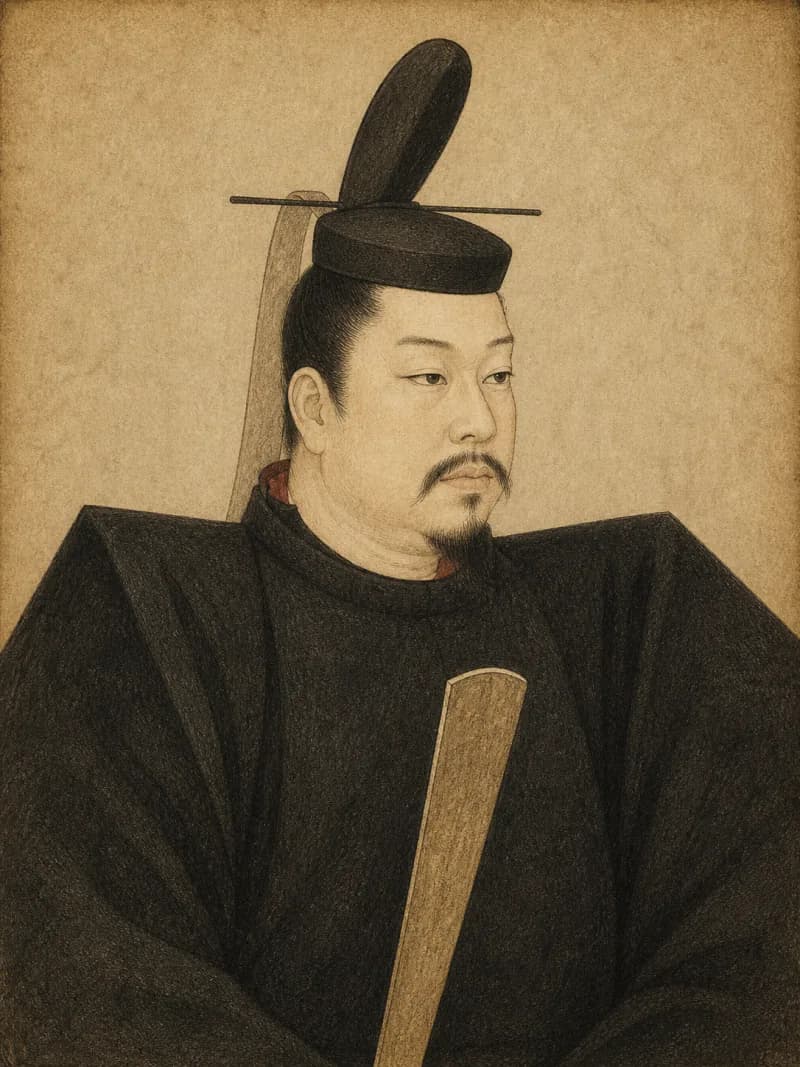
SA-0023 / JPN
Minamoto no Yoritomo
The founding shogun who built warrior government as a system that lasted six and a half centuries
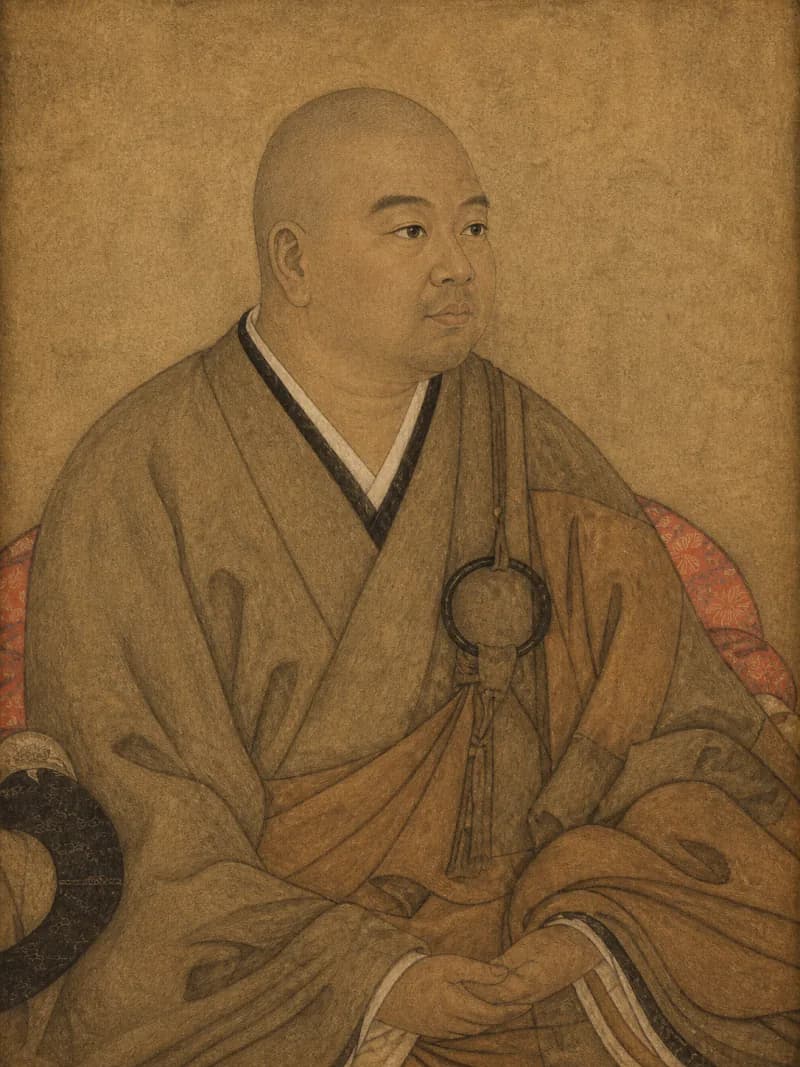
SA-0029 / JPN
Hōjō Tokimune
The young regent who held off the Mongols twice — and broke the Kamakura Bakufu doing it
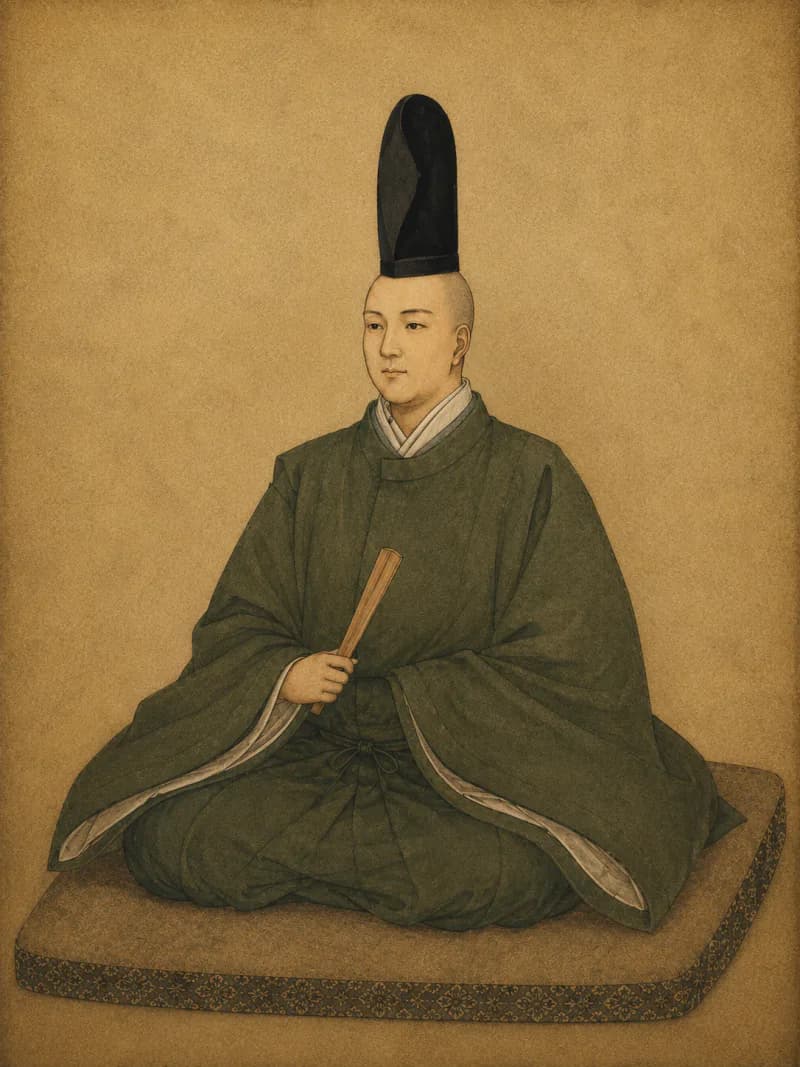
SA-0058 / JPN
Hōjō Tokiyori
The fifth shikken of the Kamakura shogunate, who established tokusō politics and planted Zen in Kamakura
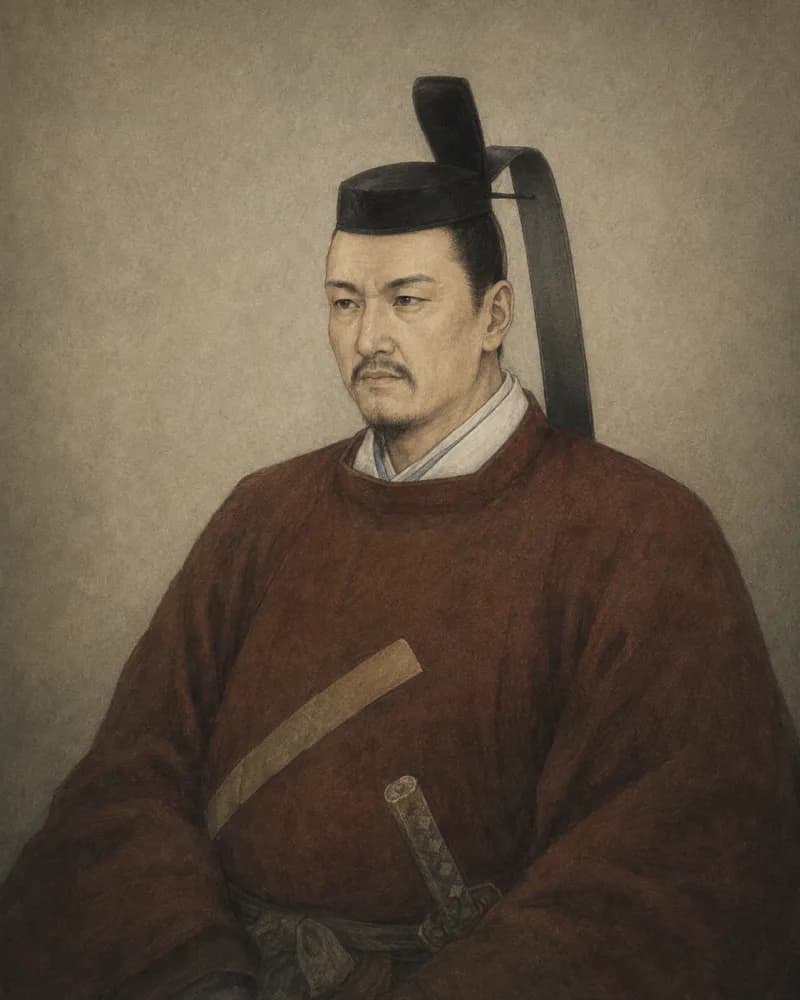
SA-0070 / JPN
Hōjō Tokimasa
Founder of the Hōjō, father-in-law of Yoritomo who supported the founding of the Kamakura shogunate and became the first shikken
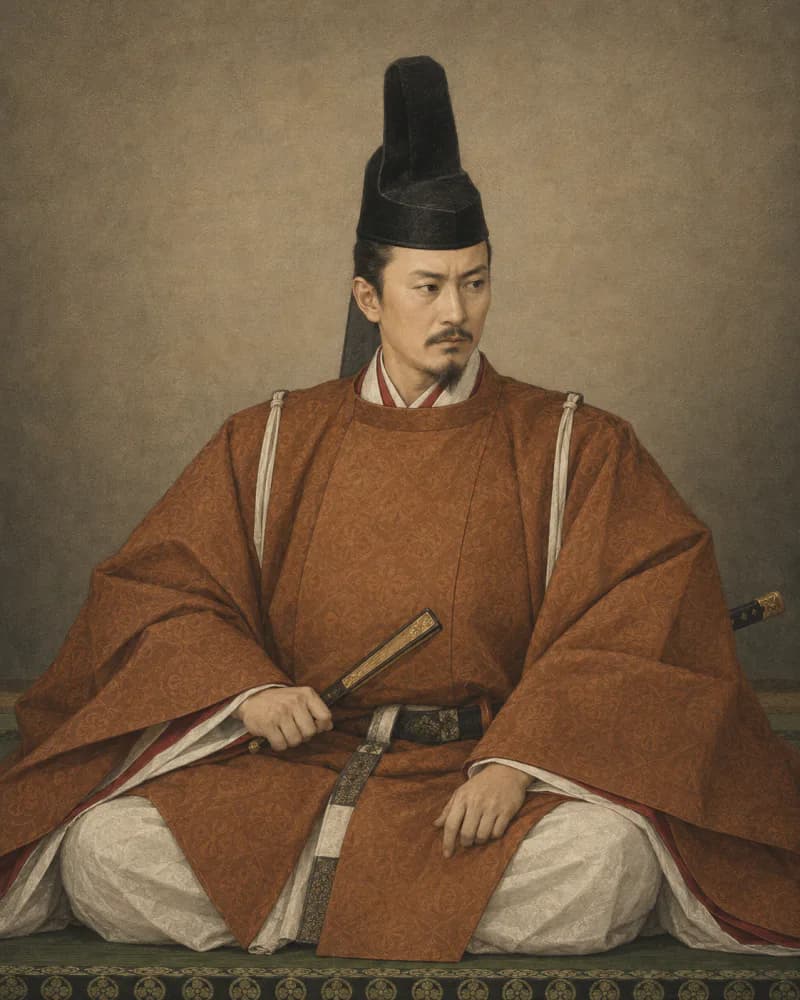
SA-0073 / JPN
Hōjō Yoshitoki
The second shikken of the Kamakura shogunate, who defeated the imperial court in the Jōkyū War and decided the supremacy of warrior government
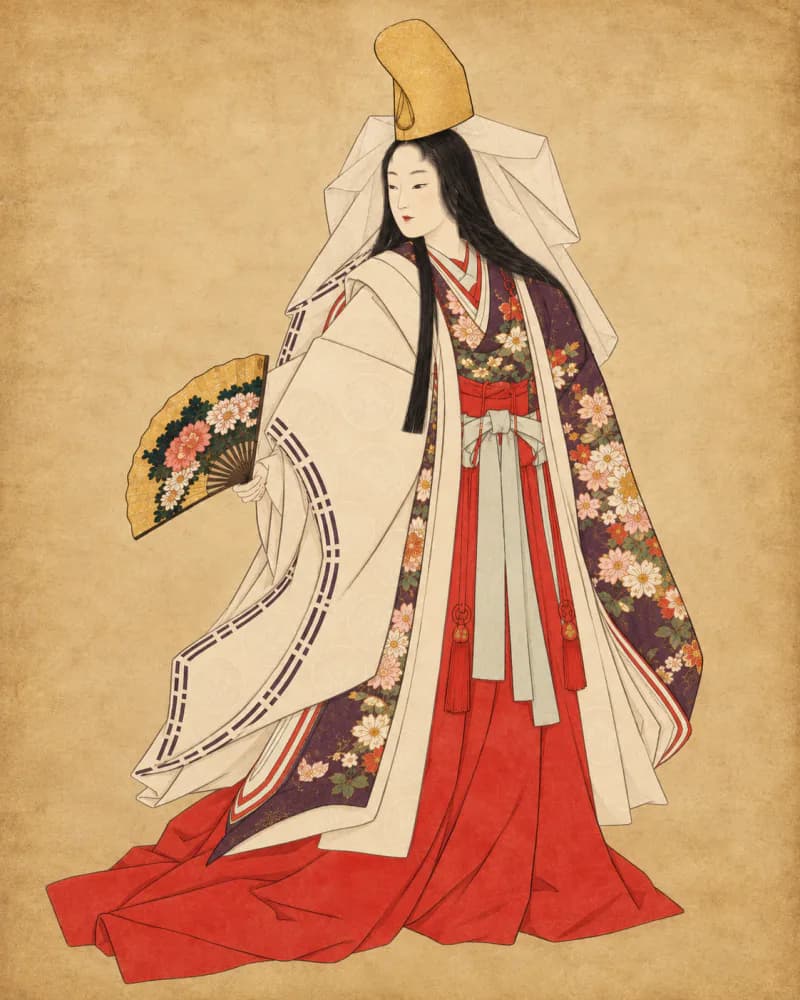
SA-0077 / JPN
Shizuka Gozen
The finest shirabyōshi of the capital, beloved of Minamoto no Yoshitsune, the tragic woman who danced her longing for Yoshitsune before Yoritomo at Tsurugaoka Hachimangū