SUBJECT FILE NO. SA-0023
BUSHI ARCHIVE
Minamoto no Yoritomo
Minamoto no Yoritomo
Founding Shogun of the Kamakura Bakufu
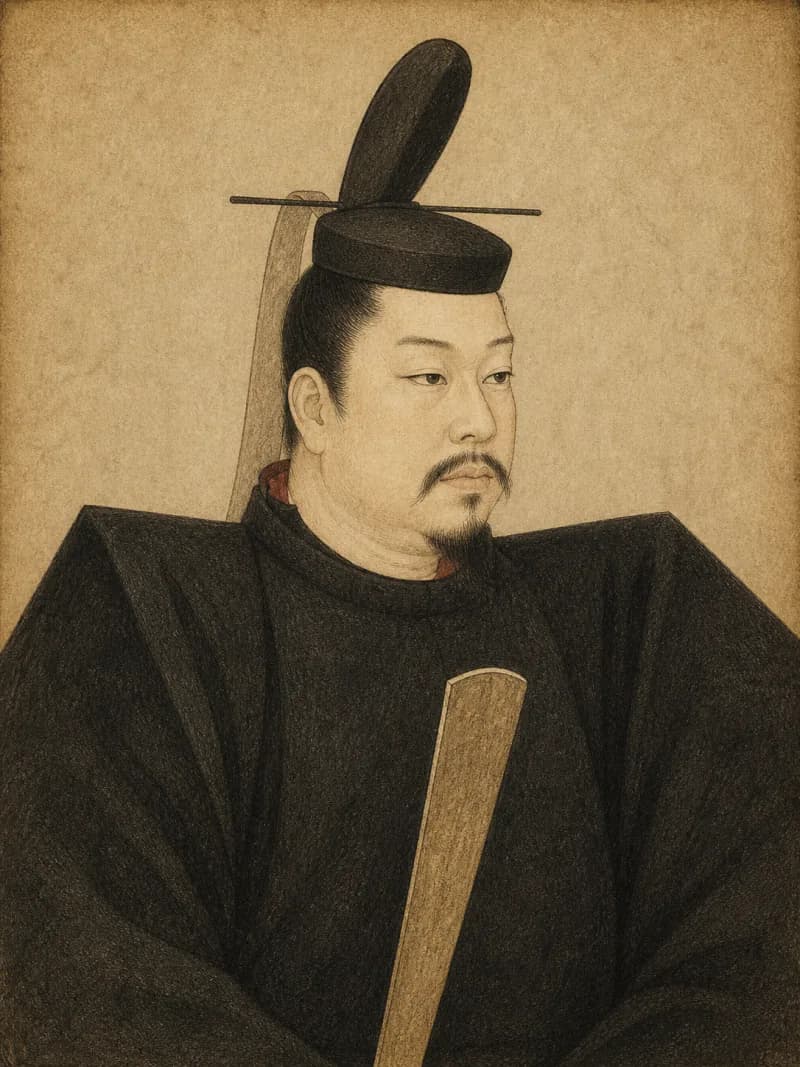
SECTION I -- SUBJECT PROFILE
| Name | Minamoto no Yoritomo |
|---|---|
| English | Minamoto no Yoritomo |
| Origin | Japan |
| Lifespan | 1147–1199 |
| Gender | Male |
| Century | 12th C. |
| Clan / Role | Shogun |
| Title | Founding Shogun of the Kamakura Bakufu |
SECTION II -- OVERVIEW
Born in 1147 as the third son of Minamoto no Yoshitomo, head of the Kawachi-Genji branch, Yoritomo's life was shaped at age fourteen by the failure of his father's revolt against the Taira.
Yoshitomo was killed; Yoritomo himself was spared on personal request and exiled to Izu Province under the supervision of the Hōjō family.
He spent twenty years in exile, married Hōjō Masako of his nominal jailer's family, and in 1180 led the second Minamoto revolt — this time successful.
By 1185 his armies, commanded by his half-brother Yoshitsune, had destroyed the Taira at Dan-no-ura. In 1192 he received from the Imperial court the title of Sei-i Taishōgun, becoming the first samurai to formally hold national military authority.
The Kamakura Bakufu he founded — a system of distributed warrior government overseen from Kamakura rather than Kyoto — lasted in various forms for six and a half centuries, until the Meiji Restoration of 1868.
He died in 1199 after falling from a horse.
SECTION III -- CHRONOLOGY
SECTION IV -- NOTABLE STATEMENTS
“A warrior must obey his lord even unto the moon and back.”
SECTION V -- FIELD NOTES
[A]The Brother He Killed
Yoritomo's most consequential personal decision was the persecution of his own half-brother Yoshitsune, the brilliant commander who had won the Genpei War for him.
Yoshitsune's flight north to Hiraizumi and final death there at Koromogawa with Benkei in 1189 was orchestrated by Yoritomo himself, who could not tolerate a popular military hero outside his political control.
The decision is the foundational act of cold-blooded political calculation in Japanese samurai history.
SECTION VI -- LEGACY & IMPACT
Yoritomo invented samurai government as a permanent institution. The structure he built — shogun at the top, regional shugo (constables) and jitō (estate stewards) below, all loyal to the bakufu rather than to the Imperial court — became the operating system of Japan for the next 676 years.
Every later shogunate, including the Tokugawa, imitated his fundamental design.
SECTION VII -- MAJOR DEEDS
- [01]Founding of the Kamakura Bakufu (1185)
- [02]Title of Sei-i Taishōgun (1192)
- [03]System of shugo and jitō across the realm
- [04]Genpei War campaign overseen as commander-in-chief
SECTION VIII -- REFERENCE MATERIALS
PRIMARY SOURCES & ARCHIVES
- PRIMARY
Azuma Kagami
Compiled by the Kamakura Bakufu
Official chronicle of the Kamakura Bakufu, recording Yoritomo's career year by year
- SCHOLARSHIP
Minamoto no Yoritomo
Motoki Yasuo / Chūkō Shinsho
Standard biography by a leading medievalist (in Japanese)
- ARCHIVE
Kanagawa Prefectural Kanazawa-bunko Museum
Kanagawa Prefecture
Specialist medieval-history archive holding extensive Kamakura-period documents
Visit archive →
RECOMMENDED READING
SECTION X -- RELATED REPORTS
SA-RPT
Why Kamakura: How Yoritomo Invented Permanent Warrior Government
When Minamoto no Yoritomo took the title of shogun in 1192, he was not the first samurai to hold national power. He was the first to make the office permanent. The choices he made between 1180 and 1199 set the operating system of Japanese government for the next 676 years.
SA-RPT
The Nun Shogun: How Hōjō Masako Ran a Country She Was Never Allowed to Officially Rule
Between 1199 and 1225, Hōjō Masako effectively governed the Kamakura Bakufu — first through her sons, then in her own name as the Ama Shōgun. She is the founding figure of behind-the-throne female political power in Japanese samurai history.
SA-RPT
From Kurama to Ōshū: How Ushiwaka-maru Became Yoshitsune
Twenty years after his father Yoshitomo's defeat and death. Placed at a Kyoto temple, Ushiwaka-maru left Kurama at sixteen to seek Fujiwara no Hidehira in Ōshū. Tracing the boyhood — thin in record — up to the moment Yoritomo's uprising drew him onto the stage of history.
SA-RPT
The Morning at Koromogawa: Why Was Yoshitsune Killed by His Brother Yoritomo?
In 1185, Yoshitsune destroyed the Taira at Dannoura; four years later, he was taking his own life at an Ōshū palace. What happened in those four years from Dannoura to Koromogawa? The political structure of the brothers' conflict, and Yoshitsune's end, traced.
SA-RPT
The Return from the Kumano Pilgrimage: The Heiji Rebellion and Kiyomori's Night
In the first month of 1160, when Fujiwara no Nobuyori and Minamoto no Yoshitomo rose in Kyoto, Taira no Kiyomori was on his way back from the Kumano pilgrimage. Forty-two-year-old Kiyomori, with his base left in the capital, and thirty-seven-year-old Yoshitomo. This one contest fixed Japan's political history.
SA-RPT
Prince Mochihito's Call to Arms: Why Did the Taira Glory Collapse in 1180?
In the fifth month of 1180, the call to arms issued by Prince Mochihito, son of the retired emperor Go-Shirakawa, ordered the Genji of the various provinces to hunt down the Taira. Nationwide anti-Taira uprisings, the burning of the southern capital, the failed transfer of the capital to Fukuhara, and Kiyomori's death by fever — a world changed in a year and a half.
SA-RPT
The Origin of the Samurai: Can Masakado Be Called the Founder of the Warrior Class?
In modern historical research, the birth of the class of 'samurai' in Japan is said to go back to the 10th-11th centuries. As the first large-scale case in that process, Masakado's name is often cited. Examining Masakado's position as the origin of the samurai.
SA-RPT
From Monitor to Father-in-Law: The Twenty Years of Tokimasa and Yoritomo
Hōjō Tokimasa, who took the role of monitor to Minamoto no Yoritomo exiled to Izu in 1160, was, twenty years later, Yoritomo's father-in-law and at the center of the founding of the Kamakura shogunate. Tracing the family fate that his daughter Masako's secret marriage moved.
SA-RPT
The Dance at Tsurugaoka: In 1186, Shizuka Danced Her Longing for Yoshitsune Before Yoritomo
In 1186, in Kamakura. The captive Shizuka Gozen offered a dance at Tsurugaoka Hachimangū at the request of Yoritomo and Masako. But what Shizuka danced and sang was a song of longing for Yoshitsune, whom Yoritomo hunted. Yoritomo was enraged. Masako defended her, as one woman who understood the longing for Yoshitsune.
SA-RPT
Yuigahama: In 1186, Shizuka Had Her Newborn Child Taken from Her
In Kamakura, Shizuka Gozen bore Yoshitsune's child. It had already been decreed that if the child were a boy, it would be killed. The infant was sunk in the waves of Yuigahama. The death of a child torn from its mother. Shizuka thereafter left Kamakura heartbroken, and her later fate vanished into legend.
SECTION IX -- LINKED SUBJECTS
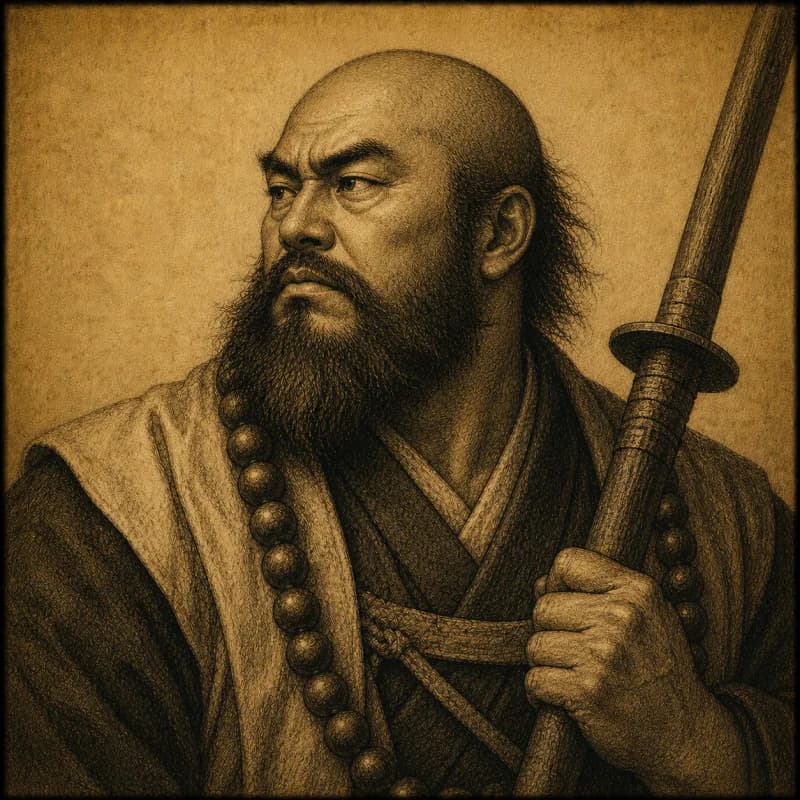
SA-0015 / JPN
Musashibō Benkei
The warrior monk whose loyalty became Japan's most quoted legend
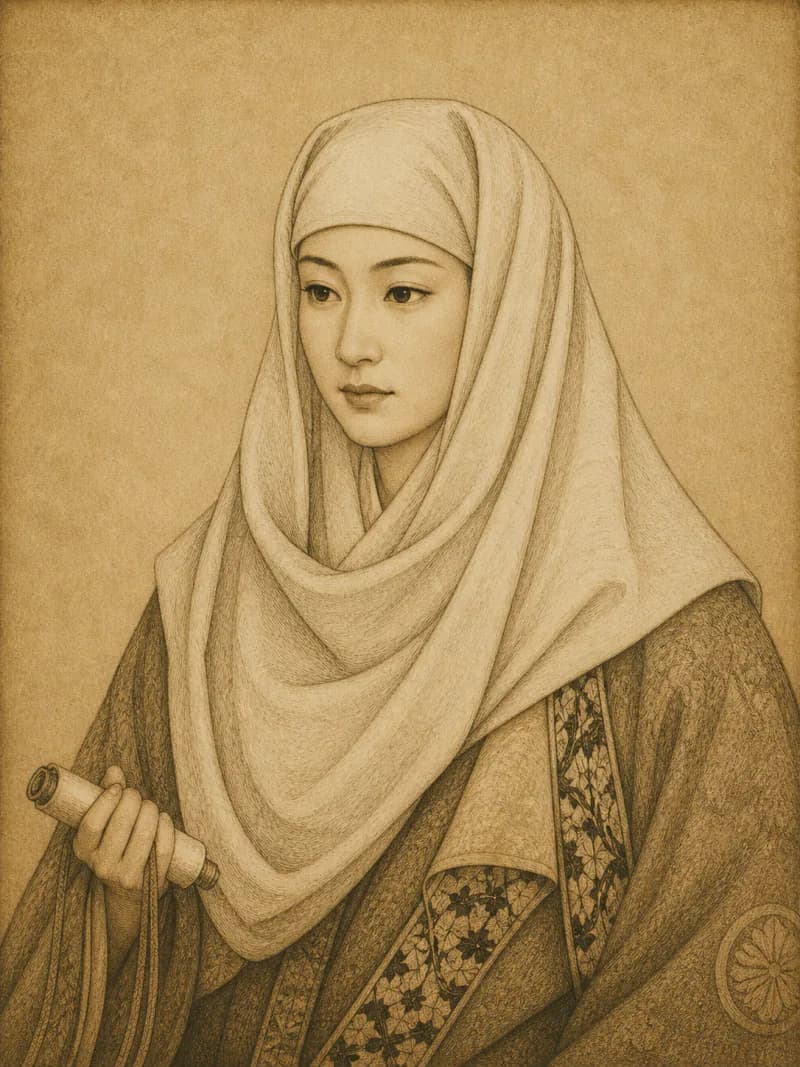
SA-0024 / JPN
Hōjō Masako
The widow who became the first real ruler of the Kamakura Bakufu
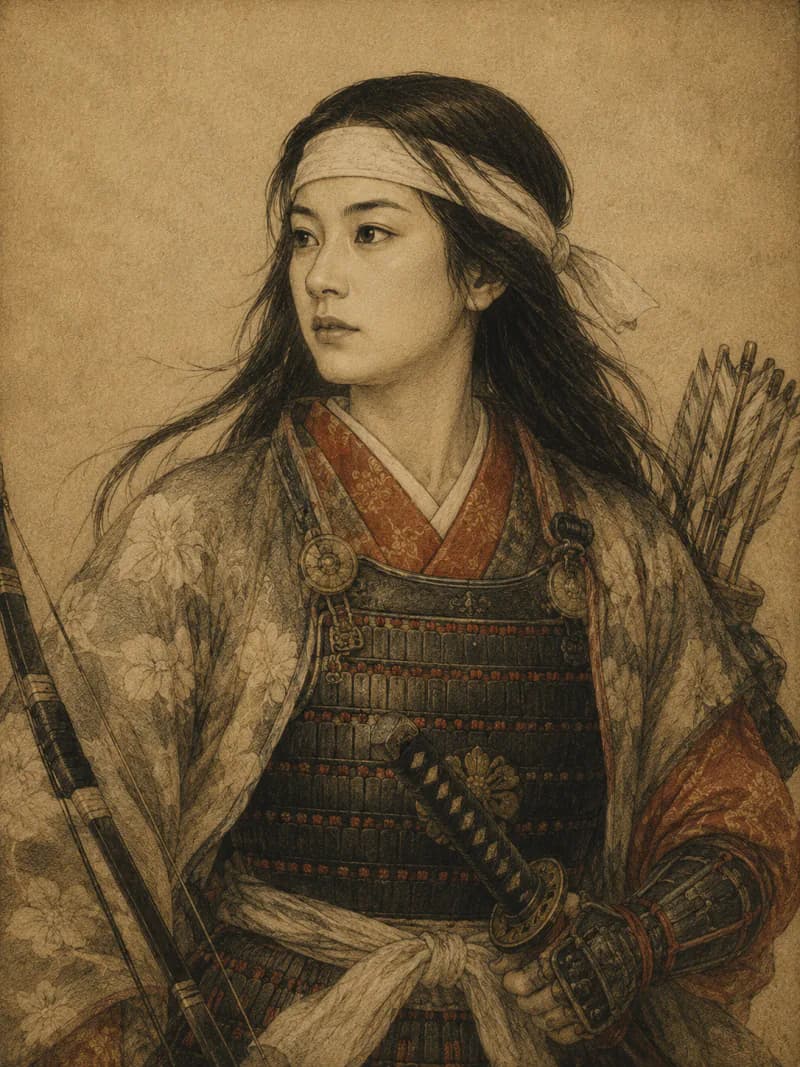
SA-0028 / JPN
Tomoe Gozen
The woman warrior of the Genpei War whose existence historians cannot quite confirm or deny
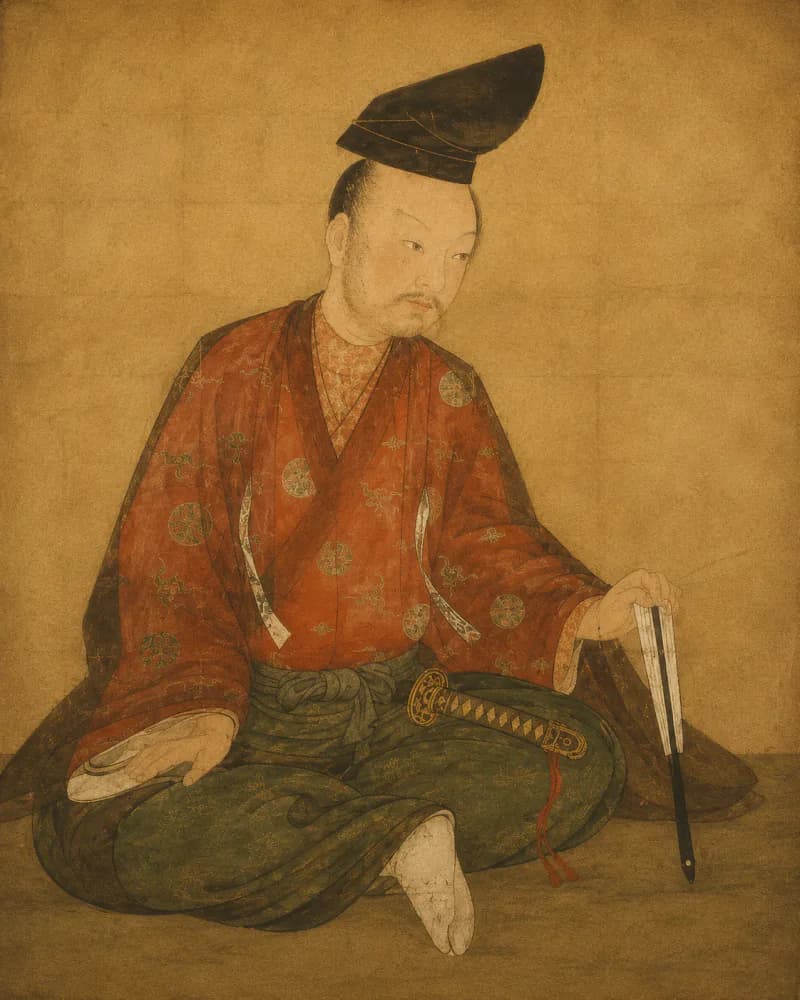
SA-0051 / JPN
Minamoto no Yoshitsune
The Genji general who destroyed the Taira at Dannoura, then was killed by his own brother Yoritomo
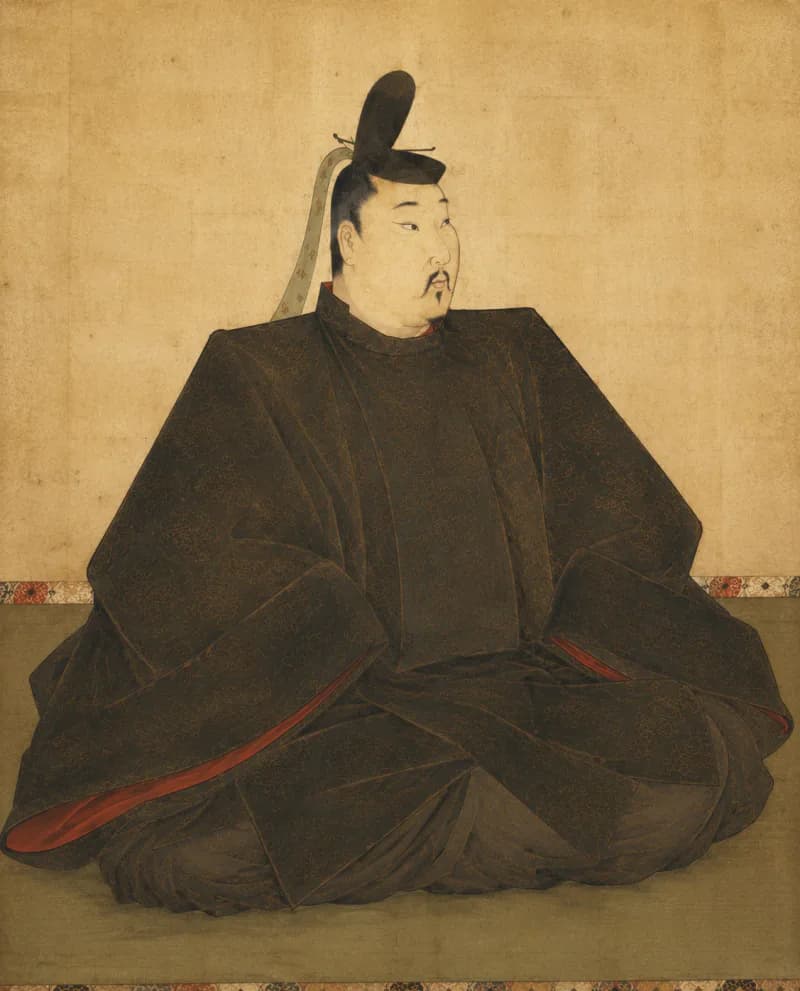
SA-0052 / JPN
Taira no Kiyomori
The first warrior to become Chancellor of the Realm, who built the Taira ascendancy and laid the ground for warrior government
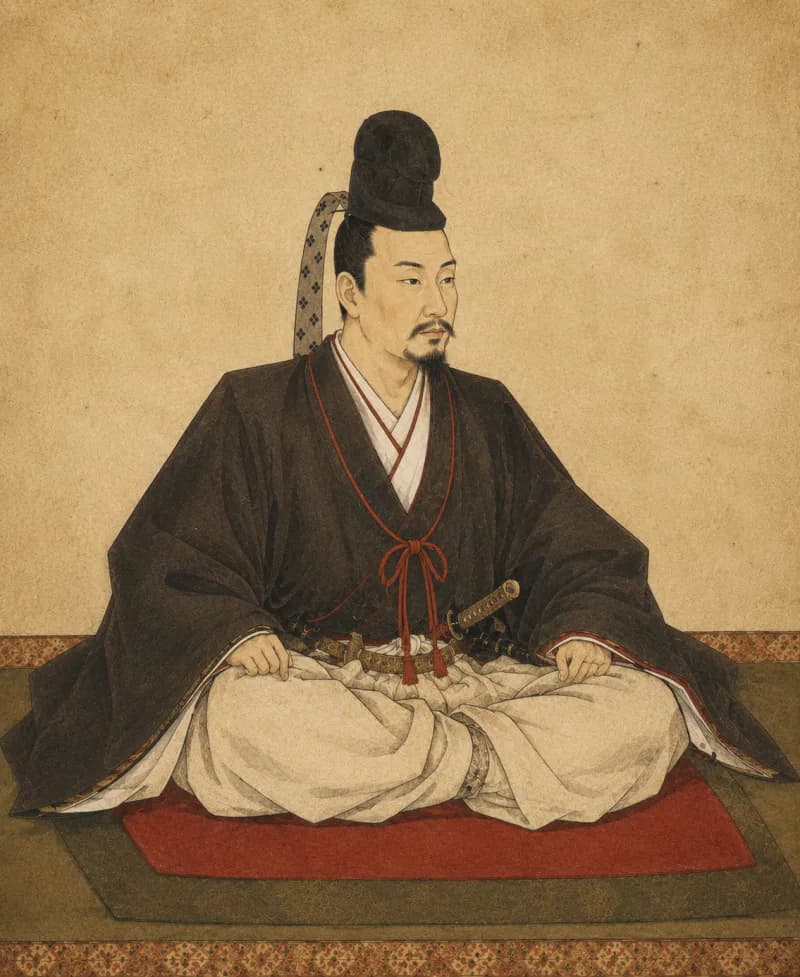
SA-0053 / JPN
Kiso Yoshinaka
The 'Rising-Sun Shogun' who broke the Taira at Kurikara Pass and reached Kyoto first