SUBJECT FILE NO. SA-0028
BUSHI ARCHIVE
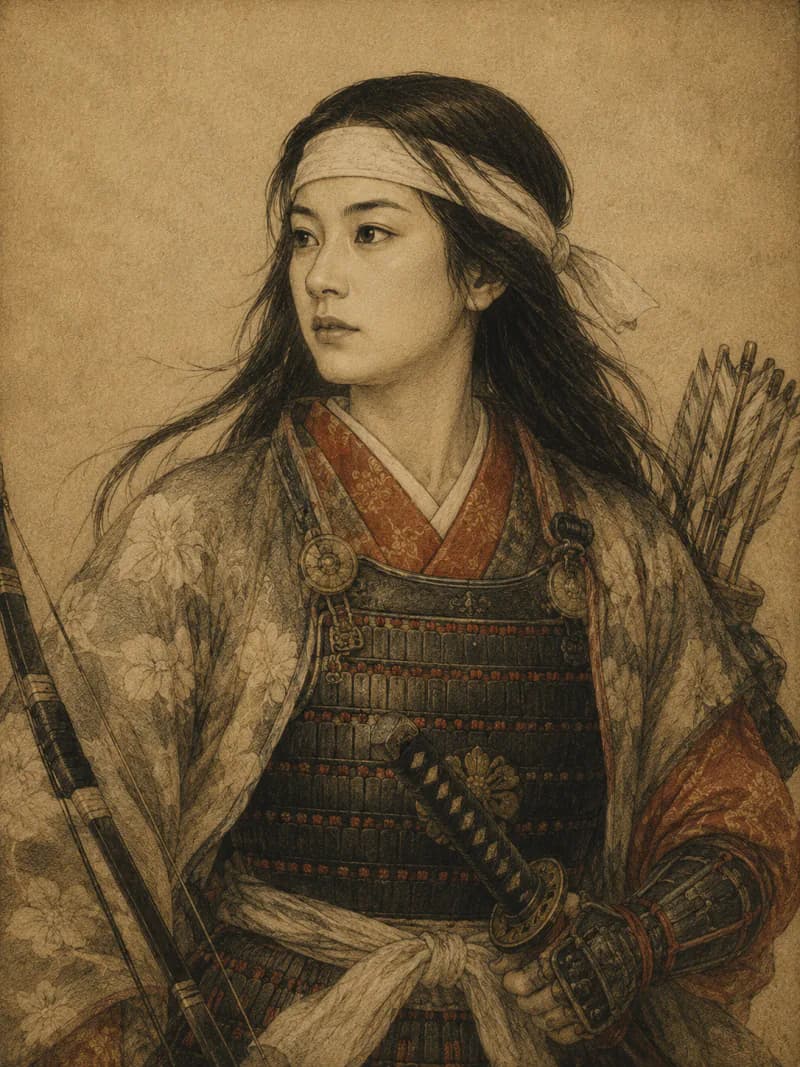
Tomoe Gozen
Tomoe Gozen
Female Warrior of the Minamoto Yoshinaka Force
SECTION I -- SUBJECT PROFILE
| Name | Tomoe Gozen |
|---|---|
| English | Tomoe Gozen |
| Origin | Japan |
| Lifespan | ca. 1157–? |
| Gender | Female |
| Century | 12th C. |
| Clan / Role | Swordsman |
| Title | Female Warrior of the Minamoto Yoshinaka Force |
SECTION II -- OVERVIEW
Tomoe Gozen appears in the Heike Monogatari as the most prominent female warrior of the Genpei War (1180–1185). She is described as the wife or concubine of Minamoto no Yoshinaka, Yoritomo's cousin and rival, and as a fighter who 'matched any man' in the field — a skilled archer, swordswoman, and rider who fought in the front ranks of Yoshinaka's army through his rise and fall.
The Heike's account of her last battle at Awazu in 1184 is particularly detailed: with Yoshinaka's army collapsing, he ordered her to leave him and survive, on the grounds that for a man to die with a woman beside him would be shameful.
She protested, then complied, and her last act in the chronicle is to ride into the enemy formation, behead a senior commander as a parting trophy, and vanish into the surviving narrative.
Her historical existence is disputed; she does not appear in contemporary records and may be a literary creation of the Heike.
What is not disputed is her cultural impact. She became the founding figure of the onna-musha (woman warrior) tradition in Japanese historical imagination, and the source of every later samurai-class woman who is remembered as a fighter.
SECTION III -- CHRONOLOGY
SECTION IV -- NOTABLE STATEMENTS
“Then watch this — a strong man's last work, before I obey you.”
SECTION V -- FIELD NOTES
[A]The Last Trophy
The Heike Monogatari's account of Awazu describes Tomoe charging the enemy ranks at her dying husband's order to 'go find a man worth your last fight,' choosing the senior Onda Hachirō, dragging him from his horse, and beheading him with a single stroke.
She then threw away her weapons and disappeared. The scene is one of the most famous in the chronicle, and the basis of nearly every subsequent depiction of the woman warrior in Japanese literature.
SECTION VI -- LEGACY & IMPACT
Tomoe is the founding archetype of the onna-musha — the woman warrior of the samurai class, a figure that recurs through Japanese literature in figures like Hangaku Gozen and the historical Tachibana Ginchiyo.
Whether she existed as described, was a partial creation of the Heike, or never existed at all is a debate still ongoing in Japanese medieval studies.
What is settled is the place she holds in the cultural imagination — the model against which every later representation of female samurai courage is measured.
SECTION VII -- MAJOR DEEDS
- [01]Service in the Genpei War (1180–1184)
- [02]Final battle at Awazu (1184)
- [03]Subject of the Heike Monogatari book 9
- [04]Origin of the onna-musha tradition
SECTION VIII -- REFERENCE MATERIALS
PRIMARY SOURCES & ARCHIVES
- PRIMARY
The Tale of the Heike (Heike Monogatari)
Kamakura-period epic; principal classical source for Tomoe Gozen and Kiso Yoshinaka
- SCHOLARSHIP
Stripping the Genpei War of Its Mythologies
Kawai Yasushi / Kōdansha Gakujutsu Bunko
Standard medievalist work re-examining Genpei-era imagery (in Japanese)
- ARCHIVE
Gichū-ji
Ōtsu City
Temple associated with Kiso Yoshinaka and Tomoe Gozen, holds related artifacts
Visit archive →
RECOMMENDED READING
SECTION X -- RELATED REPORTS
SA-RPT
The Woman Who May Not Have Existed: Tomoe Gozen and the Onna-musha Tradition
Tomoe Gozen appears in the Heike Monogatari as the most famous female warrior of the Genpei War. She does not appear in any contemporary record. Whether she existed at all is a question Japanese medieval historians cannot definitively answer — but the tradition she founded is undeniably real.
SA-RPT
From the Mountains of Kiso: Whose Child Did Yoshinaka Grow Up As?
In 1155, the two-year-old Komaōmaru lost his father. The boy raised in Kiso Valley in Shinano Province rose in response to Prince Mochihito's call to arms at twenty-six. Tracing the prehistory of the man who became the first true battlefield victor over the Taira.
SA-RPT
The Uji River, and Awazu: Why Was Yoshinaka Cast as Court Enemy Half a Year After Entering the Capital?
In the seventh month of 1183, Yoshinaka entered Kyoto and was appointed Barbarian-Subduing Shogun. But half a year later he was killed as a court enemy by the Kamakura army. What happened in the capital? A record of the half-year of mismanagement from the entry to Kyoto to the death at Awazu.
SECTION IX -- LINKED SUBJECTS
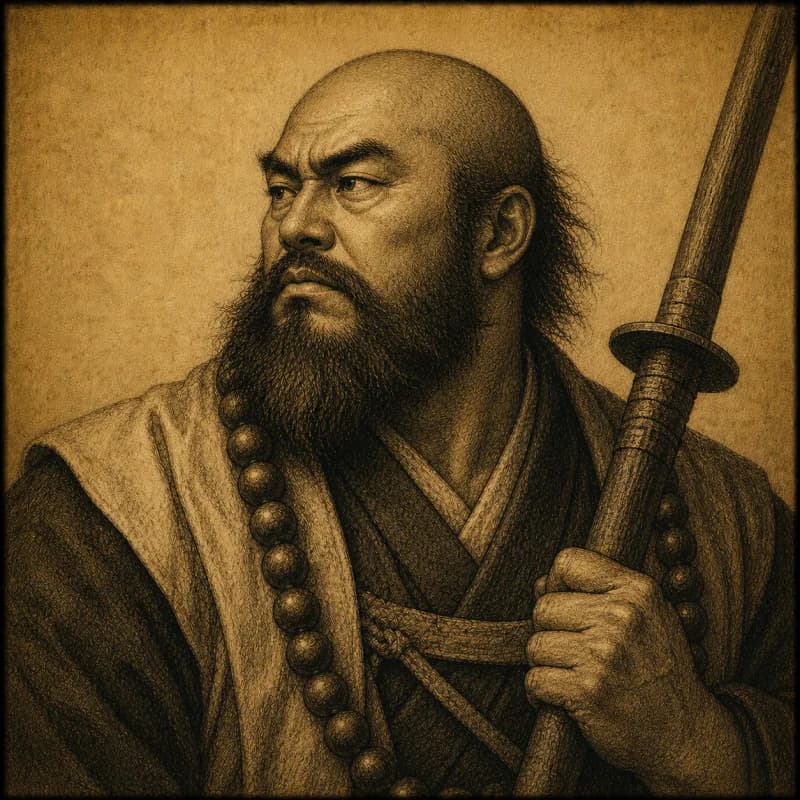
SA-0015 / JPN
Musashibō Benkei
The warrior monk whose loyalty became Japan's most quoted legend
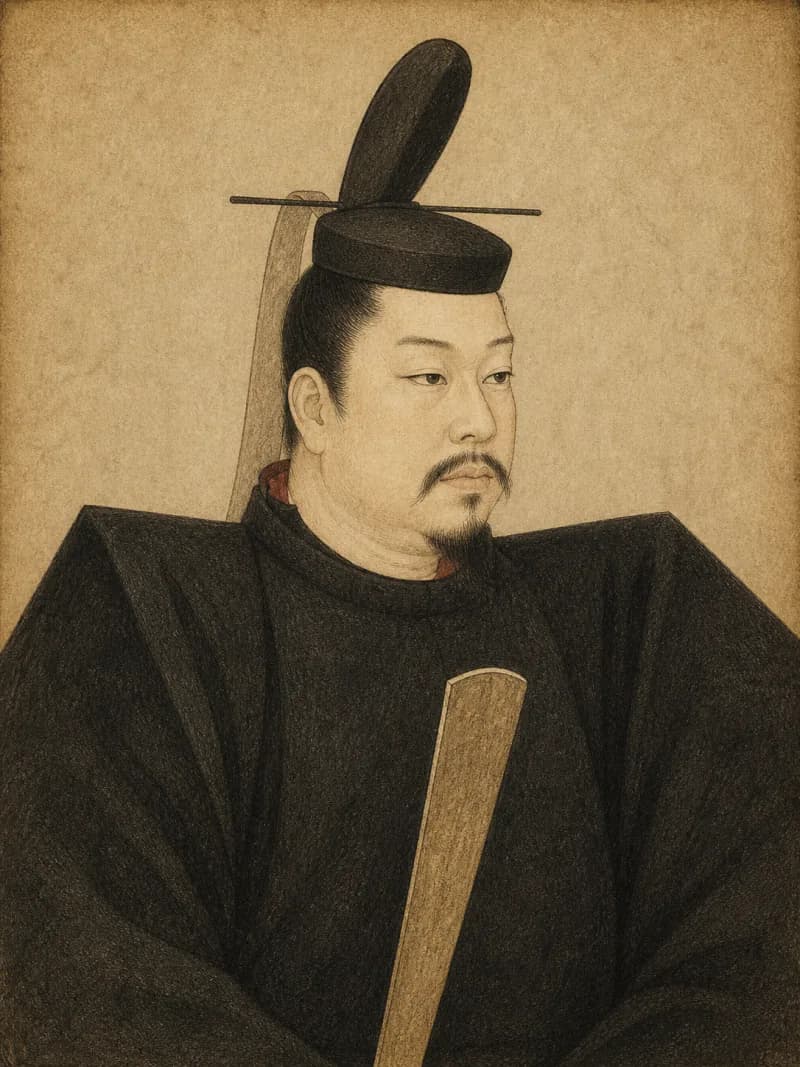
SA-0023 / JPN
Minamoto no Yoritomo
The founding shogun who built warrior government as a system that lasted six and a half centuries
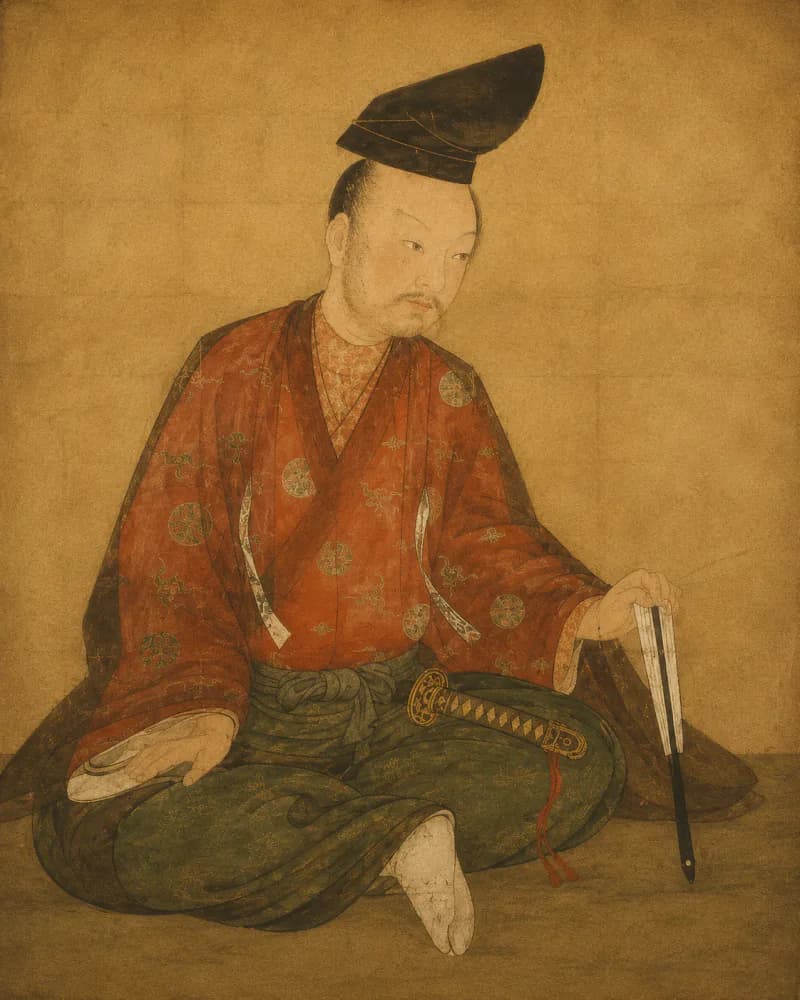
SA-0051 / JPN
Minamoto no Yoshitsune
The Genji general who destroyed the Taira at Dannoura, then was killed by his own brother Yoritomo
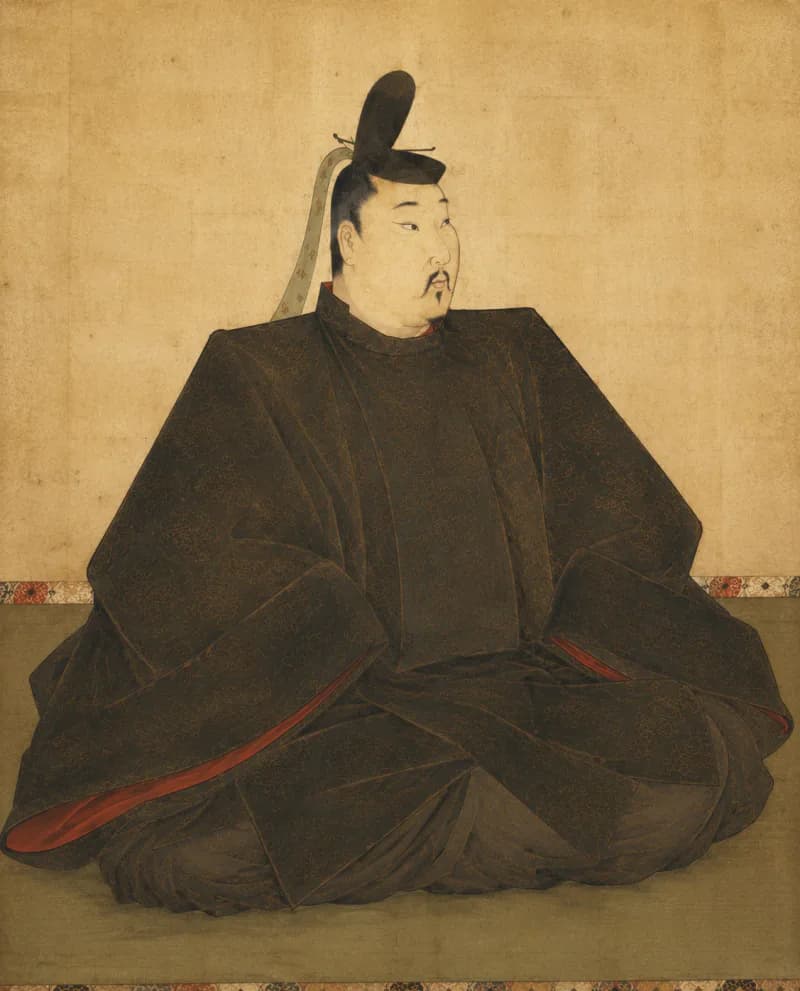
SA-0052 / JPN
Taira no Kiyomori
The first warrior to become Chancellor of the Realm, who built the Taira ascendancy and laid the ground for warrior government
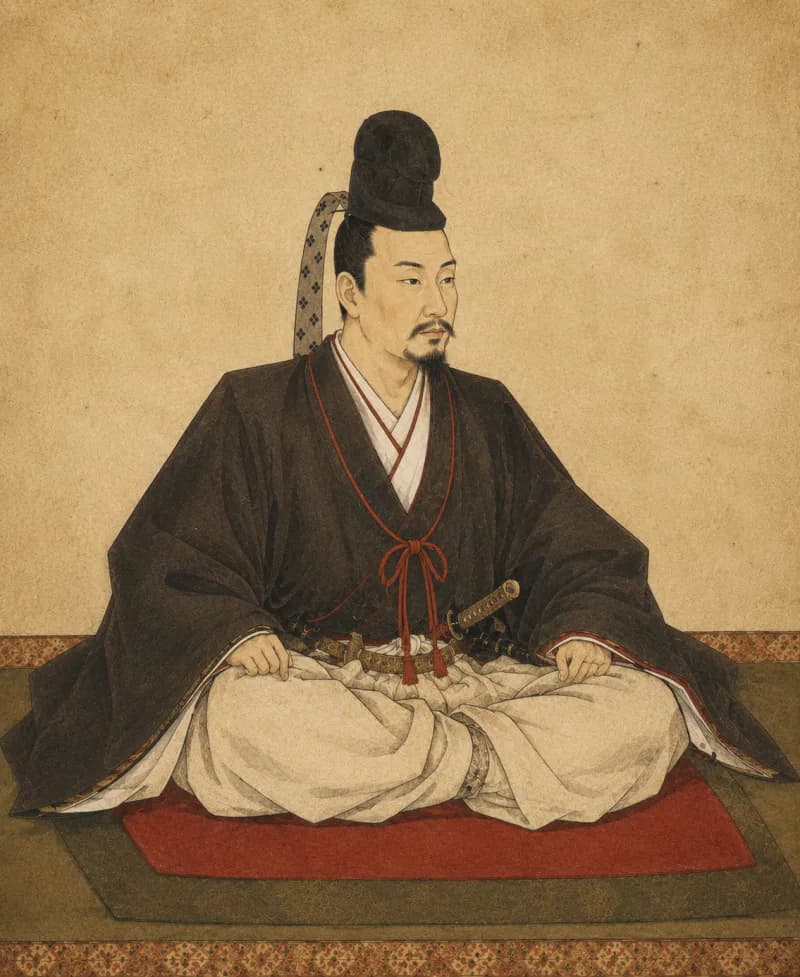
SA-0053 / JPN
Kiso Yoshinaka
The 'Rising-Sun Shogun' who broke the Taira at Kurikara Pass and reached Kyoto first