SUBJECT FILE NO. SA-0070
BUSHI ARCHIVE
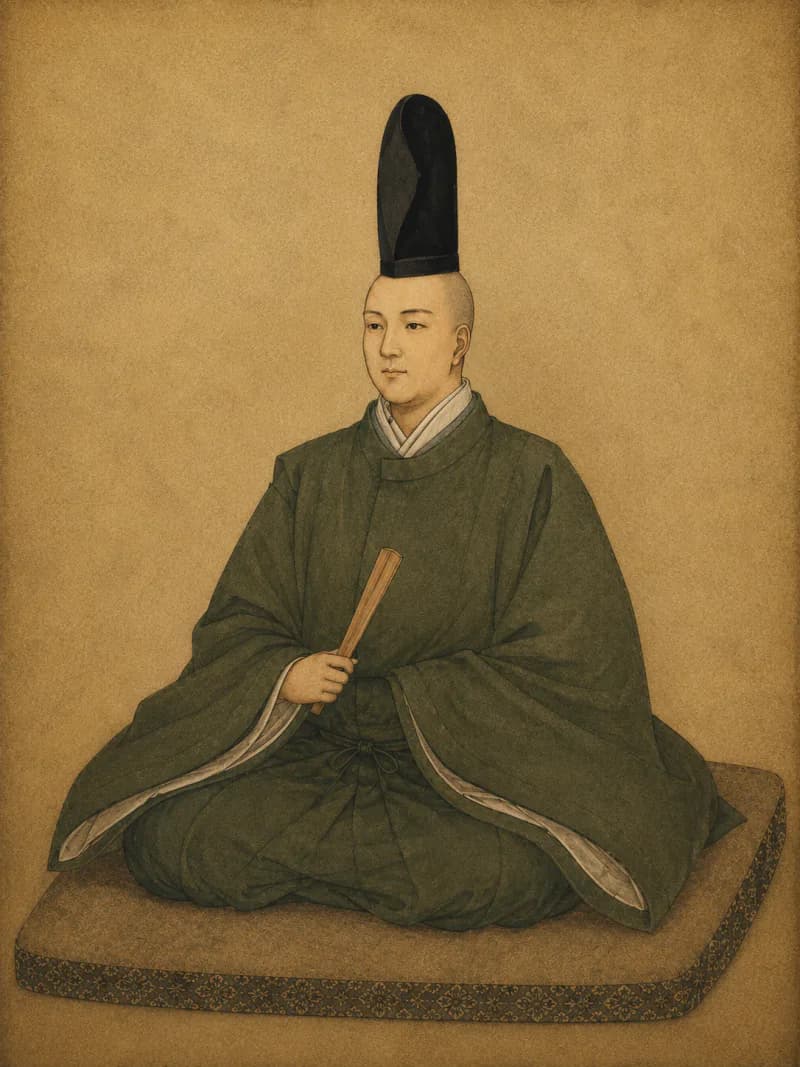
Hōjō Tokimasa
Hōjō Tokimasa
First shikken of the Kamakura shogunate
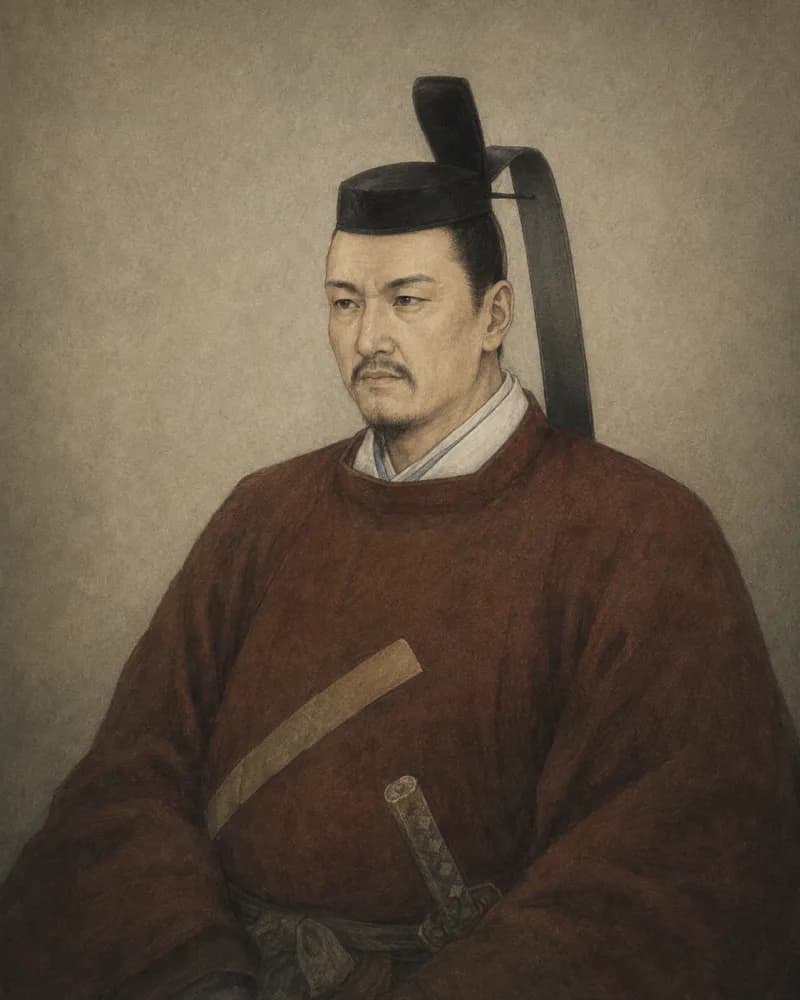
SECTION I -- SUBJECT PROFILE
| Name | Hōjō Tokimasa |
|---|---|
| English | Hōjō Tokimasa |
| Origin | Japan |
| Lifespan | 1138–1215 |
| Gender | Male |
| Century | 12th C. |
| Clan / Role | Samurai |
| Title | First shikken of the Kamakura shogunate |
SECTION II -- OVERVIEW
Born in 1138 (Hōen 4) as the son of the local Izu warrior Hōjō Tokikata. At the time, the Hōjō house was no more than one of the small and mid-sized warrior bodies of Izu.
In 1160 (Eiryaku 1), he took on the role of monitor for Minamoto no Yoritomo (this site's id 23), who had been exiled to Izu after the Heiji Rebellion.
Around 1177, the secret marriage of Tokimasa's eldest daughter Masako (this site's id 24) and Yoritomo was concluded, and from then on Tokimasa, as Yoritomo's father-in-law, was positioned at the center of the founding process of the Kamakura shogunate.
He joined Yoritomo's uprising of August 1180, and thereafter was involved as a principal warrior in the pacification of the eastern land, the pursuit of the Taira, and the subjugation of the Ōshū Fujiwara.
After Yoritomo's death in 1199, he became the position of assisting the second shōgun Yoriie (Tokimasa's grandson). In 1203, Tokimasa removed Yoriie, raised up the third shōgun Sanetomo, and took the office of Mandokoro Bettō (the origin of the later 'shikken' office) himself, seizing the substantive power of the Kamakura shogunate.
The beginning of the Hōjō regency (shikken) politics. In 1205, together with his second wife Maki-no-kata, he plotted to raise Hiraga Tomomasa as shōgun (the Maki-shi Incident), but failed, fell from power, and retired to Izu.
He died at Hōjō in Izu Province in 1215 (Kenpō 3). He was seventy-eight. He built the foundation for the nine-generation Hōjō regency politics that followed.
SECTION III -- CHRONOLOGY
SECTION IV -- NOTABLE STATEMENTS
“Warriors should conduct warrior government. To stand under the wind of the court nobles is the shame of the house.”
SECTION V -- FIELD NOTES
[A]Masako and Yoritomo's Marriage — the Fork in Tokimasa's Fate
Around 1177, Tokimasa's eldest daughter Masako (then around twenty-one) and the monitor-subject Minamoto no Yoritomo (around thirty-one) secretly married.
The Azuma Kagami transmits that Tokimasa flew into rage and tried to marry Masako off to a different warrior.
But Masako, against her father's intent, ran to Yoritomo and made a fait accompli. Tokimasa finally accepted the marriage, and thereafter took the position of Yoritomo's father-in-law supporting the founding process of the Kamakura shogunate.
Had this marriage not happened, the Hōjō house — no more than one small Izu warrior lineage — could not have positioned itself at the center of the Kamakura shogunate.
A rare case in Japanese political history in which a daughter Masako's judgment overrode Tokimasa's personal will and moved the course of the state.
SECTION VI -- LEGACY & IMPACT
Tokimasa is one of the substantive designers of the Kamakura shogunate and an important figure in the history of Japanese warrior government.
The 1203 removal of Yoriie, raising of Sanetomo, and taking of the Mandokoro Bettō office became the origin of the 'shikken politics' that would continue for over eight hundred years thereafter — the double structure in which the shikken held real power while formally serving under the shōgun.
Tokimasa himself fell from power in the Maki-shi Incident of 1205, but the next generation Yoshitoki (Tokimasa's son) stabilized the system, and thereafter the nine-generation Hōjō shikken would operate the Kamakura shogunate.
Within the relationship with Yoritomo, the principal figures of the Hōjō — Masako, Yoshitoki, Yasutoki, Tokiyori, Tokimune (this site's id 29) — were produced.
From a small local lineage of Izu to the center of the political power of Japan — Tokimasa's life is the starting point of this leap.
Ganjōju-in in Izunokuni City, Shizuoka Prefecture, was built by Tokimasa, and Tokimasa's grave remains on its grounds.
SECTION VII -- MAJOR DEEDS
- [01]Izu monitor of Minamoto no Yoritomo (1160-1180)
- [02]Participation in Yoritomo's uprising and the founding of the Kamakura shogunate
- [03]Removal of Yoriie and raising of Sanetomo (1203)
- [04]Assumption of the Mandokoro Bettō office (first shikken, 1203)
- [05]Foundation of the Hōjō shikken politics
SECTION VIII -- REFERENCE MATERIALS
PRIMARY SOURCES & ARCHIVES
- PRIMARY
Azuma Kagami
Compiled by the Kamakura shogunate
Basic primary source recording political conditions of the Tokimasa era chronologically
- SCHOLARSHIP
Hōjō Tokimasa and Hōjō Masako
Noguchi Minoru / Yamakawa Shuppansha
Standard modern study of Tokimasa
- ARCHIVE
Ganjōju-in
Izunokuni City, Shizuoka Prefecture
Temple built by Tokimasa; includes Tokimasa's grave
Visit archive →
RECOMMENDED READING
SECTION X -- RELATED REPORTS
SA-RPT
From Monitor to Father-in-Law: The Twenty Years of Tokimasa and Yoritomo
Hōjō Tokimasa, who took the role of monitor to Minamoto no Yoritomo exiled to Izu in 1160, was, twenty years later, Yoritomo's father-in-law and at the center of the founding of the Kamakura shogunate. Tracing the family fate that his daughter Masako's secret marriage moved.
SA-RPT
In 1203, How Tokimasa Made Shikken Politics
In 1203, Tokimasa removed the second shōgun Yoriie (his own grandson), raised up the third shōgun Sanetomo, and took the office of Mandokoro Bettō. The origin of the 'shikken politics' that would continue for eight hundred years — the double structure of the shikken holding real power while formally serving under the shōgun.
SA-RPT
The Maki-shi Incident: In 1205, Tokimasa Fell From the Peak of Power
In the leap seventh month of 1205, Tokimasa, together with his second wife Maki-no-kata, plotted to raise Hiraga Tomomasa as shōgun. But by the counter-attack of his daughter Masako and son Yoshitoki, he failed, fell from power, and retired to Izu. A sudden fall from the peak of power.
SA-RPT
Succession as Shikken: How Hōjō Yoshitoki Took the Power of Kamakura by Banishing His Father, 1205
In 1205, having brought down his father Tokimasa in the Maki-shi Incident, Hōjō Yoshitoki succeeded, together with his sister Masako, to the substantive power of the Kamakura shogunate. The severe choice of seizing power by banishing his father opened the second stage of Hōjō regency politics.
SECTION IX -- LINKED SUBJECTS
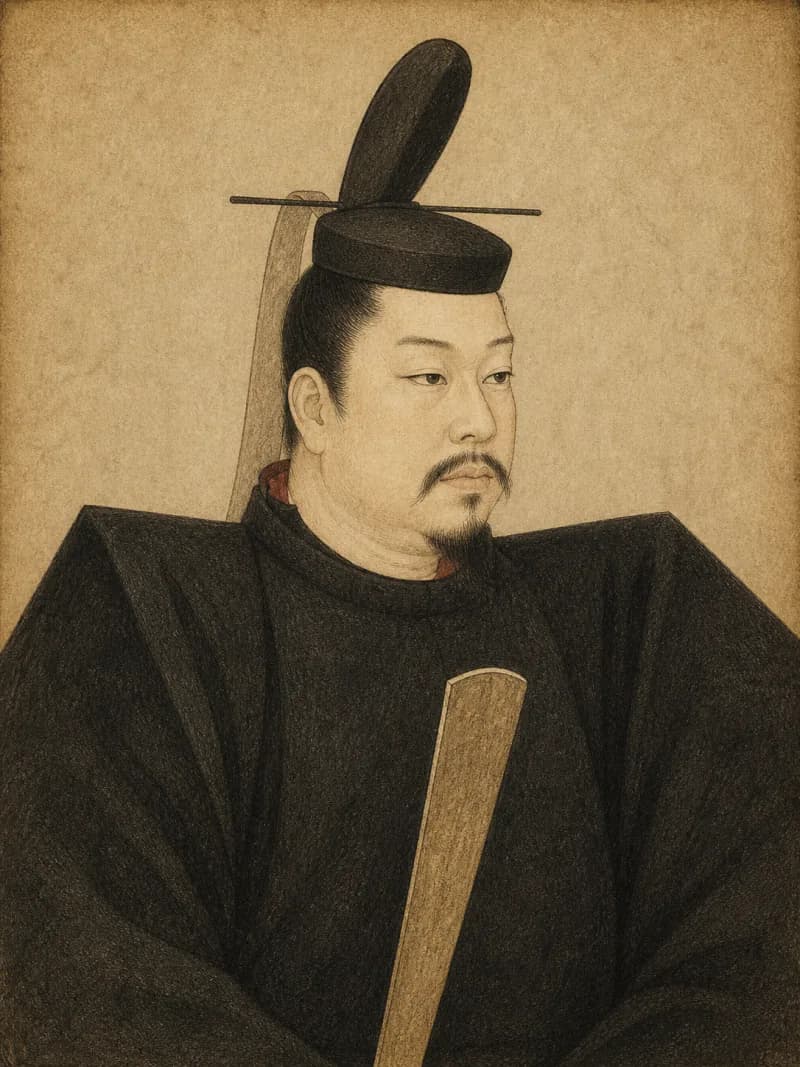
SA-0023 / JPN
Minamoto no Yoritomo
The founding shogun who built warrior government as a system that lasted six and a half centuries
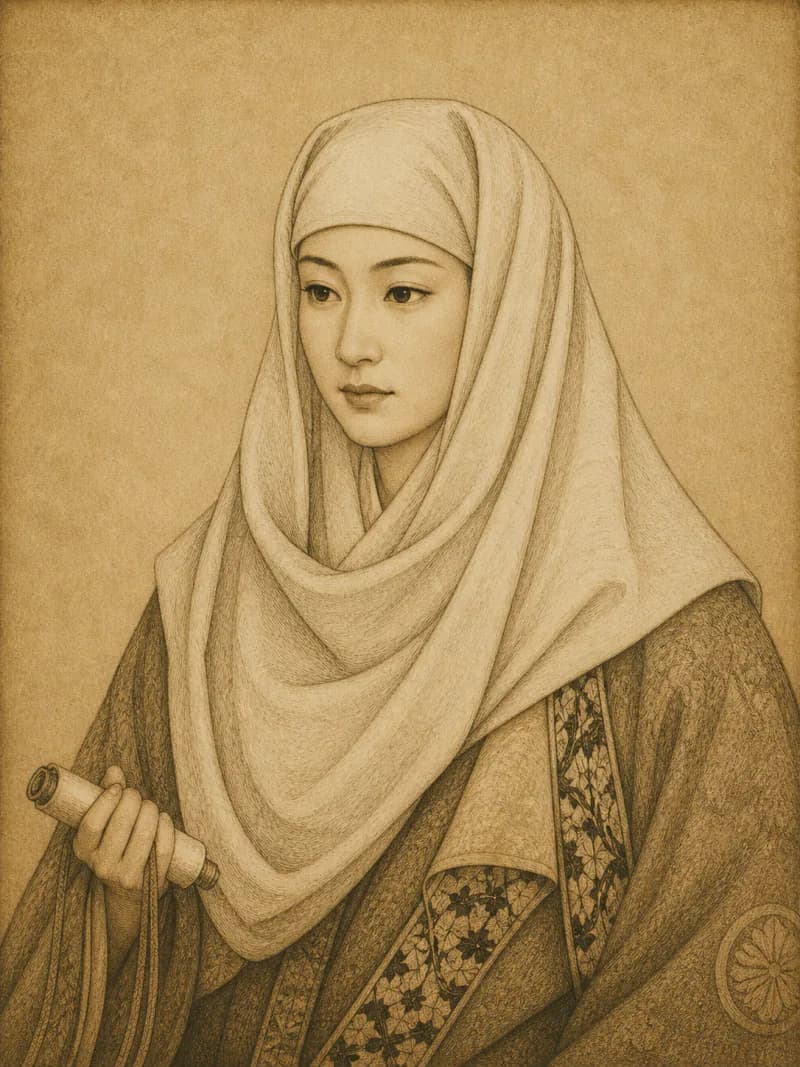
SA-0024 / JPN
Hōjō Masako
The widow who became the first real ruler of the Kamakura Bakufu
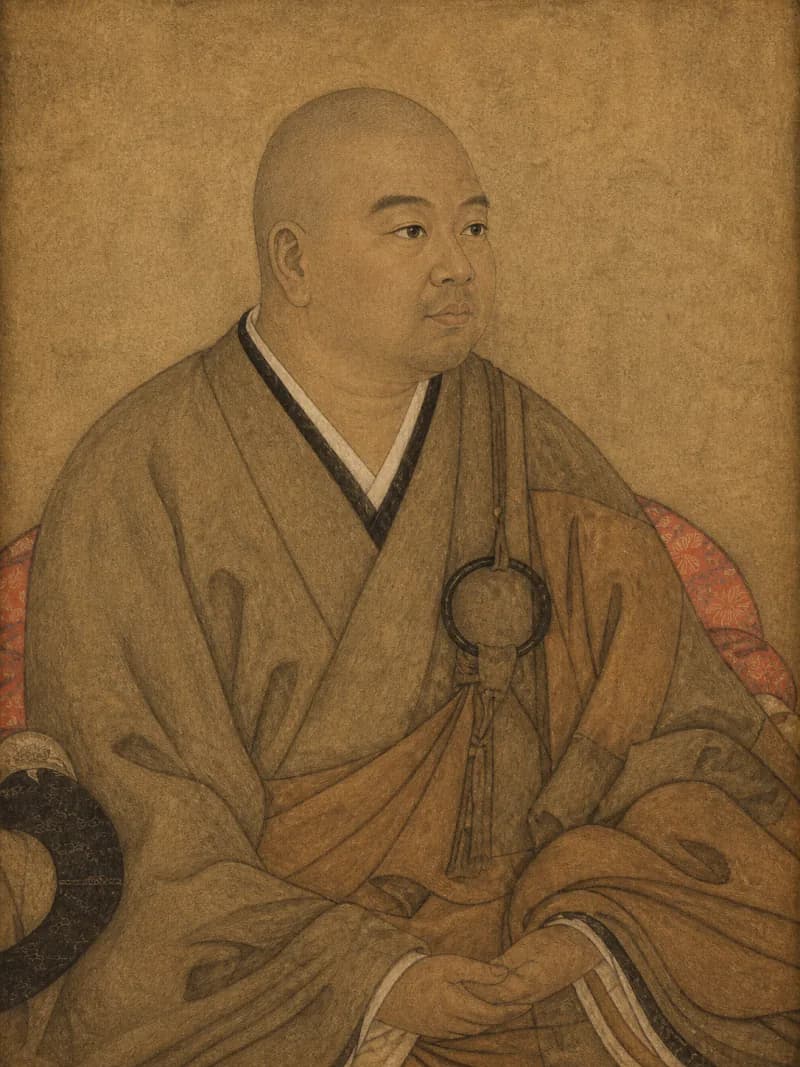
SA-0029 / JPN
Hōjō Tokimune
The young regent who held off the Mongols twice — and broke the Kamakura Bakufu doing it
SA-0058 / JPN
Hōjō Tokiyori
The fifth shikken of the Kamakura shogunate, who established tokusō politics and planted Zen in Kamakura
SA-0073 / JPN
Hōjō Yoshitoki
The second shikken of the Kamakura shogunate, who defeated the imperial court in the Jōkyū War and decided the supremacy of warrior government