SUBJECT FILE NO. SA-0058
BUSHI ARCHIVE
Hōjō Tokiyori
Hōjō Tokiyori
Fifth shikken (regent) of the Kamakura shogunate
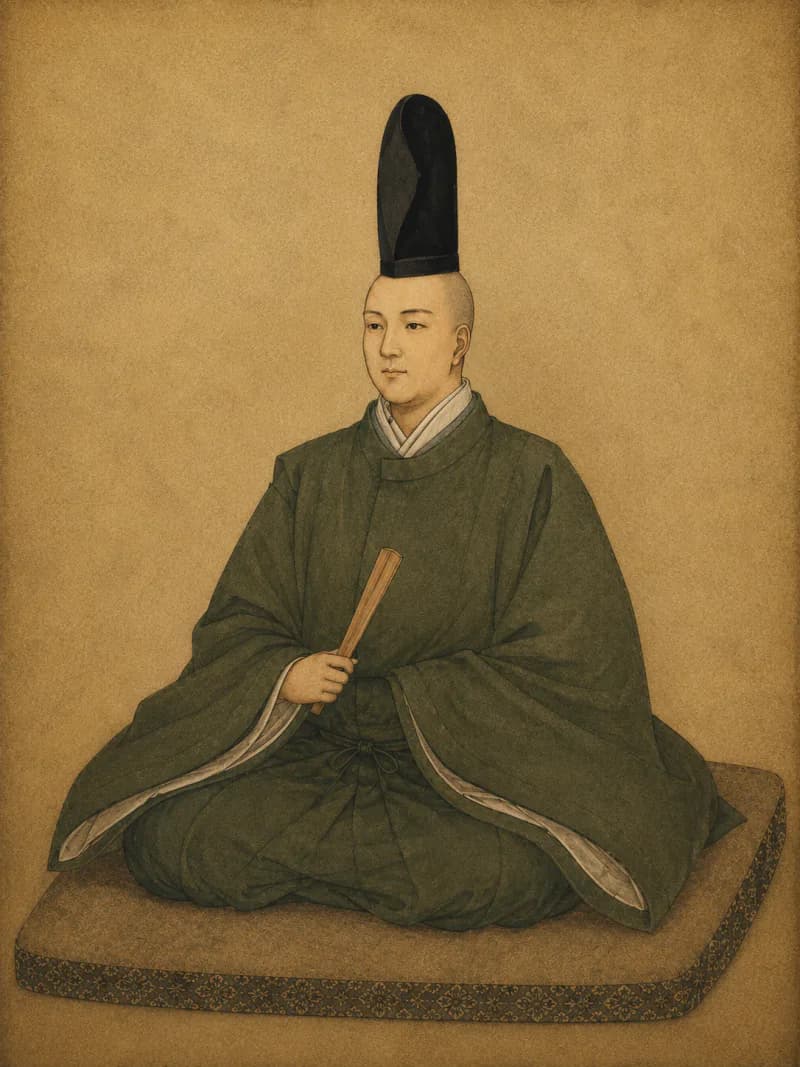
SECTION I -- SUBJECT PROFILE
| Name | Hōjō Tokiyori |
|---|---|
| English | Hōjō Tokiyori |
| Origin | Japan |
| Lifespan | 1227–1263 |
| Gender | Male |
| Century | 13th C. |
| Clan / Role | Samurai |
| Title | Fifth shikken (regent) of the Kamakura shogunate |
SECTION II -- OVERVIEW
Born in 1227 (Antei 1) as the son of Hōjō Tokiuji. His grandfather was the third shikken Hōjō Yasutoki; his father Tokiuji died young.
In 1246 (Kangen 4), at twenty, he succeeded the fourth shikken Hōjō Tsunetoki as the fifth shikken. In the same year he sent the former shōgun Fujiwara no Yoritsune back to Kyoto, and in 1247 (Hōji 1) destroyed the powerful gokenin Miura Yasumura at the Hōji Battle.
He established the 'tokusō politics' — the concentration of power in the Hōjō main line, the tokusō house. In 1252, Tokiyori received Prince Munetaka of the imperial house in Kamakura as the first imperial shōgun, clarifying the division of roles between the shogunate and the tokusō.
In 1256, at thirty, he resigned the shikken office and took the tonsure, taking the Buddhist name Dōsō. He continued to hold real political power thereafter.
He protected Zen Buddhism and built Kenchō-ji in Kamakura (founded 1253), inviting Song monks including Rankei Dōryū. He died in 1263 (Kōchō 3) aged thirty-seven.
His son became the eighth shikken Hōjō Tokimune (this site's id 29), who would meet the Mongol invasions.
SECTION III -- CHRONOLOGY
SECTION IV -- NOTABLE STATEMENTS
“Without hearing the grief of the people, one should not conduct government.”
SECTION V -- FIELD NOTES
[A]The Hachi-no-ki Tradition
The Muromachi-period nō play 'Hachi-no-ki' (The Potted Trees) transmits the story that Tokiyori, disguised as a traveling monk making the rounds of the provinces, sought a night's lodging at the poor house of the former warrior Sano no Genzaemon Tsuneyo at Sano in Kōzuke Province, and that Tsuneyo burned his prized potted trees as firewood to receive him in the cold.
Later, Tsuneyo was summoned to Kamakura, had his former lands returned by Tokiyori, and was granted new holdings — such is the skeleton of the tale.
The 'Tokiyori Provincial Circuit Tradition' itself, that Tokiyori personally toured the provinces to observe the people's condition, is a tradition developed in the Edo period, with thin documentary support.
But that Tokiyori was concerned with popular administration and adopted policies to relieve gokenin hardship is itself corroborated in multiple contemporary sources.
SECTION VI -- LEGACY & IMPACT
The tokusō politics established in Tokiyori's era defined the governance structure of the Kamakura shogunate thereafter, and became the foundation for his son Tokimune's (this site's id 29) response to the Mongol invasions.
Tokiyori's protection of Zen Buddhism was a watershed in the history of Japanese Zen, laying the foundation for the Kamakura Five Mountains system.
Kenchō-ji still stands as the head temple of the Rinzai-shū Kenchō-ji-ha. The Tokiyori Provincial Circuit tradition, represented by 'Hachi-no-ki,' was widely received by later generations of Japanese as the ideal of 'a ruler who sees the life of the people,' and has been transmitted from Muromachi nō plays through Edo-period kabuki to modern textbooks.
He became a rare figure in whom the historical Tokiyori and the legendary Tokiyori coexist.
SECTION VII -- MAJOR DEEDS
- [01]Becomes fifth shikken (1246)
- [02]Hōji Battle (1247)
- [03]Establishment of the imperial shōgun system (1252)
- [04]Founding of Kenchō-ji (1253)
- [05]Establishment of tokusō politics
SECTION VIII -- REFERENCE MATERIALS
PRIMARY SOURCES & ARCHIVES
- PRIMARY
Azuma Kagami
Compiled by the Kamakura shogunate
Basic primary source recording political conditions of the Tokiyori era chronologically
- SCHOLARSHIP
Hōjō Tokiyori
Takahashi Shin'ichirō / Yoshikawa Kōbunkan (Jinbutsu Sōsho)
Standard modern biography of Tokiyori
- ARCHIVE
Kenchō-ji
Kamakura City, Kanagawa Prefecture
Founded by Tokiyori; head temple of the Rinzai-shū Kenchō-ji-ha
Visit archive →
RECOMMENDED READING
SECTION X -- RELATED REPORTS
SA-RPT
The Hōji Battle: How Tokiyori Destroyed the Miura Clan
On June 5, 1247, at Kamakura. The clan of the powerful gokenin Miura Yasumura was surprised by Tokiyori, holed up in the Hōkke-dō, and five hundred took their own lives. Tracing the single day in which the twenty-one-year-old shikken completed the concentration of Hōjō power.
SA-RPT
The Founding of Kenchō-ji: The Zen Tokiyori Planted in Kamakura
In 1253, Tokiyori opened Japan's first full-fledged Zen temple, Kenchō-ji, in Kamakura. Tracing the beginning of a temple with Rankei Dōryū of Song China as founding abbot, which would become the center of Japanese Zen from then on.
SA-RPT
Hachi-no-ki: How the Tokiyori Provincial Circuit Legend Was Born
The Muromachi nō play 'Hachi-no-ki' transmits that Tokiyori in the guise of a traveling monk sought a night's lodging at Sano Tsuneyo's house in Sano in Kōzuke, and that Tsuneyo burned his prized potted trees as firewood. Tracing the relation between historical fact and legend, and why the ideal of 'a ruler who sees the people' was projected onto Tokiyori.
SECTION IX -- LINKED SUBJECTS
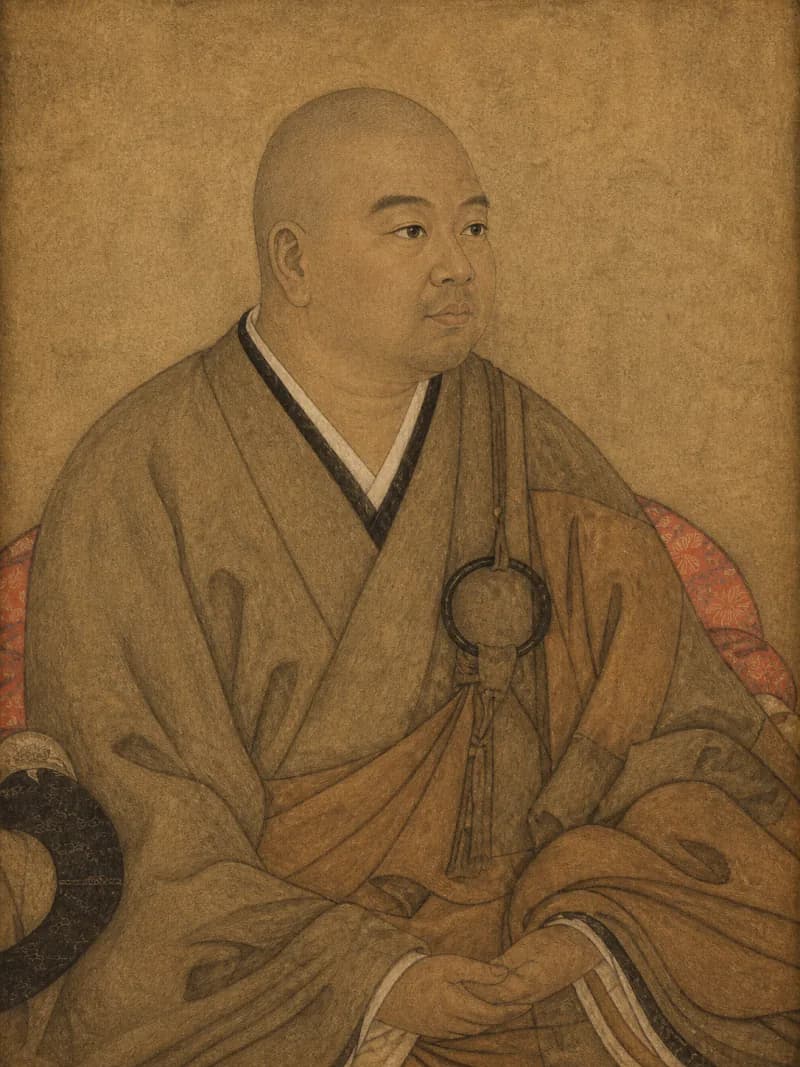
SA-0029 / JPN
Hōjō Tokimune
The young regent who held off the Mongols twice — and broke the Kamakura Bakufu doing it
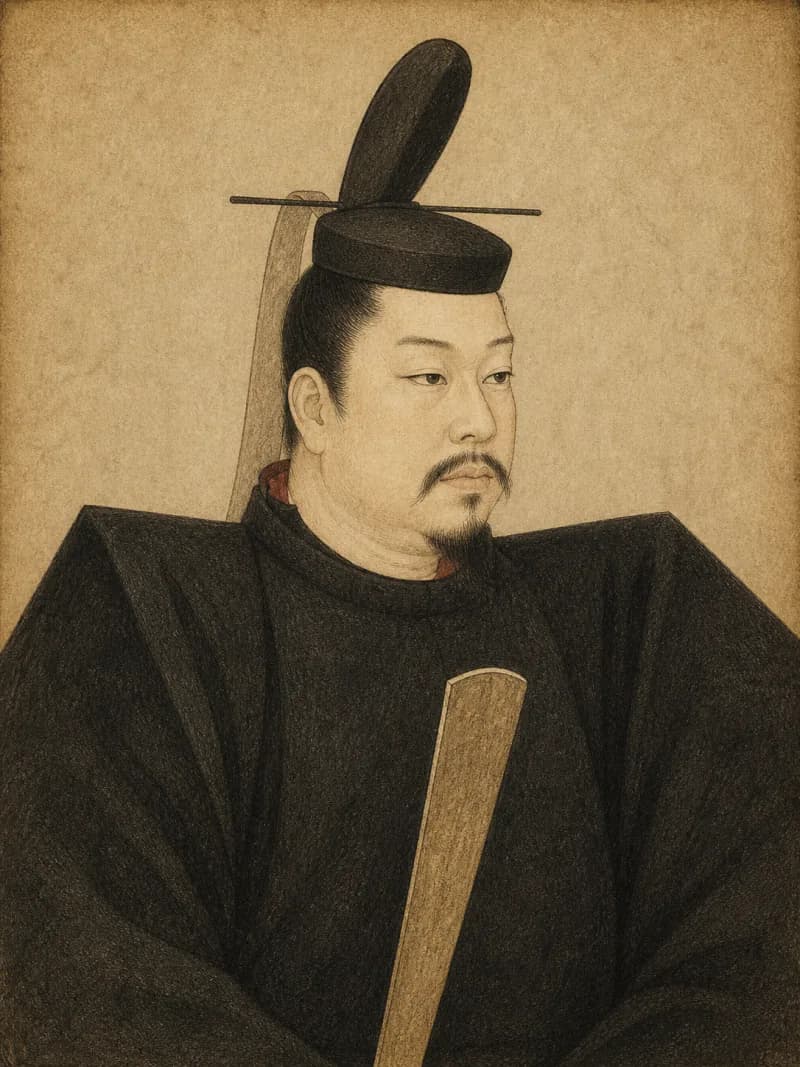
SA-0023 / JPN
Minamoto no Yoritomo
The founding shogun who built warrior government as a system that lasted six and a half centuries
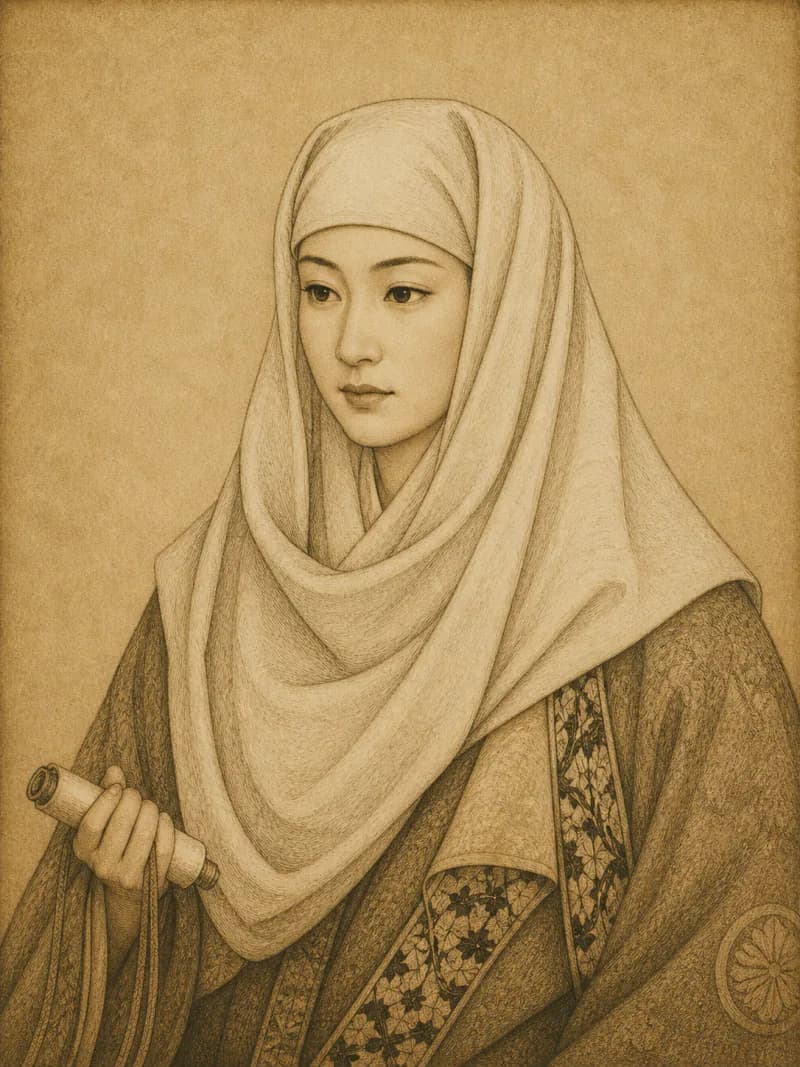
SA-0024 / JPN
Hōjō Masako
The widow who became the first real ruler of the Kamakura Bakufu
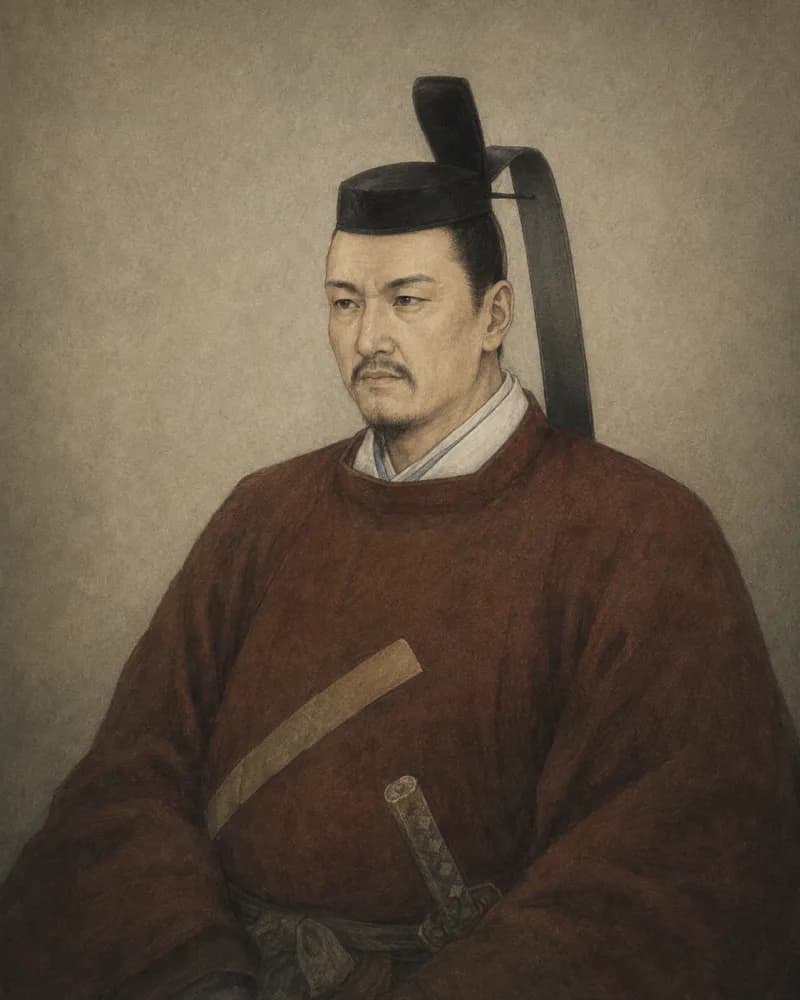
SA-0070 / JPN
Hōjō Tokimasa
Founder of the Hōjō, father-in-law of Yoritomo who supported the founding of the Kamakura shogunate and became the first shikken
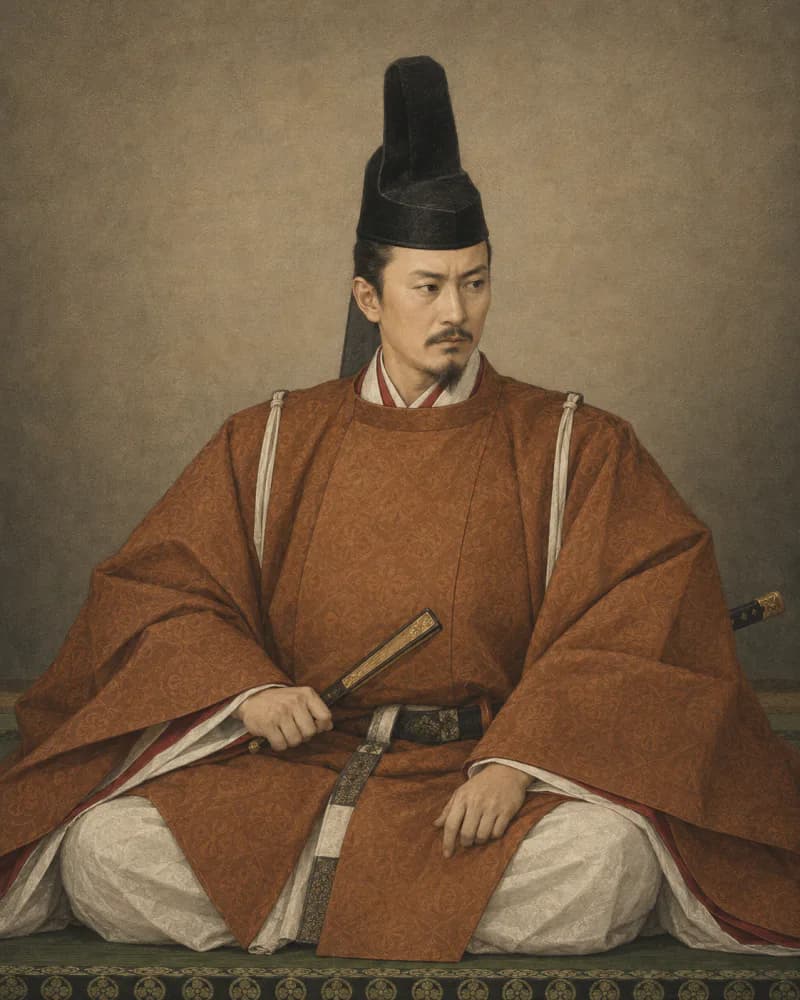
SA-0073 / JPN
Hōjō Yoshitoki
The second shikken of the Kamakura shogunate, who defeated the imperial court in the Jōkyū War and decided the supremacy of warrior government
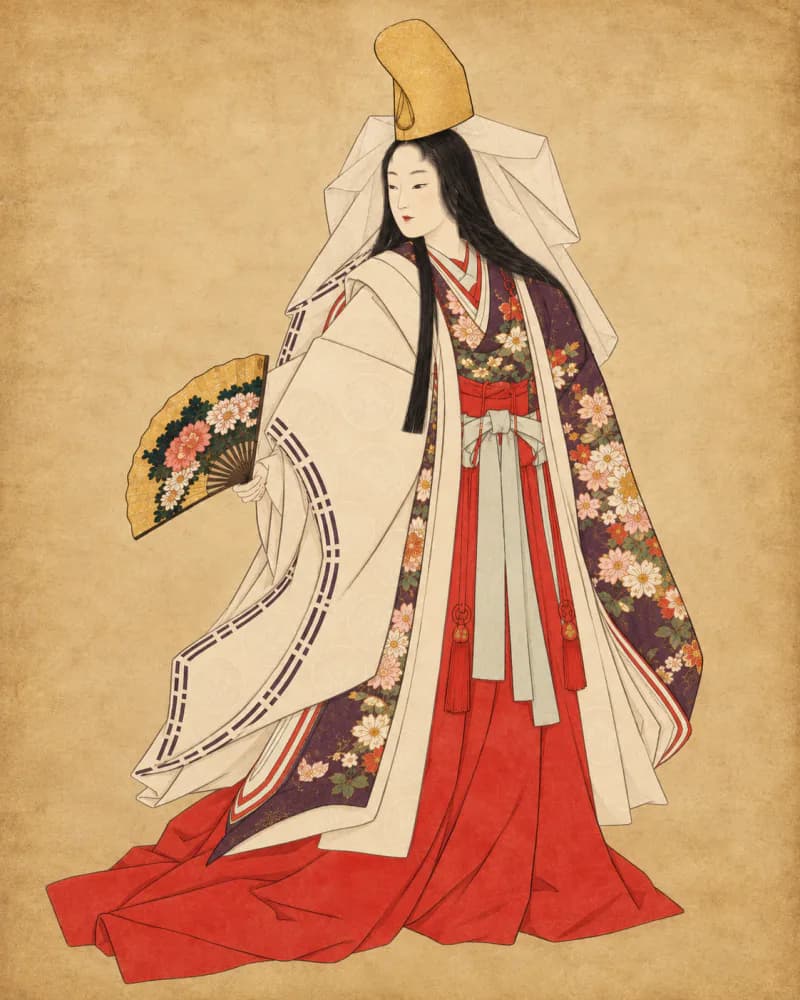
SA-0077 / JPN
Shizuka Gozen
The finest shirabyōshi of the capital, beloved of Minamoto no Yoshitsune, the tragic woman who danced her longing for Yoshitsune before Yoritomo at Tsurugaoka Hachimangū