SUBJECT FILE NO. SA-0077
BUSHI ARCHIVE
Shizuka Gozen
Shizuka Gozen
Shirabyōshi; beloved of Minamoto no Yoshitsune
SECTION I -- SUBJECT PROFILE
| Name | Shizuka Gozen |
|---|---|
| English | Shizuka Gozen |
| Origin | Japan |
| Lifespan | 1165?–1211? |
| Gender | Female |
| Century | 12th C. |
| Clan / Role | 白拍子 |
| Title | Shirabyōshi; beloved of Minamoto no Yoshitsune |
SECTION II -- OVERVIEW
Her years of birth and death are not clear. She is said to have been born in the latter half of the twelfth century as the daughter of the shirabyōshi Iso no Zenji.
A shirabyōshi was a female performer who sang and danced imayō in men's dress. Shizuka inherited her mother's calling and became a dancer renowned throughout the capital, and from that fame she was noticed and made a beloved consort by Minamoto no Yoshitsune (this site's id 51).
In 1185 (Bunji 1), Yoshitsune, who had destroyed the Taira at Dannoura, broke with his brother Yoritomo (this site's id 23), became a hunted man, and fled the capital.
Shizuka followed him, but in the first month of 1186 she parted from Yoshitsune on Mt. Yoshino, which was forbidden to women.
This became their parting for life. Robbed of her valuables by an attendant in the mountains and captured, Shizuka was sent to Kamakura.
That year, when she offered a dance at Tsurugaoka Hachimangū at the request of Yoritomo and Masako (this site's id 24), Shizuka danced songs of longing for the hunted Yoshitsune and enraged Yoritomo.
But through Masako's mediation her life was spared. Shizuka was carrying Yoshitsune's child, and gave birth to a boy in Kamakura, but the child was sunk at Yuigahama by Yoritomo's order.
Having lost in succession the man she loved and her own child, Shizuka was sent back to the capital with her mother, the Azuma Kagami records.
Of her later fate there is no certain record, and legends and graves connected to Shizuka remain in various places.
SECTION III -- CHRONOLOGY
SECTION IV -- NOTABLE STATEMENTS
“At Yoshino they took him from me; on this shore, my child. All that is left to me now is to dance.”
SECTION V -- FIELD NOTES
[A]Shizu ya Shizu — The Devotion She Held Before Her Enemy
In 1186, in Kamakura. The captive Shizuka was ordered to offer a dance at Tsurugaoka Hachimangū before Yoritomo and Masako.
In the humiliation of being told to dance in the very midst of enemy territory while carrying the child of the hunted Yoshitsune, Shizuka deliberately chose songs of longing for Yoshitsune.
'Shizu ya shizu, shizu no odamaki, kurikaeshi — if only I could make the past into the present once more.
' She went on, 'Treading apart the white snow of the peaks of Mt. Yoshino, I long for the trace of the one who went in' — longing for Yoshitsune, who had vanished into the snowy peaks.
Before the very face of the enemy's commander, she sang, openly, of her longing for another man. Yoritomo was enraged, but his wife Masako defended her, saying, 'Were I in her place, I too would sing the same song,' and Shizuka's life was saved.
The dancing woman and the defending woman. At the very center of Kamakura's power, one woman's devotion was saved by another woman's compassion.
SECTION VI -- LEGACY & IMPACT
Shizuka Gozen appears in certain records for only about a year. Even so, as the tragic heroine of the story of Minamoto no Yoshitsune, she has captured the hearts of the Japanese for eight centuries.
The Azuma Kagami anecdote — that she danced her longing for Yoshitsune before the enemy's commander Yoritomo at Tsurugaoka Hachimangū — has been depicted, as a symbol of devoted love that does not bow to power, in countless performing arts, beginning with the Noh 'Futari Shizuka' and the kabuki 'Yoshitsune Senbon Zakura.
' Shizuka's life as history was a succession of losses: parting from the man she loved at Yoshino, and having the child she bore taken from her at Yuigahama.
Because of the depth of that sorrow, people of later ages mourned Shizuka and raised mounds called Shizuka's grave in various places — Kyoto, Nara, the Kantō, the northeast.
That certain historical fact is scarce has, rather, stirred people's grief and given birth to countless legends. The tragedy borne by the shirabyōshi hailed as the finest of the capital conveys to the present the voices of the countless women who vanished in the shadow of the tale of power.
SECTION VII -- MAJOR DEEDS
- [01]Dance as a shirabyōshi
- [02]Accompanying Minamoto no Yoshitsune and the parting at Yoshino
- [03]The offered dance at Tsurugaoka Hachimangū (1186)
- [04]Influence on the later Noh and kabuki
SECTION VIII -- REFERENCE MATERIALS
PRIMARY SOURCES & ARCHIVES
- PRIMARY
Azuma Kagami
Primary source recording Shizuka's dance and childbirth in Kamakura
- SCHOLARSHIP
Minamoto no Yoshitsune
Gomi Fumihiko / Iwanami Shinsho
Examines the relationship of Yoshitsune and Shizuka from the sources
- ARCHIVE
Tsurugaoka Hachimangū
Kamakura City, Kanagawa Prefecture
The place where Shizuka offered her dance of longing for Yoshitsune
Visit archive →
RECOMMENDED READING
SECTION X -- RELATED REPORTS
SA-RPT
The Snow of Yoshino: In 1186, Shizuka Was Parted from Yoshitsune in Life
In 1185, Shizuka Gozen, the finest shirabyōshi of the capital, followed the hunted Minamoto no Yoshitsune out of the capital. In the first month of the next year, the two parted on Mt. Yoshino, forbidden to women. Shizuka could only see off Yoshitsune's back as it vanished into the snowy peaks. This became their parting for life.
SA-RPT
The Dance at Tsurugaoka: In 1186, Shizuka Danced Her Longing for Yoshitsune Before Yoritomo
In 1186, in Kamakura. The captive Shizuka Gozen offered a dance at Tsurugaoka Hachimangū at the request of Yoritomo and Masako. But what Shizuka danced and sang was a song of longing for Yoshitsune, whom Yoritomo hunted. Yoritomo was enraged. Masako defended her, as one woman who understood the longing for Yoshitsune.
SA-RPT
Yuigahama: In 1186, Shizuka Had Her Newborn Child Taken from Her
In Kamakura, Shizuka Gozen bore Yoshitsune's child. It had already been decreed that if the child were a boy, it would be killed. The infant was sunk in the waves of Yuigahama. The death of a child torn from its mother. Shizuka thereafter left Kamakura heartbroken, and her later fate vanished into legend.
SECTION IX -- LINKED SUBJECTS
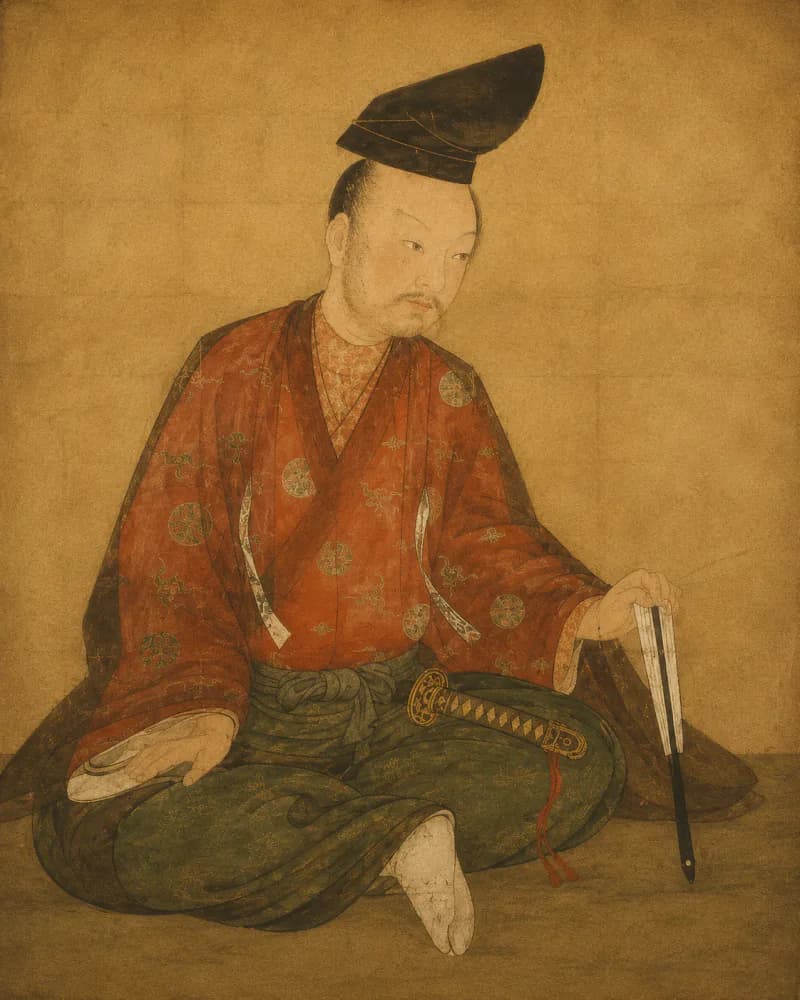
SA-0051 / JPN
Minamoto no Yoshitsune
The Genji general who destroyed the Taira at Dannoura, then was killed by his own brother Yoritomo
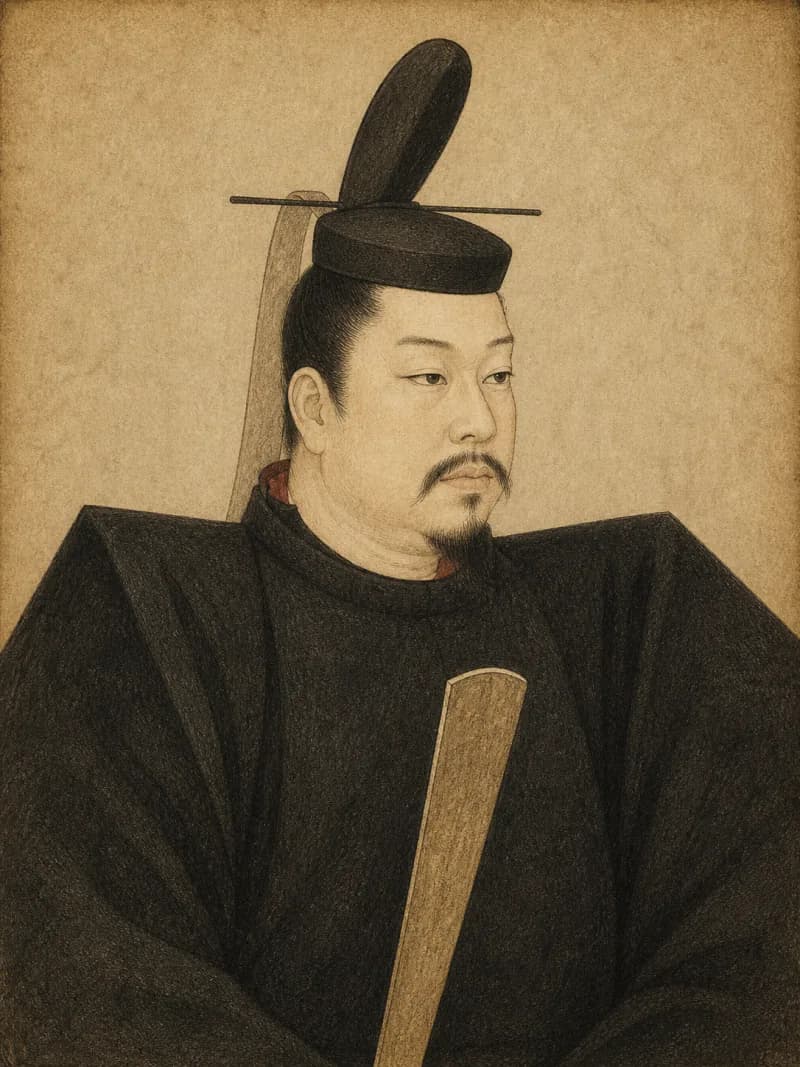
SA-0023 / JPN
Minamoto no Yoritomo
The founding shogun who built warrior government as a system that lasted six and a half centuries
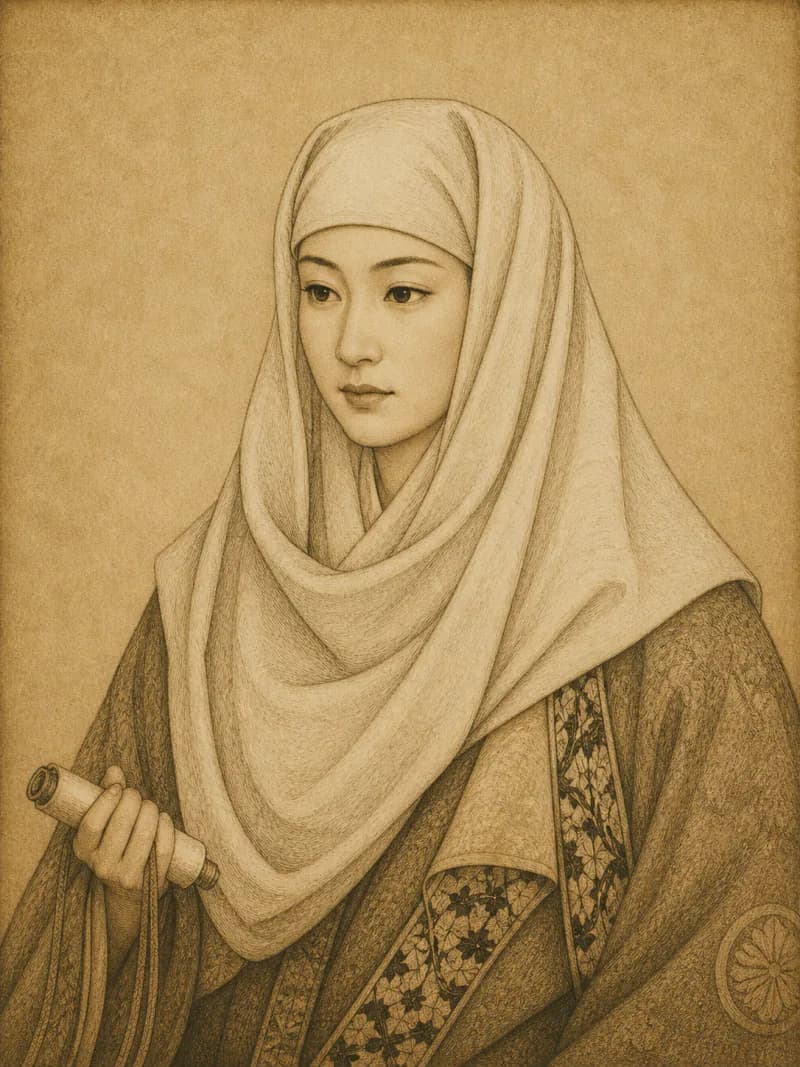
SA-0024 / JPN
Hōjō Masako
The widow who became the first real ruler of the Kamakura Bakufu
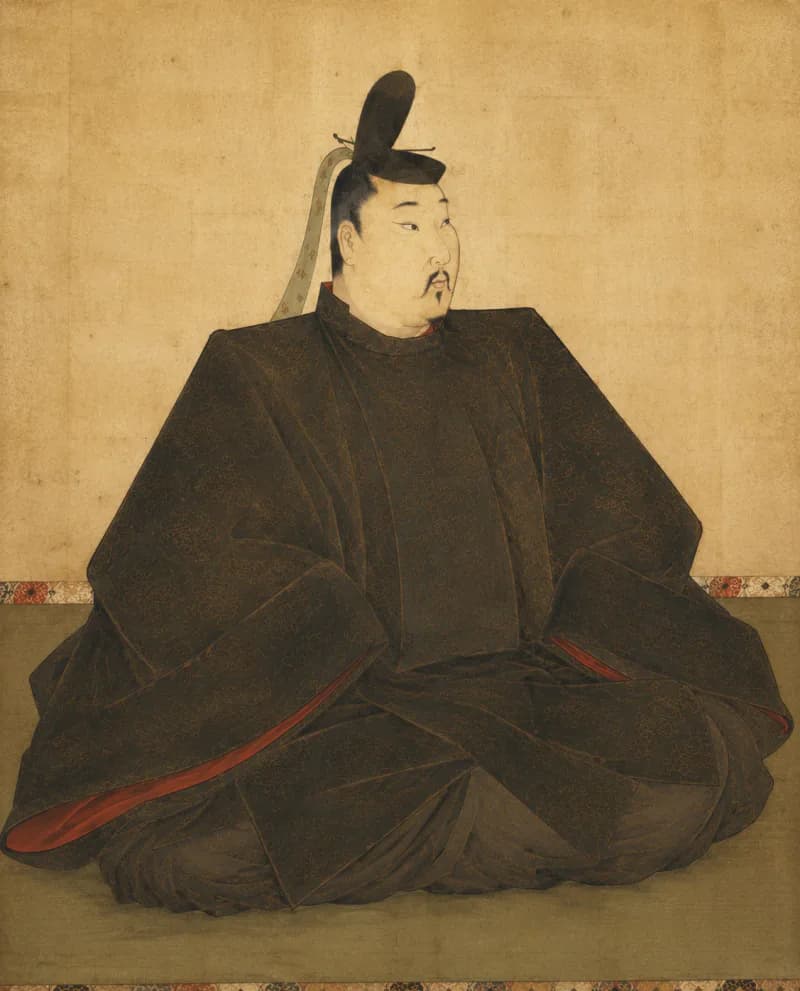
SA-0052 / JPN
Taira no Kiyomori
The first warrior to become Chancellor of the Realm, who built the Taira ascendancy and laid the ground for warrior government
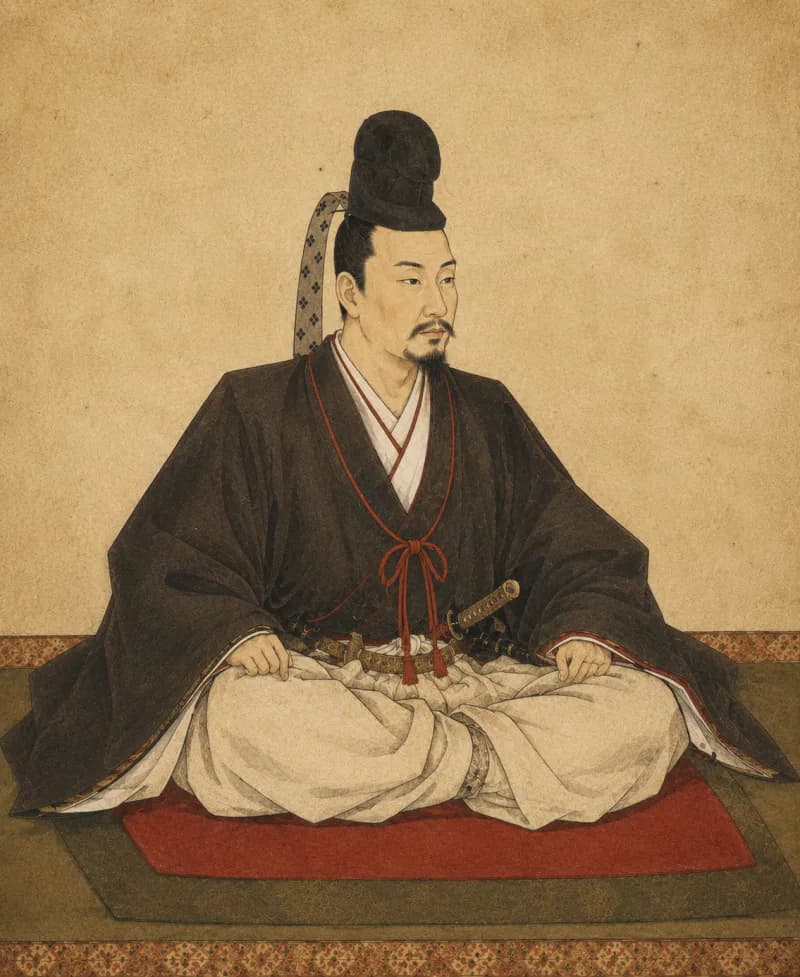
SA-0053 / JPN
Kiso Yoshinaka
The 'Rising-Sun Shogun' who broke the Taira at Kurikara Pass and reached Kyoto first
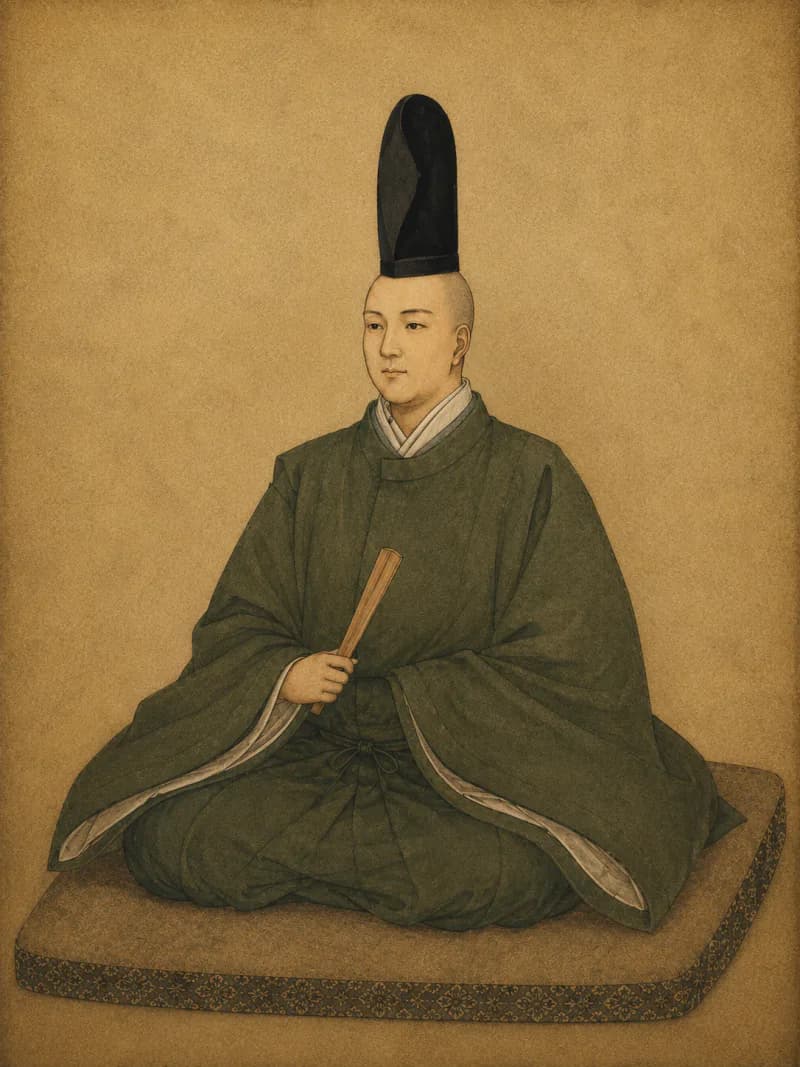
SA-0058 / JPN
Hōjō Tokiyori
The fifth shikken of the Kamakura shogunate, who established tokusō politics and planted Zen in Kamakura
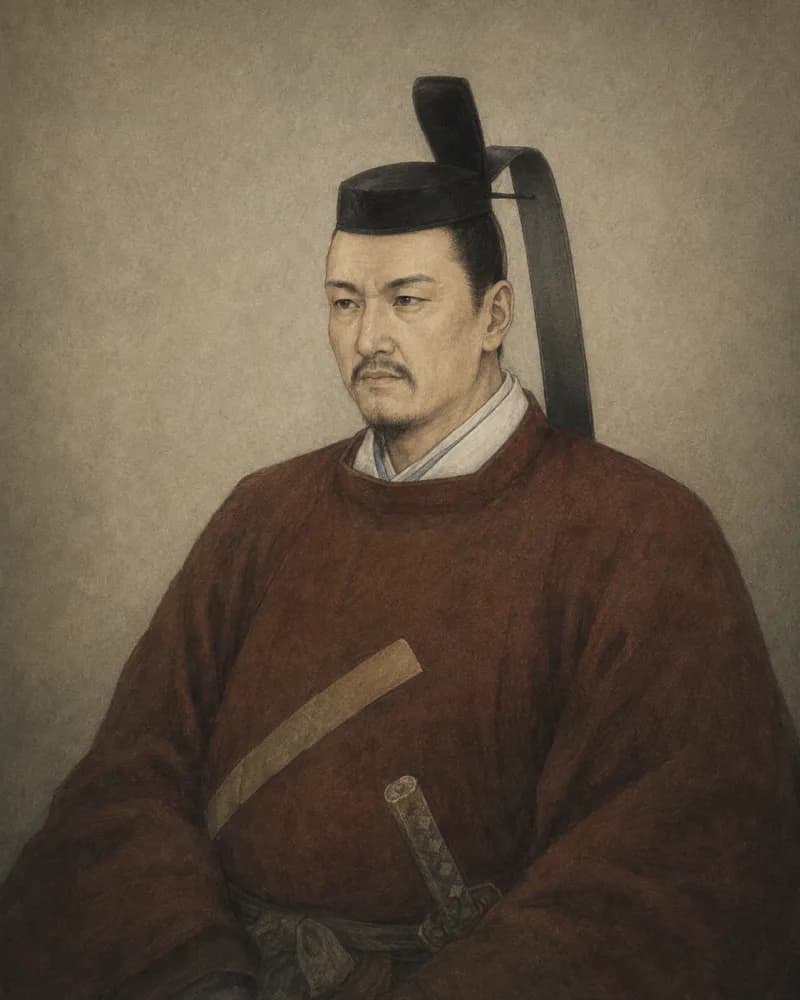
SA-0070 / JPN
Hōjō Tokimasa
Founder of the Hōjō, father-in-law of Yoritomo who supported the founding of the Kamakura shogunate and became the first shikken
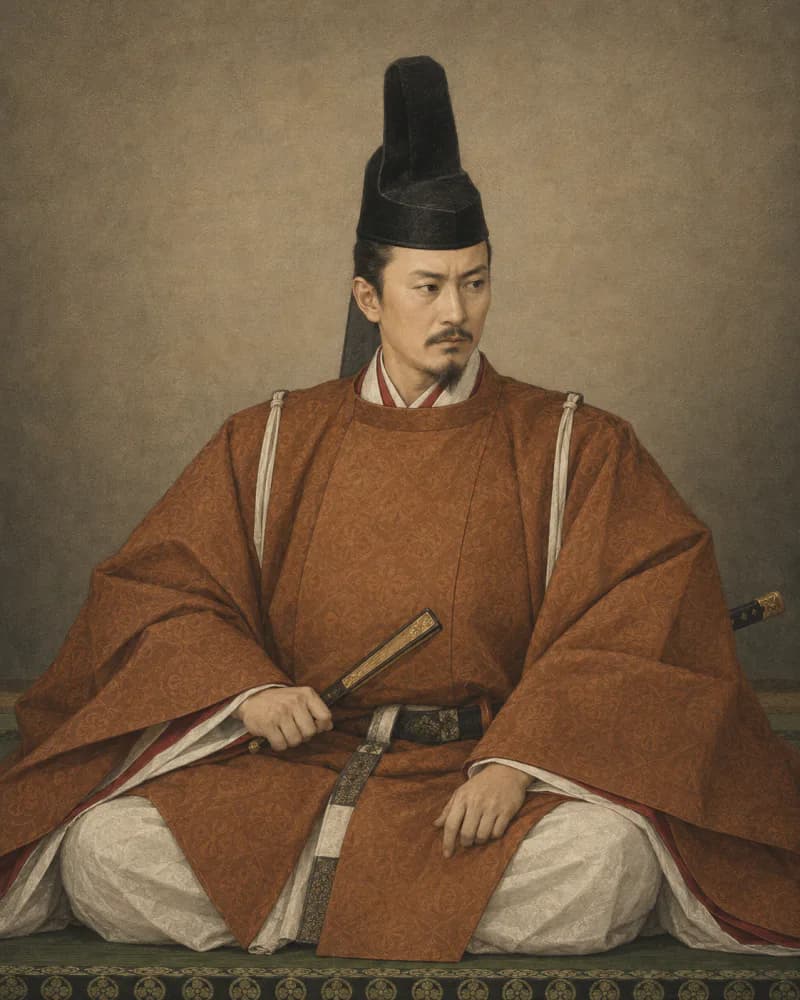
SA-0073 / JPN
Hōjō Yoshitoki
The second shikken of the Kamakura shogunate, who defeated the imperial court in the Jōkyū War and decided the supremacy of warrior government