SUBJECT FILE NO. SA-0052
BUSHI ARCHIVE
Taira no Kiyomori
Taira no Kiyomori
Chancellor of the Realm; head of the Taira
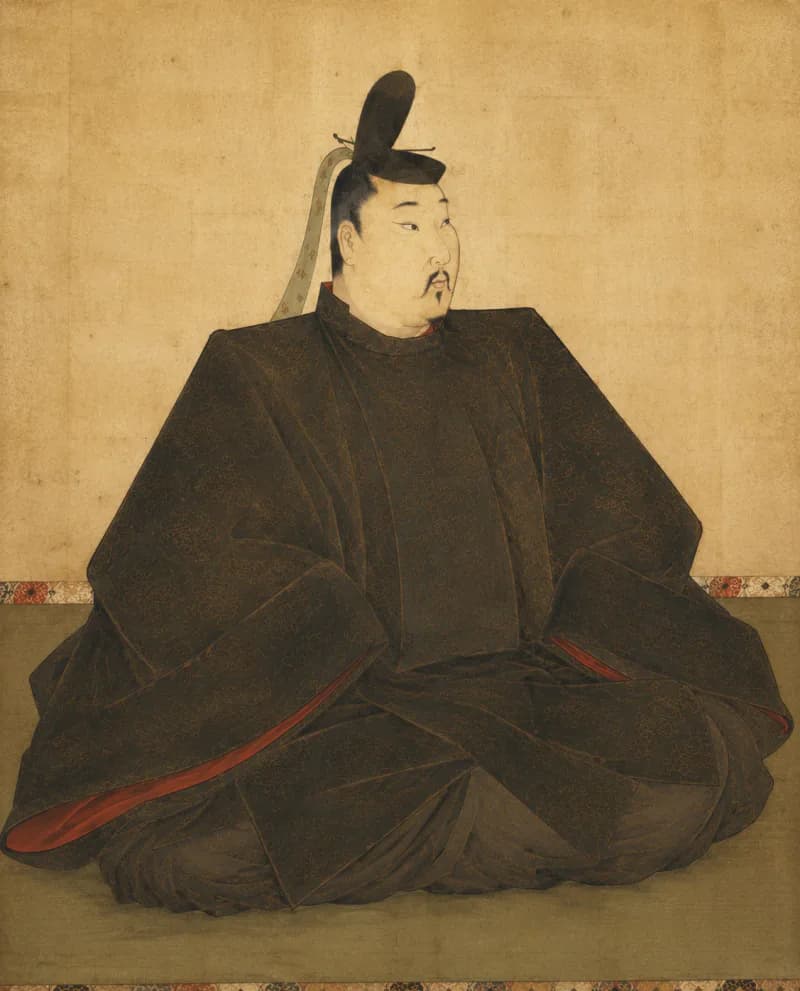
SECTION I -- SUBJECT PROFILE
| Name | Taira no Kiyomori |
|---|---|
| English | Taira no Kiyomori |
| Origin | Japan |
| Lifespan | 1118–1181 |
| Gender | Male |
| Century | 12th C. |
| Clan / Role | Samurai |
| Title | Chancellor of the Realm; head of the Taira |
SECTION II -- OVERVIEW
Born in 1118 (Gen'ei 1), the eldest son of Taira no Tadamori of the Ise Taira. In 1153 he succeeded to the family headship upon his father's death.
Winning the Hōgen Rebellion (1156) and then defeating Minamoto no Yoshitomo at the Heiji Rebellion (1159), he established Taira military supremacy among the warrior class.
In 1167, at fifty, he was appointed Chancellor of the Realm — the first warrior ever to hold that office. The chancellorship had been limited to the Sekkanke or the imperial house; no warrior appointment had ever occurred.
He then placed his daughter Tokuko as consort to Emperor Takakura, and in 1180 realized the accession of his grandson as Emperor Antoku — the Taira house at the summit of its glory.
But that same year, the call to arms issued by Prince Mochihito touched off anti-Taira uprisings across the country. Kiyomori died suddenly in Kyoto in the second month of 1181 (leap month), of a fever.
He was sixty-four. With Kiyomori's death the cohesive force of the Taira was lost, leading to their destruction at Dannoura in 1185.
As the precursor to warrior government, he laid the ground for the later establishment of the Kamakura shogunate.
SECTION III -- CHRONOLOGY
SECTION IV -- NOTABLE STATEMENTS
“Whoever is not of this house is not a person.”
SECTION V -- FIELD NOTES
[A]The Retired Emperor Shirakawa Paternity Story
The theory that Kiyomori's real father was not Taira no Tadamori but the retired emperor Shirakawa — the 'imperial-illegitimate-son' account — appears in medieval war narratives such as the Tale of the Heike and spread as a tradition explaining his extraordinary rise.
But the contemporary primary sources (Gyokuyō, Sankaiki, and others) do not carry this tradition, and it is most likely a construction of later narrative-making.
The fact that Tadamori's wife was close to the Shirakawa court is historical, and that this family background supported Kiyomori's advancement is itself recognized.
SECTION VI -- LEGACY & IMPACT
As the precedent of a warrior standing at the summit of state governance, a turning point in Japanese political history.
Kiyomori's active engagement in overseas trade — the expansion of Japan-Song trade and the development of Ōwada-no-Tomari harbor — is also a major achievement in the history of Japanese external relations.
As the protagonist of the Tale of the Heike, he has continued to be depicted for nearly a thousand years across Nō, kabuki, jōruri, and modern taiga dramas.
The Gyokuyō — the diary of his contemporary Kujō Kanezane — survives as a primary source transmitting the political reality of the Kiyomori era.
SECTION VII -- MAJOR DEEDS
- [01]Victories at the Hōgen and Heiji Rebellions (1156, 1159)
- [02]Appointment as Chancellor of the Realm (1167)
- [03]Expansion of Japan-Song trade and development of Ōwada-no-Tomari
- [04]Accession of his grandson Emperor Antoku (1180)
- [05]Political precedent of warrior government
SECTION VIII -- REFERENCE MATERIALS
PRIMARY SOURCES & ARCHIVES
- PRIMARY
Gyokuyō
Kujō Kanezane
Diary of a Sekkanke-born aristocrat of the late Heian period; contemporary primary source on the political affairs of the Kiyomori era
- SCHOLARSHIP
Taira no Kiyomori: The Dream of Fukuhara
Takahashi Masaaki / Kōdansha Sensho Métier
Standard modern study of Taira no Kiyomori, examining the figure through political and trade history
- ARCHIVE
Rokuhara-Mitsu-ji
Higashiyama Ward, Kyoto City, Kyoto Prefecture
Taira base in Kyoto; holds the seated statue of Kiyomori (Important Cultural Property)
Visit archive →
RECOMMENDED READING
SECTION X -- RELATED REPORTS
SA-RPT
The Return from the Kumano Pilgrimage: The Heiji Rebellion and Kiyomori's Night
In the first month of 1160, when Fujiwara no Nobuyori and Minamoto no Yoshitomo rose in Kyoto, Taira no Kiyomori was on his way back from the Kumano pilgrimage. Forty-two-year-old Kiyomori, with his base left in the capital, and thirty-seven-year-old Yoshitomo. This one contest fixed Japan's political history.
SA-RPT
The Warrior Chancellor: What Kiyomori Accomplished in 1167
In 1167, Taira no Kiyomori was appointed Chancellor of the Realm. Warrior appointment to the highest office — an office limited to the Sekkanke and the imperial house — was an unprecedented turn in Japan's political structure. Reading the meaning of the appointment and the reality of the Taira glory.
SA-RPT
Prince Mochihito's Call to Arms: Why Did the Taira Glory Collapse in 1180?
In the fifth month of 1180, the call to arms issued by Prince Mochihito, son of the retired emperor Go-Shirakawa, ordered the Genji of the various provinces to hunt down the Taira. Nationwide anti-Taira uprisings, the burning of the southern capital, the failed transfer of the capital to Fukuhara, and Kiyomori's death by fever — a world changed in a year and a half.
SECTION IX -- LINKED SUBJECTS
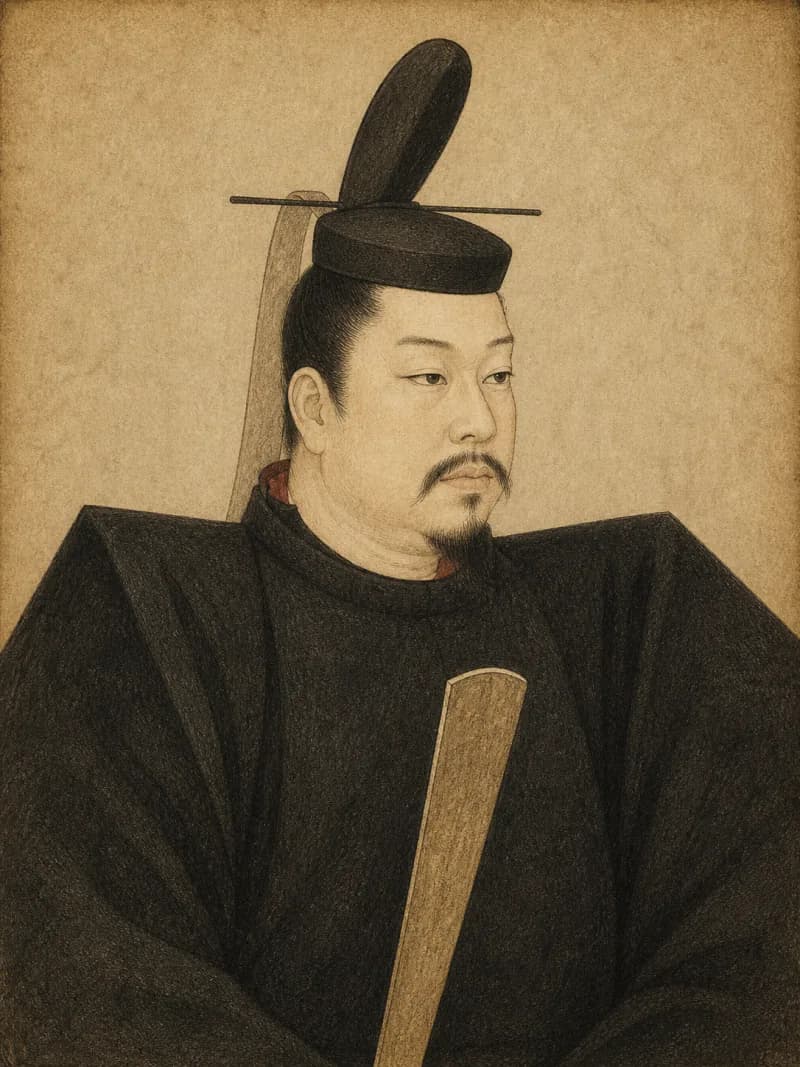
SA-0023 / JPN
Minamoto no Yoritomo
The founding shogun who built warrior government as a system that lasted six and a half centuries
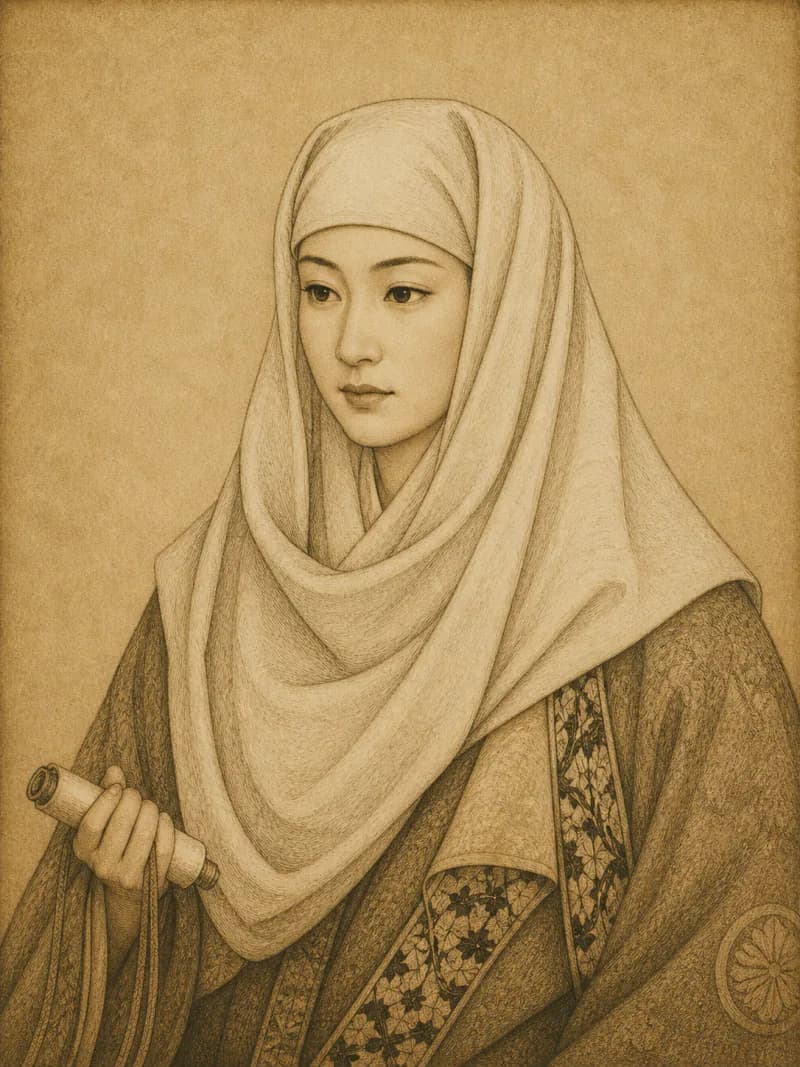
SA-0024 / JPN
Hōjō Masako
The widow who became the first real ruler of the Kamakura Bakufu
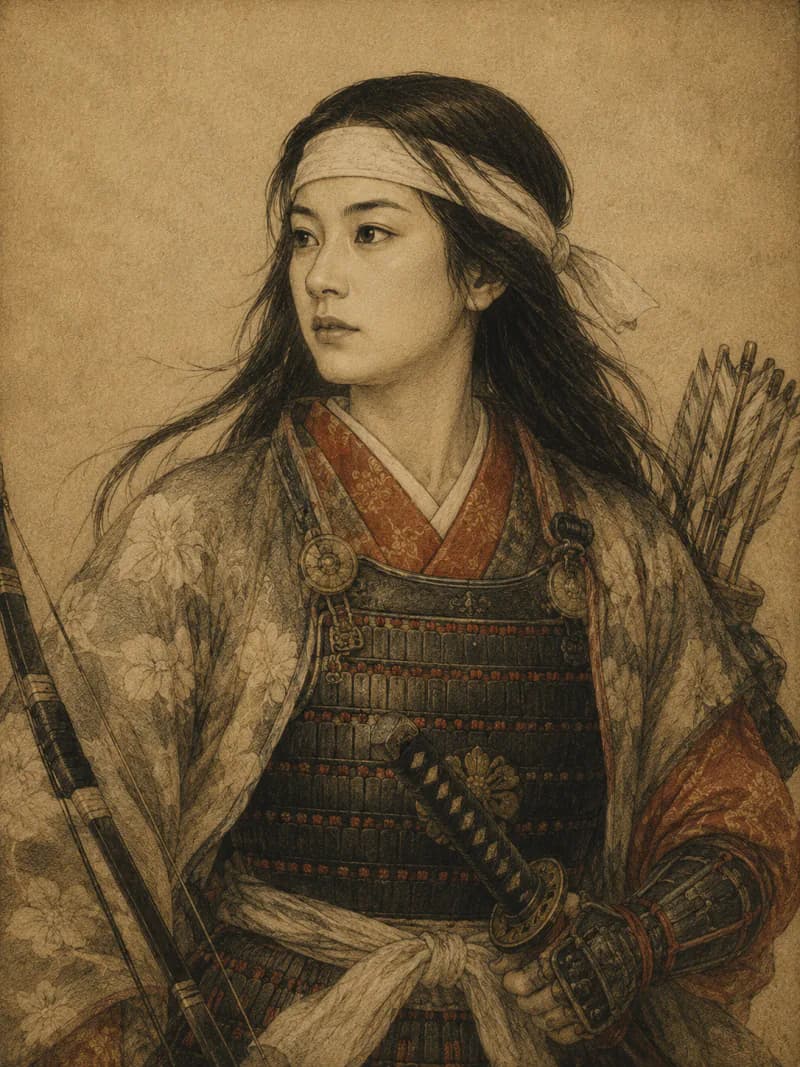
SA-0028 / JPN
Tomoe Gozen
The woman warrior of the Genpei War whose existence historians cannot quite confirm or deny
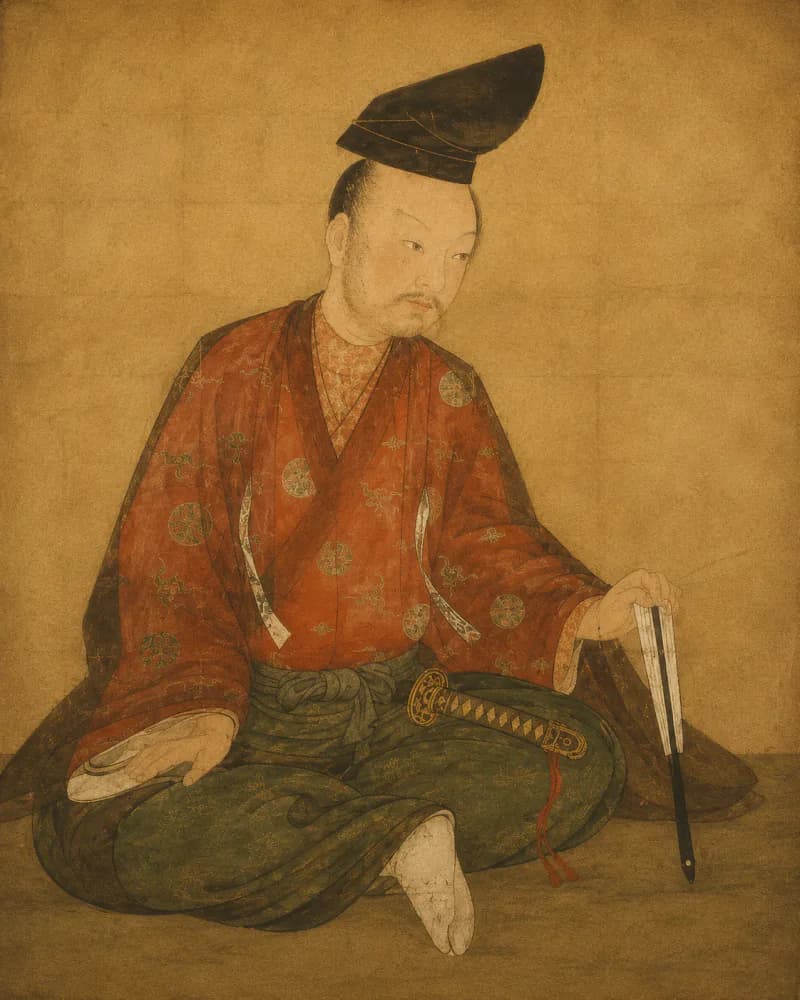
SA-0051 / JPN
Minamoto no Yoshitsune
The Genji general who destroyed the Taira at Dannoura, then was killed by his own brother Yoritomo
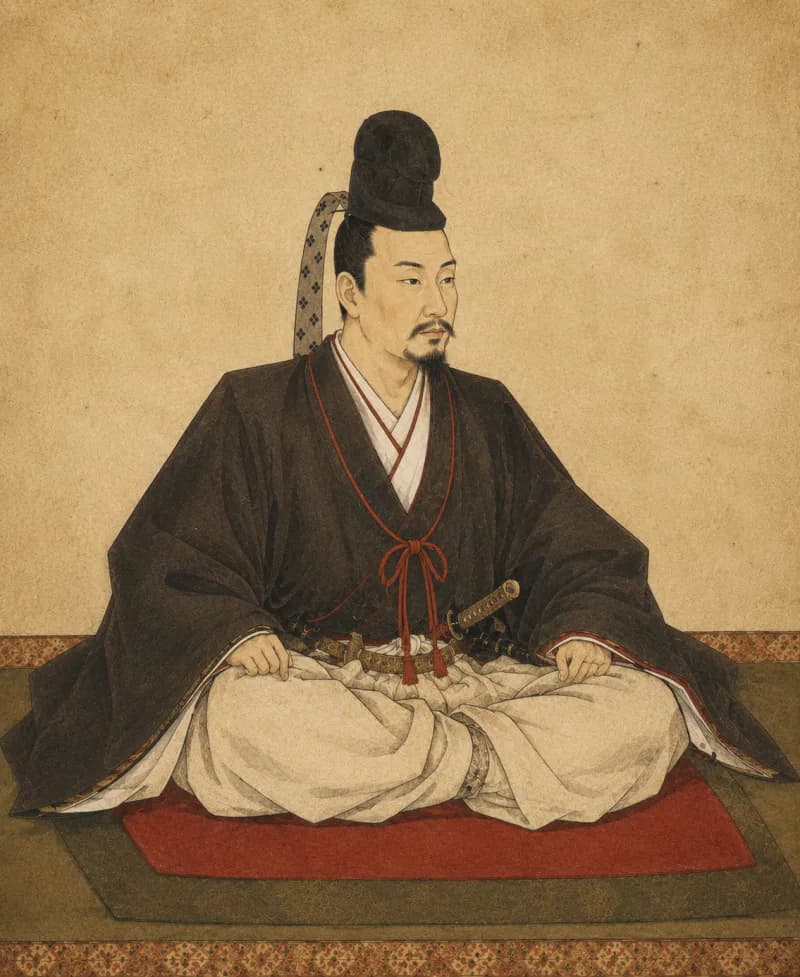
SA-0053 / JPN
Kiso Yoshinaka
The 'Rising-Sun Shogun' who broke the Taira at Kurikara Pass and reached Kyoto first