SUBJECT FILE NO. SA-0051
BUSHI ARCHIVE
Minamoto no Yoshitsune
Minamoto no Yoshitsune
Lesser Captain of the Imperial Police; Governor of Iyo
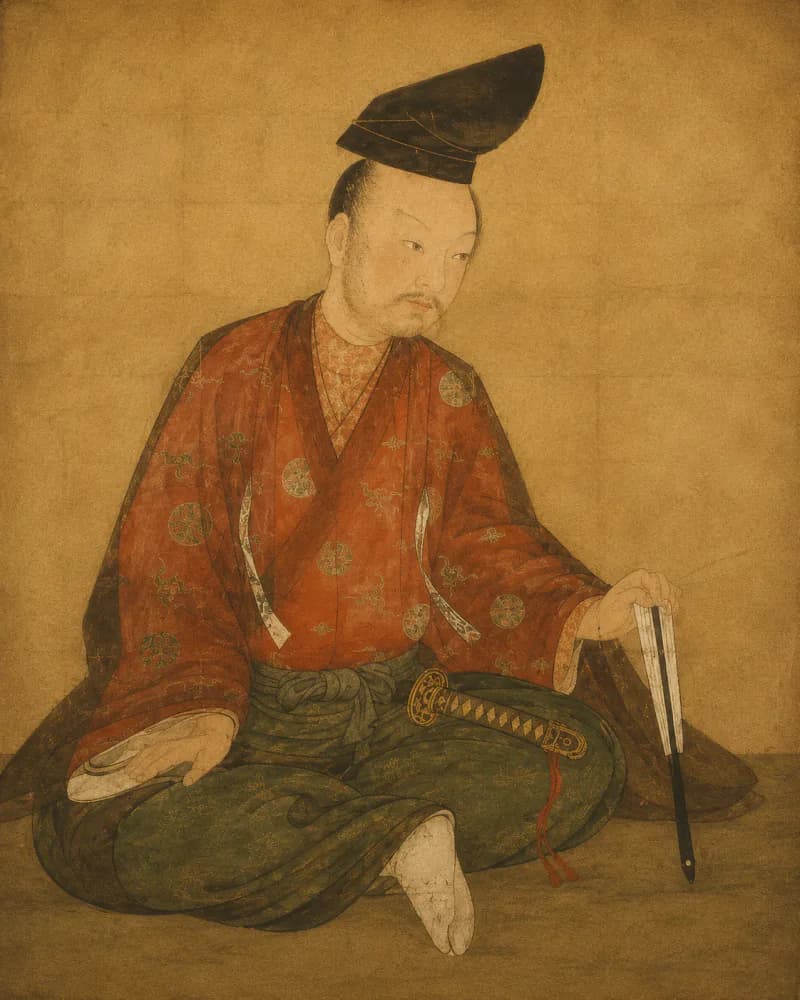
SECTION I -- SUBJECT PROFILE
| Name | Minamoto no Yoshitsune |
|---|---|
| English | Minamoto no Yoshitsune |
| Origin | Japan |
| Lifespan | 1159–1189 |
| Gender | Male |
| Century | 12th C. |
| Clan / Role | Samurai |
| Title | Lesser Captain of the Imperial Police; Governor of Iyo |
SECTION II -- OVERVIEW
Born in 1159 (Heiji 1) in Kyoto, the ninth son of Minamoto no Yoshitomo. His father was defeated and died the following year at the Heiji Rebellion, and his mother Tokiwa Gozen fled through the snow with three young children — the scene as transmitted by the Tale of the Heike.
His childhood name was Ushiwaka-maru. He was placed at Kurama-dera, and around the age of sixteen he left the temple and made his way to the Ōshū Fujiwara under Fujiwara no Hidehira.
When his elder brother Yoritomo raised troops in 1180, he rode to join him, and served thereafter as the field commander of the Genji army — cornering the Taira at Ichi-no-Tani, Yashima, and Dannoura.
But after Dannoura, his acceptance of court rank directly from Emperor Go-Shirakawa without Yoritomo's permission drove his brother to fury.
Ordered pursued, he fled once again to Ōshū, and in 1189, betrayed by Fujiwara no Yasuhira, he took his own life at the Koromogawa Palace.
He was thirty-one. His tragic end coined the phrase 'hōgan-biiki' (partiality for the underdog Yoshitsune) and inscribed him as the protagonist of Nō, kabuki, and fiction throughout Japanese cultural history.
SECTION III -- CHRONOLOGY
SECTION IV -- NOTABLE STATEMENTS
“If I do not die here, the Taira cannot be destroyed.”
SECTION V -- FIELD NOTES
[A]The Descent at Hiyodorigoe — Tradition and the Record
The description in the Tale of the Heike, in which Yoshitsune rode down the sheer face of Mount Tekkai with about seventy horsemen behind the Taira camp at Ichi-no-Tani, became one of the most famous battlefield scenes in Japanese war literature.
But the contemporary Azuma Kagami records the moment only briefly. Modern military historians have speculated that what Yoshitsune actually descended was not a sheer cliff but a steep ridgeline path.
That he broke through the north side of Ichi-no-Tani in a surprise flanking maneuver is itself corroborated in multiple sources.
SECTION VI -- LEGACY & IMPACT
The contrast between battlefield genius and political defeat is the core of the Yoshitsune image. The conflict with Yoritomo was, as an institutional-history matter, a violation of the Kamakura regime's monopoly on court rank for its retainers — but later generations converted it into a story of sympathy known as 'hōgan-biiki.
' Across Nō, kabuki, jōruri, novels, and modern taiga dramas, he has held the seat of protagonist in Japanese cultural history without losing it for over four hundred years.
Overseas as well, the name Yoshitsune is widely known as a core figure of the Genpei War.
SECTION VII -- MAJOR DEEDS
- [01]Victory at Ichi-no-Tani (1184)
- [02]Victory at Yashima (1184)
- [03]Destruction of the Taira at Dannoura (1185)
- [04]Appointed Kebiishi and Governor of Iyo
- [05]Fixed the Genji victory as principal field commander of the Genpei War
SECTION VIII -- REFERENCE MATERIALS
PRIMARY SOURCES & ARCHIVES
- PRIMARY
Azuma Kagami
Compiled by the Kamakura shogunate
Official chronicle of the Kamakura shogunate, records Yoshitsune's career chronologically
- SCHOLARSHIP
Minamoto no Yoshitsune
Motoki Yasuo / Yoshikawa Kōbunkan (Jinbutsu Sōsho)
Standard recent biography of Yoshitsune
- ARCHIVE
Takadachi Gikei-dō
Hiraizumi Town, Iwate Prefecture
The site of the Koromogawa Palace where Yoshitsune met his end; a memorial hall
Visit archive →
RECOMMENDED READING
SECTION X -- RELATED REPORTS
SA-RPT
From Kurama to Ōshū: How Ushiwaka-maru Became Yoshitsune
Twenty years after his father Yoshitomo's defeat and death. Placed at a Kyoto temple, Ushiwaka-maru left Kurama at sixteen to seek Fujiwara no Hidehira in Ōshū. Tracing the boyhood — thin in record — up to the moment Yoritomo's uprising drew him onto the stage of history.
SA-RPT
The Descent at Hiyodorigoe: What Did Yoshitsune Do at Ichi-no-Tani That Morning?
March 1184, Ichi-no-Tani in Settsu Province. The 'descent at Hiyodorigoe' — said to have Yoshitsune ride down the sheer face of Mount Tekkai behind the Taira camp with seventy horsemen — is one of the most famous battle scenes in Japanese war literature. But the contemporary sources record it only briefly. Between tradition and source, an inquiry into what happened.
SA-RPT
The Morning at Koromogawa: Why Was Yoshitsune Killed by His Brother Yoritomo?
In 1185, Yoshitsune destroyed the Taira at Dannoura; four years later, he was taking his own life at an Ōshū palace. What happened in those four years from Dannoura to Koromogawa? The political structure of the brothers' conflict, and Yoshitsune's end, traced.
SA-RPT
The Uji River, and Awazu: Why Was Yoshinaka Cast as Court Enemy Half a Year After Entering the Capital?
In the seventh month of 1183, Yoshinaka entered Kyoto and was appointed Barbarian-Subduing Shogun. But half a year later he was killed as a court enemy by the Kamakura army. What happened in the capital? A record of the half-year of mismanagement from the entry to Kyoto to the death at Awazu.
SECTION IX -- LINKED SUBJECTS
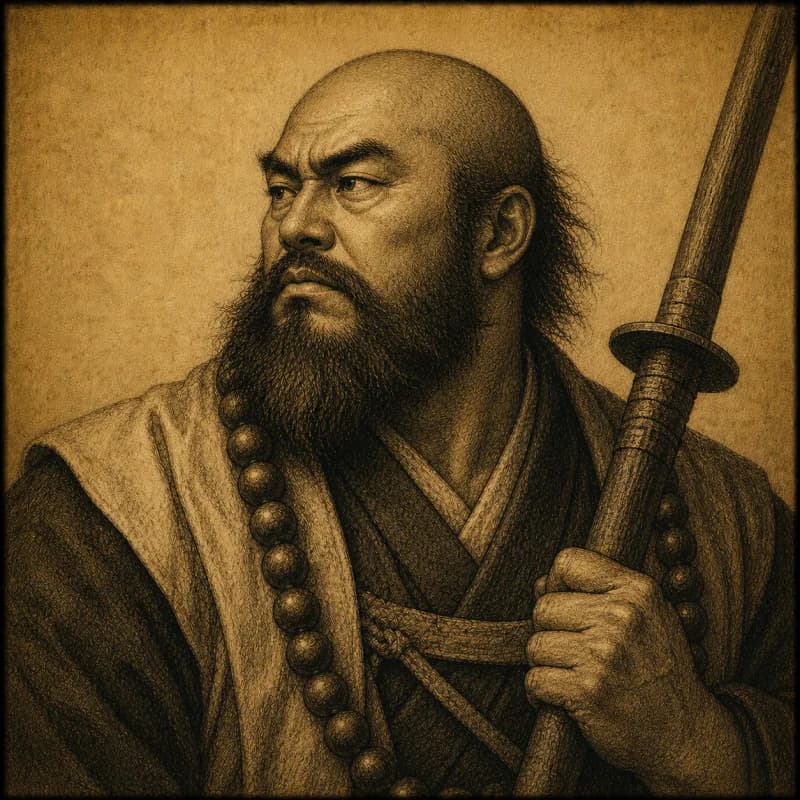
SA-0015 / JPN
Musashibō Benkei
The warrior monk whose loyalty became Japan's most quoted legend
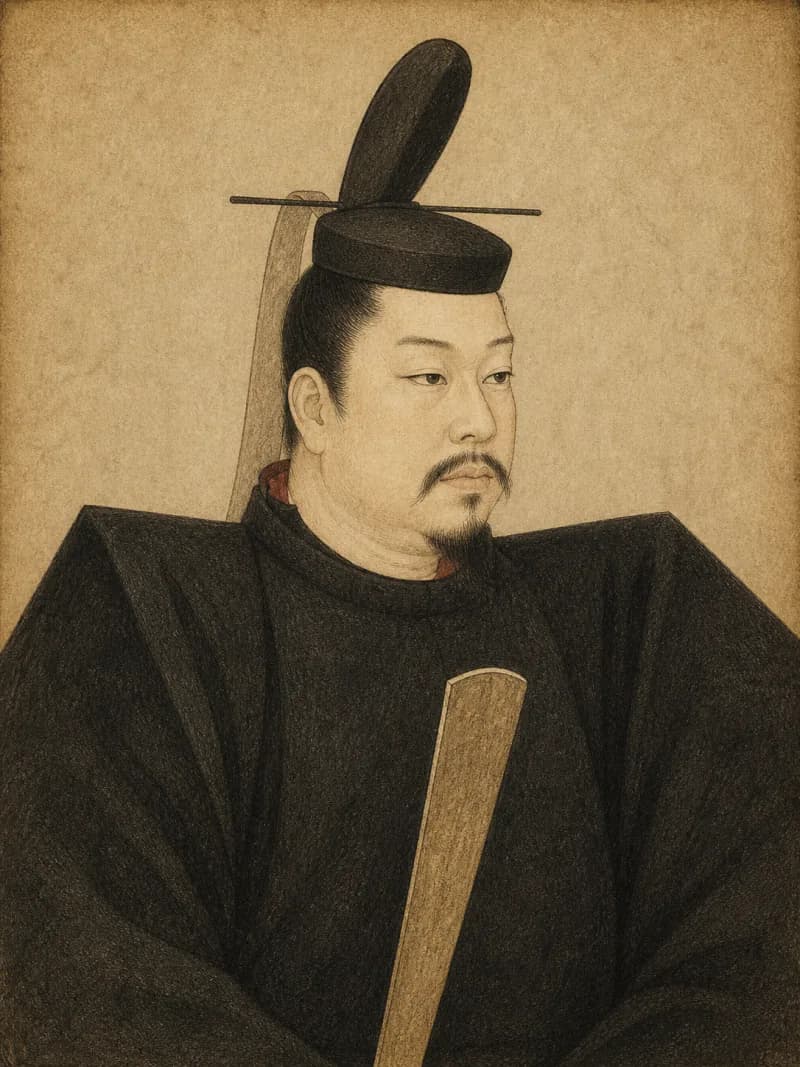
SA-0023 / JPN
Minamoto no Yoritomo
The founding shogun who built warrior government as a system that lasted six and a half centuries
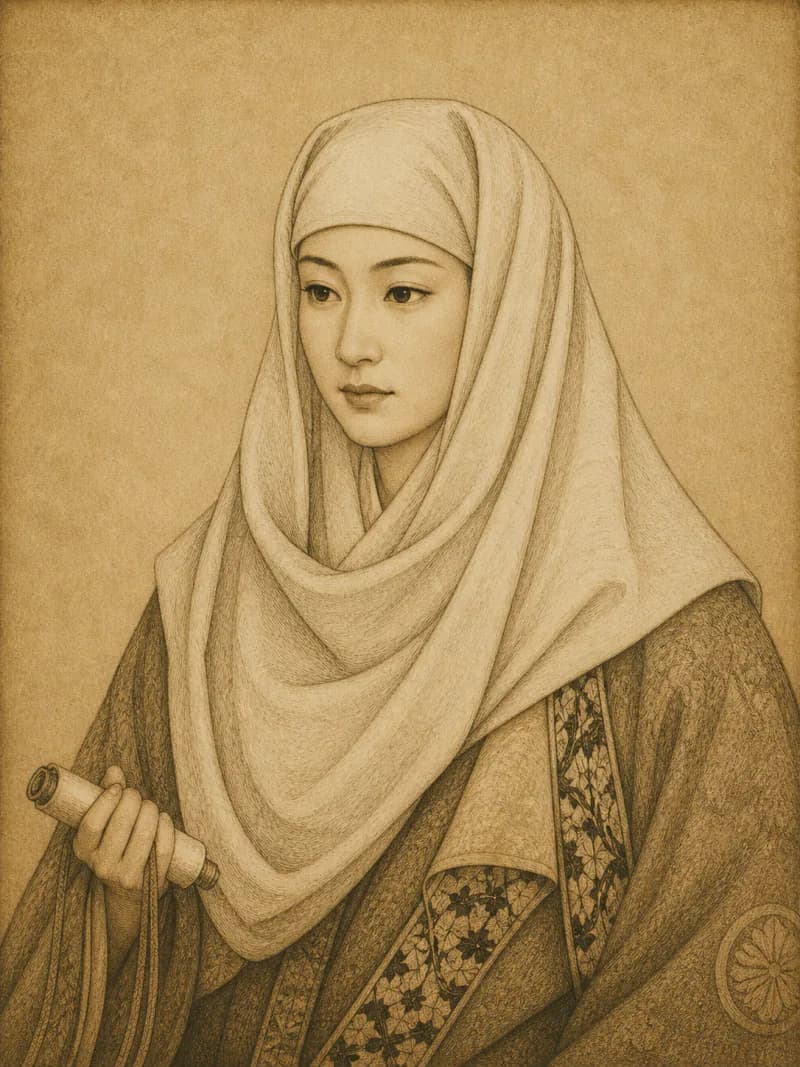
SA-0024 / JPN
Hōjō Masako
The widow who became the first real ruler of the Kamakura Bakufu
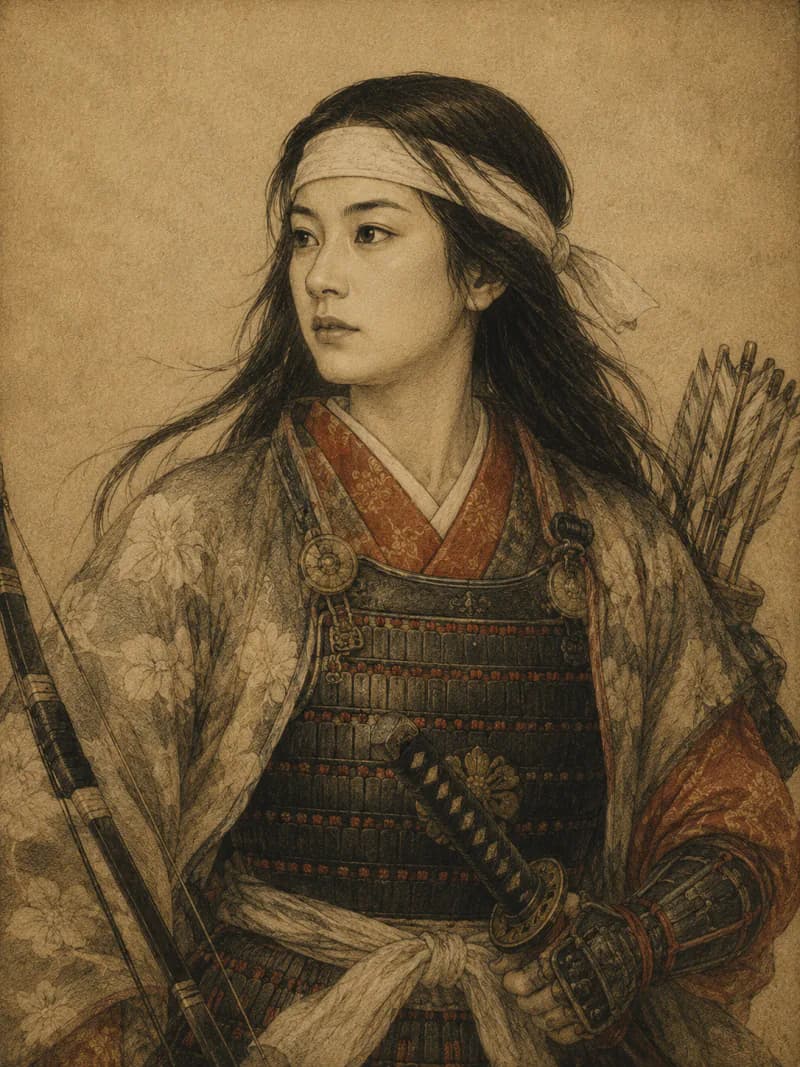
SA-0028 / JPN
Tomoe Gozen
The woman warrior of the Genpei War whose existence historians cannot quite confirm or deny
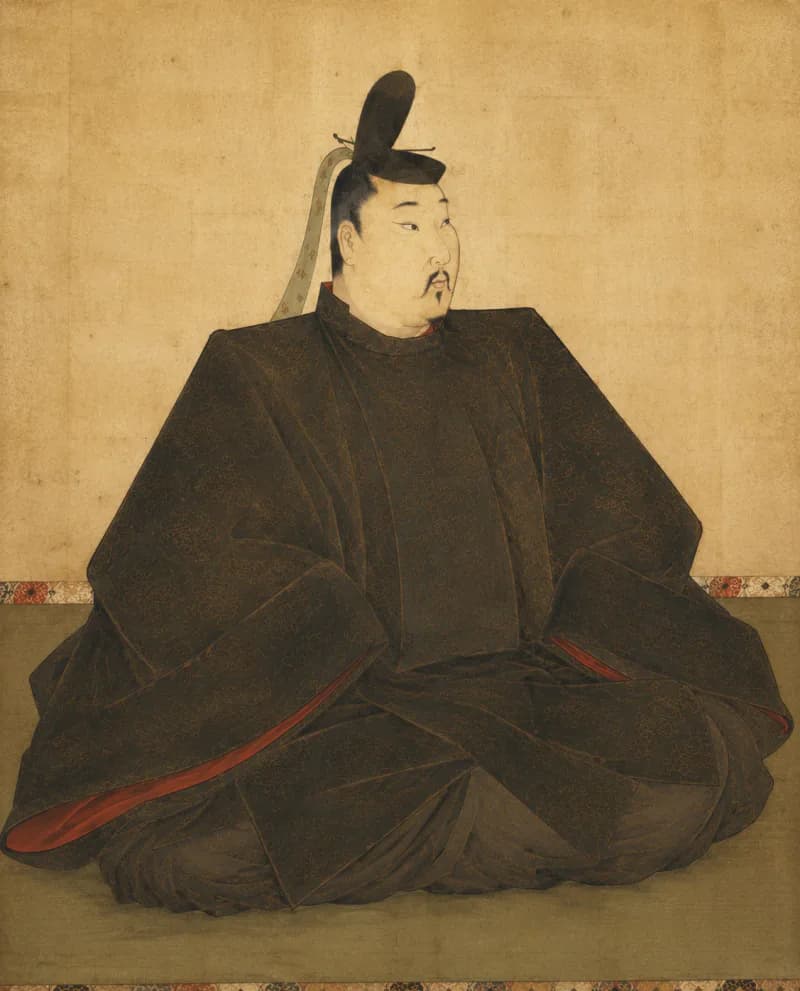
SA-0052 / JPN
Taira no Kiyomori
The first warrior to become Chancellor of the Realm, who built the Taira ascendancy and laid the ground for warrior government
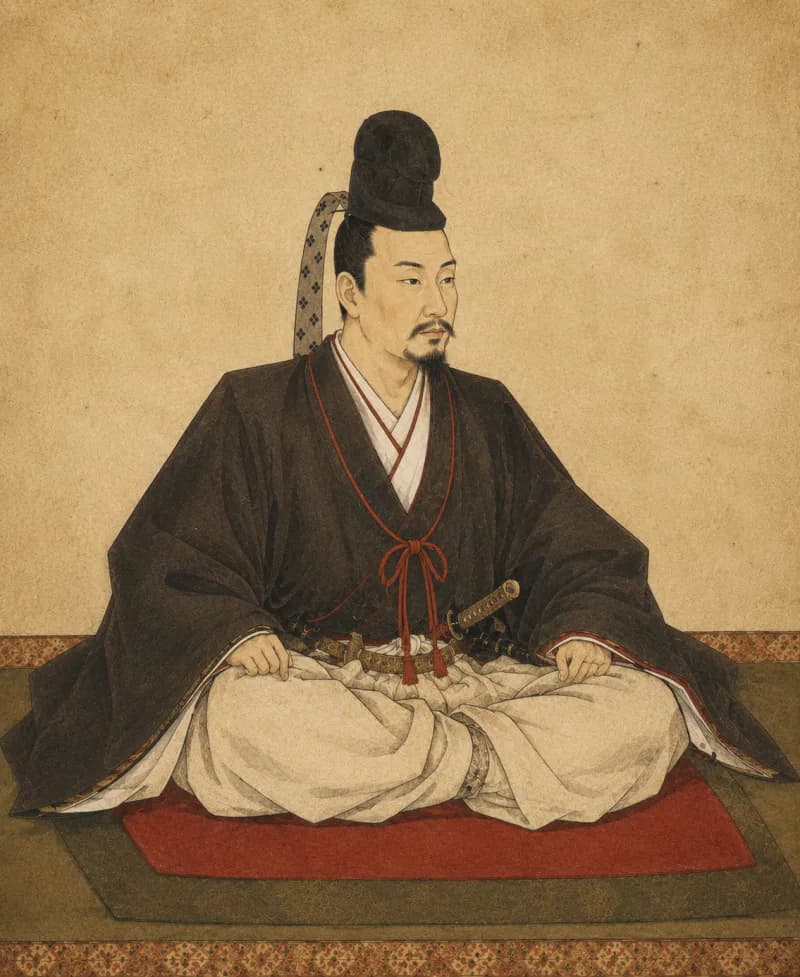
SA-0053 / JPN
Kiso Yoshinaka
The 'Rising-Sun Shogun' who broke the Taira at Kurikara Pass and reached Kyoto first