1100–1185
Genpei
The end of the Heian court and the Genpei War — when the warrior class first seized the country from the aristocracy.
-- 10 SUBJECTS ON FILE
SUBJECTS IN THIS ERA
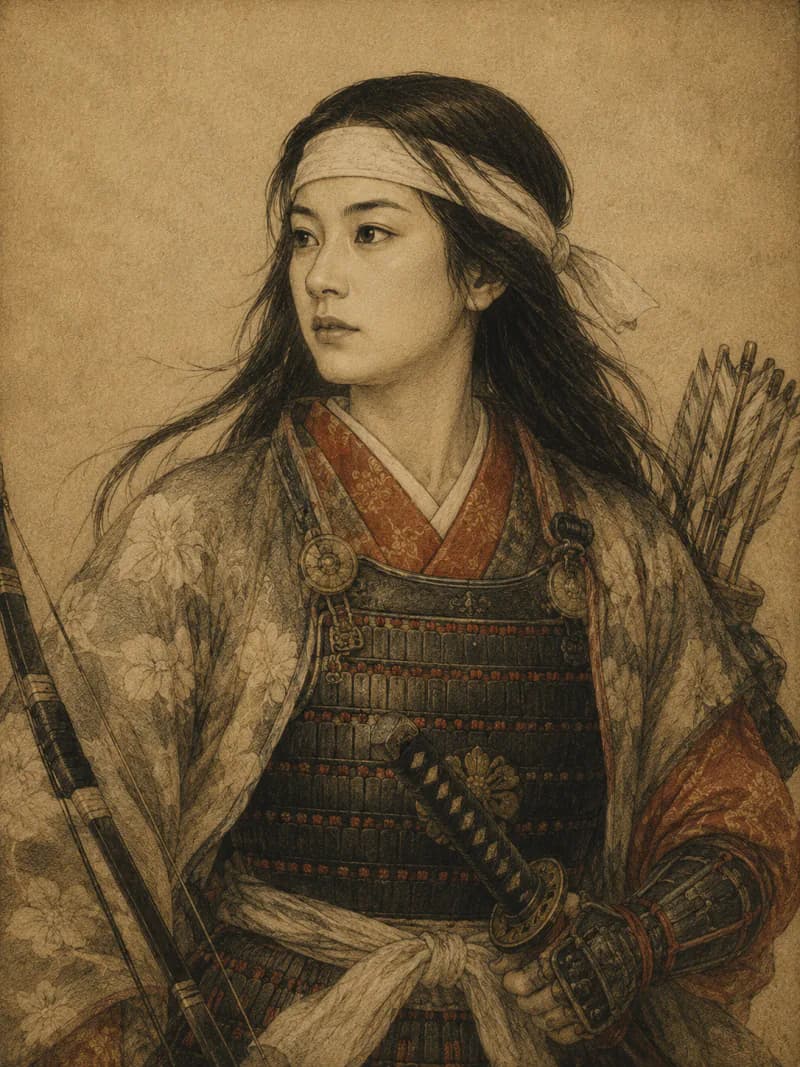
SA-0028 / ca. 1157
Tomoe Gozen
The woman warrior of the Genpei War whose existence historians cannot quite confirm or deny
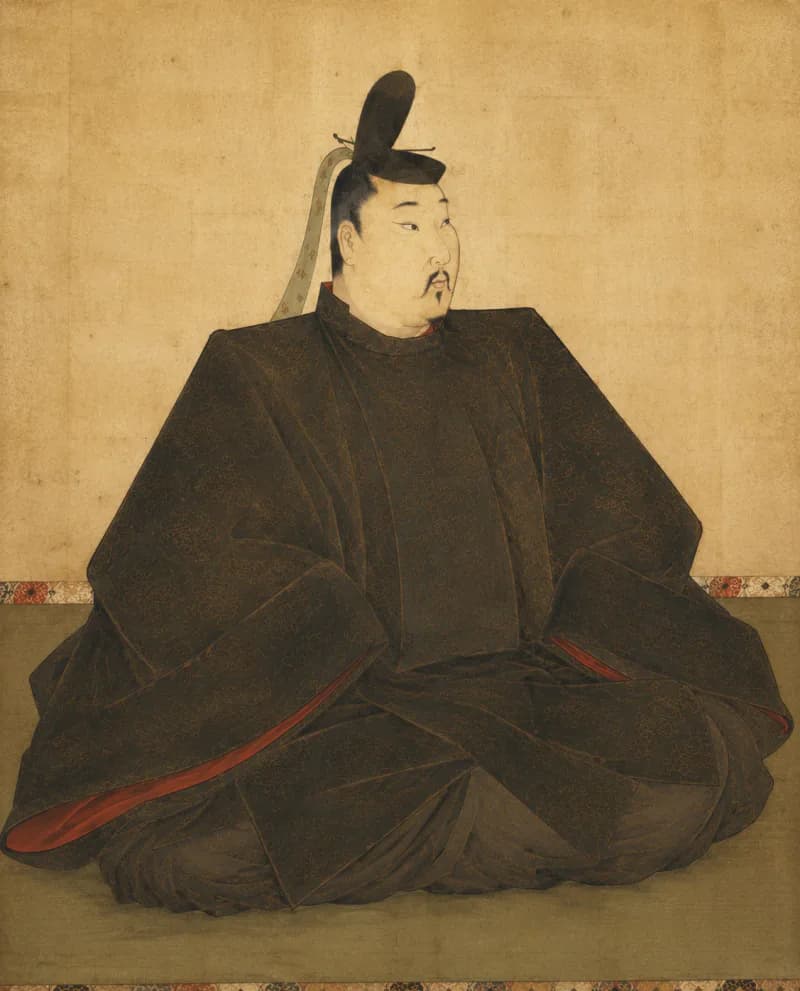
SA-0052 / 1118
Taira no Kiyomori
The first warrior to become Chancellor of the Realm, who built the Taira ascendancy and laid the ground for warrior government
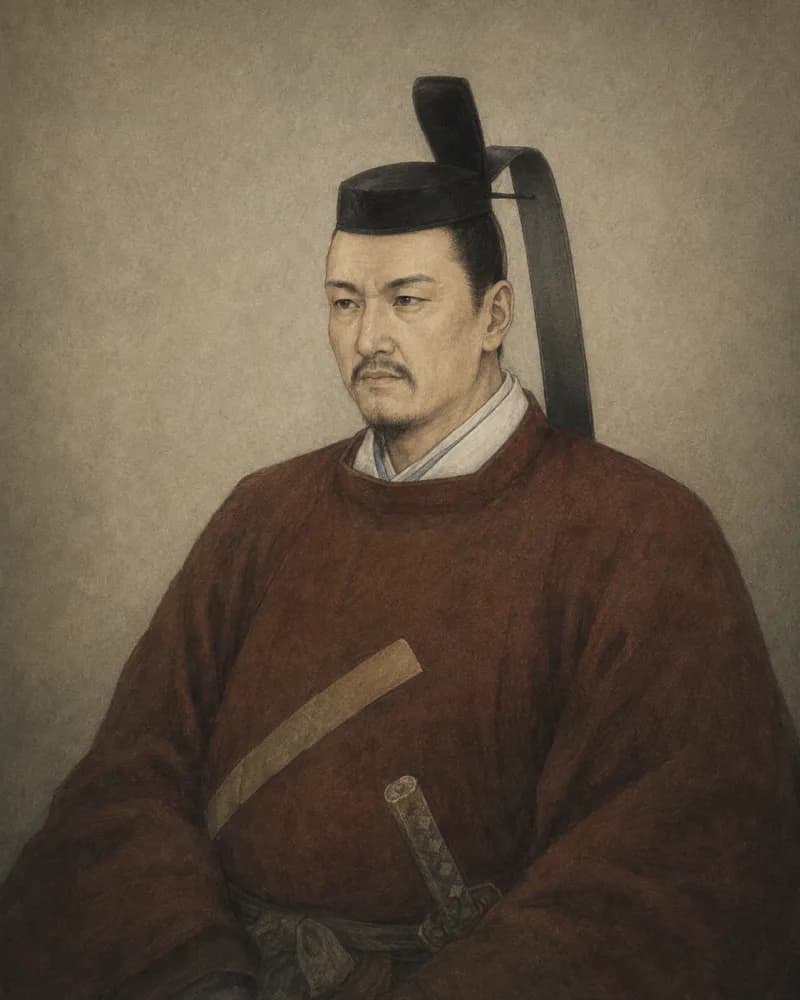
SA-0070 / 1138
Hōjō Tokimasa
Founder of the Hōjō, father-in-law of Yoritomo who supported the founding of the Kamakura shogunate and became the first shikken
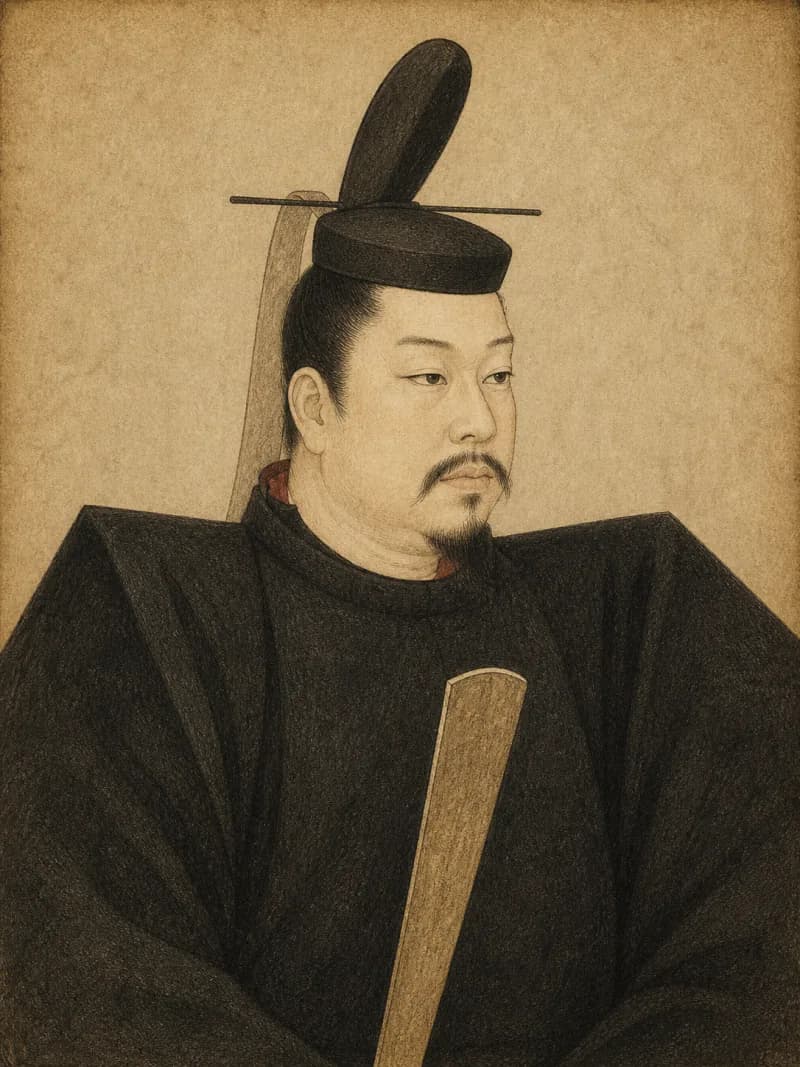
SA-0023 / 1147
Minamoto no Yoritomo
The founding shogun who built warrior government as a system that lasted six and a half centuries
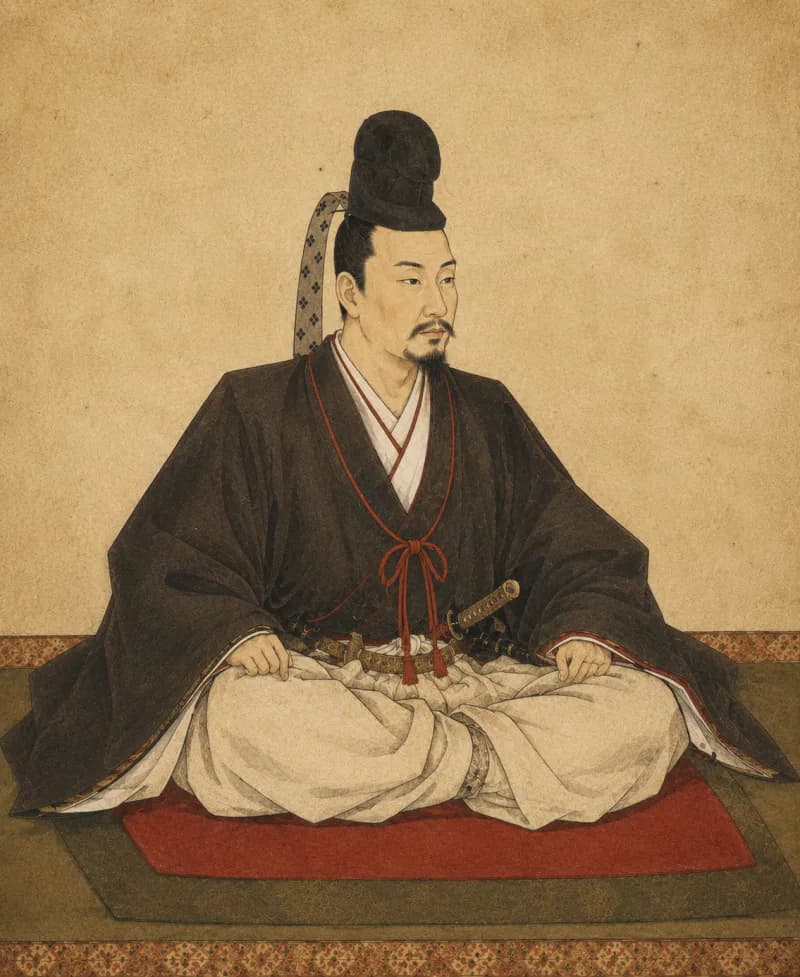
SA-0053 / 1154
Kiso Yoshinaka
The 'Rising-Sun Shogun' who broke the Taira at Kurikara Pass and reached Kyoto first
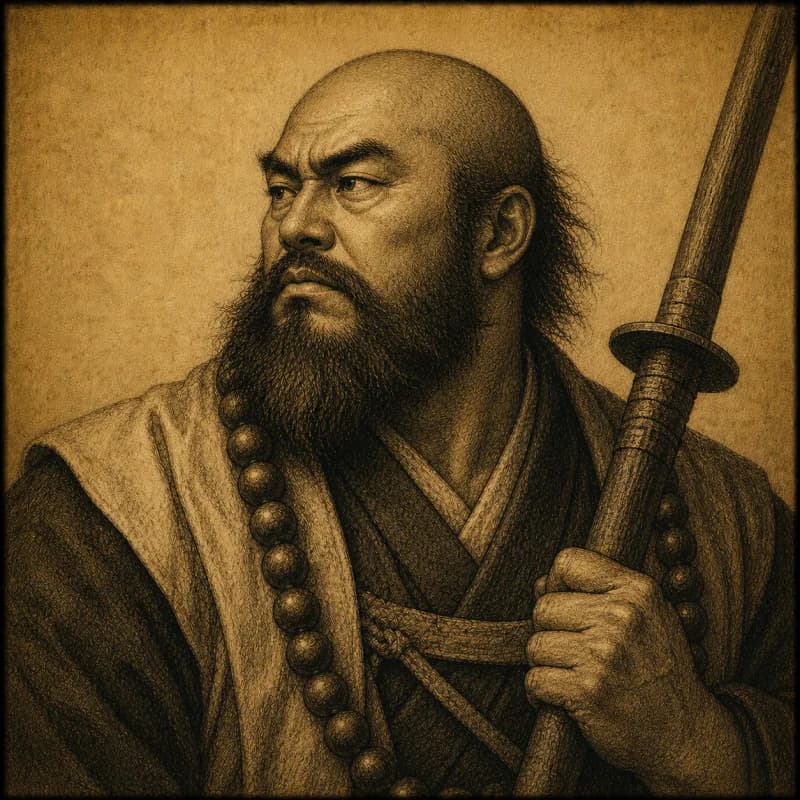
SA-0015 / 1155?
Musashibō Benkei
The warrior monk whose loyalty became Japan's most quoted legend
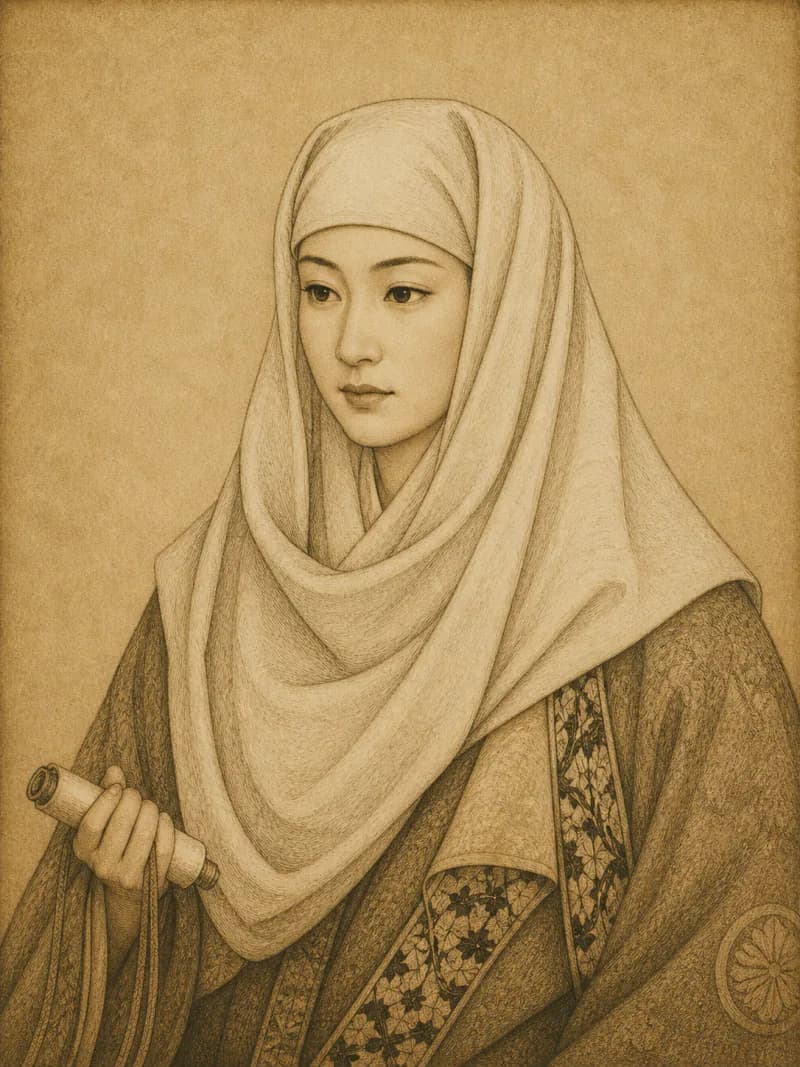
SA-0024 / 1157
Hōjō Masako
The widow who became the first real ruler of the Kamakura Bakufu
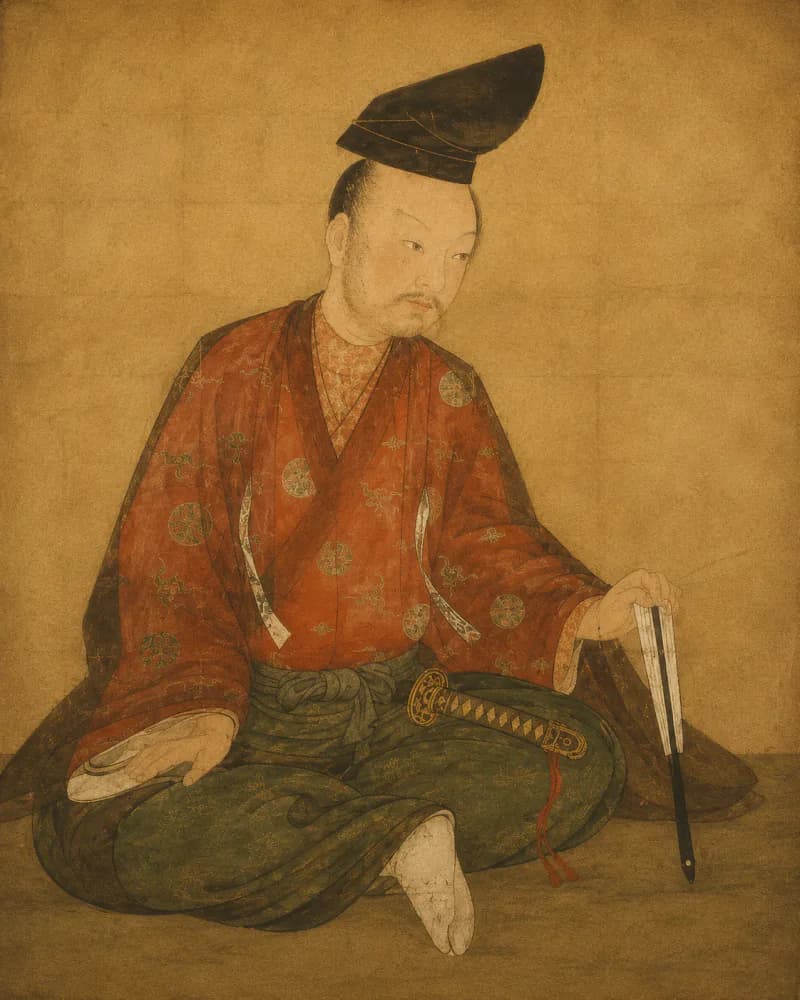
SA-0051 / 1159
Minamoto no Yoshitsune
The Genji general who destroyed the Taira at Dannoura, then was killed by his own brother Yoritomo
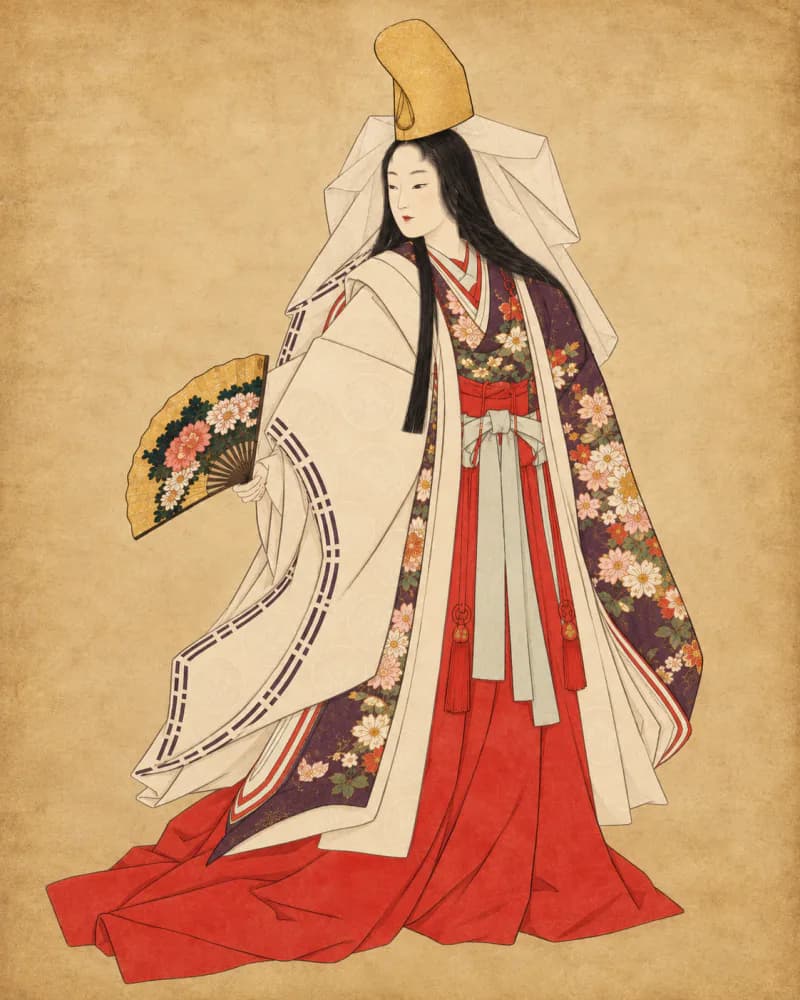
SA-0077 / 1165?
Shizuka Gozen
The finest shirabyōshi of the capital, beloved of Minamoto no Yoshitsune, the tragic woman who danced her longing for Yoshitsune before Yoritomo at Tsurugaoka Hachimangū
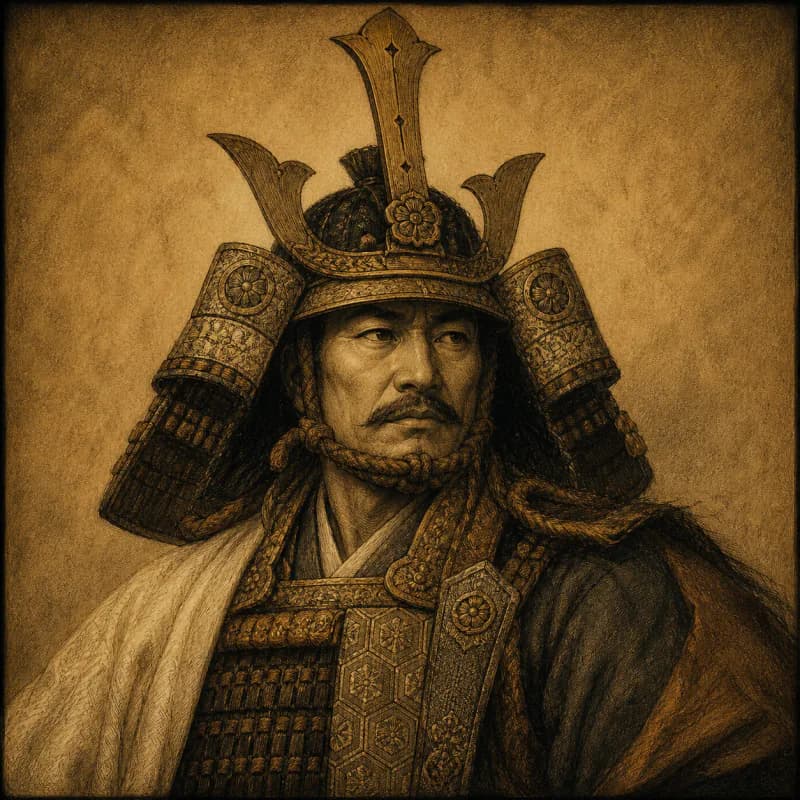
SA-0016 / 1294
Kusunoki Masashige
The strategist who held off the Kamakura shogunate with rocks and trickery
REPORTS FROM THIS ERA
Benkei's Standing Death: The Origin of Japan's Loyalty Mythos
On a small bridge in northern Honshū in 1189, a warrior monk fought to defend his lord's last retreat. He died on his feet — and the image of his death became, for the next eight centuries, the template for every Japanese story of devotion.
Chihaya Castle: How Three Hundred Held a Hundred Thousand
In the spring of 1333, Kusunoki Masashige defended a small mountain fortress against a Kamakura army that outnumbered him three hundred to one. He held them for over three months, broke the bakufu's economy, and started the chain of revolts that ended a hundred and forty-eight years of Hōjō rule.
Why Kamakura: How Yoritomo Invented Permanent Warrior Government
When Minamoto no Yoritomo took the title of shogun in 1192, he was not the first samurai to hold national power. He was the first to make the office permanent. The choices he made between 1180 and 1199 set the operating system of Japanese government for the next 676 years.
The Nun Shogun: How Hōjō Masako Ran a Country She Was Never Allowed to Officially Rule
Between 1199 and 1225, Hōjō Masako effectively governed the Kamakura Bakufu — first through her sons, then in her own name as the Ama Shōgun. She is the founding figure of behind-the-throne female political power in Japanese samurai history.
Two Emperors at Once: How Ashikaga Takauji Split Japan for Sixty Years
In 1336, in his attempt to legitimize his own shogunate, Ashikaga Takauji installed a rival emperor in Kyoto while the original emperor fled to Yoshino. Japan had two parallel imperial lines for the next fifty-six years. The political architecture of that split shaped the country into the Sengoku.
The Woman Who May Not Have Existed: Tomoe Gozen and the Onna-musha Tradition
Tomoe Gozen appears in the Heike Monogatari as the most famous female warrior of the Genpei War. She does not appear in any contemporary record. Whether she existed at all is a question Japanese medieval historians cannot definitively answer — but the tradition she founded is undeniably real.
From Kurama to Ōshū: How Ushiwaka-maru Became Yoshitsune
Twenty years after his father Yoshitomo's defeat and death. Placed at a Kyoto temple, Ushiwaka-maru left Kurama at sixteen to seek Fujiwara no Hidehira in Ōshū. Tracing the boyhood — thin in record — up to the moment Yoritomo's uprising drew him onto the stage of history.
The Descent at Hiyodorigoe: What Did Yoshitsune Do at Ichi-no-Tani That Morning?
March 1184, Ichi-no-Tani in Settsu Province. The 'descent at Hiyodorigoe' — said to have Yoshitsune ride down the sheer face of Mount Tekkai behind the Taira camp with seventy horsemen — is one of the most famous battle scenes in Japanese war literature. But the contemporary sources record it only briefly. Between tradition and source, an inquiry into what happened.
The Morning at Koromogawa: Why Was Yoshitsune Killed by His Brother Yoritomo?
In 1185, Yoshitsune destroyed the Taira at Dannoura; four years later, he was taking his own life at an Ōshū palace. What happened in those four years from Dannoura to Koromogawa? The political structure of the brothers' conflict, and Yoshitsune's end, traced.
The Return from the Kumano Pilgrimage: The Heiji Rebellion and Kiyomori's Night
In the first month of 1160, when Fujiwara no Nobuyori and Minamoto no Yoshitomo rose in Kyoto, Taira no Kiyomori was on his way back from the Kumano pilgrimage. Forty-two-year-old Kiyomori, with his base left in the capital, and thirty-seven-year-old Yoshitomo. This one contest fixed Japan's political history.
The Warrior Chancellor: What Kiyomori Accomplished in 1167
In 1167, Taira no Kiyomori was appointed Chancellor of the Realm. Warrior appointment to the highest office — an office limited to the Sekkanke and the imperial house — was an unprecedented turn in Japan's political structure. Reading the meaning of the appointment and the reality of the Taira glory.
Prince Mochihito's Call to Arms: Why Did the Taira Glory Collapse in 1180?
In the fifth month of 1180, the call to arms issued by Prince Mochihito, son of the retired emperor Go-Shirakawa, ordered the Genji of the various provinces to hunt down the Taira. Nationwide anti-Taira uprisings, the burning of the southern capital, the failed transfer of the capital to Fukuhara, and Kiyomori's death by fever — a world changed in a year and a half.
From the Mountains of Kiso: Whose Child Did Yoshinaka Grow Up As?
In 1155, the two-year-old Komaōmaru lost his father. The boy raised in Kiso Valley in Shinano Province rose in response to Prince Mochihito's call to arms at twenty-six. Tracing the prehistory of the man who became the first true battlefield victor over the Taira.
Kurikara Pass: Why Did Taira no Koremori Collapse in May 1183?
On the night of the eleventh day of the fifth month of 1183, at Kurikara Pass on the border of Etchū and Kaga. The Taira pursuit army of seventy thousand under Taira no Koremori was annihilated in a night attack by Yoshinaka. The tradition of the 'Fire Ox' stratagem and the record. Tracing the decisive moment of the Taira decline.
The Uji River, and Awazu: Why Was Yoshinaka Cast as Court Enemy Half a Year After Entering the Capital?
In the seventh month of 1183, Yoshinaka entered Kyoto and was appointed Barbarian-Subduing Shogun. But half a year later he was killed as a court enemy by the Kamakura army. What happened in the capital? A record of the half-year of mismanagement from the entry to Kyoto to the death at Awazu.
The Origin of the Samurai: Can Masakado Be Called the Founder of the Warrior Class?
In modern historical research, the birth of the class of 'samurai' in Japan is said to go back to the 10th-11th centuries. As the first large-scale case in that process, Masakado's name is often cited. Examining Masakado's position as the origin of the samurai.
After Shijōnawate: In 1348, His Brother's Death Turned the Headship to Masanori
In the first month of 1348, at Shijōnawate in Kawachi. Kusunoki Masatsura clashed head-on with the great army of the Northern Court's Kō Moronao and fell in battle. Following his father Masashige, his elder brother also fell, and the headship of the Kusunoki turned to the third son, Masanori. The start of a forty-year life ahead.
From Monitor to Father-in-Law: The Twenty Years of Tokimasa and Yoritomo
Hōjō Tokimasa, who took the role of monitor to Minamoto no Yoritomo exiled to Izu in 1160, was, twenty years later, Yoritomo's father-in-law and at the center of the founding of the Kamakura shogunate. Tracing the family fate that his daughter Masako's secret marriage moved.
In 1203, How Tokimasa Made Shikken Politics
In 1203, Tokimasa removed the second shōgun Yoriie (his own grandson), raised up the third shōgun Sanetomo, and took the office of Mandokoro Bettō. The origin of the 'shikken politics' that would continue for eight hundred years — the double structure of the shikken holding real power while formally serving under the shōgun.
The Maki-shi Incident: In 1205, Tokimasa Fell From the Peak of Power
In the leap seventh month of 1205, Tokimasa, together with his second wife Maki-no-kata, plotted to raise Hiraga Tomomasa as shōgun. But by the counter-attack of his daughter Masako and son Yoshitoki, he failed, fell from power, and retired to Izu. A sudden fall from the peak of power.
Succession as Shikken: How Hōjō Yoshitoki Took the Power of Kamakura by Banishing His Father, 1205
In 1205, having brought down his father Tokimasa in the Maki-shi Incident, Hōjō Yoshitoki succeeded, together with his sister Masako, to the substantive power of the Kamakura shogunate. The severe choice of seizing power by banishing his father opened the second stage of Hōjō regency politics.
The Jōkyū War: The Day Yoshitoki Subdued the Imperial Court by Force, 1221
In 1221, the Retired Emperor Go-Toba issued an edict to hunt down Hōjō Yoshitoki. Under his sister Masako's exhortation, Yoshitoki sent a great army to Kyoto and defeated the court's forces. This war, in which the warrior houses subdued the imperial court by force, transformed the power structure of Japan at its root.
Inamuragasaki: The Day Yoshisada Cast His Sword into the Sea and Took Kamakura, 1333
In the fifth month of 1333, Nitta Yoshisada cast a golden sword into the sea at Inamuragasaki on the edge of Kamakura, raced across the ebbed tidal flat, and attacked into Kamakura. The Kamakura shogunate, which had lasted 140 years, perished in little more than half a month from the uprising of one neglected gokenin.
The Retreat at Minatogawa: In 1336, Yoshisada Could Not Save His Sworn Friend Masashige
In the fifth month of 1336, at Minatogawa in Settsu. Before the great army of Ashikaga Takauji, who had rallied from Kyushu, Nitta Yoshisada and Kusunoki Masashige were defeated. Masashige died in battle; Yoshisada retreated and survived. It was a day that divided the fortunes of the two men who had together supported the Kenmu government.
The Snow of Yoshino: In 1186, Shizuka Was Parted from Yoshitsune in Life
In 1185, Shizuka Gozen, the finest shirabyōshi of the capital, followed the hunted Minamoto no Yoshitsune out of the capital. In the first month of the next year, the two parted on Mt. Yoshino, forbidden to women. Shizuka could only see off Yoshitsune's back as it vanished into the snowy peaks. This became their parting for life.
The Dance at Tsurugaoka: In 1186, Shizuka Danced Her Longing for Yoshitsune Before Yoritomo
In 1186, in Kamakura. The captive Shizuka Gozen offered a dance at Tsurugaoka Hachimangū at the request of Yoritomo and Masako. But what Shizuka danced and sang was a song of longing for Yoshitsune, whom Yoritomo hunted. Yoritomo was enraged. Masako defended her, as one woman who understood the longing for Yoshitsune.
Yuigahama: In 1186, Shizuka Had Her Newborn Child Taken from Her
In Kamakura, Shizuka Gozen bore Yoshitsune's child. It had already been decreed that if the child were a boy, it would be killed. The infant was sunk in the waves of Yuigahama. The death of a child torn from its mother. Shizuka thereafter left Kamakura heartbroken, and her later fate vanished into legend.