SUBJECT FILE NO. SA-0019
BUSHI ARCHIVE
Uesugi Yōzan
Uesugi Yōzan
Reformer of the Yonezawa Domain
SECTION I -- SUBJECT PROFILE
| Name | Uesugi Yōzan |
|---|---|
| English | Uesugi Yōzan |
| Origin | Japan |
| Lifespan | 1751–1822 |
| Gender | Male |
| Century | 17th C. |
| Clan / Role | Daimyo |
| Title | Reformer of the Yonezawa Domain |
SECTION II -- OVERVIEW
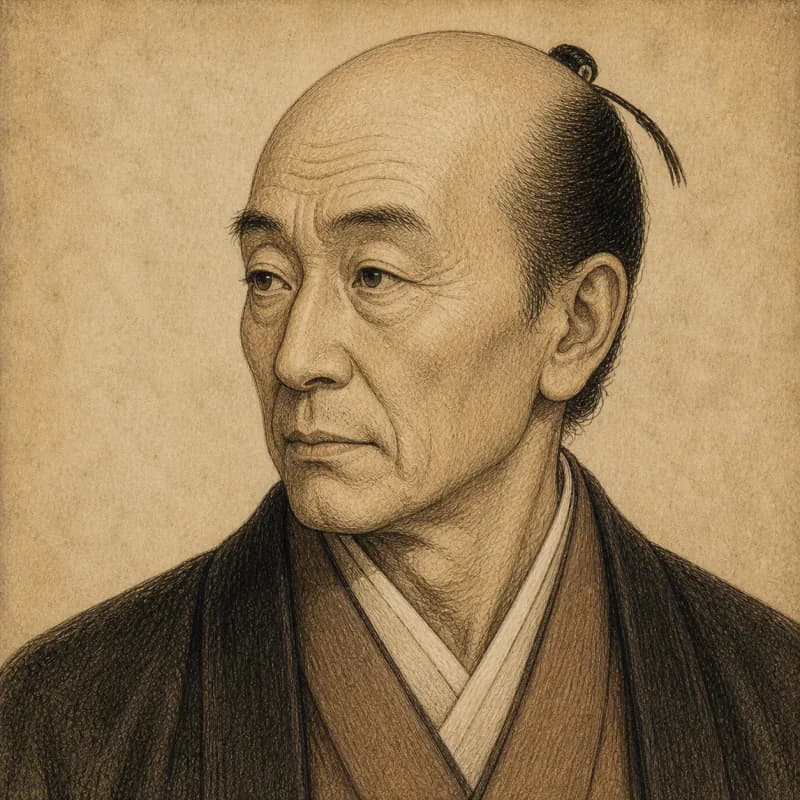
Born Akizuki Harunori in 1751 in the small Akizuki domain of Kyūshū, Yōzan was adopted at age ten into the Uesugi clan as heir to the deeply troubled Yonezawa domain in northern Honshū.
The Yonezawa Uesugi were descendants of the great Sengoku general Uesugi Kenshin, but two centuries of Tokugawa-imposed reductions had left the domain at 150,000 koku, with debts equal to twenty years of total revenue and a samurai population it could no longer feed.
When Yōzan inherited rule in 1767 at age seventeen, contemporaries advised him to surrender the domain to the bakufu. He refused.
Over the next thirty years he led a reform program that became the textbook example of Edo-era domain restoration: aggressive frugality at the daimyō residence, agricultural diversification (wax-tree planting, silk production, lacquerware), promotion of capable samurai regardless of rank, and the founding of the Kōjōkan domain academy in 1776.
By his retirement in 1785 the Yonezawa domain was solvent. By his death in 1822 it was prosperous. His maxim Naseba naru — 'if you do it, it will be done' — entered modern Japanese as a standard motivational phrase.
SECTION III -- CHRONOLOGY
SECTION IV -- NOTABLE STATEMENTS
“If you do it, it will be done. If you do not, it will not. That nothing is done is the failure of the doer.”
SECTION V -- FIELD NOTES
[A]The First Year
Within his first year of rule, Yōzan reduced his own household allowance by ninety percent, dressed in cotton instead of silk, and ate two meals a day instead of three.
He published the budget for review by his retainers — an unprecedented act of transparency for a daimyō.
The senior councillors who tried to obstruct him were dismissed; one was executed for sabotage. The reform was understood, immediately, as serious.
SECTION VI -- LEGACY & IMPACT
Yōzan is the patron saint of Japanese reform leadership. His policies are studied today in the curricula of the National Diet's training programs and major Japanese business schools.
He is widely cited as one of the leaders President John F. Kennedy named as a personal hero in 1961, though the precise quote has never been confirmed.
The Kōjōkan academy survives as Yonezawa Kōjōkan Senior High School.
SECTION VII -- MAJOR DEEDS
- [01]Yonezawa fiscal reform (1767–1785)
- [02]Kōjōkan academy (1776)
- [03]Wax-tree and silk industries of Tōhoku
- [04]Treatise Kōken-roku on rulership
SECTION VIII -- REFERENCE MATERIALS
PRIMARY SOURCES & ARCHIVES
- PRIMARY
Yōzan-kō Iji
Compiled by Yonezawa domain
Domain-internal record of Yōzan's words, deeds, and reform measures
- SCHOLARSHIP
Uesugi Yōzan
Dōmon Fuyuji / Shūeisha Bunko
Bestselling popular biography that revived Yōzan's modern reputation (in Japanese)
- ARCHIVE
Yonezawa City Uesugi Museum
Yonezawa City
Holds Yōzan-related materials within the broader Uesugi-clan archive
Visit archive →
RECOMMENDED READING