SUBJECT FILE NO. SA-0059
BUSHI ARCHIVE
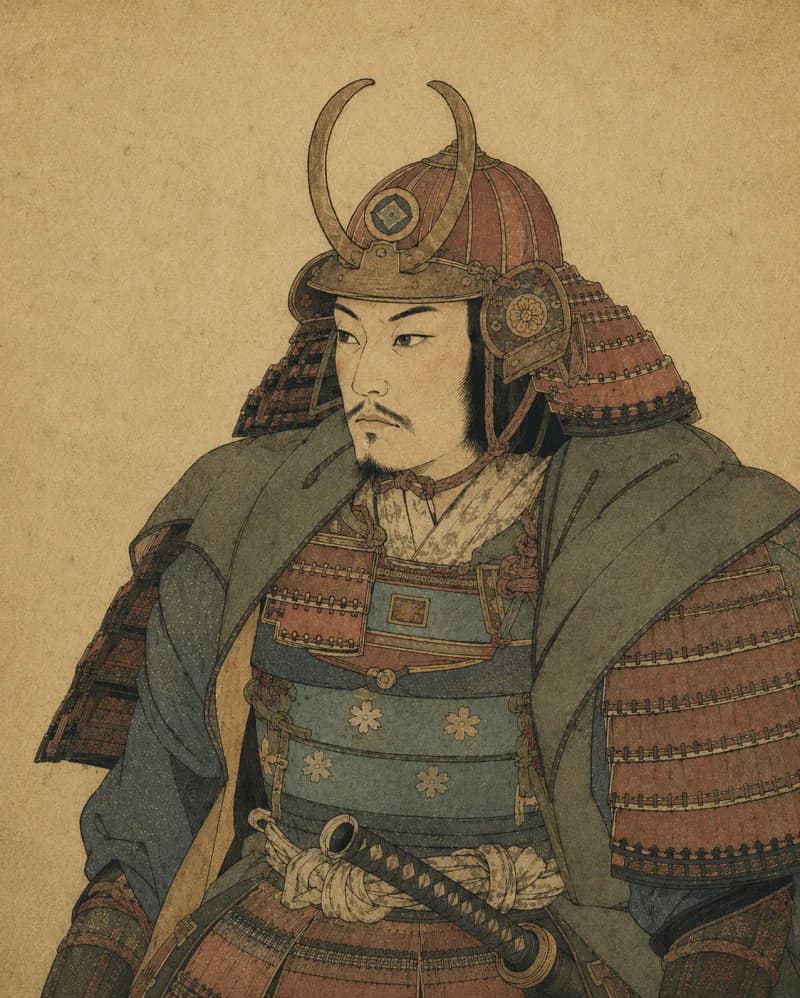
Hongan-ji Kennyo
Hongan-ji Kennyo
Eleventh head of Hongan-ji; resident head of Ishiyama Hongan-ji
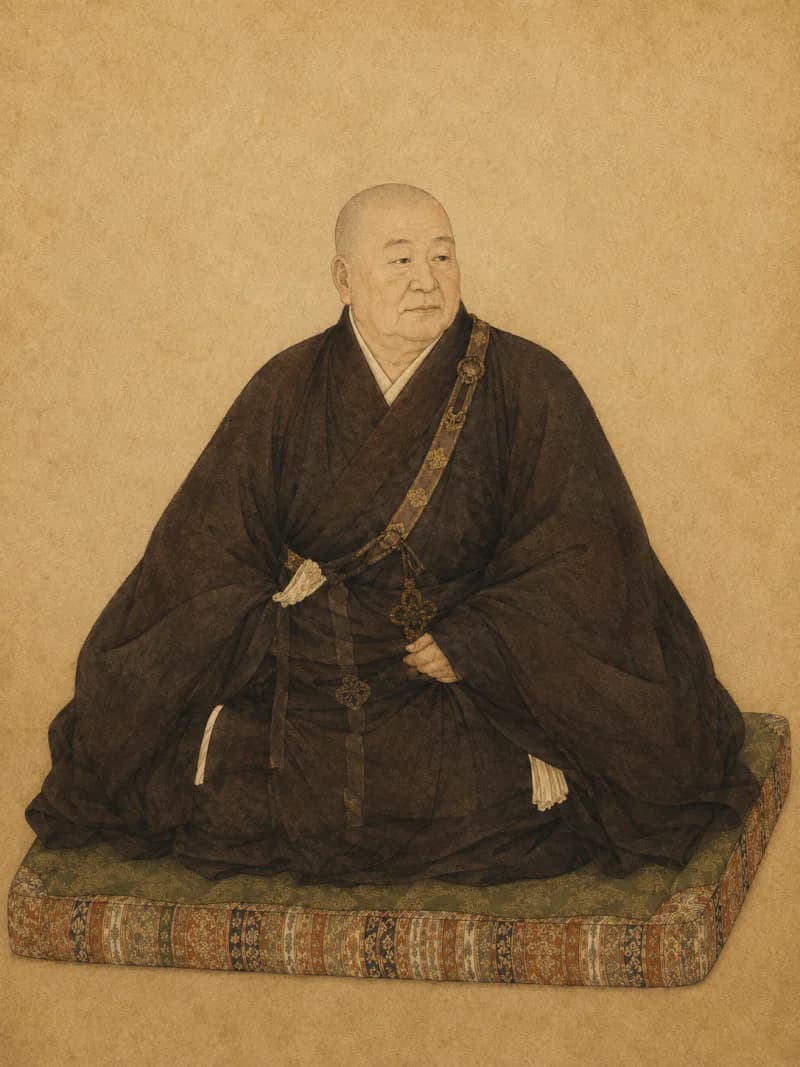
SECTION I -- SUBJECT PROFILE
| Name | Hongan-ji Kennyo |
|---|---|
| English | Hongan-ji Kennyo |
| Origin | Japan |
| Lifespan | 1543–1592 |
| Gender | Male |
| Century | 16th C. |
| Clan / Role | Religious Leader |
| Title | Eleventh head of Hongan-ji; resident head of Ishiyama Hongan-ji |
SECTION II -- OVERVIEW
Born in 1543 (Tenbun 12) at Ishiyama in Settsu Province (the modern Chūō Ward of Ōsaka City) as the son of the tenth Hongan-ji head, Shōnyo.
In 1554, at twelve, he succeeded to the position of eleventh head of Hongan-ji on his father's death. The Hongan-ji organization of the time held powerful adherent organizations across the Kinki, Hokuriku, and Tōkai regions, and existed as an effectively armed religious force that dealt on equal terms with the Sengoku daimyō.
In 1570 (Genki 1), his conflict with Oda Nobunaga became decisive, and Kennyo issued calls to the adherents of the provinces to overthrow Nobunaga.
The Ishiyama War that would last ten years began. He held out through Nobunaga's siege at Ishiyama Hongan-ji (the site of the modern Ōsaka Castle), coordinating with anti-Nobunaga forces — Asakura, Azai, Takeda, Mōri — and became one of the enemies who most troubled Nobunaga.
In 1580 (Tenshō 8), through a peace mediated by imperial edict of Emperor Ōgimachi, he withdrew from Ishiyama Hongan-ji and moved to Sagimori in Kii Province (the modern Wakayama City, Wakayama Prefecture).
In 1583, granted a temple site at Tenma south of the former Hongan-ji ground in Ōsaka by Toyotomi Hideyoshi, he rebuilt Hongan-ji.
In 1591 he moved to Shichijō Horikawa in Kyoto (the modern Nishi Hongan-ji). He died in 1592 (Bunroku 1), aged fifty.
SECTION III -- CHRONOLOGY
SECTION IV -- NOTABLE STATEMENTS
“Nobunaga is an enemy of the Buddha. If we do not strike him down, there will be no other way.”
SECTION V -- FIELD NOTES
[A]The Ishiyama War — Structure of a Ten-Year War
The Ishiyama War, which continued from 1570 to 1580 for ten years, is the largest example of direct confrontation between religious force and daimyō power in the late Sengoku.
The Hongan-ji adherents were organized across broad areas of the Kinki, Hokuriku, and Tōkai regions, and included such powerful armed forces as the Kaga Ikkō-ikki (an effectively autonomous state of nearly a century of adherent rule beginning in 1488).
Kennyo coordinated with adherent leaders in the various regions and bore one corner of the anti-Nobunaga encirclement.
Ishiyama Hongan-ji itself was a fortified castle-complex, and continued a siege defense while receiving supplies from the Mōri navy of the Inland Sea.
Nobunaga's direct military reduction did not succeed to the end, and the resolution took the form of a peace mediated by imperial edict from the court (Emperor Ōgimachi).
SECTION VI -- LEGACY & IMPACT
Kennyo, as the leader of the largest religious armed force of the Sengoku period, had great impact on the process of Oda Nobunaga's unification of the realm.
The ten years of the Ishiyama War tied up Nobunaga's forces over the long term and influenced his decisions on other fronts.
After the peace of 1580, Hongan-ji as inherited in Kennyo's line survived through the Edo period as one of the largest sects of Japanese Buddhism.
In 1602, the line of Kennyo's eldest son Kyōnyo, with support from Tokugawa Ieyasu, established Higashi (East) Hongan-ji separately, and Hongan-ji thereafter divided into two branches.
Nishi Hongan-ji at Shichijō Horikawa and Higashi Hongan-ji at Karasuma Shichijō still stand today as the head temples of the Jōdo Shinshū Hongan-ji-ha and the Shinshū Ōtani-ha, and are familiar as 'Onishi-san' and 'Ohigashi-san' of Kyoto.
The former ground of Ishiyama Hongan-ji became Ōsaka Castle under Toyotomi Hideyoshi and is now the starting point of the modern center of Ōsaka.
SECTION VII -- MAJOR DEEDS
- [01]Inheritance of the eleventh Hongan-ji head position (1554)
- [02]Command of the Ishiyama War (1570-1580)
- [03]Relocations of Hongan-ji to Kii Sagimori, Ōsaka Tenma, and Kyoto Shichijō Horikawa
- [04]Command of the adherent organizations of Kinki, Hokuriku, and Tōkai
- [05]Maintenance of the largest religious armed force of the Sengoku period
SECTION VIII -- REFERENCE MATERIALS
PRIMARY SOURCES & ARCHIVES
- PRIMARY
Hongan-ji Documents
Transmitted at Nishi Hongan-ji
Primary source materials of the Hongan-ji organization, including Kennyo's letters and calls to arms
- SCHOLARSHIP
Hongan-ji and Nobunaga
Kanda Chisato / Kōdansha Sensho Métier
Standard modern study empirically examining the political structure of the Ishiyama War
- ARCHIVE
Nishi Hongan-ji
Shimogyō Ward, Kyoto City, Kyoto Prefecture
Head temple of the Jōdo Shinshū Hongan-ji-ha; the Hongan-ji of Kennyo's line
Visit archive →
RECOMMENDED READING
SECTION X -- RELATED REPORTS
SA-RPT
'Nobunaga Is an Enemy of the Buddha': Why Kennyo Started a Ten-Year War
In September 1570, the twenty-seven-year-old Hongan-ji head Kennyo issued a call to the adherents of the provinces to overthrow Nobunaga. Tracing the opening of the longest war in Japanese history in which religion and force were interwoven — the Ishiyama War of the late Sengoku.
SA-RPT
A Ten-Year Siege: How Ishiyama Hongan-ji Held Out Against Nobunaga
From 1570 to 1580, Ishiyama Hongan-ji withstood Nobunaga's siege for ten years. The water-castle terrain, supply from the Inland Sea navy, coordination with adherents of the provinces. Tracing the reality of the siege defense in which a religious force troubled a secular daimyō longest.
SA-RPT
West and East: After Kennyo's Death, Why Did Hongan-ji Split in Two?
After Kennyo's death in 1592, Hongan-ji divided between the line of the eldest son Kyōnyo and the third son Junnyo. In 1602, with the support of Tokugawa Ieyasu, Kyōnyo established Higashi (East) Hongan-ji separately, and two Hongan-ji — West and East — came to stand in parallel in Kyoto.
SECTION IX -- LINKED SUBJECTS
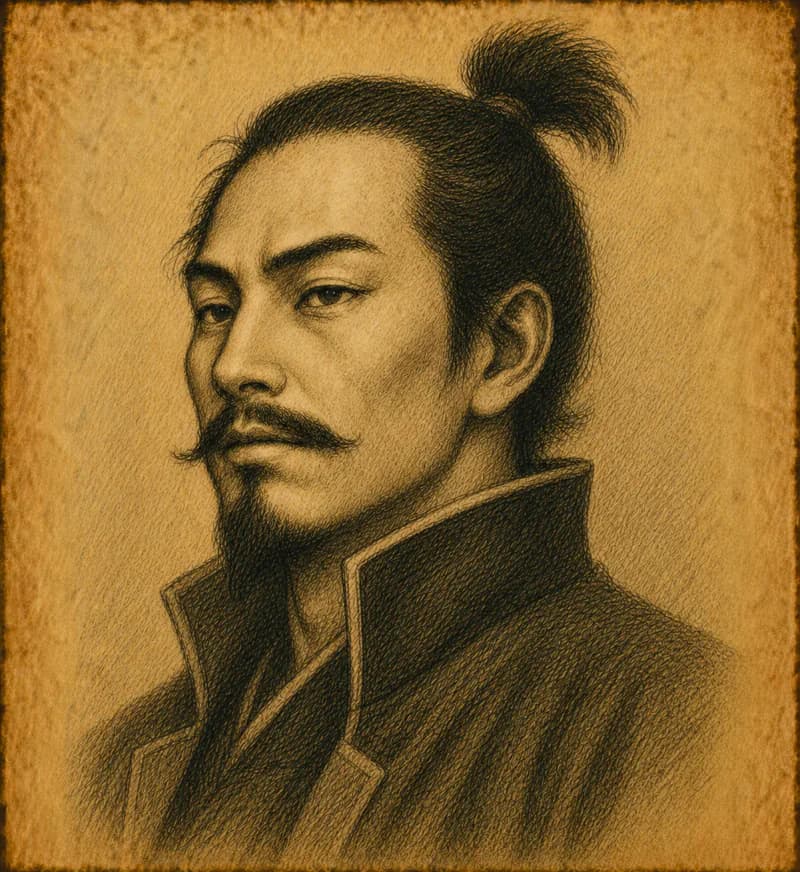
SA-0001 / JPN
Oda Nobunaga
The revolutionary who paved the path to a unified Japan
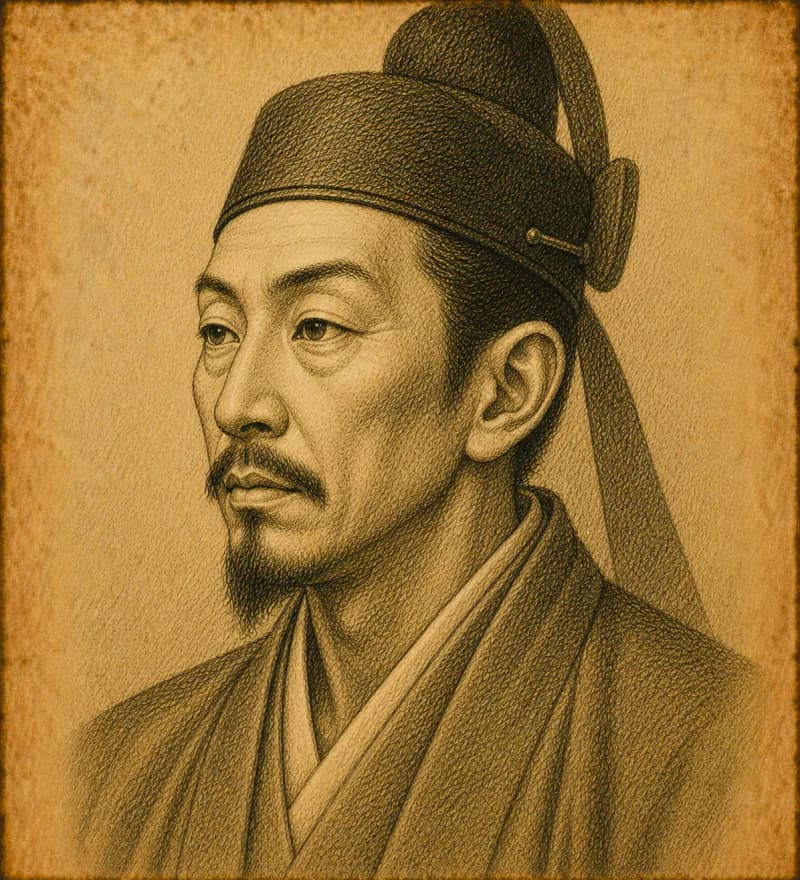
SA-0002 / JPN
Toyotomi Hideyoshi
The peasant who rose to rule all Japan
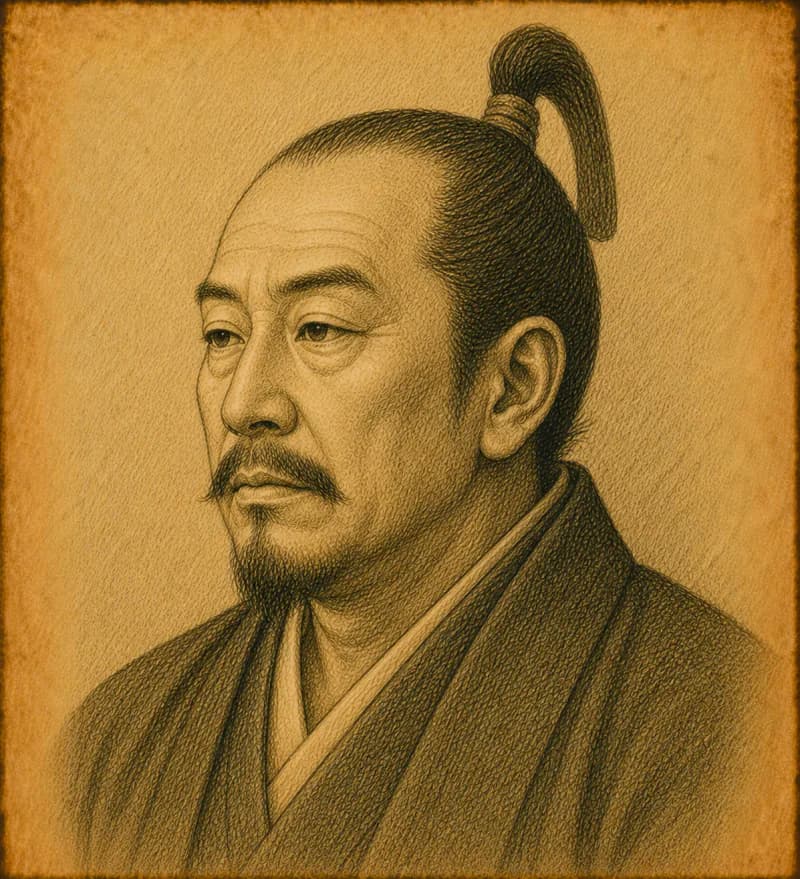
SA-0003 / JPN
Tokugawa Ieyasu
The patient warlord whose dynasty ruled Japan for 250 years
SA-0004 / JPN
Date Masamune
The One-Eyed Dragon who built Sendai
SA-0005 / JPN
Takeda Shingen
The Tiger of Kai whose cavalry shook the realm
SA-0006 / JPN
Uesugi Kenshin
The Dragon of Echigo, sword-saint of the north
SA-0030 / JPN
Akechi Mitsuhide
The general whose betrayal at Honnō-ji rerouted Japanese history
SA-0033 / JPN
Takeda Katsuyori
The last lord of Takeda — and the man who lost the cavalry at Nagashino