SUBJECT FILE NO. SA-0011
BUSHI ARCHIVE
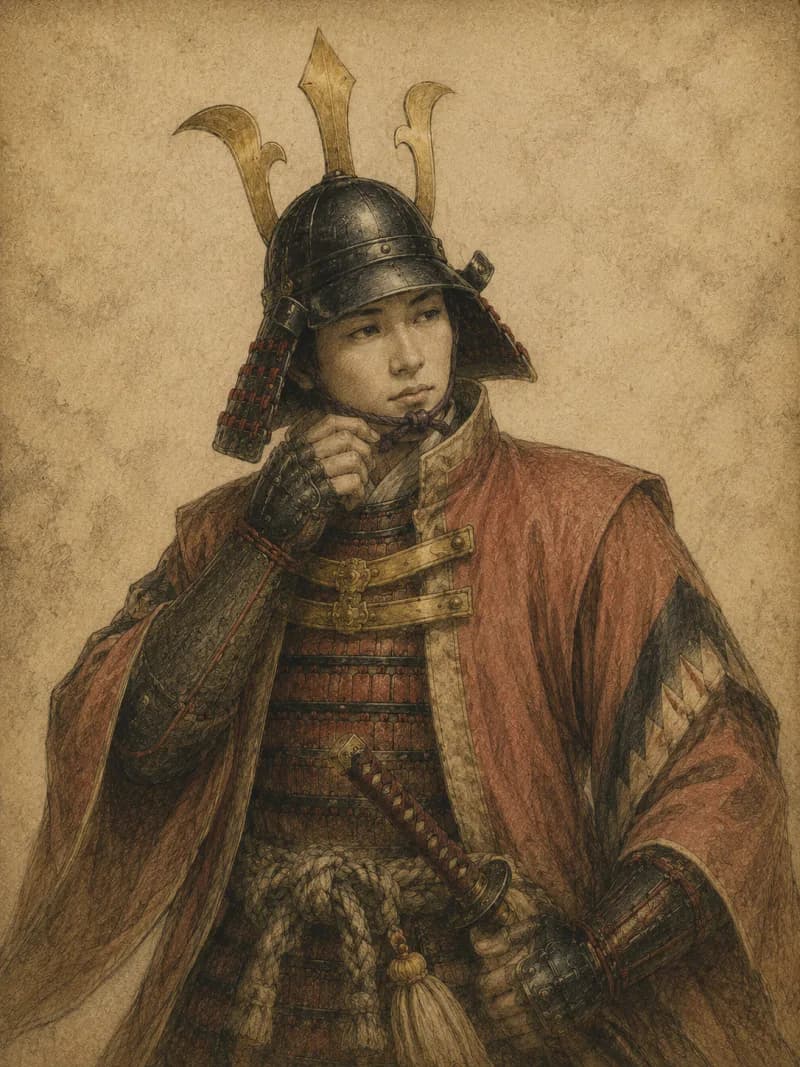
Kuroda Kanbei
Kuroda Yoshitaka
Chief Strategist to Toyotomi Hideyoshi
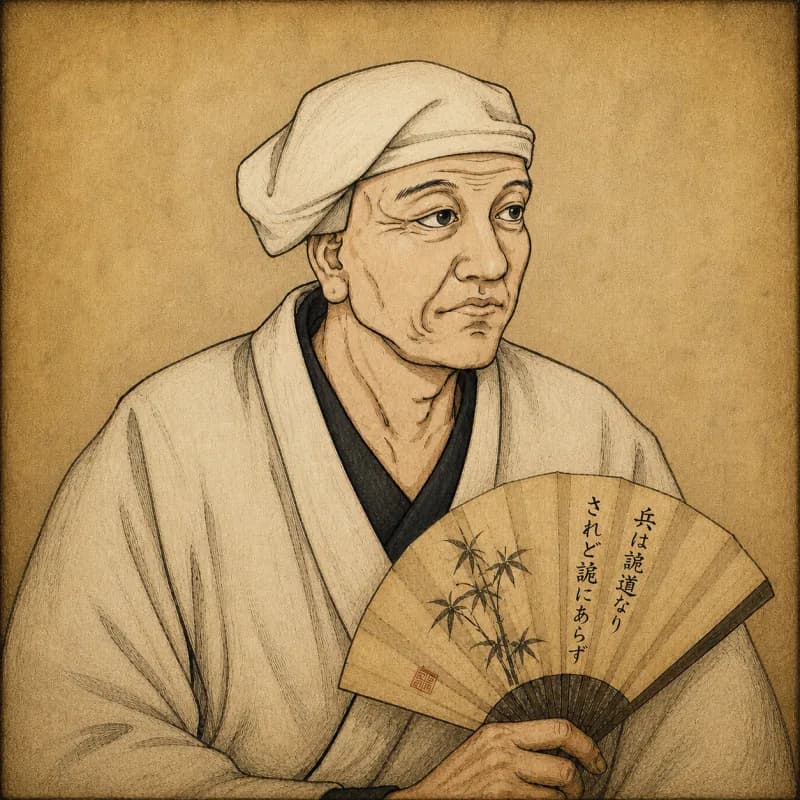
SECTION I -- SUBJECT PROFILE
| Name | Kuroda Kanbei |
|---|---|
| English | Kuroda Yoshitaka |
| Origin | Japan |
| Lifespan | 1546–1604 |
| Gender | Male |
| Century | 16th C. |
| Clan / Role | Strategist |
| Title | Chief Strategist to Toyotomi Hideyoshi |
SECTION II -- OVERVIEW
Born in 1546 in Harima Province, Kuroda Yoshitaka — almost universally called by his court name Kanbei — became one of the three or four sharpest strategic minds of the Sengoku.
He met Hideyoshi during the Chūgoku campaigns and immediately attached himself, planning the brilliant water siege of Takamatsu Castle in 1582 that pinned the Mōri at the moment of Honnō-ji.
It was Kanbei who, on hearing the news of Nobunaga's death, told Hideyoshi 'this is your great chance' — a remark that, decades later, Hideyoshi would joke had been the day he learned to fear his own retainer.
After unifying Kyūshū for the Toyotomi he was reduced to the modest 120,000 koku Nakatsu domain, well below his merit, because Hideyoshi could not bear having him close to the capital.
He became a Christian (baptismal name Simeon Josui) before the Bateren Edict, and at Sekigahara — though formally aligned with the West — covertly built his own army on Kyūshū with the apparent intention of seizing the island for himself if both sides exhausted each other in Mino.
SECTION III -- CHRONOLOGY
SECTION IV -- NOTABLE STATEMENTS
“Strategy is choosing what not to do.”
SECTION V -- FIELD NOTES
[A]The Letter at Honnō-ji
When the courier reached Bitchū with news that Nobunaga was dead, Hideyoshi wept — and Kanbei, the only one in the tent who saw clearly, leaned in and said: 'Your moment has come.
' Hideyoshi later told this story to others as a joke, but added that he never let Kanbei near the capital again.
SECTION VI -- LEGACY & IMPACT
Kanbei is the patron saint of Japanese strategists. Hagakure singles him out as the supreme example of what a samurai brain could accomplish, and modern Japanese business writing routinely cites him in the same breath as Miyamoto Musashi.
His son Nagamasa founded the Fukuoka domain, the Kuroda 520,000 koku that lasted to the Meiji Restoration.
SECTION VII -- MAJOR DEEDS
- [01]Water siege of Takamatsu Castle (1582)
- [02]Kyūshū pacification (1587)
- [03]Independent Kyūshū campaign (1600)
- [04]Foundation of Fukuoka Castle (through son Nagamasa)
SECTION VIII -- REFERENCE MATERIALS
PRIMARY SOURCES & ARCHIVES
- PRIMARY
Kuroda Kafu
Compiled by Kaibara Ekken
Systematic chronicle of the Kuroda clan and its achievements
- SCHOLARSHIP
Kuroda Kanbei
Owada Tetsuo / Heibonsha Shinsho
Biography by a leading Sengoku-era scholar (in Japanese)
- ARCHIVE
Fukuoka City Museum — Kuroda Collection
Fukuoka City Museum
Holds the Nihongō spear and other Kuroda heirlooms
Visit archive →
RECOMMENDED READING
SECTION X -- RELATED REPORTS
SA-RPT
The Honnō-ji Incident: Why Did Akechi Mitsuhide Betray Nobunaga?
On a single dawn in June 1582, Akechi Mitsuhide turned his army around and burned his lord alive. Four centuries of historians still cannot agree why.
SA-RPT
Sekigahara: How Tokugawa Won Japan in a Single Afternoon
On October 21, 1600, two armies of roughly 80,000 men each met in fog on a Mino plain. By sunset, the battle that decided 250 years of Japanese history was over.
SA-RPT
Strategy as Theater: Why Hideyoshi Kept His Best Strategist Far from the Capital
Kuroda Kanbei could read battles before they happened. Hideyoshi was so afraid of him that he reduced him to a small Kyūshū domain, well below his merit. The decision shaped the career of one of the strangest figures of the Sengoku.
SA-RPT
Yamazaki: The Thirteen-Day Empire That Hideyoshi Stole Back
Eleven days after burning Nobunaga at Honnō-ji, Akechi Mitsuhide stood at the Yamazaki ridges facing an army that should not have arrived for weeks. Toyotomi Hideyoshi had marched 230 kilometres in nine days. By sunset Mitsuhide was finished.
SA-RPT
From the Kuroda to Ōsaka: Why Matabei Became a Rōnin
In 1611, Gotō Matabei left the Kuroda clan of Chikuzen-Fukuoka and became a rōnin. The proximate cause was a long-deteriorating relationship with the lord Kuroda Nagamasa, but the cost of breaking with the conventions of the warrior society was the hōkō-gamae blocking notice — and nearly a decade of wandering across Japan.
SECTION IX -- LINKED SUBJECTS
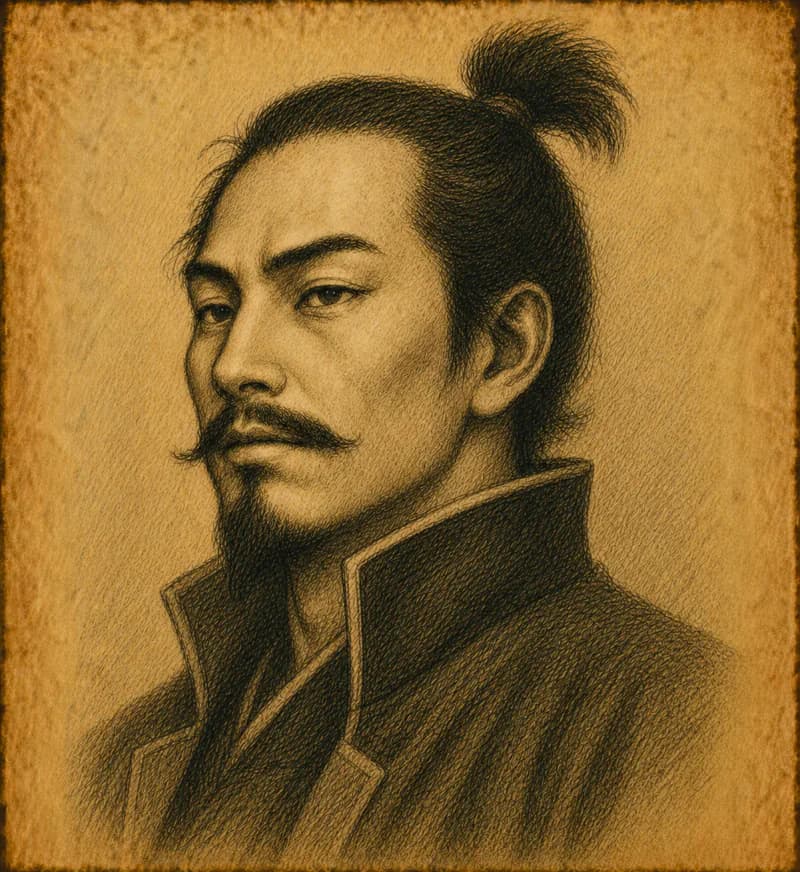
SA-0001 / JPN
Oda Nobunaga
The revolutionary who paved the path to a unified Japan
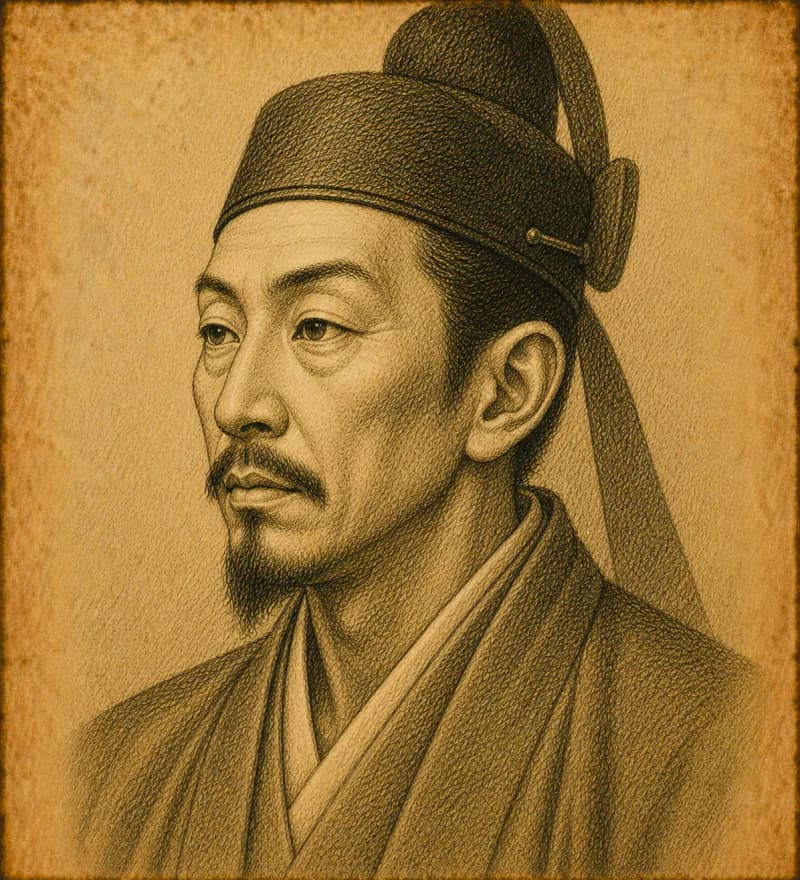
SA-0002 / JPN
Toyotomi Hideyoshi
The peasant who rose to rule all Japan
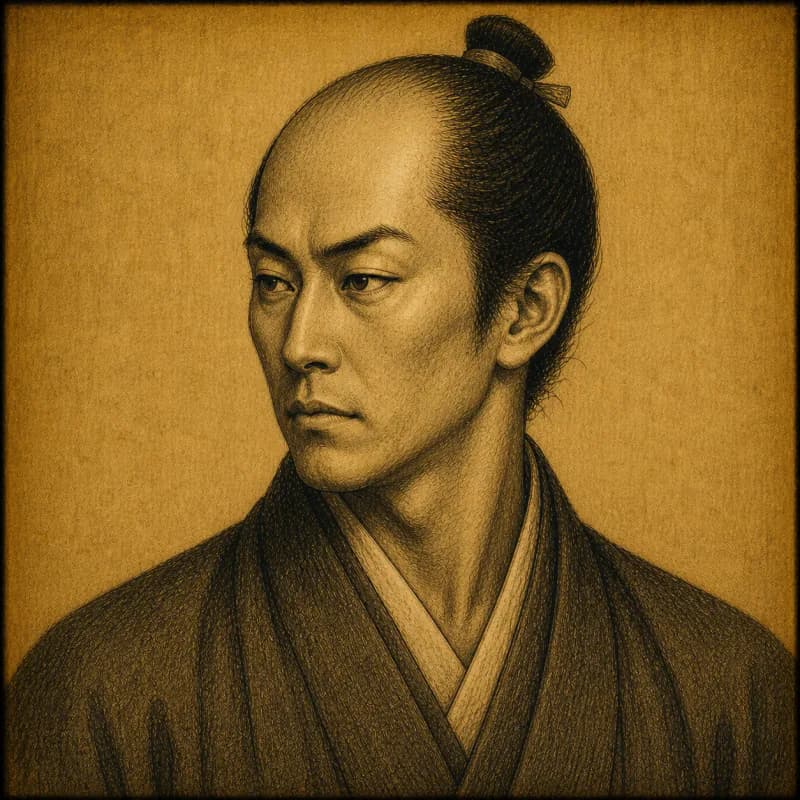
SA-0012 / JPN
Ishida Mitsunari
The administrator who fought Tokugawa for the Toyotomi succession — and lost
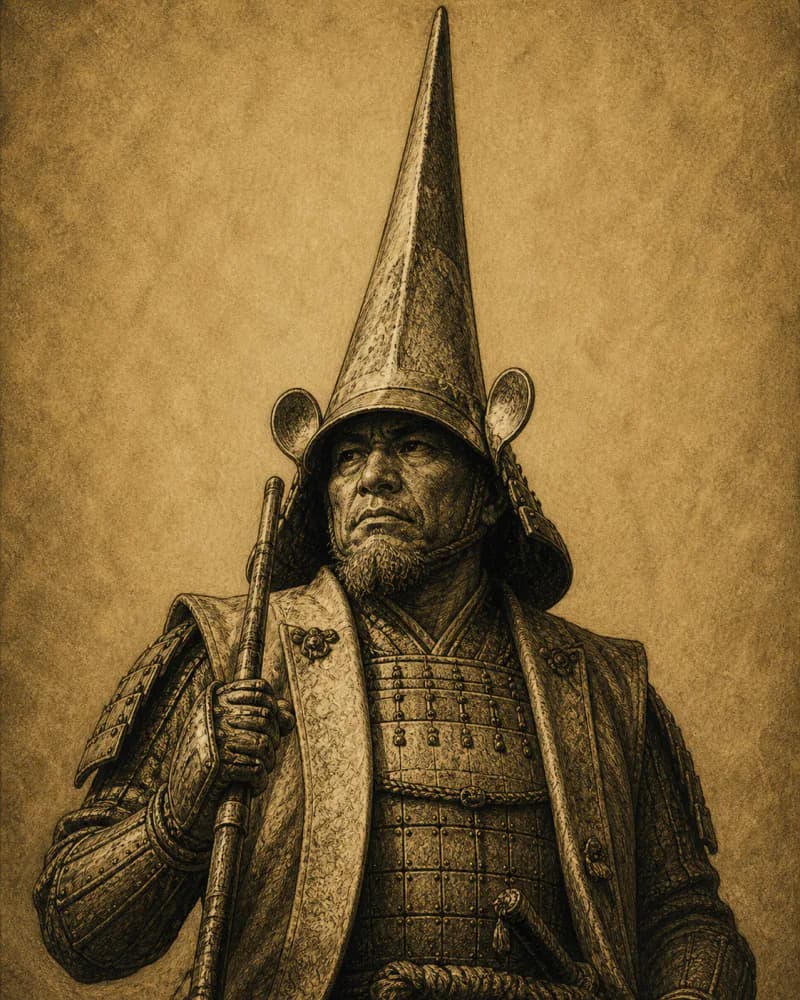
SA-0018 / JPN
Katō Kiyomasa
The seven-spears warrior who built the castle that survived four hundred years
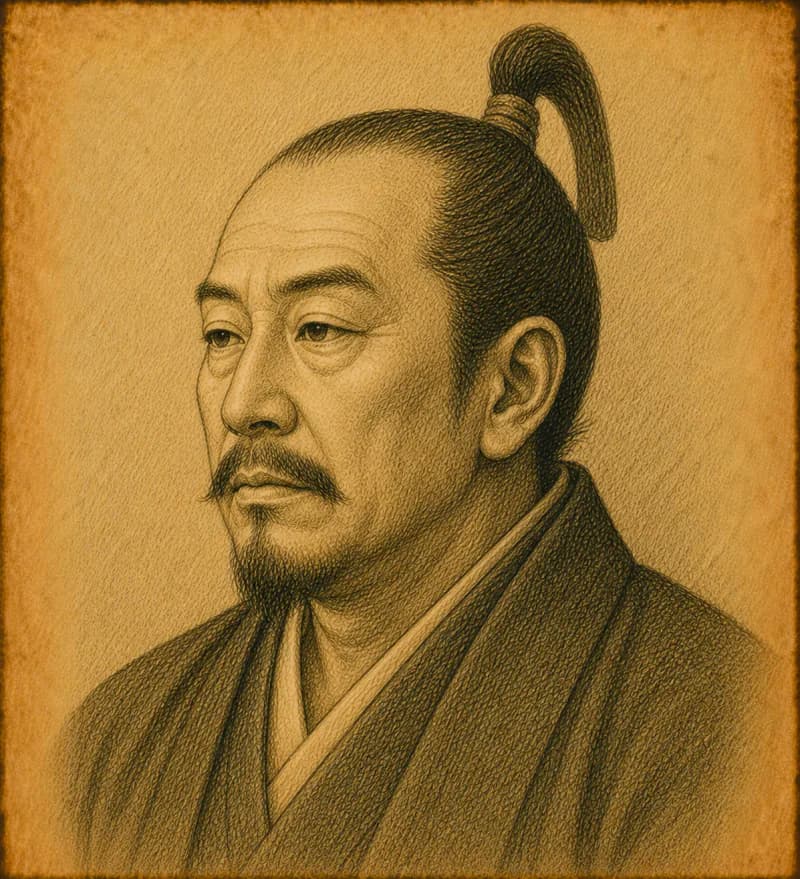
SA-0003 / JPN
Tokugawa Ieyasu
The patient warlord whose dynasty ruled Japan for 250 years
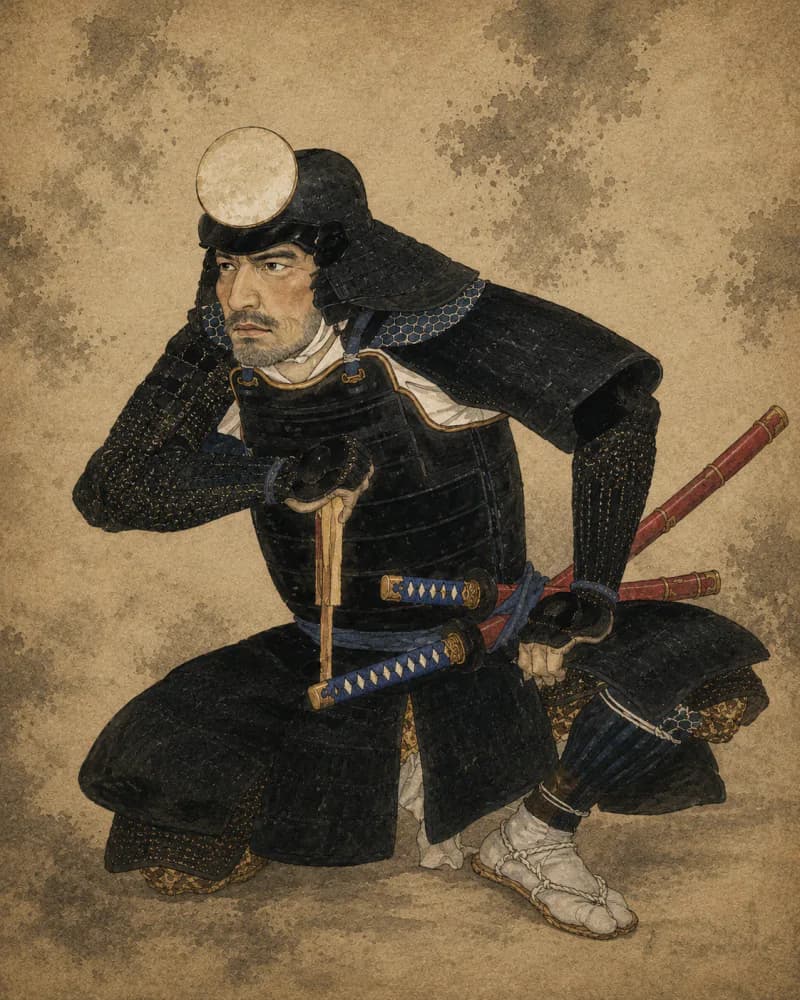
SA-0041 / JPN
Gotō Matabei
The Ōsaka rōnin who died at Dōmyōji one day before Yukimura died at Tennōji
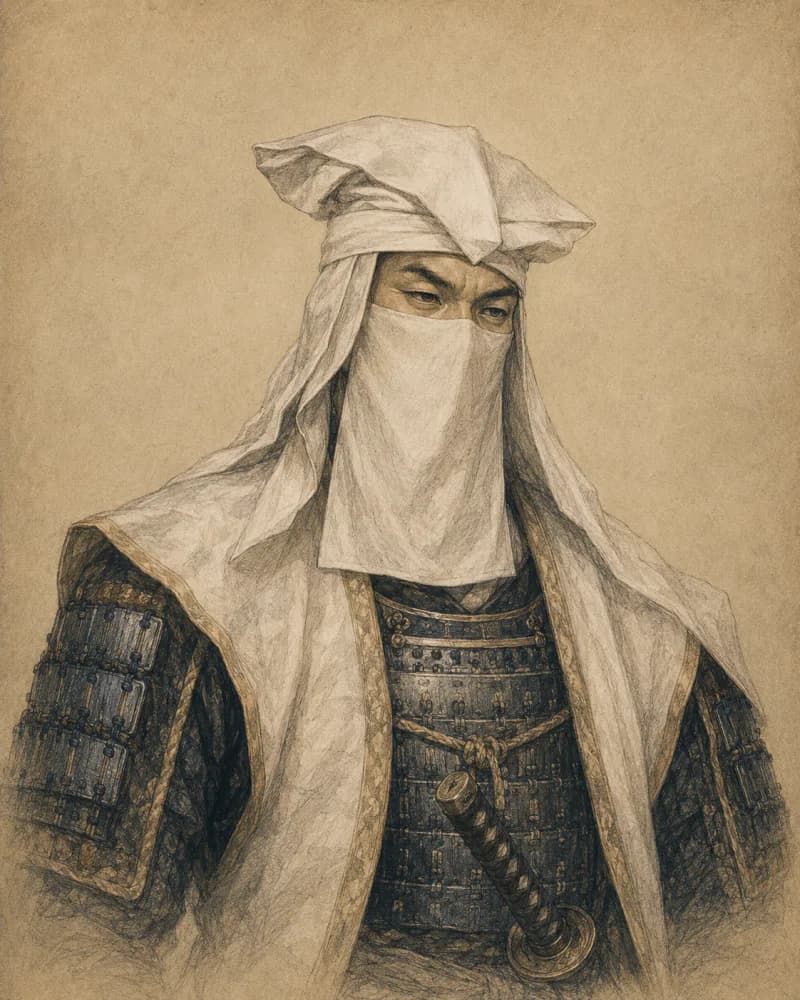
SA-0039 / JPN
Ōtani Yoshitsugu
The strategist who joined his friend Mitsunari at Sekigahara knowing they would probably lose
SA-0040 / JPN
Kobayakawa Hideaki
The young defector at Matsuo Mountain whose decision ended the Sengoku era