SUBJECT FILE NO. SA-0017
BUSHI ARCHIVE
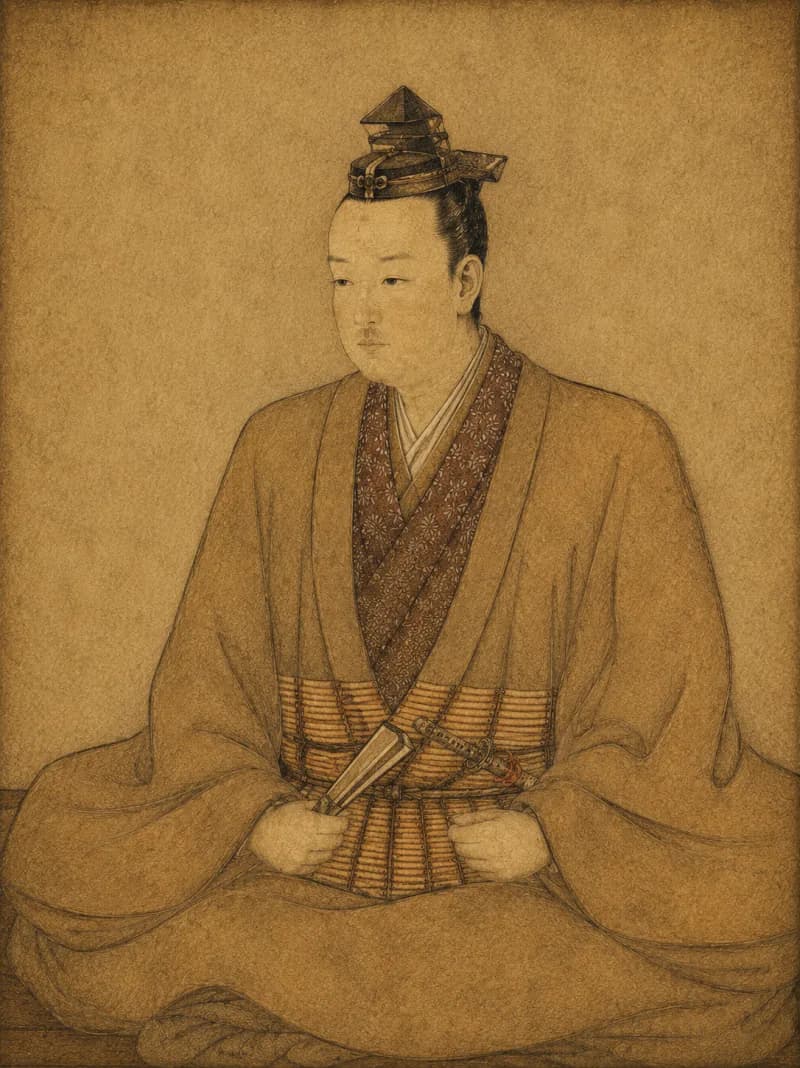
Hosokawa Gracia
Hosokawa Gracia
Lady of the Hosokawa, Christian Convert

SECTION I -- SUBJECT PROFILE
| Name | Hosokawa Gracia |
|---|---|
| English | Hosokawa Gracia |
| Origin | Japan |
| Lifespan | 1563–1600 |
| Gender | Female |
| Century | 16th C. |
| Clan / Role | Daimyo |
| Title | Lady of the Hosokawa, Christian Convert |
SECTION II -- OVERVIEW
Born Akechi Tama in 1563, the third daughter of Akechi Mitsuhide, Gracia was married at fifteen to Hosokawa Tadaoki in a political alliance arranged by Oda Nobunaga himself.
When her father killed Nobunaga at Honnō-ji in 1582, the Hosokawa formally renounced her. Tadaoki could not bring himself to kill her and instead confined her to a remote mountain estate at Mitono in Tango Province, where she remained for two years.
After her father's defeat at Yamazaki she was permitted to return to Tadaoki under Hideyoshi's amnesty. In 1587 she sought baptism from a Jesuit priest while Tadaoki was away on the Kyūshū campaign, taking the name Gracia.
The relationship between her newfound faith and her old samurai loyalty was tested in summer 1600. With Tadaoki away supporting Tokugawa Ieyasu, Ishida Mitsunari attempted to seize the Hosokawa estate in Osaka and take her hostage as leverage against the Eastern Army.
Catholic doctrine forbade her from taking her own life. She instead ordered her chief retainer Ogasawara Shōsai to kill her with a long sword through a sliding door, then to set the house on fire.
She died on July 17th, 1600 — three months before Sekigahara.
SECTION III -- CHRONOLOGY
SECTION IV -- NOTABLE STATEMENTS
“Even a flower has its moment to fall — only knowing this, the human heart can be at peace.”
SECTION V -- FIELD NOTES
[A]The Sword Through the Door
Forbidden by Catholic teaching from suicide, Gracia ordered Ogasawara Shōsai to deliver the killing thrust from the other side of a closed shōji.
The retainer then set fire to the house and committed seppuku himself. She had told the women of the household to flee — none of them died with her.
SECTION VI -- LEGACY & IMPACT
Gracia is unique among Sengoku women in being honored simultaneously by Japanese samurai tradition (for the integrity of her death) and by Catholic Japan (as one of the most prominent early converts).
The Mukai Cathedral in Osaka was rebuilt in her memory; she is commemorated annually in Catholic services across Japan.
The Austrian operetta 'Die Christin von Japan' (1959) introduced her story to European audiences.
SECTION VII -- MAJOR DEEDS
- [01]Conversion to Christianity (1587)
- [02]Refusal of hostage demand (1600)
- [03]Subject of operas, plays, and over a dozen NHK historical dramas
SECTION VIII -- REFERENCE MATERIALS
PRIMARY SOURCES & ARCHIVES
- PRIMARY
Historia de Japam (History of Japan)
Luís Fróis
Contemporary Jesuit account documenting Gracia's conversion in detail
- SCHOLARSHIP
Hosokawa Gracia
An Jung-won / Chūkō Shinsho
Modern biography reflecting current scholarship (in Japanese)
- ARCHIVE
Eisei Bunko
Bunkyō, Tokyo
Comprehensive archive of materials inherited from the Hosokawa clan
Visit archive →
RECOMMENDED READING
SECTION IX -- LINKED SUBJECTS
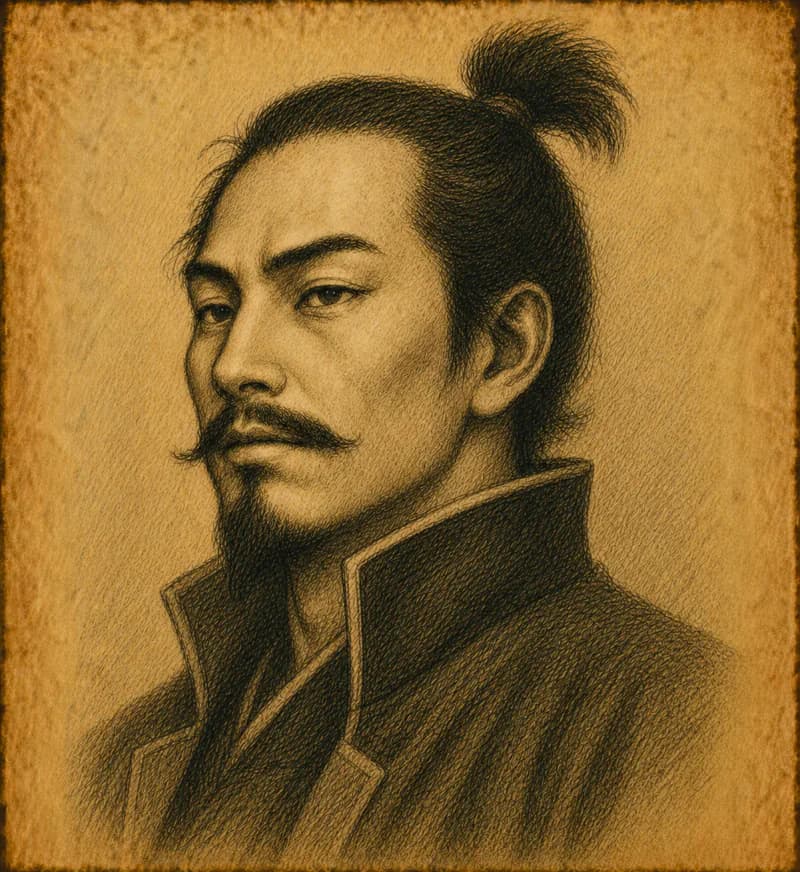
SA-0001 / JPN
Oda Nobunaga
The revolutionary who paved the path to a unified Japan
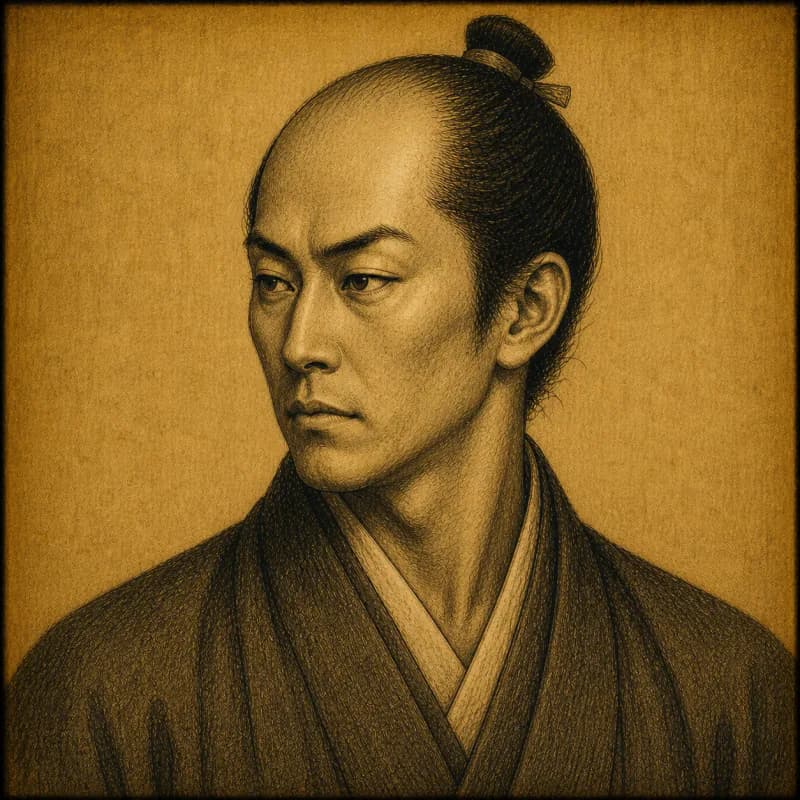
SA-0012 / JPN
Ishida Mitsunari
The administrator who fought Tokugawa for the Toyotomi succession — and lost
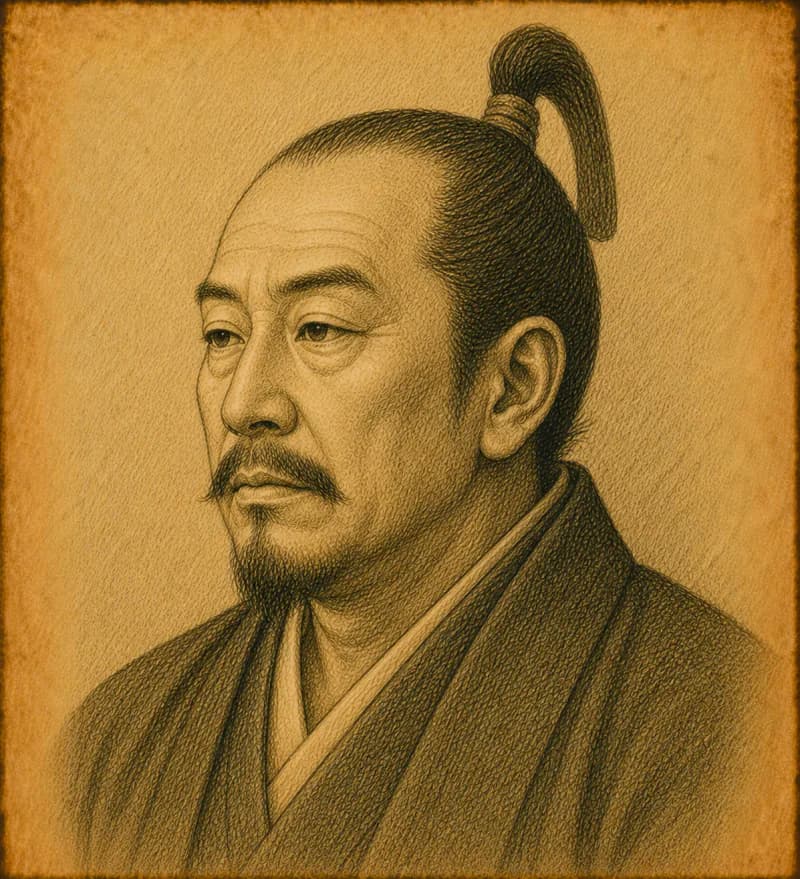
SA-0003 / JPN
Tokugawa Ieyasu
The patient warlord whose dynasty ruled Japan for 250 years
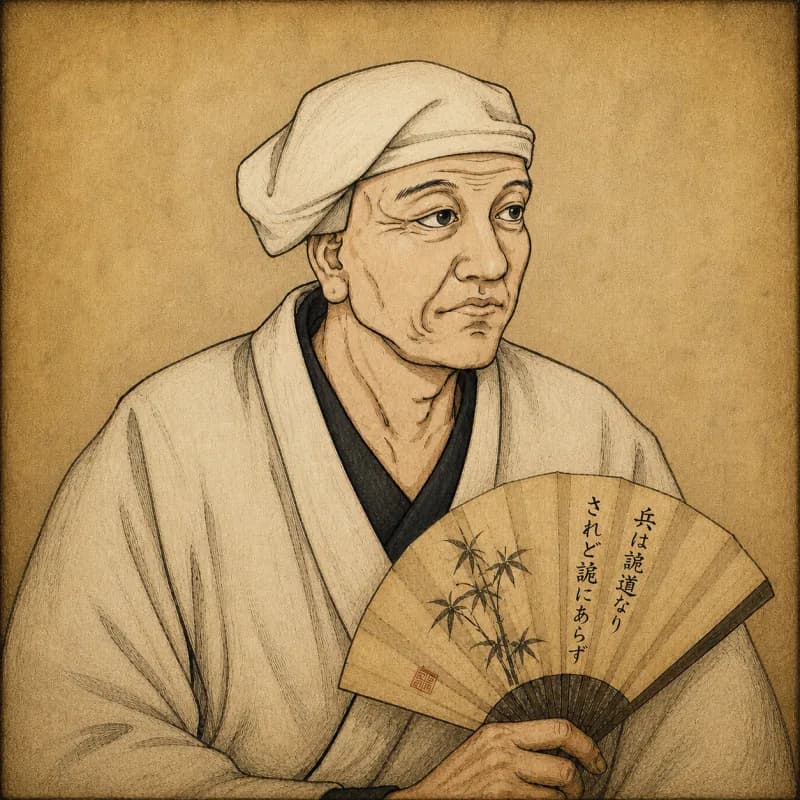
SA-0011 / JPN
Kuroda Kanbei
The strategist Hideyoshi feared more than any enemy
SA-0030 / JPN
Akechi Mitsuhide
The general whose betrayal at Honnō-ji rerouted Japanese history