SUBJECT FILE NO. SA-0055
BUSHI ARCHIVE
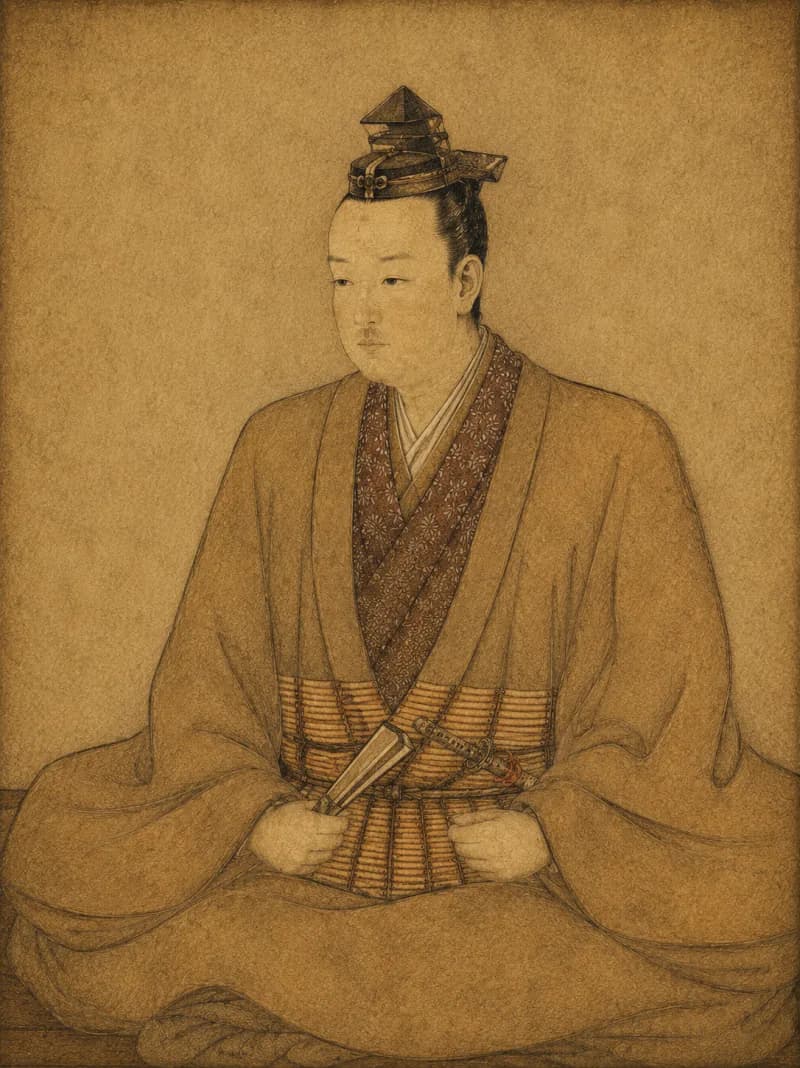
Tachibana Ginchiyo
Tachibana Ginchiyo
Head of the Tachibana house; castellan of Tachibana-yama
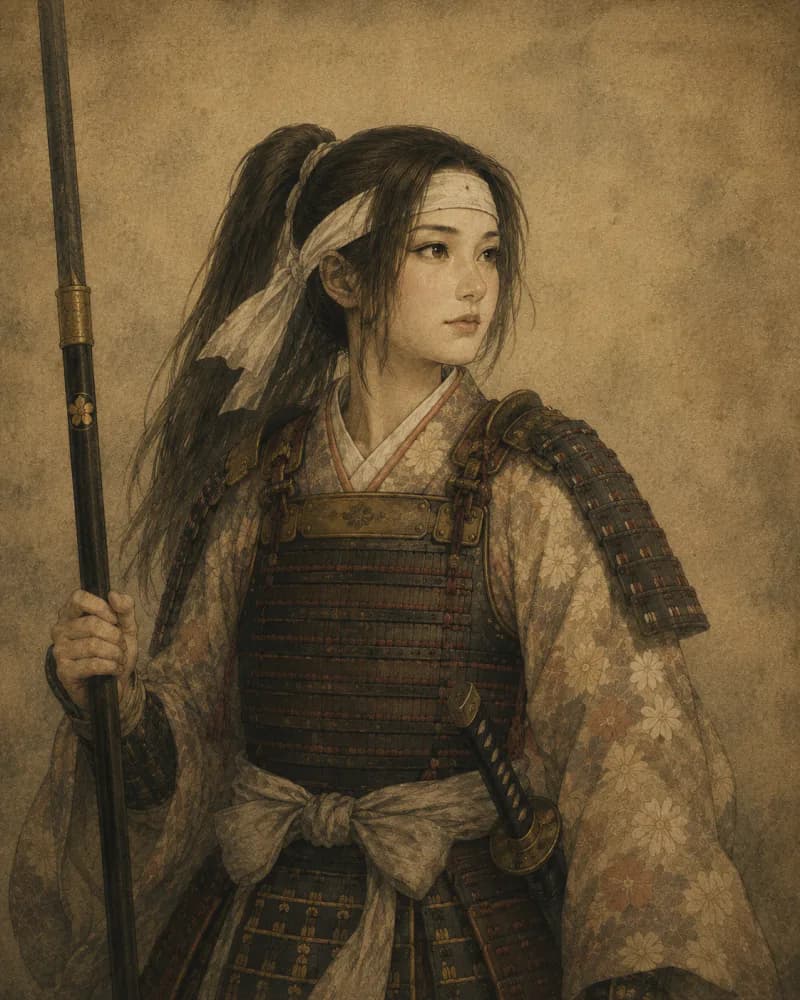
SECTION I -- SUBJECT PROFILE
| Name | Tachibana Ginchiyo |
|---|---|
| English | Tachibana Ginchiyo |
| Origin | Japan |
| Lifespan | 1569–1602 |
| Gender | Female |
| Century | 16th C. |
| Clan / Role | Daimyo |
| Title | Head of the Tachibana house; castellan of Tachibana-yama |
SECTION II -- OVERVIEW
Born in 1569 (Eiroku 12) as the sole daughter of Tachibana Dōsetsu, senior retainer of the Ōtomo house of Bungo Province.
In 1575, Dōsetsu passed the headship of the Tachibana house to the seven-year-old Ginchiyo. As a female inheritance of a warrior domain head, an extraordinarily rare case.
In 1581, Dōsetsu took the eldest son of Takahashi Jōun — Muneshige (this site's id 14) — as Ginchiyo's husband and successor of the Tachibana house.
Ginchiyo and Muneshige did not live together; each maintained a separate residence, according to Tachibana-house tradition.
After Muneshige sided with the Western Army at Sekigahara in 1600 and was stripped of holdings, Ginchiyo withdrew to Haraka in Higo Province (the modern Tamana District, Kumamoto Prefecture) and died in 1602 at thirty-four.
She remained apart from Muneshige to the end; but when Muneshige was later pardoned by the Tokugawa and restored to Yanagawa domain, the name of the departed Ginchiyo was carried on as the origin of the Tachibana restoration.
SECTION III -- CHRONOLOGY
SECTION V -- FIELD NOTES
[A]Separate Households — Ginchiyo and Muneshige
According to Tachibana-house tradition, Tachibana Ginchiyo and Tachibana Muneshige, even after their marriage, did not live together; each maintained a separate residence and ruled from it.
Ginchiyo is said to have organized a corps of female warriors within a part of Tachibana-yama Castle and maintained her own independent armed force.
The anecdote that at the Shimazu attack on Iwaya Castle in 1586, Ginchiyo led female troops to join the defense appears in Edo-period Tachibana-family records, but there is no corroboration in contemporary sources.
The separate households can also be read as the result of Muneshige's lifelong respect for the weight of the inheritance from Dōsetsu to Ginchiyo.
SECTION VI -- LEGACY & IMPACT
Ginchiyo, as a rare case of female inheritance of a warrior-house headship in the Sengoku period, is a figure of special note in Japanese women's history and warrior history.
The fact that she was passed the headship at seven by her father Dōsetsu is corroborated in multiple sources, and left the precedent that a woman could inherit the headship of a warrior house.
Muneshige (this site's id 14), who became the adopted successor as the Tachibana heir, after post-Sekigahara forfeiture and restoration established the Yanagawa domain, and the house survived through the Edo period as its ruling line.
Ryōsei-ji in Yanagawa City, Fukuoka Prefecture, still holds Ginchiyo's grave.
SECTION VII -- MAJOR DEEDS
- [01]Inheritance of the Tachibana house at seven (1575)
- [02]Rule of Tachibana-yama Castle as female lord
- [03]Acceptance of the adoption of Tachibana Muneshige as successor-in-marriage
- [04]Withdrawal to Haraka in Higo (1600–1602)
SECTION VIII -- REFERENCE MATERIALS
PRIMARY SOURCES & ARCHIVES
- PRIMARY
Tachibana Family Records
Transmitted in the Tachibana family
Tachibana-family genealogy compiled in the Edo period; the principal source for Ginchiyo's inheritance
- SCHOLARSHIP
Tachibana Muneshige
Nakano Hitoshi / Yoshikawa Kōbunkan (Jinbutsu Sōsho)
Standard scholarly work on Muneshige, including treatment of Ginchiyo
- ARCHIVE
Tachibana Family Historical Museum
Yanagawa City, Fukuoka Prefecture
Holds the transmitted documents and articles of the Tachibana family
Visit archive →
RECOMMENDED READING
SECTION X -- RELATED REPORTS
SA-RPT
The Headship at Seven: The Day Tachibana Dōsetsu Passed the House to His Daughter
In 1575, the Bungo senior retainer Tachibana Dōsetsu passed the headship of the Tachibana house to his seven-year-old daughter Ginchiyo. Tracing the background to this extraordinary decision — a female inheritance in the Sengoku period.
SA-RPT
Separate Households: Why Ginchiyo and Muneshige Did Not Live Together
The couple Tachibana Ginchiyo and Tachibana Muneshige, even after marriage, did not live together; each held a separate residence. Tracing the reality of the 'separate-households marriage' transmitted by Tachibana tradition, and its political meaning.
SA-RPT
Post-Sekigahara Withdrawal: Ginchiyo's Last Three Years
Sekigahara 1600: Tachibana Muneshige sides with the Western Army and is stripped of holdings. Ginchiyo took a course separate from Muneshige, withdrew to Haraka in Higo, and died there in 1602 at thirty-four. Tracing the end of the spouses' separation.
SECTION IX -- LINKED SUBJECTS
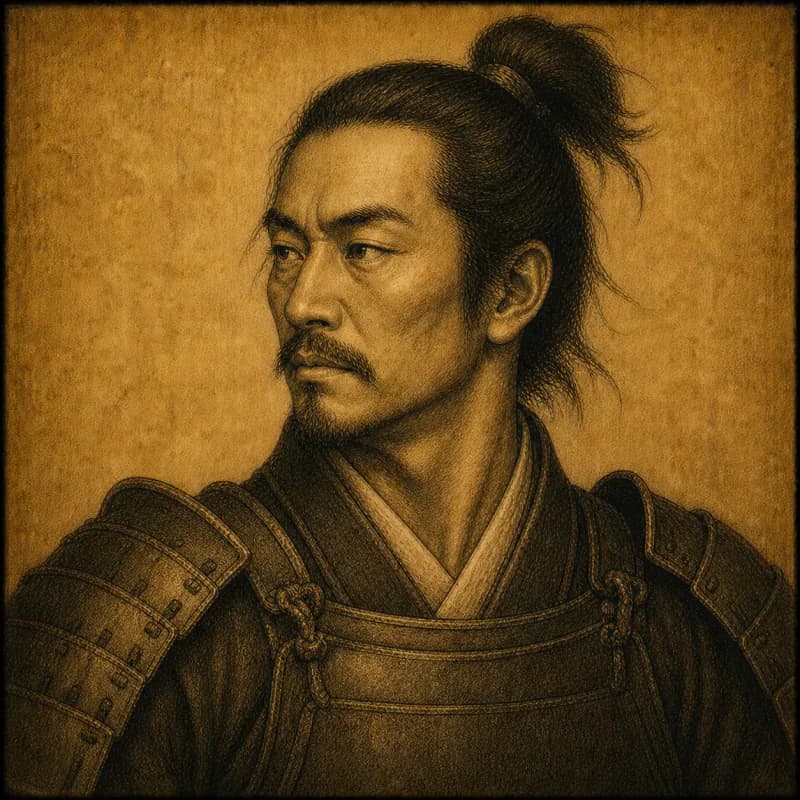
SA-0014 / JPN
Tachibana Muneshige
The Western Invincible — a daimyō who lost everything and won it back
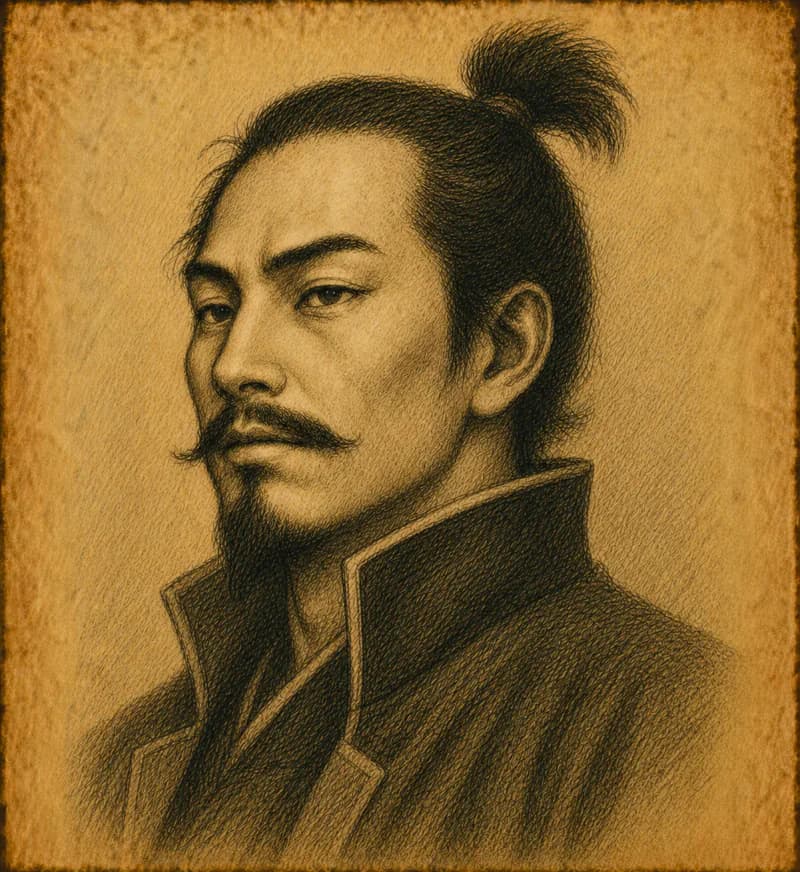
SA-0001 / JPN
Oda Nobunaga
The revolutionary who paved the path to a unified Japan
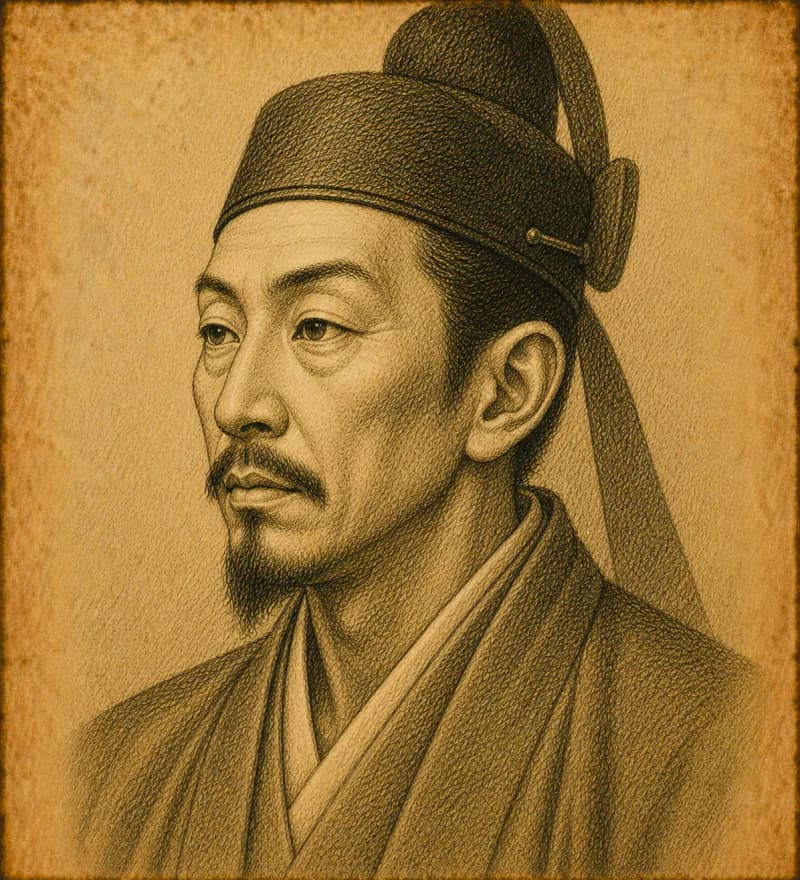
SA-0002 / JPN
Toyotomi Hideyoshi
The peasant who rose to rule all Japan
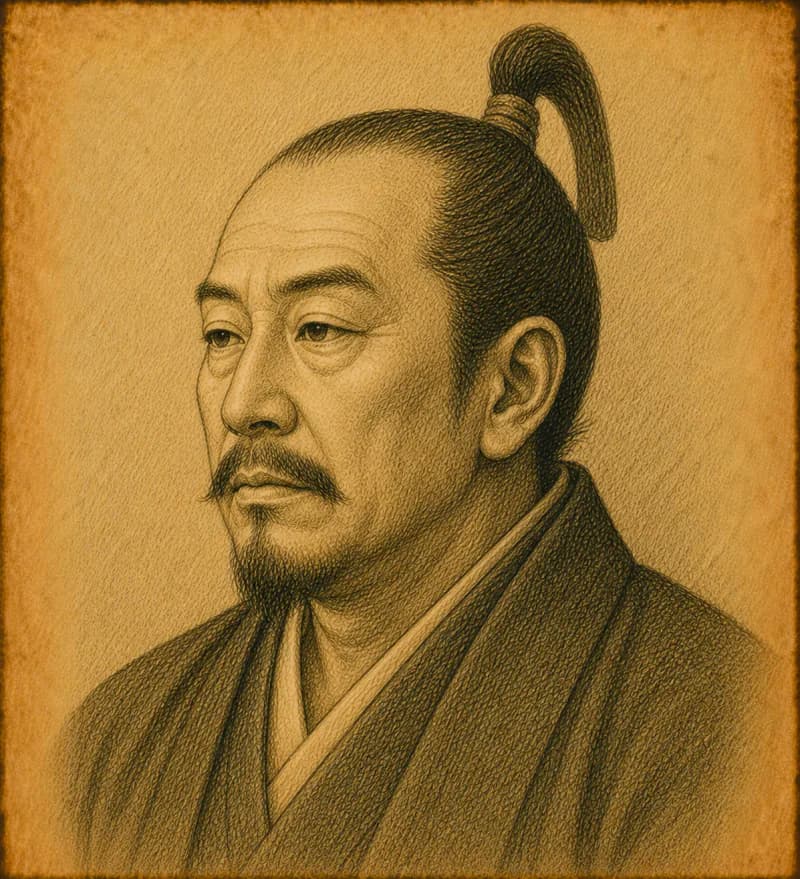
SA-0003 / JPN
Tokugawa Ieyasu
The patient warlord whose dynasty ruled Japan for 250 years
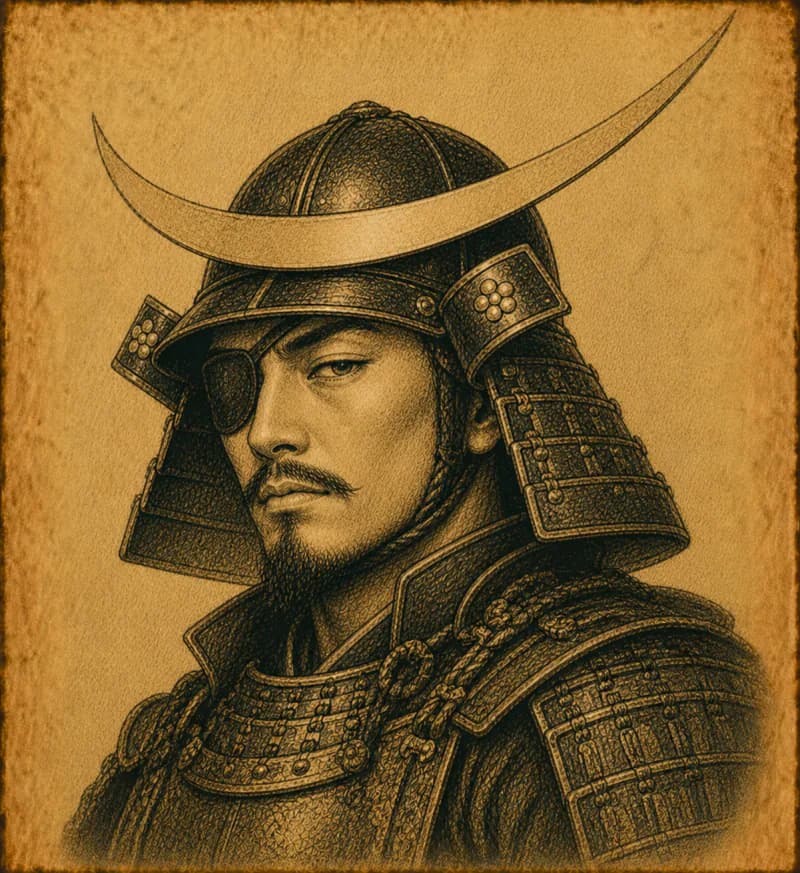
SA-0004 / JPN
Date Masamune
The One-Eyed Dragon who built Sendai
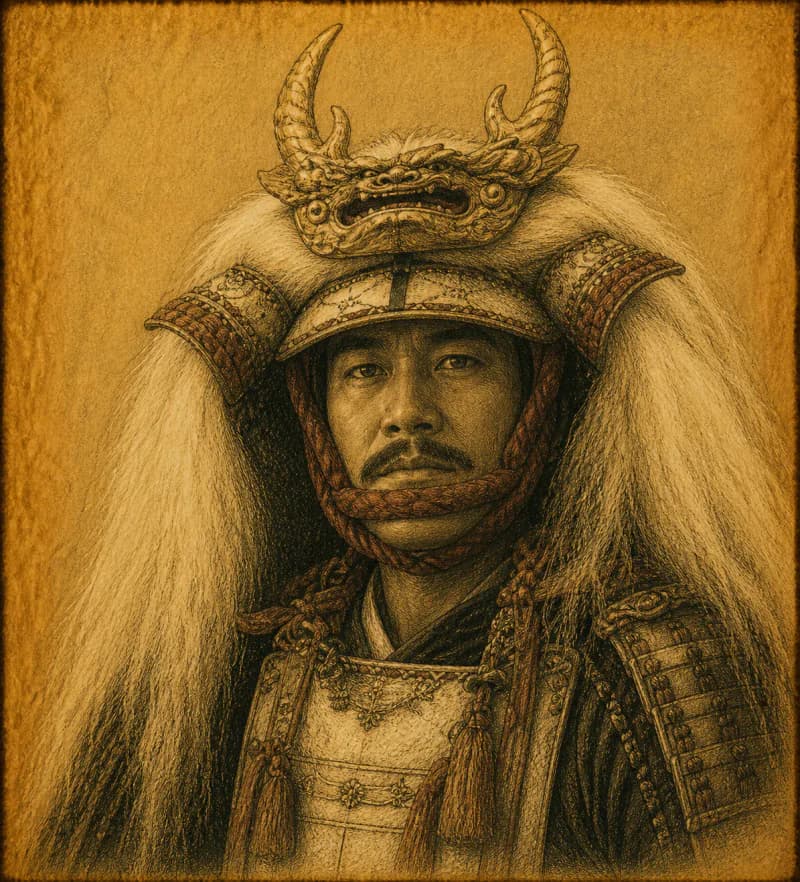
SA-0005 / JPN
Takeda Shingen
The Tiger of Kai whose cavalry shook the realm
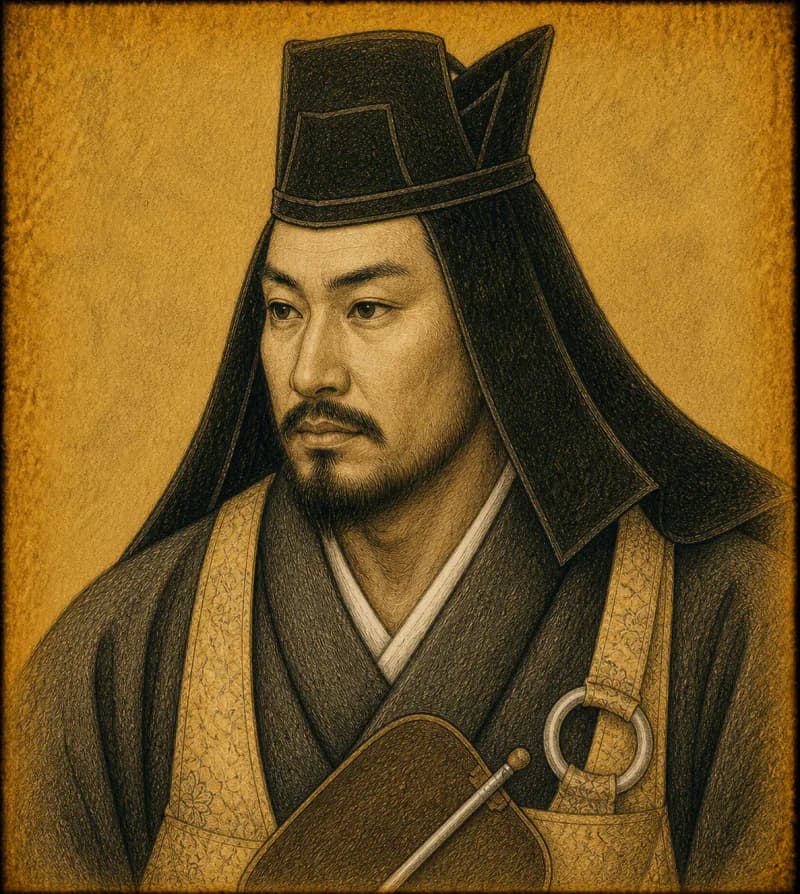
SA-0006 / JPN
Uesugi Kenshin
The Dragon of Echigo, sword-saint of the north
SA-0030 / JPN
Akechi Mitsuhide
The general whose betrayal at Honnō-ji rerouted Japanese history