ROLES
Daimyō
The territorial lords of feudal Japan — the great regional powers who commanded armies, ruled provinces, and shaped the wars of every era.
-- 26 SUBJECTS ON FILE
SUBJECTS IN THIS ROLE
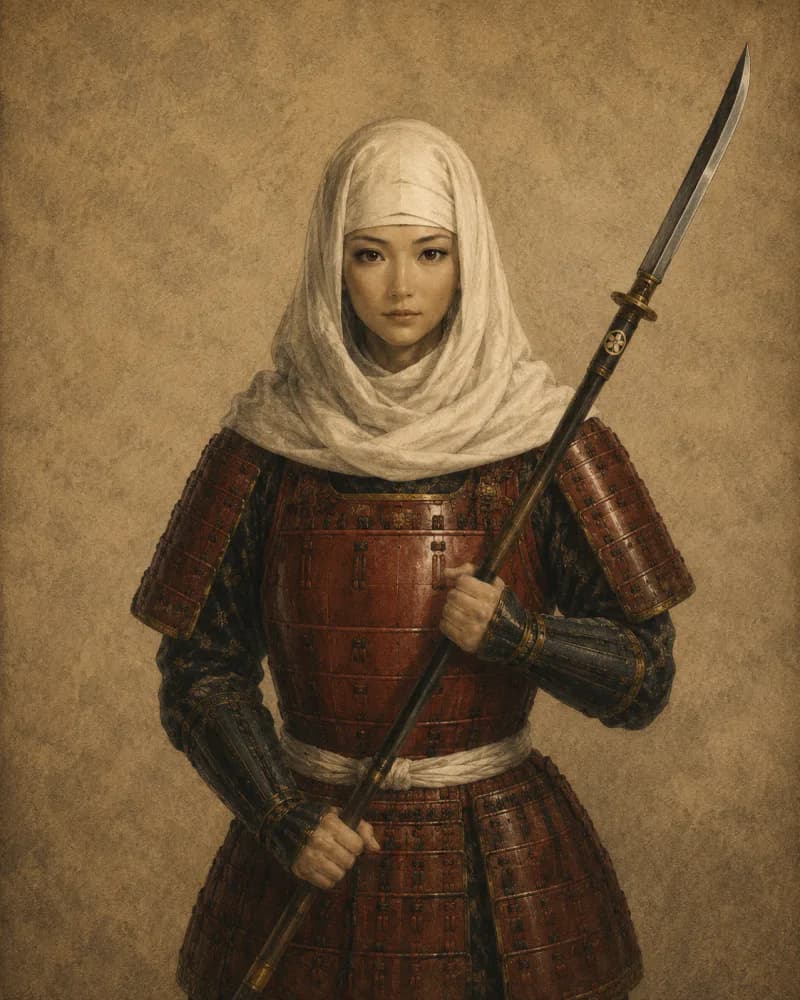
SA-0054 / unknown
Ii Naotora
The female lord who kept the Ii house alive at Ii-no-ya and raised the young Naomasa
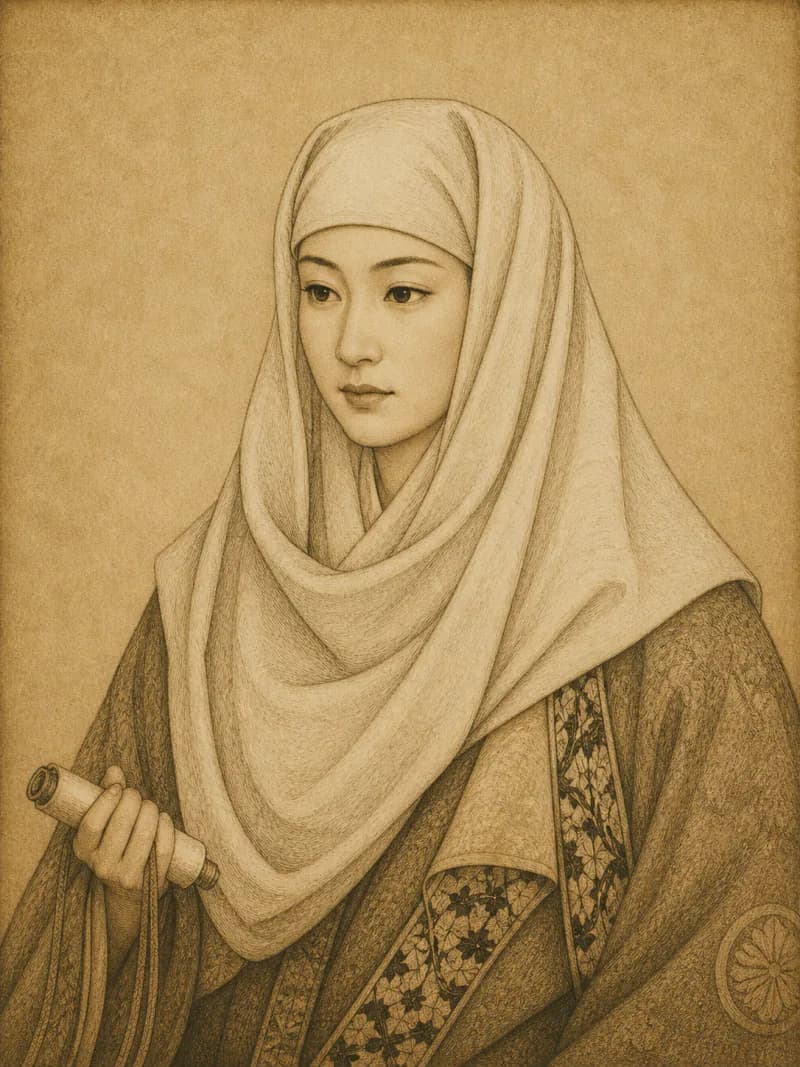
SA-0024 / 1157
Hōjō Masako
The widow who became the first real ruler of the Kamakura Bakufu
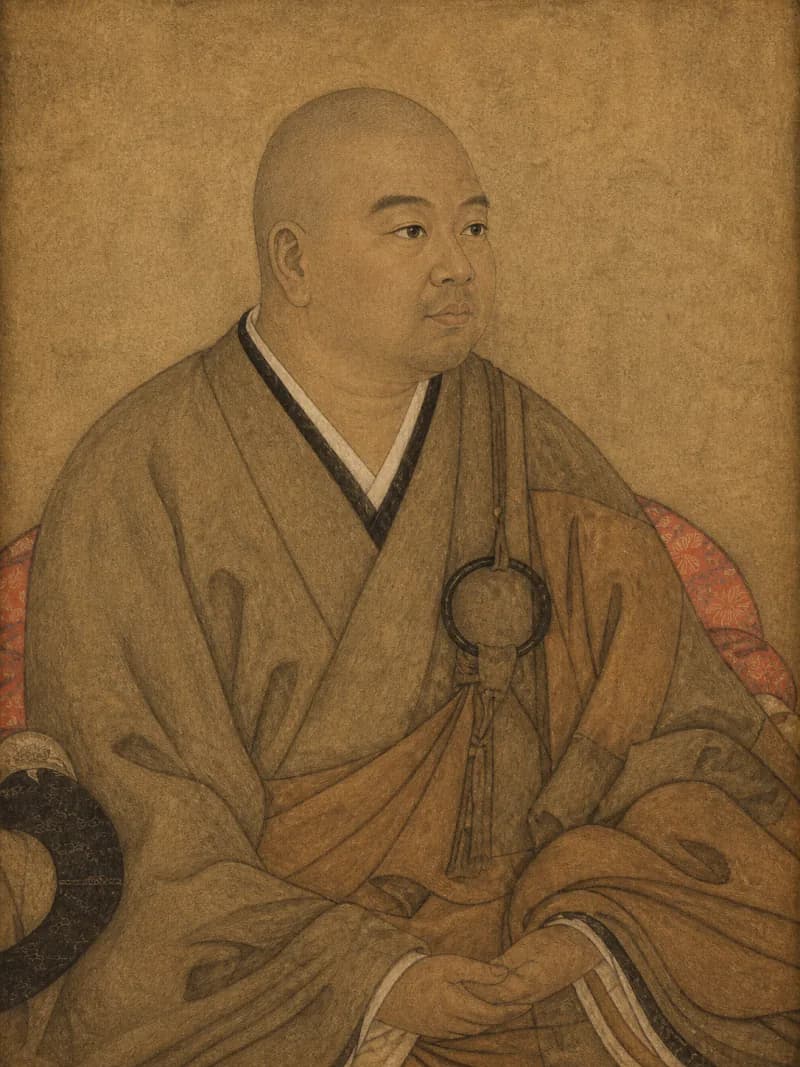
SA-0029 / 1251
Hōjō Tokimune
The young regent who held off the Mongols twice — and broke the Kamakura Bakufu doing it
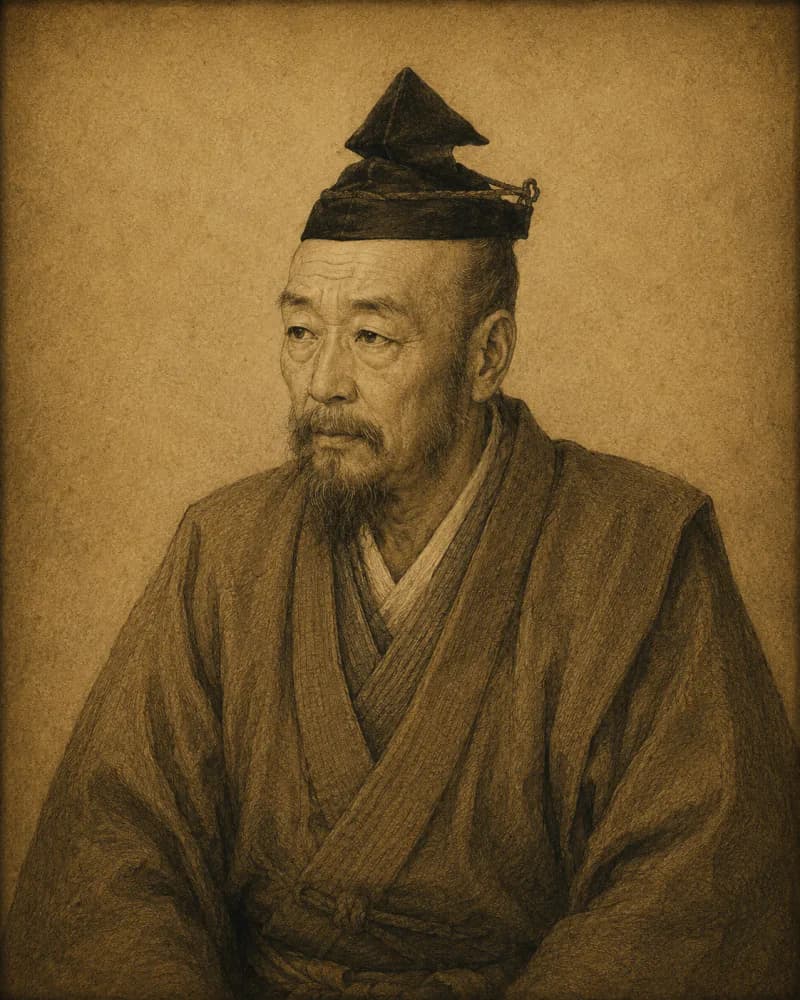
SA-0050 / 1497
Mōri Motonari
The minor lord who became, in a single generation, the master of ten provinces — the supreme strategist of the Sengoku
- I
SA-0072 / 1519
Imagawa Yoshimoto
The Tōkai daimyō called 'the finest bowman of the coastal road,' who ruled Suruga, Tōtōmi, and Mikawa and fell at Okehazama
SA-0005 / 1521
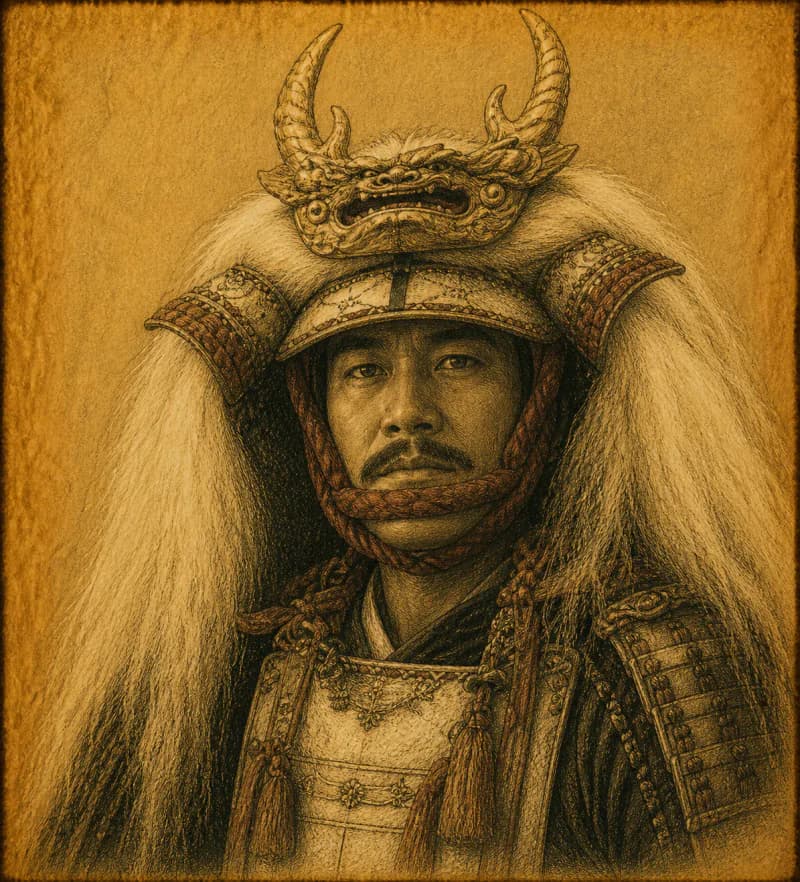
Takeda Shingen
The Tiger of Kai whose cavalry shook the realm
SA-0030 / 1528?
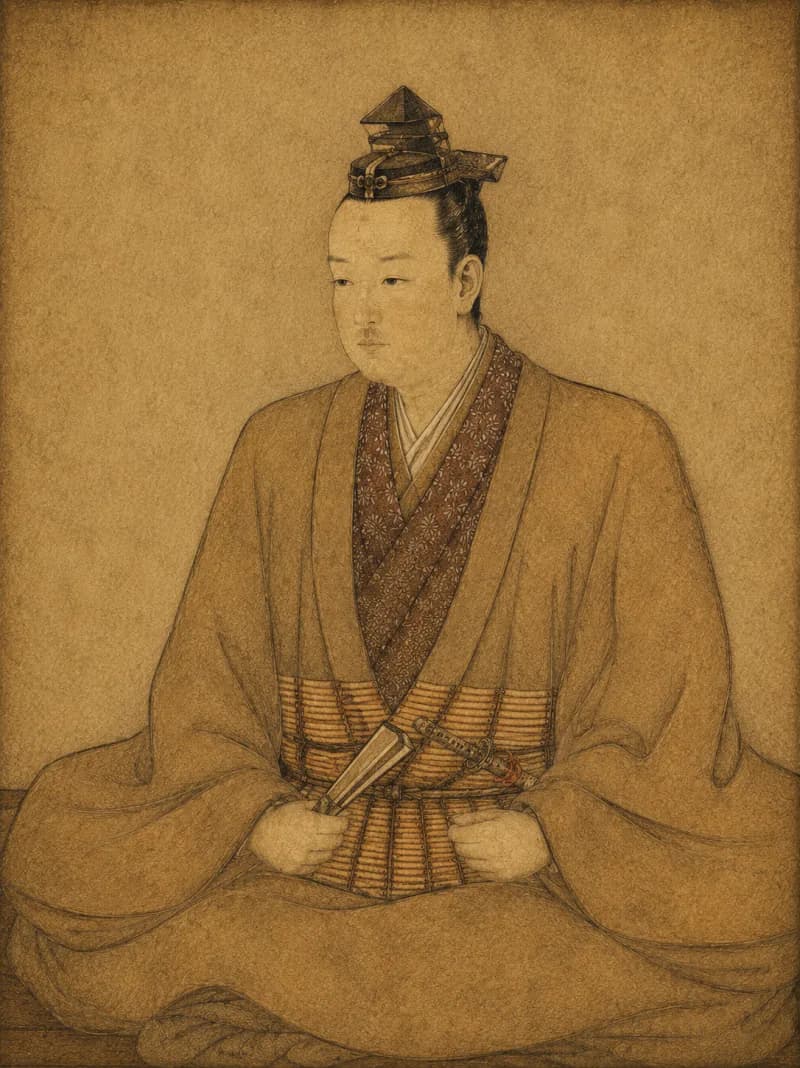
Akechi Mitsuhide
The general whose betrayal at Honnō-ji rerouted Japanese history
SA-0006 / 1530
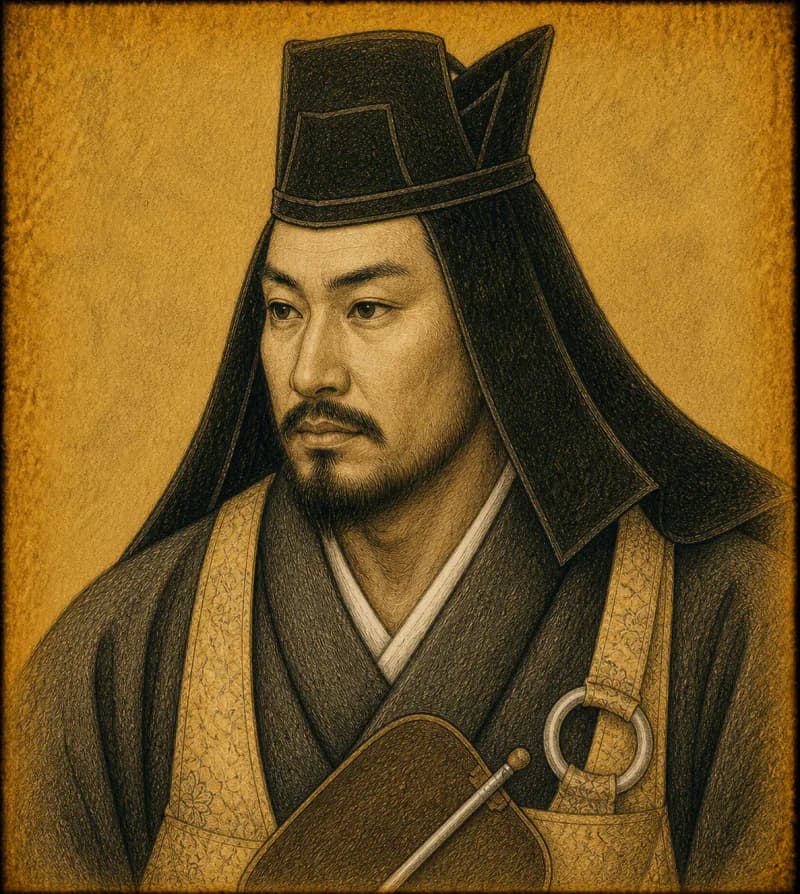
Uesugi Kenshin
The Dragon of Echigo, sword-saint of the north
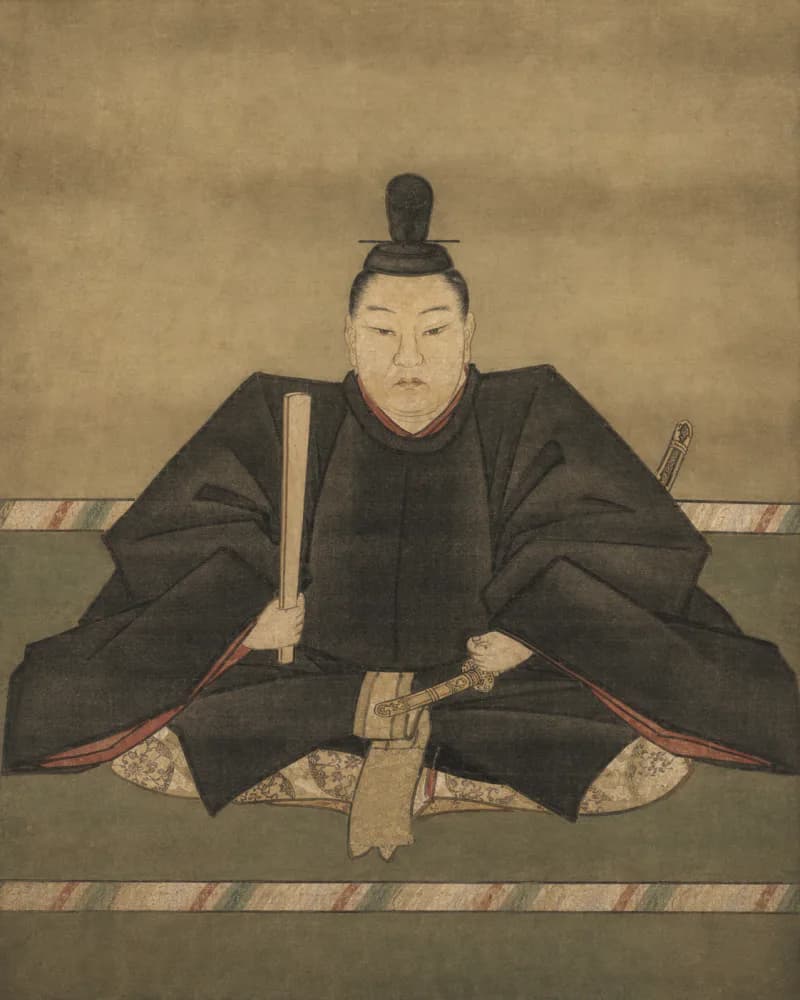
SA-0001 / 1534
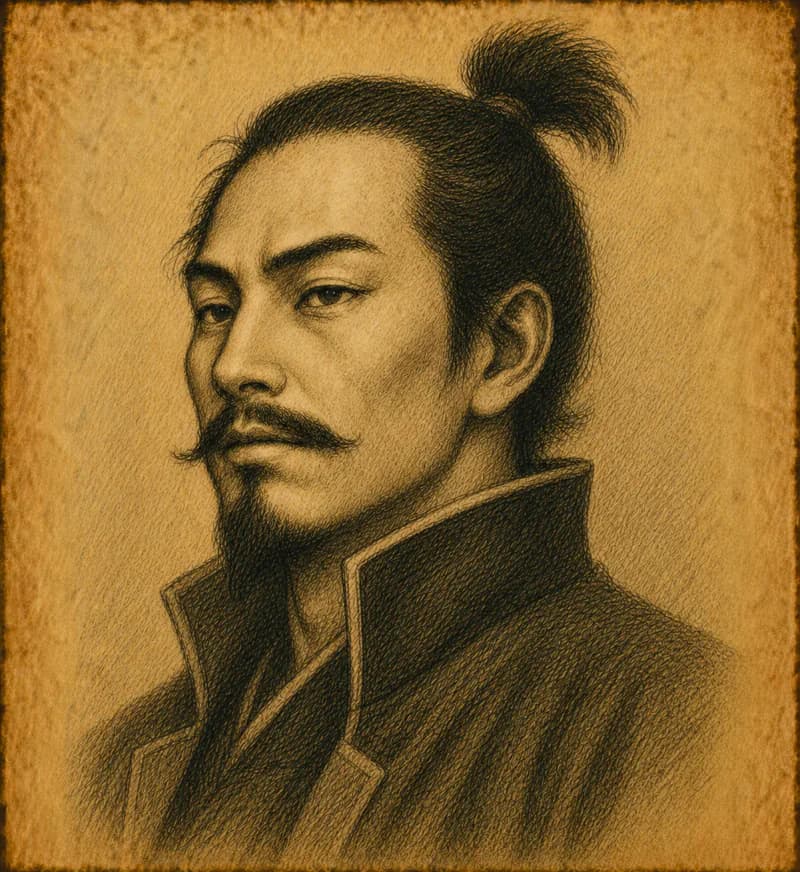
Oda Nobunaga
The revolutionary who paved the path to a unified Japan
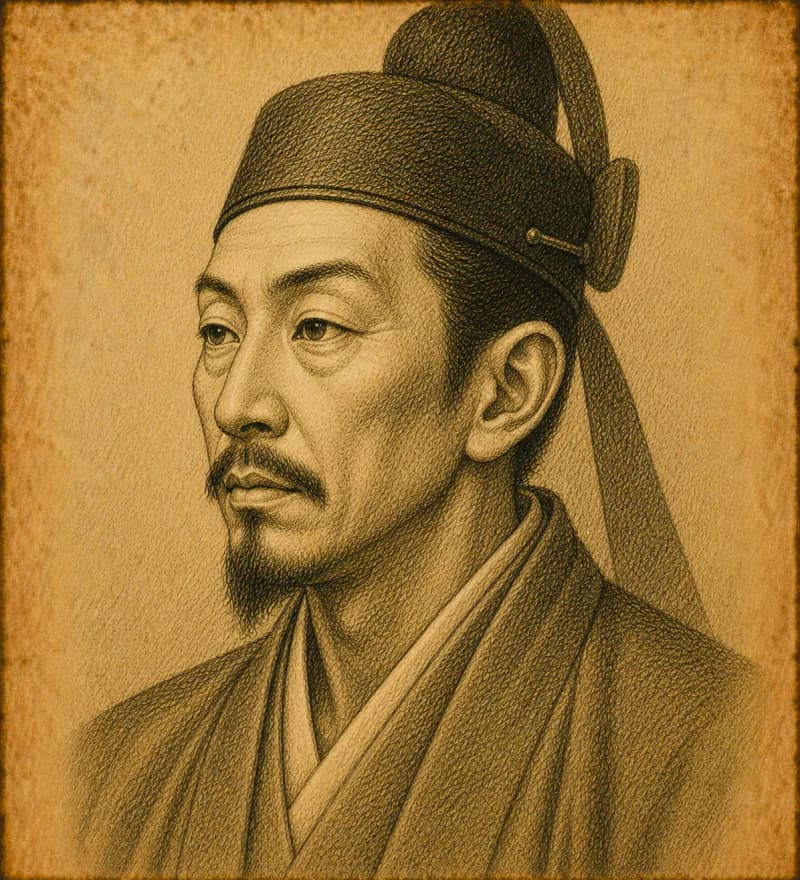
SA-0066 / 1535
Shimazu Yoshihiro
The Satsuma general feared by the Ming army as the 'Devil Shimazu' in Korea, who broke through the enemy center at Sekigahara in the 'Sutegamari' retreat
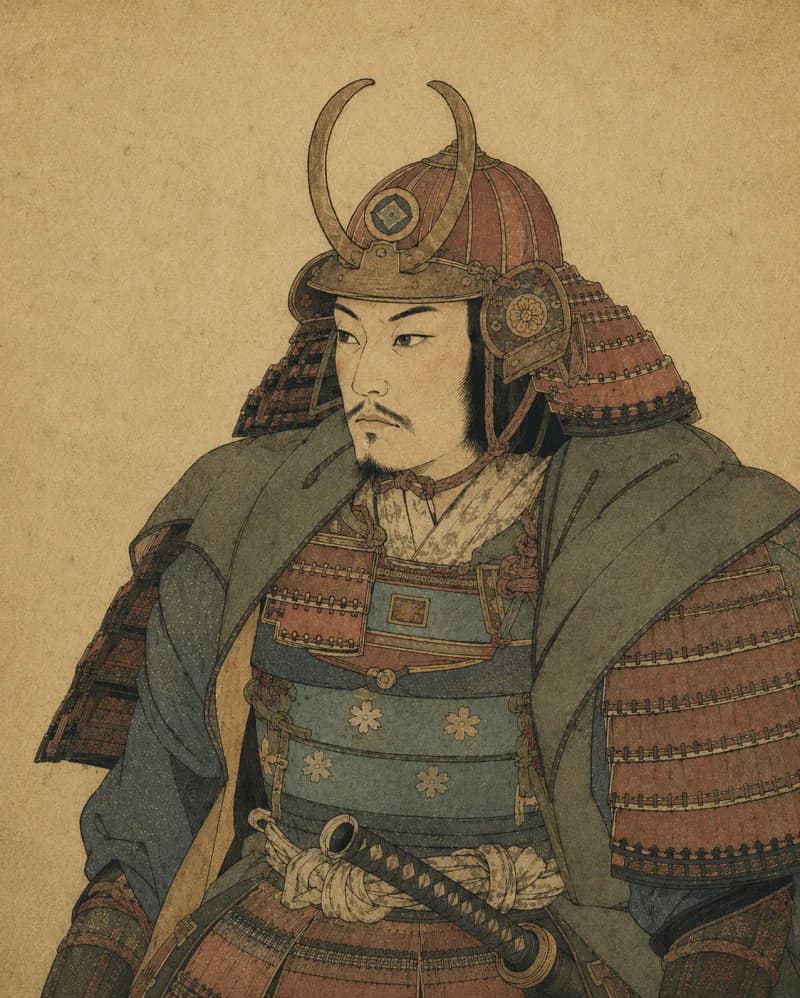
SA-0002 / 1537
Toyotomi Hideyoshi
The peasant who rose to rule all Japan
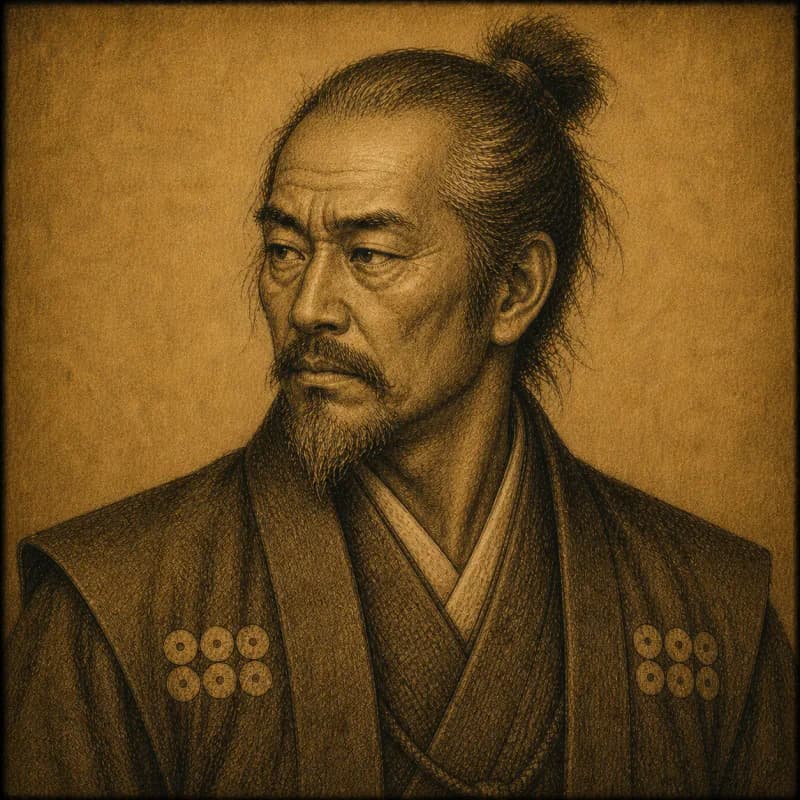
SA-0033 / 1546
Takeda Katsuyori
The last lord of Takeda — and the man who lost the cavalry at Nagashino
SA-0013 / 1547
Sanada Masayuki
The mountain strategist who defeated the Tokugawa twice from a single small castle
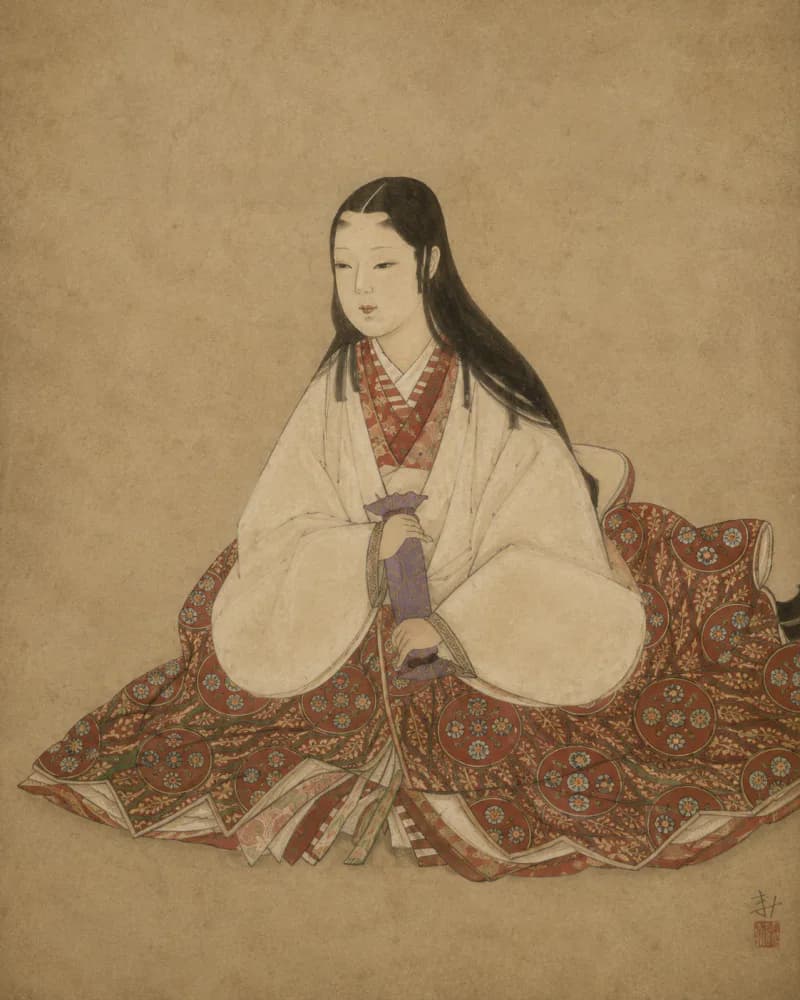
SA-0063 / 1547?
Oichi
Sister of Oda Nobunaga, wife of Azai Nagamasa, then of Shibata Katsuie — the emblem of tragedy for women of the Sengoku period
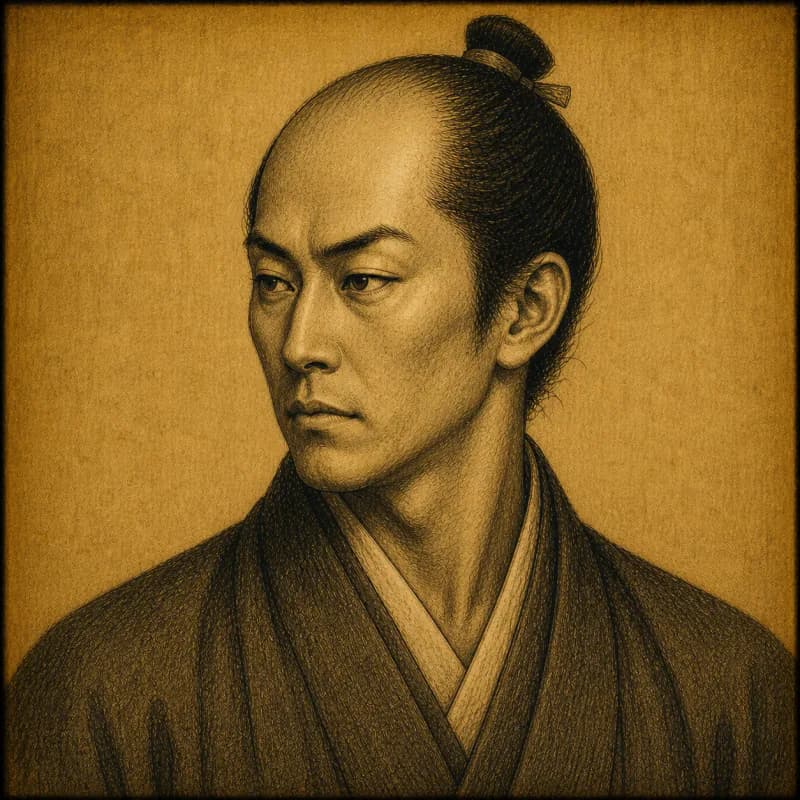
SA-0012 / 1559
Ishida Mitsunari
The administrator who fought Tokugawa for the Toyotomi succession — and lost
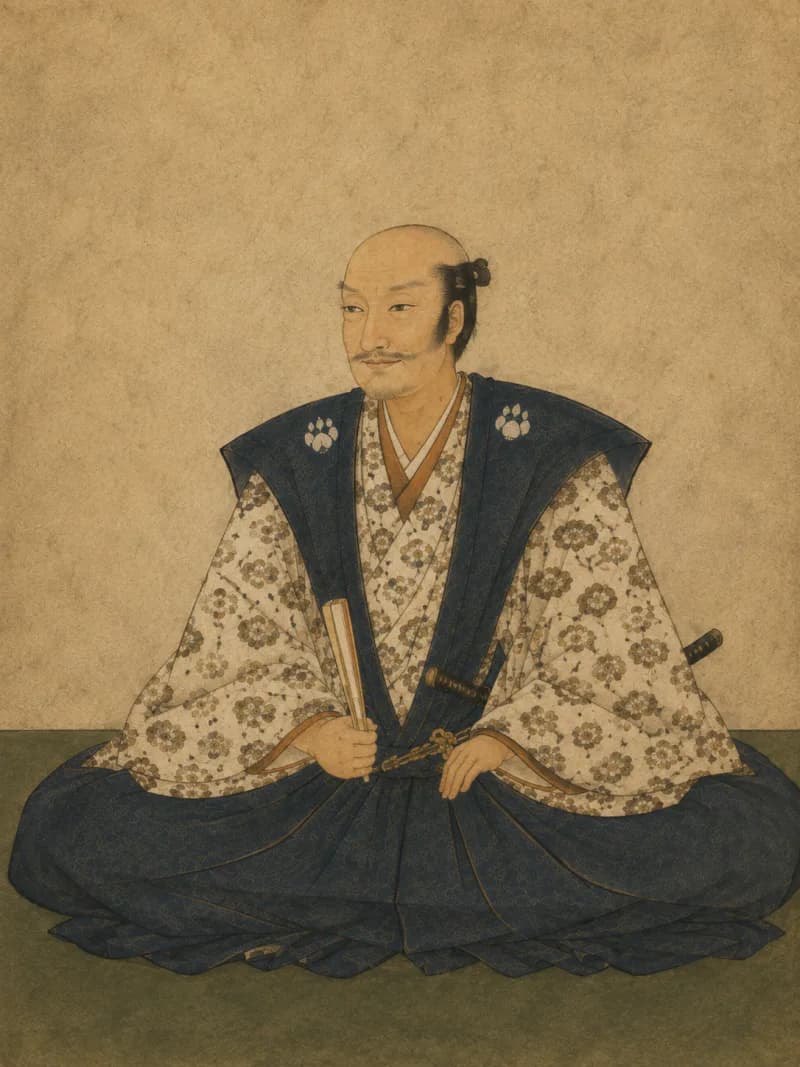
SA-0064 / 1561
Fukushima Masanori
The foremost of the 'Seven Spears of Shizugatake,' vanguard of the Eastern Army at Sekigahara, and the Hideyoshi-raised general who was stripped of his fief for repairing a castle without permission
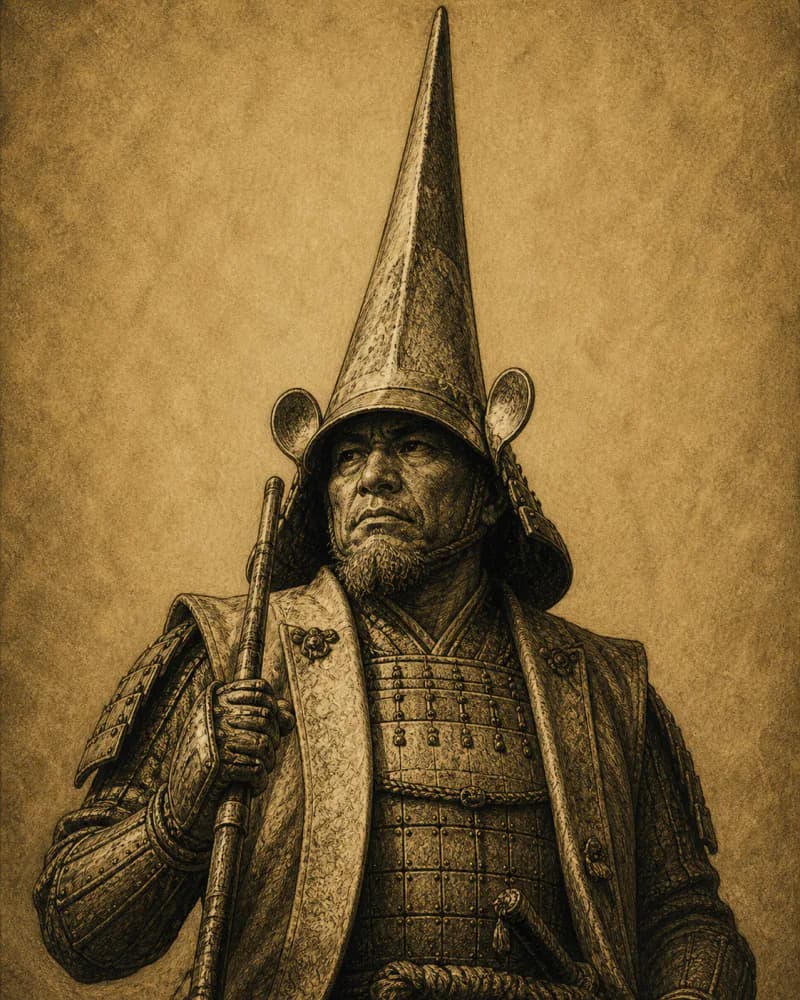
SA-0018 / 1562
Katō Kiyomasa
The seven-spears warrior who built the castle that survived four hundred years

SA-0017 / 1563
Hosokawa Gracia
The Christian noblewoman whose death preserved her husband's place in the new order
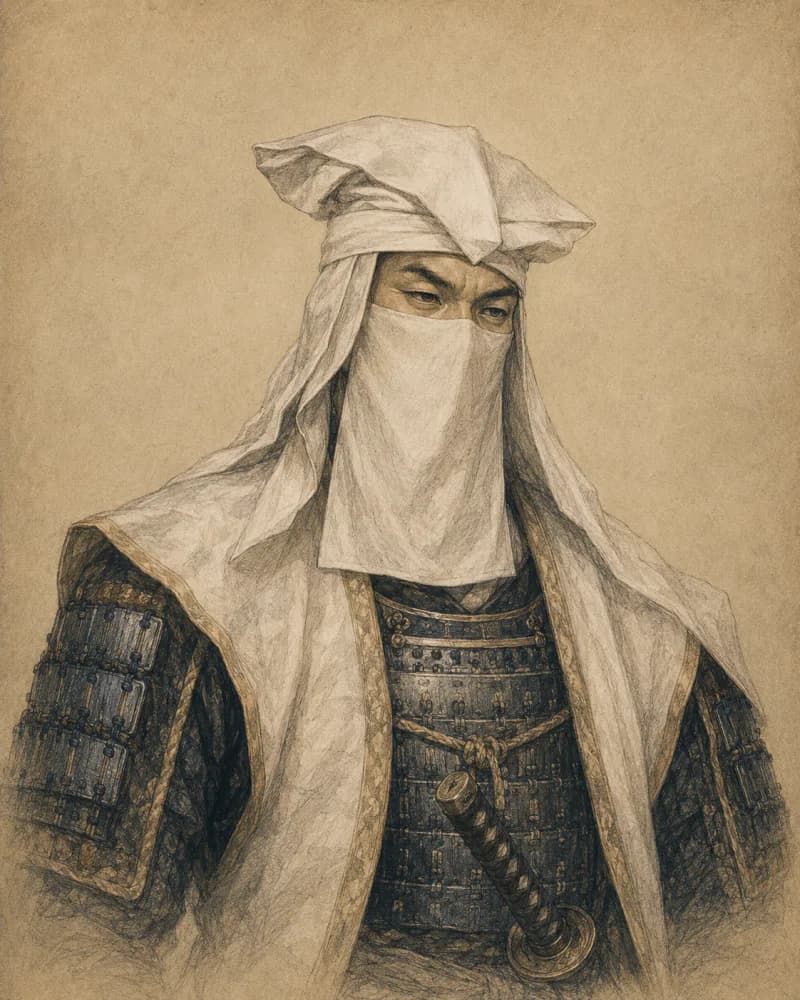
SA-0039 / 1565?
Ōtani Yoshitsugu
The strategist who joined his friend Mitsunari at Sekigahara knowing they would probably lose
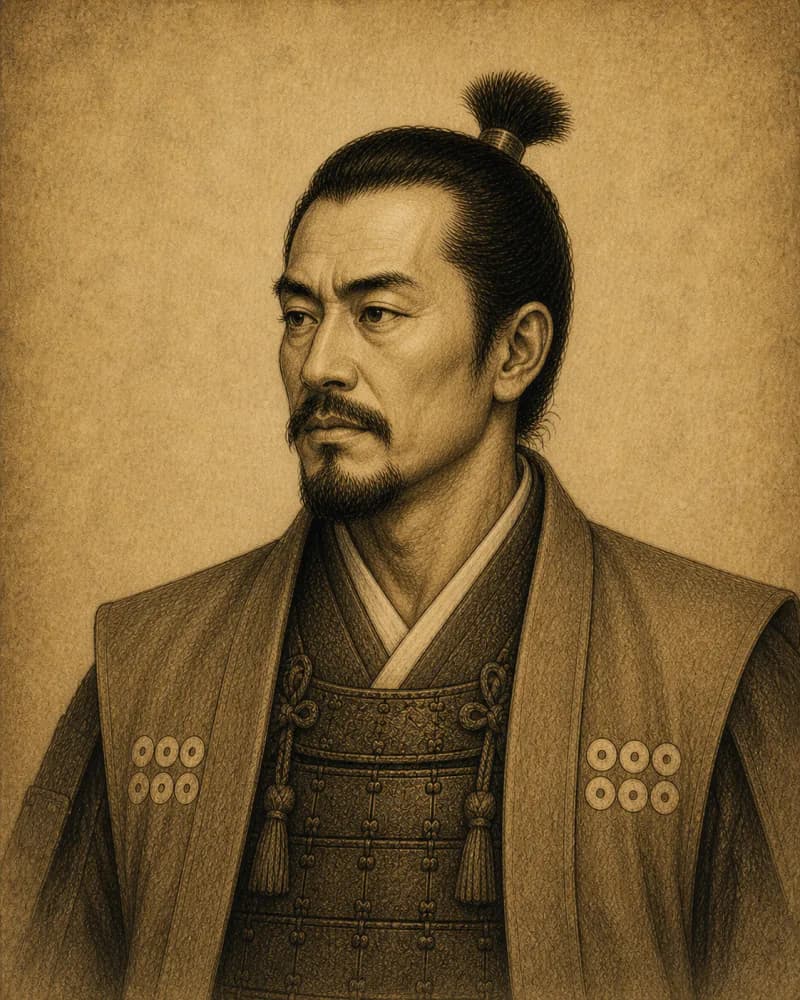
SA-0020 / 1566
Sanada Nobuyuki
The eastern brother who outlived Yukimura by forty-three years and built a domain that lasted to Meiji
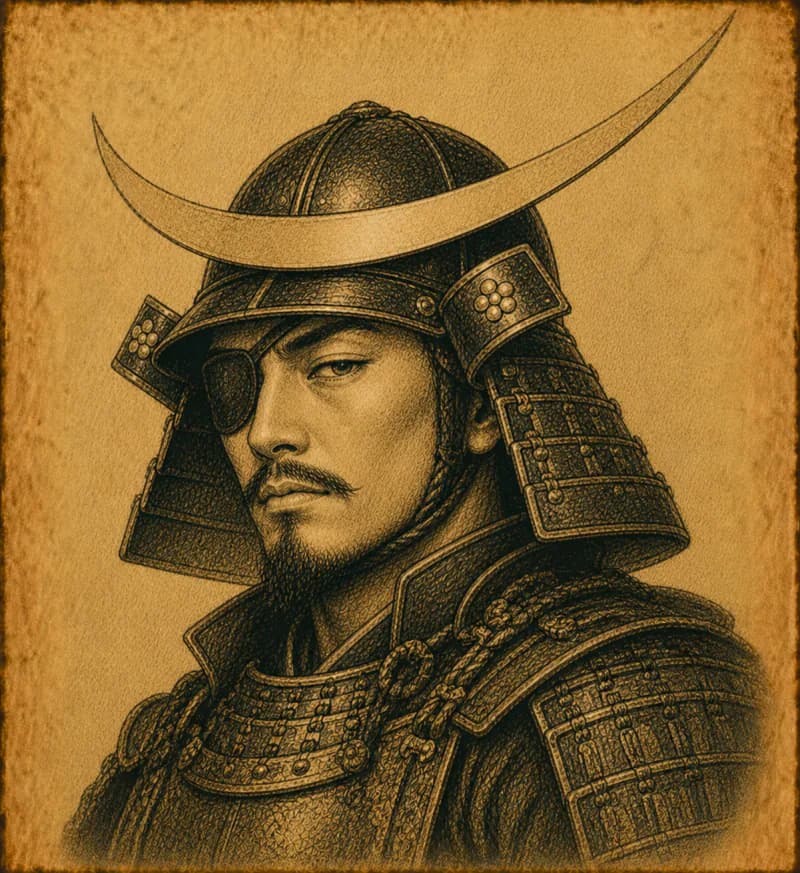
SA-0004 / 1567
Date Masamune
The One-Eyed Dragon who built Sendai
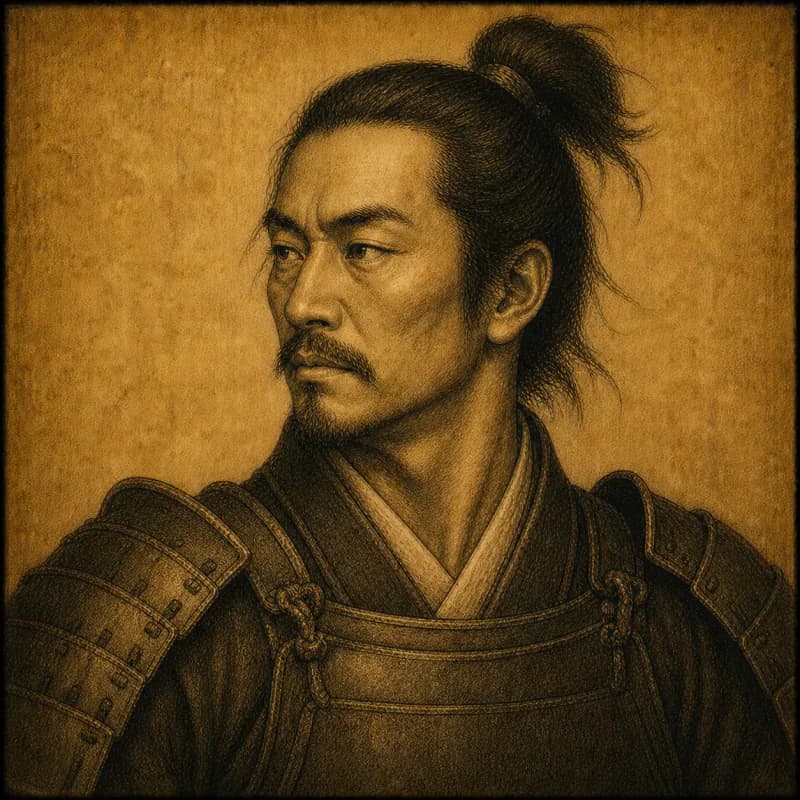
SA-0014 / 1567
Tachibana Muneshige
The Western Invincible — a daimyō who lost everything and won it back
SA-0055 / 1569
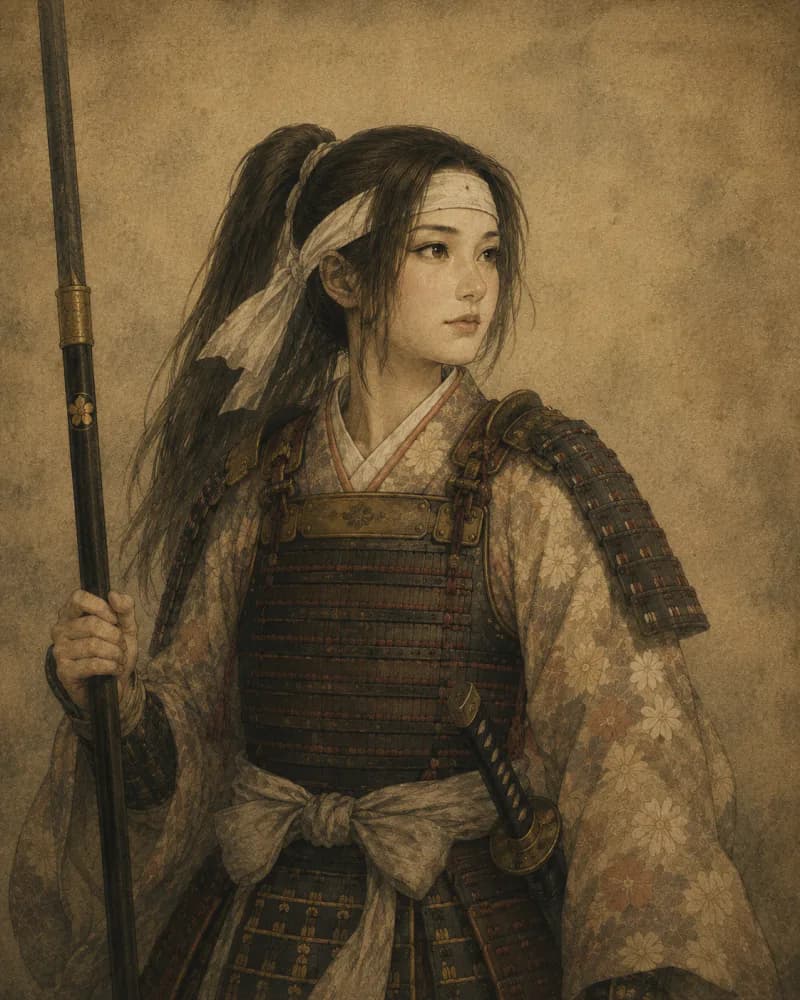
Tachibana Ginchiyo
The Sengoku-era female lord who inherited the Tachibana house at seven; wife of Tachibana Muneshige
SA-0040 / 1582
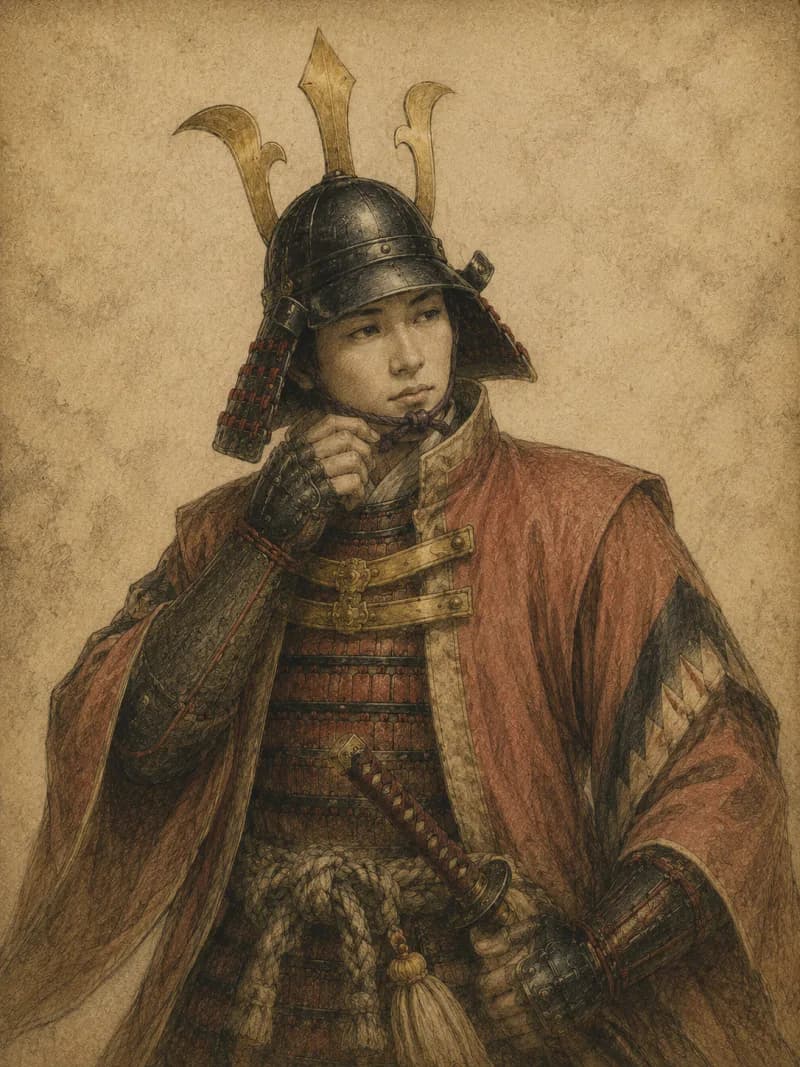
Kobayakawa Hideaki
The young defector at Matsuo Mountain whose decision ended the Sengoku era
SA-0019 / 1751
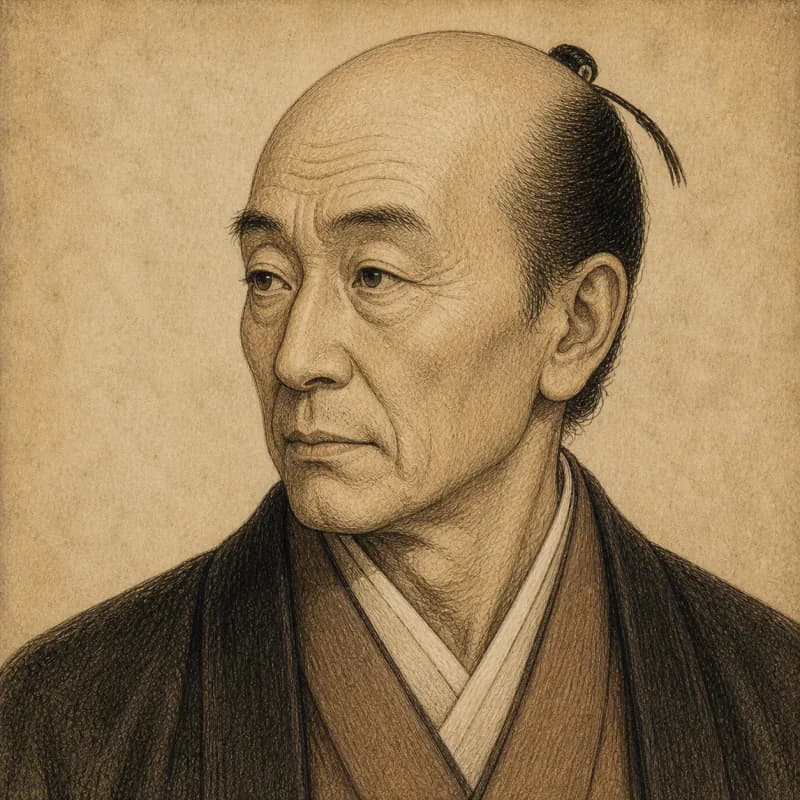
Uesugi Yōzan
The young lord who saved a bankrupt domain through thirty years of austere reform
SA-0027 / 1815
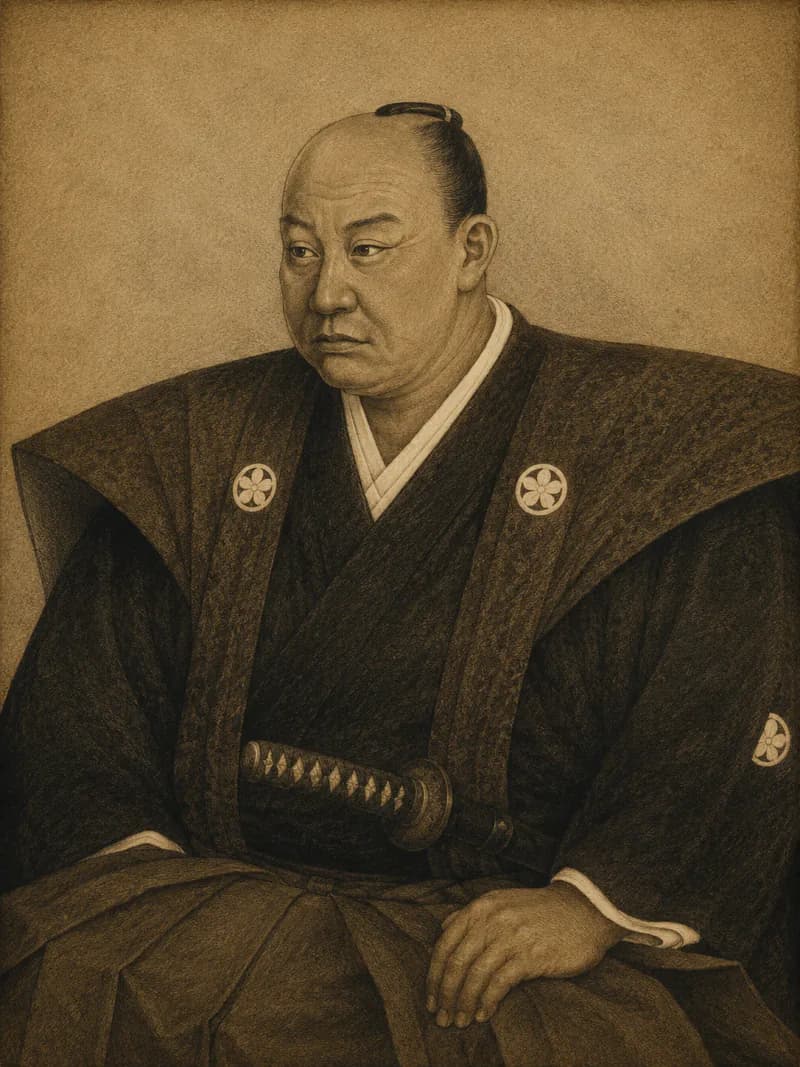
Ii Naosuke
The Tairō who signed the unequal treaties — and was assassinated for it at the gates of Edo Castle
REPORTS COVERING THIS ROLE
The Honnō-ji Incident: Why Did Akechi Mitsuhide Betray Nobunaga?
On a single dawn in June 1582, Akechi Mitsuhide turned his army around and burned his lord alive. Four centuries of historians still cannot agree why.
Sekigahara: How Tokugawa Won Japan in a Single Afternoon
On October 21, 1600, two armies of roughly 80,000 men each met in fog on a Mino plain. By sunset, the battle that decided 250 years of Japanese history was over.
The Betrayers of Sekigahara: What Happened to the Men Who Switched Sides
Four Western Army commanders defected during the battle that decided 250 years of Japanese history. Three of them died ruined men within ten years. The fourth lived to be a punchline.
Kawanakajima: The Greatest Personal Rivalry of the Sengoku
Five battles, twelve years, no decisive winner. The story of Takeda Shingen and Uesugi Kenshin's repeated meetings on a single Shinano river plain became, for the Japanese, the archetype of a rivalry between equals.
Salt for an Enemy: The Single Gesture That Defined Samurai Honor
In the winter of 1567, Uesugi Kenshin sent salt to Takeda Shingen — the man he had fought five battles against. Four hundred years later, the gesture is still taught in Japanese ethics classes as the highest example of just war.
Strategy as Theater: Why Hideyoshi Kept His Best Strategist Far from the Capital
Kuroda Kanbei could read battles before they happened. Hideyoshi was so afraid of him that he reduced him to a small Kyūshū domain, well below his merit. The decision shaped the career of one of the strangest figures of the Sengoku.
Ueda Castle: How Three Thousand Stopped Thirty-Eight Thousand
Twice — in 1585 and again in 1600 — Sanada Masayuki defended a small Shinano castle against Tokugawa armies many times his size. The second defense changed Japanese history. The first showed how he did it.
The Twelve-Year Walk Back: The Only Daimyō to Recover His Lands After Sekigahara
Tachibana Muneshige lost everything at Sekigahara — the entire 132,000-koku domain his family had held for generations. Twelve years later, the Tokugawa quietly gave it back. He is the only Western Army commander to whom this happened.
The Sword Through the Door: Hosokawa Gracia and the Last Day Before Sekigahara
On July 17th, 1600, three months before Sekigahara, a Christian noblewoman who had been forbidden by her faith from suicide ordered her chief retainer to kill her with a long sword through a closed shōji. Her death changed the course of the battle she did not live to see.
Kumamoto Castle: The Castle That Outlived the Last War
Built between 1601 and 1607 by Katō Kiyomasa, Kumamoto Castle was so well engineered that 270 years later, when Saigō Takamori besieged it for fifty-five days during the 1877 Satsuma Rebellion, he could not take it. Its architecture is one of the few practical samurai legacies still readable in stone.
Naseba Naru: How a Seventeen-Year-Old Lord Saved a Bankrupt Domain
When Uesugi Yōzan inherited the Yonezawa domain in 1767, the books were so bad that contemporaries advised him to surrender it to the bakufu. Thirty years later he had restored it. The methods are still taught in Japanese leadership courses today.
The Brother Who Outlived the Legend: Why Sanada Nobuyuki Lived to Ninety-Two
Sanada Yukimura died at Osaka in 1615, a hero. His older brother Nobuyuki — who had sided with the Tokugawa at Sekigahara — outlived him by forty-three years and built a domain that lasted to the Meiji Restoration. The contrast tells you what samurai loyalty actually required.