ROLES
Bakumatsu Revolutionary
The loyalist activists of the 1850s and 60s whose movement ended the Tokugawa bakufu and gave birth to modern Japan.
-- 4 SUBJECTS ON FILE
SUBJECTS IN THIS ROLE
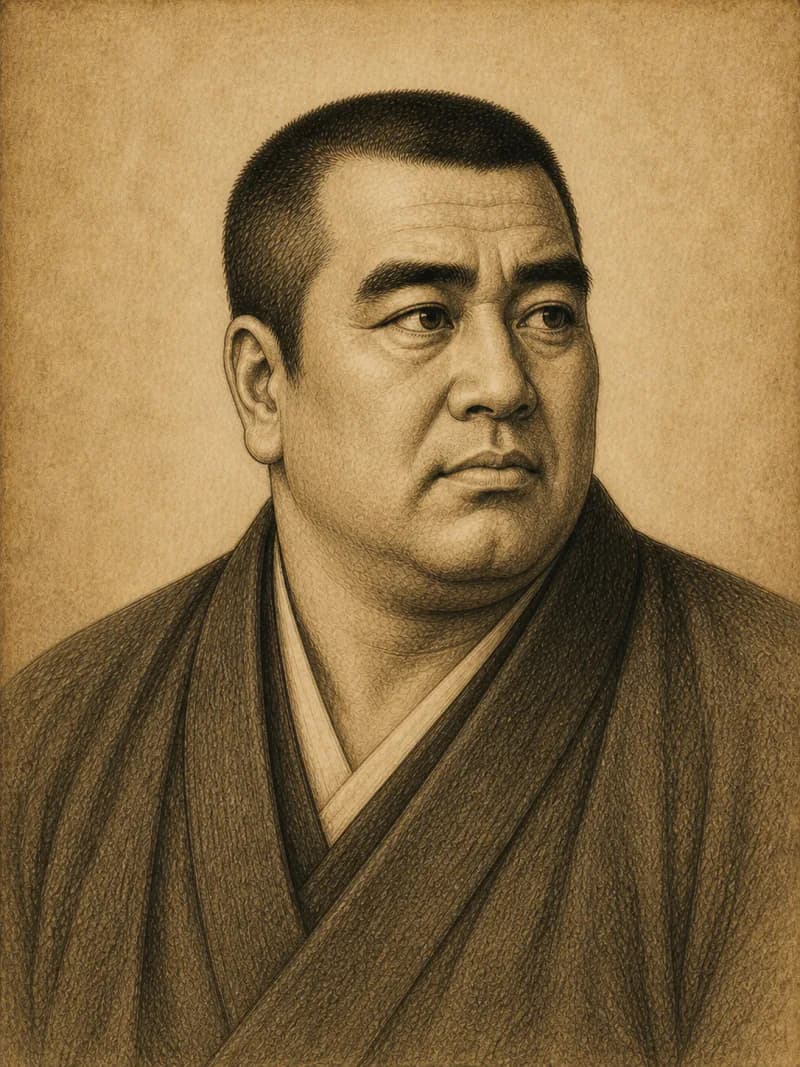
SA-0021 / 1828
Saigō Takamori
The architect of the Meiji Restoration who died fighting against the Meiji government he had built
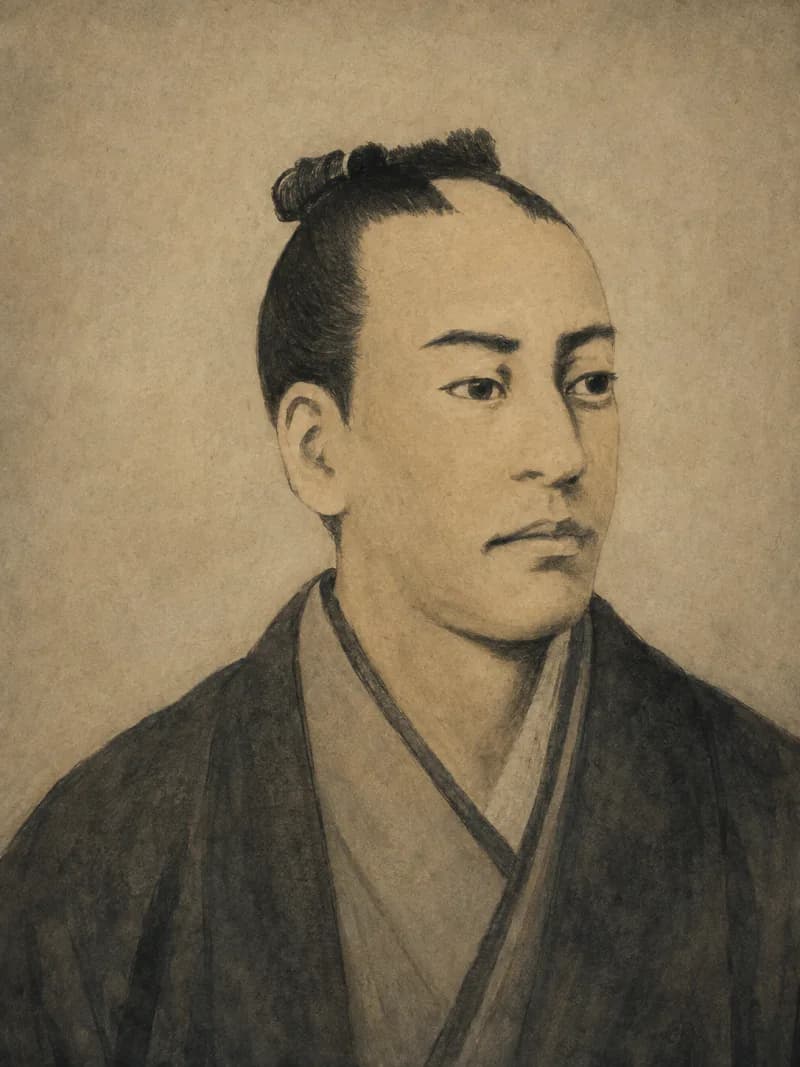
SA-0067 / 1829
Takechi Hanpeita
The shishi who led the Tosa Loyalist Party and directed the Bakumatsu 'tenchū' politics, and took his own life under Yamauchi Yōdō's suppression
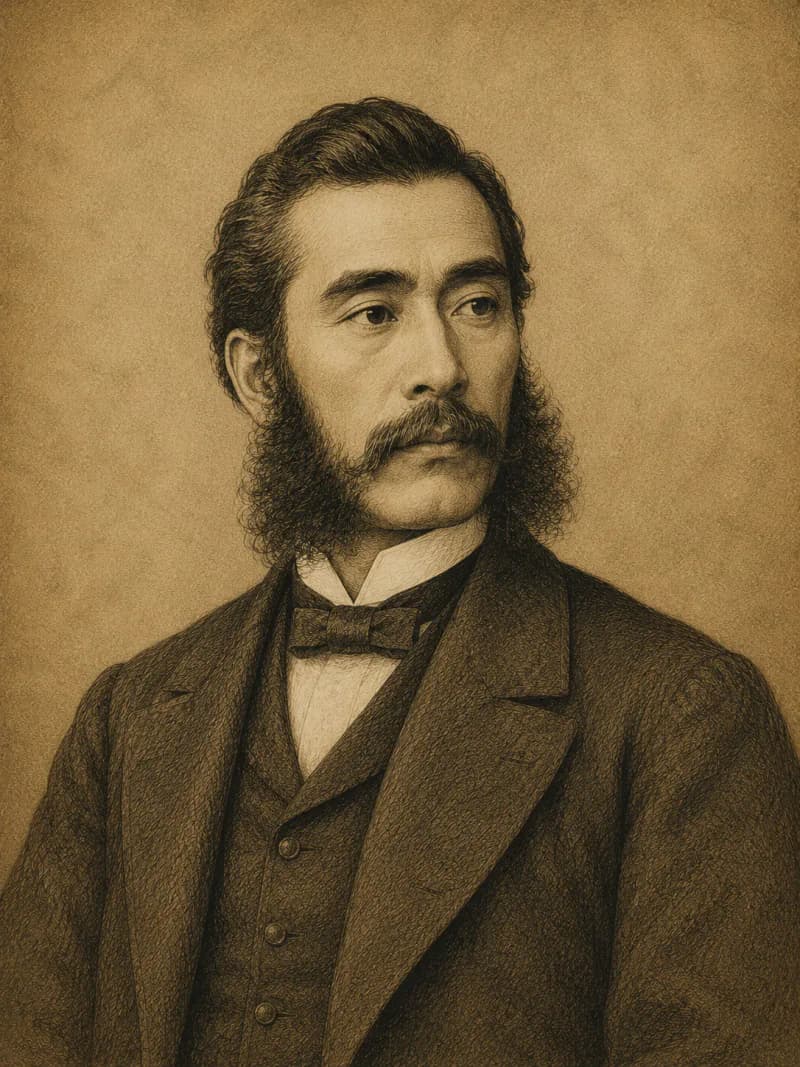
SA-0026 / 1830
Ōkubo Toshimichi
The architect of the Meiji state who outmaneuvered Saigō and was assassinated nine months later
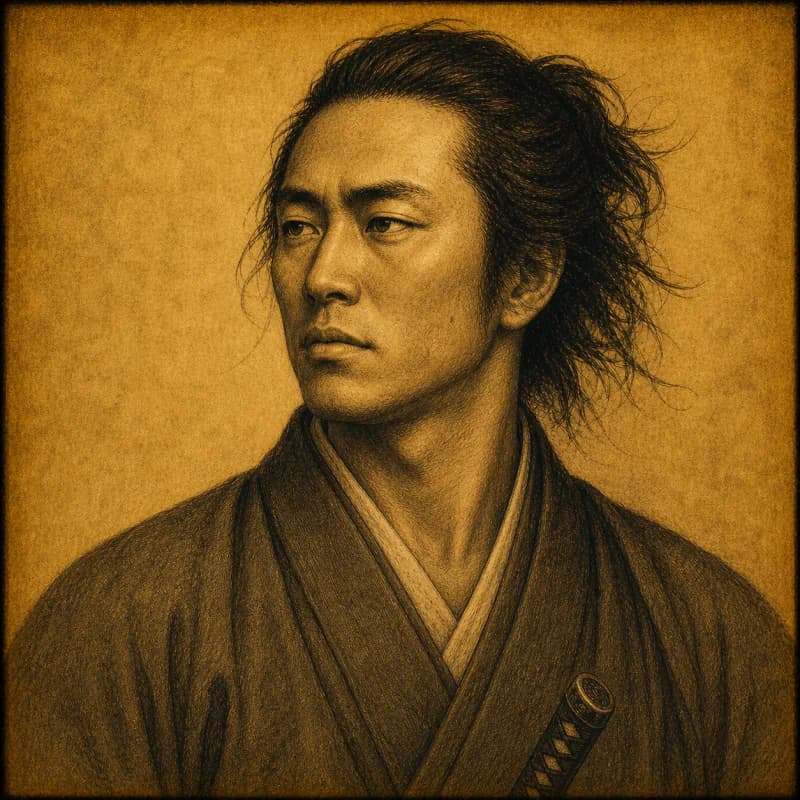
SA-0008 / 1836
Sakamoto Ryōma
The low-rank samurai who engineered the fall of the shogunate
REPORTS COVERING THIS ROLE
Senchū Hassaku: The Eight Points That Quietly Wrote the Meiji Constitution
In 1867, Sakamoto Ryōma drafted an eight-point memo on a steamship between Nagasaki and Hyōgo. He was thirty-one, on the run, and three months from assassination. The memo became the blueprint for modern Japan.
Kumamoto Castle: The Castle That Outlived the Last War
Built between 1601 and 1607 by Katō Kiyomasa, Kumamoto Castle was so well engineered that 270 years later, when Saigō Takamori besieged it for fifty-five days during the 1877 Satsuma Rebellion, he could not take it. Its architecture is one of the few practical samurai legacies still readable in stone.
Shiroyama: The End of the Samurai Class
On September 24th, 1877, the man who had built the Meiji government died fighting against it. Saigō Takamori's last stand at Shiroyama is conventionally dated as the end of the samurai class — and the conventional dating is correct.
Why the Last Shogun Surrendered: Tokugawa Yoshinobu and the Taisei Hōkan
On November 9th, 1867, the fifteenth Tokugawa shogun voluntarily returned political authority to the Emperor. He believed it would preserve the Tokugawa as senior partners in a new constitutional order. He was wrong about that. He was right about everything else.
The Architect Who Crushed His Best Friend: Ōkubo Toshimichi and the Building of Modern Japan
Between 1868 and 1878, Ōkubo Toshimichi imposed the institutional design that became the modern Japanese state. The political price was the destruction of his lifelong friend Saigō Takamori. Nine months after Saigō's death, Ōkubo himself was killed by men who blamed him for everything the new state had taken from them.
Inside the Satsuma-Chōshū Alliance: What Kido Saw From the Chōshū Side
In January 1866, Satsuma and Chōshū concluded an alliance in Kyoto. The compact made the toppling of the bakufu possible. The Chōshū-side principal was Katsura Kogorō — the future Kido Takayoshi. Behind the celebrated role of Ryōma the broker lies the reality of the negotiation as the principal himself experienced it.
The Bloodless Surrender of Edo: The Day Saigō and Katsu Saved a City of a Million
On March 14, 1868, Katsu Kaishū and Saigō Takamori met at the Satsuma estate. The direct negotiation that averted the planned total assault on Edo Castle the following day. A single day's meeting that saved the lives and property of a million Edo residents from war.
Ryōma's Master: How Katsu Kaishū Trained Sakamoto Ryōma
In 1862, the Tosa-domain rōnin Sakamoto Ryōma came to assassinate the shogunal retainer Katsu Kaishū. The two talked through the night, and Ryōma sheathed his sword and became Katsu's student. The single night's meeting became the origin of the Satsuma-Chōshū Alliance and the restoration of imperial rule four years later.
The Sunpu Meeting: The Day Yamaoka Tesshū Walked Alone Into Saigō's Camp
On March 9, 1868, Yamaoka Tesshū walked alone into the new government army's occupied Sunpu and met Saigō Takamori. The framework of the bloodless surrender of Edo was set on that single day at Sunpu, leading to the Katsu-Saigō meeting five days later. The day a no-rank shogunal retainer moved history.
Founding the Tosa Loyalist Party: In 1861, Hanpeita Gathered Two Hundred Comrades
In August 1861, Takechi Hanpeita, having finished his training in Edo and returned to Tosa, founded the Tosa Loyalist Party centered on his sword school. An organization of nearly two hundred rural warriors, rōnin, and lower-ranking retainers would become one of the cores of the Bakumatsu upheaval for the next three years.
Two Men from the Same Home: Why Did Takechi Hanpeita and Sakamoto Ryōma Choose Different Roads?
Takechi Hanpeita and Sakamoto Ryōma were both from the Tosa domain gōshi class and had been close from youth. The way the roads of the two — Hanpeita choosing intra-domain politics and Ryōma choosing to leave the domain — divided symbolizes two different types of Bakumatsu shishi.
The Purge of Yamauchi Yōdō: In 1865, the Thirty-Seven-Year-Old Hanpeita Committed Seppuku
In the coup of August 18, 1863, the Loyalist faction fell from the court, and in Tosa too, the suppression of the Loyalist Party by former lord Yamauchi Yōdō began. After about two years in prison, on May 11, 1865, Hanpeita was ordered to commit seppuku. The end of the Tosa Loyalist Party.