SUBJECT FILE NO. SA-0008
BUSHI ARCHIVE
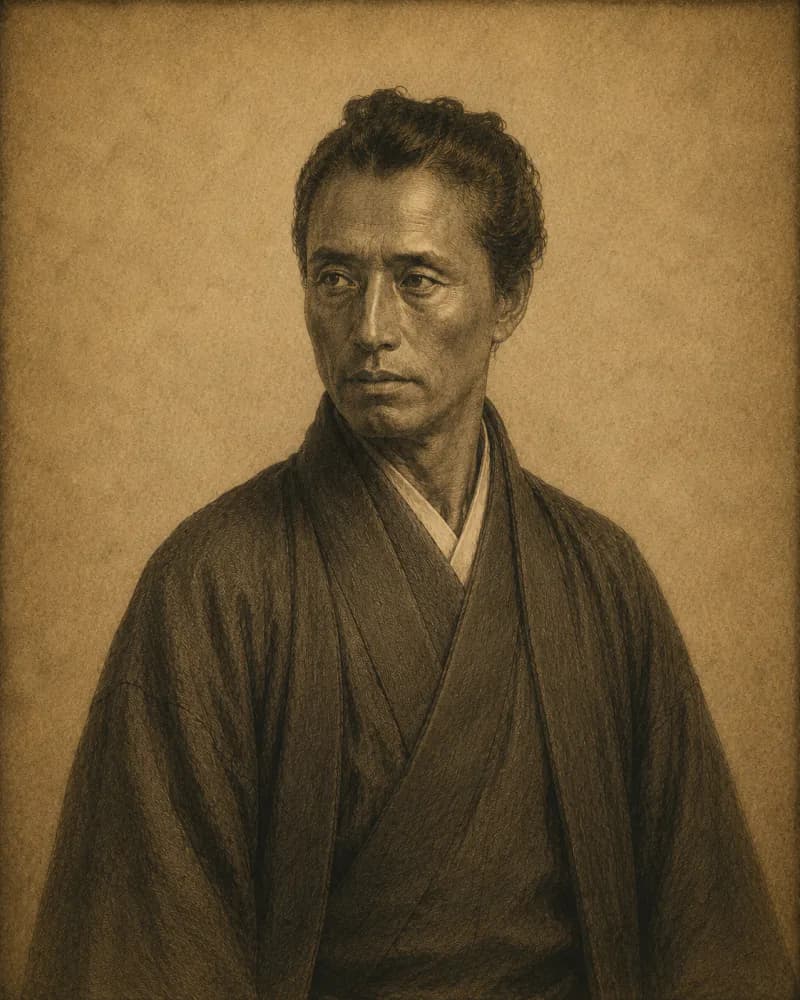
Sakamoto Ryōma
Sakamoto Ryōma
Architect of the Satsuma–Chōshū Alliance
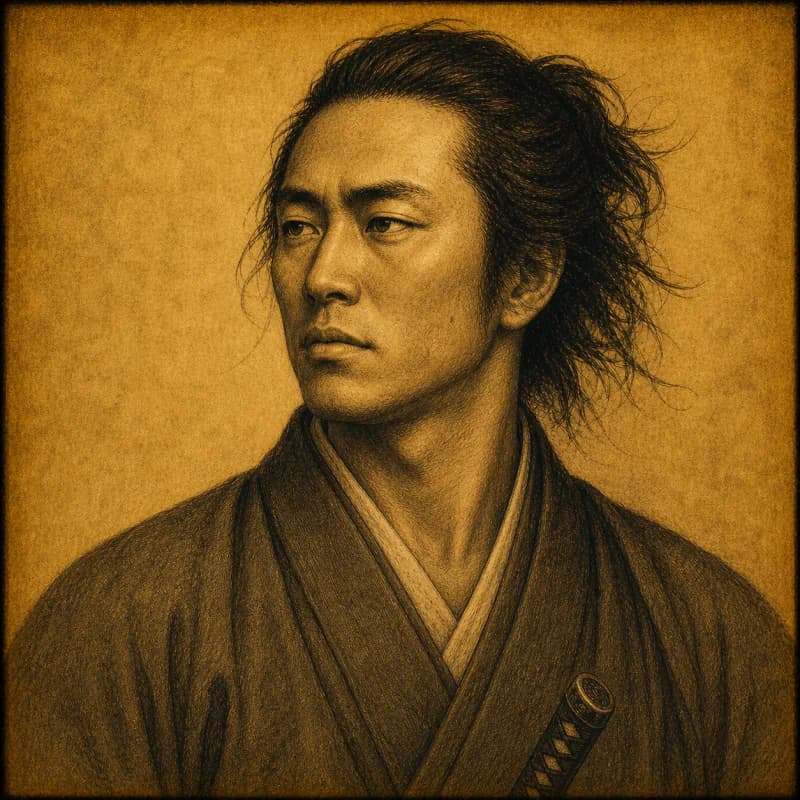
SECTION I -- SUBJECT PROFILE
| Name | Sakamoto Ryōma |
|---|---|
| English | Sakamoto Ryōma |
| Origin | Japan |
| Lifespan | 1836–1867 |
| Gender | Male |
| Century | 19th C. |
| Clan / Role | Bakumatsu Revolutionary |
| Title | Architect of the Satsuma–Chōshū Alliance |
SECTION II -- OVERVIEW
Born in 1836 in Tosa Province as the son of a low-rank samurai of merchant ancestry, Ryōma fled the rigid Tosa hierarchy to join the swordsman Katsu Kaishū, who turned the would-be foreigner-killer into a champion of naval modernization.
In 1866 he brokered the historic Satsuma–Chōshū Alliance between two domains that had been bitter enemies — the deal that made the overthrow of the Tokugawa Bakufu inevitable.
He drafted the Eight-Point Program (Senchū Hassaku) outlining a constitutional government for post-shogunate Japan, including a bicameral legislature, a written constitution, and the abolition of class privilege — proposals strikingly close to what the Meiji government would later adopt.
He was assassinated in Kyoto in 1867 at age 31, weeks before the Meiji Restoration he had engineered.
SECTION III -- CHRONOLOGY
SECTION IV -- NOTABLE STATEMENTS
“Once you decide to do something, do it without hesitation.”
SECTION V -- FIELD NOTES
[A]Eight Points in a Cabin
Drafted aboard the steamship Yūgao during a passage from Nagasaki to Hyōgo, Ryōma's eight-point program for post-shogunate government anticipated almost the entire Meiji Constitution — written by a 31-year-old ronin who never lived to see it adopted.
SECTION VI -- LEGACY & IMPACT
Ryōma's alliance brokering and constitutional vision made him the most beloved figure of the late shogunate, the romantic symbol of Japan's leap into modernity.
His assassination remains one of the great unsolved mysteries of Bakumatsu history.
SECTION VII -- MAJOR DEEDS
- [01]Satsuma–Chōshū Alliance (1866)
- [02]Kaientai naval-trading company
- [03]Eight-Point Program (Senchū Hassaku)
- [04]Senshū-kan dojo and naval academy
SECTION VIII -- REFERENCE MATERIALS
PRIMARY SOURCES & ARCHIVES
- PRIMARY
Sakamoto Ryōma Documents
National Diet Library, Modern Japanese Political History Materials Room
Includes Ryōma's autograph letters and Bakumatsu political papers
- SCHOLARSHIP
Sakamoto Ryōma
Matsuura Rei / Iwanami Shinsho (2008)
Standard empirical biography that strips away later mythologization (in Japanese)
- ARCHIVE
Kōchi Prefectural Sakamoto Ryōma Memorial Museum
Kōchi Prefecture
Comprehensive archive of Ryōma-related materials
Visit archive →
RECOMMENDED READING
SECTION X -- RELATED REPORTS
SA-RPT
Senchū Hassaku: The Eight Points That Quietly Wrote the Meiji Constitution
In 1867, Sakamoto Ryōma drafted an eight-point memo on a steamship between Nagasaki and Hyōgo. He was thirty-one, on the run, and three months from assassination. The memo became the blueprint for modern Japan.
SA-RPT
Why the Last Shogun Surrendered: Tokugawa Yoshinobu and the Taisei Hōkan
On November 9th, 1867, the fifteenth Tokugawa shogun voluntarily returned political authority to the Emperor. He believed it would preserve the Tokugawa as senior partners in a new constitutional order. He was wrong about that. He was right about everything else.
SA-RPT
Inside the Satsuma-Chōshū Alliance: What Kido Saw From the Chōshū Side
In January 1866, Satsuma and Chōshū concluded an alliance in Kyoto. The compact made the toppling of the bakufu possible. The Chōshū-side principal was Katsura Kogorō — the future Kido Takayoshi. Behind the celebrated role of Ryōma the broker lies the reality of the negotiation as the principal himself experienced it.
SA-RPT
Ryōma's Master: How Katsu Kaishū Trained Sakamoto Ryōma
In 1862, the Tosa-domain rōnin Sakamoto Ryōma came to assassinate the shogunal retainer Katsu Kaishū. The two talked through the night, and Ryōma sheathed his sword and became Katsu's student. The single night's meeting became the origin of the Satsuma-Chōshū Alliance and the restoration of imperial rule four years later.
SA-RPT
Two Men from the Same Home: Why Did Takechi Hanpeita and Sakamoto Ryōma Choose Different Roads?
Takechi Hanpeita and Sakamoto Ryōma were both from the Tosa domain gōshi class and had been close from youth. The way the roads of the two — Hanpeita choosing intra-domain politics and Ryōma choosing to leave the domain — divided symbolizes two different types of Bakumatsu shishi.
SECTION IX -- LINKED SUBJECTS
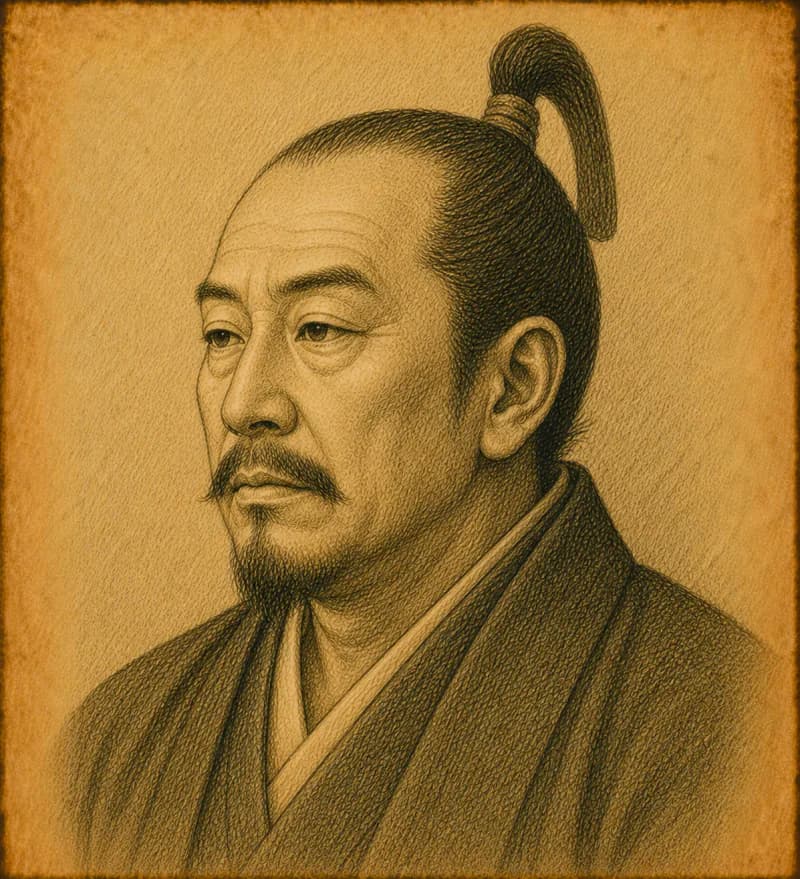
SA-0003 / JPN
Tokugawa Ieyasu
The patient warlord whose dynasty ruled Japan for 250 years
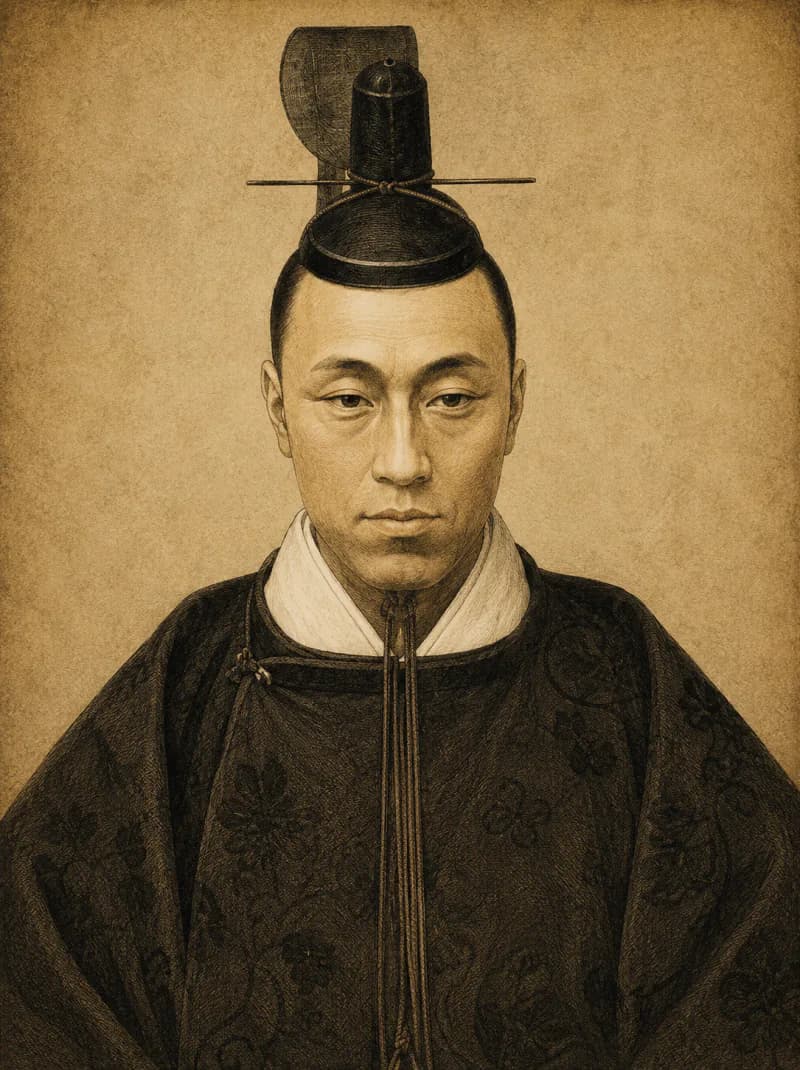
SA-0022 / JPN
Tokugawa Yoshinobu
The last shogun who chose to surrender power rather than fight a civil war he believed Japan could not afford
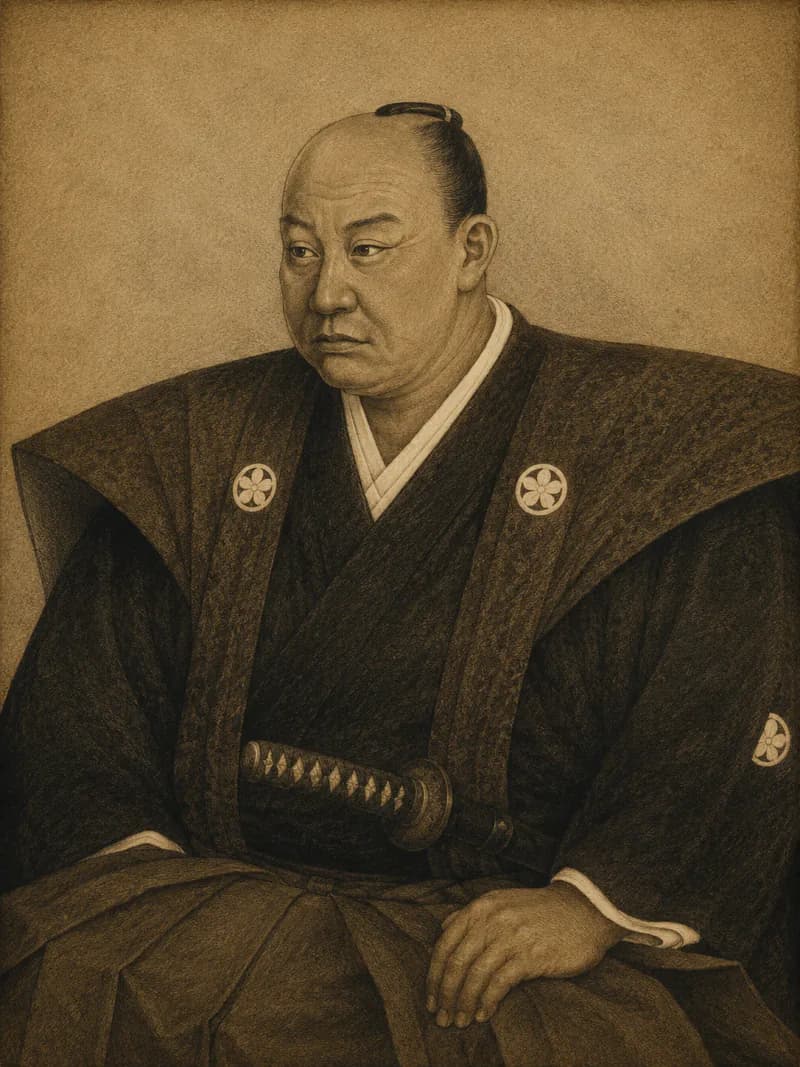
SA-0027 / JPN
Ii Naosuke
The Tairō who signed the unequal treaties — and was assassinated for it at the gates of Edo Castle
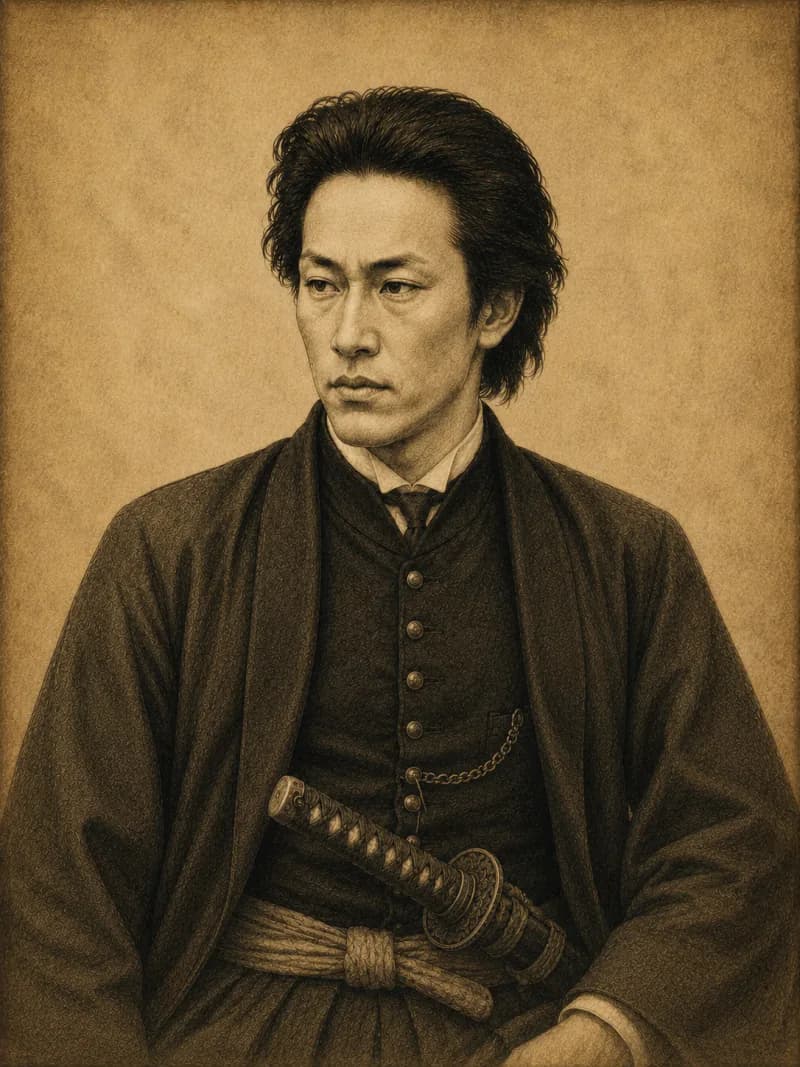
SA-0031 / JPN
Hijikata Toshizō
Vice-commander of the Shinsengumi who fought the shogunate's losing war to its very last day
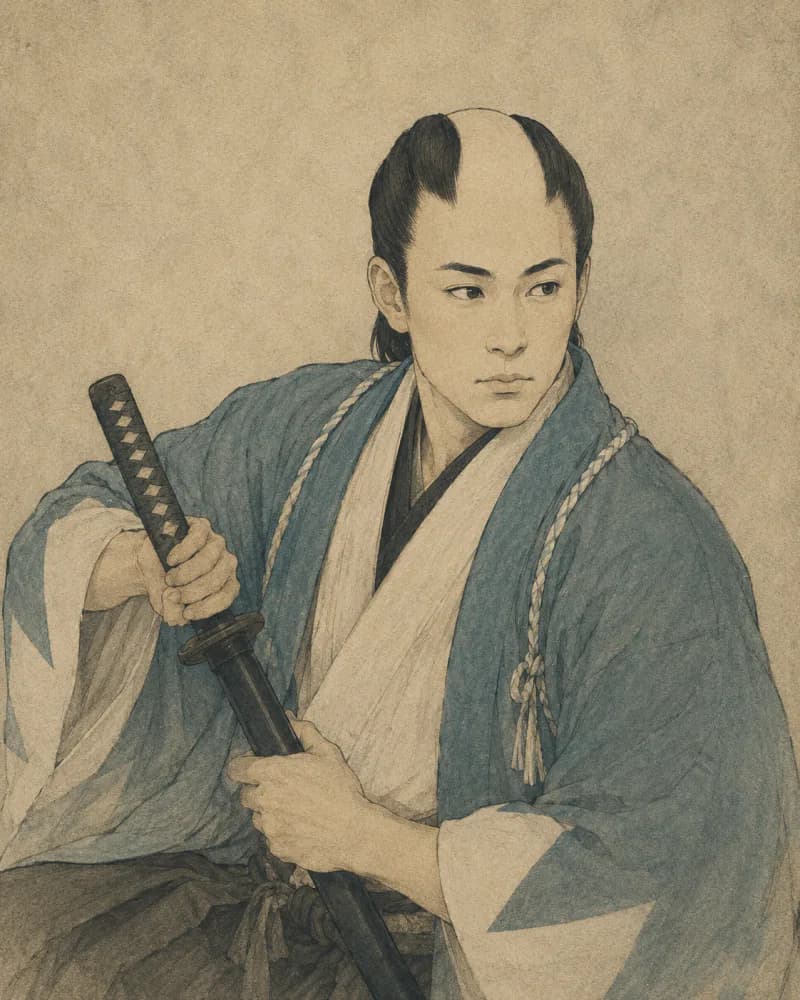
SA-0035 / JPN
Okita Sōji
First-captain of the Shinsengumi — and the tubercular swordsman who never fought the Boshin War
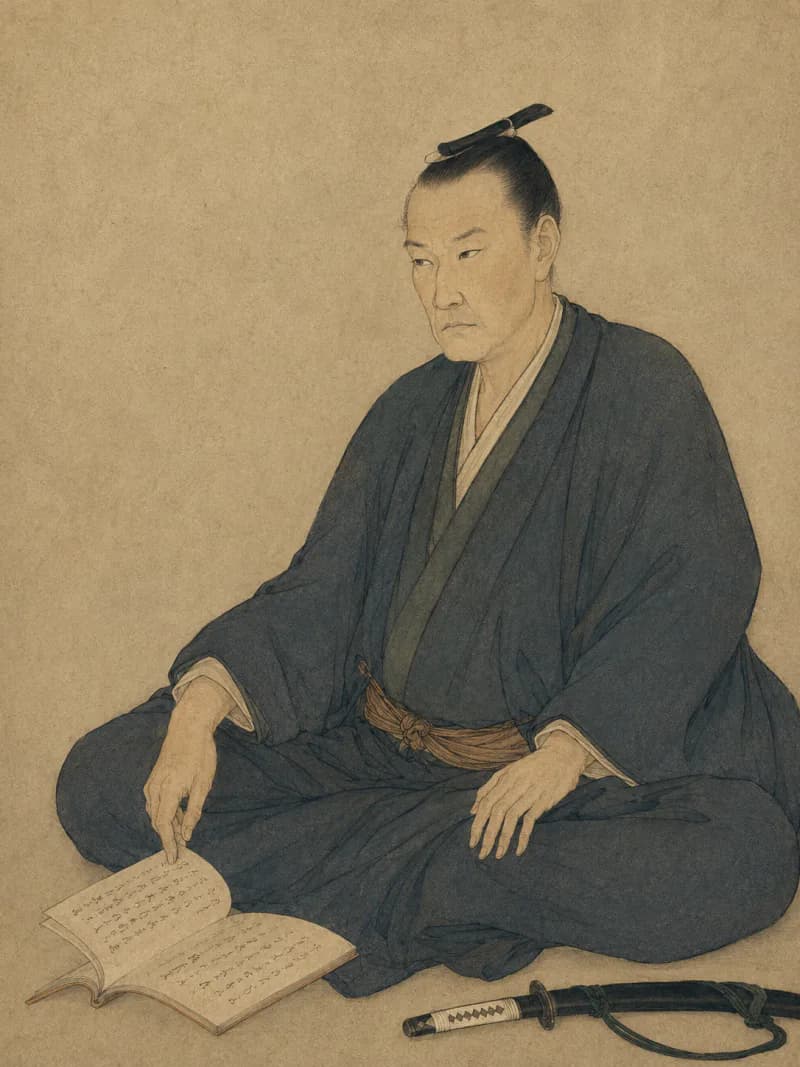
SA-0036 / JPN
Yoshida Shōin
The Shōka Sonjuku teacher whose two-and-a-half-year school drove the Meiji Restoration
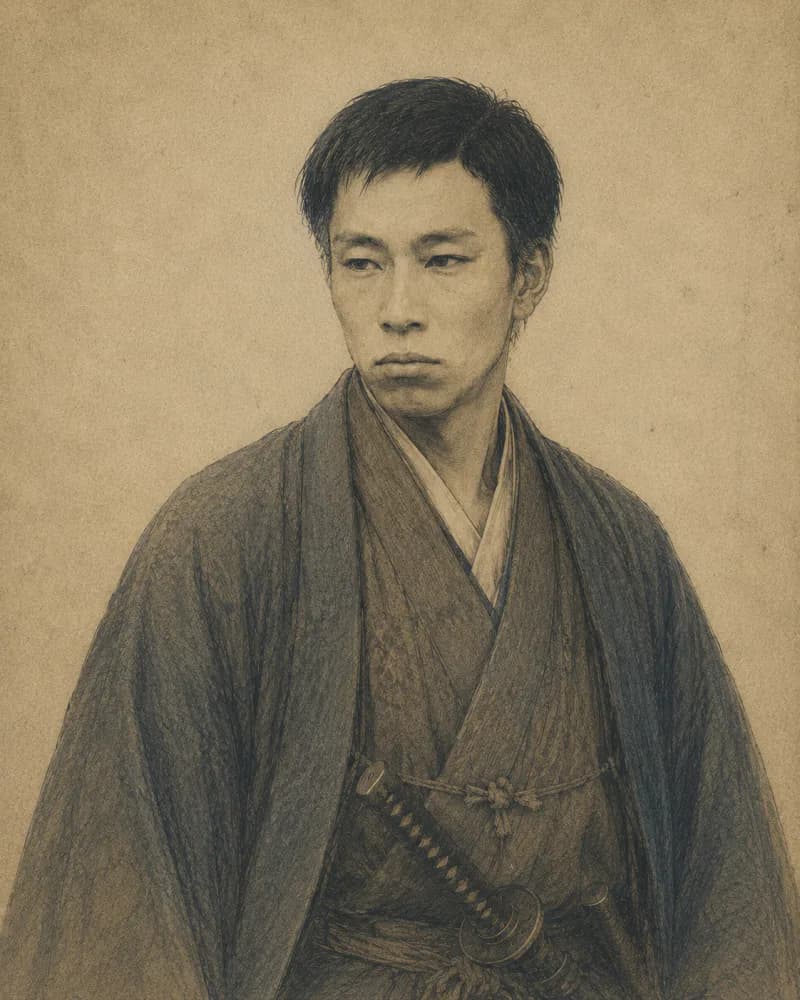
SA-0037 / JPN
Takasugi Shinsaku
The Shōka Sonjuku graduate whose Kiheitai militia and Kōzanji coup drove Chōshū to topple the bakufu
SA-0045 / JPN
Katsu Kaishū
The last navy minister of the shogunate who delivered the bloodless surrender of Edo and was Sakamoto Ryōma's master