SUBJECT FILE NO. SA-0027
BUSHI ARCHIVE
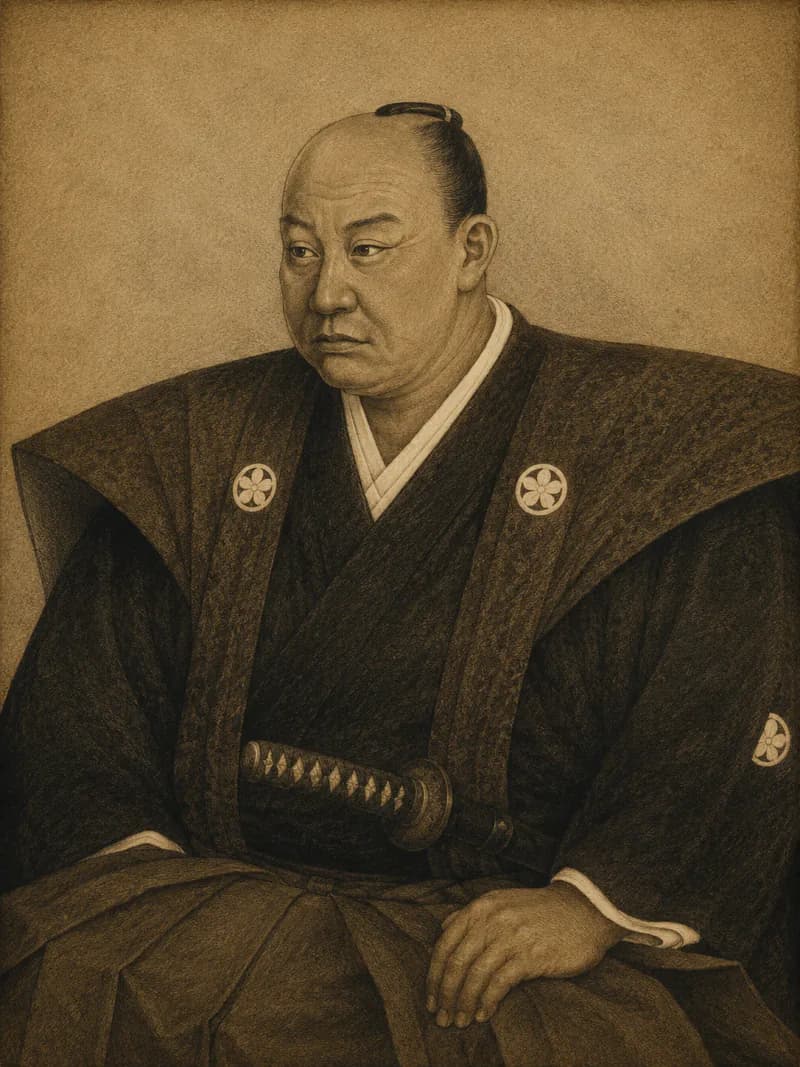
Ii Naosuke
Ii Naosuke
Tairō of the Tokugawa Bakufu
SECTION I -- SUBJECT PROFILE
| Name | Ii Naosuke |
|---|---|
| English | Ii Naosuke |
| Origin | Japan |
| Lifespan | 1815–1860 |
| Gender | Male |
| Century | 19th C. |
| Clan / Role | Daimyo |
| Title | Tairō of the Tokugawa Bakufu |
SECTION II -- OVERVIEW
Born in 1815 as the fourteenth son of the daimyō of Hikone, Ii Naosuke was the unlikeliest of inheritances; he became lord of Hikone only in 1850 after every senior brother had died or been adopted out.
Within five years the bakufu's American-treaty crisis brought him to the center of national politics. As Tairō (Great Elder) from 1858, he made the two decisions that defined his tenure and ended his life.
First, he signed the Treaty of Amity and Commerce with the United States in 1858 without obtaining Imperial sanction — the so-called 'unequal treaty' that opened Japan to foreign trade on terms favorable to the Americans.
Second, he conducted the Ansei Purge of 1858–1859, in which he had over a hundred political opponents executed, exiled, or stripped of position, including the most prominent figures of the imperial loyalist movement.
On the morning of March 24th, 1860, eighteen ronin from Mito and Satsuma — domains he had purged most heavily — ambushed his palanquin outside the Sakurada Gate of Edo Castle.
He was beheaded in the snow within sight of the bakufu's central building.
SECTION III -- CHRONOLOGY
SECTION IV -- NOTABLE STATEMENTS
“If we wait for Imperial sanction we will wait until the foreign warships sit in the harbor of Kyoto.”
SECTION V -- FIELD NOTES
[A]The Assassins in the Snow
Snow had fallen heavily the night before March 24th, 1860. The Sakurada Gate was unusually quiet at the morning hour.
Eighteen ronin took up positions along the route Ii's procession would follow. The first man fired a pistol into the palanquin to signal the attack; the others closed with swords.
Ii's bodyguards, hands stiff in the cold, were overwhelmed within minutes. The ronin took his head as evidence and fled.
SECTION VI -- LEGACY & IMPACT
Ii Naosuke is one of the most contested figures in Japanese political history. Pre-war Imperial-loyalist historiography treated him as a near-traitor for signing the unequal treaty without Imperial sanction.
Postwar scholarship has been more sympathetic, treating his treaty signing as the only realistic response to the gunboat ultimatum and his ruthless purge as a desperate attempt to hold the bakufu together.
Either way, the Sakuradamon assassination is dated by most historians as the political moment after which the bakufu could no longer be saved.
SECTION VII -- MAJOR DEEDS
- [01]Hikone domain reform (1850s)
- [02]Treaty of Amity and Commerce (1858)
- [03]Ansei Purge (1858–1859)
- [04]Patronage of tea ceremony culture at Hikone
SECTION VIII -- REFERENCE MATERIALS
PRIMARY SOURCES & ARCHIVES
- PRIMARY
Kōyōgata Hiroku
Records of the Ii-clan Kōyōgata office
Hikone-domain record detailing the bakufu administration during Naosuke's tenure as Tairō
- SCHOLARSHIP
Ii Naosuke and Nagano Shuzen
Yoshida Tsunekichi / Yoshikawa Kōbunkan
Classic and definitive Naosuke study (in Japanese)
- ARCHIVE
Hikone Castle Museum
Hikone City
Comprehensive archive of Ii-family heirlooms and documents
Visit archive →
RECOMMENDED READING
SECTION X -- RELATED REPORTS
SA-RPT
Snow at Sakuradamon: The Assassination That Ended the Bakufu
On the morning of March 24th, 1860, eighteen ronin from Mito and Satsuma killed the Tairō Ii Naosuke outside the main gate of Edo Castle. The killing was personal revenge for his Ansei Purge. The political consequence was that the Tokugawa Bakufu became unrecoverable.
SA-RPT
From Sawayama to Hikone: How the Foundation for the Ii Family's 250 Years Was Built
After Ii Naomasa died in 1602, in the generations of his sons Naokatsu and Naotaka the base was moved from Sawayama to a new castle at Hikone, and the Hikone domain of 300,000 koku was established. The course by which the foundation Naomasa built became the starting point of the Ii family — continuing through the Edo period as the foremost of the fudai daimyō and producing great elders.
SECTION IX -- LINKED SUBJECTS
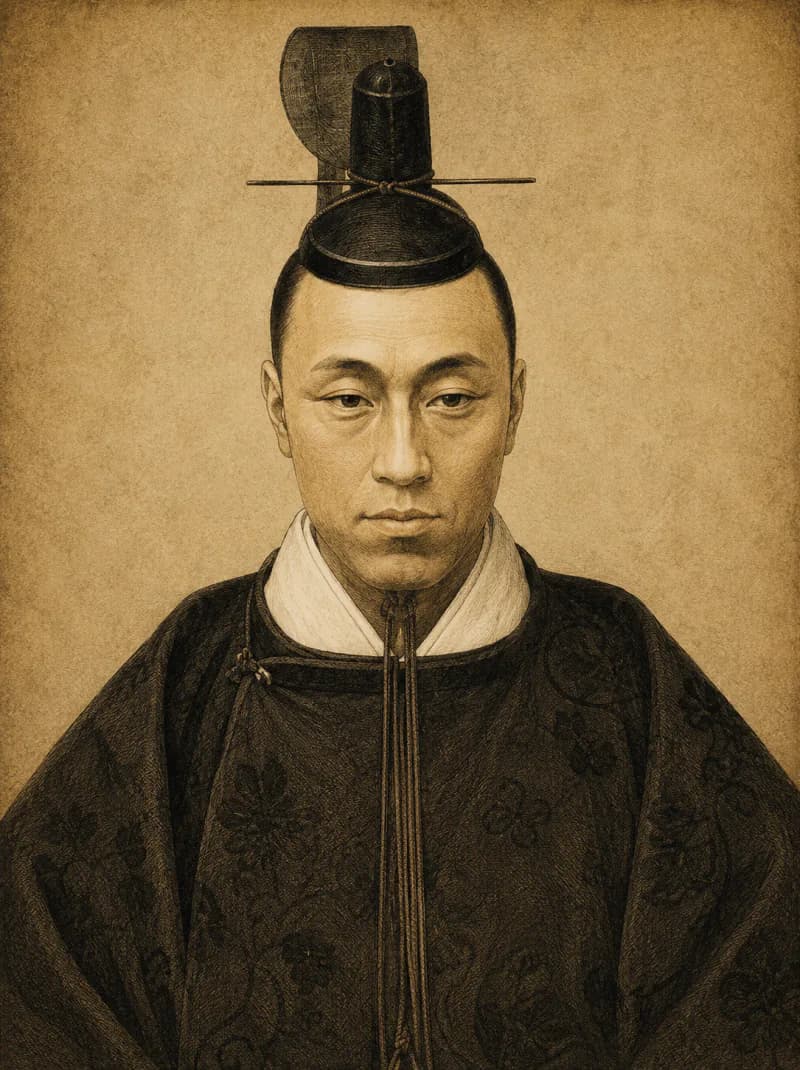
SA-0022 / JPN
Tokugawa Yoshinobu
The last shogun who chose to surrender power rather than fight a civil war he believed Japan could not afford
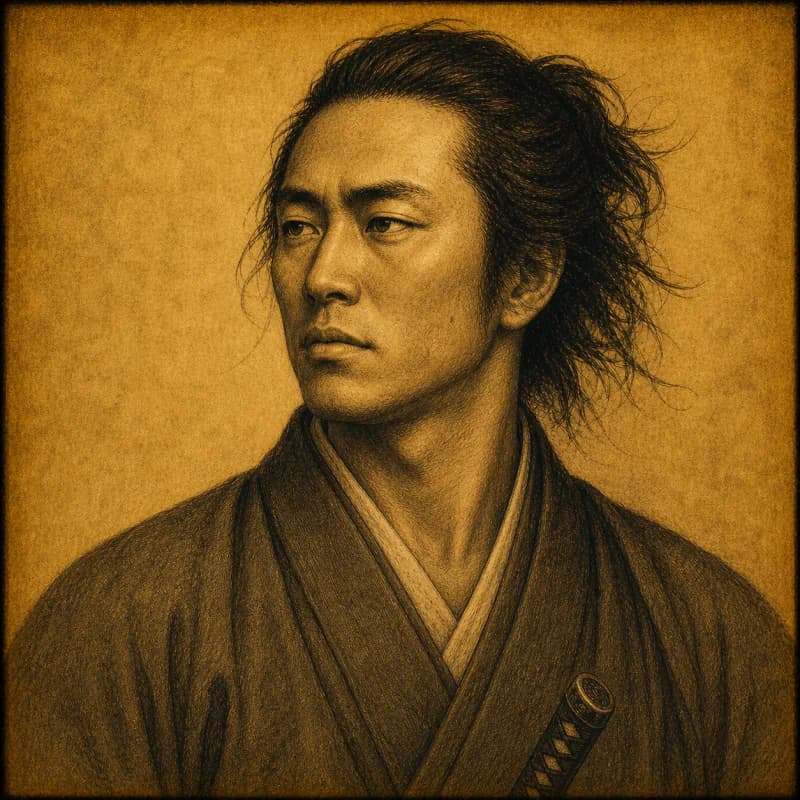
SA-0008 / JPN
Sakamoto Ryōma
The low-rank samurai who engineered the fall of the shogunate
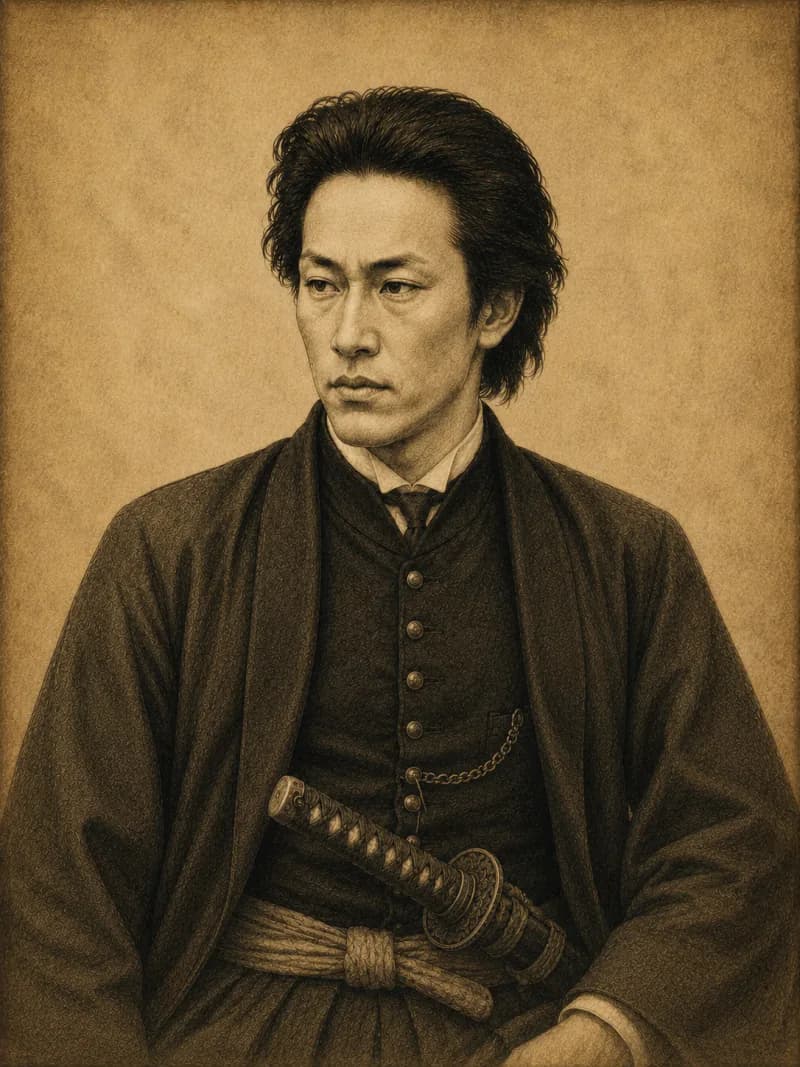
SA-0031 / JPN
Hijikata Toshizō
Vice-commander of the Shinsengumi who fought the shogunate's losing war to its very last day
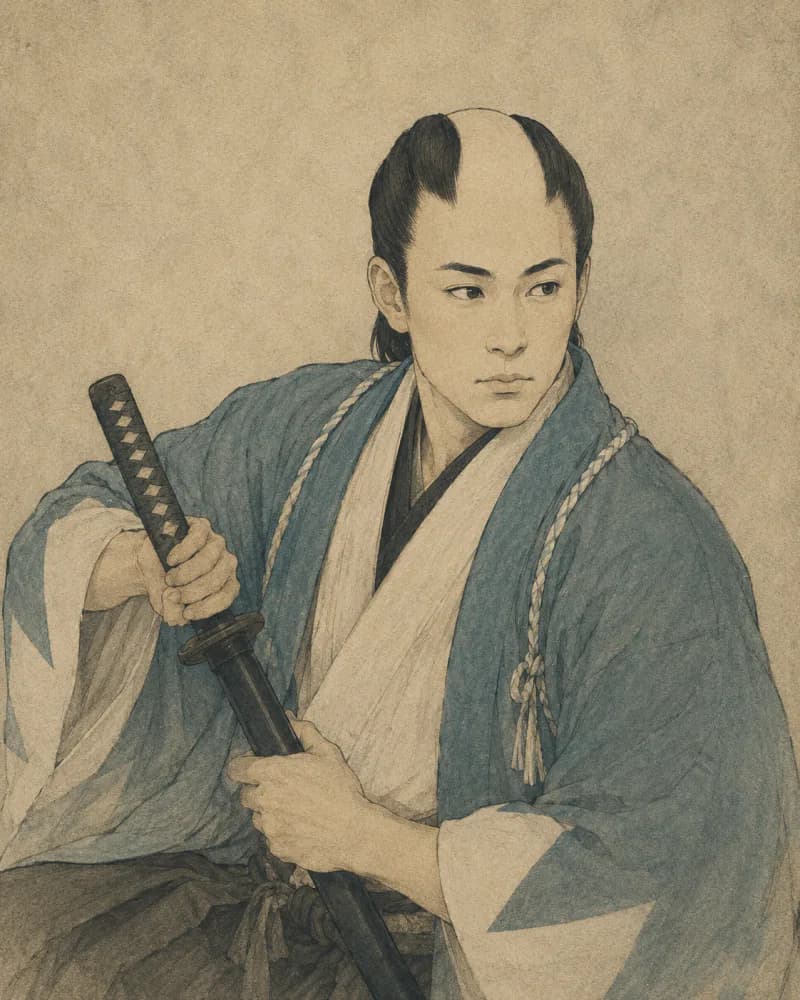
SA-0035 / JPN
Okita Sōji
First-captain of the Shinsengumi — and the tubercular swordsman who never fought the Boshin War
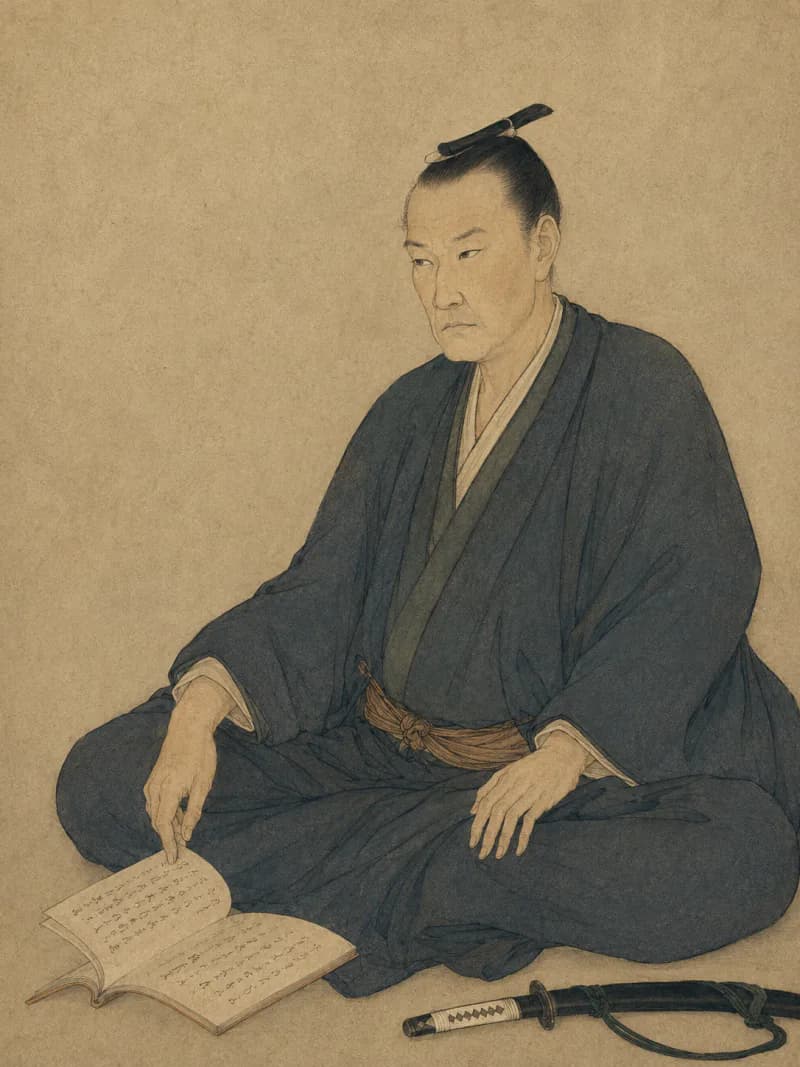
SA-0036 / JPN
Yoshida Shōin
The Shōka Sonjuku teacher whose two-and-a-half-year school drove the Meiji Restoration
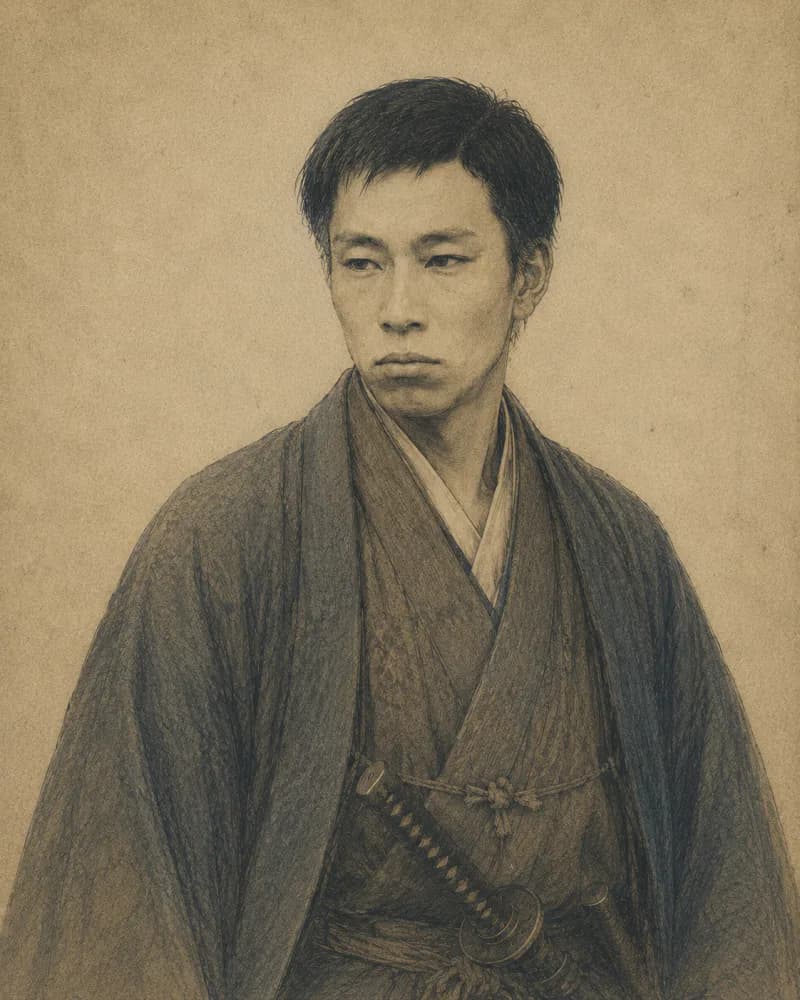
SA-0037 / JPN
Takasugi Shinsaku
The Shōka Sonjuku graduate whose Kiheitai militia and Kōzanji coup drove Chōshū to topple the bakufu
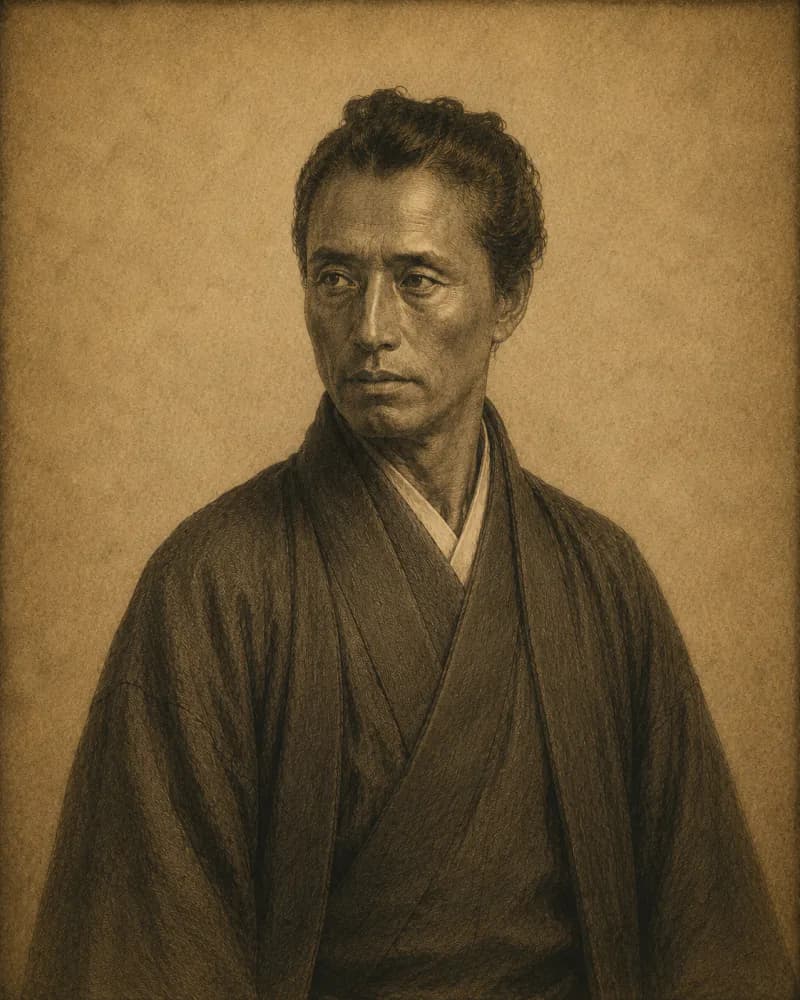
SA-0045 / JPN
Katsu Kaishū
The last navy minister of the shogunate who delivered the bloodless surrender of Edo and was Sakamoto Ryōma's master
SA-0046 / JPN
Yamaoka Tesshū
One of the 'Three Boats' of the Bakumatsu who opened the road to the bloodless surrender of Edo and founded the Mutō-ryū