SUBJECT FILE NO. SA-0022
BUSHI ARCHIVE
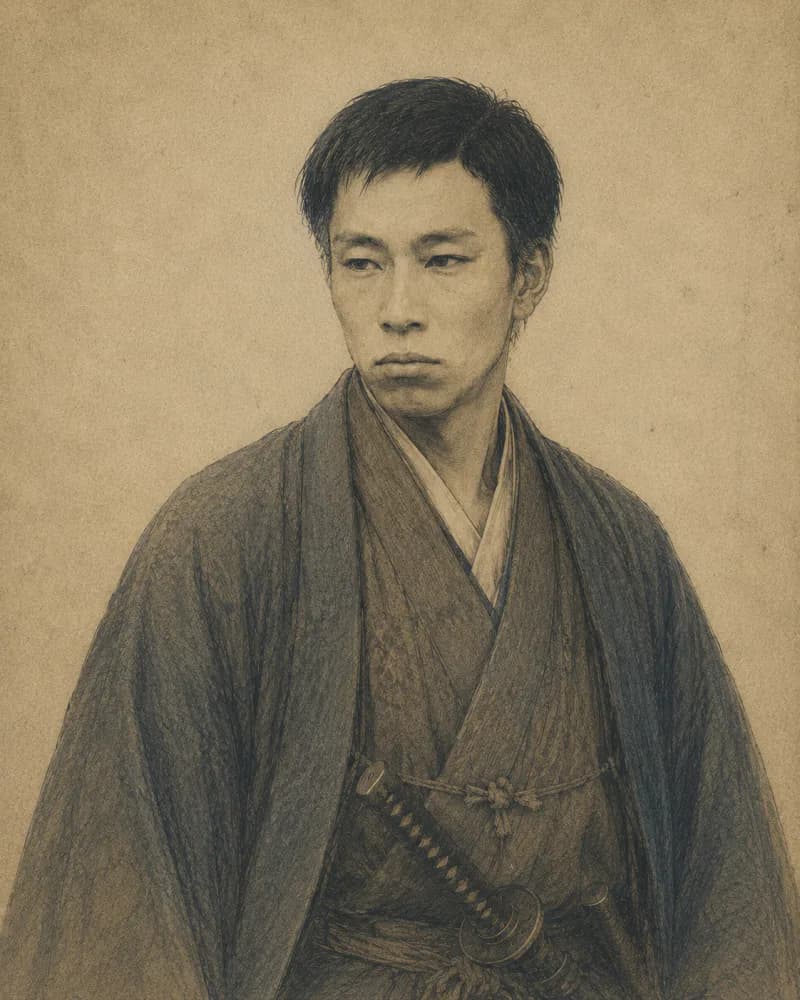
Tokugawa Yoshinobu
Tokugawa Yoshinobu
Fifteenth and Final Shogun of the Tokugawa Bakufu
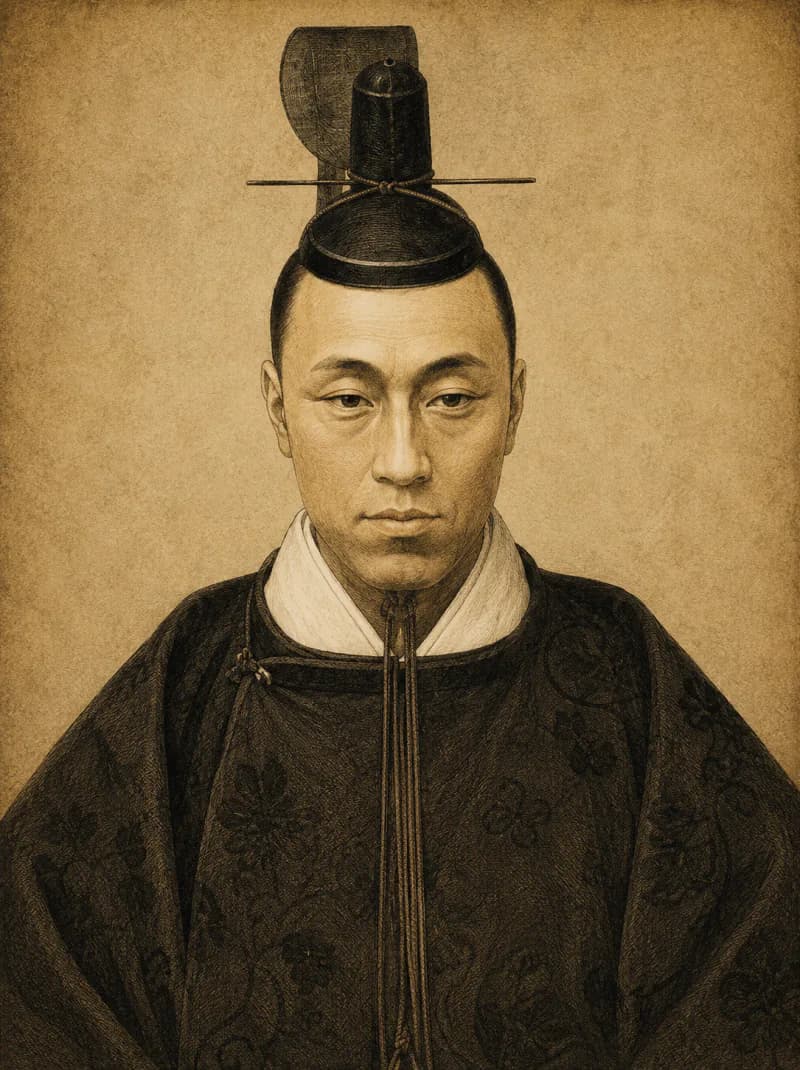
SECTION I -- SUBJECT PROFILE
| Name | Tokugawa Yoshinobu |
|---|---|
| English | Tokugawa Yoshinobu |
| Origin | Japan |
| Lifespan | 1837–1913 |
| Gender | Male |
| Century | 19th C. |
| Clan / Role | Shogun |
| Title | Fifteenth and Final Shogun of the Tokugawa Bakufu |
SECTION II -- OVERVIEW
Born in 1837 in Edo as the seventh son of Tokugawa Nariaki of Mito, Yoshinobu was raised in the reform-minded Mito school of imperial loyalism and became head of the Hitotsubashi house in 1847.
He rose through the bakufu's political crises of the 1850s and 1860s and became shogun in 1866 at age 29 — the youngest in over a century, and the only shogun to take the title knowing the institution was in collapse.
Within fourteen months of his appointment, faced with the prospect of civil war against Satsuma and Chōshū, he made the most consequential decision of his life.
On November 9th, 1867, he formally returned political authority to the Emperor, hoping that a new constitutional government — most likely modeled on the program proposed by Sakamoto Ryōma — would preserve the Tokugawa as a senior member of a national assembly.
He was outmaneuvered. The Meiji court, dominated by Satsuma and Chōshū, declared the Tokugawa lands forfeit. Yoshinobu chose not to fight.
He retreated to Edo, surrendered the castle, and lived as a private citizen for forty-five more years. He died in 1913, photographed in a Western suit, having outlived almost every other figure of the Restoration.
SECTION III -- CHRONOLOGY
SECTION IV -- NOTABLE STATEMENTS
“If a war must come between Japanese, then I would rather not be the cause of it.”
SECTION V -- FIELD NOTES
[A]The Photograph in Western Clothes
After his retirement Yoshinobu became a passionate amateur photographer, oil painter, and bicycle rider.
The famous 1872 photograph of him in a Western three-piece suit — taken when he was thirty-five and a private citizen — was, at the time, an extraordinary image: the man who had been shogun five years earlier, dressed like a Boston banker, smiling slightly at the camera.
SECTION VI -- LEGACY & IMPACT
Yoshinobu's surrender of authority is the single most underrated political decision in Japanese history. By choosing not to defend the bakufu by force, he prevented a civil war on the scale of the contemporary American conflict (1861–1865).
He died as a Japanese duke holding a Western title, having watched the country he handed over become a constitutional state, an industrial power, and the victor of a war against Russia.
His house was permitted to continue under the new aristocracy.
SECTION VII -- MAJOR DEEDS
- [01]Becoming the 15th and final shogun (1866)
- [02]Taisei Hōkan, Restoration of Imperial Rule (1867)
- [03]Bloodless surrender of Edo Castle (1868)
- [04]Forty-five years as a private citizen (1868–1913)
SECTION VIII -- REFERENCE MATERIALS
PRIMARY SOURCES & ARCHIVES
- PRIMARY
Sekimukai Hikki
Edited by Shibusawa Eiichi
Late-life recollections by Yoshinobu himself, recording his Bakumatsu political decisions
- SCHOLARSHIP
Tokugawa Yoshinobu
Iechika Yoshiki / Yoshikawa Kōbunkan, Jinbutsu Sōsho series
Definitive academic biography (in Japanese)
- ARCHIVE
Ibaraki Prefectural Museum of History
Ibaraki Prefecture
Holds materials related to Tokugawa Yoshinobu
Visit archive →
RECOMMENDED READING
SECTION X -- RELATED REPORTS
SA-RPT
Why the Last Shogun Surrendered: Tokugawa Yoshinobu and the Taisei Hōkan
On November 9th, 1867, the fifteenth Tokugawa shogun voluntarily returned political authority to the Emperor. He believed it would preserve the Tokugawa as senior partners in a new constitutional order. He was wrong about that. He was right about everything else.
SA-RPT
Goryōkaku: Where the Last Samurai Republic Died
On May 11, 1869, in the star-shaped fortress at Hakodate in northern Japan, Hijikata Toshizō and the seven thousand troops of the Republic of Ezo lost their final battle. The first and last republic in Japanese history had survived seven months.
SECTION IX -- LINKED SUBJECTS
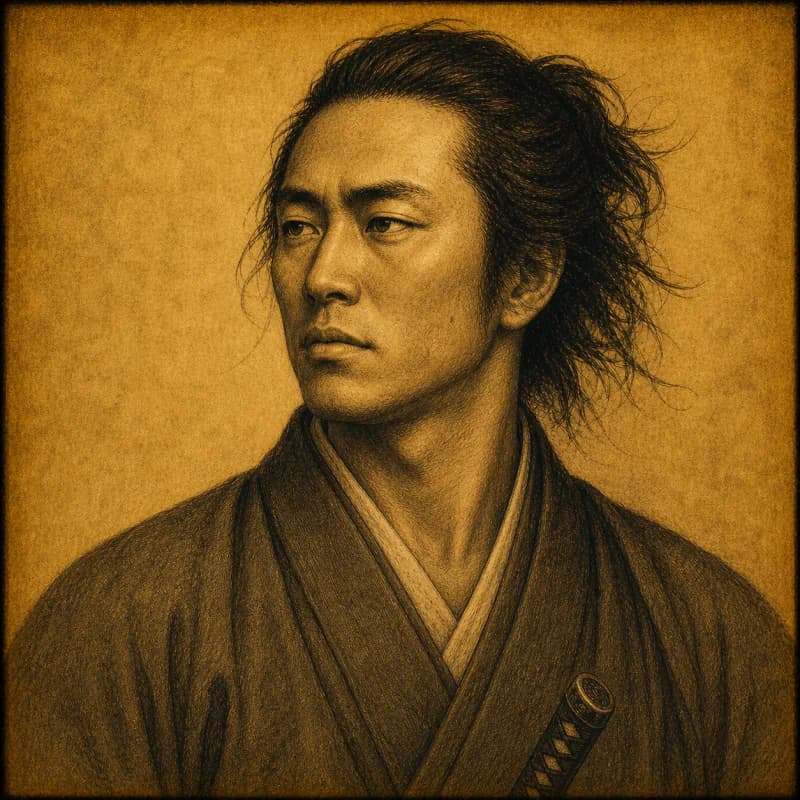
SA-0008 / JPN
Sakamoto Ryōma
The low-rank samurai who engineered the fall of the shogunate
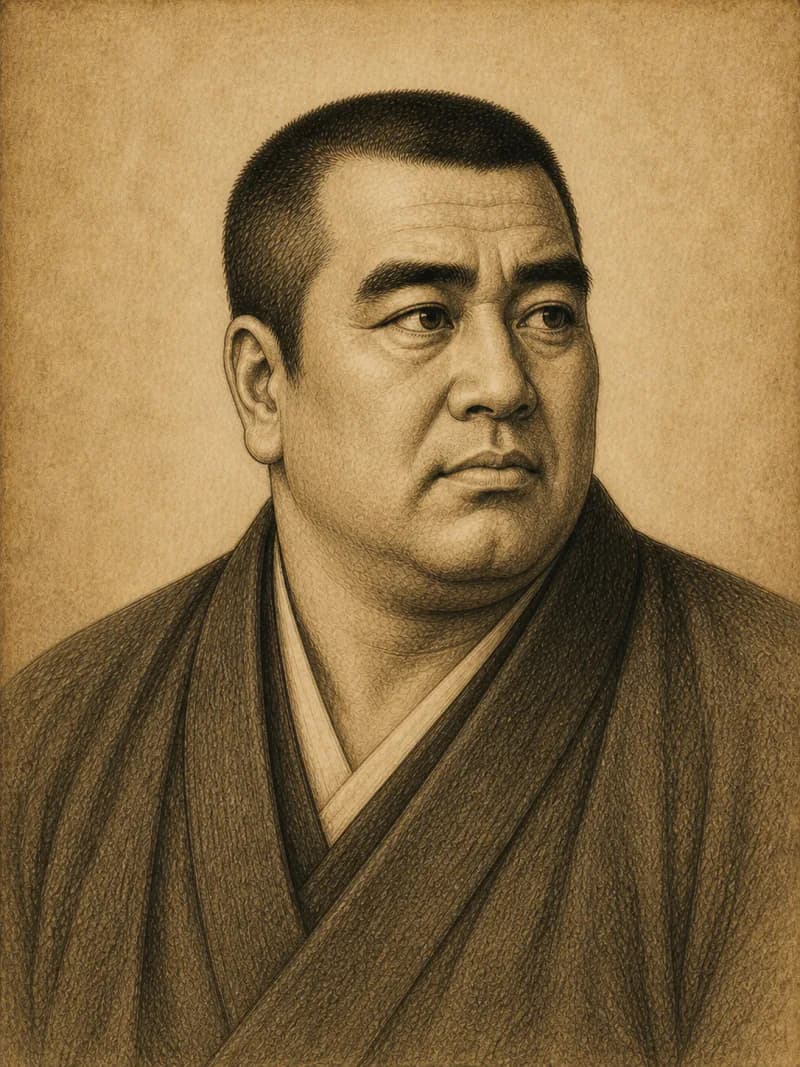
SA-0021 / JPN
Saigō Takamori
The architect of the Meiji Restoration who died fighting against the Meiji government he had built
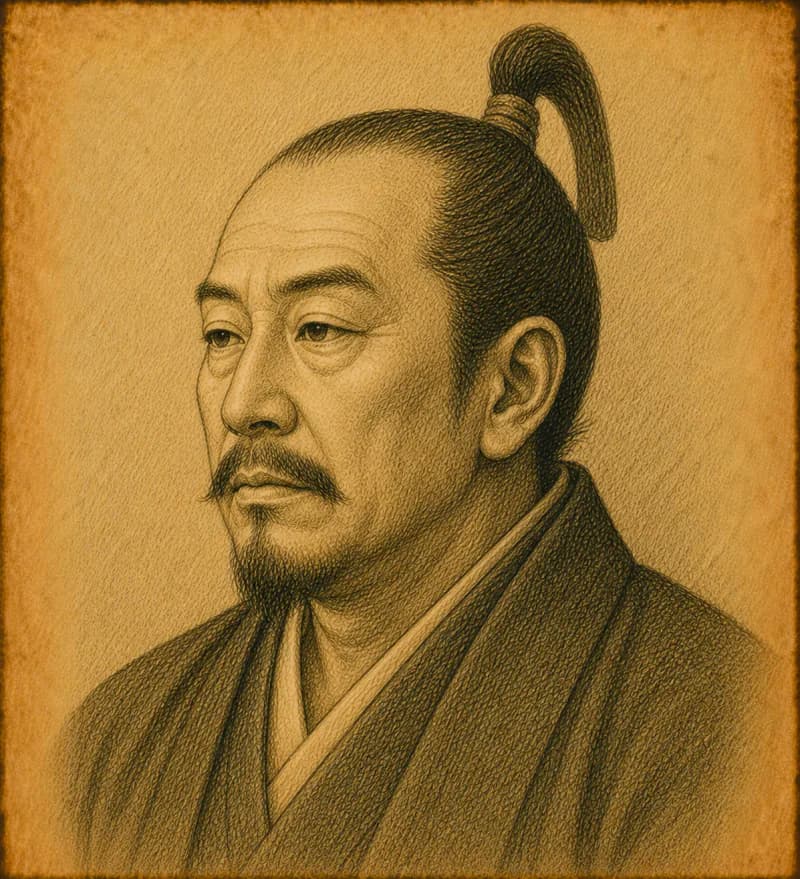
SA-0003 / JPN
Tokugawa Ieyasu
The patient warlord whose dynasty ruled Japan for 250 years
SA-0027 / JPN
Ii Naosuke
The Tairō who signed the unequal treaties — and was assassinated for it at the gates of Edo Castle
SA-0031 / JPN
Hijikata Toshizō
Vice-commander of the Shinsengumi who fought the shogunate's losing war to its very last day
SA-0035 / JPN
Okita Sōji
First-captain of the Shinsengumi — and the tubercular swordsman who never fought the Boshin War
SA-0036 / JPN
Yoshida Shōin
The Shōka Sonjuku teacher whose two-and-a-half-year school drove the Meiji Restoration
SA-0037 / JPN
Takasugi Shinsaku
The Shōka Sonjuku graduate whose Kiheitai militia and Kōzanji coup drove Chōshū to topple the bakufu