SUBJECT FILE NO. SA-0021
BUSHI ARCHIVE
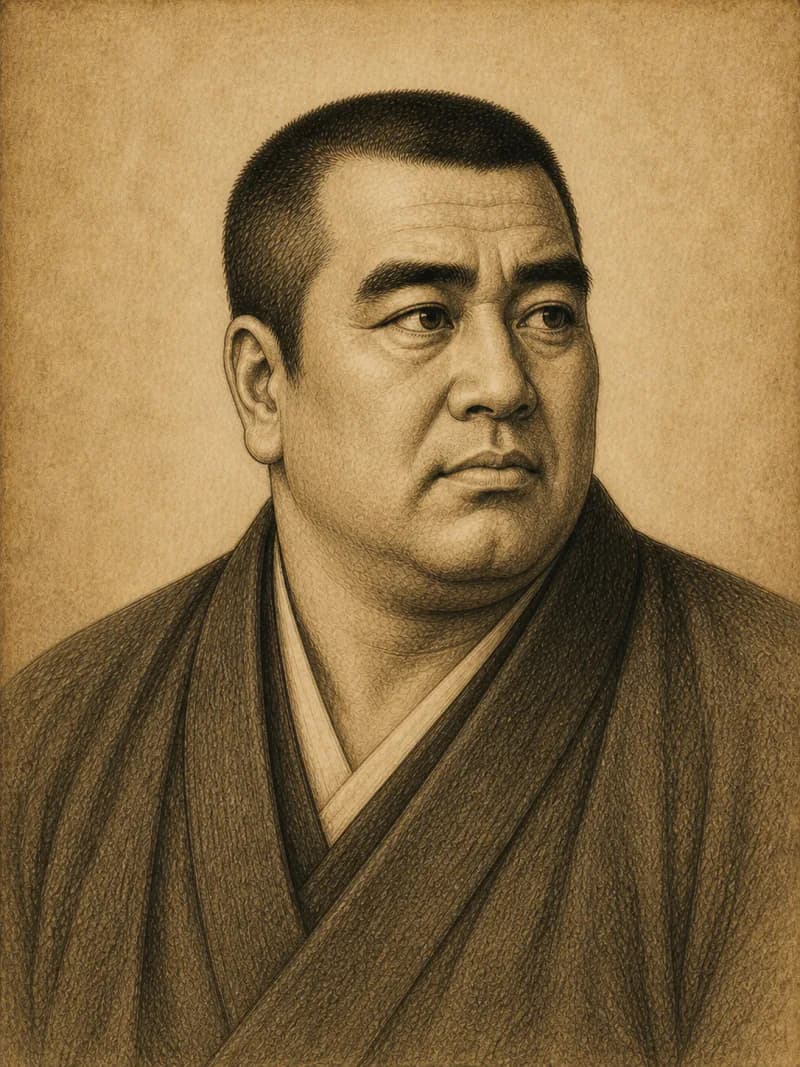
Saigō Takamori
Saigō Takamori
Commander of the Satsuma Forces, Hero of the Restoration
SECTION I -- SUBJECT PROFILE
| Name | Saigō Takamori |
|---|---|
| English | Saigō Takamori |
| Origin | Japan |
| Lifespan | 1828–1877 |
| Gender | Male |
| Century | 19th C. |
| Clan / Role | Bakumatsu Revolutionary |
| Title | Commander of the Satsuma Forces, Hero of the Restoration |
SECTION II -- OVERVIEW
Born in 1828 in Kagoshima as the eldest son of a low-rank Satsuma samurai, Saigō was promoted into the inner circle of the reformist Satsuma daimyō Shimazu Nariakira and rose through the political crises of the late shogunate.
He met Sakamoto Ryōma in 1864 and committed Satsuma to the alliance with Chōshū that brought down the Tokugawa. In 1868 he negotiated the bloodless surrender of Edo Castle with Katsu Kaishū, sparing the city the war that destroyed Hagi and Aizu.
He served as commander of the new Imperial Guard and the most senior figure of the early Meiji government. In 1873 he resigned over disagreements with Ōkubo Toshimichi and Iwakura Tomomi about the proposed Korean expedition.
He returned to Kagoshima and opened private military academies for ex-samurai. When the new abolition of samurai privileges drove southern warriors to revolt in 1877, Saigō reluctantly led them.
After ten months of campaigning, with his army surrounded on Shiroyama overlooking Kagoshima, he committed seppuku on September 24th, 1877.
SECTION III -- CHRONOLOGY
SECTION IV -- NOTABLE STATEMENTS
“Reverence Heaven, love mankind.”
SECTION V -- FIELD NOTES
[A]The Surrender of Edo
Saigō led the Imperial army to the gates of Edo in spring 1868 with orders from Iwakura to take the city by force.
He met the Tokugawa naval minister Katsu Kaishū at Tagata, listened to Katsu's case for sparing the city, and within hours sent runners to halt the army.
Edo became Tokyo without a battle. Saigō later wrote that the meeting with Katsu had been the most important conversation of his life.
SECTION VI -- LEGACY & IMPACT
Saigō became the symbolic figure of the Japanese transition from samurai to modern nation. The 1903 statue of him in Ueno Park — depicting him in country dress with his dog — is the most photographed samurai monument in the world.
He was the loose model for the Watanabe Ken character in 'The Last Samurai' (2003). His final stand at Shiroyama is taught in Japanese schools as the moment the samurai class formally ended.
SECTION VII -- MAJOR DEEDS
- [01]Satsuma–Chōshū Alliance (1866)
- [02]Bloodless surrender of Edo Castle (1868)
- [03]Imperial Guard founding (1871)
- [04]Final stand at Shiroyama (1877)
SECTION VIII -- REFERENCE MATERIALS
PRIMARY SOURCES & ARCHIVES
- PRIMARY
Saigō Takamori Zenshū (Complete Works of Saigō Takamori)
Daiwa Shobō
Collected letters, poems, and writings of Saigō
- SCHOLARSHIP
Saigō Takamori
Iechika Yoshiki / Minerva Shobō
Biography by a leading scholar of Bakumatsu and Meiji history (in Japanese)
- ARCHIVE
Reimeikan, Kagoshima Prefectural History and Art Center
Kagoshima Prefecture
Comprehensive archive for Satsuma-domain and Saigō-related materials
Visit archive →
RECOMMENDED READING
SECTION X -- RELATED REPORTS
SA-RPT
Kumamoto Castle: The Castle That Outlived the Last War
Built between 1601 and 1607 by Katō Kiyomasa, Kumamoto Castle was so well engineered that 270 years later, when Saigō Takamori besieged it for fifty-five days during the 1877 Satsuma Rebellion, he could not take it. Its architecture is one of the few practical samurai legacies still readable in stone.
SA-RPT
Shiroyama: The End of the Samurai Class
On September 24th, 1877, the man who had built the Meiji government died fighting against it. Saigō Takamori's last stand at Shiroyama is conventionally dated as the end of the samurai class — and the conventional dating is correct.
SA-RPT
The Architect Who Crushed His Best Friend: Ōkubo Toshimichi and the Building of Modern Japan
Between 1868 and 1878, Ōkubo Toshimichi imposed the institutional design that became the modern Japanese state. The political price was the destruction of his lifelong friend Saigō Takamori. Nine months after Saigō's death, Ōkubo himself was killed by men who blamed him for everything the new state had taken from them.
SA-RPT
Inside the Satsuma-Chōshū Alliance: What Kido Saw From the Chōshū Side
In January 1866, Satsuma and Chōshū concluded an alliance in Kyoto. The compact made the toppling of the bakufu possible. The Chōshū-side principal was Katsura Kogorō — the future Kido Takayoshi. Behind the celebrated role of Ryōma the broker lies the reality of the negotiation as the principal himself experienced it.
SA-RPT
The Bloodless Surrender of Edo: The Day Saigō and Katsu Saved a City of a Million
On March 14, 1868, Katsu Kaishū and Saigō Takamori met at the Satsuma estate. The direct negotiation that averted the planned total assault on Edo Castle the following day. A single day's meeting that saved the lives and property of a million Edo residents from war.
SA-RPT
The Sunpu Meeting: The Day Yamaoka Tesshū Walked Alone Into Saigō's Camp
On March 9, 1868, Yamaoka Tesshū walked alone into the new government army's occupied Sunpu and met Saigō Takamori. The framework of the bloodless surrender of Edo was set on that single day at Sunpu, leading to the Katsu-Saigō meeting five days later. The day a no-rank shogunal retainer moved history.
SECTION IX -- LINKED SUBJECTS
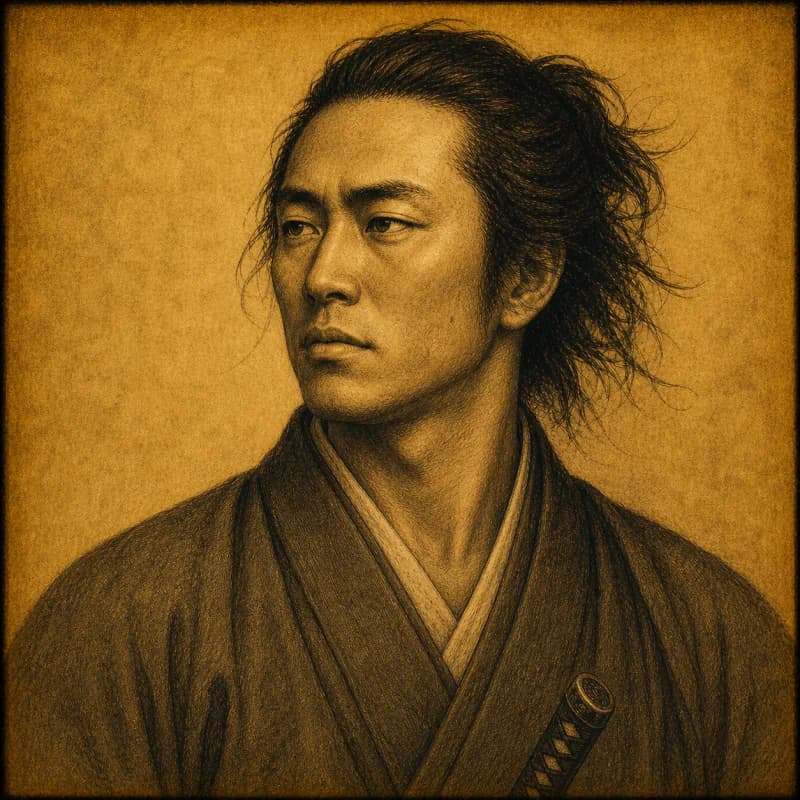
SA-0008 / JPN
Sakamoto Ryōma
The low-rank samurai who engineered the fall of the shogunate
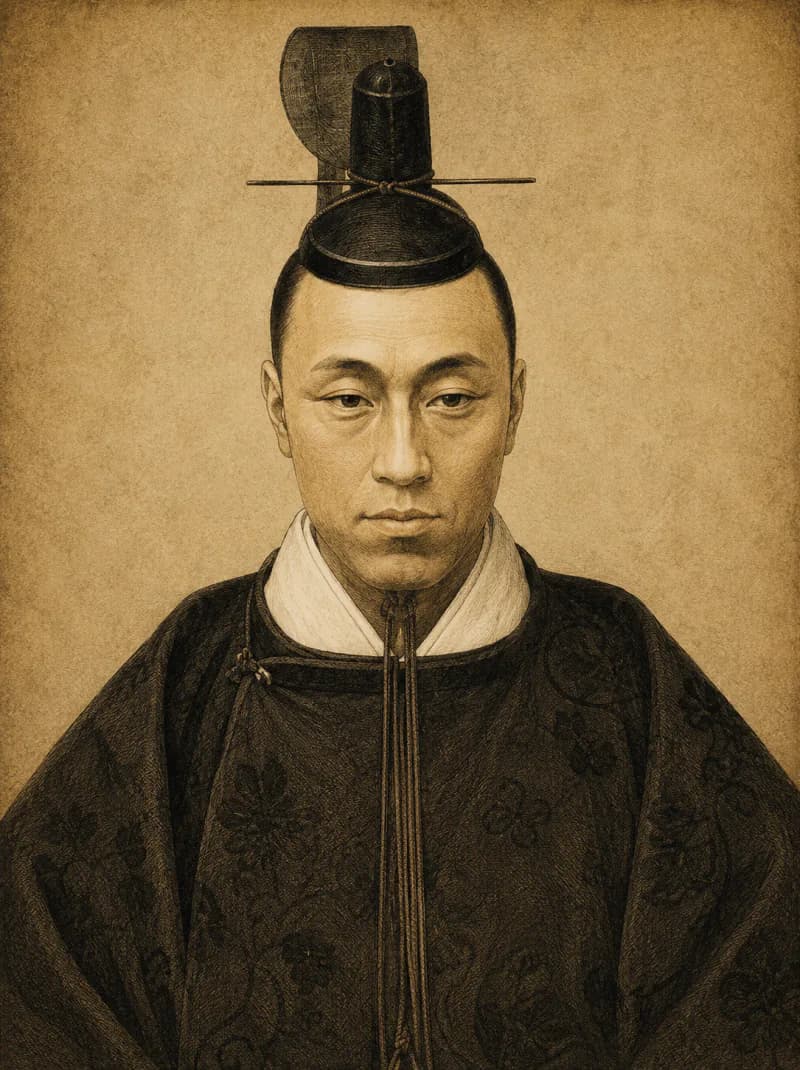
SA-0022 / JPN
Tokugawa Yoshinobu
The last shogun who chose to surrender power rather than fight a civil war he believed Japan could not afford
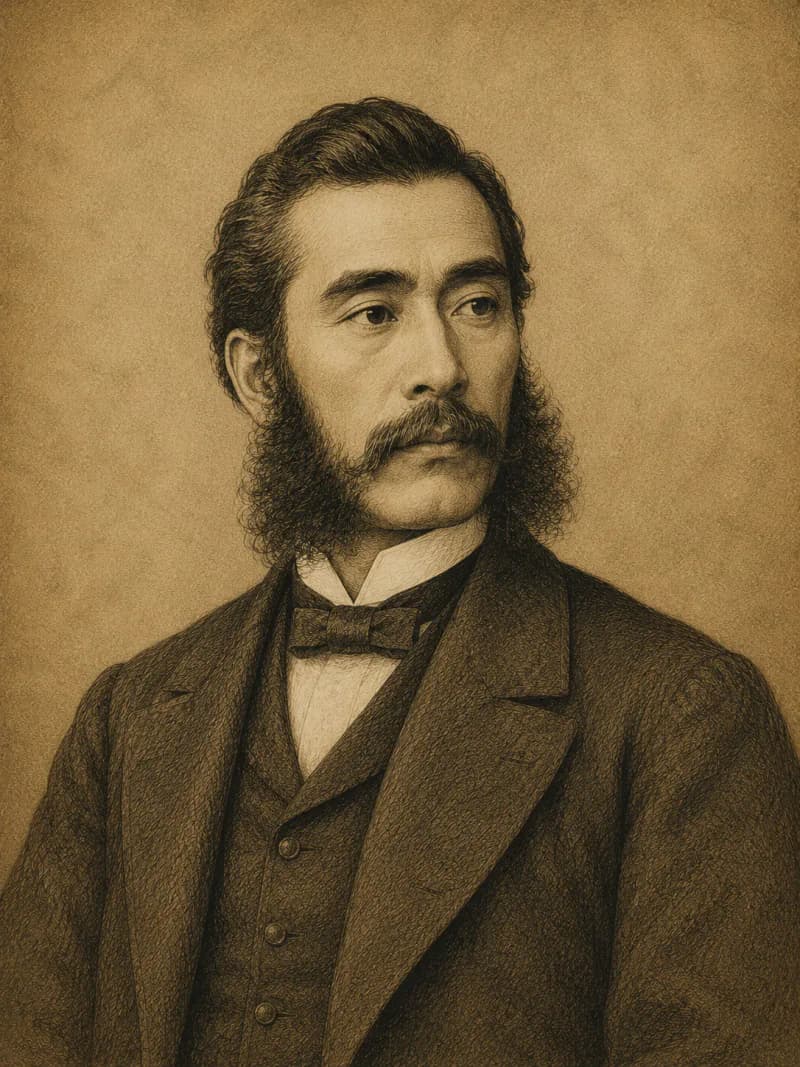
SA-0026 / JPN
Ōkubo Toshimichi
The architect of the Meiji state who outmaneuvered Saigō and was assassinated nine months later
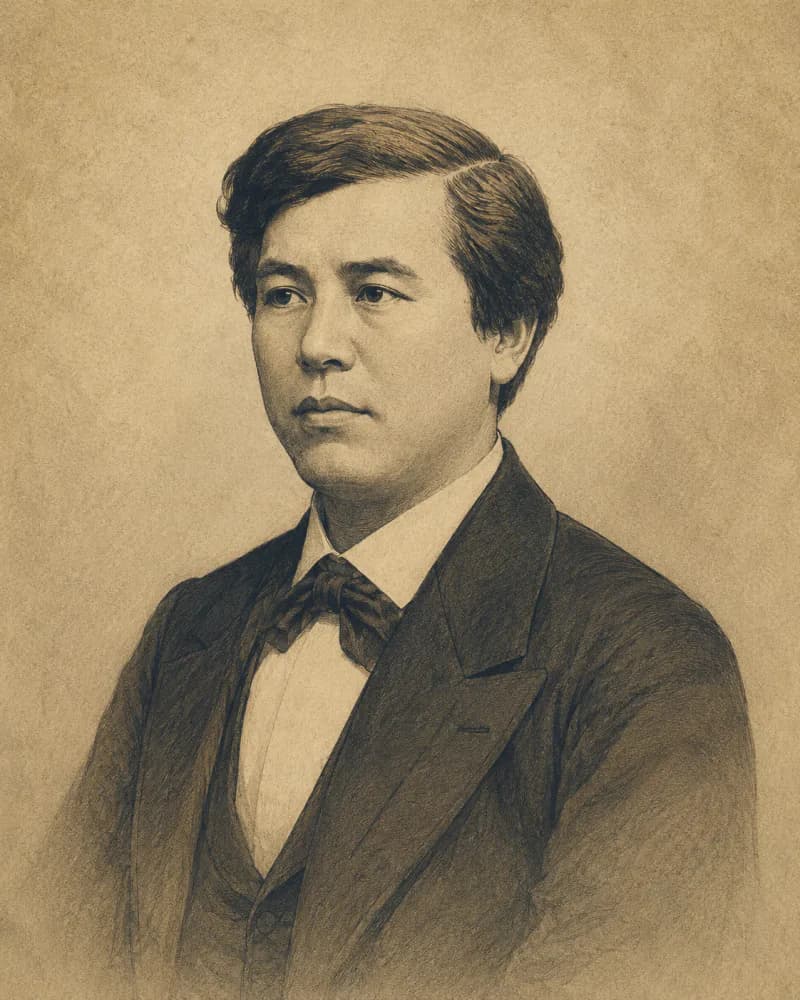
SA-0038 / JPN
Kido Takayoshi
The Chōshū statesman behind the Satsuma-Chōshū Alliance and the Five Charter Oath
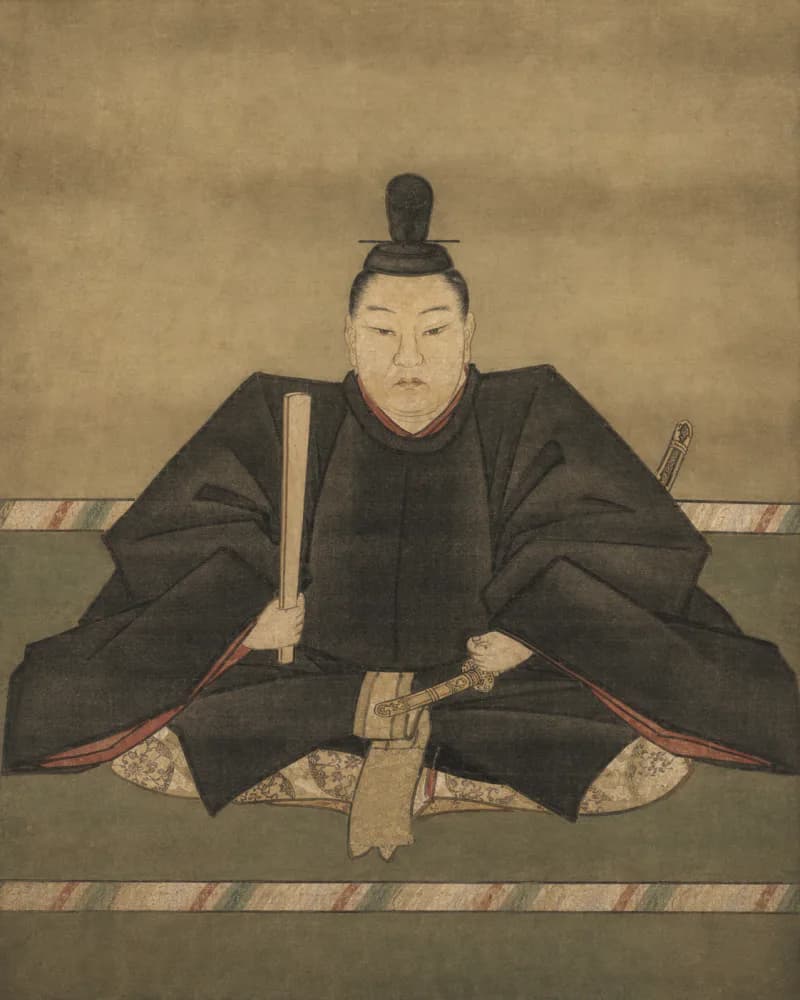
SA-0066 / JPN
Shimazu Yoshihiro
The Satsuma general feared by the Ming army as the 'Devil Shimazu' in Korea, who broke through the enemy center at Sekigahara in the 'Sutegamari' retreat