SUBJECT FILE NO. SA-0026
BUSHI ARCHIVE
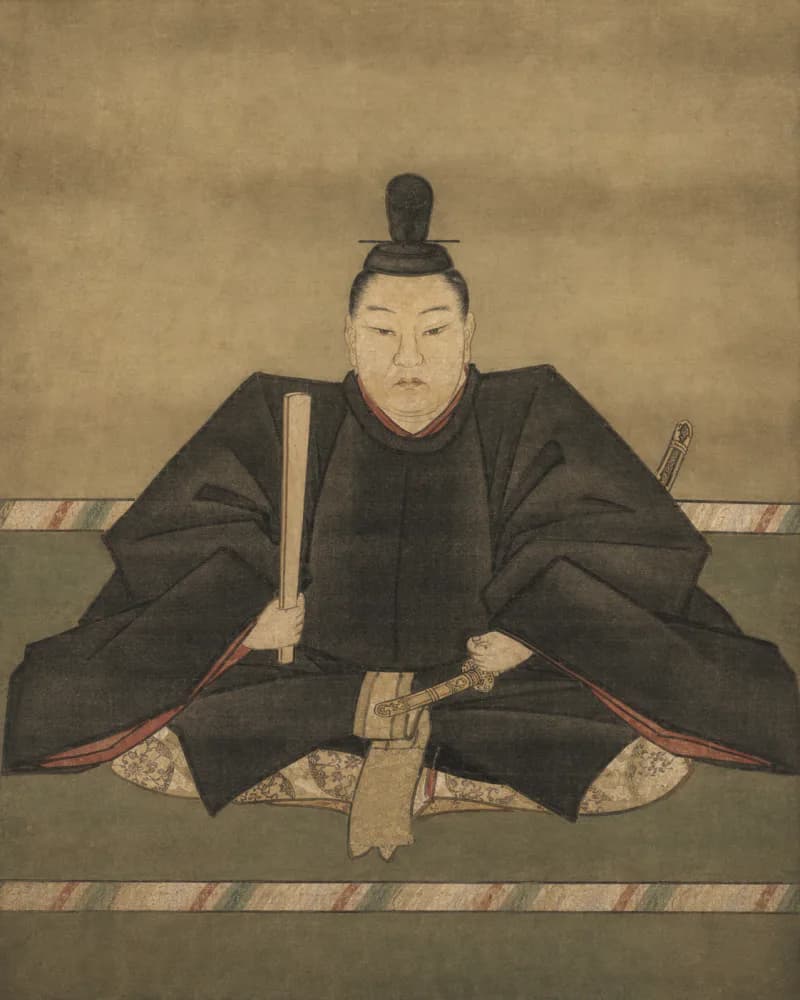
Ōkubo Toshimichi
Ōkubo Toshimichi
Senior Statesman of the Meiji Government
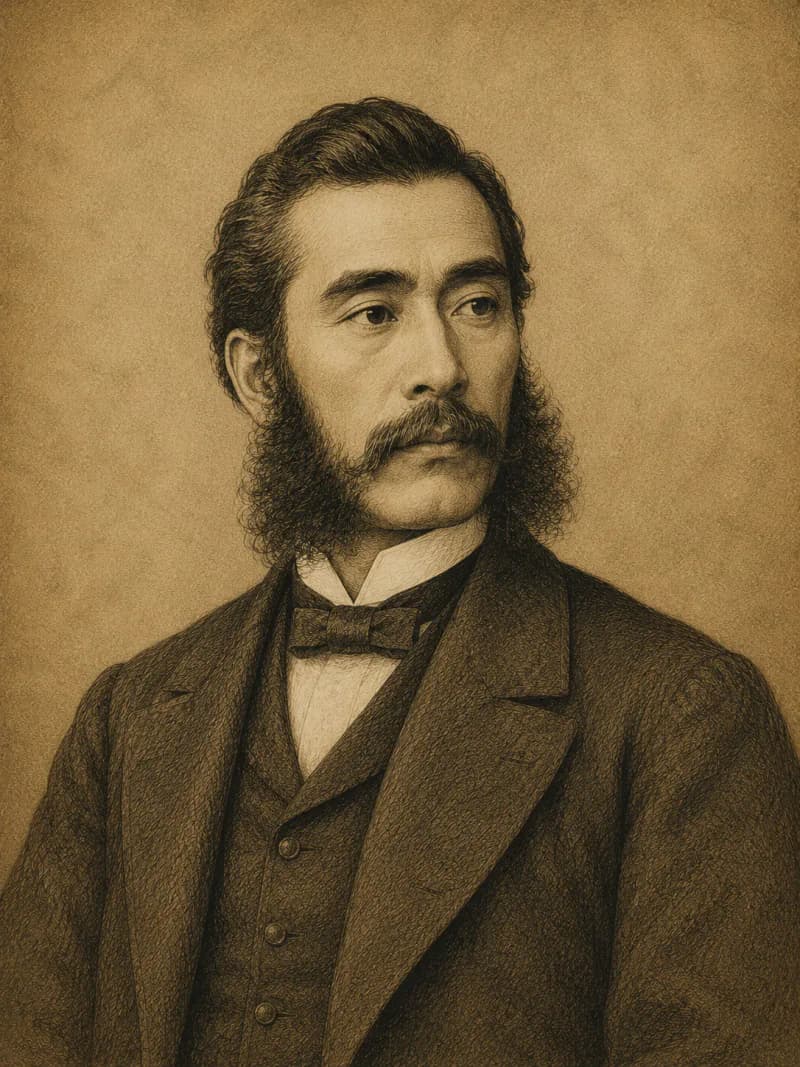
SECTION I -- SUBJECT PROFILE
| Name | Ōkubo Toshimichi |
|---|---|
| English | Ōkubo Toshimichi |
| Origin | Japan |
| Lifespan | 1830–1878 |
| Gender | Male |
| Century | 19th C. |
| Clan / Role | Bakumatsu Revolutionary |
| Title | Senior Statesman of the Meiji Government |
SECTION II -- OVERVIEW
Born in 1830 in Kagoshima, three streets from where Saigō Takamori was born two years earlier, Ōkubo grew up alongside the man who would become his lifelong rival and partner.
He served the reformist Satsuma daimyō Shimazu Hisamitsu through the 1860s, helped engineer the Satsuma–Chōshū alliance in 1866, and emerged as one of the senior figures of the Meiji Restoration in 1868.
While Saigō took the visible role — the Imperial Guard, the bloodless surrender of Edo, the public face of the new government — Ōkubo built the institutional machinery: the centralization of the prefectural system in 1871, the abolition of samurai stipends, the founding of the Home Ministry, the imposition of universal conscription.
In 1873 he led the faction that defeated Saigō's proposed Korean expedition; the personal rupture between them led to Saigō's resignation and ultimately to the Satsuma Rebellion.
Ōkubo oversaw the suppression of the rebellion in 1877, then reportedly visited Saigō's grave alone. Nine months later, on May 14th, 1878, he was assassinated on his way to a cabinet meeting by six former samurai who blamed him for the destruction of their class.
SECTION III -- CHRONOLOGY
SECTION IV -- NOTABLE STATEMENTS
“If the new state must crush the men who built it, that is a price I will pay.”
SECTION V -- FIELD NOTES
[A]The Letters He Burned
After Saigō's death at Shiroyama, Ōkubo reportedly retrieved a packet of personal letters Saigō had written to him over a quarter-century of friendship and political alliance.
He read each one before his secretaries, then burned them. He left no comment on what they contained.
He himself was killed nine months later.
SECTION VI -- LEGACY & IMPACT
Ōkubo is the architect of the modern Japanese administrative state. The institutional design he imposed in his decade of effective rule — centralized administration, professional civil service, military conscription, finance ministry control of revenue — became the template of every subsequent modern Japanese government.
He is conventionally rated alongside Bismarck and Cavour among the great state-builders of the nineteenth century, though he is much less known internationally than his more colorful rival Saigō.
SECTION VII -- MAJOR DEEDS
- [01]Satsuma–Chōshū Alliance (1866)
- [02]Abolition of feudal domains (1871)
- [03]Iwakura Mission (1871–1873)
- [04]Suppression of Satsuma Rebellion (1877)
SECTION VIII -- REFERENCE MATERIALS
PRIMARY SOURCES & ARCHIVES
- PRIMARY
Ōkubo Toshimichi Documents
National Diet Library, Modern Japanese Political History Materials Room
Ōkubo's autograph letters and diaries — primary record of the early Meiji government
- SCHOLARSHIP
Ōkubo Toshimichi
Sasaki Suguru / Chūkō Shinsho
Standard biography from Bakumatsu and Meiji historical scholarship (in Japanese)
- ARCHIVE
Reimeikan, Kagoshima Prefectural History and Art Center
Kagoshima Prefecture
Comprehensive Satsuma-domain and early-Meiji archive
Visit archive →
RECOMMENDED READING
SECTION IX -- LINKED SUBJECTS
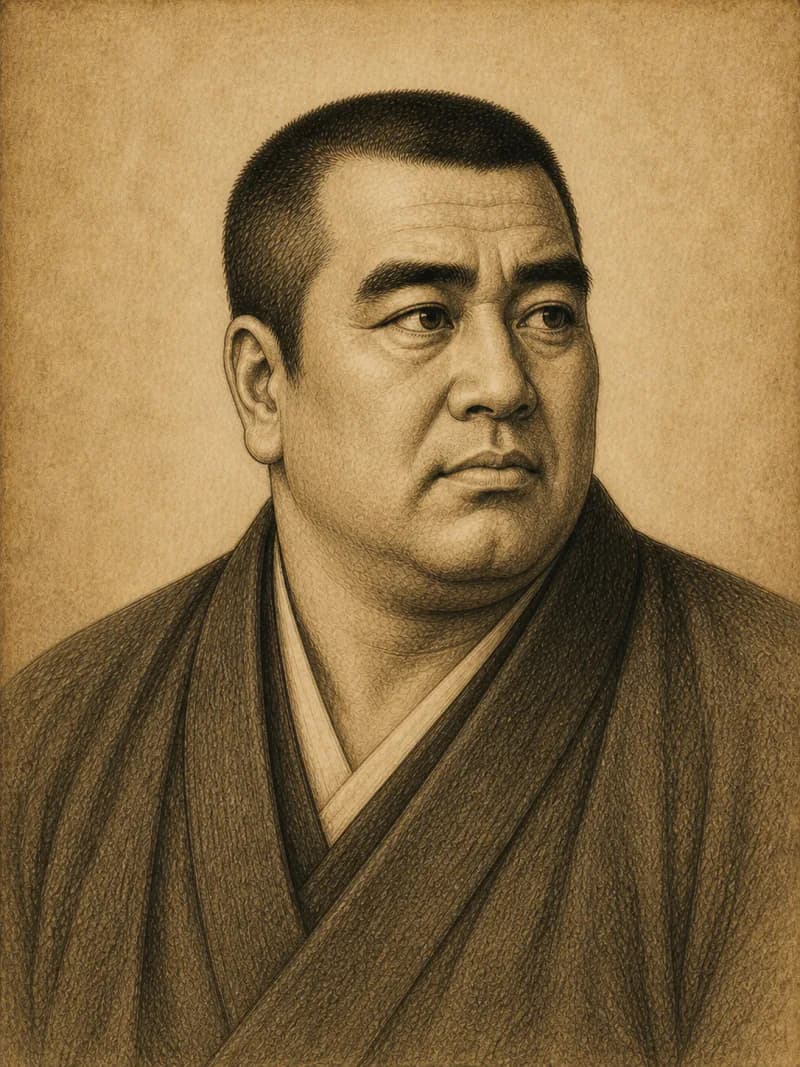
SA-0021 / JPN
Saigō Takamori
The architect of the Meiji Restoration who died fighting against the Meiji government he had built
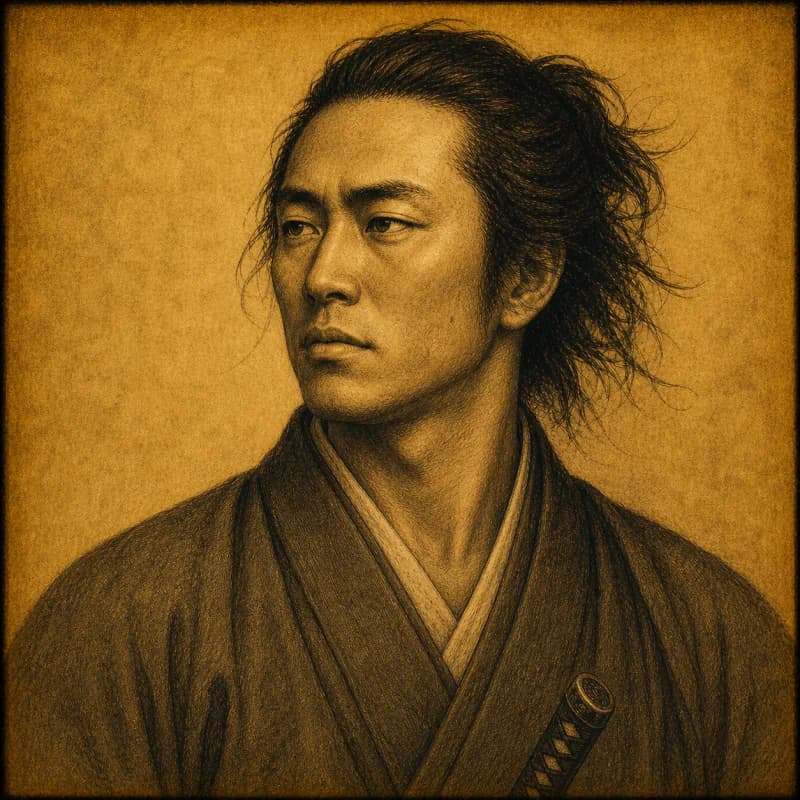
SA-0008 / JPN
Sakamoto Ryōma
The low-rank samurai who engineered the fall of the shogunate
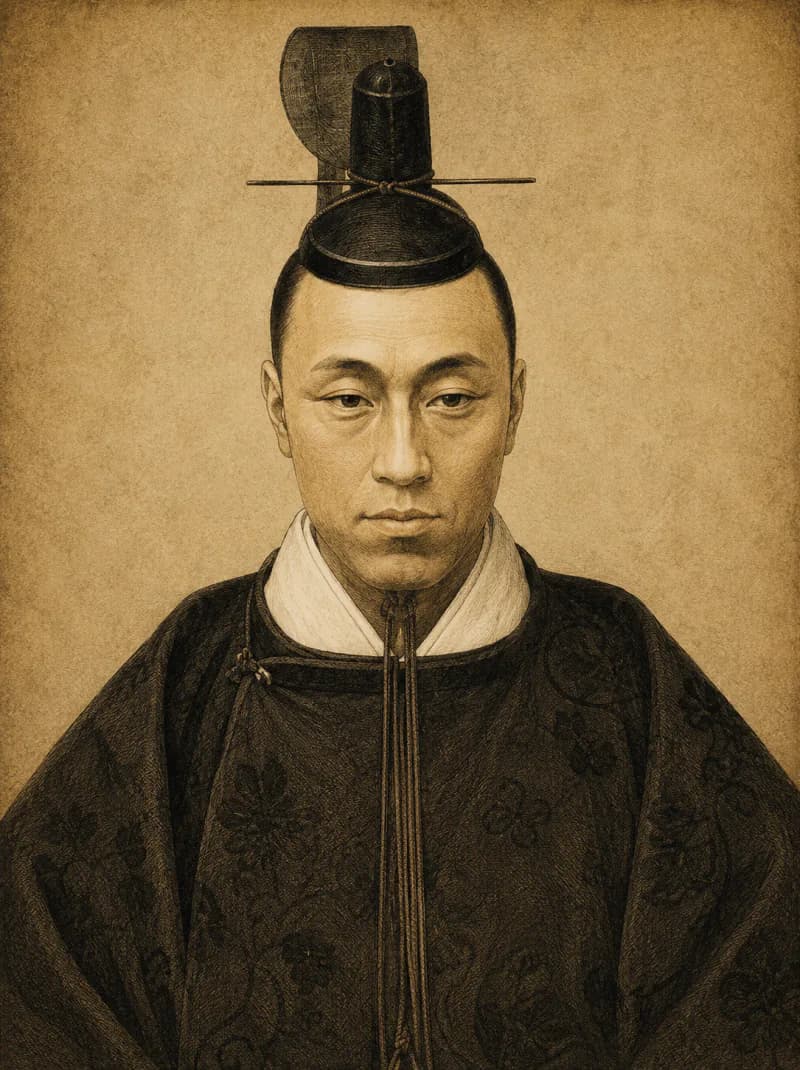
SA-0022 / JPN
Tokugawa Yoshinobu
The last shogun who chose to surrender power rather than fight a civil war he believed Japan could not afford
SA-0066 / JPN
Shimazu Yoshihiro
The Satsuma general feared by the Ming army as the 'Devil Shimazu' in Korea, who broke through the enemy center at Sekigahara in the 'Sutegamari' retreat