ROLES
Samurai
The warrior retainers serving daimyō and bakufu — the body of the warrior class that gave Japan its military spine for seven centuries.
-- 22 SUBJECTS ON FILE
SUBJECTS IN THIS ROLE
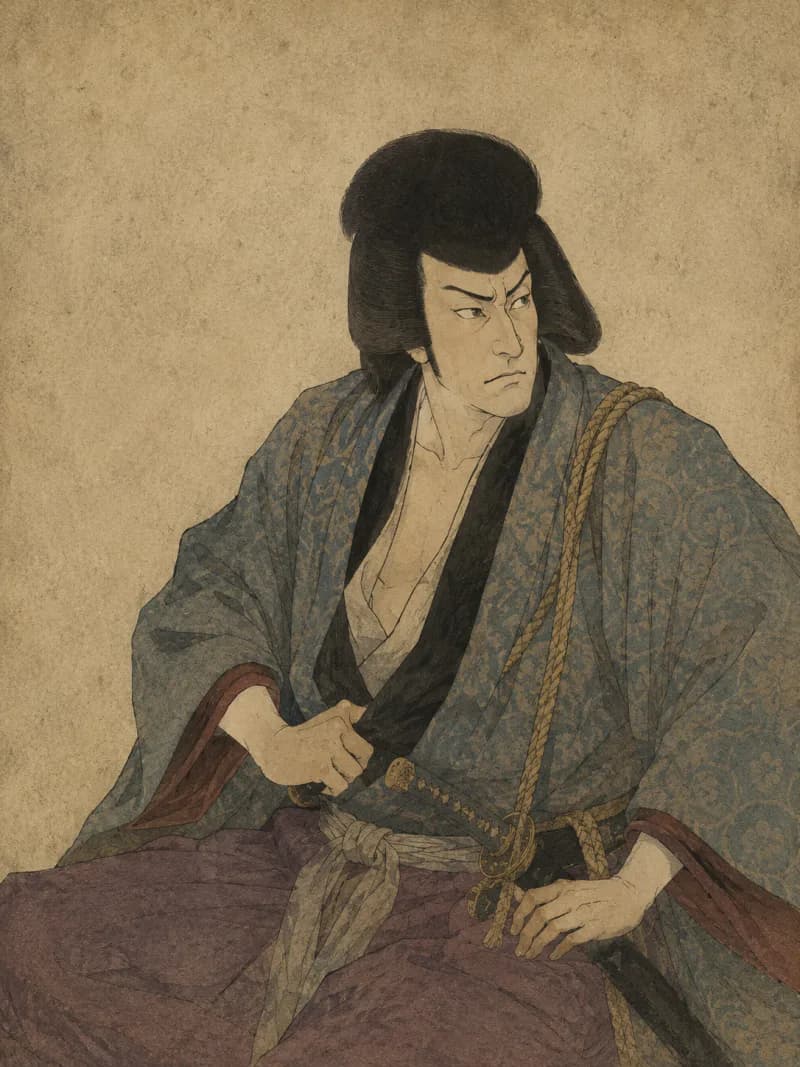
SA-0062 / ?
Ishikawa Goemon
The semi-legendary figure whose attempted assassination of Hideyoshi and cauldron-boiling execution shaped the ninja-thief image of Japanese popular culture
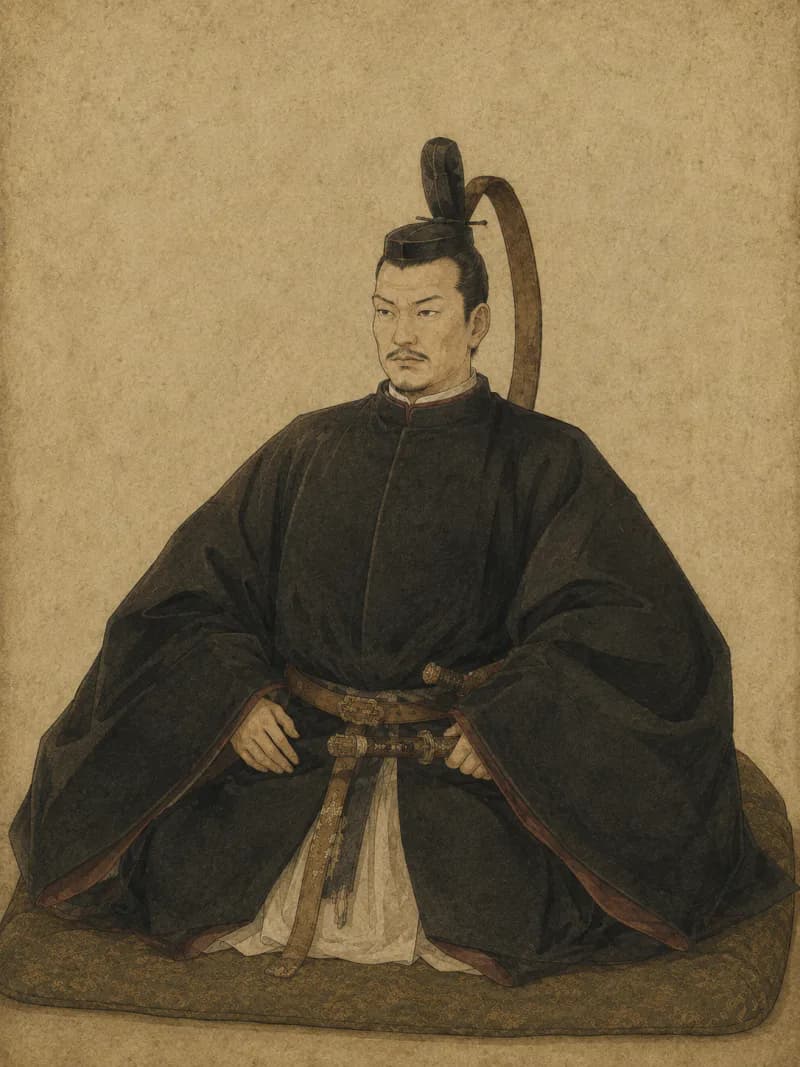
SA-0060 / 903?
Taira no Masakado
The first samurai-style rebel in Japanese history, who declared himself 'New Emperor' and aimed at Kantō independence
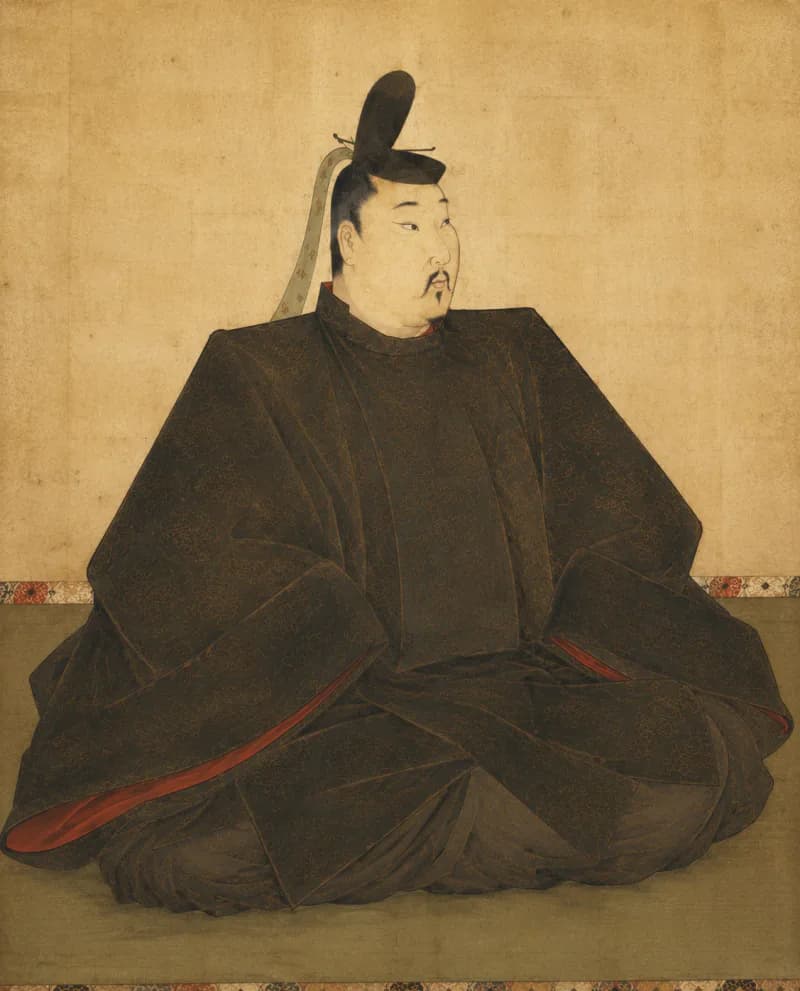
SA-0052 / 1118
Taira no Kiyomori
The first warrior to become Chancellor of the Realm, who built the Taira ascendancy and laid the ground for warrior government
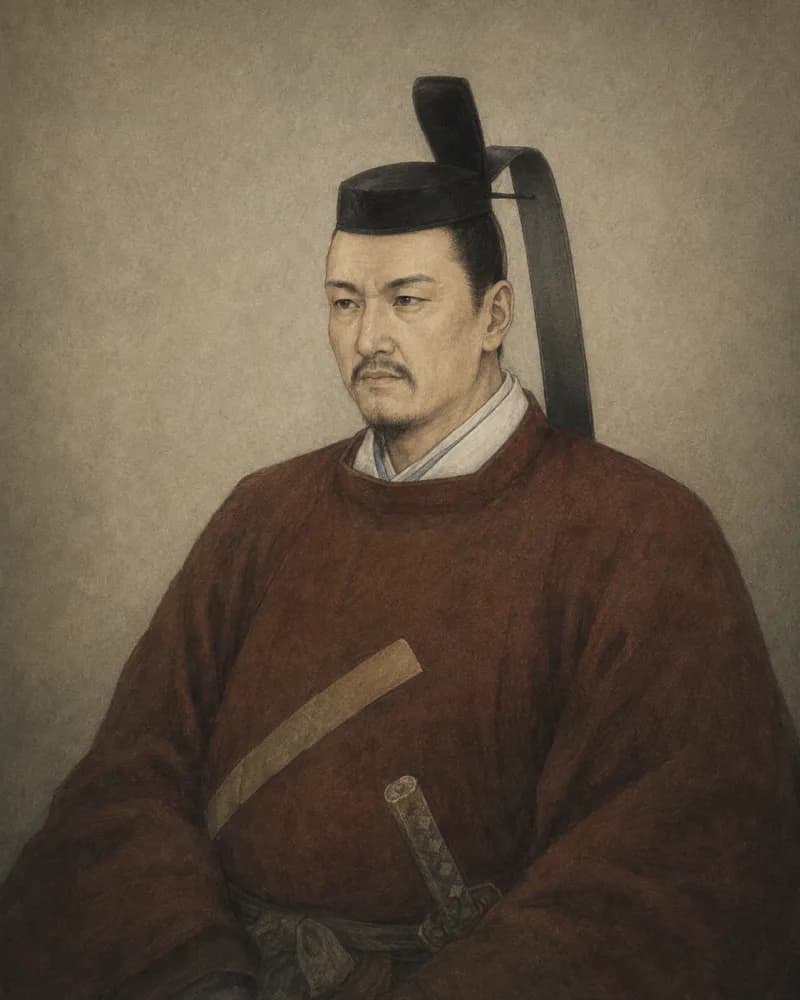
SA-0070 / 1138
Hōjō Tokimasa
Founder of the Hōjō, father-in-law of Yoritomo who supported the founding of the Kamakura shogunate and became the first shikken
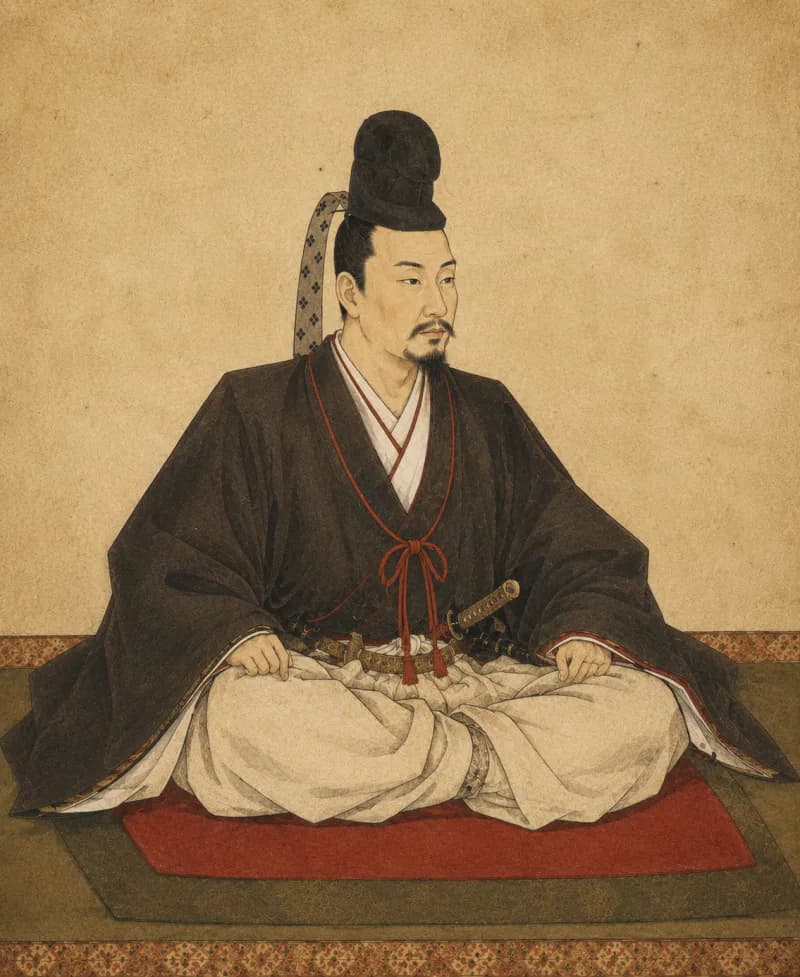
SA-0053 / 1154
Kiso Yoshinaka
The 'Rising-Sun Shogun' who broke the Taira at Kurikara Pass and reached Kyoto first
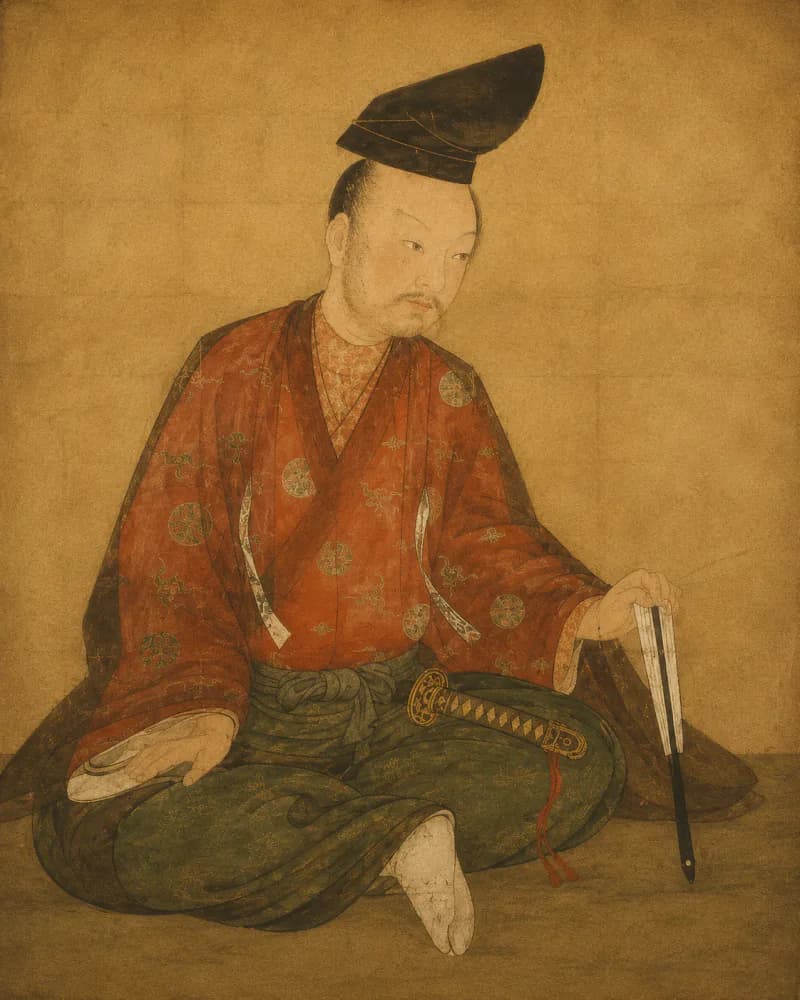
SA-0051 / 1159
Minamoto no Yoshitsune
The Genji general who destroyed the Taira at Dannoura, then was killed by his own brother Yoritomo
- H
SA-0073 / 1163
Hōjō Yoshitoki
The second shikken of the Kamakura shogunate, who defeated the imperial court in the Jōkyū War and decided the supremacy of warrior government
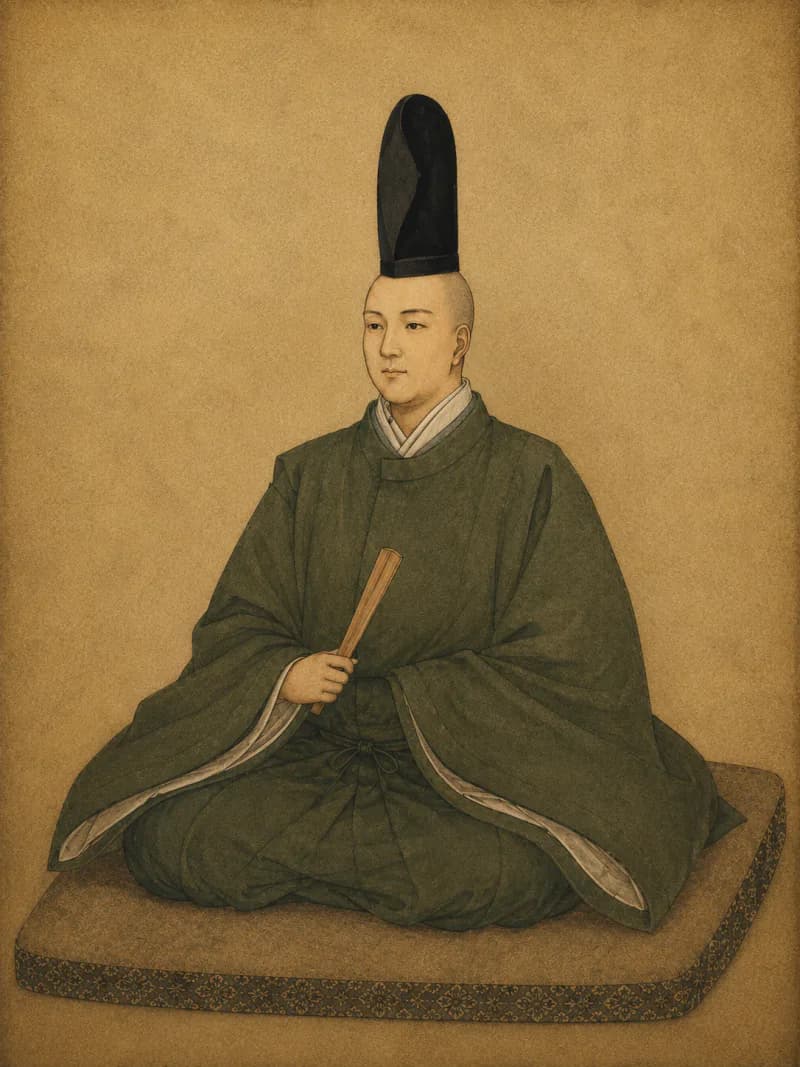
SA-0058 / 1227
Hōjō Tokiyori
The fifth shikken of the Kamakura shogunate, who established tokusō politics and planted Zen in Kamakura
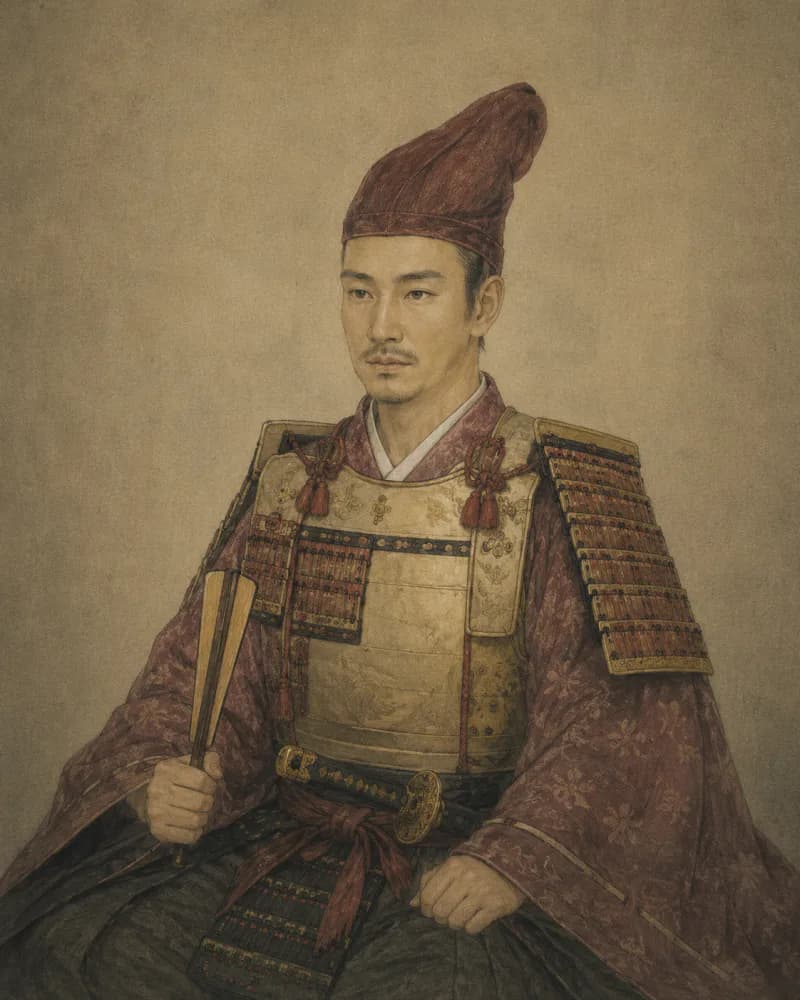
SA-0069 / 1330?
Kusunoki Masanori
The third son who inherited his father Kusunoki Masashige's ideal and staked his life on the Nanboku-chō reconciliation
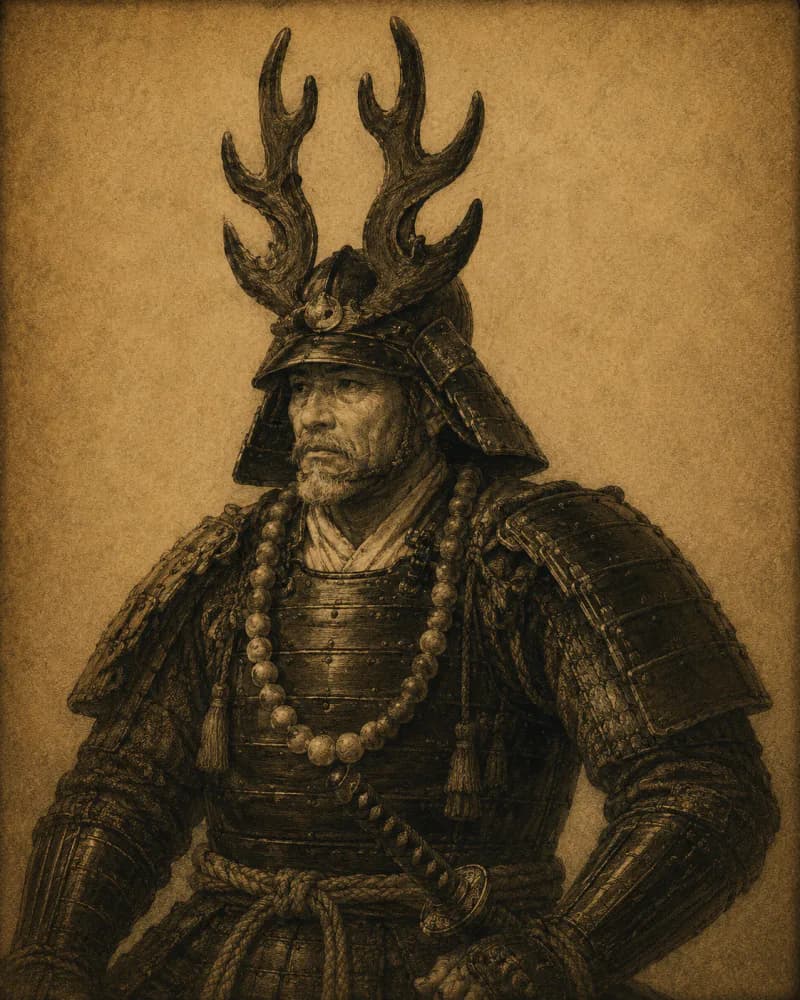
SA-0049 / 1548
Honda Tadakatsu
The spear master of the Tokugawa Four Heavenly Kings, said to have come through fifty-seven battles without a wound
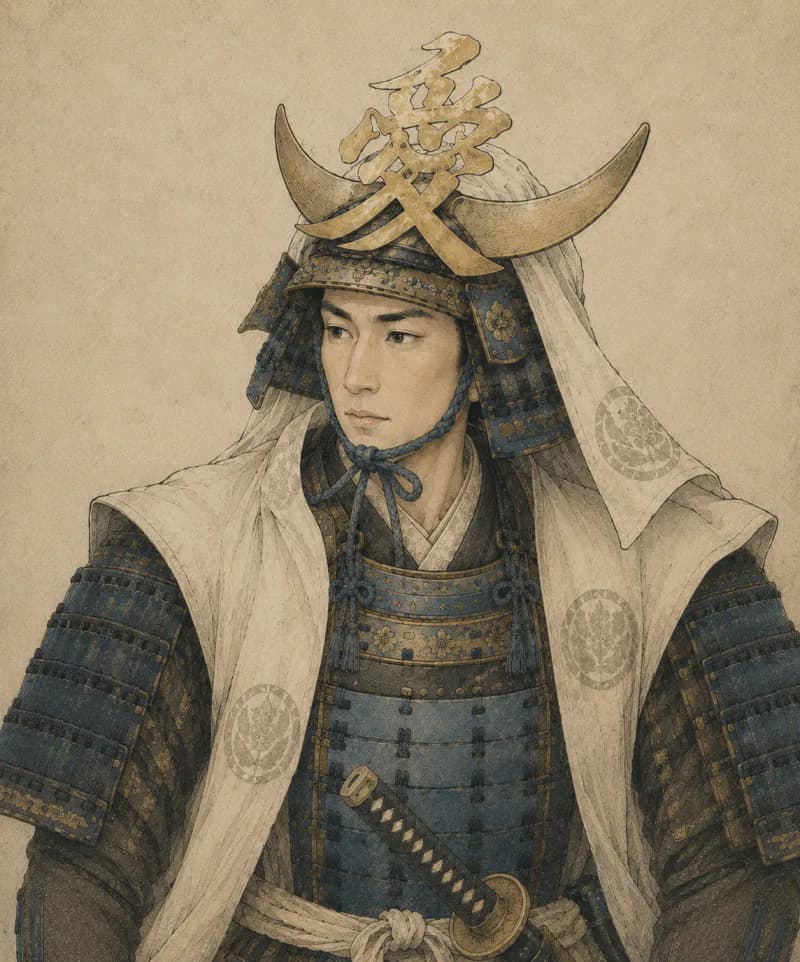
SA-0034 / 1559
Naoe Kanetsugu
The Uesugi strategist who wore the character for 'love' on his helmet
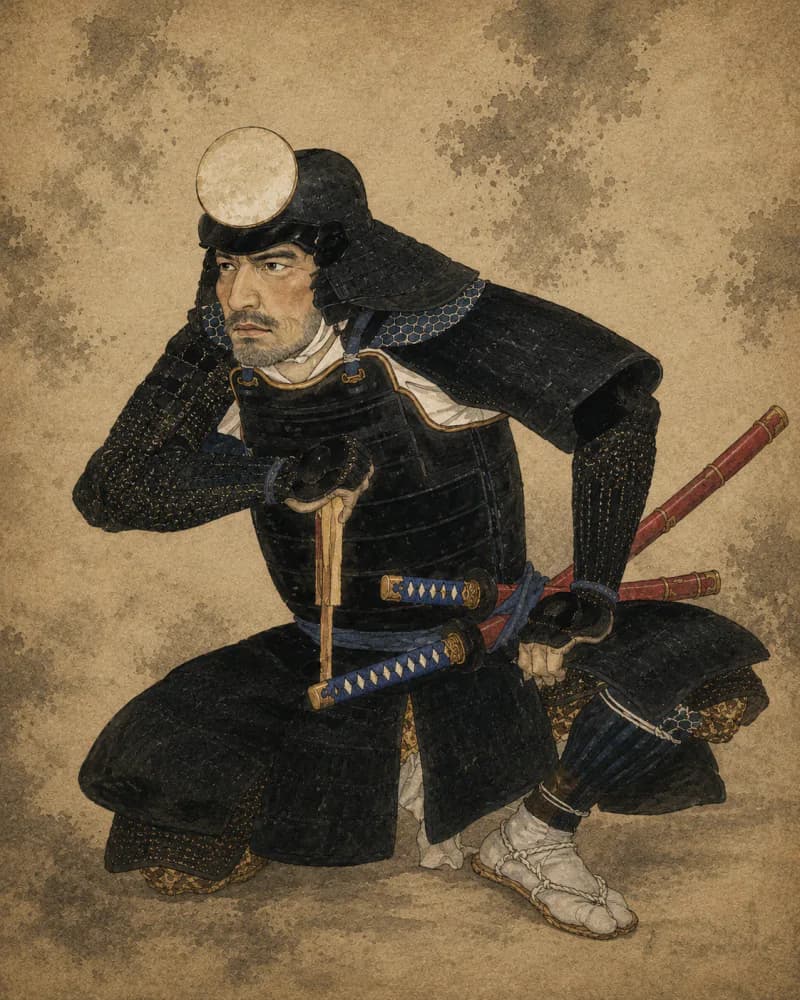
SA-0041 / 1560?
Gotō Matabei
The Ōsaka rōnin who died at Dōmyōji one day before Yukimura died at Tennōji
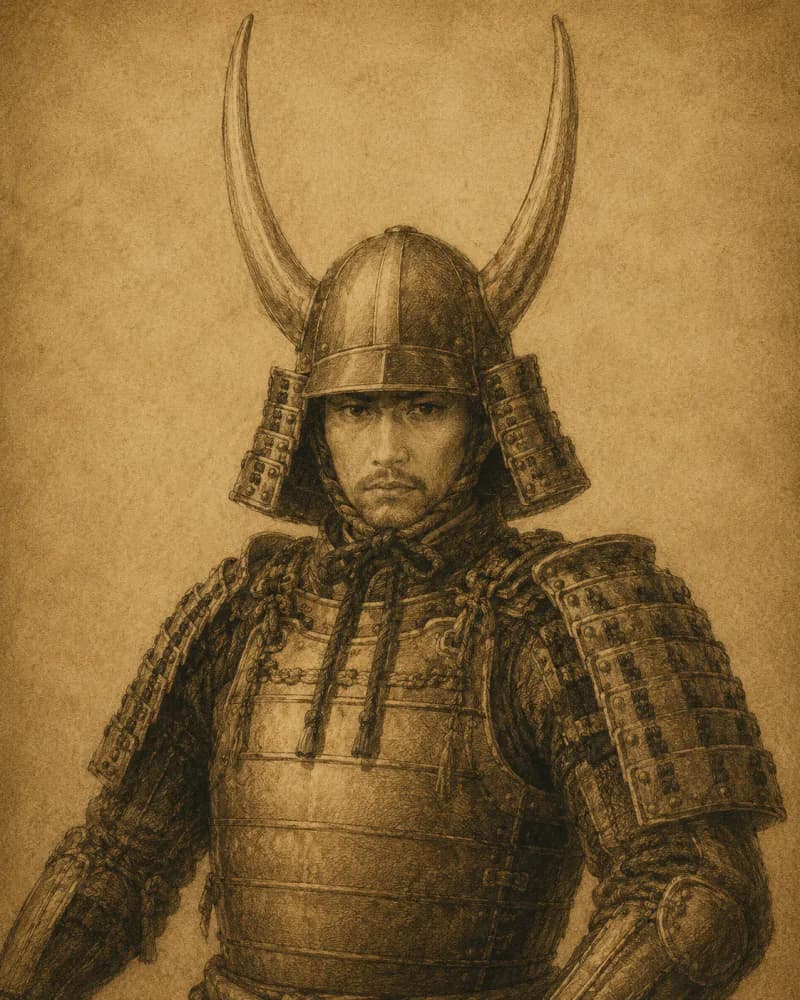
SA-0048 / 1561
Ii Naomasa
The youngest of the Tokugawa Four Heavenly Kings, commander of the 'Ii Red Devils' and founder of the Hikone domain
SA-0061 / 1564
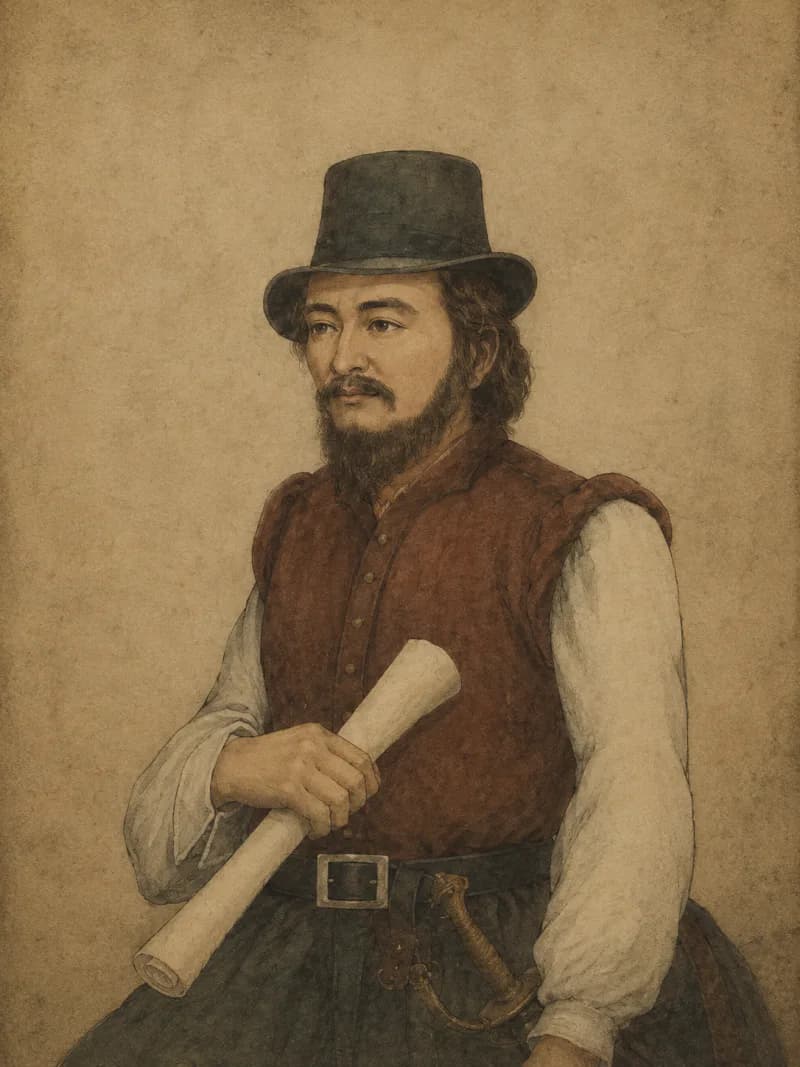
William Adams (Miura Anjin)
The English navigator who became Tokugawa Ieyasu's foreign policy adviser — the first foreign samurai in Japanese history
SA-0056 / 1572?
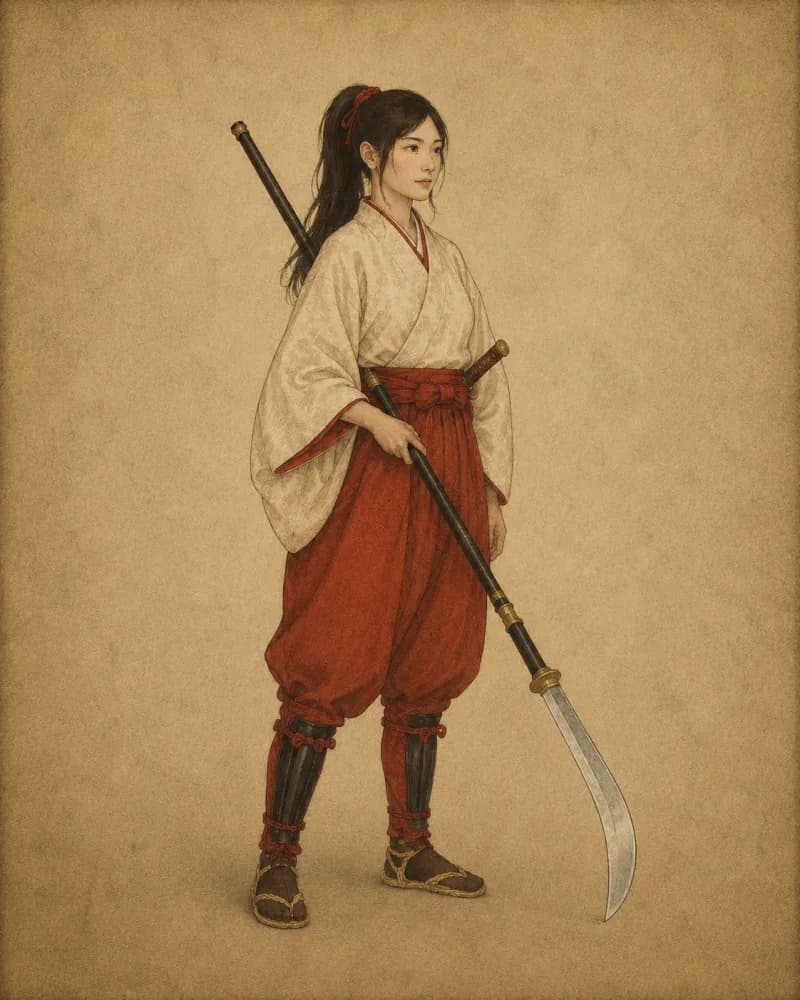
Kaihime
The twenty-year-old female warrior who held out against Hideyoshi's water attack at Oshi Castle; later Hideyoshi's consort
SA-0032 / 1659
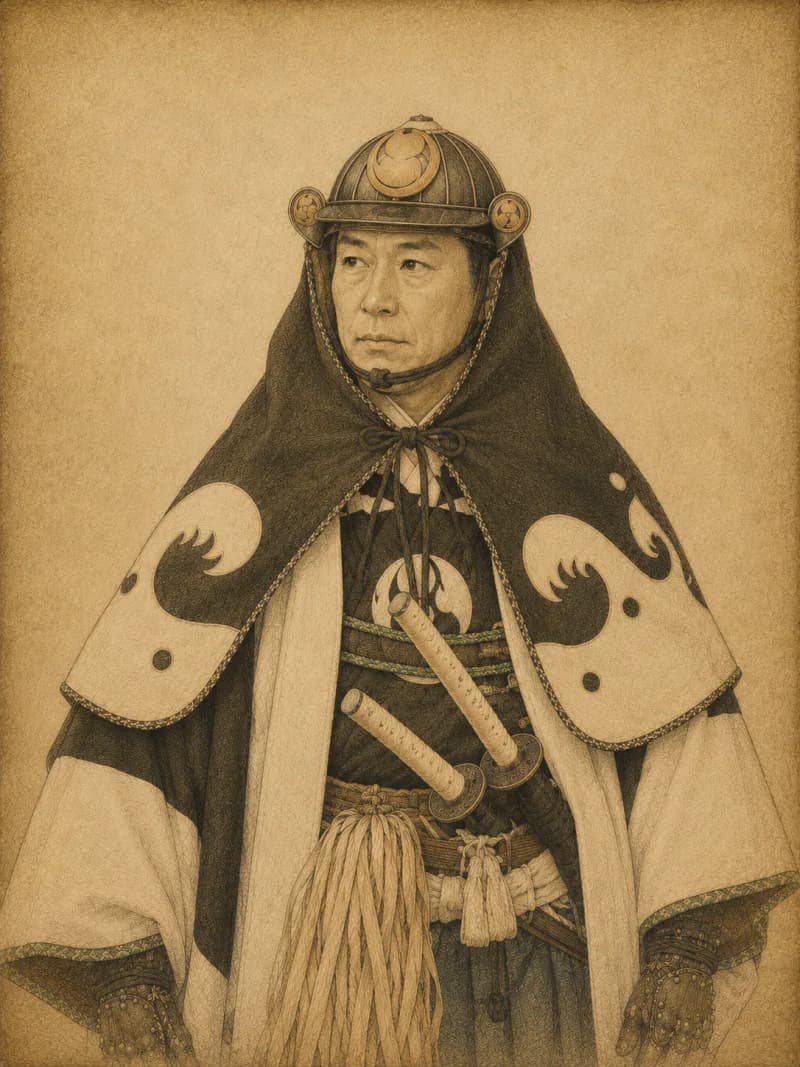
Ōishi Yoshio
The chief retainer of the Forty-Seven Rōnin — Japan's archetype of loyalty
SA-0036 / 1830
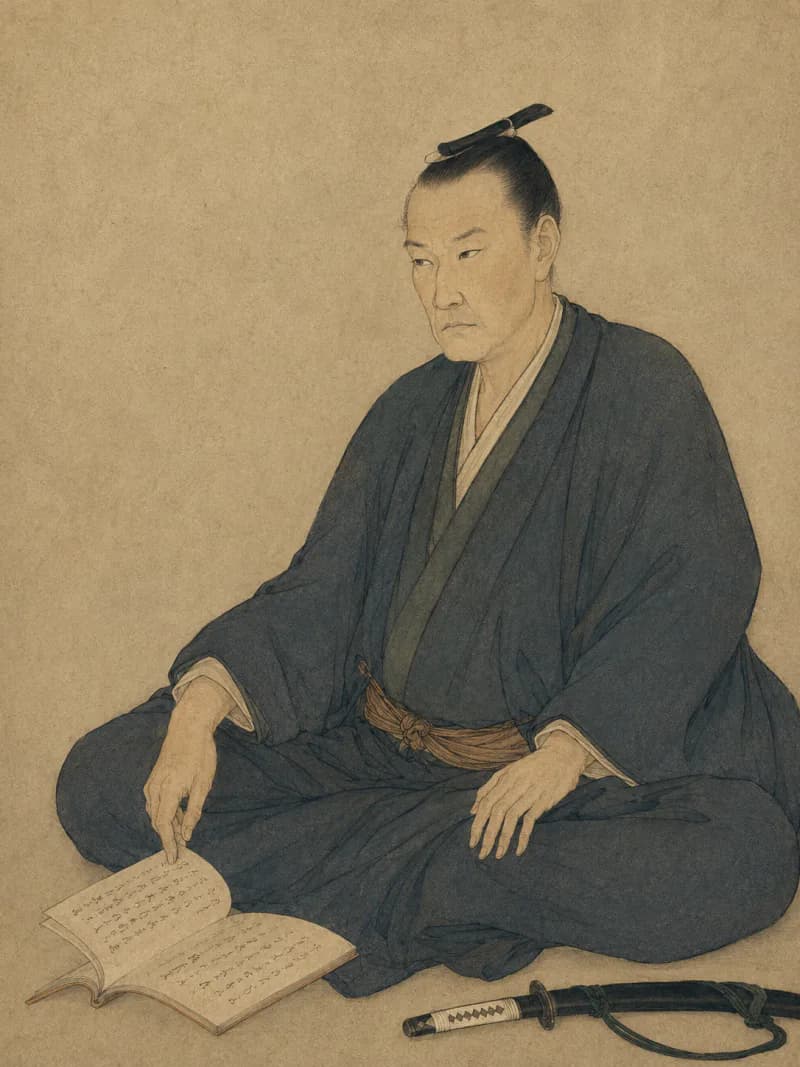
Yoshida Shōin
The Shōka Sonjuku teacher whose two-and-a-half-year school drove the Meiji Restoration
SA-0038 / 1833
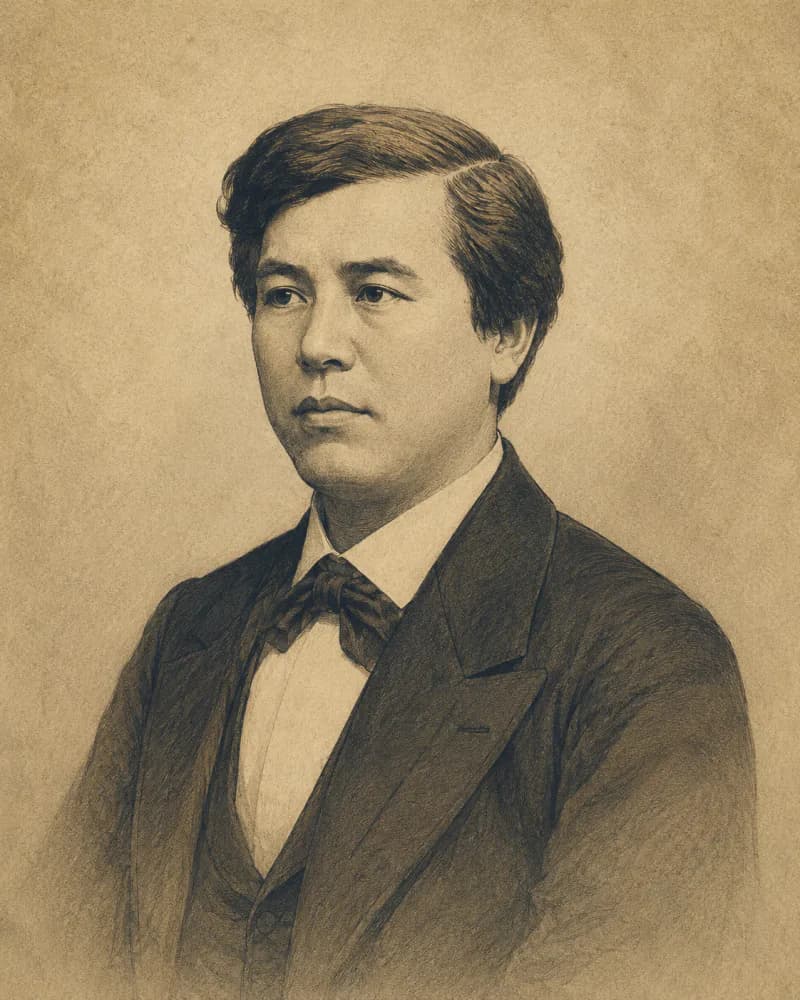
Kido Takayoshi
The Chōshū statesman behind the Satsuma-Chōshū Alliance and the Five Charter Oath
SA-0031 / 1835
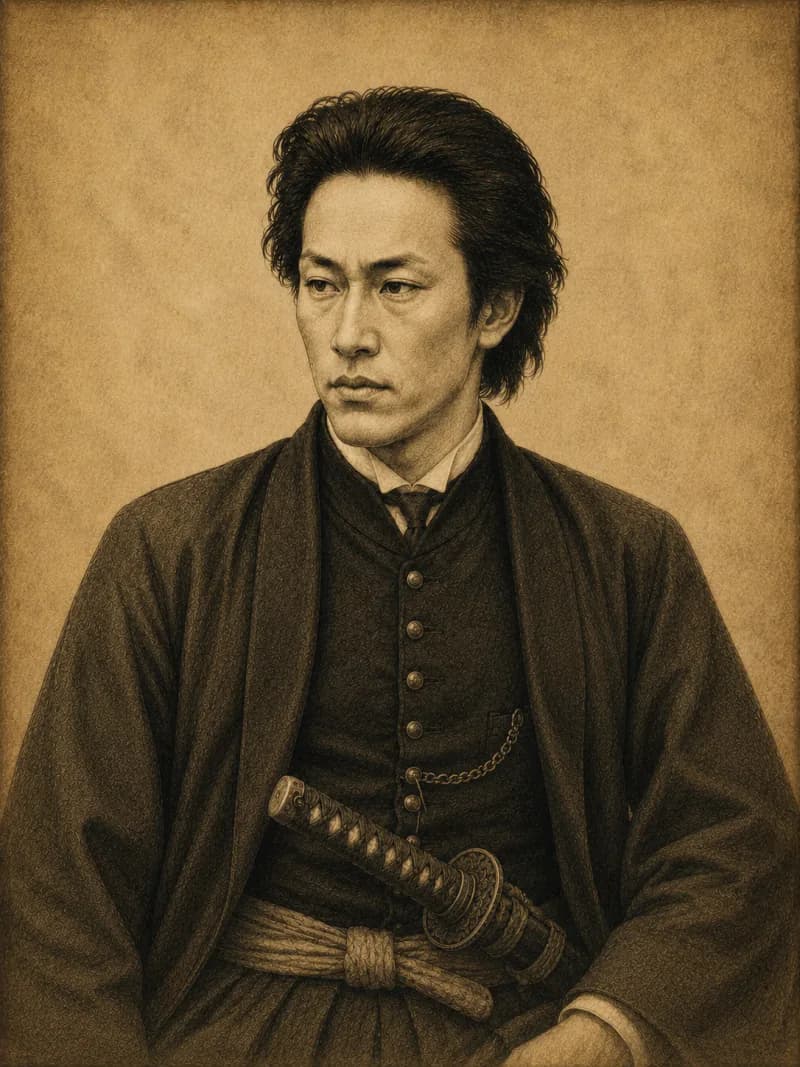
Hijikata Toshizō
Vice-commander of the Shinsengumi who fought the shogunate's losing war to its very last day
SA-0037 / 1839
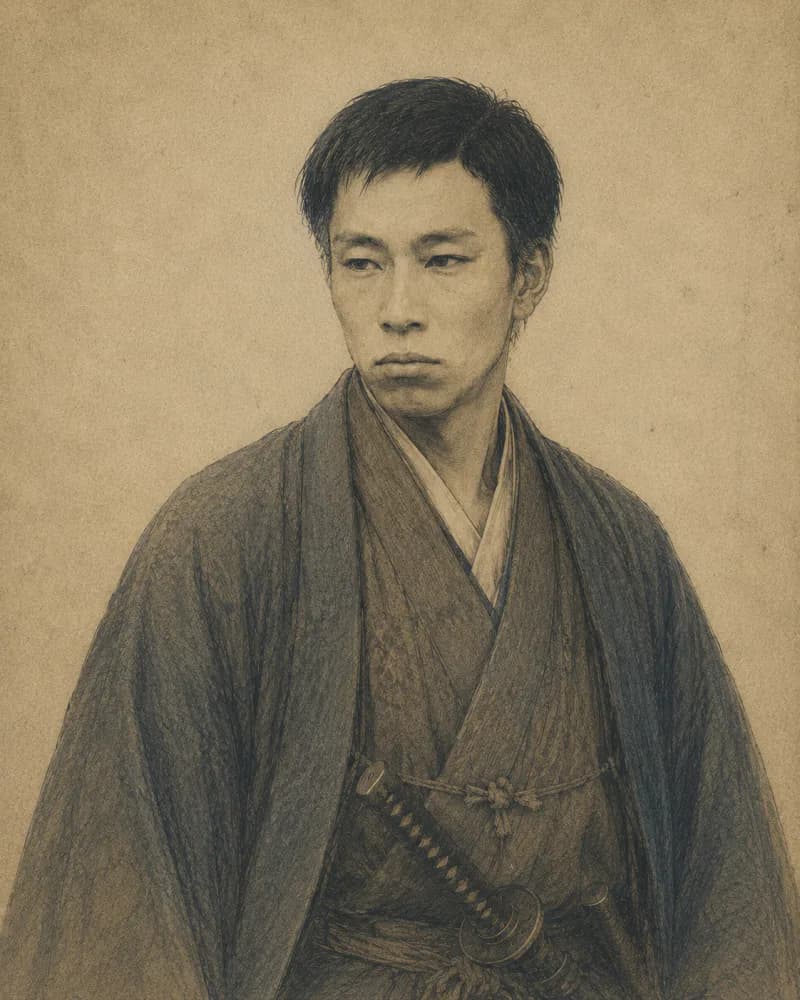
Takasugi Shinsaku
The Shōka Sonjuku graduate whose Kiheitai militia and Kōzanji coup drove Chōshū to topple the bakufu
SA-0035 / 1842?
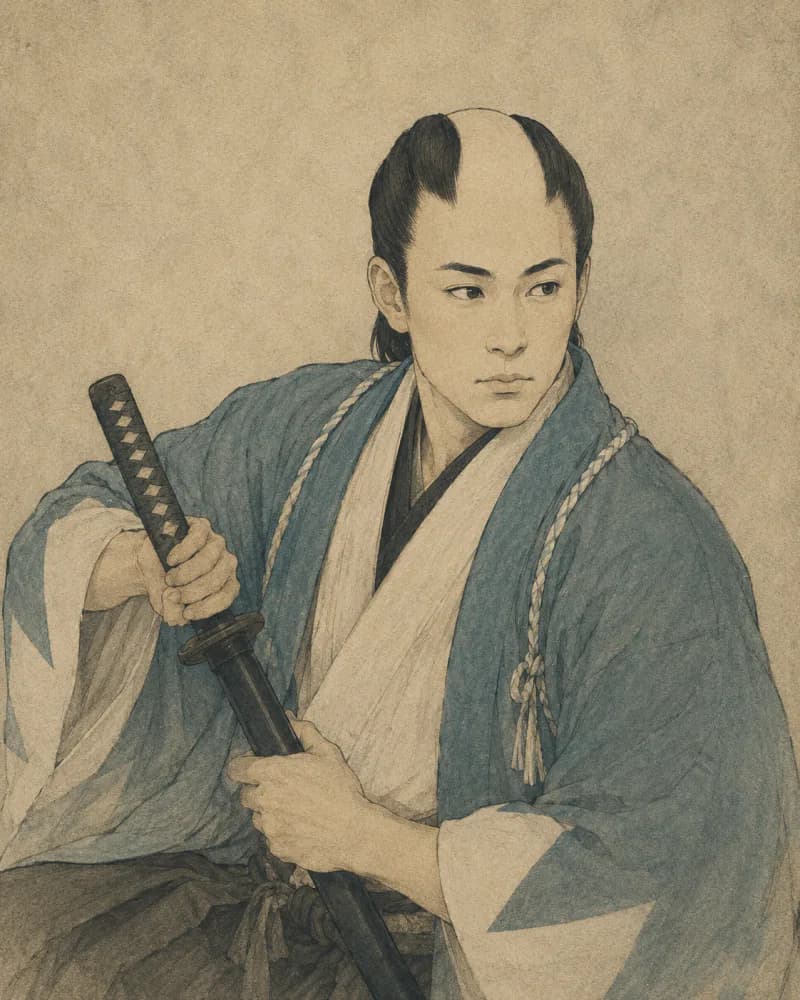
Okita Sōji
First-captain of the Shinsengumi — and the tubercular swordsman who never fought the Boshin War
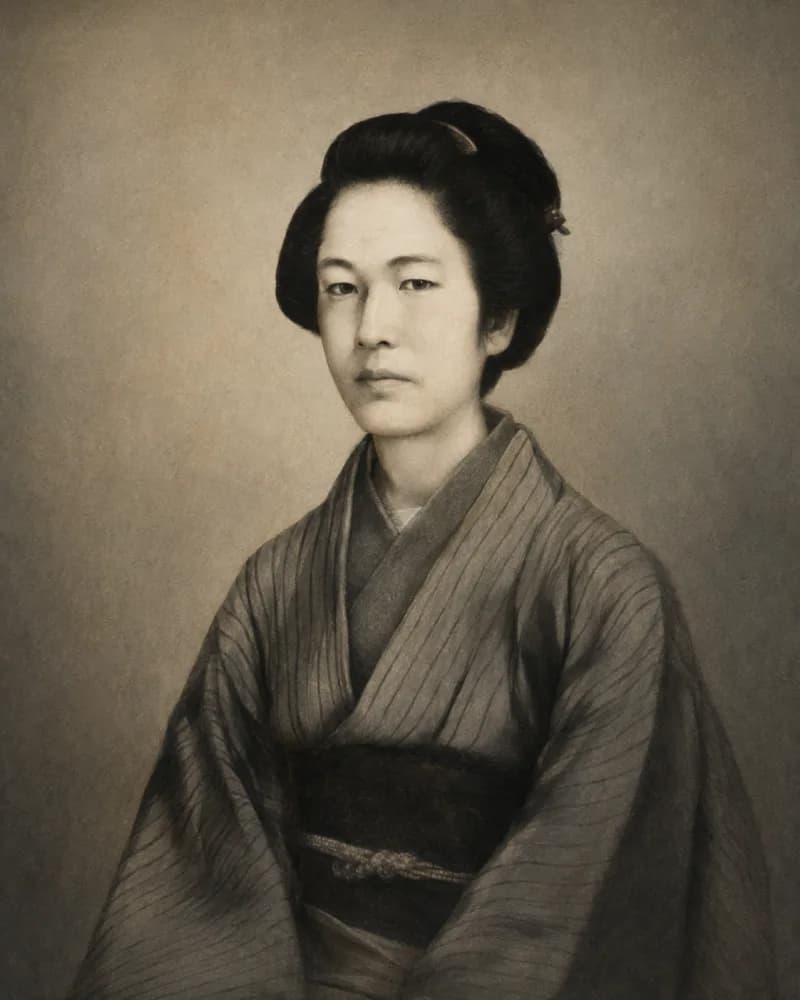
SA-0068 / 1847
Nakano Takeko
The twenty-one-year-old female warrior who led a naginata women's corps at the Aizu Boshin War and fell in battle
REPORTS COVERING THIS ROLE
Sekigahara: How Tokugawa Won Japan in a Single Afternoon
On October 21, 1600, two armies of roughly 80,000 men each met in fog on a Mino plain. By sunset, the battle that decided 250 years of Japanese history was over.
Goryōkaku: Where the Last Samurai Republic Died
On May 11, 1869, in the star-shaped fortress at Hakodate in northern Japan, Hijikata Toshizō and the seven thousand troops of the Republic of Ezo lost their final battle. The first and last republic in Japanese history had survived seven months.
The Ikedaya Incident: One Night That Set Back the Bakumatsu by a Year
On a hot July night in 1864, a tiny police unit called the Shinsengumi surrounded a Kyoto inn at Sanjō and fought its way into a meeting of Chōshū, Tosa, and Higo loyalists. The Bakumatsu opposition lost a year of momentum in two hours.
Kyokuchū Hatto: The Five-Article Code That Made the Shinsengumi Feared
Do not violate the way of the warrior. Do not desert the unit. Do not engage in private financial dealings. Do not pursue private litigation. Do not engage in private quarrels. Five rules. The penalty for any of them was seppuku — and Hijikata Toshizō meant it.
Twenty-Three Months of Silence: Why Ōishi Waited So Long Before the Akō Raid
Six hundred days passed between the death of Asano Naganori and the raid on Kira's mansion. While Ōishi Yoshio drank in Yamashina and was dismissed as a 'daytime lantern,' what was he actually doing?
The Pine Corridor: Why Asano Drew His Sword
On April 21, 1701, in the Pine Corridor of the inner keep of Edo Castle, the lord of Akō domain attacked the senior court official Kira Yoshinaka from behind. The motive remains a mystery to this day.
From Revenge to Loyalty: How the Akō Incident Became a National Myth
The Akō Incident of 1703 was, in fact, a private revenge by forty-seven masterless samurai. Two hundred and fifty years of staging turned it into the foundational story of loyalty in Japanese culture.
The Naoe Letter: How One Letter Called Sekigahara Into Being
In April 1600, Uesugi Kagekatsu's chief retainer Naoe Kanetsugu sent Tokugawa Ieyasu a sixteen-article letter of defiance. Within months the response had brought a 720,000-koku coalition to the field at Sekigahara, the largest battle in Japanese history.
From 1,200,000 to 300,000 Koku: How Naoe Kanetsugu Kept the Uesugi Alive
After Sekigahara the Uesugi were reduced from 1,200,000-koku Aizu to 300,000-koku Yonezawa — to one-fourth of their previous holdings. The standard early-Edo solution was to discharge half the retainer band. Kanetsugu refused.
The Helmet of Love: Why a Samurai Wore the Character for 'Love' on His Brow
Naoe Kanetsugu's helmet bears a single Chinese character at its brow — ai, love. What it meant for a Sengoku samurai to wear 'love' above his eyes is not what a modern reader hears.
The Coughing at Ikedaya: When Did Okita Sōji Find Out He Was Dying?
On the night of July 8, 1864, Shinsengumi first-captain Okita Sōji was sword-fighting Chōshū loyalists on the second floor of the Ikedaya inn. Suddenly blood spilled from his mouth. The end of Okita the swordsman had begun.
The Black Cat at Sendagaya: What Okita Sōji Could Not Cut
In the spring of 1868, Okita Sōji was convalescing in the Edo neighborhood of Sendagaya, in the house of a gardener. The story that he tried, and failed, to strike a black cat in the garden is the standard symbolic image of the prodigy of the sword brought low by disease.