SUBJECT FILE NO. SA-0031
BUSHI ARCHIVE
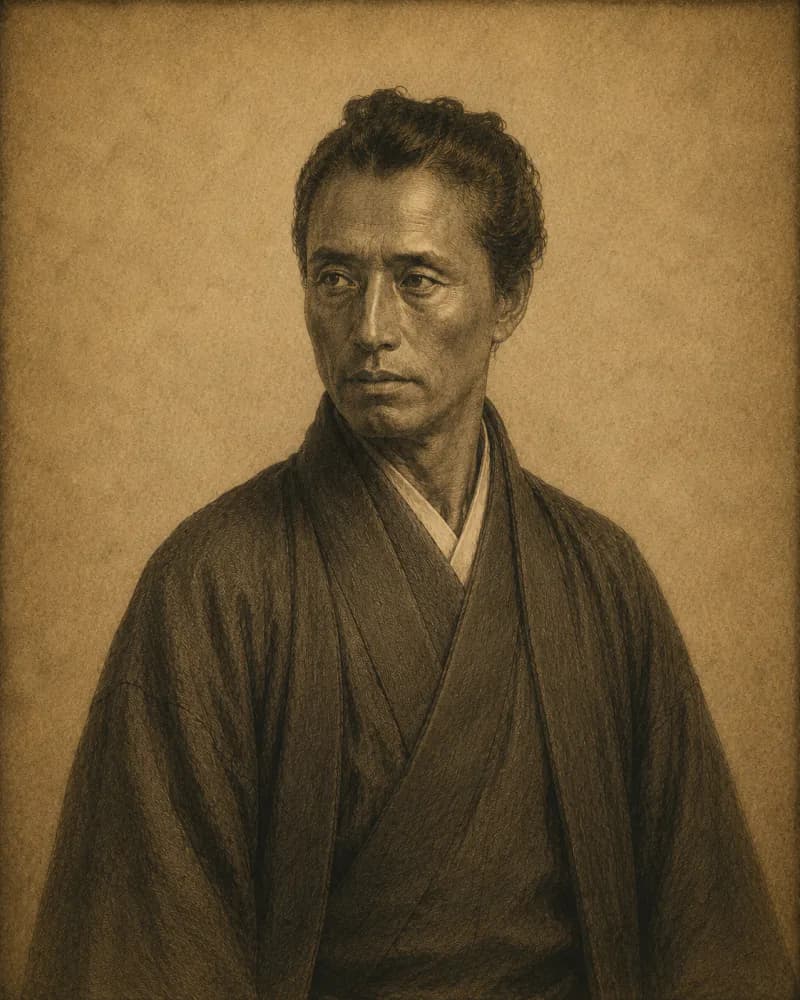
Hijikata Toshizō
Hijikata Toshizō
Vice-Commander of the Shinsengumi
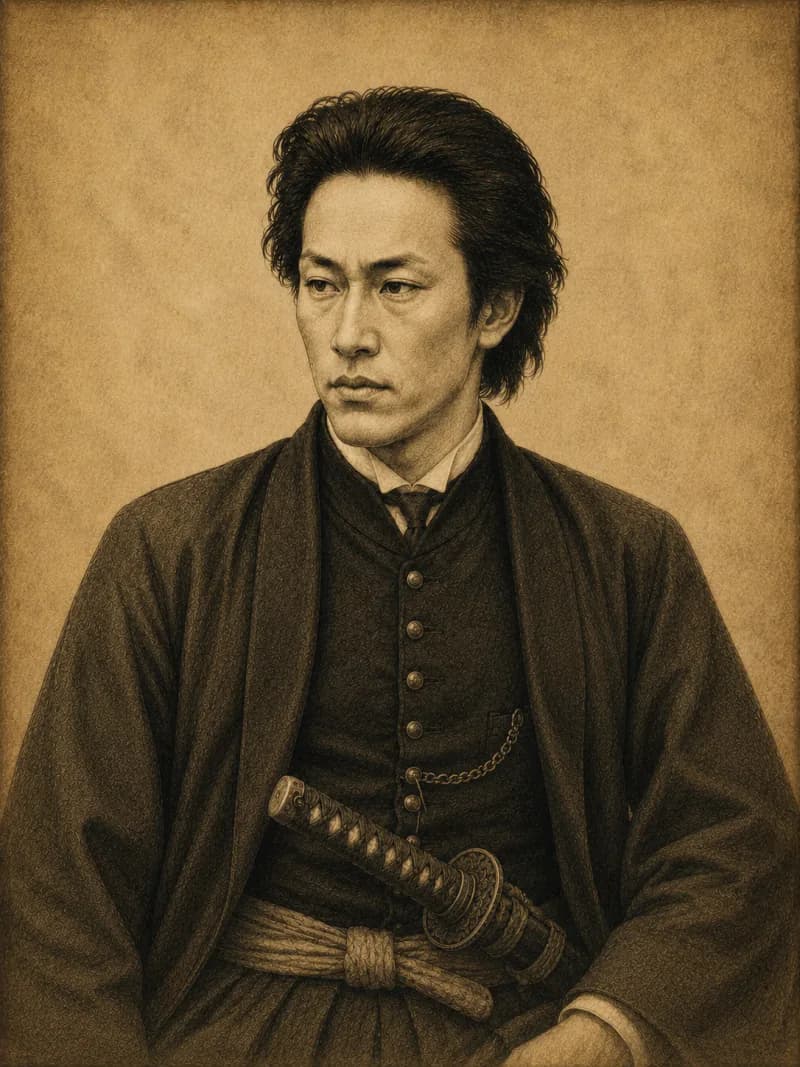
SECTION I -- SUBJECT PROFILE
| Name | Hijikata Toshizō |
|---|---|
| English | Hijikata Toshizō |
| Origin | Japan |
| Lifespan | 1835–1869 |
| Gender | Male |
| Century | 19th C. |
| Clan / Role | Samurai |
| Title | Vice-Commander of the Shinsengumi |
SECTION II -- OVERVIEW
Born in 1835 to a farming family in Ishida village, Musashi (now Hino, Tokyo), Hijikata trained in the Tennen Rishin-ryū sword school alongside his elder brother-in-arms Kondō Isamu.
In 1863 he traveled to Kyoto with the Rōshigumi and helped found the Shinsengumi, the bakufu-sponsored police corps that became the most feared sword unit of late Tokugawa Japan.
As vice-commander he was nicknamed Oni no Fukuchō — the demon vice-commander — for his ruthless enforcement of the Kyokuchū Hatto, the unit's internal code, which punished desertion and breach of conduct with seppuku.
He fought at the Ikedaya Incident (1864), the Kinmon Incident, and the Battle of Toba-Fushimi (1868). After the Shinsengumi was scattered, he kept fighting through Aizu and Sendai and ultimately joined Enomoto Takeaki's short-lived Republic of Ezo.
He was killed by a bullet on horseback during the defense of Goryōkaku in May 1869, fighting for a political order that no longer existed.
SECTION III -- CHRONOLOGY
SECTION IV -- NOTABLE STATEMENTS
“Today's news, surely, will not be bad.”
SECTION V -- FIELD NOTES
[A]The Demon Vice-Commander
Hijikata enforced the Shinsengumi's internal code with cold rigor. Desertion, private financial dealings, or conduct unbecoming a samurai were grounds for ordered seppuku.
The brutality earned him fear even from his own men, but it kept the unit cohesive long after the cause it served had collapsed.
SECTION VI -- LEGACY & IMPACT
Hijikata is the most enduring popular icon of the closing chapter of the samurai era — a swordsman, organizational manager, and modern field commander rolled into one.
From Meiji-era novels through contemporary anime and games, he has been depicted more often than almost any other Bakumatsu figure, and remains one of the highest-recognition samurai abroad.
The fortress at Hakodate where he died is still widely identified as the site of his final stand.
SECTION VII -- MAJOR DEEDS
- [01]Founding of the Shinsengumi (1863)
- [02]Enforcement of the Kyokuchū Hatto
- [03]Combat at the Ikedaya Incident (1864)
- [04]Boshin War and Hakodate campaign (1868–1869)
- [05]Defense of Goryōkaku (1869)
SECTION VIII -- REFERENCE MATERIALS
PRIMARY SOURCES & ARCHIVES
- PRIMARY
Shinsengumi Tenmatsuki
Nagakura Shinpachi
Memoir by a surviving Shinsengumi captain — the principal first-hand source on the unit's internal life
- SCHOLARSHIP
Shinsengumi
Ōishi Manabu / Chūkō Shinsho
Standard modern study based on recent archival research
- ARCHIVE
Hijikata Toshizō Museum
Hino, Tokyo
Dedicated museum at his birthplace, holding his autograph letters and the prized Izumi-no-Kami Kanesada blade
Visit archive →
RECOMMENDED READING
SECTION X -- RELATED REPORTS
SA-RPT
Goryōkaku: Where the Last Samurai Republic Died
On May 11, 1869, in the star-shaped fortress at Hakodate in northern Japan, Hijikata Toshizō and the seven thousand troops of the Republic of Ezo lost their final battle. The first and last republic in Japanese history had survived seven months.
SA-RPT
The Ikedaya Incident: One Night That Set Back the Bakumatsu by a Year
On a hot July night in 1864, a tiny police unit called the Shinsengumi surrounded a Kyoto inn at Sanjō and fought its way into a meeting of Chōshū, Tosa, and Higo loyalists. The Bakumatsu opposition lost a year of momentum in two hours.
SA-RPT
Kyokuchū Hatto: The Five-Article Code That Made the Shinsengumi Feared
Do not violate the way of the warrior. Do not desert the unit. Do not engage in private financial dealings. Do not pursue private litigation. Do not engage in private quarrels. Five rules. The penalty for any of them was seppuku — and Hijikata Toshizō meant it.
SA-RPT
The Coughing at Ikedaya: When Did Okita Sōji Find Out He Was Dying?
On the night of July 8, 1864, Shinsengumi first-captain Okita Sōji was sword-fighting Chōshū loyalists on the second floor of the Ikedaya inn. Suddenly blood spilled from his mouth. The end of Okita the swordsman had begun.
SECTION IX -- LINKED SUBJECTS
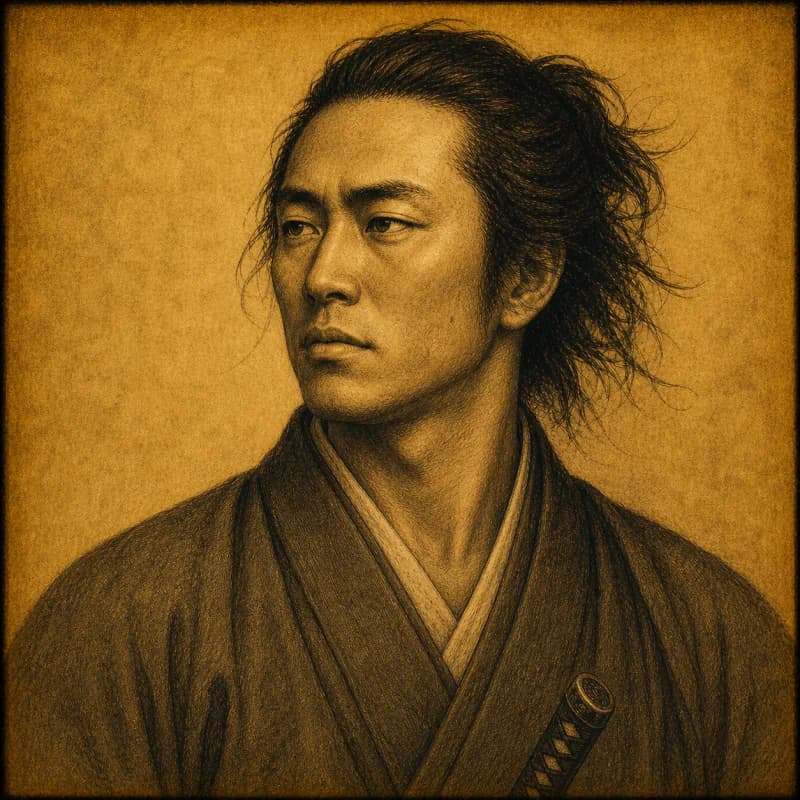
SA-0008 / JPN
Sakamoto Ryōma
The low-rank samurai who engineered the fall of the shogunate
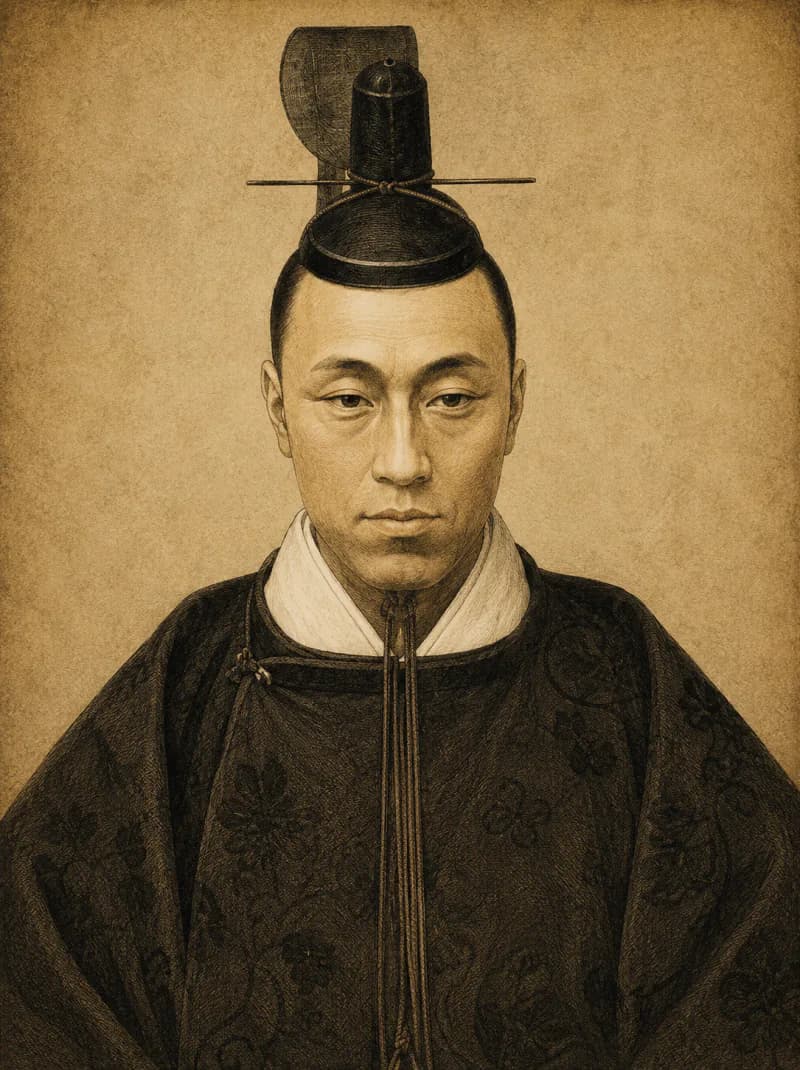
SA-0022 / JPN
Tokugawa Yoshinobu
The last shogun who chose to surrender power rather than fight a civil war he believed Japan could not afford
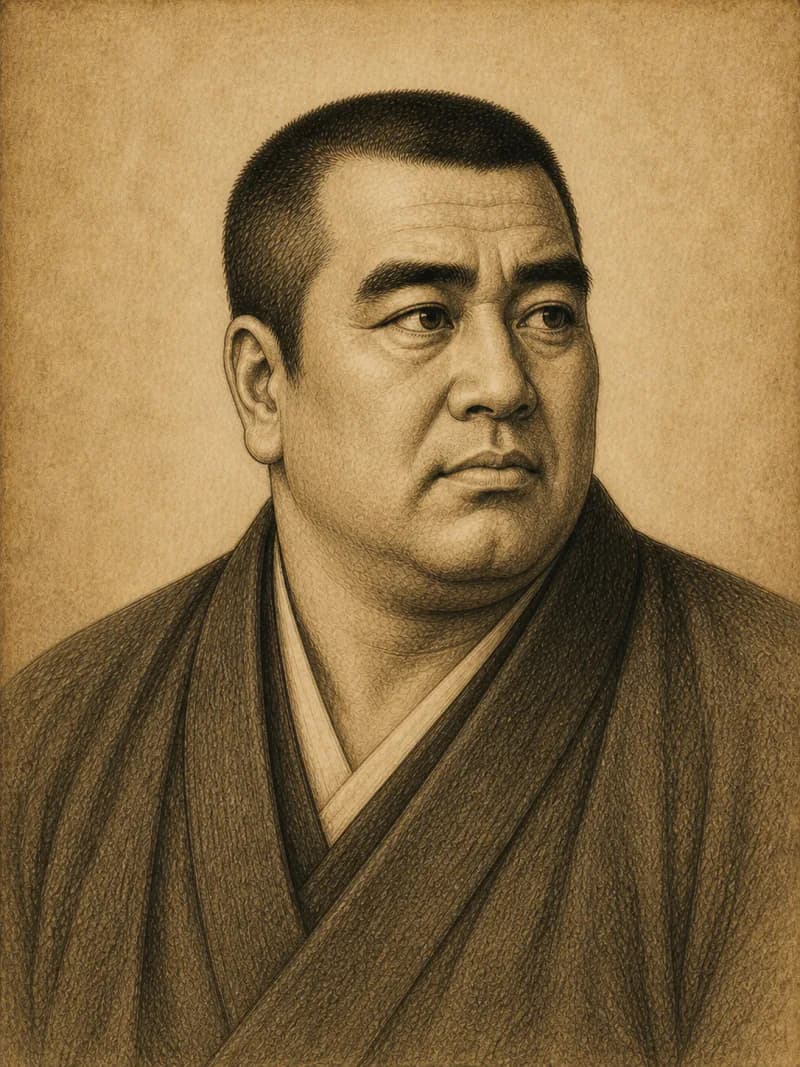
SA-0021 / JPN
Saigō Takamori
The architect of the Meiji Restoration who died fighting against the Meiji government he had built
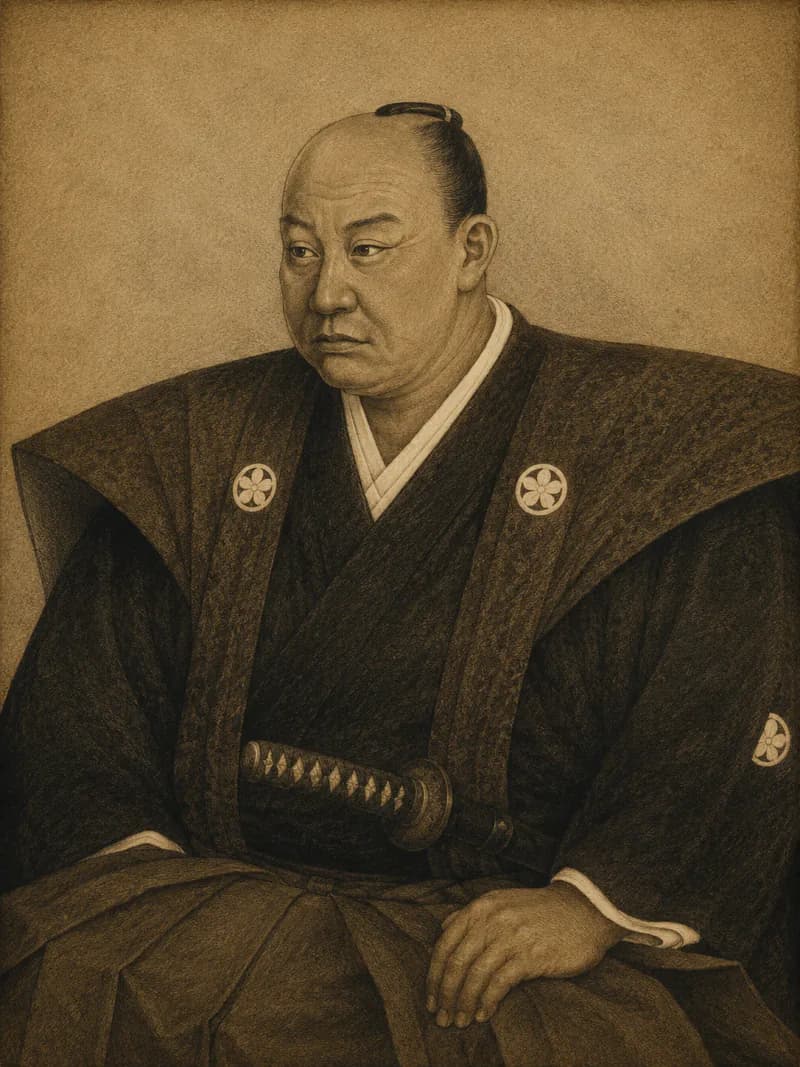
SA-0027 / JPN
Ii Naosuke
The Tairō who signed the unequal treaties — and was assassinated for it at the gates of Edo Castle
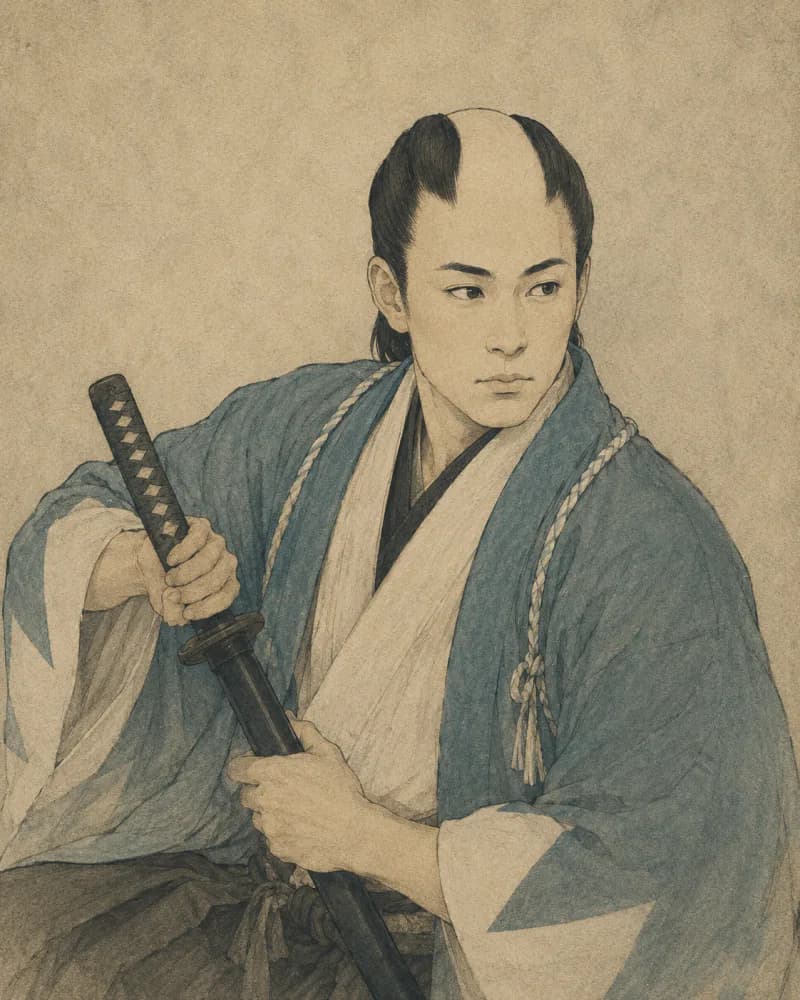
SA-0035 / JPN
Okita Sōji
First-captain of the Shinsengumi — and the tubercular swordsman who never fought the Boshin War
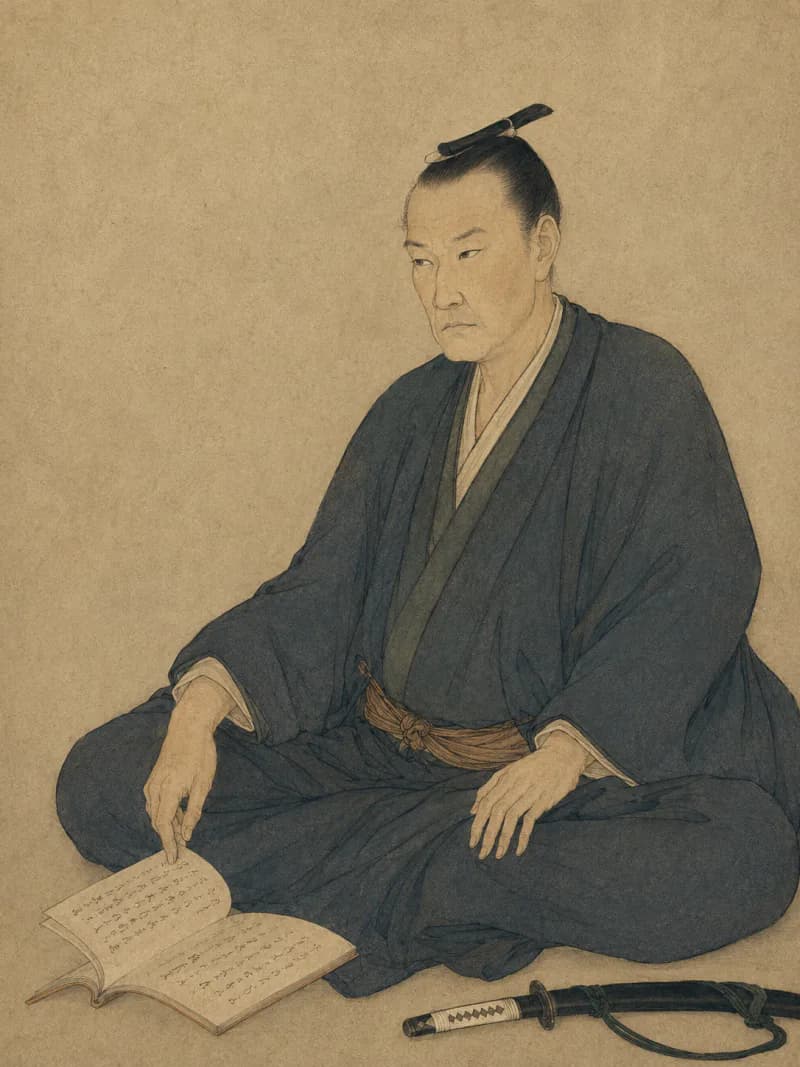
SA-0036 / JPN
Yoshida Shōin
The Shōka Sonjuku teacher whose two-and-a-half-year school drove the Meiji Restoration
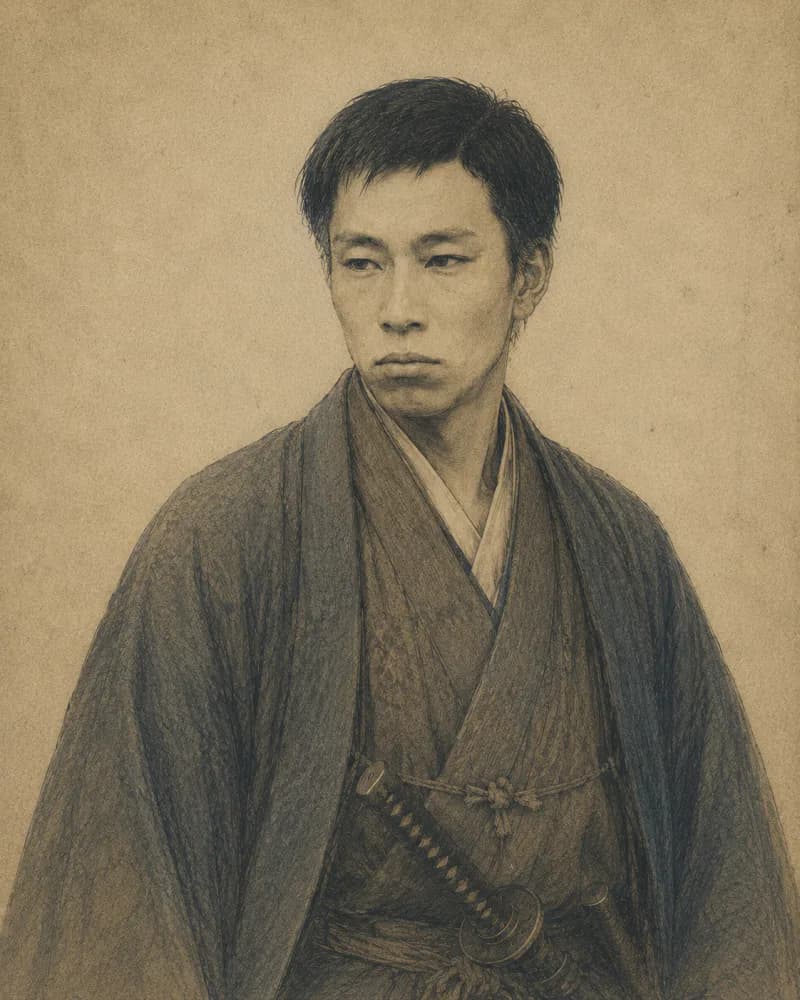
SA-0037 / JPN
Takasugi Shinsaku
The Shōka Sonjuku graduate whose Kiheitai militia and Kōzanji coup drove Chōshū to topple the bakufu
SA-0045 / JPN
Katsu Kaishū
The last navy minister of the shogunate who delivered the bloodless surrender of Edo and was Sakamoto Ryōma's master