ROLES
Strategist
The military and political advisers who turned daimyō houses into nations — the architects of war and statecraft.
-- 4 SUBJECTS ON FILE
SUBJECTS IN THIS ROLE
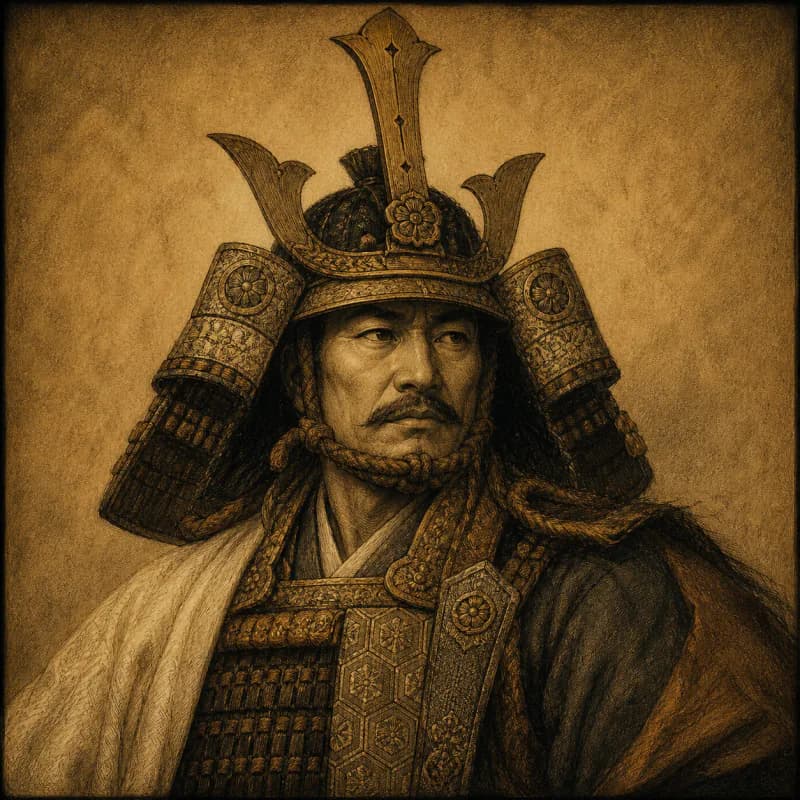
SA-0016 / 1294
Kusunoki Masashige
The strategist who held off the Kamakura shogunate with rocks and trickery
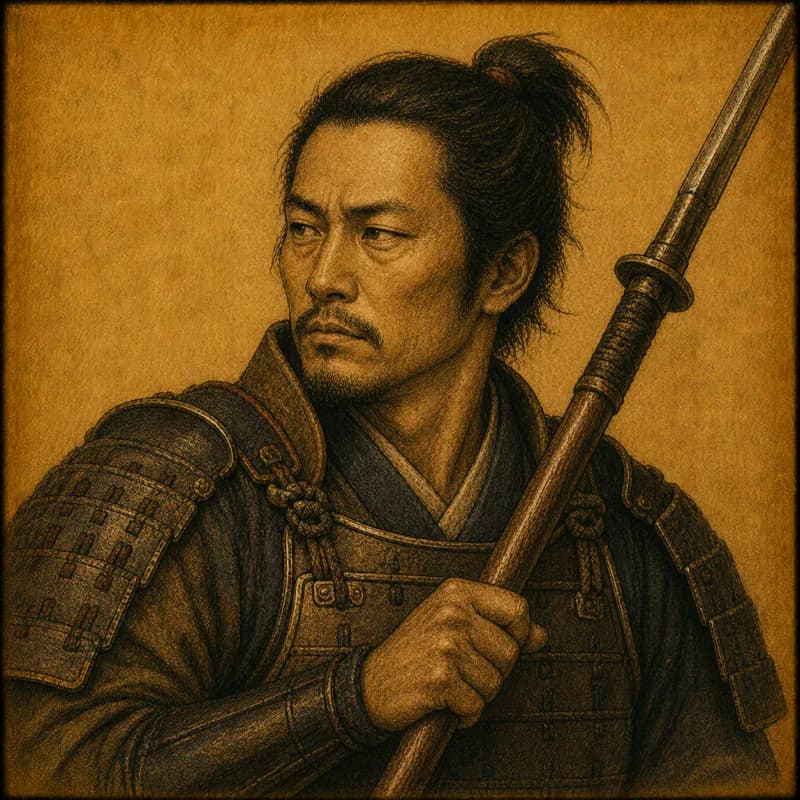
SA-0010 / 1542
Hattori Hanzō
The Iga master who guarded the founder of the Tokugawa peace
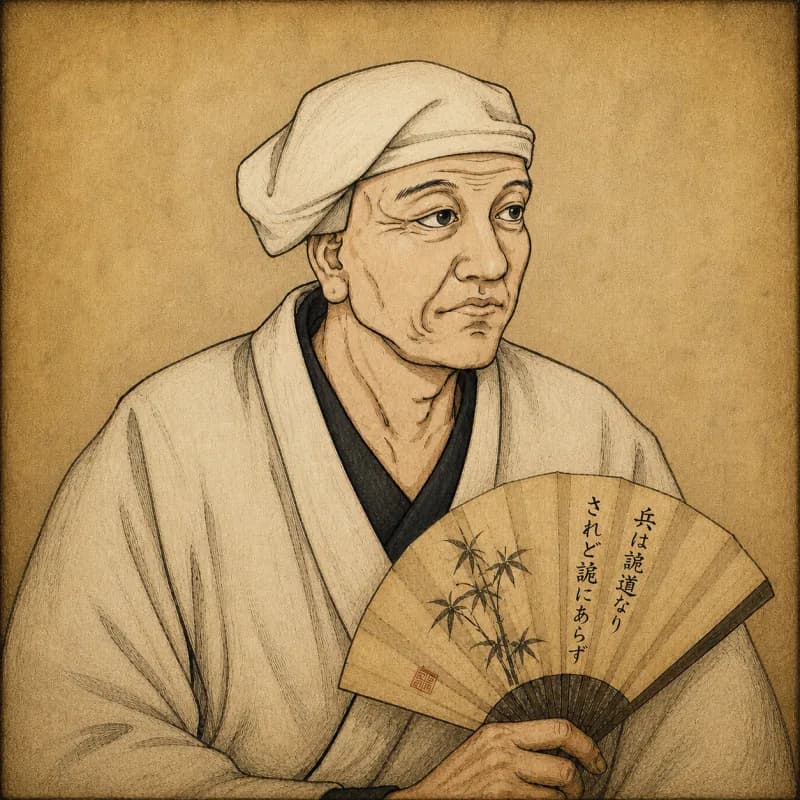
SA-0011 / 1546
Kuroda Kanbei
The strategist Hideyoshi feared more than any enemy
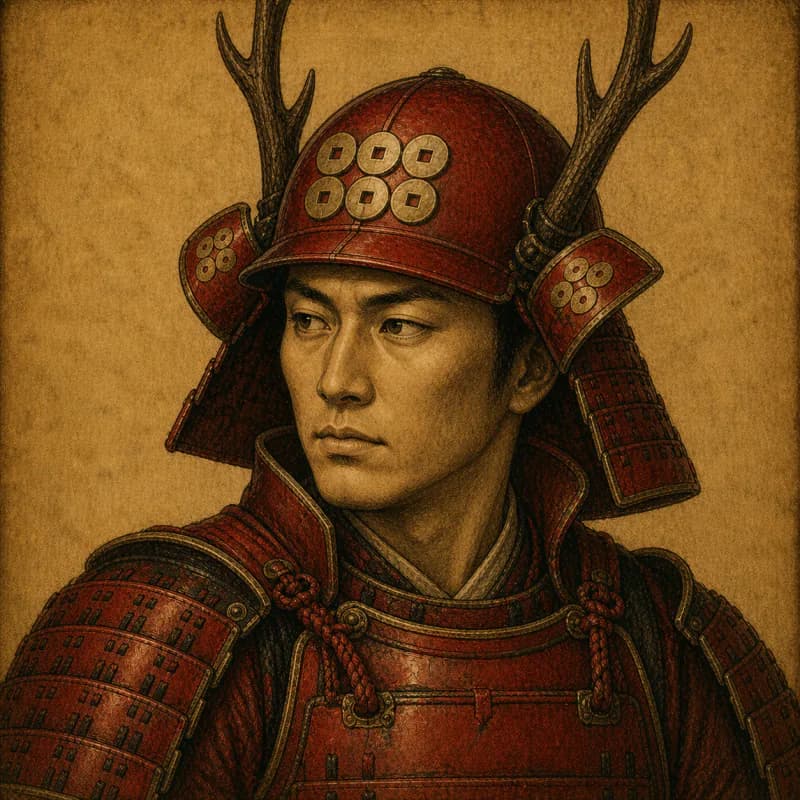
SA-0009 / 1567
Sanada Yukimura
The greatest warrior of the Sengoku, dying a legend at Osaka
REPORTS COVERING THIS ROLE
The Honnō-ji Incident: Why Did Akechi Mitsuhide Betray Nobunaga?
On a single dawn in June 1582, Akechi Mitsuhide turned his army around and burned his lord alive. Four centuries of historians still cannot agree why.
Sekigahara: How Tokugawa Won Japan in a Single Afternoon
On October 21, 1600, two armies of roughly 80,000 men each met in fog on a Mino plain. By sunset, the battle that decided 250 years of Japanese history was over.
The Last Charge at Osaka: Sanada Yukimura's Final Stand
On a single afternoon in May 1615, three thousand red-armored riders charged the largest army in Japan and nearly toppled it. The man who led them was already a legend; what he did next made him the model for every Japanese hero of doomed battle that followed.
Hattori Hanzō and the Truth About the Ninja
The most famous ninja in history was almost certainly not a ninja at all. He was a regular samurai officer who happened to lead specialists from a village called Iga — and that fact changes everything about how we should read the legend.
Strategy as Theater: Why Hideyoshi Kept His Best Strategist Far from the Capital
Kuroda Kanbei could read battles before they happened. Hideyoshi was so afraid of him that he reduced him to a small Kyūshū domain, well below his merit. The decision shaped the career of one of the strangest figures of the Sengoku.
Chihaya Castle: How Three Hundred Held a Hundred Thousand
In the spring of 1333, Kusunoki Masashige defended a small mountain fortress against a Kamakura army that outnumbered him three hundred to one. He held them for over three months, broke the bakufu's economy, and started the chain of revolts that ended a hundred and forty-eight years of Hōjō rule.
The Brother Who Outlived the Legend: Why Sanada Nobuyuki Lived to Ninety-Two
Sanada Yukimura died at Osaka in 1615, a hero. His older brother Nobuyuki — who had sided with the Tokugawa at Sekigahara — outlived him by forty-three years and built a domain that lasted to the Meiji Restoration. The contrast tells you what samurai loyalty actually required.
Two Emperors at Once: How Ashikaga Takauji Split Japan for Sixty Years
In 1336, in his attempt to legitimize his own shogunate, Ashikaga Takauji installed a rival emperor in Kyoto while the original emperor fled to Yoshino. Japan had two parallel imperial lines for the next fifty-six years. The political architecture of that split shaped the country into the Sengoku.
Yamazaki: The Thirteen-Day Empire That Hideyoshi Stole Back
Eleven days after burning Nobunaga at Honnō-ji, Akechi Mitsuhide stood at the Yamazaki ridges facing an army that should not have arrived for weeks. Toyotomi Hideyoshi had marched 230 kilometres in nine days. By sunset Mitsuhide was finished.
From the Kuroda to Ōsaka: Why Matabei Became a Rōnin
In 1611, Gotō Matabei left the Kuroda clan of Chikuzen-Fukuoka and became a rōnin. The proximate cause was a long-deteriorating relationship with the lord Kuroda Nagamasa, but the cost of breaking with the conventions of the warrior society was the hōkō-gamae blocking notice — and nearly a decade of wandering across Japan.
The Battle of Dōmyōji: Matabei Died One Day Before Yukimura
On May 6, 1615, in the Battle of Dōmyōji during the Summer Siege of Osaka, Gotō Matabei was killed. Against thirty thousand Tokugawa troops, his two-thousand-strong force held the line for half a day. One day before Sanada Yukimura died at Tennōji.
The Five Senior Rōnin of Osaka Castle: Why Hideyori Recruited Veterans
On the eve of the 1614 Winter Siege, Toyotomi Hideyori issued a general call and assembled a large body of rōnin produced after Sekigahara into Osaka Castle. The five at the center — Gotō Matabei, Sanada Yukimura, Mōri Katsunaga, Akashi Takenori, and Chōsokabe Morichika — became the operational core of the castle's defense.