ROLES
Shōgun
The military rulers who, from Kamakura to Edo, held the practical power of the state under a ceremonial emperor.
-- 6 SUBJECTS ON FILE
SUBJECTS IN THIS ROLE
- S
SA-0074 / 758
Sakanoue no Tamuramaro
The renowned early-Heian general who pacified the Emishi and embodied the title 'Sei-i Taishōgun' that later warrior governments took as their model
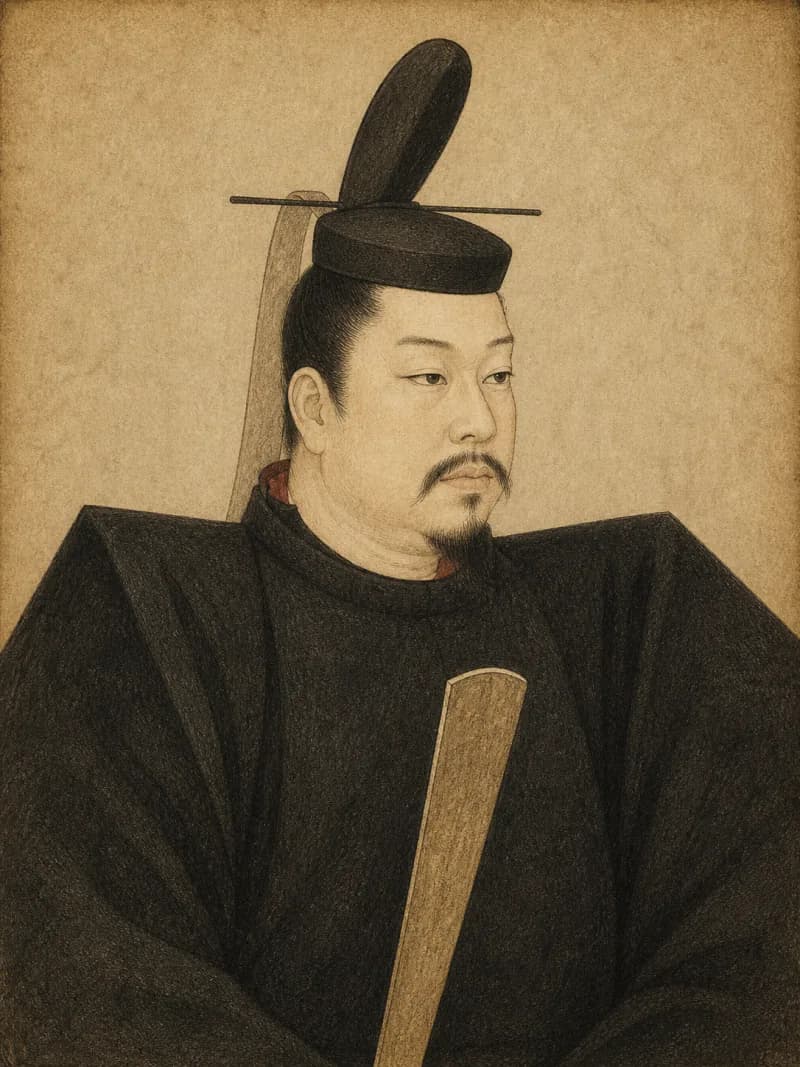
SA-0023 / 1147
Minamoto no Yoritomo
The founding shogun who built warrior government as a system that lasted six and a half centuries
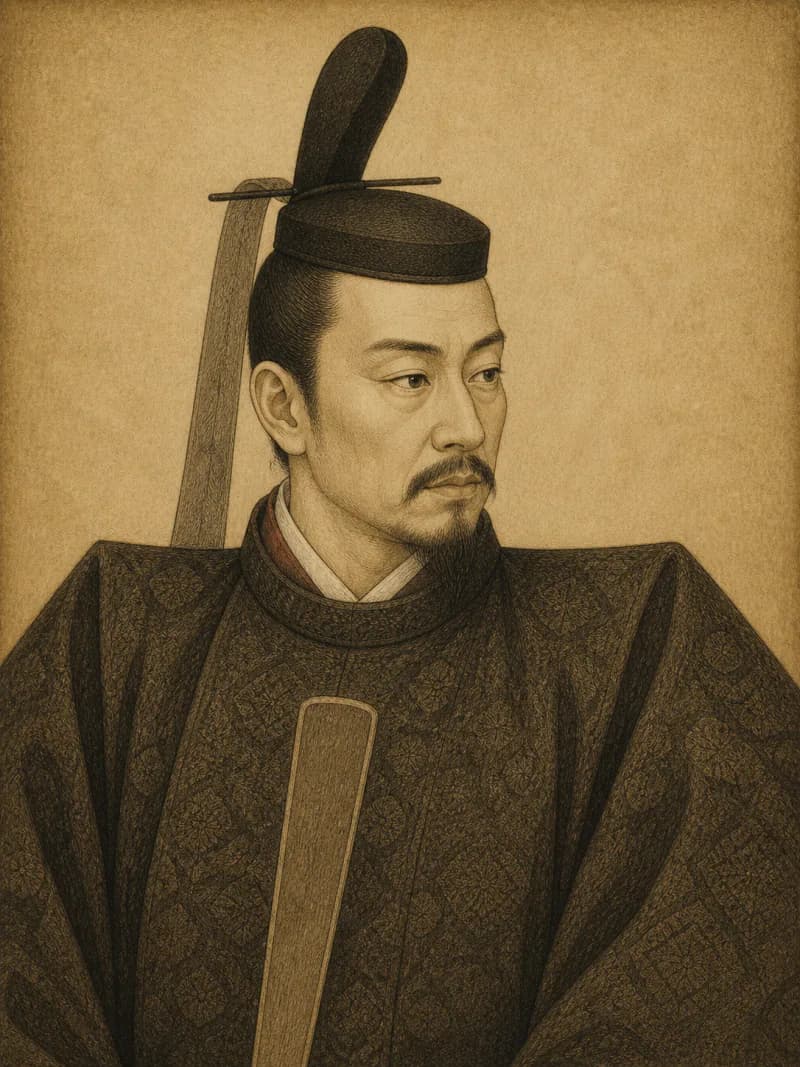
SA-0025 / 1305
Ashikaga Takauji
The founding shogun who left Japan with two emperors and a sixty-year civil war
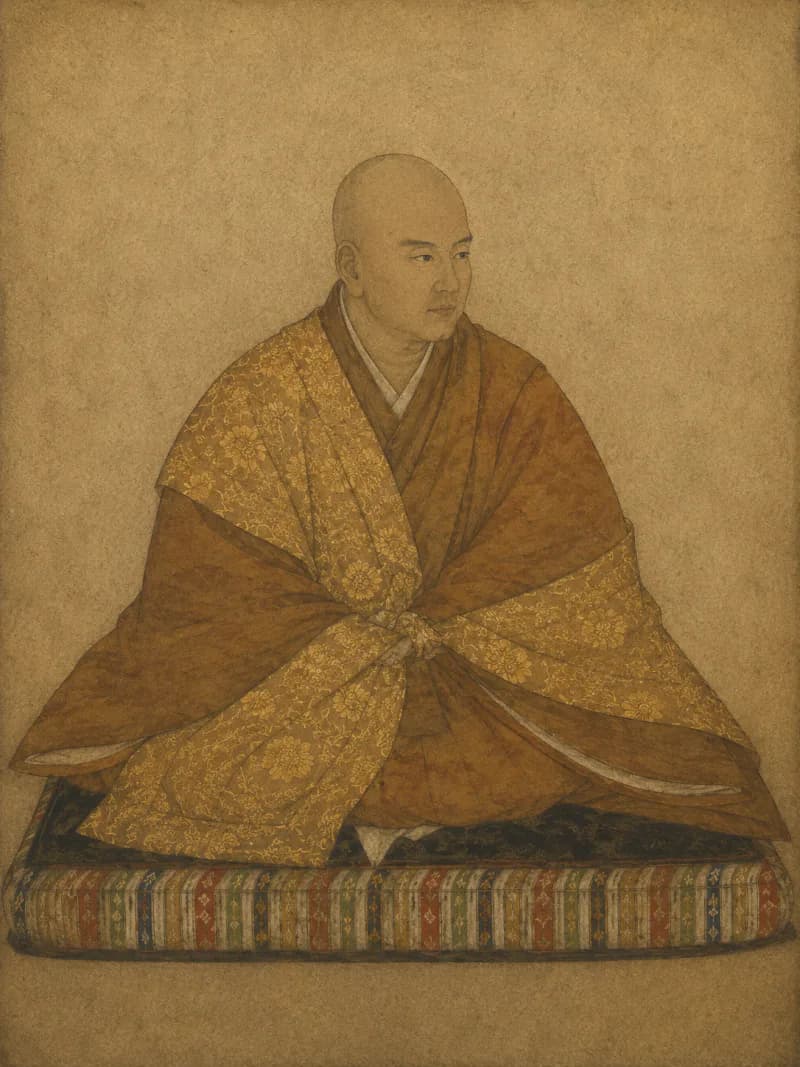
SA-0057 / 1358
Ashikaga Yoshimitsu
The third Muromachi shōgun who unified the Northern and Southern Courts, built the Golden Pavilion, and was called 'King of Japan' by the Ming emperor
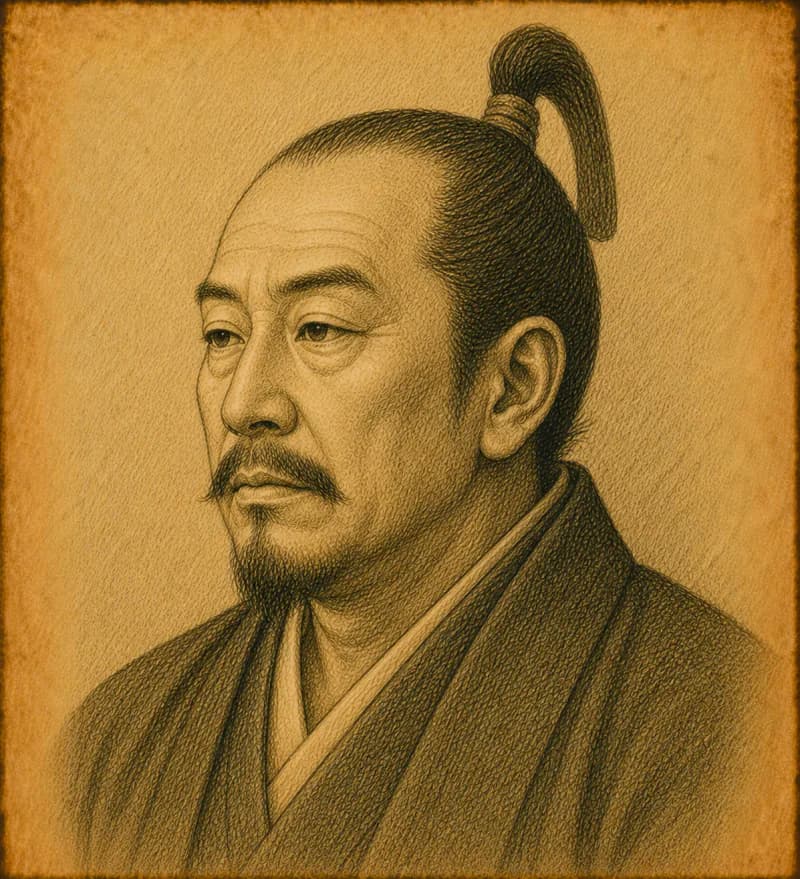
SA-0003 / 1543
Tokugawa Ieyasu
The patient warlord whose dynasty ruled Japan for 250 years
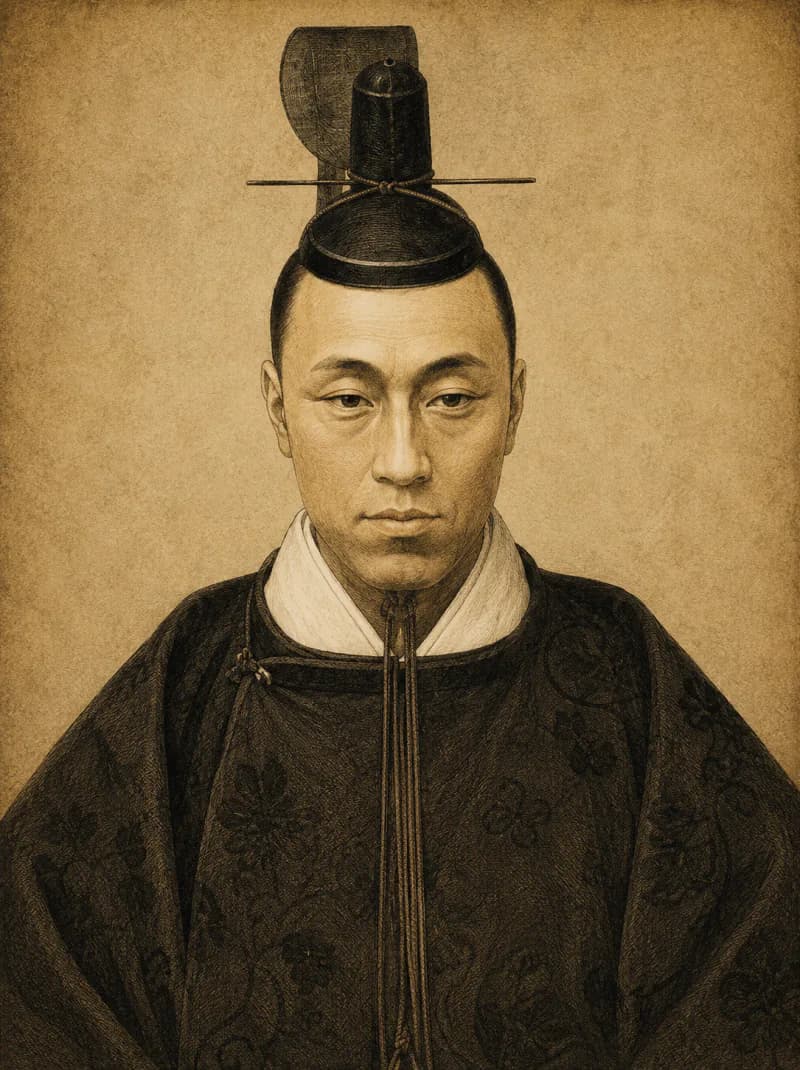
SA-0022 / 1837
Tokugawa Yoshinobu
The last shogun who chose to surrender power rather than fight a civil war he believed Japan could not afford
REPORTS COVERING THIS ROLE
Sekigahara: How Tokugawa Won Japan in a Single Afternoon
On October 21, 1600, two armies of roughly 80,000 men each met in fog on a Mino plain. By sunset, the battle that decided 250 years of Japanese history was over.
The Last Charge at Osaka: Sanada Yukimura's Final Stand
On a single afternoon in May 1615, three thousand red-armored riders charged the largest army in Japan and nearly toppled it. The man who led them was already a legend; what he did next made him the model for every Japanese hero of doomed battle that followed.
Hattori Hanzō and the Truth About the Ninja
The most famous ninja in history was almost certainly not a ninja at all. He was a regular samurai officer who happened to lead specialists from a village called Iga — and that fact changes everything about how we should read the legend.
The Betrayers of Sekigahara: What Happened to the Men Who Switched Sides
Four Western Army commanders defected during the battle that decided 250 years of Japanese history. Three of them died ruined men within ten years. The fourth lived to be a punchline.
Kamakura vs Edo: Why Two Samurai Governments Failed and Lasted Differently
Japan had three shogunates. Two of them are important. They look superficially similar — warriors ruling in a hereditary military government — but the way they were structured determined how each one ended, and how their differences explain everything from the daimyō system to the Meiji Restoration.
Why the Last Shogun Surrendered: Tokugawa Yoshinobu and the Taisei Hōkan
On November 9th, 1867, the fifteenth Tokugawa shogun voluntarily returned political authority to the Emperor. He believed it would preserve the Tokugawa as senior partners in a new constitutional order. He was wrong about that. He was right about everything else.
Why Kamakura: How Yoritomo Invented Permanent Warrior Government
When Minamoto no Yoritomo took the title of shogun in 1192, he was not the first samurai to hold national power. He was the first to make the office permanent. The choices he made between 1180 and 1199 set the operating system of Japanese government for the next 676 years.
The Nun Shogun: How Hōjō Masako Ran a Country She Was Never Allowed to Officially Rule
Between 1199 and 1225, Hōjō Masako effectively governed the Kamakura Bakufu — first through her sons, then in her own name as the Ama Shōgun. She is the founding figure of behind-the-throne female political power in Japanese samurai history.
Two Emperors at Once: How Ashikaga Takauji Split Japan for Sixty Years
In 1336, in his attempt to legitimize his own shogunate, Ashikaga Takauji installed a rival emperor in Kyoto while the original emperor fled to Yoshino. Japan had two parallel imperial lines for the next fifty-six years. The political architecture of that split shaped the country into the Sengoku.
Goryōkaku: Where the Last Samurai Republic Died
On May 11, 1869, in the star-shaped fortress at Hakodate in northern Japan, Hijikata Toshizō and the seven thousand troops of the Republic of Ezo lost their final battle. The first and last republic in Japanese history had survived seven months.
The Naoe Letter: How One Letter Called Sekigahara Into Being
In April 1600, Uesugi Kagekatsu's chief retainer Naoe Kanetsugu sent Tokugawa Ieyasu a sixteen-article letter of defiance. Within months the response had brought a 720,000-koku coalition to the field at Sekigahara, the largest battle in Japanese history.
Sword Instructor to the Shogun: How the Yagyū Shinkage-ryū Became State Doctrine
In 1605, Yagyū Munenori became sword instructor to the second Tokugawa shogun Hidetada. The Yagyū Shinkage-ryū inherited from his father Munetoshi became the official sword of the Tokugawa government. The reading of a rare case in which a single school became the official way of a state.