ROLES
Swordsman
The masters of the sword who carried the technical and philosophical heart of bushidō — from the Sengoku sword saints to the Mutō-ryū of the Bakumatsu.
-- 7 SUBJECTS ON FILE
SUBJECTS IN THIS ROLE
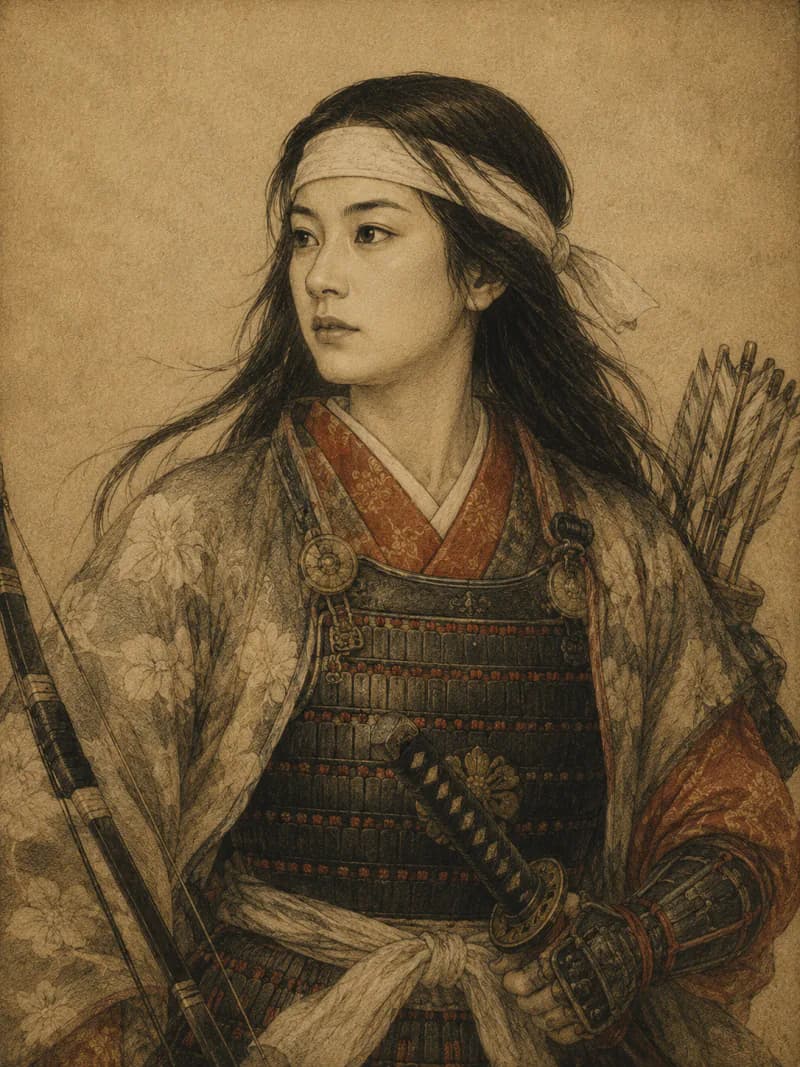
SA-0028 / ca. 1157
Tomoe Gozen
The woman warrior of the Genpei War whose existence historians cannot quite confirm or deny
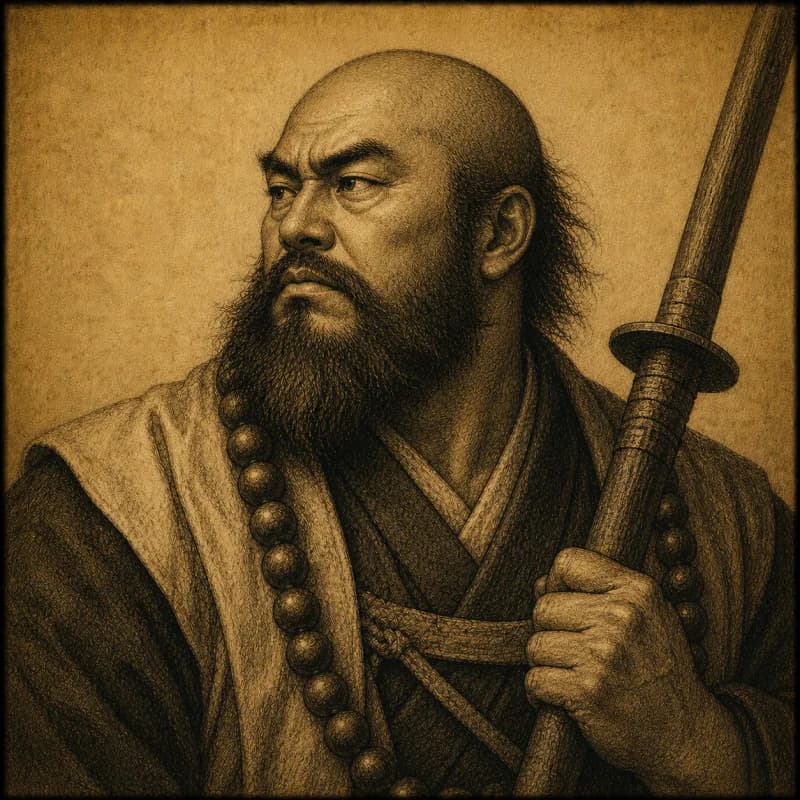
SA-0015 / 1155?
Musashibō Benkei
The warrior monk whose loyalty became Japan's most quoted legend
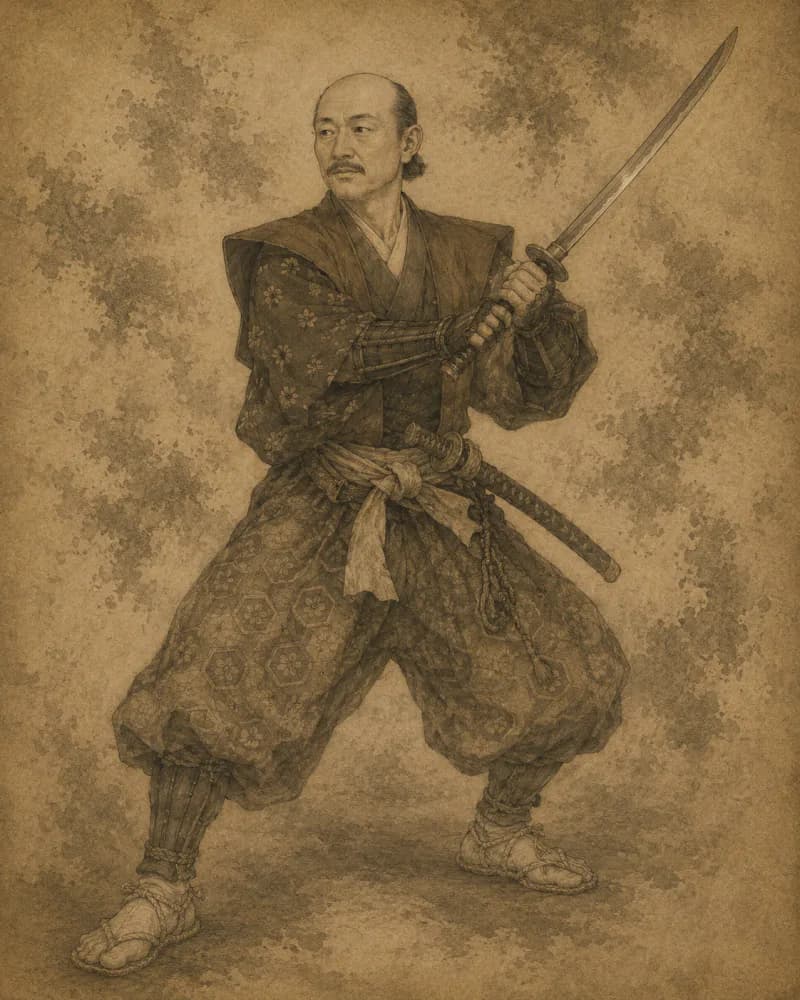
SA-0042 / 1489
Tsukahara Bokuden
The Sengoku sword saint who is said to have never lost a serious match
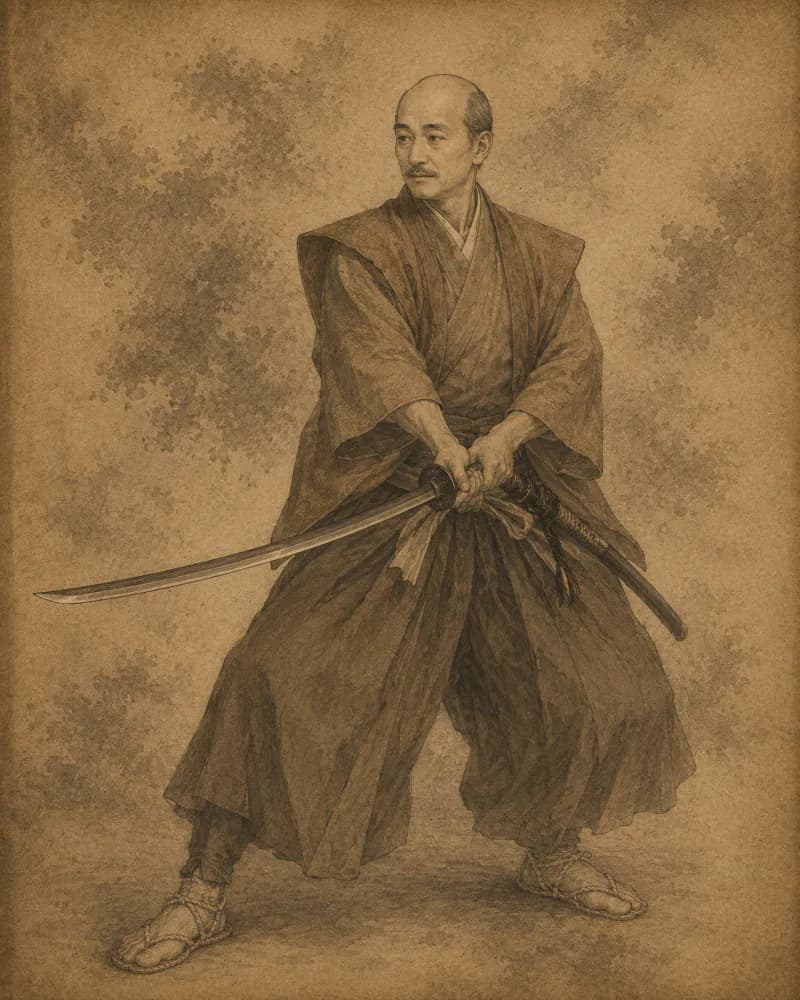
SA-0043 / 1508?
Kamiizumi Nobutsuna
Founder of the Shinkage-ryū and teacher of the Sengoku 'sword-saint shogun'
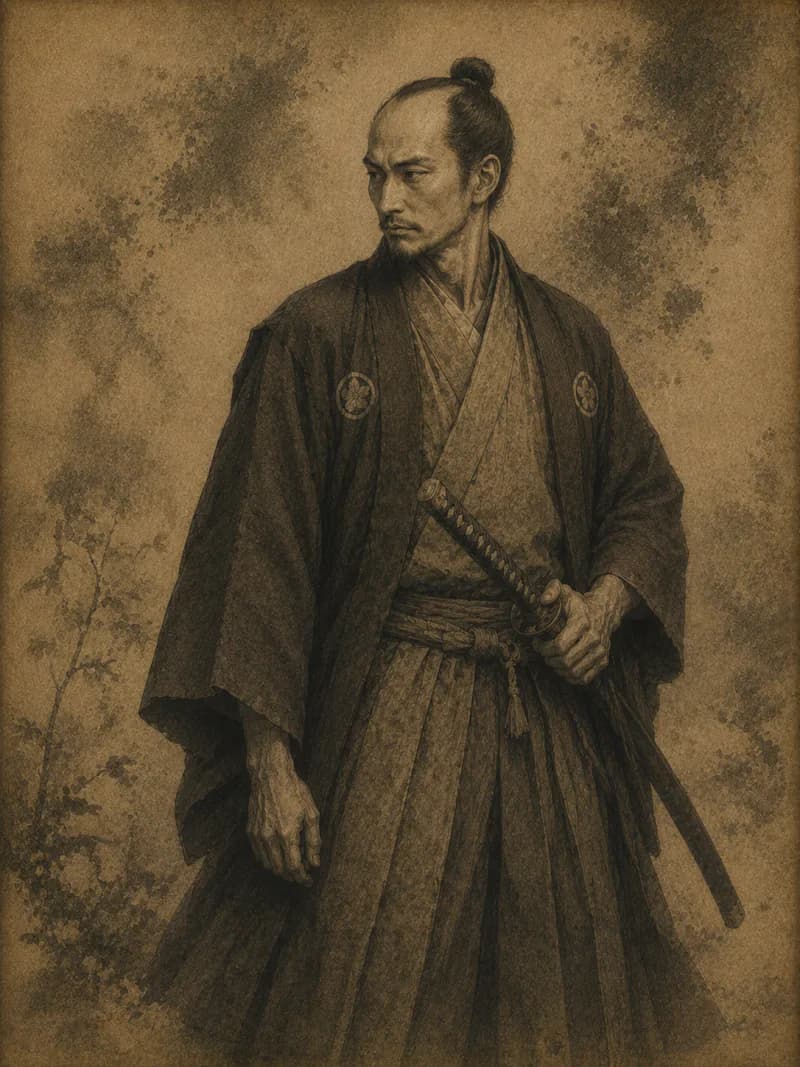
SA-0044 / 1571
Yagyū Munenori
The Yagyū Shinkage-ryū inheritor who turned the sword into the state's official way
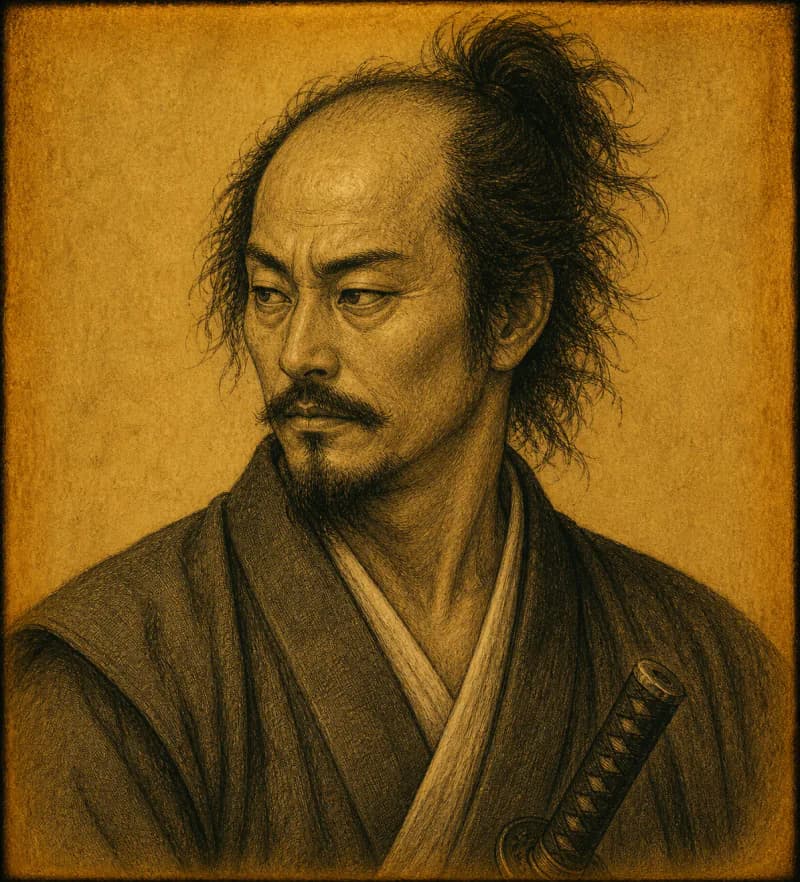
SA-0007 / 1584
Miyamoto Musashi
The undefeated swordsman who wrote The Book of Five Rings
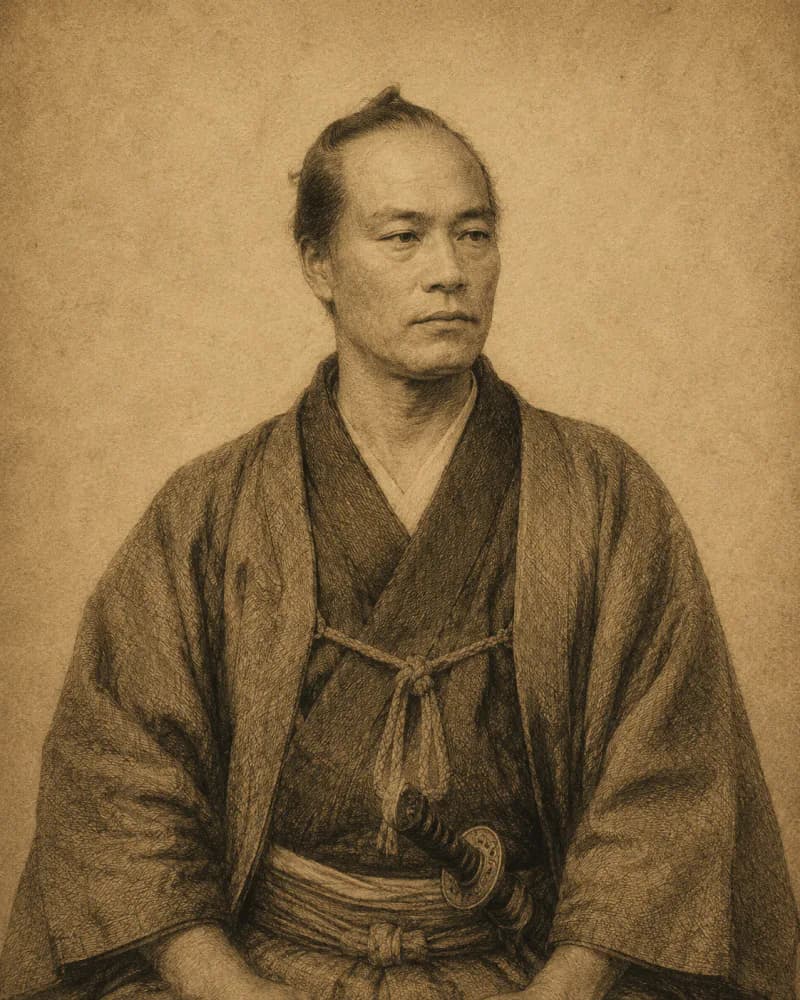
SA-0046 / 1836
Yamaoka Tesshū
One of the 'Three Boats' of the Bakumatsu who opened the road to the bloodless surrender of Edo and founded the Mutō-ryū
REPORTS COVERING THIS ROLE
The Five Rings: Inside Miyamoto Musashi's Philosophy of the Sword
Written in a cave in 1645 by an undefeated swordsman dying at sixty-one, Go Rin no Sho is half manual, half meditation, and entirely strange.
Bushidō in Three Texts: Hagakure, Five Rings, and Shoshinshū
There is no single book of bushidō. There are three books, written in three eras, by three very different men — and they disagree with each other on almost everything.
Benkei's Standing Death: The Origin of Japan's Loyalty Mythos
On a small bridge in northern Honshū in 1189, a warrior monk fought to defend his lord's last retreat. He died on his feet — and the image of his death became, for the next eight centuries, the template for every Japanese story of devotion.
The Woman Who May Not Have Existed: Tomoe Gozen and the Onna-musha Tradition
Tomoe Gozen appears in the Heike Monogatari as the most famous female warrior of the Genpei War. She does not appear in any contemporary record. Whether she existed at all is a question Japanese medieval historians cannot definitively answer — but the tradition she founded is undeniably real.
A Hundred Duels Without a Loss: Why Bokuden Never Lost in His Lifetime
Across sixty-six years from seventeen to eighty-three, the Sengoku sword saint Tsukahara Bokuden is said to have fought nineteen serious duels and several hundred school matches without a single loss. Is the unbeaten legend history, exaggeration, or both?
Mutekatsu-ryū: The Day Bokuden Won Without Drawing His Sword
In old age Tsukahara Bokuden was challenged on a lakeboat by a young swordsman of another school. He proposed they fight on a sandbar. The young man jumped from the boat — and Bokuden ordered the boatman to push off from the shore. 'This is my Mutekatsu-ryū,' he called back. What was the famous anecdote actually saying?
From Kashima to Everywhere: How Bokuden Created the Itinerant-Training Tradition
Tsukahara Bokuden spent most of his life at Kashima Shrine, but in his later years he traveled the provinces training students. The itinerant-training tradition he established laid down the route the later swordsmen — Kamiizumi Nobutsuna, Miyamoto Musashi — would all follow, and became the standard form of Japanese martial-arts training.
Teacher to the Sword-Saint Shogun: How Kamiizumi Trained Ashikaga Yoshiteru
The thirteenth Ashikaga shogun, Yoshiteru, is the figure known as the 'sword-saint shogun.' His sword talent is said to have been transmitted from both Tsukahara Bokuden and Kamiizumi Nobutsuna. When Yoshiteru was killed in the 1565 Matsunaga Hisahide raid, his sword resistance to the end was the embodiment of what Kamiizumi had taught him.
The Shinkage-ryū: How Kamiizumi Developed the Kage-ryū
Around 1560, Kamiizumi Nobutsuna developed the Kage-ryū he had learned from his teacher Aisu Ikōsai into the new Shinkage-ryū. The transformation from Kage to Shinkage is regarded as the largest theoretical leap in Sengoku sword theory. What changed?
Mutōdori: The Day Kamiizumi Took a Sword With Empty Hands
When Kamiizumi Nobutsuna fought Yagyū Munetoshi in Yamato Yagyū, in their third and final match Kamiizumi is said to have taken Munetoshi's blade away with his bare hand. The mutōdori technique is one of the inner teachings of the Shinkage-ryū, transmitted from Kamiizumi forward.
Sword Instructor to the Shogun: How the Yagyū Shinkage-ryū Became State Doctrine
In 1605, Yagyū Munenori became sword instructor to the second Tokugawa shogun Hidetada. The Yagyū Shinkage-ryū inherited from his father Munetoshi became the official sword of the Tokugawa government. The reading of a rare case in which a single school became the official way of a state.
The Heihō Kadensho: How 'The Sword That Gives Life' Was Written
In 1632, Yagyū Munenori completed the family treatise on the sword, the Heihō Kadensho. He distinguished the technique of the sword into 'killing sword' and 'life-giving sword,' and argued that the ultimate sword is the one that gives life. The thought was deepened through exchanges with the Zen monk Takuan Sōhō.