SUBJECT FILE NO. SA-0037
BUSHI ARCHIVE
Takasugi Shinsaku
Takasugi Shinsaku
Chōshū-Domain Samurai and Commander of the Kiheitai
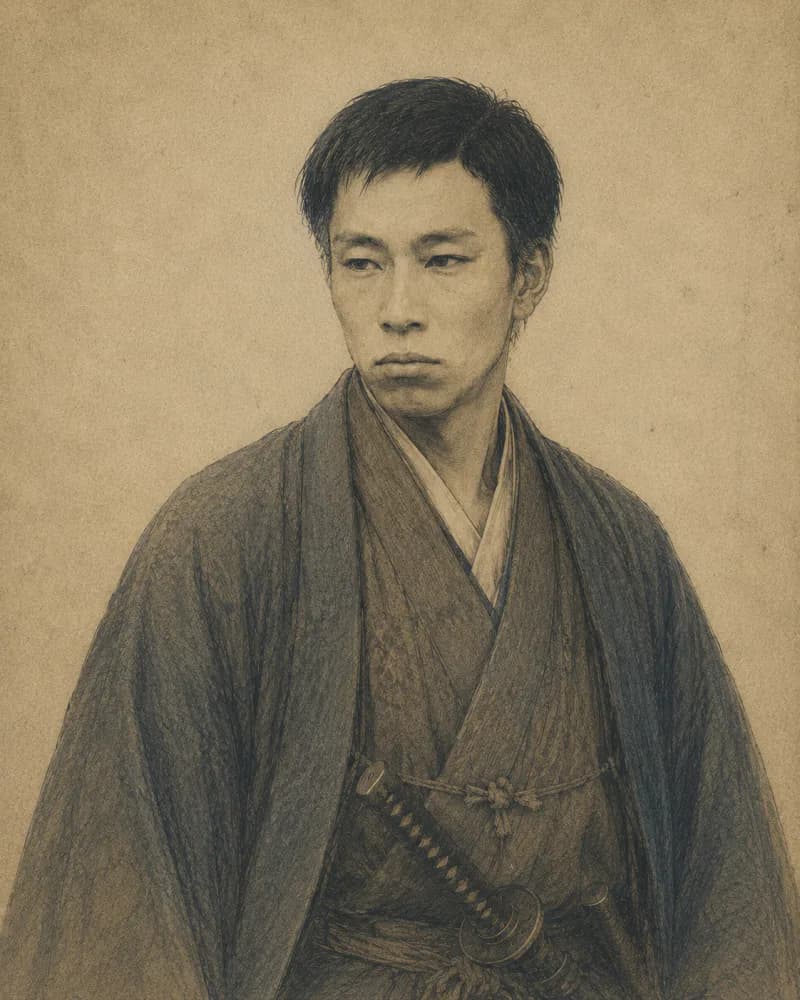
SECTION I -- SUBJECT PROFILE
| Name | Takasugi Shinsaku |
|---|---|
| English | Takasugi Shinsaku |
| Origin | Japan |
| Lifespan | 1839–1867 |
| Gender | Male |
| Century | 19th C. |
| Clan / Role | Samurai |
| Title | Chōshū-Domain Samurai and Commander of the Kiheitai |
SECTION II -- OVERVIEW
Born in 1839 into a Chōshū samurai family at Hagi, Takasugi entered Yoshida Shōin's Shōka Sonjuku in 1857 and became one of its most trusted students.
In 1862 he traveled to Shanghai as part of a bakufu mission, saw the half-colonized state of Qing China firsthand, and returned to Japan convinced of the need to overthrow the Tokugawa.
In 1863 he founded the Kiheitai at Shimonoseki — a mixed-class militia open to peasants and townsmen as well as samurai, the prototype of a modern conscript army in Japan.
When the First Chōshū Expedition (1864) pushed the domain toward surrender, Takasugi raised arms at Kōzanji Temple in Shimonoseki and forced the domain's political line back to anti-bakufu confrontation.
In the Four-Border War of 1866 his forces repulsed the bakufu invasion, effectively ending Tokugawa political authority.
Tuberculosis killed him at Shimonoseki in April 1867, months before the Restoration he had made possible. He was twenty-seven.
SECTION III -- CHRONOLOGY
SECTION IV -- NOTABLE STATEMENTS
“What is a world without joy? Make it joyful, then.”
SECTION V -- FIELD NOTES
[A]The Kōzanji Coup
In December 1864, after the First Chōshū Expedition, the conservative faction had captured the Chōshū government and pushed it toward submission to the bakufu.
At Kōzanji Temple in Shimonoseki, Takasugi and a tiny group of allies including Itō Hirobumi raised arms with only about eighty men, executed an internal coup, and within three months had returned the domain to its anti-bakufu line.
The moment is generally regarded as one of the decisive turns of the late Bakumatsu.
SECTION VI -- LEGACY & IMPACT
Despite his death at twenty-seven, Takasugi left three legacies that decided the direction of the Meiji Restoration. The Kiheitai's class-blind organizational model prefigured the conscription system of the new Meiji army.
The Kōzanji coup fixed Chōshū as the institutional driver of the anti-bakufu coalition. And the Four-Border War proved that the Tokugawa state could be beaten in the field by a single domain.
His death poem — 'What is a world without joy? Make it joyful, then' — continues to be quoted as the verbal portrait of how he lived.
SECTION VII -- MAJOR DEEDS
- [01]Founding of the Kiheitai (1863)
- [02]Kōzanji Coup (1864)
- [03]Four-Border War (1866)
- [04]Shanghai travelogue
- [05]Death poem
SECTION VIII -- REFERENCE MATERIALS
PRIMARY SOURCES & ARCHIVES
- PRIMARY
Takasugi Shinsaku Documents
Held by the Yamaguchi Prefectural Archives
Autograph correspondence and Chōshū-related papers
- SCHOLARSHIP
Takasugi Shinsaku
Ichisaka Tarō / Bunshun Shinsho
Leading-scholar biography of late-Bakumatsu Chōshū
- ARCHIVE
Tōgyōan
Shimonoseki, Yamaguchi Prefecture
Takasugi's mortuary temple; principal archive of related materials
Visit archive →
RECOMMENDED READING
SECTION X -- RELATED REPORTS
SA-RPT
Shōka Sonjuku: The Two-and-a-Half-Year School That Made the Meiji Restoration
Yoshida Shōin ran the Shōka Sonjuku for only two and a half years, from 1857 to 1858. In that time the school produced almost the entire operational leadership of the Meiji Restoration — Takasugi, Kusaka, Itō Hirobumi, Yamagata. A small private academy that bent the course of Japanese history.
SA-RPT
The Kiheitai: How a Mixed-Class Militia Beat the Tokugawa Army
The Kiheitai that Takasugi Shinsaku founded at Shimonoseki in 1863 was the direct prototype of a modern conscript army in Japan — a militia open to peasants and townsmen as well as samurai. Three years later, in the Four-Border War, this class-blind force repulsed the regular army of the bakufu.
SA-RPT
The Kōzanji Coup: How Eighty Men Turned a Domain to Rebellion in One Night
In December 1864 the Chōshū domain had submitted to the First Chōshū Expedition and was on the road to surrender. At Kōzanji Temple in Shimonoseki, Takasugi Shinsaku raised arms with eighty-odd men and, within three months, recaptured the domain government and put Chōshū back at the head of the anti-bakufu coalition. The night that fixed the direction of the Meiji Restoration.
SA-RPT
Twenty-Seven Years: What the Restoration Owed Takasugi, Even After His Early Death
On April 14, 1867, Takasugi Shinsaku died at Shimonoseki. He was twenty-seven. He missed the arrival of the Meiji Restoration by about ten months. The legacy of a revolutionary who died early — and what the history that followed his death made of it.
SECTION IX -- LINKED SUBJECTS
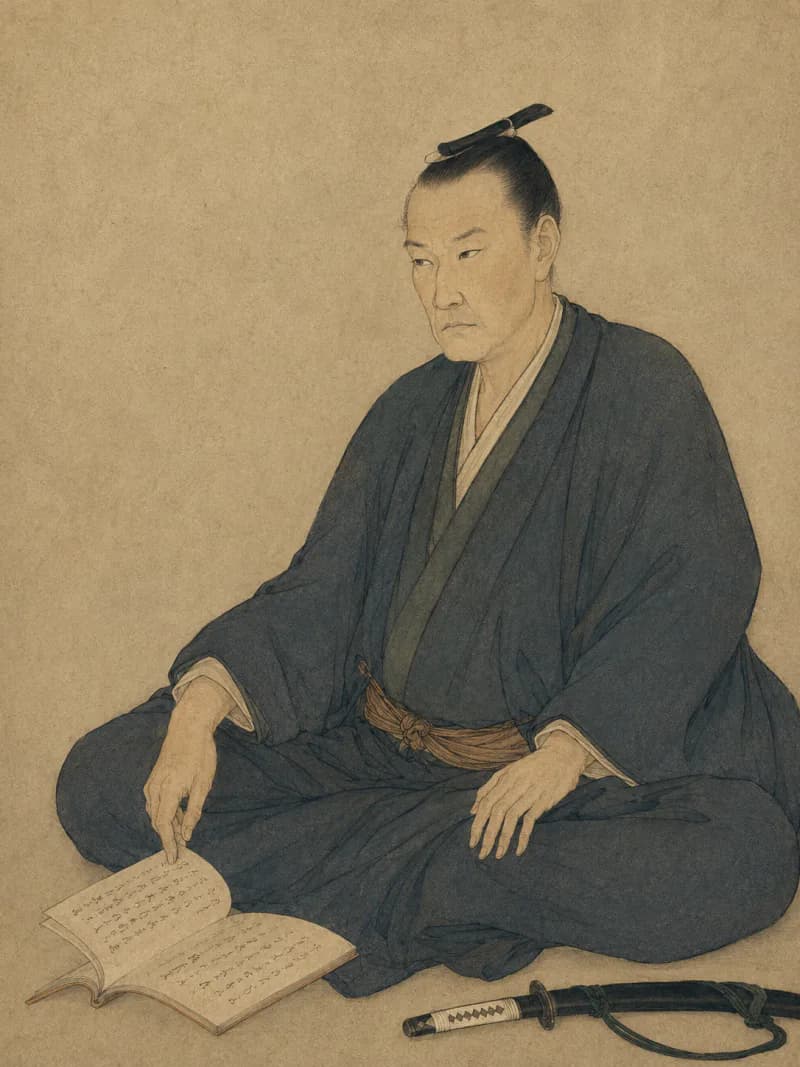
SA-0036 / JPN
Yoshida Shōin
The Shōka Sonjuku teacher whose two-and-a-half-year school drove the Meiji Restoration
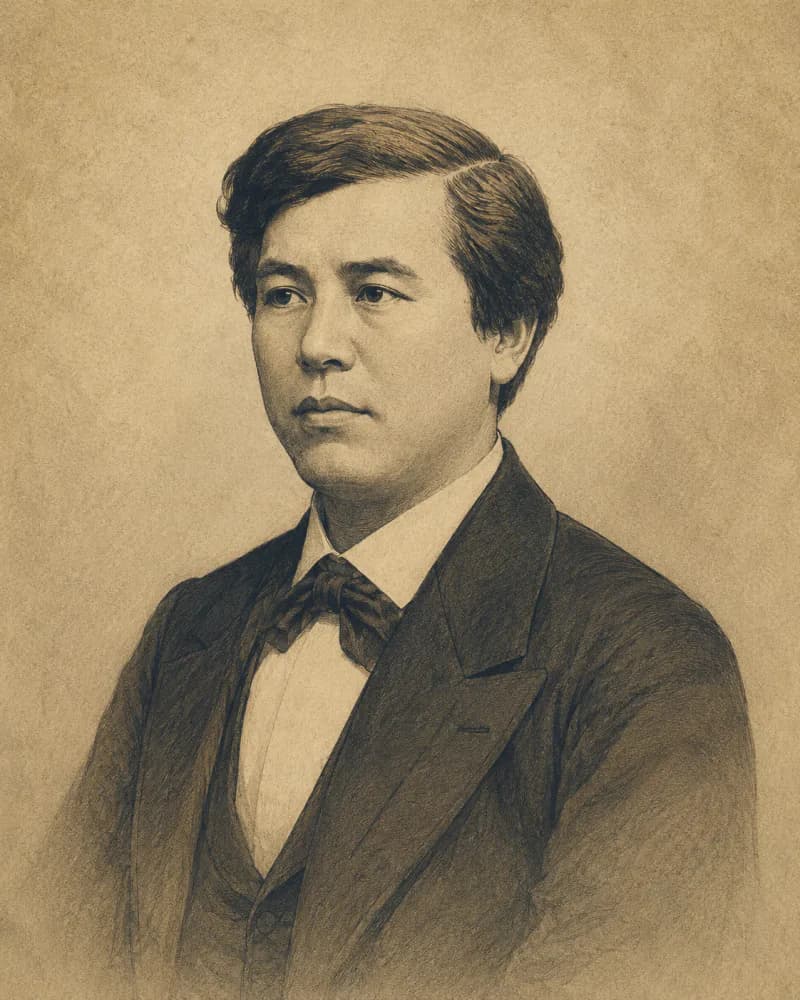
SA-0038 / JPN
Kido Takayoshi
The Chōshū statesman behind the Satsuma-Chōshū Alliance and the Five Charter Oath
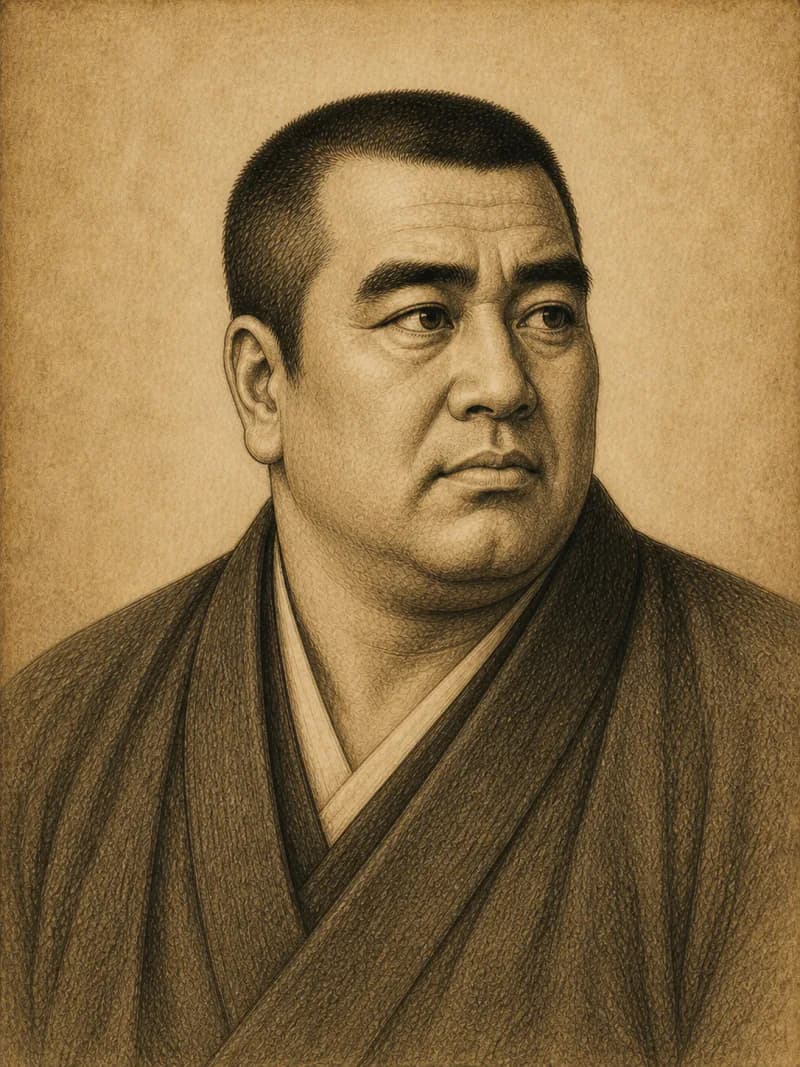
SA-0021 / JPN
Saigō Takamori
The architect of the Meiji Restoration who died fighting against the Meiji government he had built
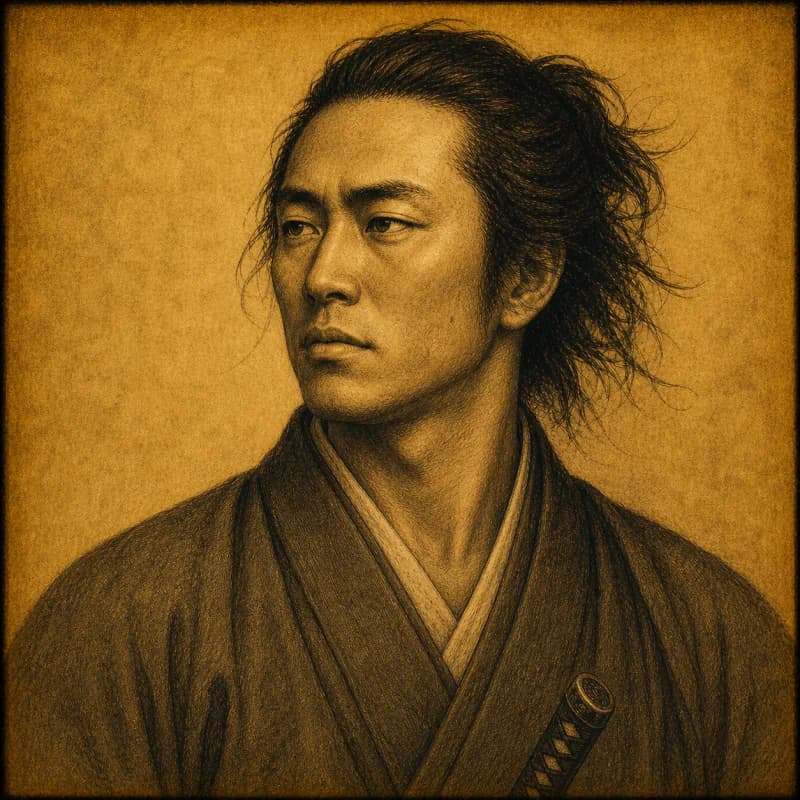
SA-0008 / JPN
Sakamoto Ryōma
The low-rank samurai who engineered the fall of the shogunate
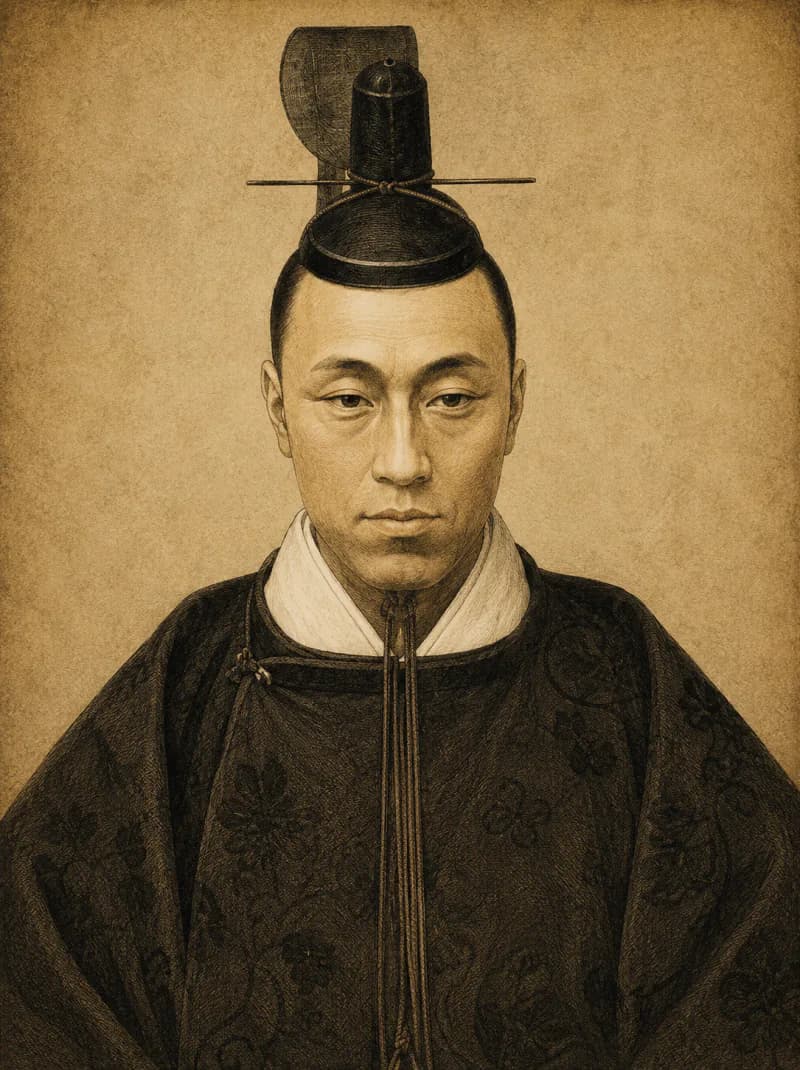
SA-0022 / JPN
Tokugawa Yoshinobu
The last shogun who chose to surrender power rather than fight a civil war he believed Japan could not afford
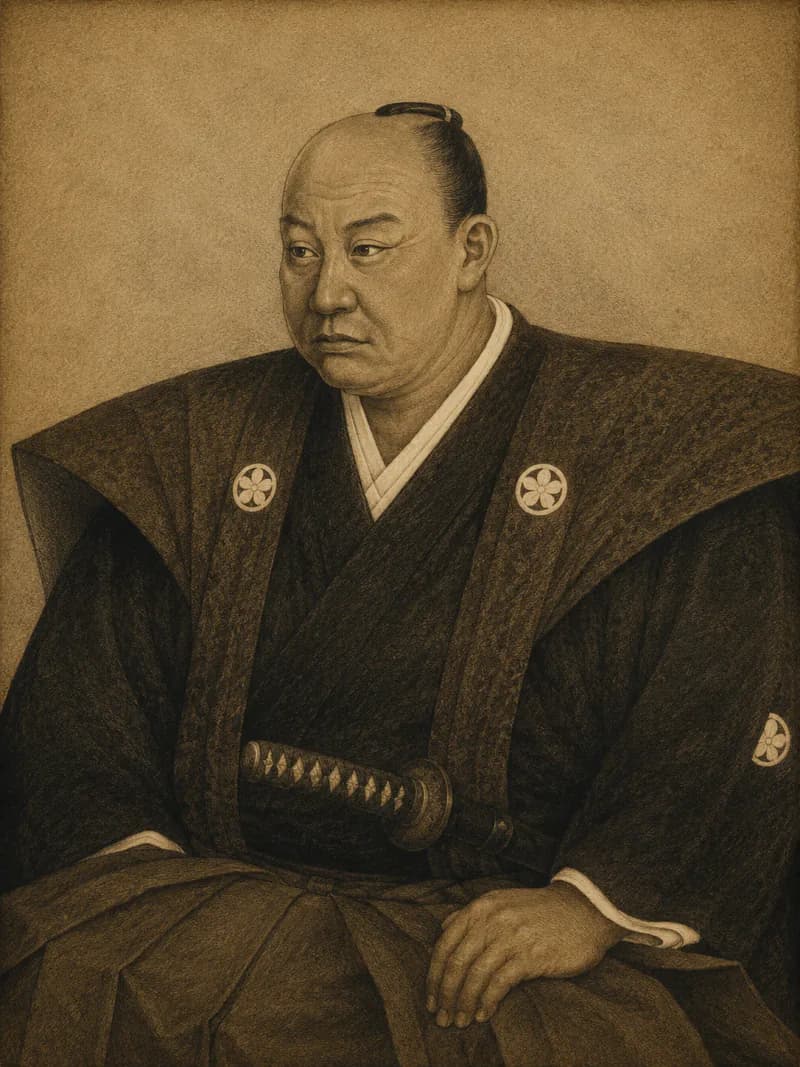
SA-0027 / JPN
Ii Naosuke
The Tairō who signed the unequal treaties — and was assassinated for it at the gates of Edo Castle
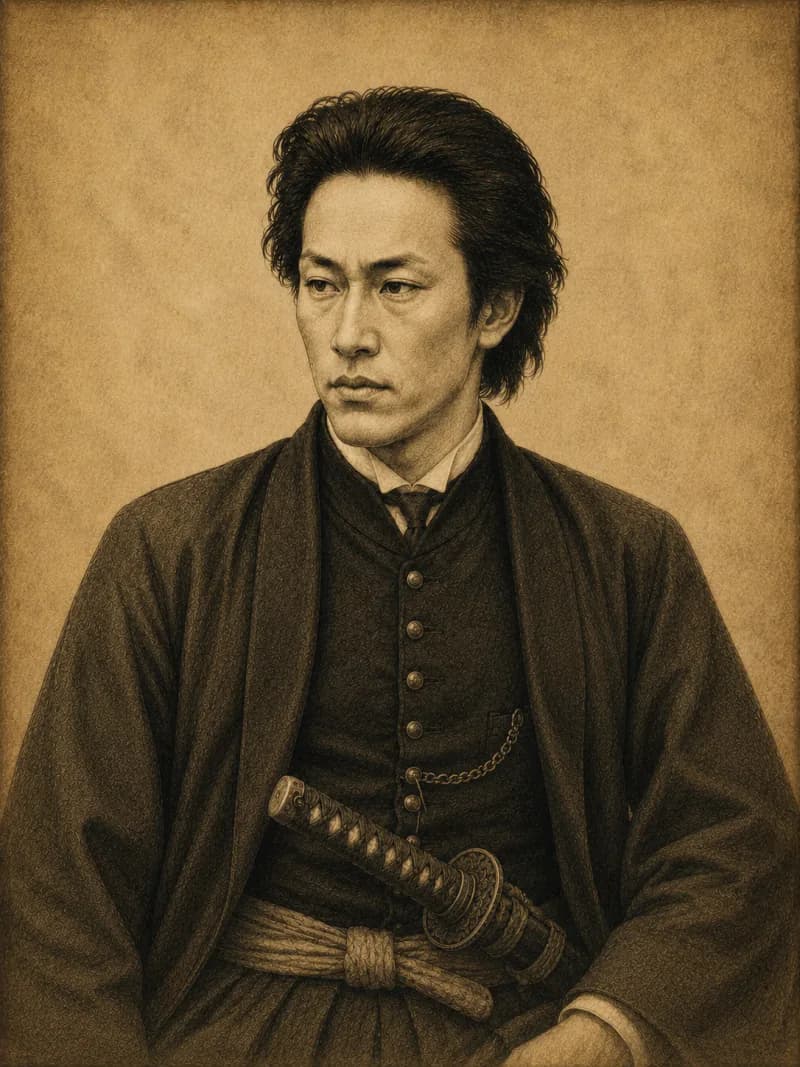
SA-0031 / JPN
Hijikata Toshizō
Vice-commander of the Shinsengumi who fought the shogunate's losing war to its very last day
SA-0035 / JPN
Okita Sōji
First-captain of the Shinsengumi — and the tubercular swordsman who never fought the Boshin War