SUBJECT FILE NO. SA-0038
BUSHI ARCHIVE
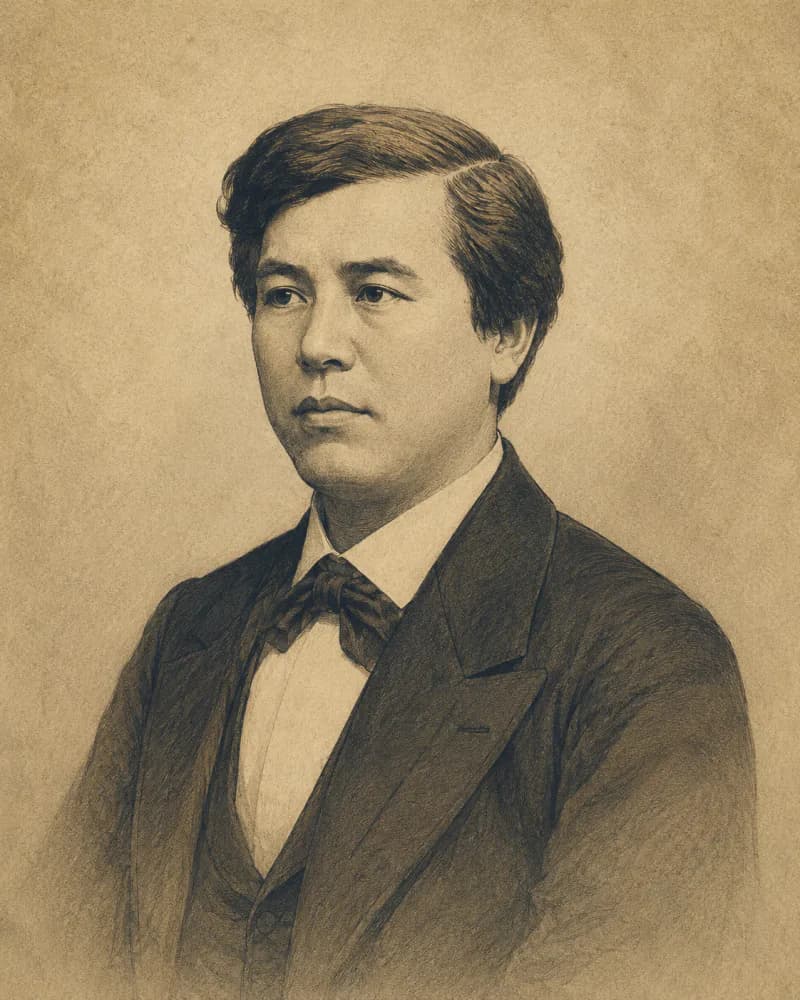
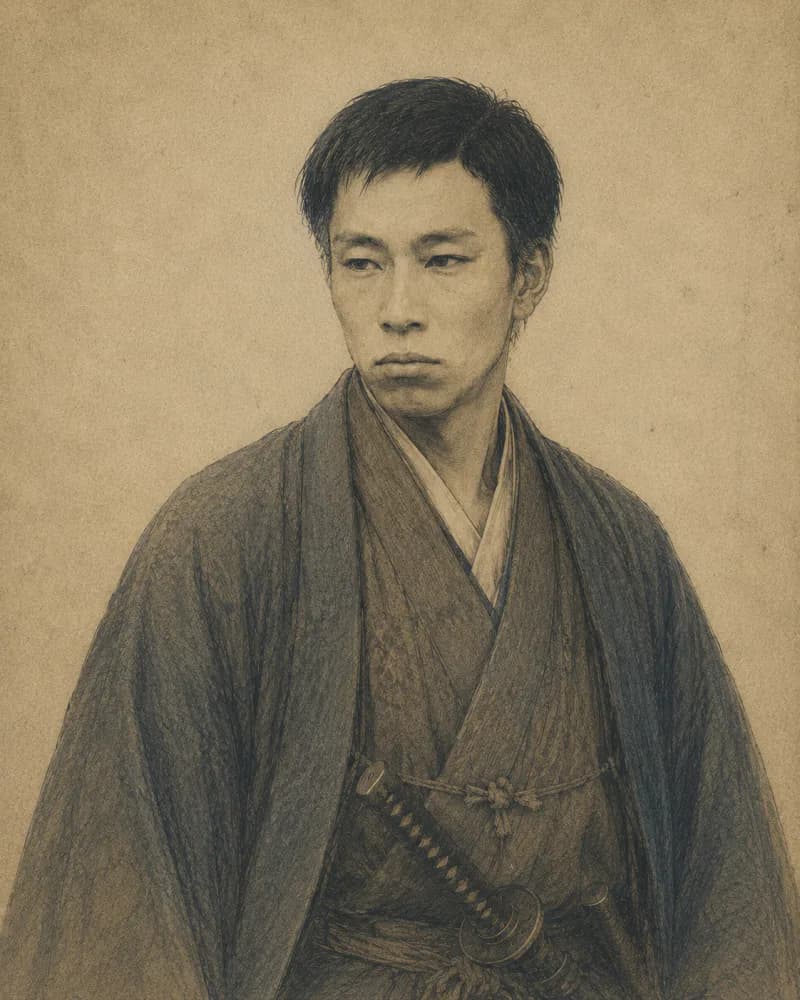
Kido Takayoshi
Kido Takayoshi
Chōshū-Domain Samurai and Meiji Government Sangi
SECTION I -- SUBJECT PROFILE
| Name | Kido Takayoshi |
|---|---|
| English | Kido Takayoshi |
| Origin | Japan |
| Lifespan | 1833–1877 |
| Gender | Male |
| Century | 19th C. |
| Clan / Role | Samurai |
| Title | Chōshū-Domain Samurai and Meiji Government Sangi |
SECTION II -- OVERVIEW
Born in 1833 to the Wada family of Chōshū domain physicians at Hagi and adopted into the Katsura house, Kido — known as Katsura Kogorō before the Restoration — trained at Saitō Yakurō's Edo dōjō in the Shintō Munen-ryū school of swordsmanship and rose to be the dōjō's head student.
Although not himself a Shōka Sonjuku student, he was close to Yoshida Shōin and was elevated into the senior political circles of the Chōshū domain.
He narrowly escaped the Shinsengumi raid at the Ikedaya in 1864, and in 1866, with Sakamoto Ryōma as broker, concluded the Satsuma-Chōshū Alliance with Saigō Takamori — the political compact that made the toppling of the bakufu possible.
After the Restoration he took the name Kido Takayoshi, drafted the Five Charter Oath, and became the central figure in the abolition of feudal registers, the abolition of the domains, and the land-tax reform.
He joined the Iwakura Mission to Europe and America in 1871–1873 and, on his return, opposed Saigō's plan to invade Korea.
He died of illness in 1877, the first of the three great Restoration figures (Saigō, Ōkubo, Kido) to die.
SECTION III -- CHRONOLOGY
SECTION IV -- NOTABLE STATEMENTS
“He who would accomplish great things must begin with small ones.”
SECTION V -- FIELD NOTES
[A]Escape from the Ikedaya
On the night of the Ikedaya Incident on July 8, 1864, Katsura Kogorō had been scheduled to attend the meeting but arrived early, stepped out to the Tsushima domain residence, and was returning when the Shinsengumi raid began.
The escape was historical accident, but it was the survival that made the Satsuma-Chōshū Alliance two years later possible — and through it, the Meiji Restoration itself.
SECTION VI -- LEGACY & IMPACT
Together with Saigō Takamori and Ōkubo Toshimichi, Kido is one of the Sangi of the Restoration — and the central figure in the institutional design of the early Meiji state.
The Five Charter Oath, the abolition of feudal registers, the abolition of the domains, the land-tax reform — almost every structural pillar of modern Japan was either drafted or significantly shaped by him.
As the Chōshū-side principal of the Satsuma-Chōshū Alliance, he ranks with Ryōma and Saigō among the principal protagonists of late-Bakumatsu politics; the combination of swordsman, thinker, politician, and administrator in a single life is unusual in nineteenth-century Japan.
SECTION VII -- MAJOR DEEDS
- [01]Satsuma-Chōshū Alliance (1866)
- [02]Drafting of the Five Charter Oath (1868)
- [03]Abolition of feudal registers and of the domains (1869–1871)
- [04]Iwakura Mission (1871–1873)
- [05]Institutional design of early Meiji Japan
SECTION VIII -- REFERENCE MATERIALS
PRIMARY SOURCES & ARCHIVES
- PRIMARY
Kido Takayoshi Diary
Kido Takayoshi
Personal diary of the late-Bakumatsu and early-Meiji political process
- SCHOLARSHIP
Kido Takayoshi
Sasaki Suguru / Chūkō Shinsho
Standard biography by a leading Bakumatsu / Meiji historian
- ARCHIVE
Yamaguchi Prefectural Archives — Kido Takayoshi Papers
Yamaguchi Prefecture
Holds Kido's autograph correspondence and related materials
Visit archive →
RECOMMENDED READING
SECTION X -- RELATED REPORTS
SA-RPT
From the Practice Hall to the Cabinet: The Two Lives of Katsura Kogorō
Katsura Kogorō (later Kido Takayoshi) was a swordsman skilled enough to be made head student of Edo's Renpeikan dōjō. The same man, in his thirties, concluded the Satsuma-Chōshū Alliance; in his forties, he designed the institutions of the new Meiji state. Two lives in one career, an unusual arc among the Restoration leadership.
SA-RPT
Inside the Satsuma-Chōshū Alliance: What Kido Saw From the Chōshū Side
In January 1866, Satsuma and Chōshū concluded an alliance in Kyoto. The compact made the toppling of the bakufu possible. The Chōshū-side principal was Katsura Kogorō — the future Kido Takayoshi. Behind the celebrated role of Ryōma the broker lies the reality of the negotiation as the principal himself experienced it.
SA-RPT
The Five Charter Oath: The Night Kido Drafted the Constitutional Spine of Modern Japan
On April 6, 1868, in the Shishinden of the Kyoto Imperial Palace, the Meiji Emperor promulgated the Five Charter Oath. The five articles — beginning with 'Deliberative assemblies shall be widely established and all matters decided by public discussion' — became the institutional starting point of modern Japan. The original drafters were Kido Takayoshi and Yuri Kimimasa.
SECTION IX -- LINKED SUBJECTS
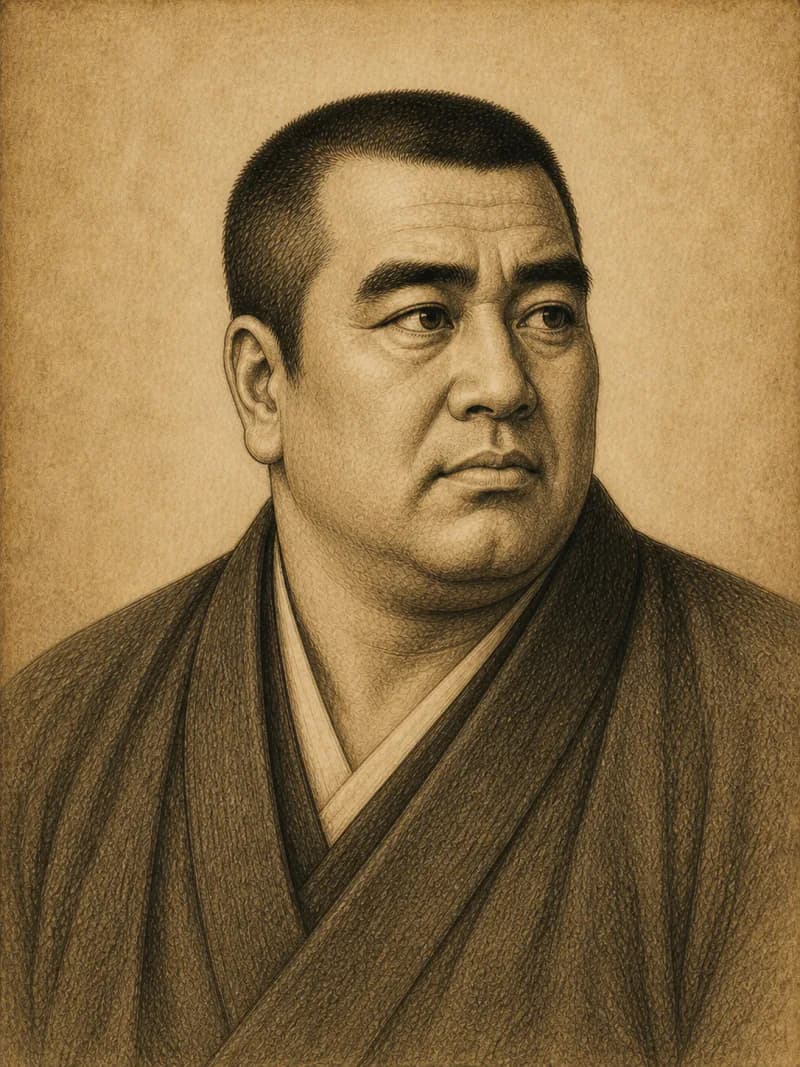
SA-0021 / JPN
Saigō Takamori
The architect of the Meiji Restoration who died fighting against the Meiji government he had built
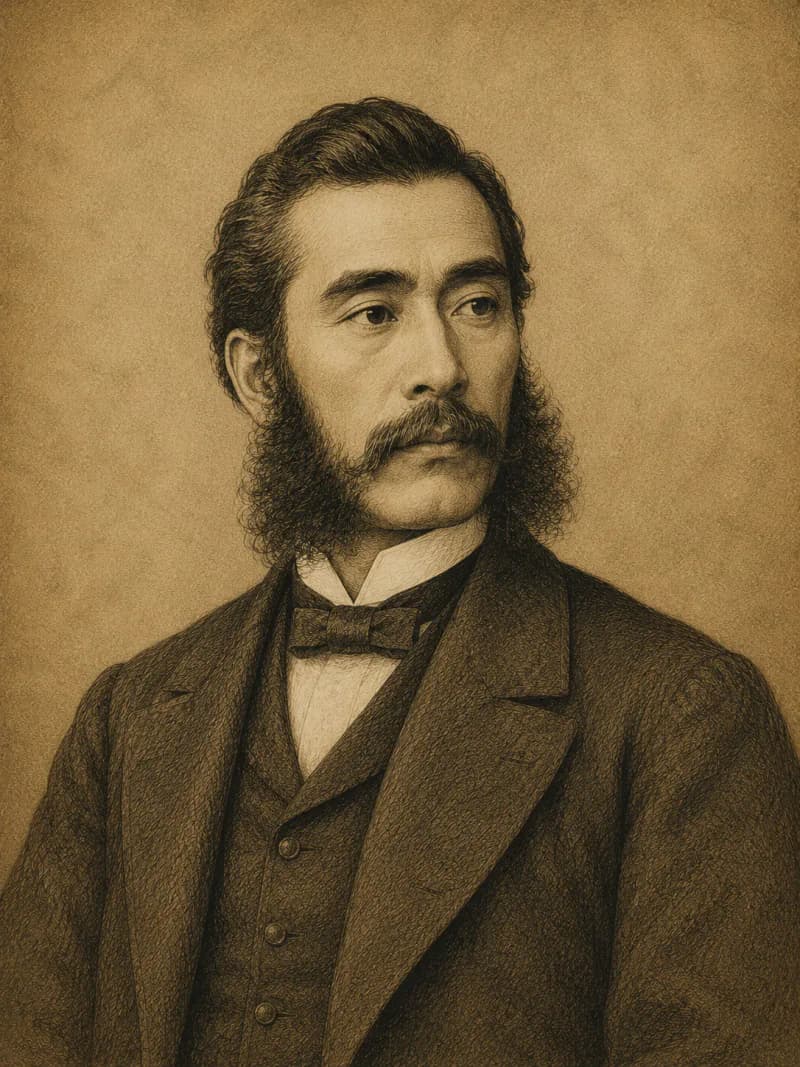
SA-0026 / JPN
Ōkubo Toshimichi
The architect of the Meiji state who outmaneuvered Saigō and was assassinated nine months later
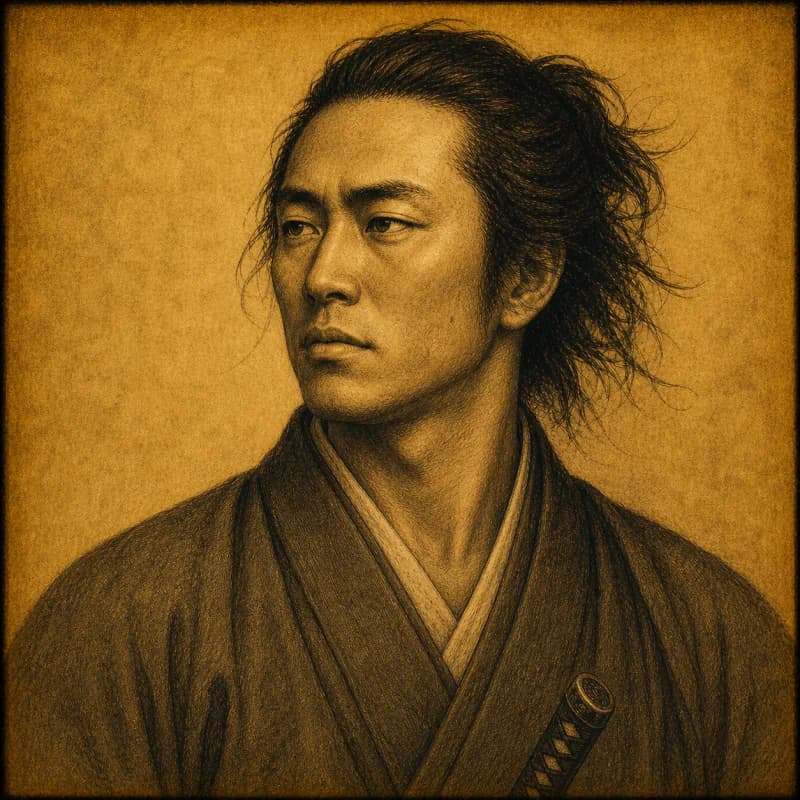
SA-0008 / JPN
Sakamoto Ryōma
The low-rank samurai who engineered the fall of the shogunate
SA-0037 / JPN
Takasugi Shinsaku
The Shōka Sonjuku graduate whose Kiheitai militia and Kōzanji coup drove Chōshū to topple the bakufu