SUBJECT FILE NO. SA-0064
BUSHI ARCHIVE
Fukushima Masanori
Fukushima Masanori
First lord of Aki-Hiroshima domain at 498,000 koku; later Shinano Takaino at 45,000 koku
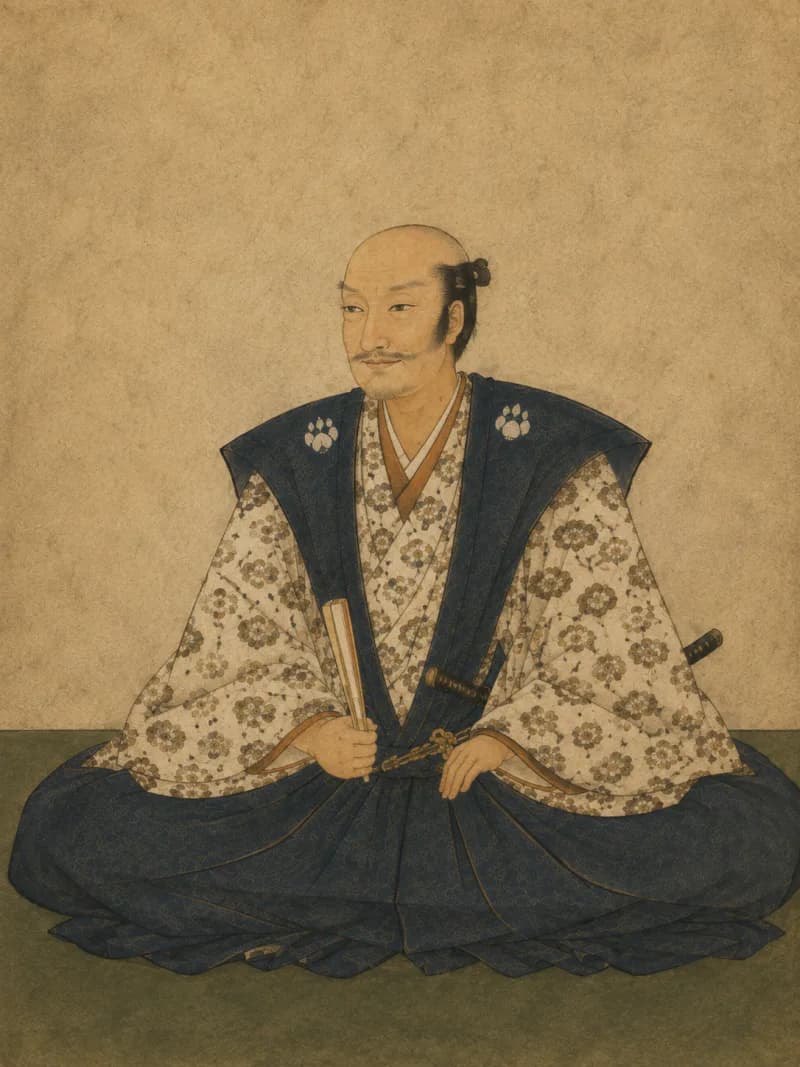
SECTION I -- SUBJECT PROFILE
| Name | Fukushima Masanori |
|---|---|
| English | Fukushima Masanori |
| Origin | Japan |
| Lifespan | 1561–1624 |
| Gender | Male |
| Century | 16th C. |
| Clan / Role | Daimyo |
| Title | First lord of Aki-Hiroshima domain at 498,000 koku; later Shinano Takaino at 45,000 koku |
SECTION II -- OVERVIEW
Born in 1561 (Eiroku 4) at Futatsudera Village in Kaitō District, Owari Province (the modern Ama City, Aichi Prefecture) as the son of a barrel-maker.
Because his mother was a cousin of Hideyoshi's mother Ōmandokoro, he served Hashiba Hideyoshi from his youth. At the Battle of Shizugatake in 1583 (Tenshō 11), together with Katō Kiyomasa (this site's id 18) and six others, he achieved the feat of first-spear and was counted at the head of the 'Seven Spears of Shizugatake.
' From then on he took part in nearly all of Hideyoshi's major campaigns. In 1585 he was given Iyo Imabari at 110,000 koku, and in 1595 Owari Kiyosu at 200,000 koku.
At the Battle of Sekigahara in 1600 (Keichō 5), he sided with the Eastern Army under Tokugawa Ieyasu and played a decisive role in the preemptive attack on the Western Army.
His fierce personal antagonism with Ishida Mitsunari created the current that drew many Toyotomi-loyal daimyō to the Eastern Army.
After the battle, he was transferred by Ieyasu to Aki-Hiroshima at 498,000 koku. But in 1619 (Genna 5), on the grounds of repairing Hiroshima Castle without the shogunate's permission, he was stripped of his fief by the bakufu and transferred to Shinano Province Takaino at 45,000 koku.
It became the representative case of the forfeiture of a Toyotomi-loyal daimyō in the Edo period. He died at Takaino in 1624 (Kan'ei 1).
He was sixty-four.
SECTION III -- CHRONOLOGY
SECTION IV -- NOTABLE STATEMENTS
“The Taikō's favor shall not be forgotten. But the times have changed.”
SECTION V -- FIELD NOTES
[A]The Man Who Struck Down Mitsunari at Sekigahara
Masanori's role in the Battle of Sekigahara does not end with being simply the vanguard of the Eastern Army.
His fierce personal antagonism with Ishida Mitsunari became the political engine that drew many Toyotomi-loyal daimyō into the Eastern Army.
In 1599, when Mitsunari was driven into disgrace by Tokugawa Ieyasu, the Seven-Generals Attack on Mitsunari led by Katō Kiyomasa, Kuroda Nagamasa, Asano Yukinaga, and others occurred.
Masanori was at the core of these seven generals. At the pitched battle at Sekigahara the following year, as vanguard of the Eastern Army he attacked the Western Army's central corps first and led the situation to Eastern Army advantage.
The structure by which Ieyasu's seizure of the realm was accomplished by having Toyotomi-loyal warriors defeat the Toyotomi's senior retainer Mitsunari could not have stood without Masanori's hostility toward Mitsunari.
SECTION VI -- LEGACY & IMPACT
Masanori's life symbolizes the process by which Hideyoshi-raised warriors were culled with the arrival of the Tokugawa regime.
The glory that began with his youthful feat at Shizugatake in 1583 ended with the forfeiture at Hiroshima in 1619. The Tokugawa bakufu's judgment to forfeit a 500,000-koku-class Toyotomi-loyal daimyō in peacetime, in the period of peace after the Ōsaka Campaigns, became a precedent for the control of tozama daimyō thereafter.
The reason for the Hiroshima Castle stonework repair was the formal violation of the Buke Shohatto (Laws for the Military Houses), but is substantially evaluated as part of the policy of reducing and forfeiting Toyotomi-loyal daimyō.
The lonely death at Takaino in 1624, together with the ends of same-generation Toyotomi-loyal warriors — Kiyomasa (illness 1611), Kuroda Nagamasa (illness 1623) — marked one juncture in the end of the Sengoku and the consolidation of Tokugawa rule.
Remains of Masanori survive in the main bailey of Hiroshima Castle, and Masanori's grave still exists in Takayama Village (former Takaino), Nagano Prefecture.
SECTION VII -- MAJOR DEEDS
- [01]Seven Spears of Shizugatake (1583)
- [02]Successive lord of Iyo Imabari, Owari Kiyosu, and Aki-Hiroshima domains
- [03]Vanguard of the Eastern Army at Sekigahara (1600)
- [04]Renovation and repair of Hiroshima Castle (cause of fief forfeiture)
- [05]Representative case of transition from Toyotomi-loyal warrior to daimyō under Tokugawa rule
SECTION VIII -- REFERENCE MATERIALS
PRIMARY SOURCES & ARCHIVES
- PRIMARY
Fukushima Taifu-dono Gyoji
Compiled in the Edo period
Fukushima-family record transmitting Masanori's life
- SCHOLARSHIP
Fukushima Masanori
Fukuo Takeichirō / Yoshikawa Kōbunkan (Jinbutsu Sōsho)
Standard modern biography of Masanori
- ARCHIVE
Hiroshima Castle
Naka Ward, Hiroshima City, Hiroshima Prefecture
Castle renovated by Masanori; lays the foundation of the modern Hiroshima Castle
Visit archive →
RECOMMENDED READING
SECTION X -- RELATED REPORTS
SA-RPT
The Seven Spears of Shizugatake: In 1583, the Twenty-Two-Year-Old Masanori Made His Name
On April 21, 1583, at Shizugatake. The young Fukushima Masanori, together with Katō Kiyomasa, Wakisaka Yasuharu, and five others, achieved the feat of first-spear and established his position as a Hideyoshi-raised warrior. Tracing the birth of the 'Seven Spears.'
SA-RPT
The Eastern Army Vanguard at Sekigahara: Why Masanori, a Toyotomi-Loyal Warrior, Sided with Ieyasu
On October 21, 1600, at Sekigahara. The Toyotomi-loyal warrior Fukushima Masanori, as the vanguard of the Eastern Army under Tokugawa Ieyasu, attacked the Toyotomi's senior retainer Ishida Mitsunari first of all. Within this structure, the end of the Toyotomi regime was already embedded.
SA-RPT
The Hiroshima Castle Forfeit: In 1619, Why Was the Greatest Toyotomi-Loyal Daimyō Struck Down?
In June 1619, the bakufu forfeited Fukushima Masanori from Hiroshima at 490,000 koku to Shinano Takaino at 45,000 koku. The reason was the unauthorized repair of Hiroshima Castle. But the essence was the culling of Toyotomi-loyal daimyō in the peacetime after the Ōsaka Campaigns.
SECTION IX -- LINKED SUBJECTS
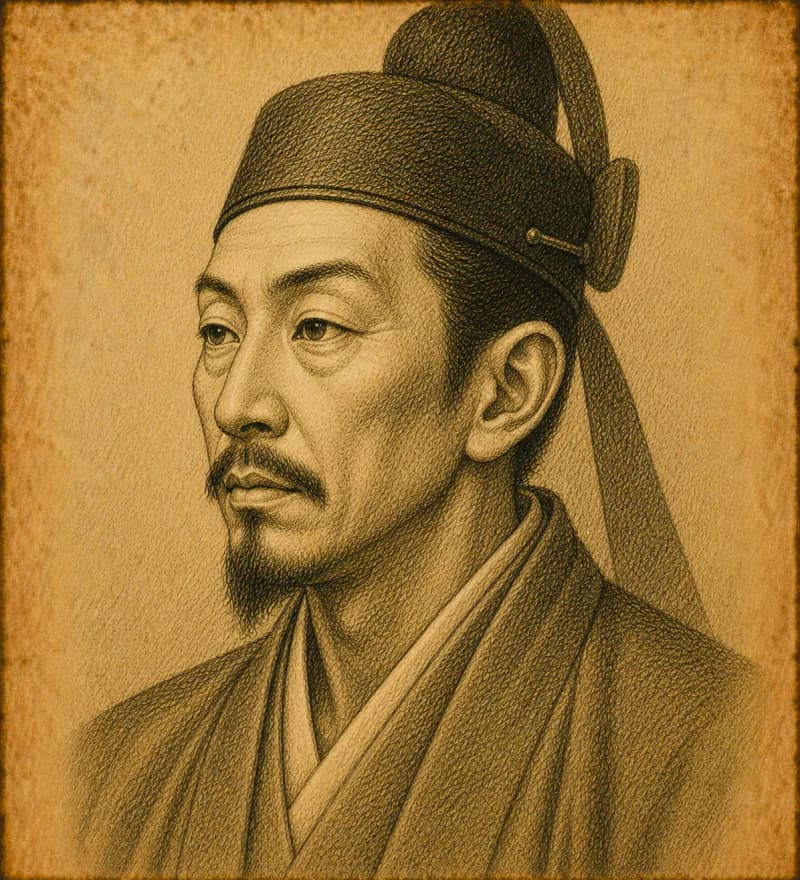
SA-0002 / JPN
Toyotomi Hideyoshi
The peasant who rose to rule all Japan
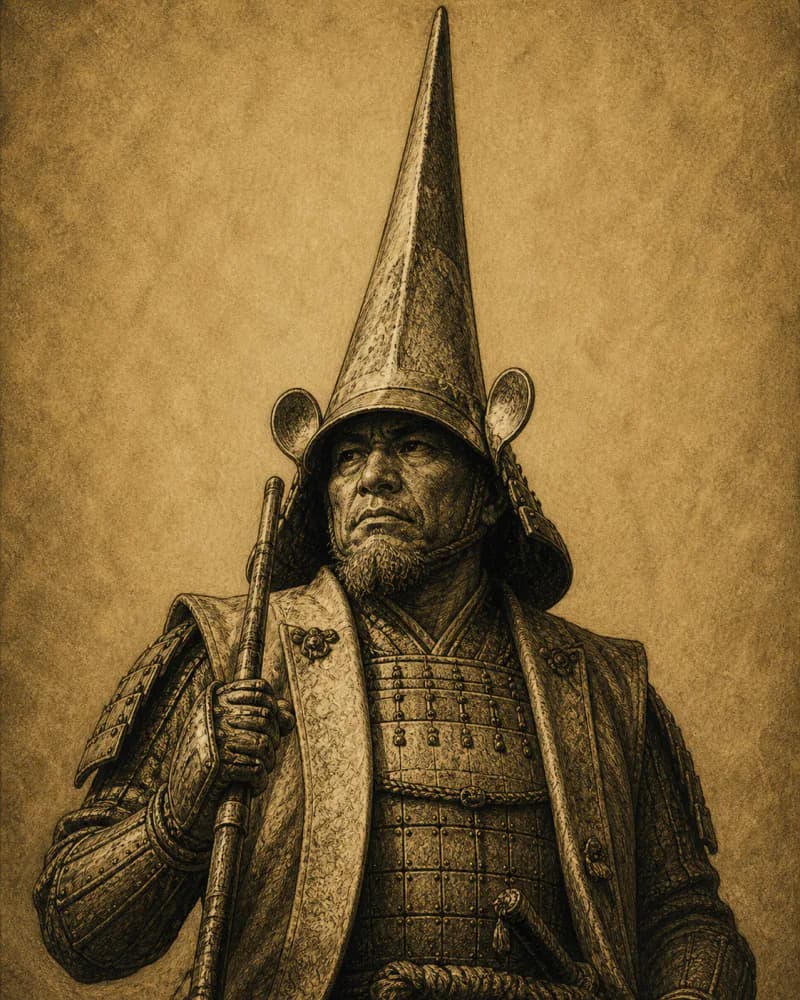
SA-0018 / JPN
Katō Kiyomasa
The seven-spears warrior who built the castle that survived four hundred years
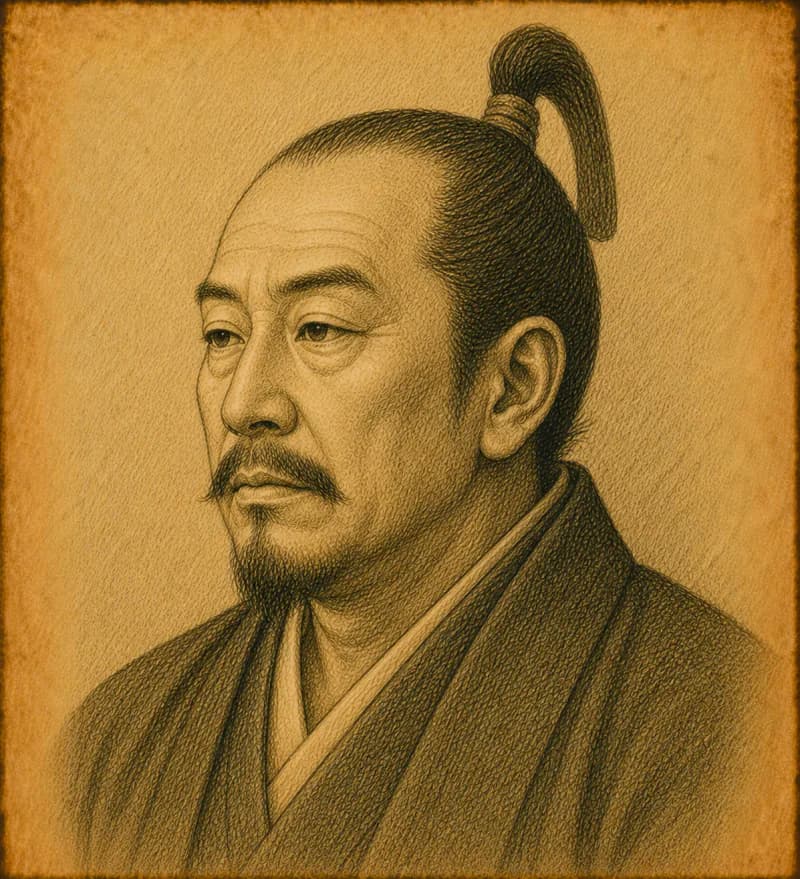
SA-0003 / JPN
Tokugawa Ieyasu
The patient warlord whose dynasty ruled Japan for 250 years
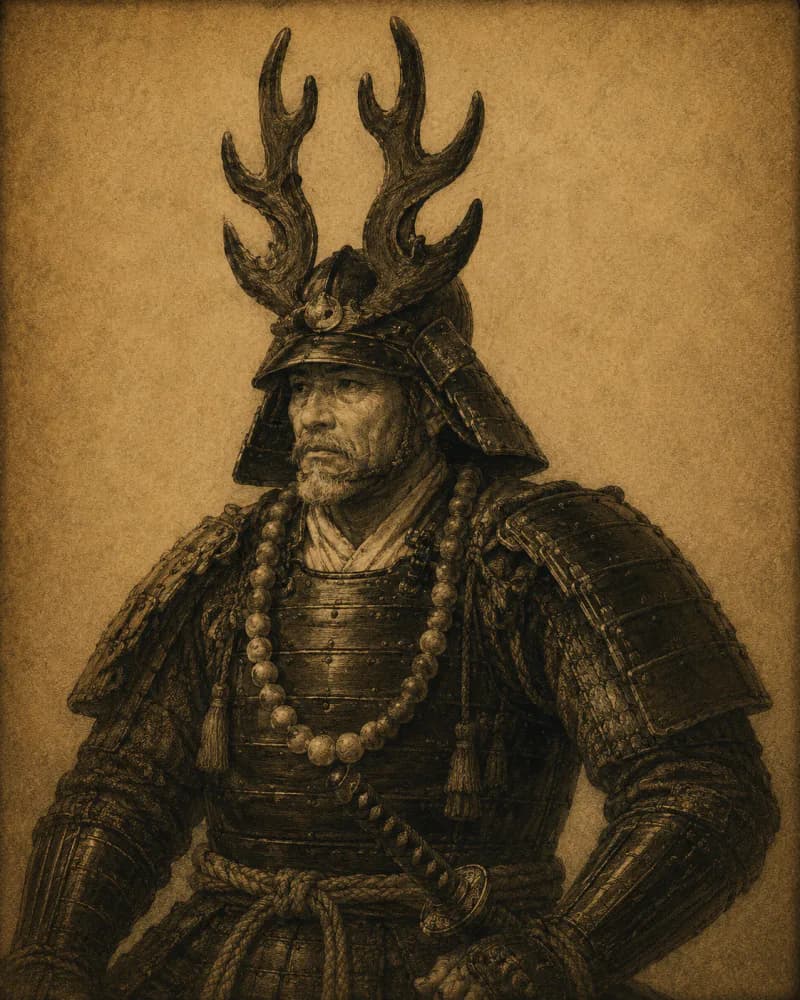
SA-0049 / JPN
Honda Tadakatsu
The spear master of the Tokugawa Four Heavenly Kings, said to have come through fifty-seven battles without a wound
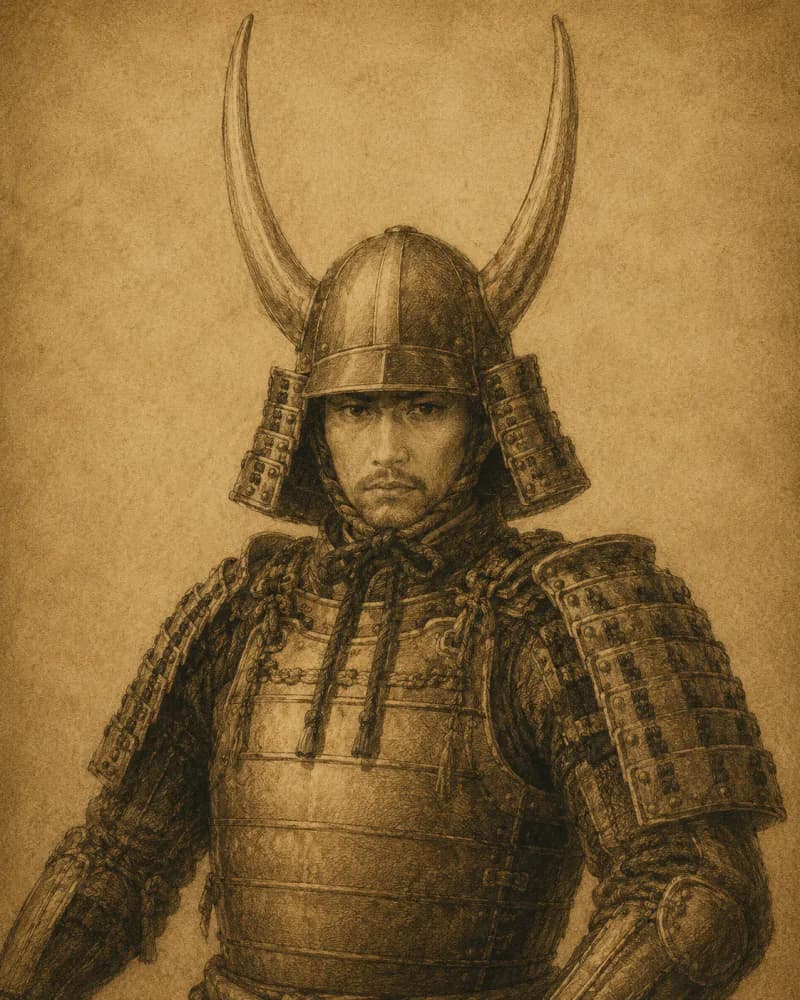
SA-0048 / JPN
Ii Naomasa
The youngest of the Tokugawa Four Heavenly Kings, commander of the 'Ii Red Devils' and founder of the Hikone domain
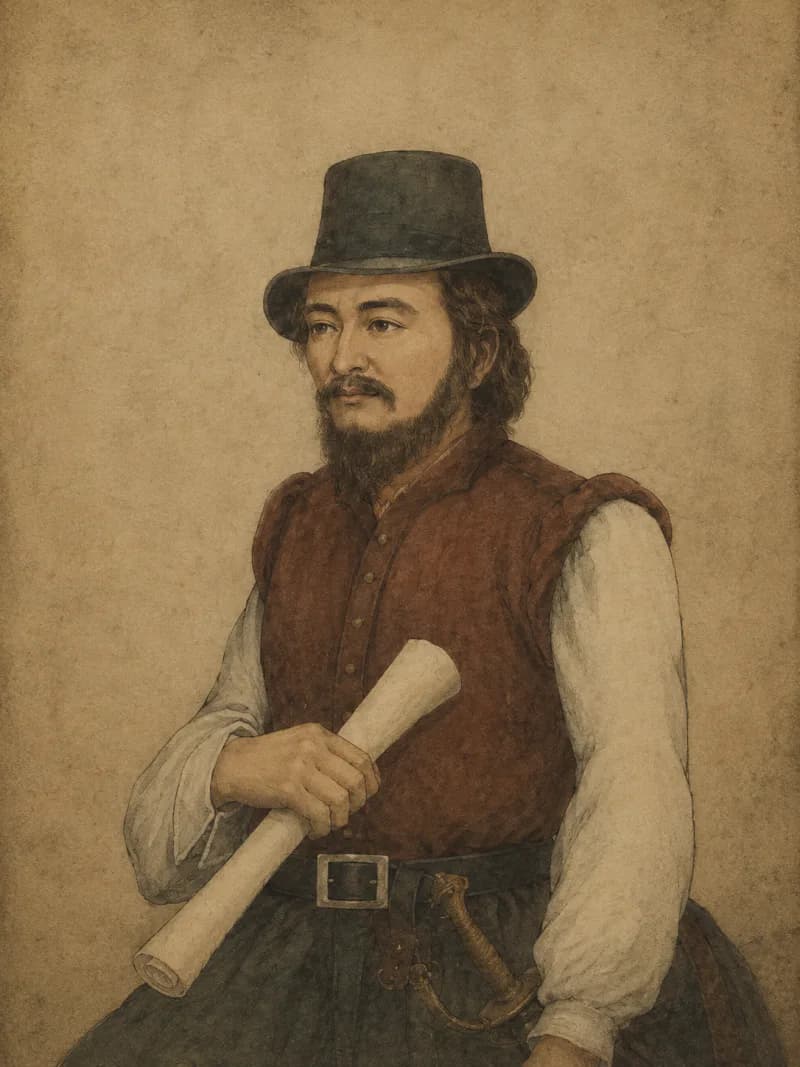
SA-0061 / GBR
William Adams (Miura Anjin)
The English navigator who became Tokugawa Ieyasu's foreign policy adviser — the first foreign samurai in Japanese history
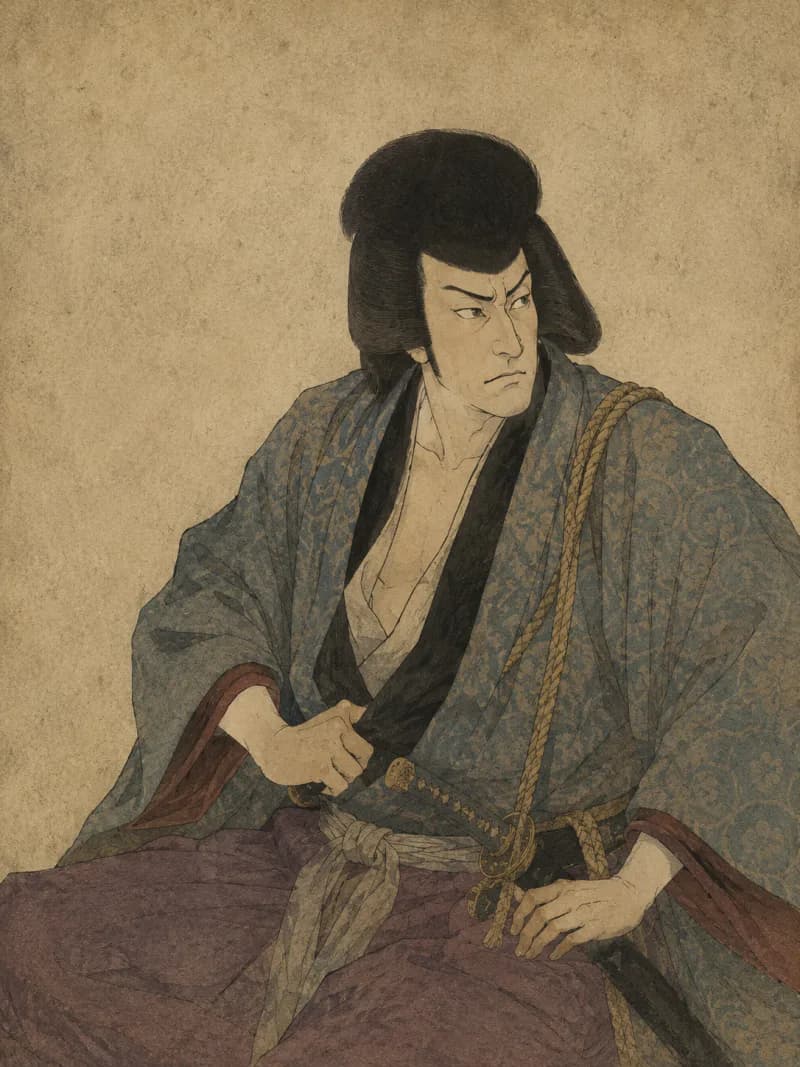
SA-0062 / JPN
Ishikawa Goemon
The semi-legendary figure whose attempted assassination of Hideyoshi and cauldron-boiling execution shaped the ninja-thief image of Japanese popular culture
SA-0065 / JPN
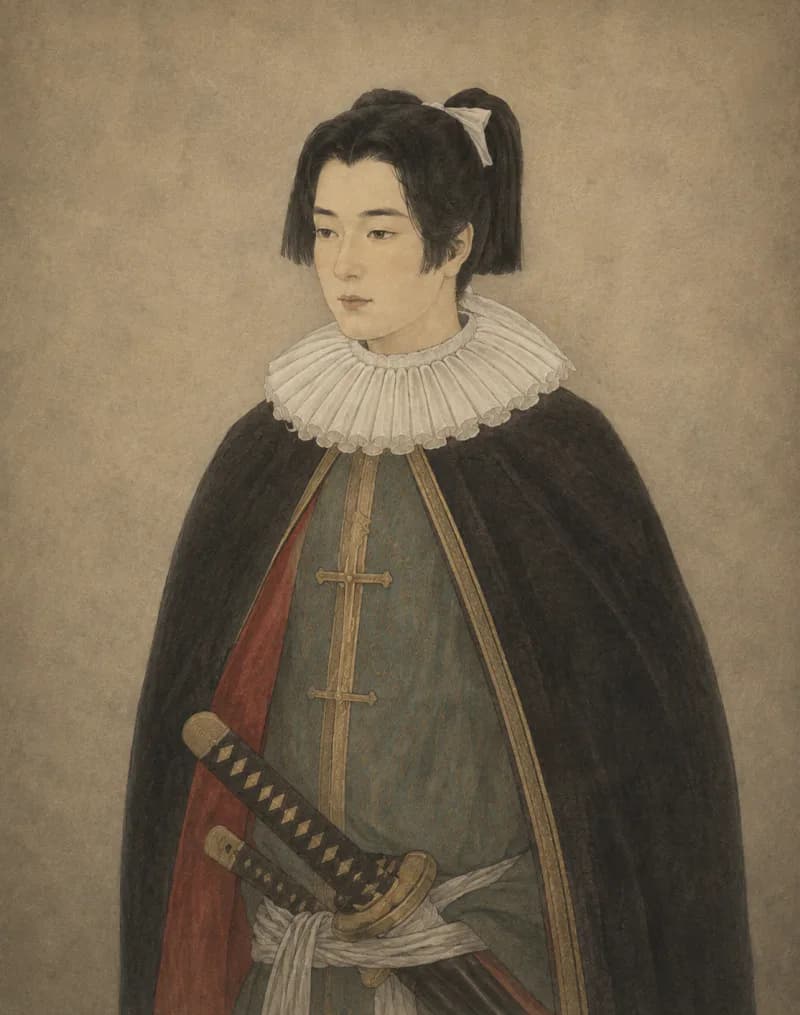
Amakusa Shirō
The young Christian who at sixteen became the commander-in-chief of the Shimabara Rebellion and the direct trigger for the completion of national seclusion