SUBJECT FILE NO. SA-0065
BUSHI ARCHIVE
Amakusa Shirō
Amakusa Shirō
Commander-in-chief of the Shimabara Rebellion; leader of the Kirishitan uprising
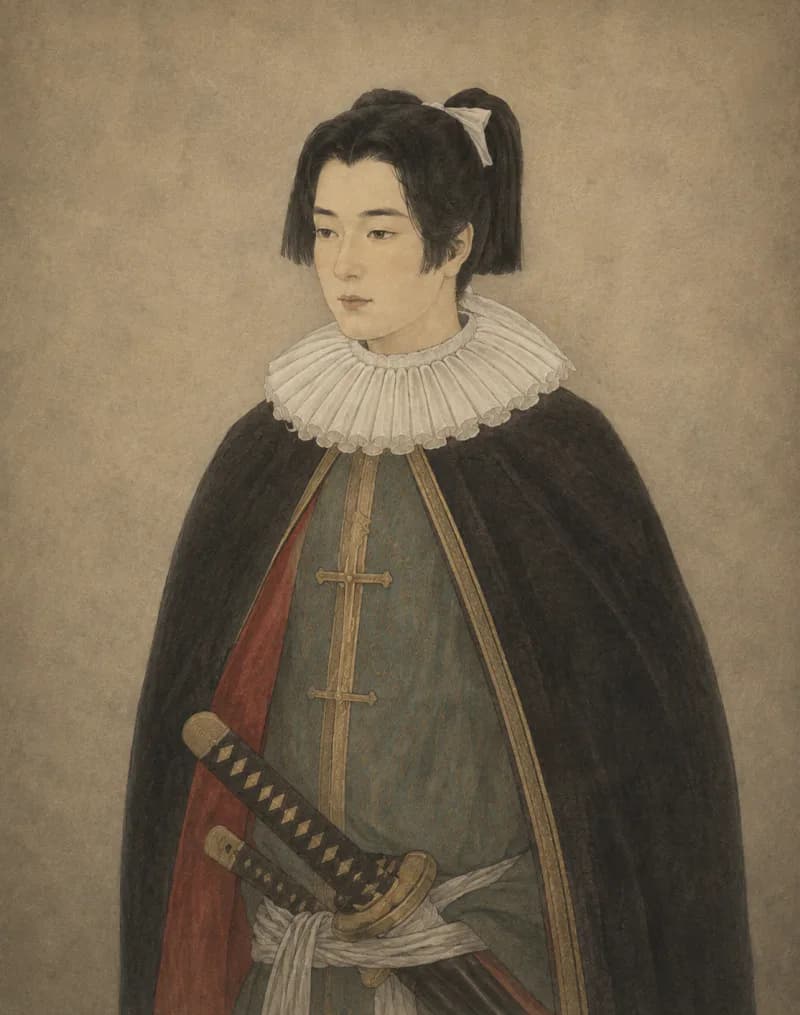
SECTION I -- SUBJECT PROFILE
| Name | Amakusa Shirō |
|---|---|
| English | Amakusa Shirō |
| Origin | Japan |
| Lifespan | 1621?–1638 |
| Gender | Male |
| Century | 17th C. |
| Clan / Role | Religious Leader |
| Title | Commander-in-chief of the Shimabara Rebellion; leader of the Kirishitan uprising |
SECTION II -- OVERVIEW
Born around 1621 at Ōyano-jima in the Amakusa District of Higo Province (the modern Ōyano-machi in Kami-Amakusa City, Kumamoto Prefecture) as the son of Masuda Jinbei.
His real name was Masuda Shirō Tokisada. His father Jinbei was a former retainer of Konishi Yukinaga and retained his Kirishitan faith fervently.
In 1637 (Kan'ei 14), the sixteen-year-old Shirō was raised up as the commander-in-chief of a large-scale uprising by peasants, rōnin, and Kirishitan across Shimabara and Amakusa.
The direct causes of the uprising were harsh land-tax collection by Shimabara-domain lord Matsukura Katsuie and Karatsu-domain lord Terasawa Katataka, and the intensification of the bakufu's suppression of Kirishitan.
Shirō was said from childhood to work strange miracles and was believed by the Kirishitan faithful to be the return of the 'Savior' and chosen as commander-in-chief.
In December 1637, the uprising force shut themselves up in Hara Castle in Hizen Province (a fortress that had been abandoned) and endured the bakufu army's siege for more than three months.
Against 37,000 in the uprising force, the bakufu mobilized 120,000 in a large-scale punitive expedition. On February 28, 1638 (Kan'ei 15), Hara Castle fell to the bakufu army's total assault, and nearly all of the uprising force including Shirō were killed.
He was around seventeen. His head was exposed in front of Dejima at Nagasaki. As the direct result of the rebellion, the bakufu further tightened the anti-Kirishitan prohibition, and with the 1639 ban on Portuguese ship arrivals, the seclusion system was essentially completed.
SECTION III -- CHRONOLOGY
SECTION IV -- NOTABLE STATEMENTS
“Following the will of Deus, we shall endure the sufferings of this world.”
SECTION V -- FIELD NOTES
[A]The 'Savior' Tradition — Historical Fact and Faith
Shirō was believed by the Kirishitan faithful at the time of the rebellion to have worked miracles from childhood — healing the sick, opening the eyes of the blind, walking on the sea.
This tradition of 'the return of the Savior' became the spiritual foundation for raising Shirō up as the commander-in-chief of the uprising.
Both contemporary missionary records and bakufu-side records reference the tradition of Shirō's miracles.
But modern historical scholarship cannot judge that these miracles actually occurred. The current general interpretation is that the disposition of 'messianic hope' in a religious community under extreme conditions was projected onto the being of the young Shirō.
Whether Shirō himself claimed the miracles or was raised up by those around him also cannot be determined from the sources.
SECTION VI -- LEGACY & IMPACT
Amakusa Shirō is a rare case of a teenage leader in Japanese history. At around sixteen, he became commander-in-chief of an uprising force of 37,000, and pinned down the bakufu army of 120,000 for more than three months.
The fall of Hara Castle and Shirō's death directly caused the thorough enforcement of the anti-Kirishitan prohibition and the completion of national seclusion in 1639.
As the direct trigger for Japan's policy of external closure for 230 years thereafter, Shirō's rebellion became one of the watersheds of early modern Japanese history.
The Amakusa Shirō Museum in Kami-Amakusa City, Kumamoto Prefecture, is the central facility transmitting the memory of the rebellion; the Hara Castle site was inscribed as 'Hidden Christian Sites in the Nagasaki Region' on the UNESCO World Heritage list in 2018.
Shirō himself has no certain surviving portrait beyond a few contemporary ones (bakufu-side wanted-poster-like paintings), but was repeatedly depicted as a beautiful youth in later paintings, novels, and drama, and continues to occupy a position as the young symbol of Kirishitan martyrdom in twenty-first-century Japanese culture.
SECTION VII -- MAJOR DEEDS
- [01]Commander-in-chief of the Shimabara Rebellion (1637-1638)
- [02]Siege defense of Hara Castle (December 1637 - February 1638)
- [03]Leadership of the Kirishitan uprising
- [04]Direct trigger for the completion of national seclusion (indirectly)
SECTION VIII -- REFERENCE MATERIALS
PRIMARY SOURCES & ARCHIVES
- PRIMARY
Shimabara-ki
Compiled in early Edo
Contemporary-adjacent records on the Shimabara Rebellion from both bakufu and local sides
- SCHOLARSHIP
The Shimabara Rebellion
Kanda Chisato / Chūkō Shinsho
Standard modern study of the Shimabara Rebellion
- ARCHIVE
Amakusa Shirō Museum
Ōyano-machi, Kami-Amakusa City, Kumamoto Prefecture
Rebellion-related museum built at Shirō's birthplace
Visit archive →
RECOMMENDED READING
SECTION X -- RELATED REPORTS
SA-RPT
The Shimabara-Amakusa Uprising: In 1637, Why Did a Sixteen-Year-Old Boy Become Commander-in-Chief?
In October 1637, a large-scale uprising of 37,000 peasants, rōnin, and Kirishitan broke out across the Shimabara Peninsula and the Amakusa Islands. Raised up as commander-in-chief was Masuda Shirō Tokisada, around sixteen. Two pressures — harsh land tax and Kirishitan suppression — sought a young 'Savior.'
SA-RPT
The Hara Castle Siege: An Uprising of 37,000 That Endured a Bakufu Army of 120,000 for Three Months
In December 1637, the Shimabara-Amakusa uprising force shut themselves up in the abandoned Hara Castle. Against a total of 37,000, the bakufu mobilized 120,000. The siege war of over three months became the largest-scale confrontation in the history of Japanese religious war.
SA-RPT
1639 National Seclusion: The Death of Shirō and How Japan Was Closed for the Next 230 Years
One year after the fall of Hara Castle in 1638, in July 1639, the bakufu banned the arrival of Portuguese ships. The direct trigger for the 'national seclusion' system that would continue for 230 years thereafter was the Shimabara Rebellion and the death of Amakusa Shirō.
SECTION IX -- LINKED SUBJECTS
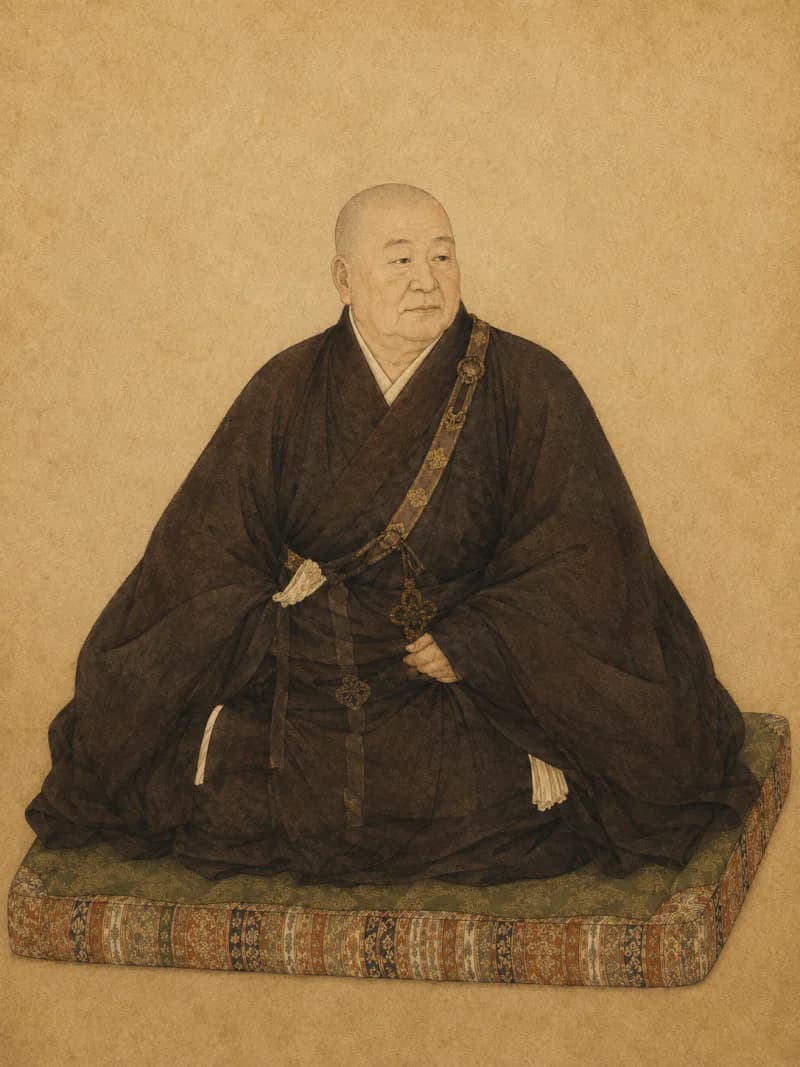
SA-0059 / JPN
Hongan-ji Kennyo
The supreme leader of the Hongan-ji organization who fought Nobunaga for ten years at Ishiyama
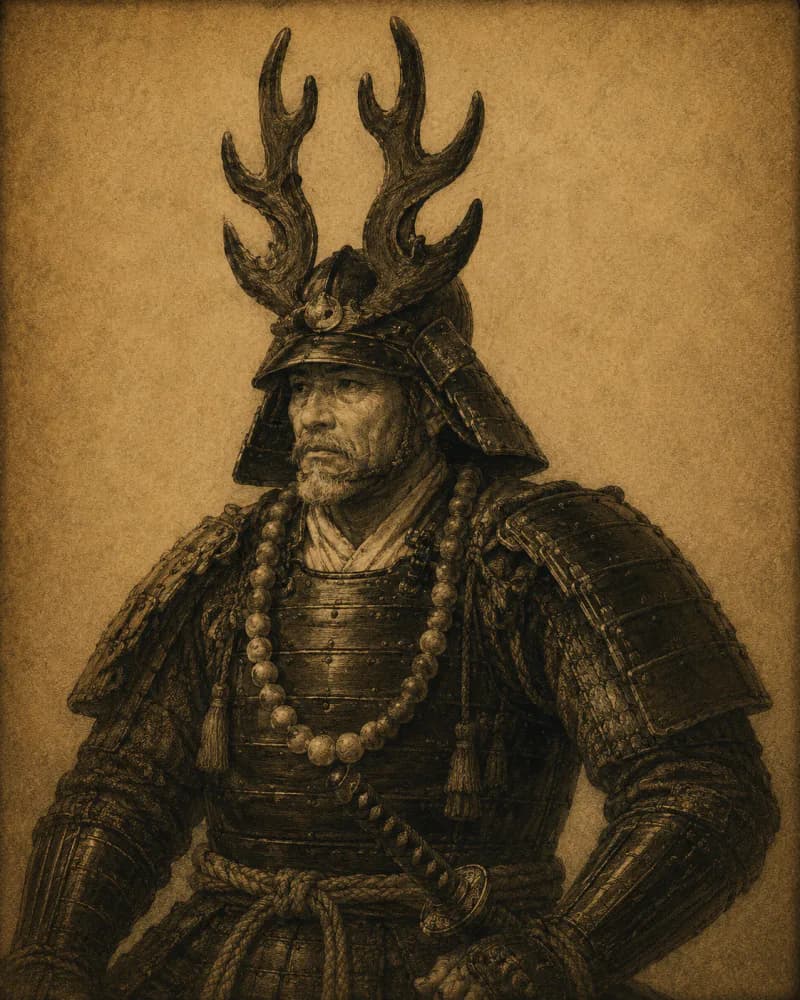
SA-0049 / JPN
Honda Tadakatsu
The spear master of the Tokugawa Four Heavenly Kings, said to have come through fifty-seven battles without a wound
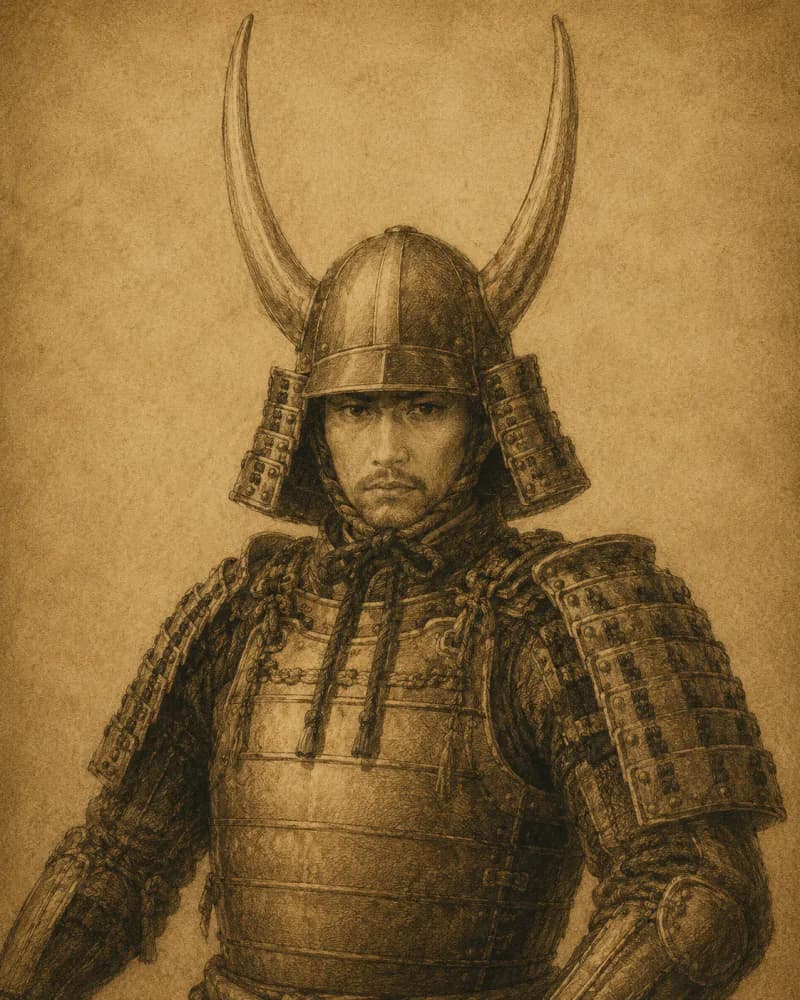
SA-0048 / JPN
Ii Naomasa
The youngest of the Tokugawa Four Heavenly Kings, commander of the 'Ii Red Devils' and founder of the Hikone domain
SA-0061 / GBR
William Adams (Miura Anjin)
The English navigator who became Tokugawa Ieyasu's foreign policy adviser — the first foreign samurai in Japanese history
SA-0064 / JPN
Fukushima Masanori
The foremost of the 'Seven Spears of Shizugatake,' vanguard of the Eastern Army at Sekigahara, and the Hideyoshi-raised general who was stripped of his fief for repairing a castle without permission