SUBJECT FILE NO. SA-0072
BUSHI ARCHIVE
Imagawa Yoshimoto
Imagawa Yoshimoto
Shugo daimyō of Suruga, Tōtōmi, and Mikawa
SECTION I -- SUBJECT PROFILE
| Name | Imagawa Yoshimoto |
|---|---|
| English | Imagawa Yoshimoto |
| Origin | Japan |
| Lifespan | 1519–1560 |
| Gender | Male |
| Century | 16th C. |
| Clan / Role | Daimyo |
| Title | Shugo daimyō of Suruga, Tōtōmi, and Mikawa |
SECTION II -- OVERVIEW
Born in 1519 (Eishō 16) as a son of Imagawa Ujichika, shugo daimyō of Suruga Province. His childhood name was Hōkikumaru.
Because his rank in the line of succession was low, he entered Buddhist orders young, studied Zen in Kyoto, and took the name Sengaku Shōhō, with the Rinzai monk Taigen Sessai as his master.
In 1536 (Tenbun 5), when his brother, the house head Ujiteru, died suddenly, he won the succession dispute against his half-brother Genkō Etan (the Hanakura Rebellion), returned to lay life, and took the name Imagawa Yoshimoto.
Thereafter, with Sessai as his strategist and administrator, he secured Suruga and Tōtōmi and extended his power west into Mikawa.
In 1549 he subordinated the Matsudaira and took their child Takechiyo (the later Tokugawa Ieyasu, this site's id 3) as a hostage.
In 1554 (Tenbun 23) he concluded the Kō-Sō-Sun three-province alliance with Takeda Shingen (this site's id 5) and Hōjō Ujiyasu, removing the threats to his rear and building the greatest power in the Tōkai.
He was called 'the finest bowman of the coastal road.' On the nineteenth day of the fifth month of 1560 (Eiroku 3), leading a great army in an invasion of Owari, he was struck down by the surprise attack of Oda Nobunaga (this site's id 1) at Okehazama.
He was forty-two. Edo-period war tales caricatured him as a foolish lord infatuated with court manners, but postwar historiography has re-evaluated him as an advanced ruler who supplemented the house law 'Imagawa Kana Mokuroku' and conducted land surveys.
SECTION III -- CHRONOLOGY
SECTION IV -- NOTABLE STATEMENTS
“He who advances without securing his rear does not survive an age of war.”
SECTION V -- FIELD NOTES
[A]Taigen Sessai — The Zen-Monk Strategist Who Supported Yoshimoto
In telling of Yoshimoto's rise, the presence of his master and strategist Taigen Sessai is indispensable.
Though a Rinzai monk, Sessai bore the political and military core of Yoshimoto's rule — the victory in the Hanakura Rebellion, the management of Mikawa, and the diplomacy of the Kō-Sō-Sun three-province alliance.
The scholar-monk's cunning and diplomatic skill pushed the Imagawa house up to the greatest power in the Tōkai.
When Sessai died in 1555, it is said that the Imagawa's diplomacy and strategy gradually lost their brilliance.
There is a view that the defeat at Okehazama five years later was due in part to the weakening of an Imagawa house that had lost the supporting figure of Sessai.
Over both the glory and the setback of Yoshimoto, the shadow of Sessai falls darkly.
SECTION VI -- LEGACY & IMPACT
Imagawa Yoshimoto was one of the foremost daimyō of the Sengoku period, who built a great domain spanning Suruga, Tōtōmi, and Mikawa.
He conducted advanced domain management — the ordering of house law, land surveys, and the organization of his vassal band through the yorioya-yoriko system.
But his death in defeat at Okehazama in 1560 greatly changed his evaluation. The then-unknown Oda Nobunaga (this site's id 1) opened his road to the conquest of the realm with this victory, and the hostage Matsudaira Motoyasu (Tokugawa Ieyasu, this site's id 3) broke free of Imagawa control and became independent.
As a result, Yoshimoto came to be spoken of as 'the loser who brought Nobunaga and Ieyasu into the world.' Edo-period war tales caricatured Yoshimoto as a foolish lord with courtly tastes, but postwar historiography has rejected this and re-evaluated him as an excellent ruler and diplomat.
Sunpu (present-day Shizuoka City) became one of the leading cities of culture in the eastern land in Yoshimoto's time, and later became Ieyasu's place of retirement.
Rinzai-ji (Aoi Ward, Shizuoka City) is the family temple of the Imagawa, surviving as a temple connected to Yoshimoto.
SECTION VII -- MAJOR DEEDS
- [01]Victory in the Hanakura Rebellion and unification of the house (1536)
- [02]Conclusion of the Kō-Sō-Sun three-province alliance (1554)
- [03]Supplementary enactment of the house law 'Imagawa Kana Mokuroku'
- [04]Rule over the three provinces of Suruga, Tōtōmi, and Mikawa
- [05]Turning Sunpu into a city of culture
SECTION VIII -- REFERENCE MATERIALS
PRIMARY SOURCES & ARCHIVES
- PRIMARY
Shinchō Kōki
Ōta Gyūichi
Primary source recording Yoshimoto's end at the Battle of Okehazama
- SCHOLARSHIP
Imagawa Yoshimoto
Arimitsu Tomohisa / Yoshikawa Kōbunkan (Jinbutsu Sōsho)
Representative modern biography of Yoshimoto
- ARCHIVE
Rinzai-ji
Aoi Ward, Shizuoka City, Shizuoka Prefecture
Family temple of the Imagawa; a temple connected to Yoshimoto
Visit archive →
RECOMMENDED READING
SECTION X -- RELATED REPORTS
SA-RPT
The Hanakura Rebellion: The 1536 Succession That Turned a Monk into a Sengoku Daimyō
In 1536, the sudden death of Imagawa Ujiteru brought a succession dispute to the Imagawa house. Sengaku Shōhō, who was in Buddhist orders, defeated his half-brother Genkō Etan, returned to lay life, and took the name Imagawa Yoshimoto. It was a transformation from Zen monk to daimyō of the Tōkai.
SA-RPT
The Kō-Sō-Sun Three-Province Alliance: The 1554 Balance of Power Yoshimoto Built in the Tōkai
In 1554, Imagawa Yoshimoto concluded the Kō-Sō-Sun three-province alliance with Takeda Shingen and Hōjō Ujiyasu. The mutual non-aggression through marriage among the three houses gave Yoshimoto the margin to advance west into Mikawa and Owari without worry to his rear. It was the completion of hegemony over the Tōkai.
SA-RPT
Okehazama: The Day the Tōkai Overlord Fell in the Fields of Owari, 1560
On the nineteenth day of the fifth month of 1560, Imagawa Yoshimoto, who had invaded Owari at the head of a great army, was struck down by Oda Nobunaga's surprise attack at Okehazama. He was forty-two. The sudden death of the Tōkai overlord brought about Nobunaga's rise and Ieyasu's independence, and transformed the power map of the Sengoku period.
SECTION IX -- LINKED SUBJECTS
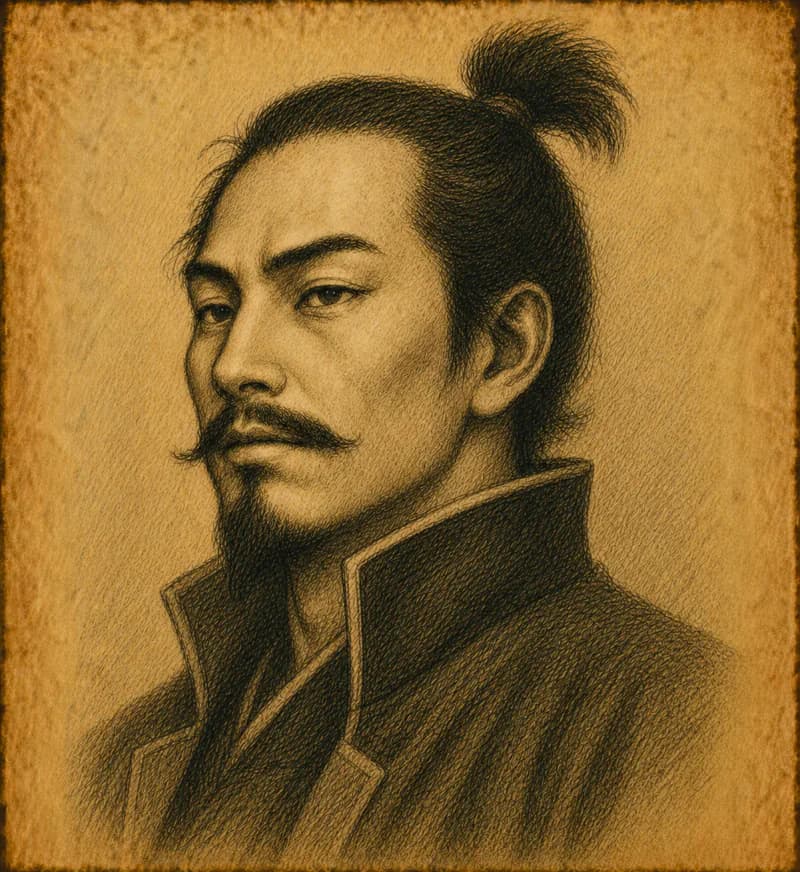
SA-0001 / JPN
Oda Nobunaga
The revolutionary who paved the path to a unified Japan
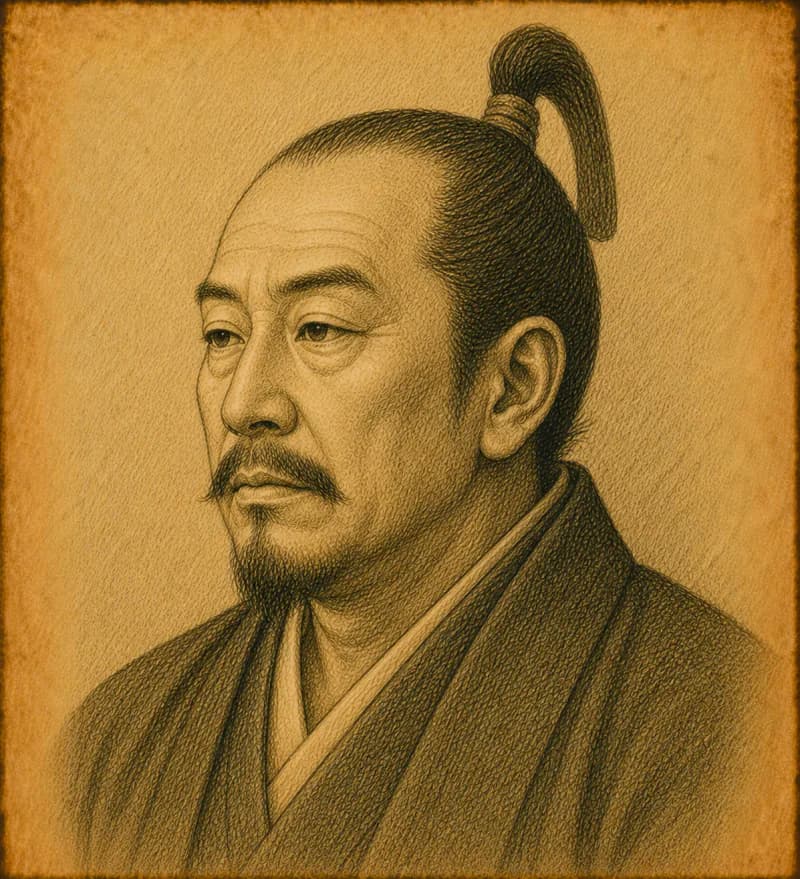
SA-0003 / JPN
Tokugawa Ieyasu
The patient warlord whose dynasty ruled Japan for 250 years
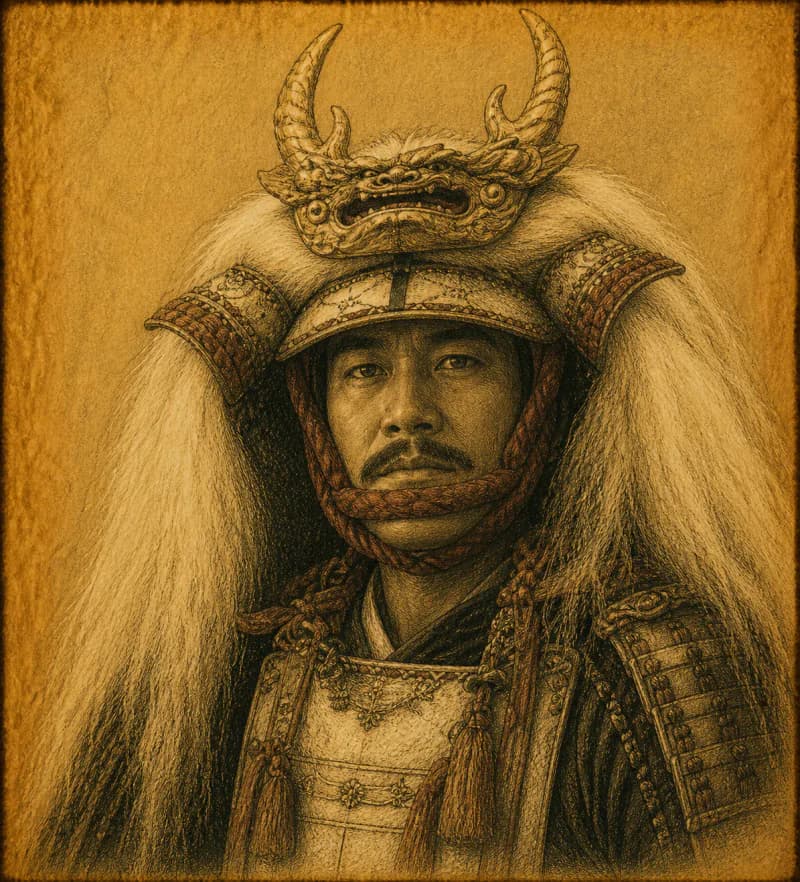
SA-0005 / JPN
Takeda Shingen
The Tiger of Kai whose cavalry shook the realm
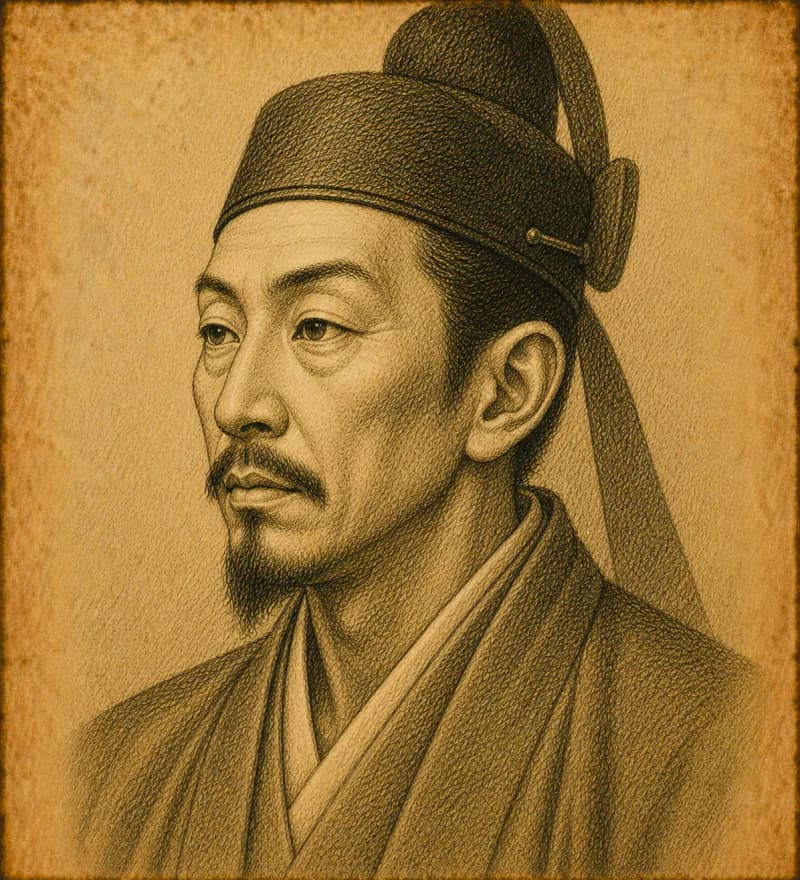
SA-0002 / JPN
Toyotomi Hideyoshi
The peasant who rose to rule all Japan
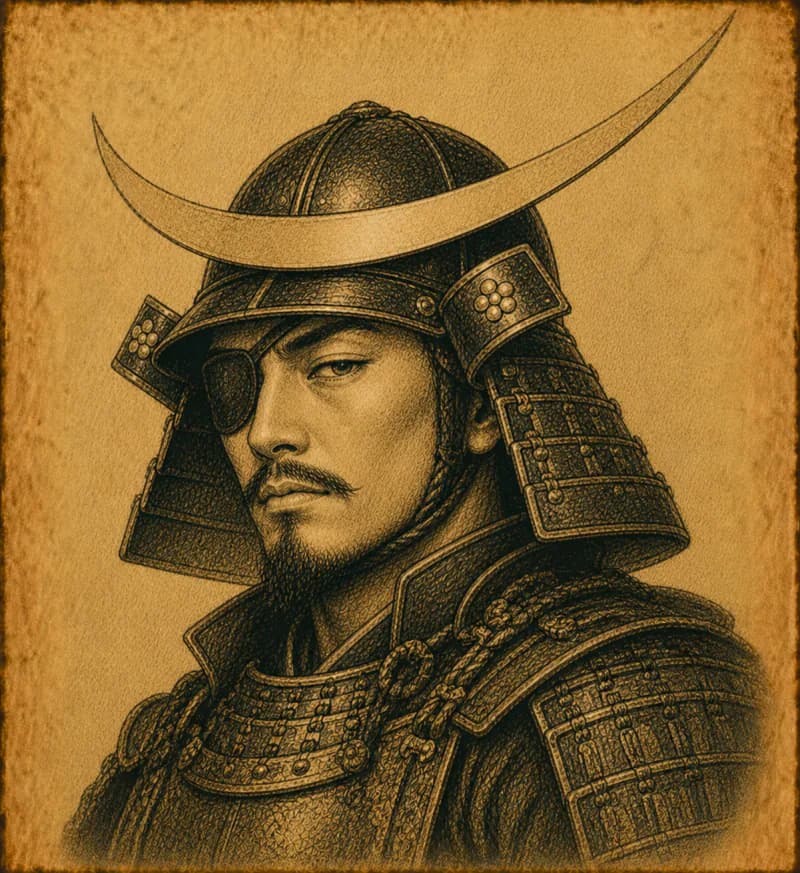
SA-0004 / JPN
Date Masamune
The One-Eyed Dragon who built Sendai
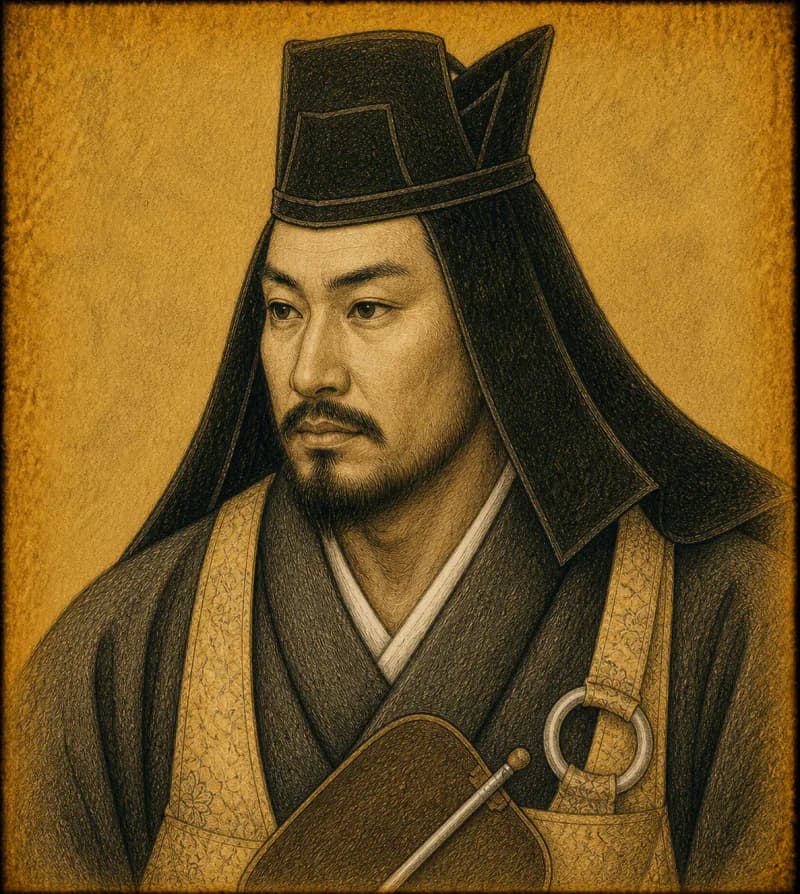
SA-0006 / JPN
Uesugi Kenshin
The Dragon of Echigo, sword-saint of the north
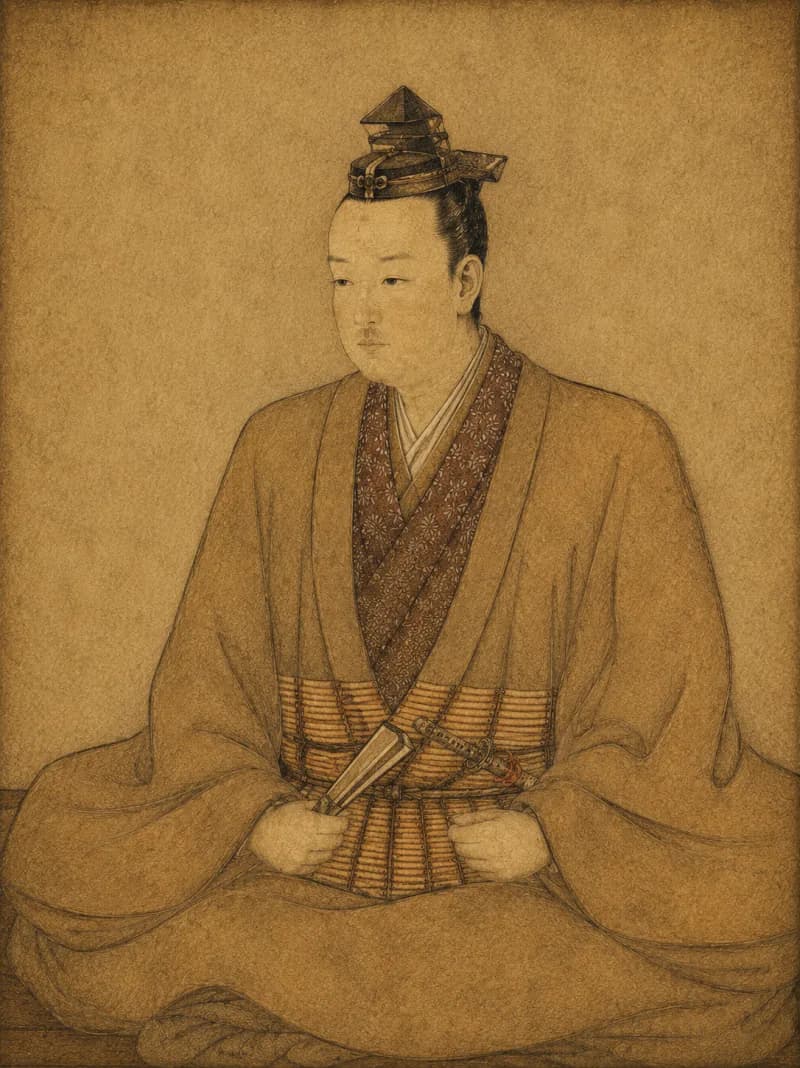
SA-0030 / JPN
Akechi Mitsuhide
The general whose betrayal at Honnō-ji rerouted Japanese history
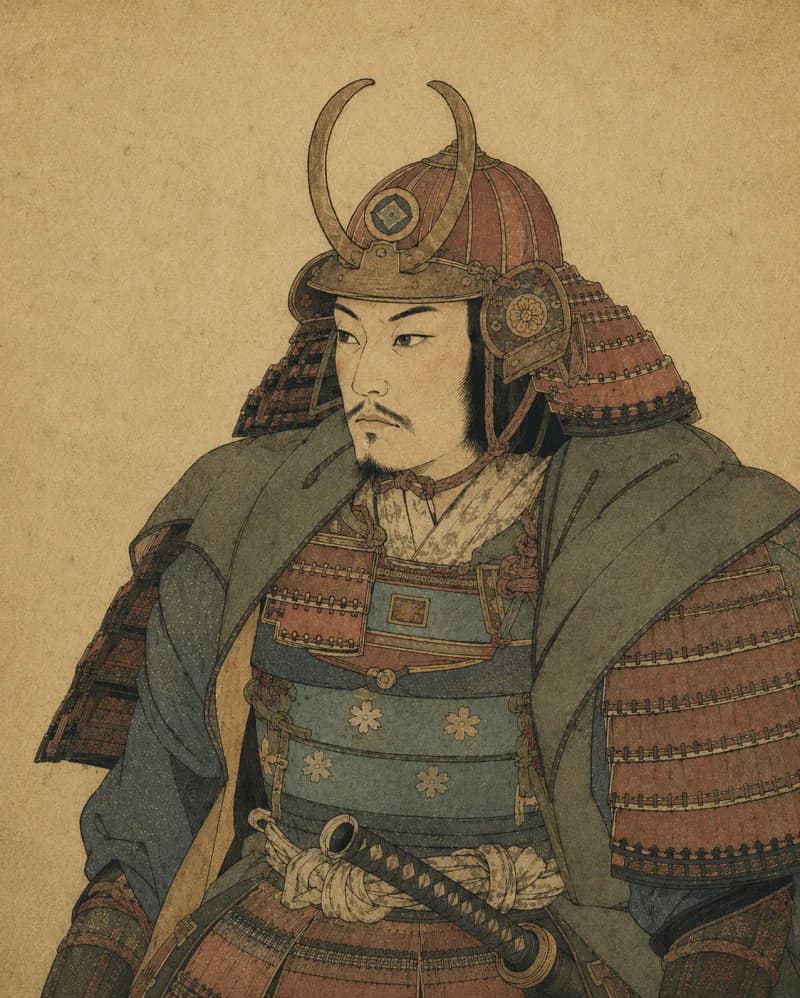
SA-0033 / JPN
Takeda Katsuyori
The last lord of Takeda — and the man who lost the cavalry at Nagashino