SUBJECT FILE NO. SA-0068
BUSHI ARCHIVE
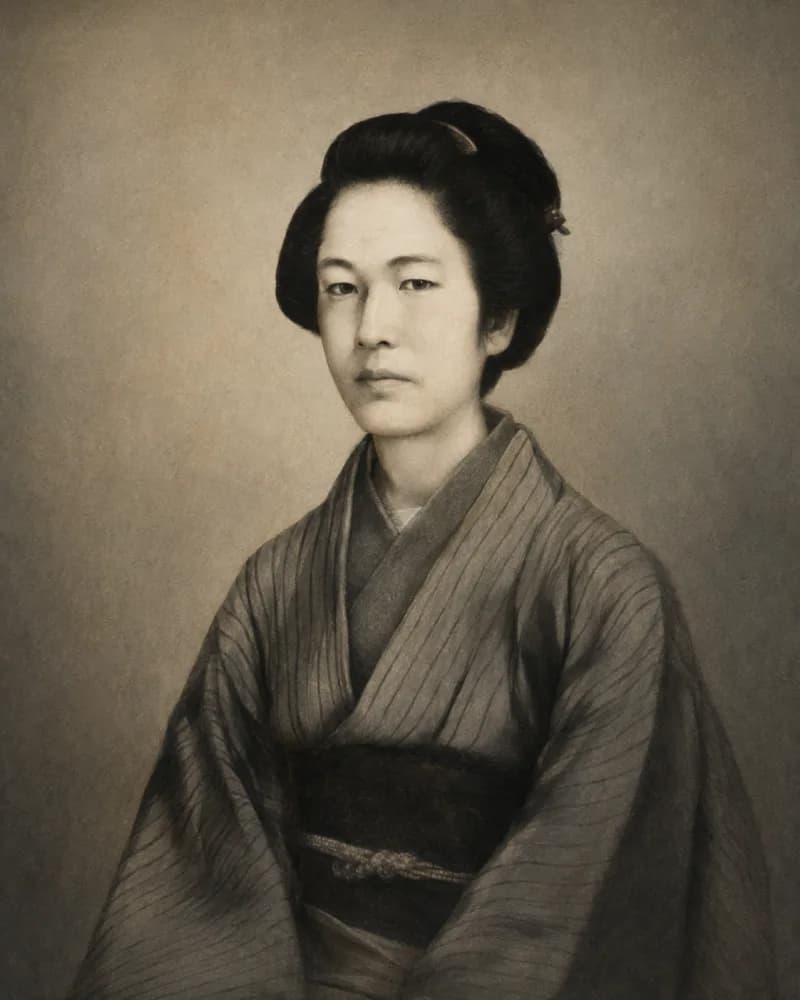
Nakano Takeko
Nakano Takeko
Daughter of an Aizu retainer; captain of the Jōshigun (Women's Corps)
SECTION I -- SUBJECT PROFILE
| Name | Nakano Takeko |
|---|---|
| English | Nakano Takeko |
| Origin | Japan |
| Lifespan | 1847–1868 |
| Gender | Female |
| Century | 19th C. |
| Clan / Role | Samurai |
| Title | Daughter of an Aizu retainer; captain of the Jōshigun (Women's Corps) |
SECTION II -- OVERVIEW
Born in 1847 (Kōka 4) at the Aizu domain's Edo residence as the eldest daughter of the Aizu retainer Nakano Heinai. Because of her father's posting, she spent her girlhood in Edo, where she was trained by Takahashi Shūtarō in the naginata (glaive) tradition at the Edo residence, and received full martial-arts education from childhood.
The Aizu domain had a tradition of giving martial-arts education to women retainers as well, and Takeko was known as an outstanding practitioner even among them.
From the Toba-Fushimi combat of January 1868 (Keiō 4), the Boshin War expanded across the country, and in August the New Government army closed on Aizu-Wakamatsu.
On August 23, the New Government army burst into the castle town, and Lord Matsudaira Katamori went into siege at Aizu-Wakamatsu Castle (Tsurugajō).
Takeko wished to join this siege combat but was kept outside the castle by domain instruction, and independently organized women combatants — a women's unit of some twenty, later called the 'Jōshigun' (Women's Corps).
On August 25, at Yanagibashi (Namida-bashi, Bridge of Tears) near Bange (the modern Aizu-Bange Town in Kawanuma District, Fukushima Prefecture), she engaged the New Government army, cut down several New Government soldiers with her naginata, and then was killed by gunfire.
She was twenty-one. Her younger sister Yūko cut off her head to prevent it from falling into enemy hands, and buried it at Hōkai-ji (the modern Aizu-Bange Town).
The Aizu War ended with the surrender of Aizu-Wakamatsu Castle on September 22, but Takeko's death, from the Meiji period onward, would be transmitted within the memory of the Aizu War as a symbol of women combatants.
SECTION III -- CHRONOLOGY
SECTION IV -- NOTABLE STATEMENTS
“Being born in a warrior house, not to fight when it comes to this — that is the shame of a woman.”
SECTION V -- FIELD NOTES
[A]The Carrying of the Head by Her Sister Yūko
When Takeko fell to gunfire, her younger sister Yūko (then sixteen) and mother Kōko (then forty-eight) were nearby.
To prevent her sister's head from falling into enemy hands, Yūko cut it off on the spot with a naginata, wrapped it in cloth, and left the battlefield with her mother.
The sisters carried the head about ten kilometers to Hōkai-ji (in Aizu-Bange Town) and requested burial.
The act of cutting off the head and carrying it to the burial place reflects the value system of the warrior class of the time concerning the treatment of heads — that having one's head taken by the enemy was a disgrace to the family name.
Yūko and Kōko afterward joined the siege combat of Aizu-Wakamatsu Castle as well, survived, and lived on through the Meiji period.
Yūko later bore the role of transmitting Takeko's life story.
SECTION VI -- LEGACY & IMPACT
Nakano Takeko occupies a special position within the memory of the Aizu War as a symbol of women combatants at the entrance to modern Japan.
The story of a female warrior who fell in battle at the young age of twenty-one has been transmitted within the popular memory of Aizu from the Meiji period on; in the Taishō period, veneration activities centered on Takeko and the Jōshigun began.
Takeko's grave still exists at Hōkai-ji in Aizu-Bange Town, and the 'Site of Nakano Takeko's Martyrdom' monument within the temple grounds was built in the Shōwa period.
The Aizu War was long unspoken of by the New Government victors' side, but within the memory of the defeated Aizu side, Takeko and the Jōshigun continued to be seen as heroes.
In recent years, with the rise of overseas interest in female samurai and women combatants, the name Nakano Takeko has come to be taken up in English-language documentaries and novels as well, and has become one icon in Japanese women's history.
SECTION VII -- MAJOR DEEDS
- [01]Organization of the Jōshigun (1868)
- [02]Combat at Yanagibashi (Namida-bashi) (1868)
- [03]Symbolic presence as a women combatant in the Aizu War
- [04]One of the few recorded cases of actual combat by the naginata
SECTION VIII -- REFERENCE MATERIALS
PRIMARY SOURCES & ARCHIVES
- PRIMARY
Aizu Boshin War Source Collection
Compiled by Aizu-Wakamatsu City
Contemporary-adjacent primary source collection on the Aizu War, including Jōshigun descriptions
- SCHOLARSHIP
Jōshigun — Women of the Aizu War
Saotome Mitsugu / Bungeishunjū
Standard work empirically examining the Jōshigun and Nakano Takeko
- ARCHIVE
Hōkai-ji
Aizu-Bange Town, Kawanuma District, Fukushima Prefecture
Takeko's grave and the 'Site of Nakano Takeko's Martyrdom' monument survive
Visit archive →
RECOMMENDED READING
SECTION X -- RELATED REPORTS
SA-RPT
The Women's Martial Arts of Aizu: Where Did Takeko Learn the Naginata?
The Aizu domain was a rare domain that gave full-fledged martial-arts education to women retainers as well. Trained by Takahashi Shūtarō at the Edo residence, Nakano Takeko grew within this tradition into a top-level naginata practitioner.
SA-RPT
Namida-bashi: On August 25, 1868, Takeko Led the Jōshigun and Fell to Gunfire
On August 25, 1868, at Yanagibashi (later Namida-bashi, Bridge of Tears) near Aizu-Bange, the roughly twenty members of the Jōshigun led by Nakano Takeko engaged the New Government army. In half an hour of combat, Takeko cut down several enemies with her naginata and then fell to gunfire. She was twenty-one.
SA-RPT
The Modern Nakano Takeko: How the Memory of the Defeated Was Venerated
The Boshin War ended in the victory of the New Government army, and for half a century thereafter, the memory of Aizu was suppressed as that of the defeated. But from the Taishō period onward, the story of Nakano Takeko and the Jōshigun revived in the popular memory of Aizu, and today has become an icon of the woman samurai known even overseas.
SECTION IX -- LINKED SUBJECTS
SA-0021 / JPN
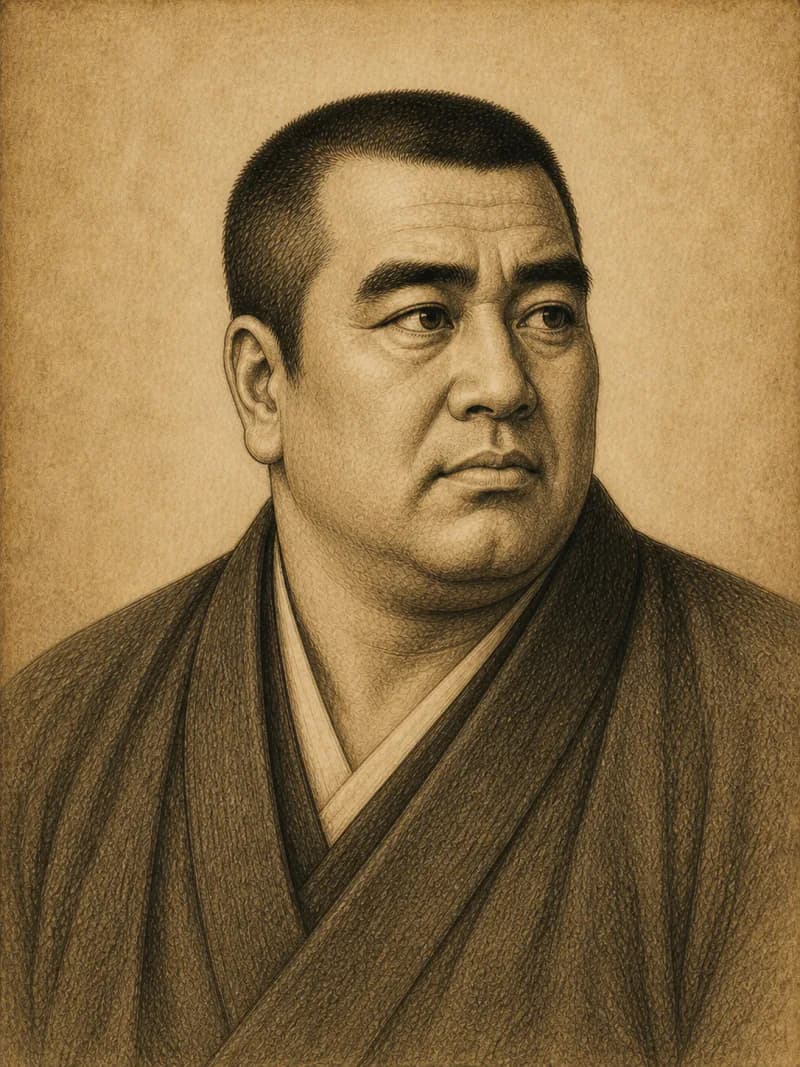
Saigō Takamori
The architect of the Meiji Restoration who died fighting against the Meiji government he had built
SA-0045 / JPN
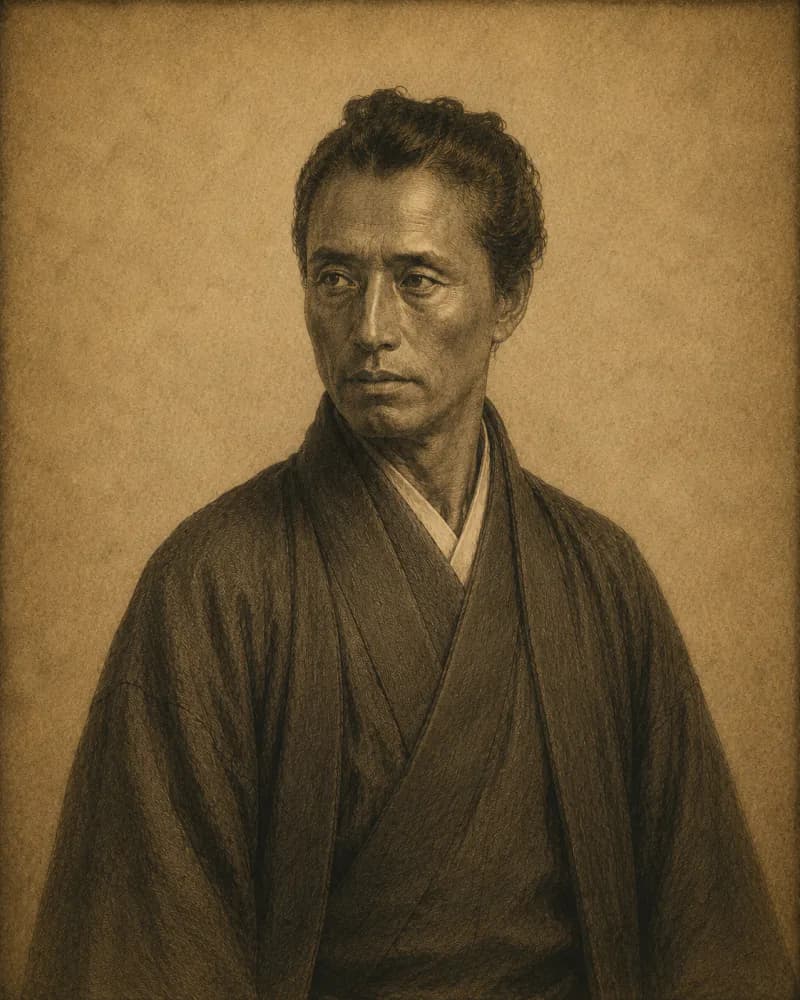
Katsu Kaishū
The last navy minister of the shogunate who delivered the bloodless surrender of Edo and was Sakamoto Ryōma's master
SA-0008 / JPN
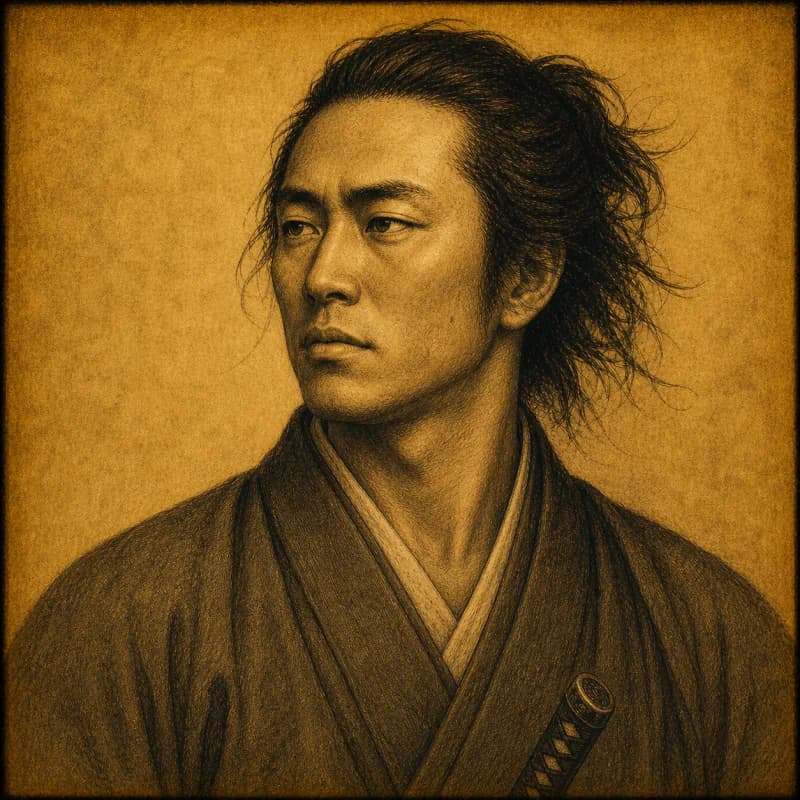
Sakamoto Ryōma
The low-rank samurai who engineered the fall of the shogunate
SA-0022 / JPN
Tokugawa Yoshinobu
The last shogun who chose to surrender power rather than fight a civil war he believed Japan could not afford
SA-0027 / JPN
Ii Naosuke
The Tairō who signed the unequal treaties — and was assassinated for it at the gates of Edo Castle
SA-0031 / JPN
Hijikata Toshizō
Vice-commander of the Shinsengumi who fought the shogunate's losing war to its very last day
SA-0035 / JPN
Okita Sōji
First-captain of the Shinsengumi — and the tubercular swordsman who never fought the Boshin War
SA-0036 / JPN
Yoshida Shōin
The Shōka Sonjuku teacher whose two-and-a-half-year school drove the Meiji Restoration