SUBJECT FILE NO. SA-0045
BUSHI ARCHIVE
Katsu Kaishū
Katsu Kaishū
Magistrate of the Shogunate Navy; Minister of the Navy and Councillor
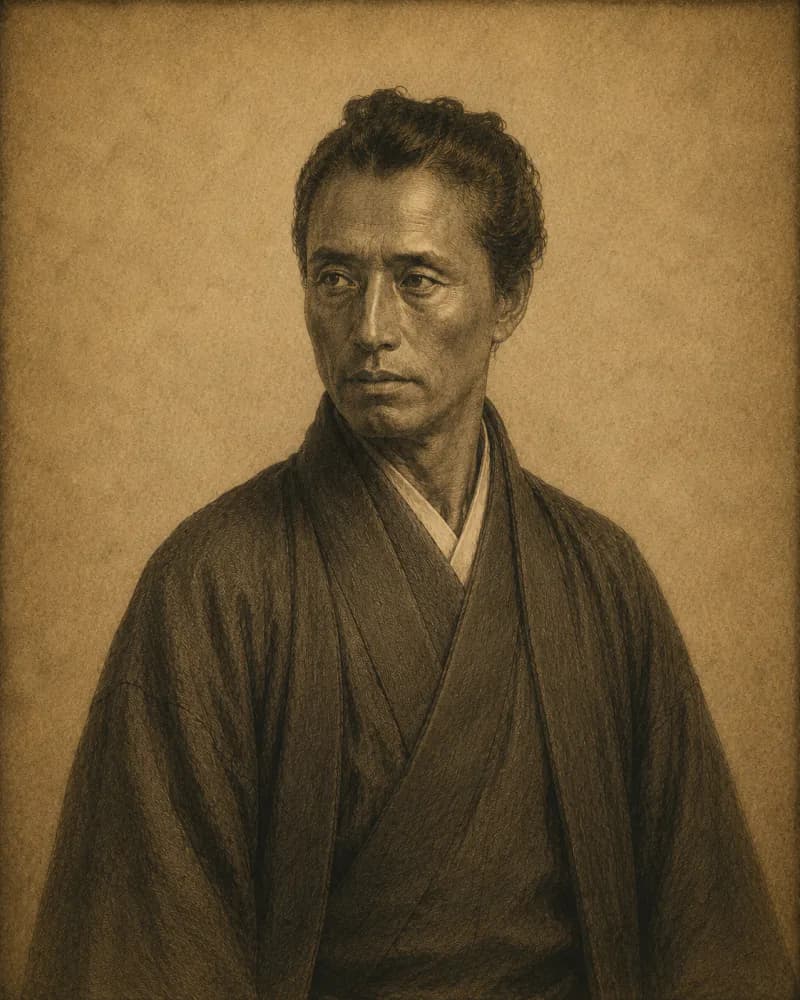
SECTION I -- SUBJECT PROFILE
| Name | Katsu Kaishū |
|---|---|
| English | Katsu Kaishū |
| Origin | Japan |
| Lifespan | 1823–1899 |
| Gender | Male |
| Century | 19th C. |
| Clan / Role | Statesman |
| Title | Magistrate of the Shogunate Navy; Minister of the Navy and Councillor |
SECTION II -- OVERVIEW
Born in 1823 at Honjo Kamezawa-chō in Edo to a hatamoto family, originally named Katsu Yoshikuni and later Yasuyoshi. He studied Dutch learning from his youth, and in 1855 trained in Dutch-style naval science at the Nagasaki Naval Training Center.
In 1860 he commanded the Kanrin-maru as it carried the Japanese delegation for the exchange of ratification documents of the U.
S.-Japan Treaty of Amity and Commerce across the Pacific — the first time Japanese had crossed the Pacific under their own power.
In 1864 he established the Kobe Naval Training Center, gathering young men from across the domains — including Sakamoto Ryōma — to train them in naval affairs.
In March 1868, on the eve of the new government's planned total assault on Edo Castle, he met Saigō Takamori at the Satsuma estate in Tamachi and delivered the bloodless surrender that saved Edo from war.
After the Restoration, he served the new government as Vice Minister and then as Councillor and Minister of the Navy. He became a rare figure respected from both sides — as one of the elder statesmen of the Restoration and as the representative of the former shogunate.
He died in 1899 at his Hikawa-chō residence in Akasaka, Tokyo.
SECTION III -- CHRONOLOGY
SECTION IV -- NOTABLE STATEMENTS
“My conduct is my own. Praise and blame are the affairs of others — I am not concerned with them.”
SECTION V -- FIELD NOTES
[A]The Edo Castle Meeting with Saigō
On March 14, 1868, Katsu Kaishū and Saigō Takamori met at the Satsuma estate in Tamachi. The new government army was scheduled to launch the total assault on Edo Castle the following day.
Katsu presented his conditions for saving Edo from war: clemency for Tokugawa Yoshinobu, preservation of the Tokugawa house name, surrender of arms, and the handover of Edo Castle.
Saigō decided to call off the attack while securing court confirmation, and on April 11 Edo Castle was surrendered without a shot.
It was the decision that protected the lives and property of a million Edo residents.
SECTION VI -- LEGACY & IMPACT
Katsu Kaishū was the rare figure who, despite serving on the shogunal side, was honored as one of the elder statesmen of the Restoration, and who continued to occupy senior positions in the new government as the representative of the former shogunal retainers.
The bloodless surrender of Edo, the product of the negotiations between Saigō Takamori and Katsu Kaishū, has been inscribed in Japan's national memory since Meiji.
The students he raised at the Kobe Naval Training Center — Sakamoto Ryōma and Mutsu Munemitsu among them — went on to carry the core of the Meiji state.
The Hikawa Seiwa, his late-life talks, is regarded as first-rank testimony from a living witness of the Bakumatsu-Restoration transition.
His standing as founder of the modern navy, and his influence as statesman and thinker, have continued to be read by Japanese leadership from the late Meiji period to the present.
SECTION VII -- MAJOR DEEDS
- [01]Naval-science training at Nagasaki (1855)
- [02]Command of the Kanrin-maru across the Pacific (1860)
- [03]Foundation of the Kobe Naval Training Center (1864)
- [04]Delivery of the bloodless surrender of Edo (1868)
- [05]Hikawa Seiwa
SECTION VIII -- REFERENCE MATERIALS
PRIMARY SOURCES & ARCHIVES
- PRIMARY
Hikawa Seiwa
Katsu Kaishū
Late-life talks of Katsu Kaishū transcribed by Yoshimoto Jō — a first-rank source on the Bakumatsu-Restoration transition
- SCHOLARSHIP
Katsu Kaishū
Matsuura Rei / Chūōkōronshinsha
Standard scholarly biography; detailed empirical account of the bloodless-surrender negotiations
- ARCHIVE
Katsu Kaishū Memorial Hall
Ōta-ku, Tokyo (in Senzoku-ike Park)
Katsu's grave site and related materials
Visit archive →
RECOMMENDED READING
SECTION X -- RELATED REPORTS
SA-RPT
The Bloodless Surrender of Edo: The Day Saigō and Katsu Saved a City of a Million
On March 14, 1868, Katsu Kaishū and Saigō Takamori met at the Satsuma estate. The direct negotiation that averted the planned total assault on Edo Castle the following day. A single day's meeting that saved the lives and property of a million Edo residents from war.
SA-RPT
The Kanrin-maru: How Katsu Kaishū Built Modern Japan's Navy
In 1860, Katsu Kaishū commanded the Kanrin-maru across the Pacific with a Japanese crew. From naval training at Nagasaki, to the Kanrin-maru voyage to America, to the Kobe Naval Training Center — Katsu Kaishū's life was itself the founding history of Japan's modern navy.
SA-RPT
Ryōma's Master: How Katsu Kaishū Trained Sakamoto Ryōma
In 1862, the Tosa-domain rōnin Sakamoto Ryōma came to assassinate the shogunal retainer Katsu Kaishū. The two talked through the night, and Ryōma sheathed his sword and became Katsu's student. The single night's meeting became the origin of the Satsuma-Chōshū Alliance and the restoration of imperial rule four years later.
SA-RPT
The Sunpu Meeting: The Day Yamaoka Tesshū Walked Alone Into Saigō's Camp
On March 9, 1868, Yamaoka Tesshū walked alone into the new government army's occupied Sunpu and met Saigō Takamori. The framework of the bloodless surrender of Edo was set on that single day at Sunpu, leading to the Katsu-Saigō meeting five days later. The day a no-rank shogunal retainer moved history.
SECTION IX -- LINKED SUBJECTS
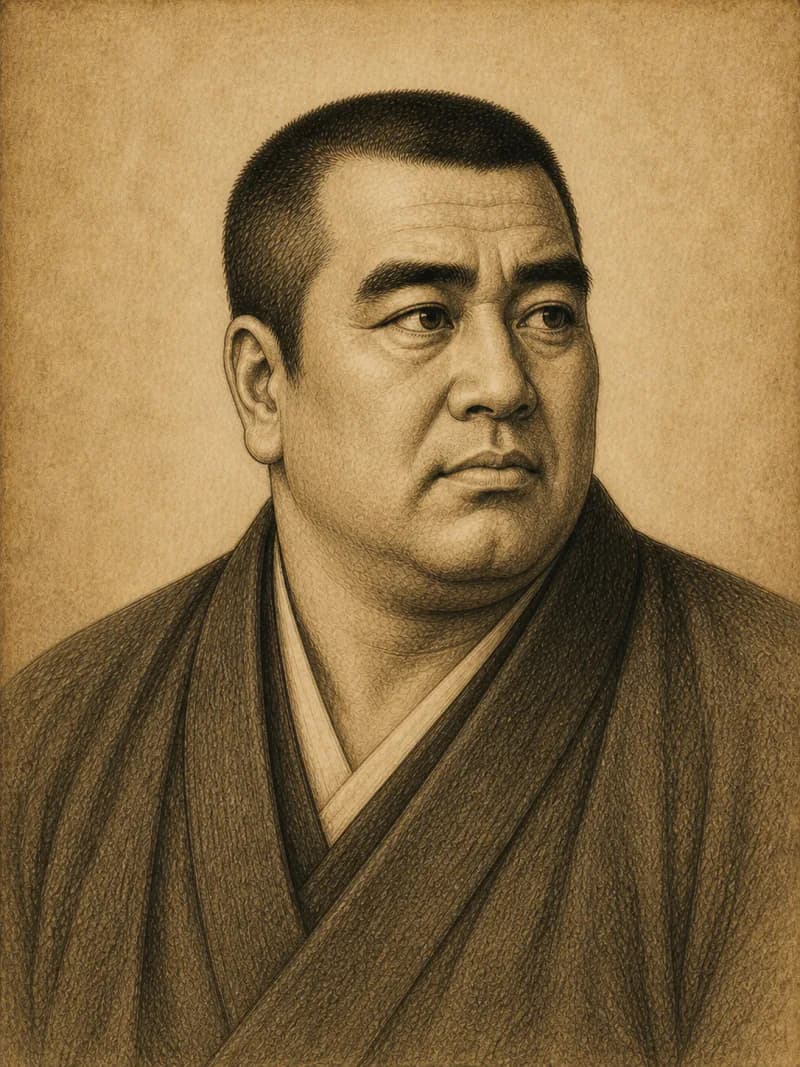
SA-0021 / JPN
Saigō Takamori
The architect of the Meiji Restoration who died fighting against the Meiji government he had built
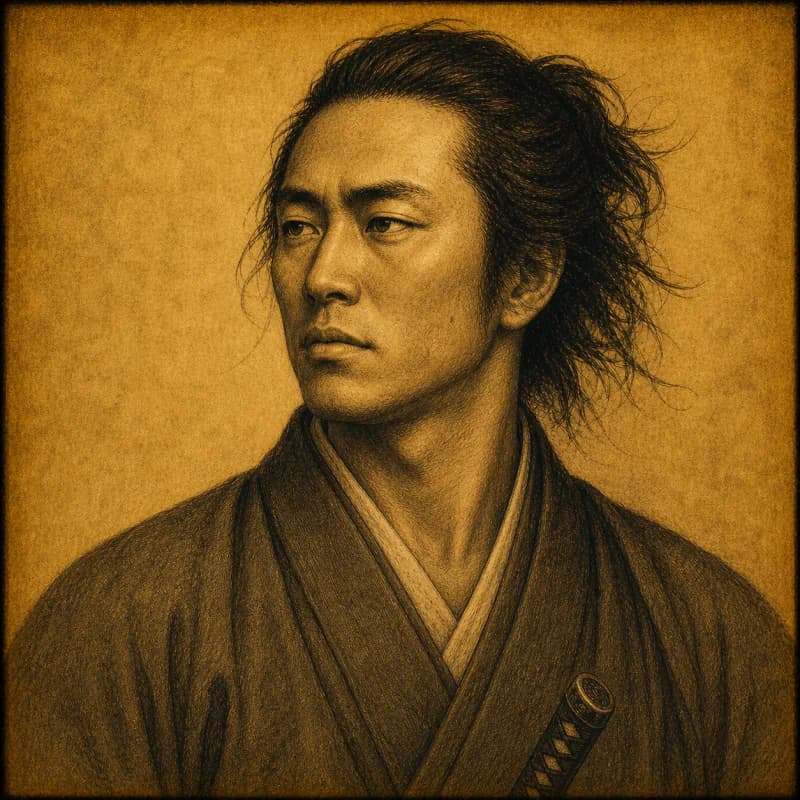
SA-0008 / JPN
Sakamoto Ryōma
The low-rank samurai who engineered the fall of the shogunate
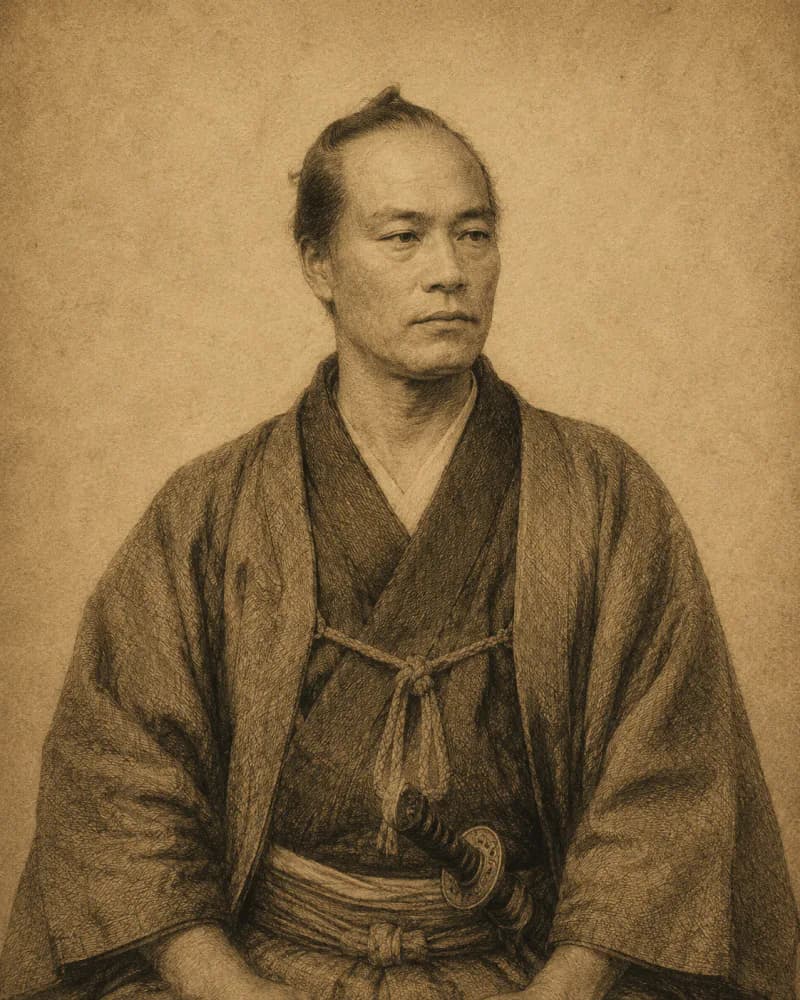
SA-0046 / JPN
Yamaoka Tesshū
One of the 'Three Boats' of the Bakumatsu who opened the road to the bloodless surrender of Edo and founded the Mutō-ryū
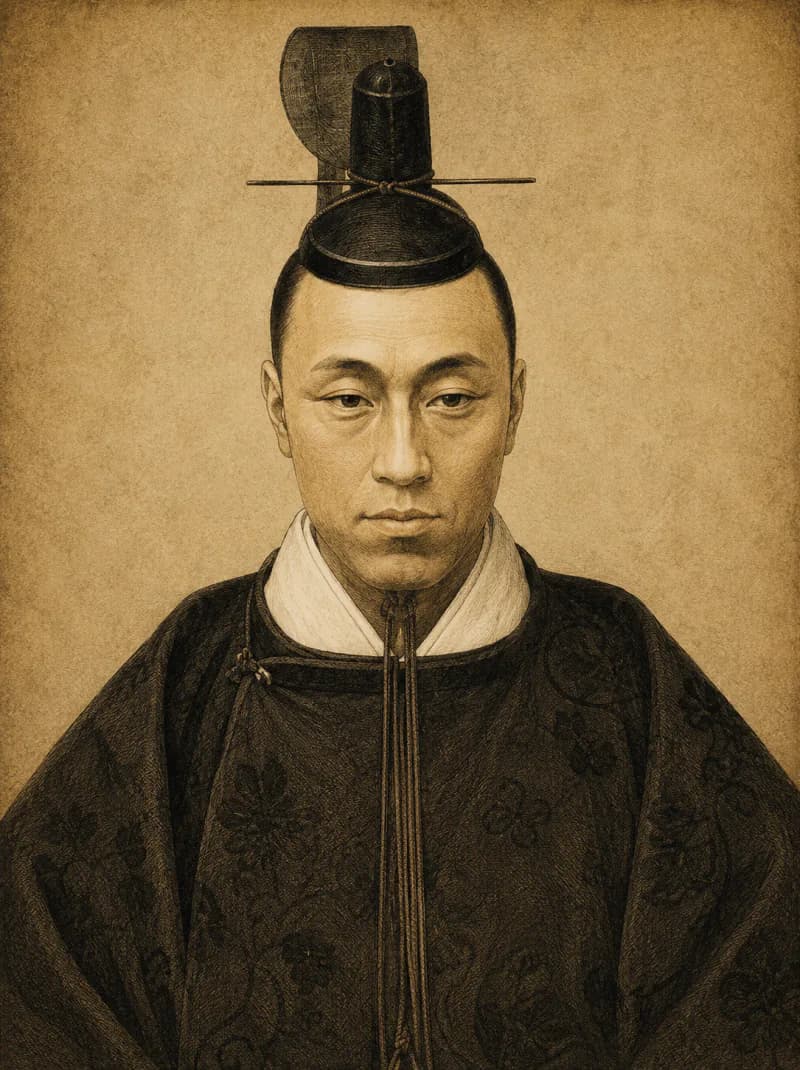
SA-0022 / JPN
Tokugawa Yoshinobu
The last shogun who chose to surrender power rather than fight a civil war he believed Japan could not afford
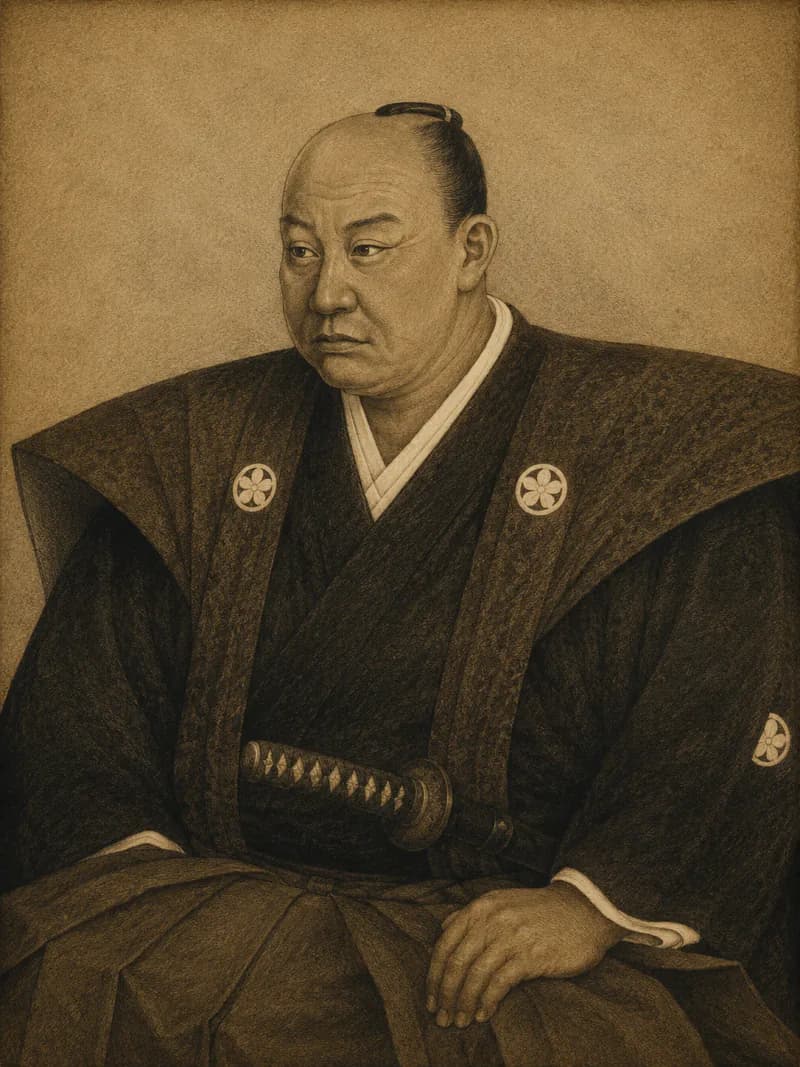
SA-0027 / JPN
Ii Naosuke
The Tairō who signed the unequal treaties — and was assassinated for it at the gates of Edo Castle
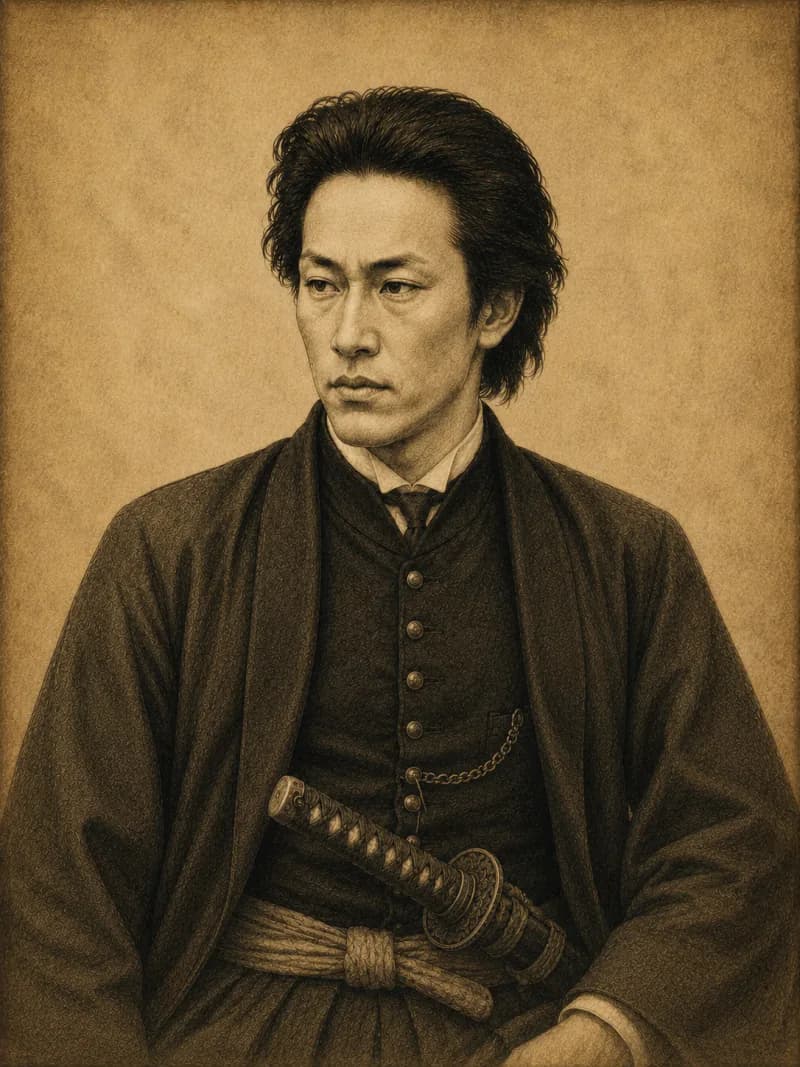
SA-0031 / JPN
Hijikata Toshizō
Vice-commander of the Shinsengumi who fought the shogunate's losing war to its very last day
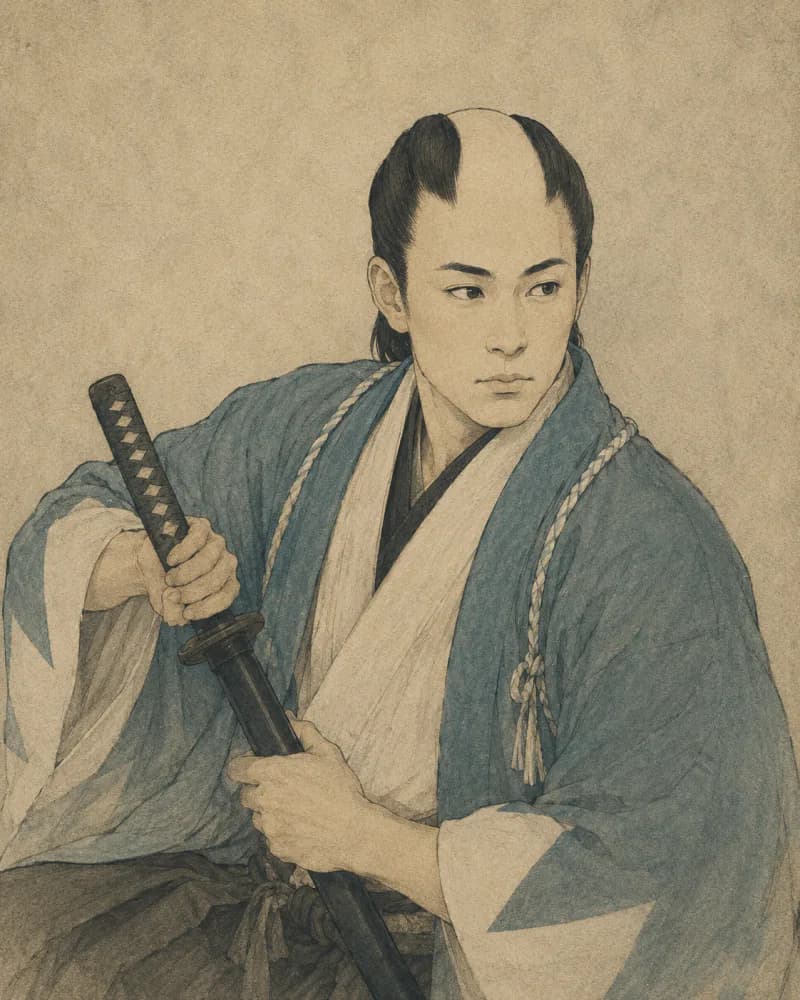
SA-0035 / JPN
Okita Sōji
First-captain of the Shinsengumi — and the tubercular swordsman who never fought the Boshin War
SA-0036 / JPN
Yoshida Shōin
The Shōka Sonjuku teacher whose two-and-a-half-year school drove the Meiji Restoration