SUBJECT FILE NO. SA-0066
BUSHI ARCHIVE
Shimazu Yoshihiro
Shimazu Yoshihiro
Seventeenth head of the Shimazu; daimyō of Satsuma, Ōsumi, and Hyūga
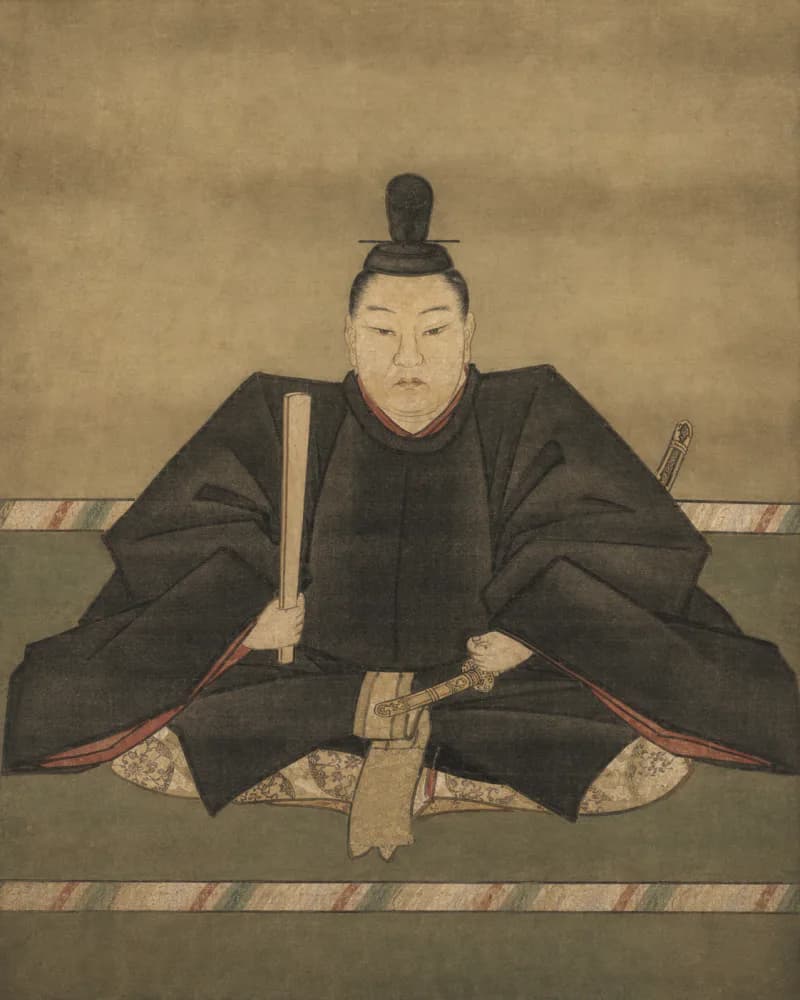
SECTION I -- SUBJECT PROFILE
| Name | Shimazu Yoshihiro |
|---|---|
| English | Shimazu Yoshihiro |
| Origin | Japan |
| Lifespan | 1535–1619 |
| Gender | Male |
| Century | 16th C. |
| Clan / Role | Daimyo |
| Title | Seventeenth head of the Shimazu; daimyō of Satsuma, Ōsumi, and Hyūga |
SECTION II -- OVERVIEW
Born on July 23, 1535 (Tenbun 4) at Izaku Castle in Satsuma Province (the modern Hioki City, Kagoshima Prefecture) as the second son of Shimazu Takahisa.
His childhood name was Matashirō, later Matashichirō. His elder brother Yoshihisa succeeded to the family headship, and Yoshihiro became the warrior in charge of the actual command of the Satsuma unification and Kyūshū conquest.
Through combat in the 1570s and 1580s — with the Itō of Hyūga, with the Ōtomo of Bungo (including the Battle of the Mimi River in 1578) — he established the Shimazu supremacy in Kyūshū.
In 1587 (Tenshō 15), the Shimazu lost to Toyotomi Hideyoshi's Kyūshū campaign and surrendered; thereafter, the house was permitted to continue under the Toyotomi regime.
In the Bunroku and Keichō Campaigns (Korean expeditions) that began in 1592, he operated in the southern Korean peninsula.
In October 1598 (Keichō 3), at the Battle of Sacheon, with about 7,000 troops he repelled a Ming-Korean allied army of tens of thousands, and is transmitted to have been feared by the Ming army as 'Guǐ Shímànzǐ' (Devil Shimazu).
At the Battle of Sekigahara on October 21, 1600, he took part on the Western side; he did not move during the combat, but after Eastern advantage became decisive, he left a rare case in history — a withdrawal to Satsuma with a small force through the enemy center in the 'Sutegamari' (throwaway rearguard) tactic.
In this retreat combat, Ii Naomasa (this site's id 48) took a gunshot wound and later died of it. After the battle, the Shimazu were the only Western-side house spared reduction of fief, and were confirmed at Satsuma, Ōsumi, and Morokata District in Hyūga at 770,000 koku.
He died at the Kajiki residence on July 21, 1619 (Genna 5). He was eighty-five.
SECTION III -- CHRONOLOGY
SECTION IV -- NOTABLE STATEMENTS
“The road of withdrawal lies ahead, not behind.”
SECTION V -- FIELD NOTES
[A]Examination of the 'Devil Shimazu' Tradition
The tradition that the Ming army called Yoshihiro's Satsuma troops 'Guǐ Shímànzǐ' (Devil Shimazu) and feared them is widely told in Shimazu-family-related sources from the Edo period onward.
But it is difficult to explicitly confirm this designation in contemporary primary sources on the Ming side, and the possibility has been pointed out that it took shape within the later Japanese-side veneration of the Shimazu house.
That said, the fact itself that in the Battle of Sacheon of October 1598, Yoshihiro's Satsuma troops of about 7,000 repelled a Ming-Korean allied army of tens of thousands is corroborated in multiple sources on both the Japanese and Korean sides.
Beyond the truth of the traditional designation, the high actual combat capability of Shimazu Yoshihiro in southern Korea is thought to have been widely recognized from the time.
SECTION VI -- LEGACY & IMPACT
Yoshihiro made possible the continuation of the Shimazu house from the Edo period onward as a rare Sengoku daimyō — the only one on the Western side to escape reduction of fief.
In the post-Sekigahara negotiations with the Shimazu house, Tokugawa Ieyasu finally gave up on reducing them. The Satsuma domain of 770,000 koku continued through the Edo period as one of the largest presences among tozama daimyō, and in the Bakumatsu produced the core figures of the Meiji Restoration — Saigō Takamori (this site's id 21), Ōkubo Toshimichi (this site's id 26).
The 'Sutegamari' tactic at Sekigahara — the rear-guard sacrifices itself to buy time and let the general escape — became an object of study in military texts thereafter as a peculiar case of retreat combat in Japanese military history.
Yoshihiro's grave is at Kajiki-chō in Aira City, Kagoshima Prefecture, and the Kajiki Shimazu-family materials form the core of modern Shimazu Yoshihiro research.
SECTION VII -- MAJOR DEEDS
- [01]Kyūshū unification wars (1570s-1580s)
- [02]Bunroku and Keichō Campaigns (1592-1598)
- [03]Battle of Sacheon (1598)
- [04]'Sutegamari' retreat combat at Sekigahara (1600)
- [05]Securing the survival of the 770,000-koku Satsuma domain
SECTION VIII -- REFERENCE MATERIALS
PRIMARY SOURCES & ARCHIVES
- PRIMARY
Shimazu-ke Monjo
Historiographical Institute, University of Tokyo
Critical edition of Shimazu-family transmitted documents; primary source including Yoshihiro's letters
- SCHOLARSHIP
The Military Achievements of Shimazu Yoshihiro
Niina Kazuhito / Ebisu Kōshō Shuppan
Standard modern study of Yoshihiro, empirically examining the Korean campaign and Sekigahara
- ARCHIVE
Shōkoshūseikan Museum
Kagoshima City, Kagoshima Prefecture
Museum holding Shimazu-family transmitted objects, including Yoshihiro-related materials
Visit archive →
RECOMMENDED READING
SECTION X -- RELATED REPORTS
SA-RPT
The Battle of Sacheon: In 1598, 7,000 Satsuma Troops Repelled a Ming Army of Tens of Thousands
On October 1, 1598, at Sacheon in southern Korea. Shimazu Yoshihiro's roughly 7,000 Satsuma troops received the attack of a Ming-Korean allied army of tens of thousands. After half a day of combat, the allied army withdrew with thousands of dead. Tracing one of the greatest victories in the whole Korean campaign.
SA-RPT
'Sutegamari': At Sekigahara 1600, How Did Yoshihiro Break Through the Enemy Center?
On the afternoon of October 21, 1600, at Sekigahara. When the defeat of the Western Army became decisive, Shimazu Yoshihiro chose a break-through of the enemy center with a small force. Tracing the rare retreat combat that achieved return to Satsuma by the 'Sutegamari' tactic — the rear-guard sacrifices itself to buy time.
SA-RPT
After Sekigahara, Why Did Only the Shimazu House Escape Reduction of Fief?
After Sekigahara in 1600, Western-side daimyō were forfeited or reduced one after another. But only the Shimazu house's 770,000 koku escaped reduction. Verifying the role Yoshihiro's break-through of the center played in the two-and-a-half-year negotiation with Tokugawa Ieyasu.
SECTION IX -- LINKED SUBJECTS
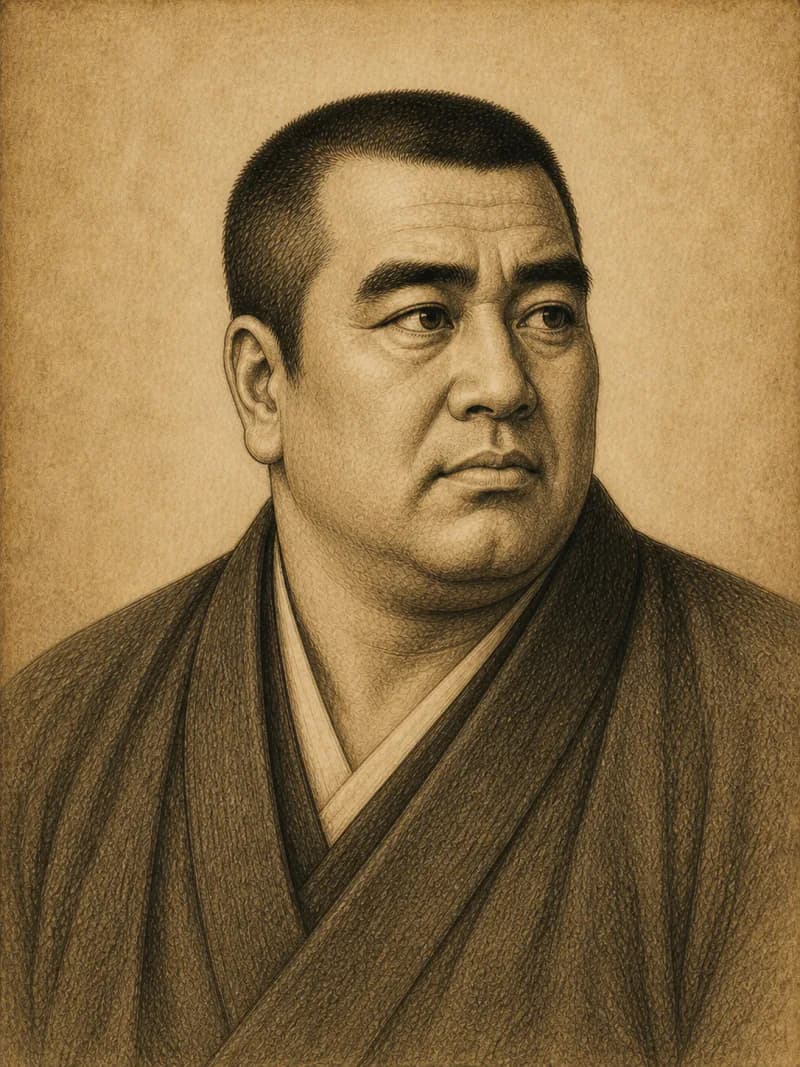
SA-0021 / JPN
Saigō Takamori
The architect of the Meiji Restoration who died fighting against the Meiji government he had built
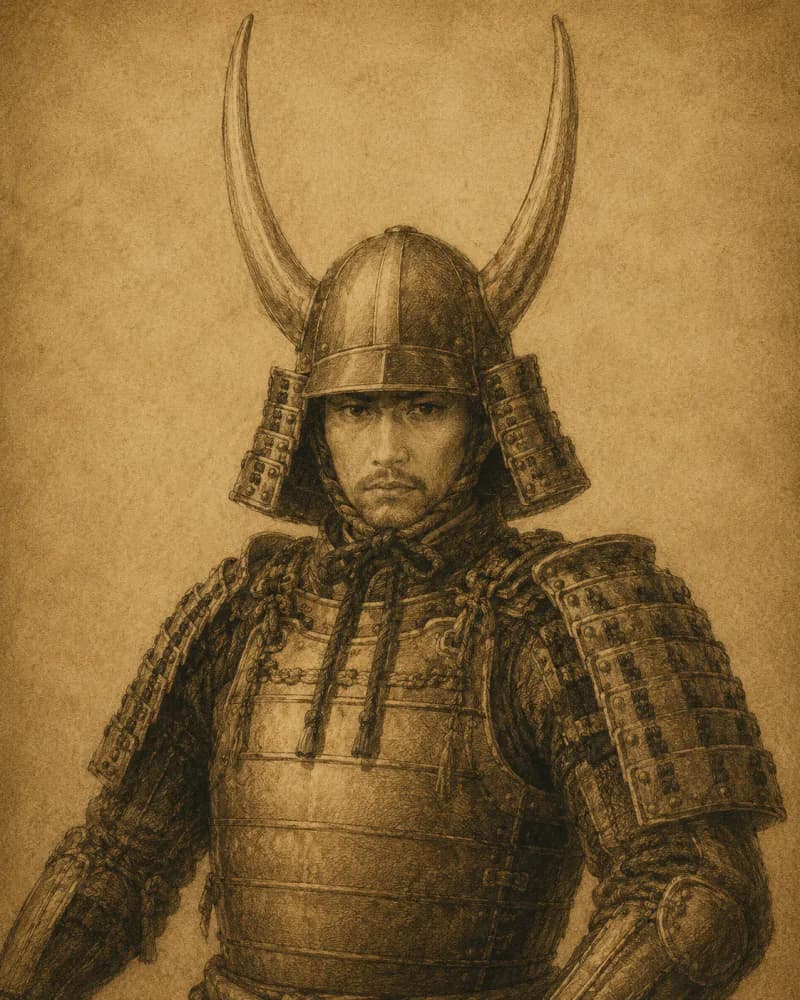
SA-0048 / JPN
Ii Naomasa
The youngest of the Tokugawa Four Heavenly Kings, commander of the 'Ii Red Devils' and founder of the Hikone domain
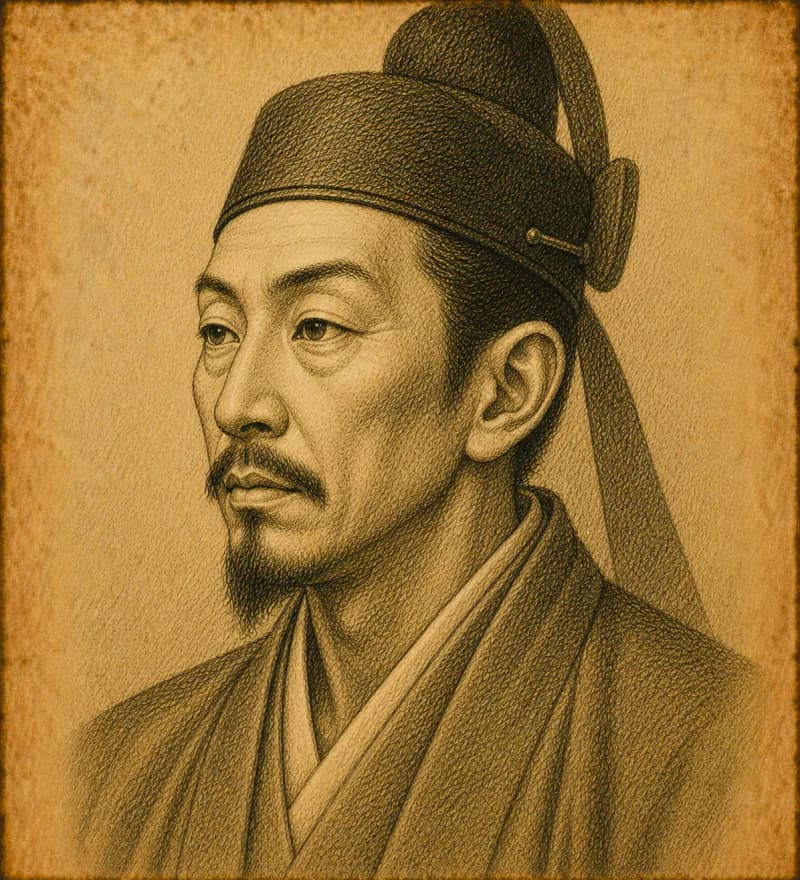
SA-0002 / JPN
Toyotomi Hideyoshi
The peasant who rose to rule all Japan
SA-0012 / JPN
Ishida Mitsunari
The administrator who fought Tokugawa for the Toyotomi succession — and lost
SA-0026 / JPN
Ōkubo Toshimichi
The architect of the Meiji state who outmaneuvered Saigō and was assassinated nine months later
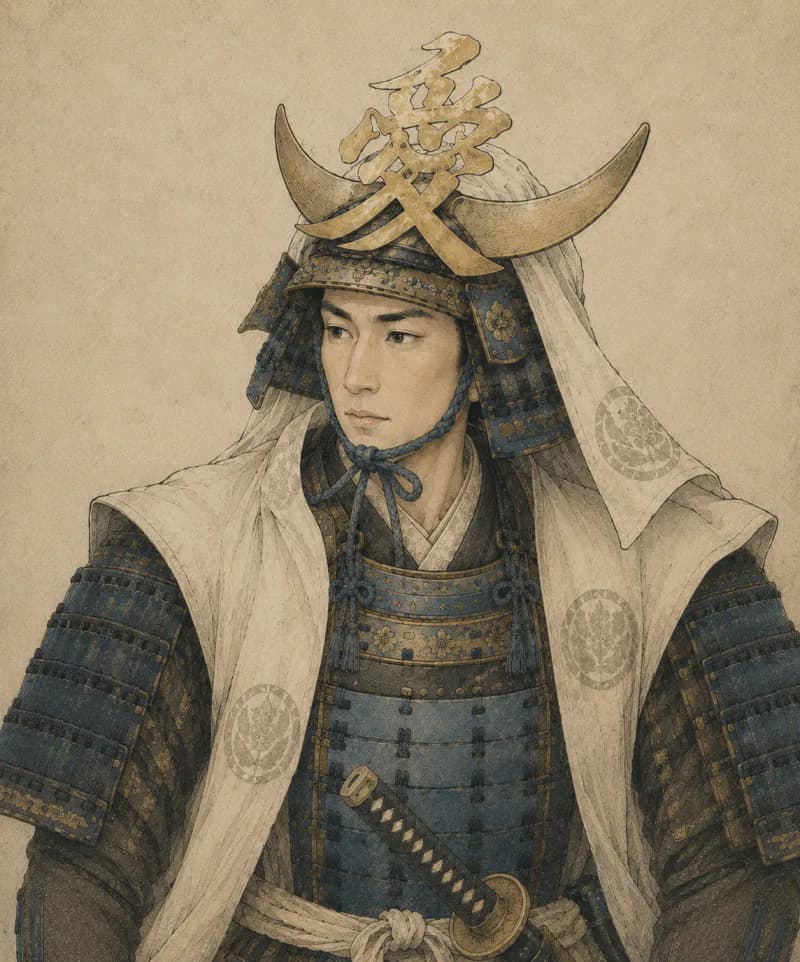
SA-0034 / JPN
Naoe Kanetsugu
The Uesugi strategist who wore the character for 'love' on his helmet
SA-0039 / JPN
Ōtani Yoshitsugu
The strategist who joined his friend Mitsunari at Sekigahara knowing they would probably lose
SA-0040 / JPN
Kobayakawa Hideaki
The young defector at Matsuo Mountain whose decision ended the Sengoku era