SUBJECT FILE NO. SA-0063
BUSHI ARCHIVE
Oichi
Oichi
Sister of Oda Nobunaga; principal wife of Azai Nagamasa and later Shibata Katsuie
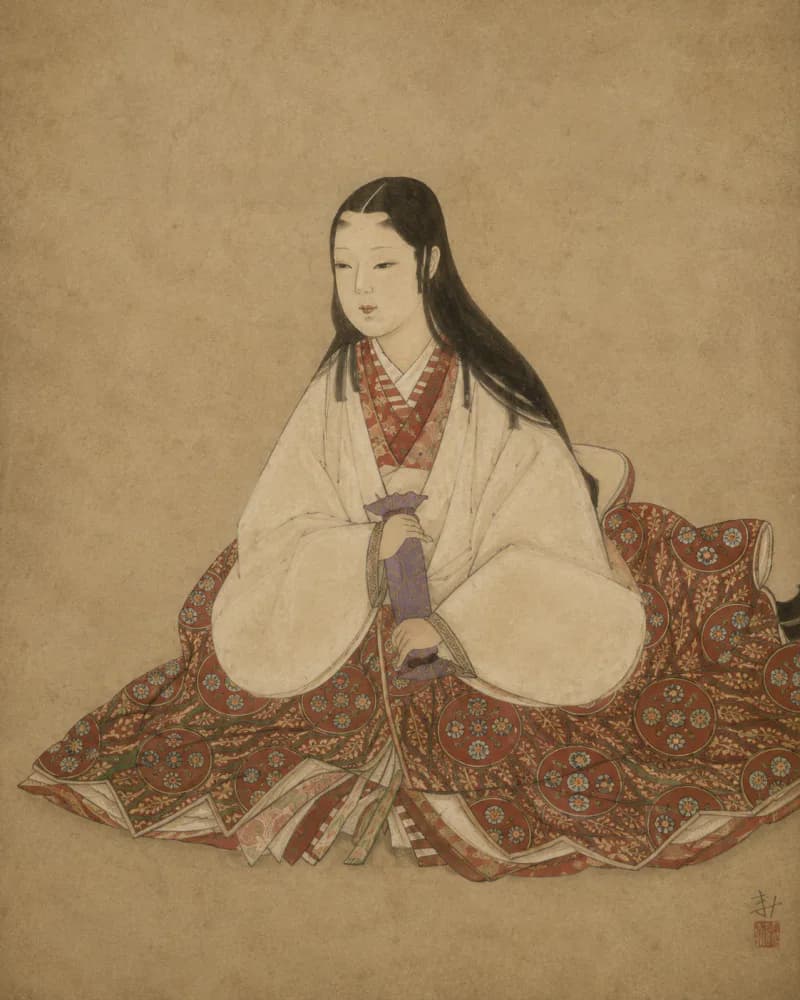
SECTION I -- SUBJECT PROFILE
| Name | Oichi |
|---|---|
| English | Oichi |
| Origin | Japan |
| Lifespan | 1547?–1583 |
| Gender | Female |
| Century | 16th C. |
| Clan / Role | Daimyo |
| Title | Sister of Oda Nobunaga; principal wife of Azai Nagamasa and later Shibata Katsuie |
SECTION II -- OVERVIEW
Born around 1547 in Owari Province as a daughter of Oda Nobuhide. Younger sister of Nobunaga (also transmitted as a cousin).
Around 1567 she was married to Azai Nagamasa of Ōmi Province in a political alliance. With Nagamasa she bore three daughters — Chacha (later Yodo-dono), Ohatsu (wife of Kyōgoku Takatsugu), and Oeyo (wife of Tokugawa Hidetada, mother of the third shōgun Iemitsu).
In 1570, when Nobunaga attacked Asakura Yoshikage of Echizen, Nagamasa sided with the Asakura and faced Nobunaga at the Battle of Anegawa.
In 1573 (Tenshō 1), when Odani Castle was surrounded by Nobunaga's army, Nagamasa took his own life, and Oichi escaped the castle with the three sisters and came under Nobunaga's protection.
Nagamasa's orphaned son Manpukumaru was killed. For the next ten years, Oichi lived under the protection of the Oda house.
In June 1582, Nobunaga died at Honnō-ji. That same year, by the agreement of the Kiyosu Council, Oichi remarried Shibata Katsuie.
She was in her mid-thirties; Katsuie was near sixty. But in April 1583 (Tenshō 11), Katsuie was defeated by Hashiba Hideyoshi at the Battle of Shizugatake.
On April 24, when Kitanoshō Castle was surrounded by Hideyoshi's army, Oichi took her own life together with Katsuie. She was around thirty-seven.
The three sisters were spared by Hideyoshi, and through Chacha (Hideyoshi's consort) and Oeyo (mother of the Tokugawa shōgun) would continue to occupy the center of Japanese history.
SECTION III -- CHRONOLOGY
SECTION IV -- NOTABLE STATEMENTS
“Even without that, on nights when I would sleep, the cuckoo invites me to a dream path of a summer night.”
SECTION V -- FIELD NOTES
[A]The 'Bag of Azuki Beans' Tradition
On the eve of the Battle of Anegawa, Oichi is said to have delivered to Nobunaga a 'bag of azuki beans tied at both ends,' hinting that the Azai would side with the Asakura and pincer Nobunaga — this anecdote was widely told in Edo-period military narratives, but has no corroboration in contemporary sources.
That Nobunaga anticipated the Azai betrayal appears in contemporary records, but there is no concrete evidence that Oichi played the role of messenger, and it is considered a product of Edo-period narrative-making.
That said, the fact itself that the tragedy of a woman placed in the situation of her real brother and real husband becoming enemies crystallized into a powerful story for later generations of Japanese speaks to the historical position of the figure Oichi.
SECTION VI -- LEGACY & IMPACT
Oichi has been transmitted for over four hundred years within Japanese culture as the emblem of tragedy for women of the Sengoku.
She was tossed about by the fates of three warriors — her real brother Nobunaga, her real husband Azai Nagamasa, and her second husband Shibata Katsuie — experienced the fall of two castles, and in the end took her own life.
Almost no record remains of Oichi's own political actions, but through her three daughters — Chacha (mother of Toyotomi Hideyori), Ohatsu (Kyōgoku house), and Oeyo (mother of the Tokugawa shōgun) — she left her bloodline in the center of the Japanese history of the late Sengoku through the early Edo.
In particular, Oeyo became the mother of the third shōgun Iemitsu, and Oichi's blood was inherited in the bloodline of the Tokugawa shōgun house thereafter.
A statue of Oichi has been erected at the Kitanoshō Castle site / Shibata Shrine in Fukui City, Fukui Prefecture, and the Odani Castle site in Nagahama City, Shiga Prefecture, is maintained as remains of the Azai clan.
SECTION VII -- MAJOR DEEDS
- [01]Marriage to Azai Nagamasa (1567?)
- [02]Birth of three daughters (Chacha, Ohatsu, Oeyo)
- [03]Escape from Odani Castle (1573)
- [04]Remarriage to Shibata Katsuie (1582)
- [05]Suicide at Kitanoshō Castle (1583)
SECTION VIII -- REFERENCE MATERIALS
PRIMARY SOURCES & ARCHIVES
- PRIMARY
Shinchō Kōki
Ōta Gyūichi
Contemporary record by a Nobunaga retainer; primary source containing references relating to Oichi
- SCHOLARSHIP
Three Generations of the Azai
Miyajima Keiichi / Yoshikawa Kōbunkan (Jinbutsu Sōsho)
Standard scholarly work on the Azai house, including Oichi's life
- ARCHIVE
Shibata Shrine
Chūō, Fukui City, Fukui Prefecture
The Kitanoshō Castle site; shrine enshrining Katsuie and Oichi
Visit archive →
RECOMMENDED READING
SECTION X -- RELATED REPORTS
SA-RPT
Anegawa: The Day Oichi's Brother and Husband Became Enemies
On June 28, 1570, at the Ane River in Ōmi Province. Oda Nobunaga and Azai Nagamasa met head-on. To Nobunaga, Nagamasa was his sister's husband; to Nagamasa, Nobunaga was his brother-in-law. Tracing the collapse of Sengoku-period political marriage from Oichi's position.
SA-RPT
The Fall of Odani: In 1573, Oichi Left the Castle with Three Daughters
In August 1573, Odani Castle was surrounded by Nobunaga's army. Her husband Azai Nagamasa took his own life, the eldest son Manpukumaru was killed, Oichi left the castle with three daughters and returned to her brother Nobunaga. Tracing the fork in the fate of a Sengoku-period woman.
SA-RPT
Kitanoshō: The Night Shizugatake Was Decided as a Loss, Oichi Chose Suicide
On the night of April 24, 1583, at Kitanoshō Castle in Echizen Province. Shibata Katsuie, defeated by Hashiba Hideyoshi at the Battle of Shizugatake, and his wife Oichi took their own lives together as the castle burned. The three sisters were spared by Hideyoshi. The end of Oichi at around thirty-seven.
SECTION IX -- LINKED SUBJECTS
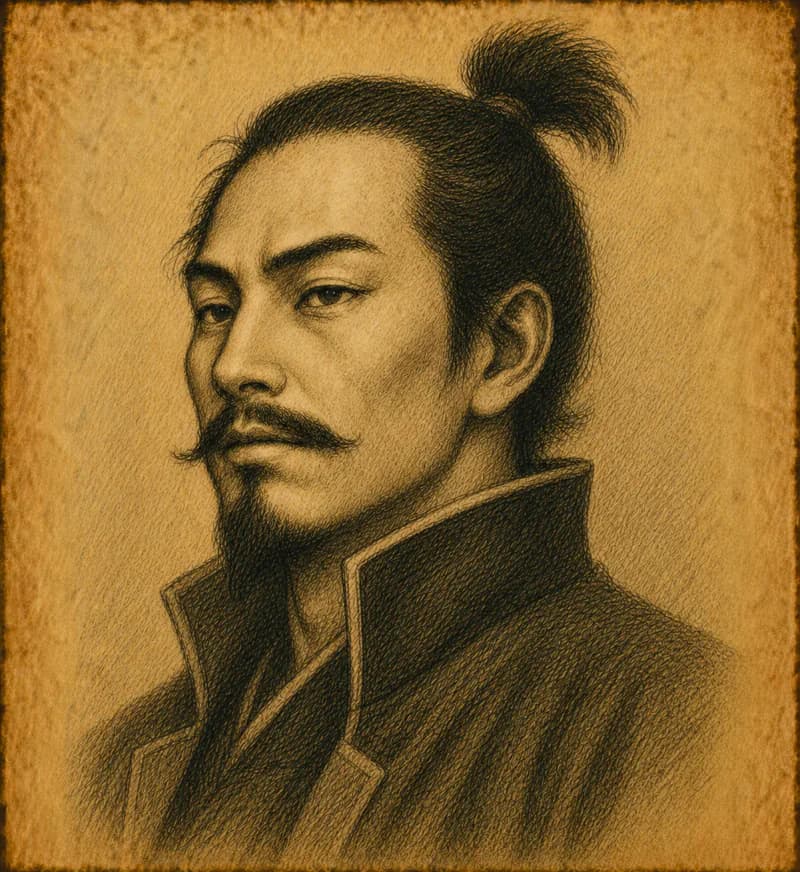
SA-0001 / JPN
Oda Nobunaga
The revolutionary who paved the path to a unified Japan
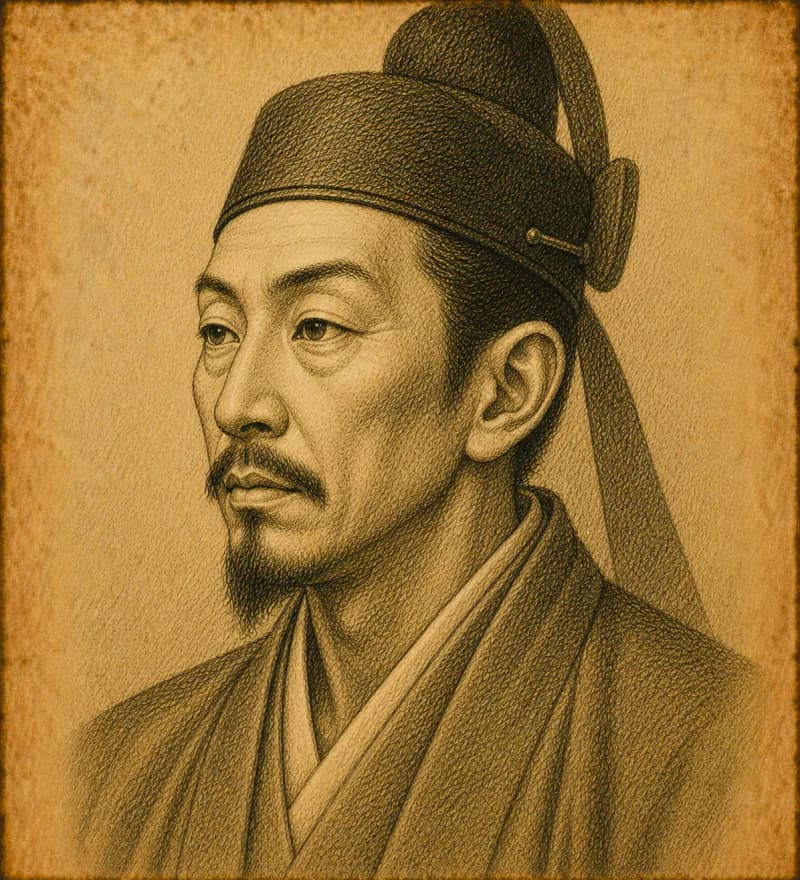
SA-0002 / JPN
Toyotomi Hideyoshi
The peasant who rose to rule all Japan
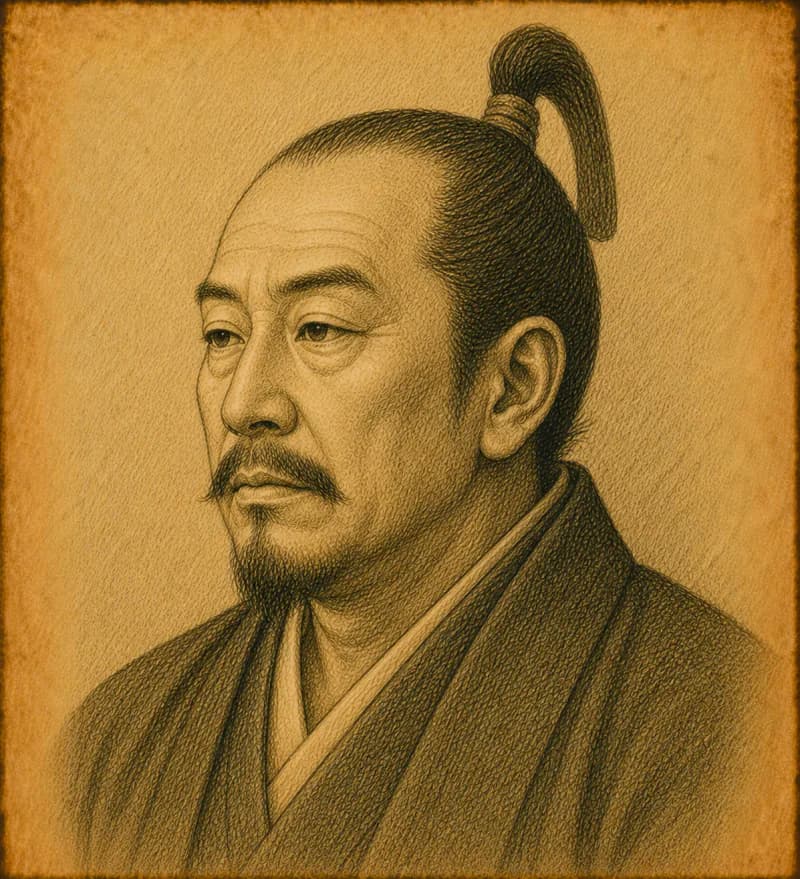
SA-0003 / JPN
Tokugawa Ieyasu
The patient warlord whose dynasty ruled Japan for 250 years
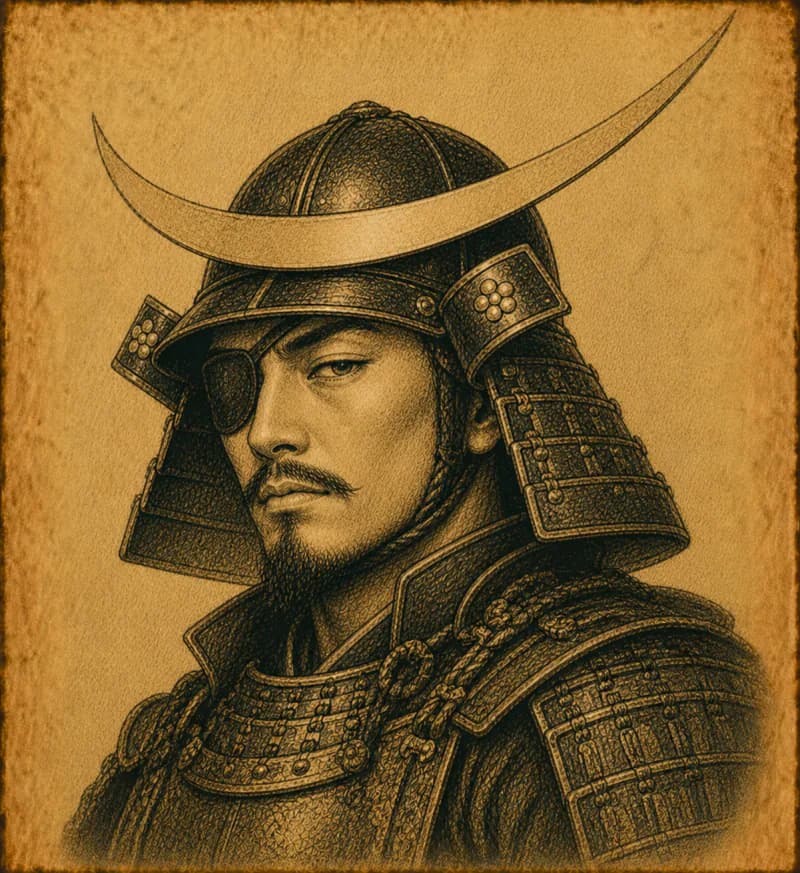
SA-0004 / JPN
Date Masamune
The One-Eyed Dragon who built Sendai
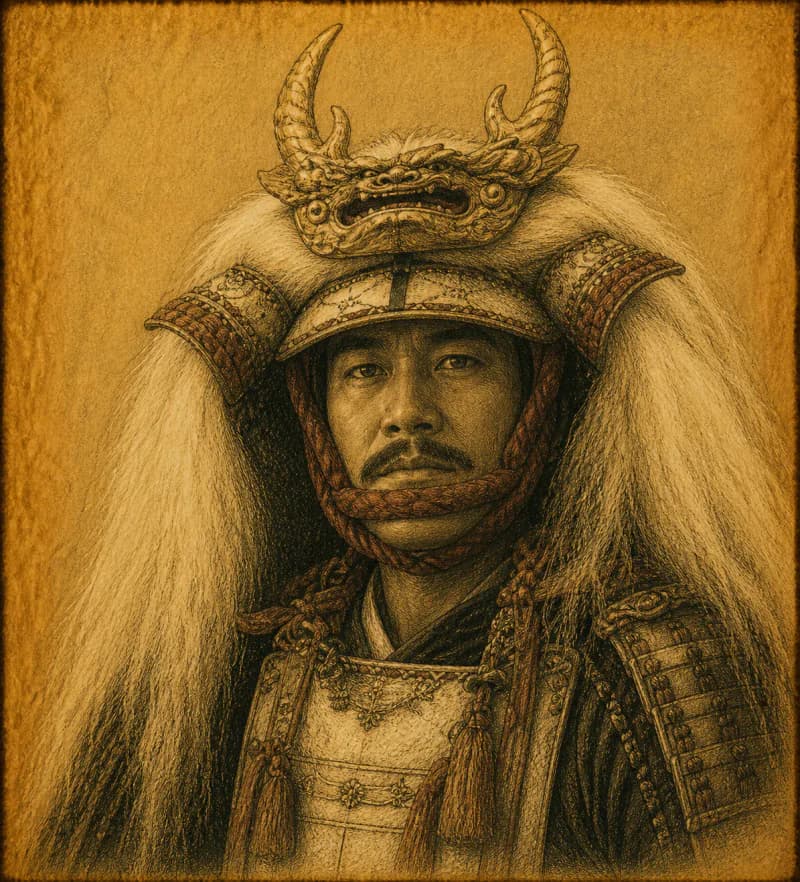
SA-0005 / JPN
Takeda Shingen
The Tiger of Kai whose cavalry shook the realm
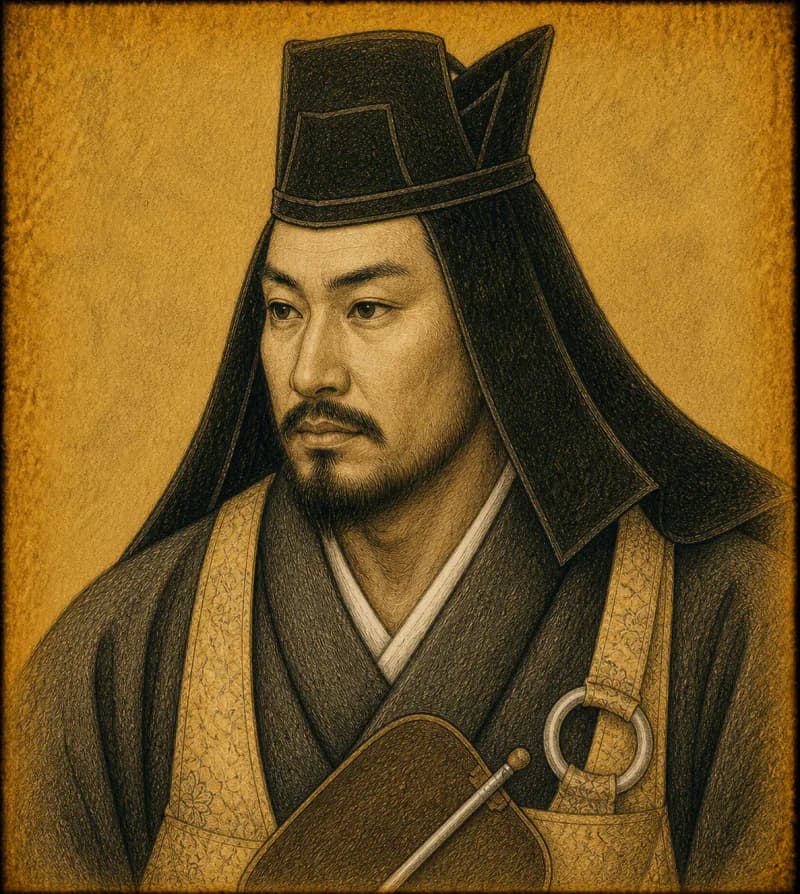
SA-0006 / JPN
Uesugi Kenshin
The Dragon of Echigo, sword-saint of the north
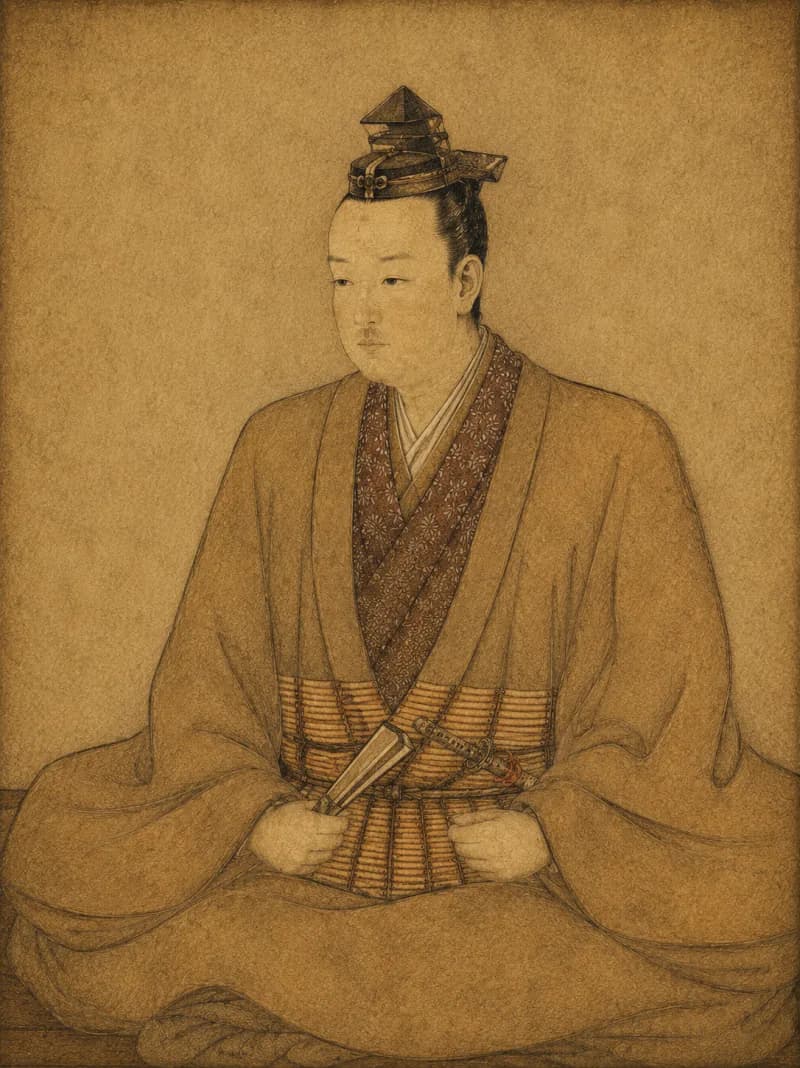
SA-0030 / JPN
Akechi Mitsuhide
The general whose betrayal at Honnō-ji rerouted Japanese history
SA-0033 / JPN
Takeda Katsuyori
The last lord of Takeda — and the man who lost the cavalry at Nagashino