SUBJECT FILE NO. SA-0079
BUSHI ARCHIVE
Chōsokabe Motochika
Chōsokabe Motochika
Sengoku daimyō of Tosa; overlord of Shikoku
SECTION I -- SUBJECT PROFILE
| Name | Chōsokabe Motochika |
|---|---|
| English | Chōsokabe Motochika |
| Origin | Japan |
| Lifespan | 1539–1599 |
| Gender | Male |
| Century | 16th C. |
| Clan / Role | Daimyo |
| Title | Sengoku daimyō of Tosa; overlord of Shikoku |
SECTION II -- OVERVIEW
Born in 1539 (Tenbun 8) as the eldest son of Chōsokabe Kunichika, lord of Oko Castle in Tosa Province. In childhood he was mocked as 'the little princess-boy' for being fair-skinned and quiet, but at his first battle, the Battle of Nagahama in 1560 (Eiroku 3), at the age of twenty-two, he showed valor that reversed all expectations and astonished those around him.
Thereafter, leading the half-farmer, half-soldier vassal band called 'ichiryō-gusoku,' he unified Tosa. He then extended his domain into Awa, Sanuki, and Iyo, and by around 1585 (Tenshō 13) had taken most of Shikoku.
But that same year, subjected to Toyotomi Hideyoshi's (this site's id 2) conquest of Shikoku, he surrendered and was allowed to keep only the single province of Tosa.
In 1586 (Tenshō 14), at the Battle of the Hetsugi River, in which he took part in Hideyoshi's conquest of Kyushu, he lost his eldest son Nobuchika in the fighting against the Shimazu army.
The death of his beloved son at twenty-two changed Motochika deeply; thereafter he became suspicious, and left the seed of a purge over the succession within his house.
In 1597 he enacted the house law 'The Hundred Articles of Chōsokabe Motochika.' In the fifth month of 1599 (Keichō 4), he died of illness at Fushimi.
He was sixty-one. It was the year before Sekigahara. His fourth son Morichika succeeded him, but sided with the Western army at Sekigahara and was dispossessed, and the Chōsokabe house perished as a daimyō house.
SECTION III -- CHRONOLOGY
SECTION IV -- NOTABLE STATEMENTS
“With Nobuchika lost, my Shikoku and my heart are half dead. There is nothing left now that I would grudge to give.”
SECTION V -- FIELD NOTES
[A]The Princess-Boy's First Battle — The Day That Overturned the Mockery
In his boyhood, Motochika was fair-skinned, tall, quiet, and disliked the martial arts, and so was mocked behind his back as 'the little princess-boy' by his father's retainers.
There were voices that doubted he was of the caliber of a lord. But at his first battle, the Battle of Nagahama in 1560, at the age of twenty-two, Motochika took a spear himself and charged into the enemy, showing splendid valor.
There is an anecdote that, asked about the manner of battle, he answered, 'You have only to thrust between the enemy's eyes.
' In this single day, the appraisal of the princess-boy was completely overturned. It was the moment when a youth who had been mocked and mocked first showed the world the qualities he had hidden within.
After this, Motochika drove toward the unification of Tosa at the head of the ichiryō-gusoku. Along with the lesson that people are not what they appear, Motochika's name resounded throughout Shikoku.
SECTION VI -- LEGACY & IMPACT
Chōsokabe Motochika rose from a single lord of Tosa and, in a single generation, achieved one of the foremost expansions of domain in the Sengoku, taking most of Shikoku.
Its driving force lay in the mobility of the half-farmer, half-soldier vassal band called 'ichiryō-gusoku' — farmers in peacetime, soldiers in war.
But Motochika's glory did not last long. Before the ruler of the realm, Hideyoshi, the dream of unifying Shikoku was shrunk to the single province of Tosa, and further, the loss of his eldest son Nobuchika at the Hetsugi River cast a deep shadow over the second half of his life.
The grief of losing his beloved son changed Motochika into a suspicious man and brought on conflict and purge over the succession within his house.
This lingering trouble became a remote cause of the dispossession of his fourth son Morichika, who sided with the Western army at Sekigahara after Motochika's death, and the Chōsokabe house perished as a daimyō house.
Even so, the house law 'The Hundred Articles of Chōsokabe Motochika' he enacted, and the spirit of the ichiryō-gusoku rooted in Tosa, were inherited by the later gōshi (rural samurai) class of the Tosa domain.
It became one of the soils that produced the Bakumatsu figures Sakamoto Ryōma (this site's id 8) and Takechi Hanpeita (this site's id 67).
The Oko Castle ruins in Nankoku City, Kōchi Prefecture, convey the traces of Motochika's base to the present.
SECTION VII -- MAJOR DEEDS
- [01]Unification of Tosa
- [02]Conquest of most of Shikoku (1585)
- [03]Organization of the vassal band through the ichiryō-gusoku
- [04]Enactment of the house law 'The Hundred Articles of Chōsokabe Motochika'
- [05]Foundation of the Tosa gōshi culture
SECTION VIII -- REFERENCE MATERIALS
PRIMARY SOURCES & ARCHIVES
- PRIMARY
Motochika-ki
A memorandum of Motochika's deeds recorded by a retainer
- SCHOLARSHIP
Chōsokabe Motochika
Yamamoto Dai / Yoshikawa Kōbunkan (Jinbutsu Sōsho)
Representative modern biography of Motochika
- ARCHIVE
Oko Castle Ruins
Nankoku City, Kōchi Prefecture
Motochika's base; the Kōchi Prefectural Museum of History and Folklore adjoins it
Visit archive →
RECOMMENDED READING
SECTION X -- RELATED REPORTS
SA-RPT
The Princess-Boy's First Battle: In 1560, a Mocked Youth Bared His Fangs
Fair-skinned and quiet, Chōsokabe Motochika was mocked as 'the little princess-boy.' But in 1560, at his first battle at the age of twenty-two, he wielded a spear himself and showed valor, overturning the mockery of those around him in a single day. It was the too-late flowering of a youth stepping toward the overlordship of Shikoku.
SA-RPT
The Unification of Shikoku: In 1585, the Dream the Ichiryō-Gusoku Built, and Its End
Leading the half-farmer, half-soldier ichiryō-gusoku, Chōsokabe Motochika took most of Shikoku from Tosa. But on the eve of unification, the great army of the realm's ruler Hideyoshi crossed the sea. The Shikoku dream built in a single generation was shrunk, before the power of the center, to the single province of Tosa.
SA-RPT
The Hetsugi River: In 1586, Motochika Lost His Beloved Son and Was Changed Beyond Recognition
In 1586, at the Hetsugi River in Kyushu, Chōsokabe Motochika lost his eldest son Nobuchika in the fighting against the Shimazu army. The death of his beloved son at twenty-two changed the hero of Shikoku into a man of suspicion. The disorder over the succession within his house became a remote cause of the fall of the Chōsokabe house.
SECTION IX -- LINKED SUBJECTS
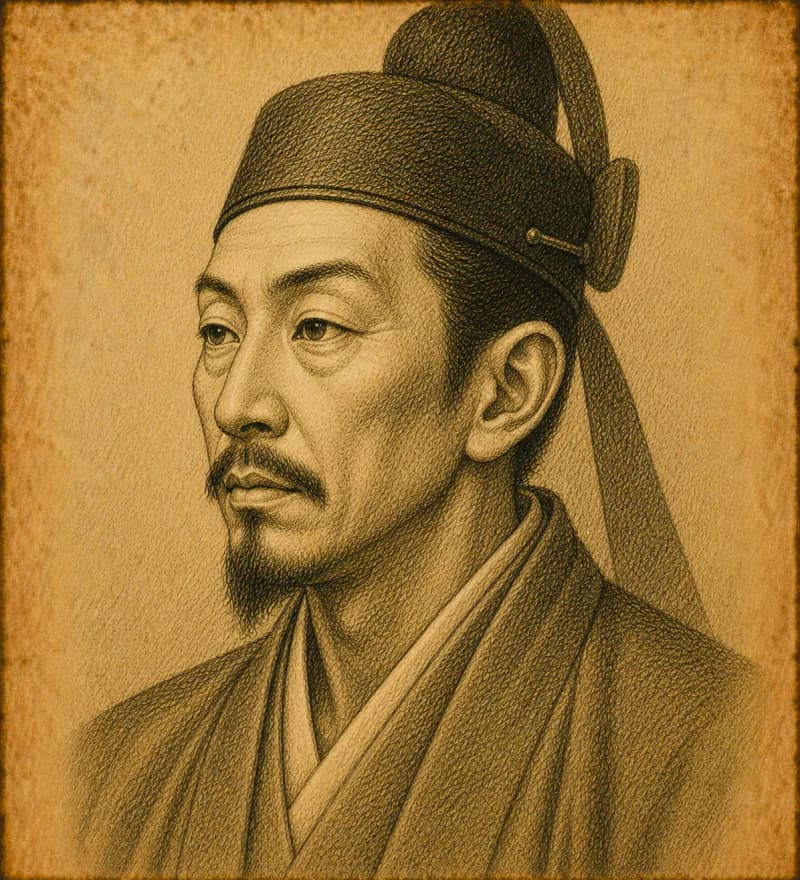
SA-0002 / JPN
Toyotomi Hideyoshi
The peasant who rose to rule all Japan
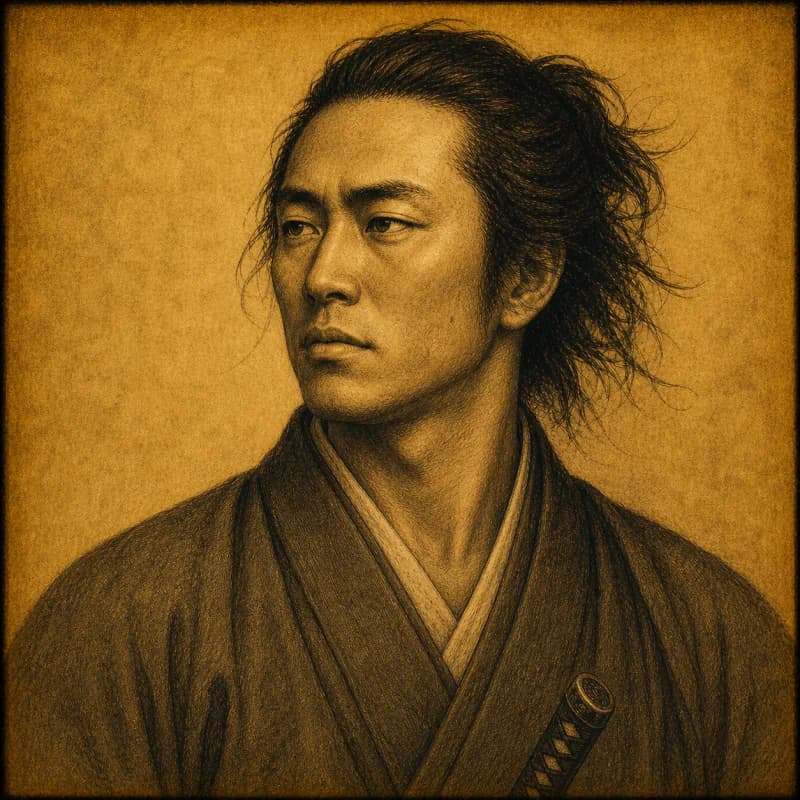
SA-0008 / JPN
Sakamoto Ryōma
The low-rank samurai who engineered the fall of the shogunate
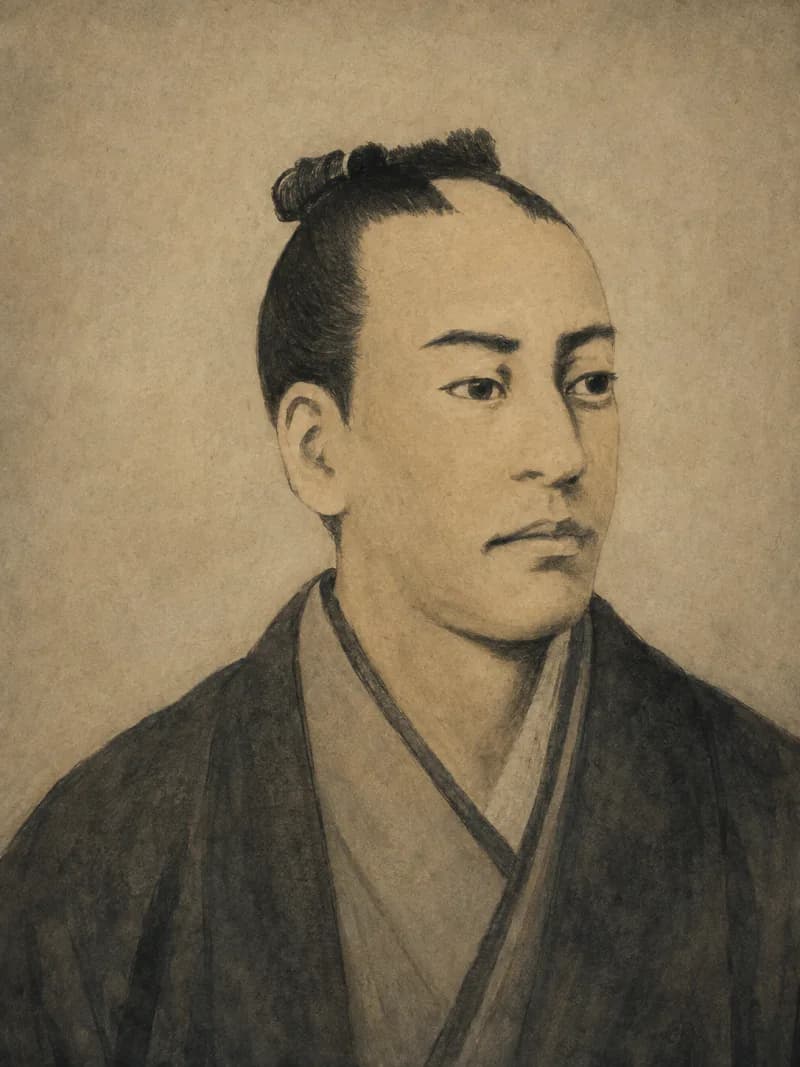
SA-0067 / JPN
Takechi Hanpeita
The shishi who led the Tosa Loyalist Party and directed the Bakumatsu 'tenchū' politics, and took his own life under Yamauchi Yōdō's suppression
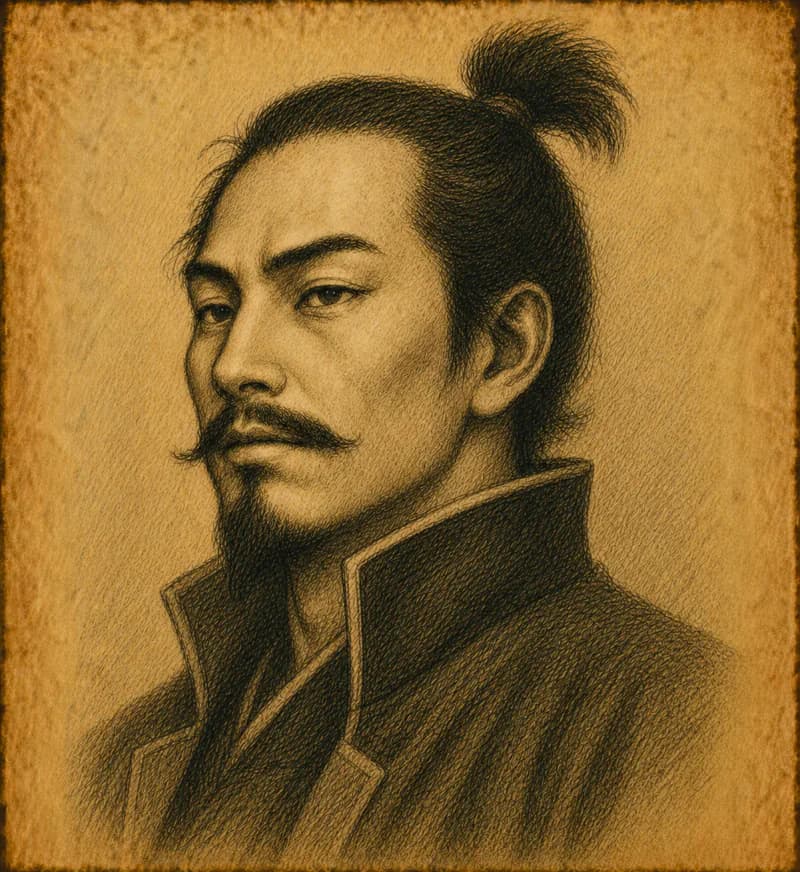
SA-0001 / JPN
Oda Nobunaga
The revolutionary who paved the path to a unified Japan
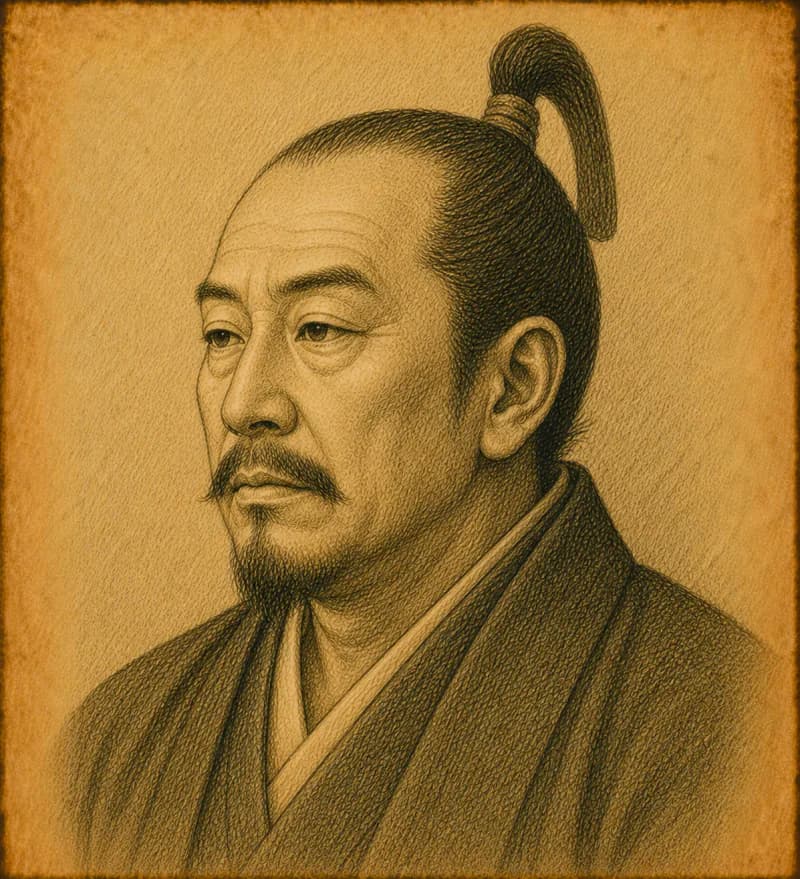
SA-0003 / JPN
Tokugawa Ieyasu
The patient warlord whose dynasty ruled Japan for 250 years
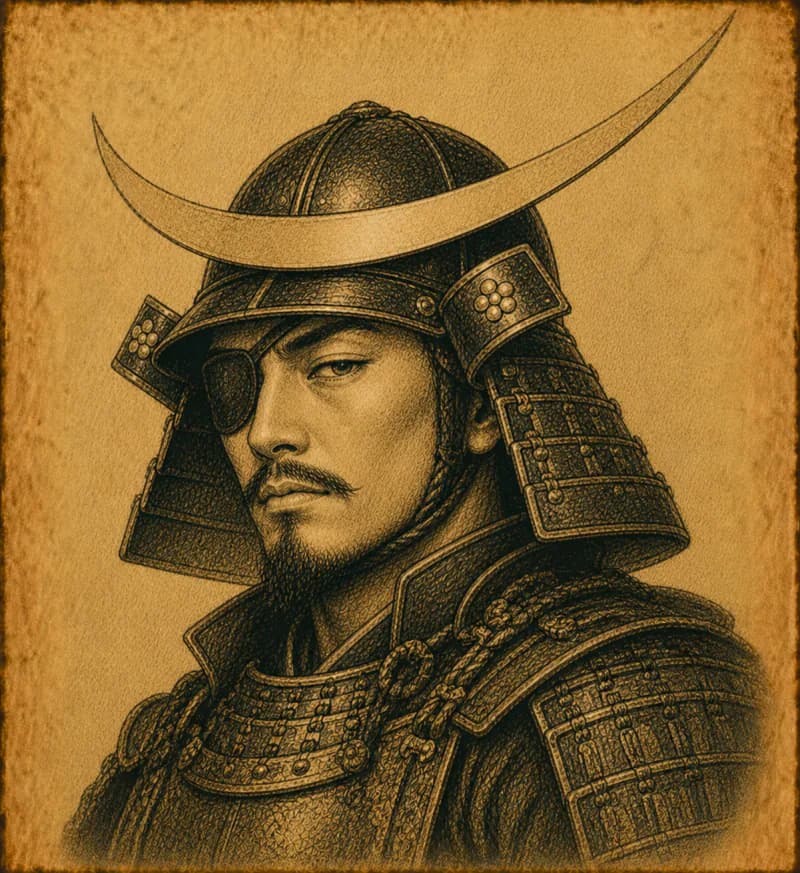
SA-0004 / JPN
Date Masamune
The One-Eyed Dragon who built Sendai
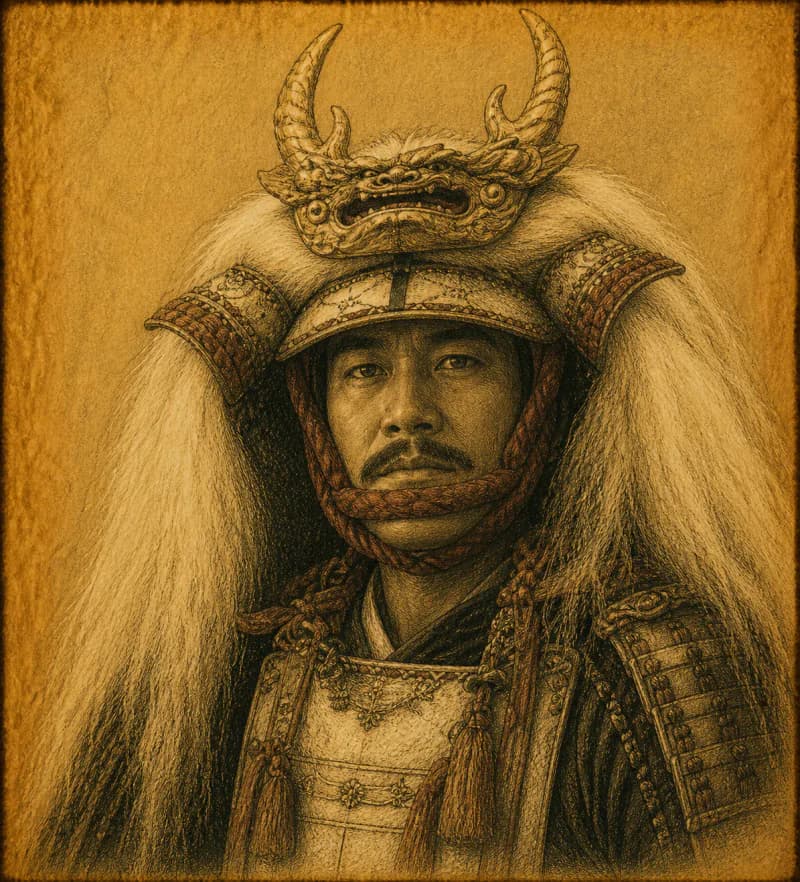
SA-0005 / JPN
Takeda Shingen
The Tiger of Kai whose cavalry shook the realm
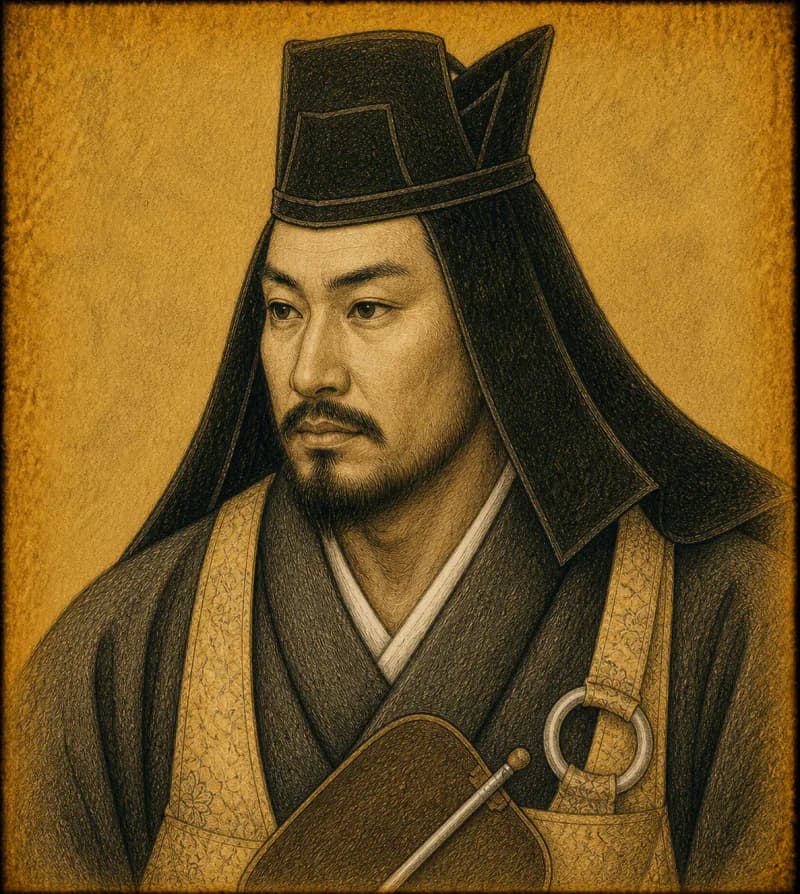
SA-0006 / JPN
Uesugi Kenshin
The Dragon of Echigo, sword-saint of the north